Never Cut Your Ohio Grass This Short During August Heat Waves
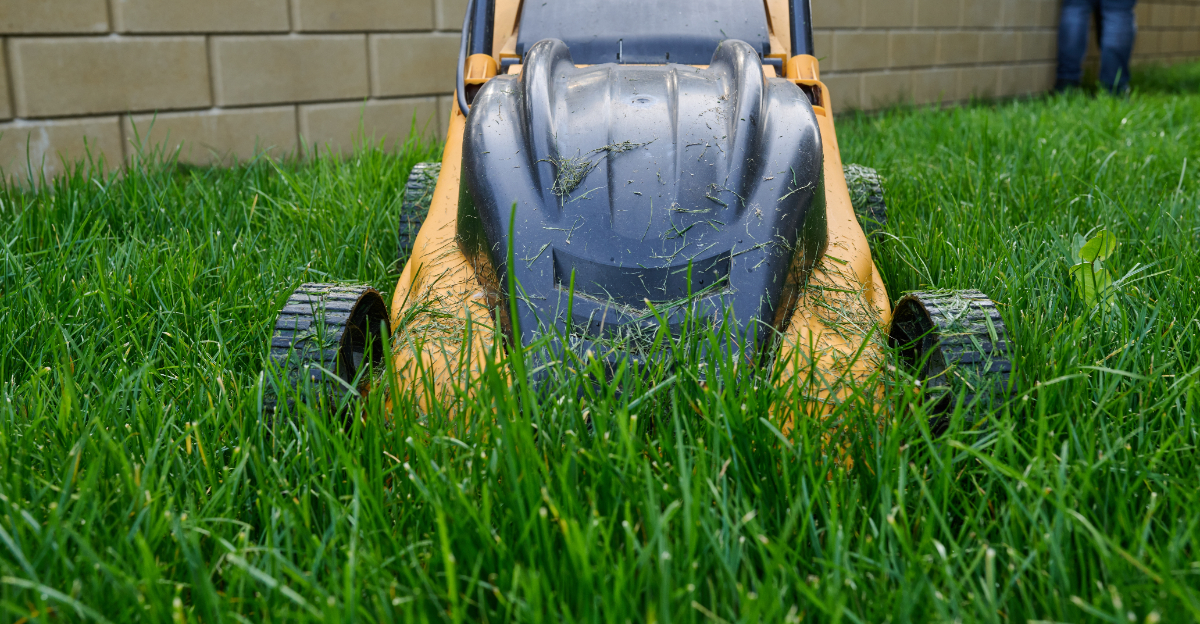
The mower goes down, the lawn looks sharp, and three days later a heat wave arrives to finish the job. Cutting Ohio grass too short before a heat spike is one of the more reliable ways to turn a stressed lawn into a damaged one.
The blade left on the plant is the blade protecting the root zone. Remove too much and the lawn loses its only buffer against August heat.
Most Ohio homeowners mow on a schedule. The schedule does not account for what is coming in the forecast.
The lawn pays for that gap every single time a heat wave follows a fresh cut by a few days. There is a height that protects.
There is a height that does not. In August, knowing the difference matters more than keeping the yard looking sharp for a weekend that the heat is about to ruin anyway.
1. Three Inches Is A Safer Floor When Summer Heat Bears Down
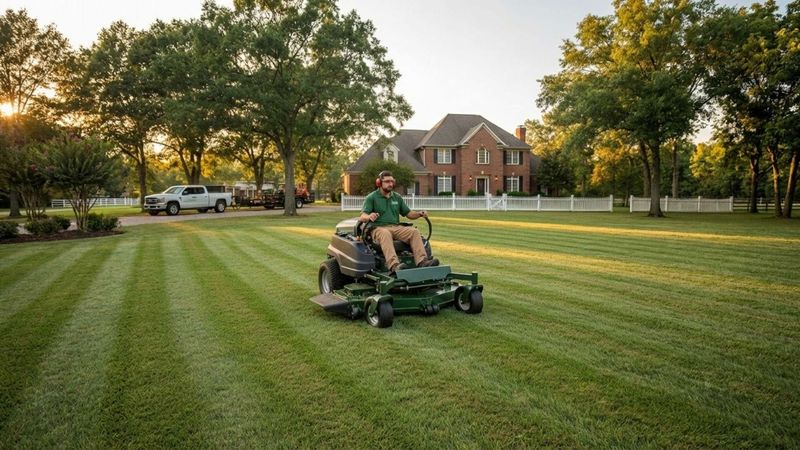
A freshly shaved strip can look sharp beside the driveway, yet the plant may pay for that neat edge. OSU Extension guidance for many Ohio residential cool season lawns supports a taller summer cut, often about 3 to 3.5 inches.
That range fits many lawns with Kentucky bluegrass, tall fescue, perennial ryegrass, or fine fescues. It is not a universal floor for every turf species.
Some grasses have different mowing ranges, and a mixed lawn may not act like a single plant.
The reason is simple. More leaf tissue helps the plant keep making food through photosynthesis.
A taller canopy also covers more soil, which can matter during dry, bright weather.
Roots are linked to leaf growth over time, not by magic overnight. Raising a mower today will not erase weeks of close cutting.
Yet repeated taller mowing can support a stronger stand than repeated leaf removal during rough weather.
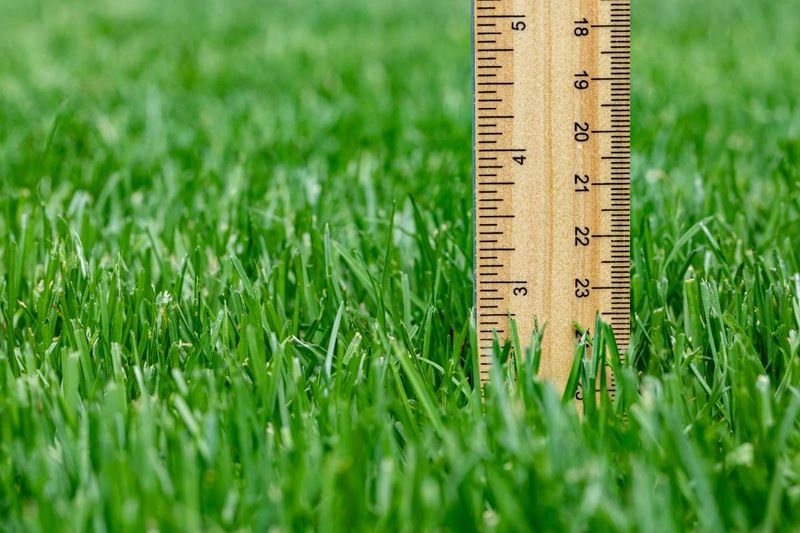
Set the mower high enough to stay in the recommended range for your turf. Then measure the cut grass, not just the number on the mower deck.
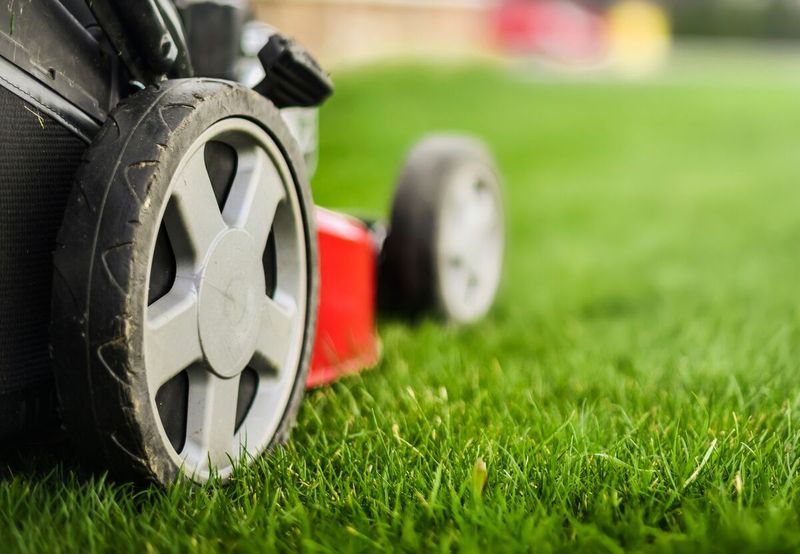
Deck numbers can be rough guides, and worn wheels or uneven ground can change the real height.
2. Taller Grass Leaves More Shade Over The Soil Below
Look down between short blades, and bare soil often shows like thin spots in a sweater. A taller canopy closes that view better, so sunlight has a harder time reaching the soil surface.
That shade can help the turf environment stay less exposed during dry periods. It does not stop evaporation fully, and it cannot replace rain or irrigation.
Still, covered soil is usually less harsh than open soil under direct sun.
Weed pressure can also be affected by canopy cover. Many weed seeds need light and open space to get started.
Denser, taller turf can compete better, though it will not block every weed.
There is a limit, of course. Letting grass grow far beyond its proper range creates a different problem.
A huge cut later removes too much leaf area and may leave clumps that smother spots.
Your Ohio Garden Changes Every Week. Your Plan Should Too.
Gardening in Ohio changes quickly throughout the season. Every Friday you’ll receive a simple weekly plan showing exactly what to plant, prune, fertilize, harvest, and protect so you never miss the right timing.
Use the taller summer range as a managed height, not as permission to ignore the lawn for weeks. Check the canopy with your hand.
If the grass is upright, growing, and past its target, mow gently. If it is barely growing, wait until there is enough growth to justify the cut.
3. Never Remove Too Much Green Growth In A Single Mowing
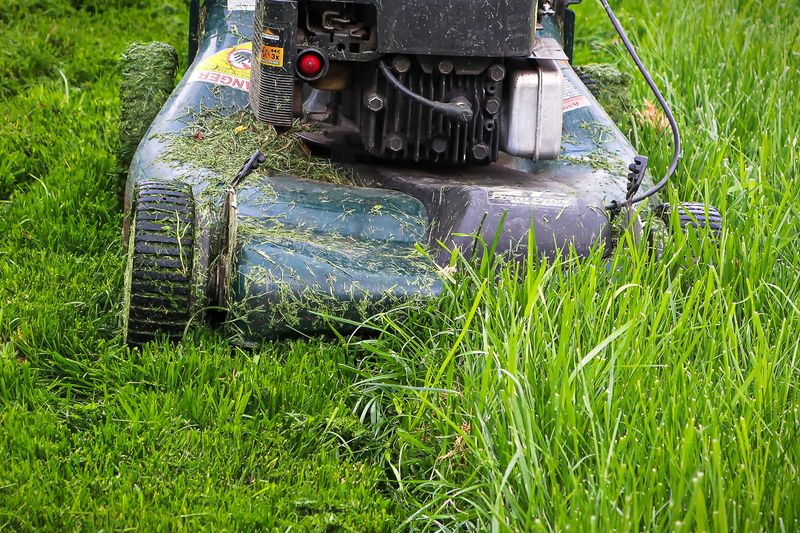
The easy mistake happens after Ohio rain breaks a dry spell. The yard suddenly looks shaggy, the mower comes out, and one low pass tries to put everything back at once.
Extension mowing guidance commonly uses the one third rule. Remove no more than about one third of the grass blade in a single mowing.
It is a guide, not a shield against every lawn problem.
The math is not hard. To maintain a 3 inch cut, mow when the grass is near 4.5 inches.
Cutting from 4.5 inches to 3 inches removes about one third of the blade.
Taking more than that removes too much green tissue at one time. The plant has less leaf area for food production.
The cut may also leave a pale, thin look because lower leaves and stems are exposed.
When growth gets ahead of you, step the height down over more than one mowing. Give the turf time to keep some leaf area between cuts.
Heavy clippings may need to be spread out or collected if they form mats.
Do not use the rule to justify mowing turf that has stopped growing. The rule only helps when there is real growth to manage.
4. A Heat Stressed Lawn May Be Better Off Waiting For The Mower
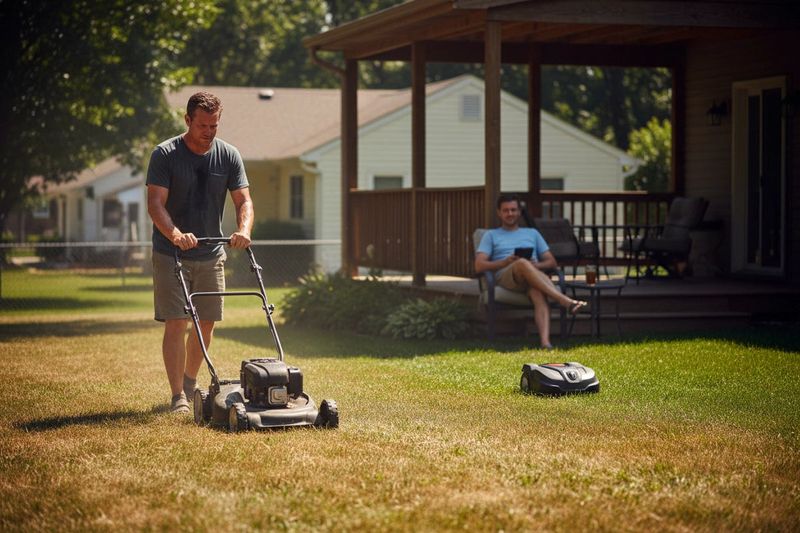
Footprints that stay visible after you walk across the Ohio yard are a useful warning sign. Folded or rolled leaves and a dull bluish color can also point to moisture shortage.
At that point, mowing may add wear without giving much benefit. Turf that is short on water often grows slowly.
If the grass has not gained much height, there is little reason to cut it.
A rigid weekly mowing habit can be rough during dry, hot stretches. Growth changes with temperature, soil moisture, species, fertility, and season.
The mower should come out because the turf reached mowing height, not because it is Saturday.
Do not rely on one temperature number as a rule for every yard. Site conditions vary too much.
A sunny slope, compacted soil, and shallow roots can struggle before a shaded area does.
Walk the lawn before starting. Look for wilt signs, dry soil, and areas that have gone quiet.
If the turf springs back and has grown beyond target height, mow at a proper setting.
When the plant looks limp and growth has slowed, leave it alone. A skipped cut can be the smarter mowing choice during a rough spell.
5. Sharp Blades Matter More When Grass Is Already Under Stress
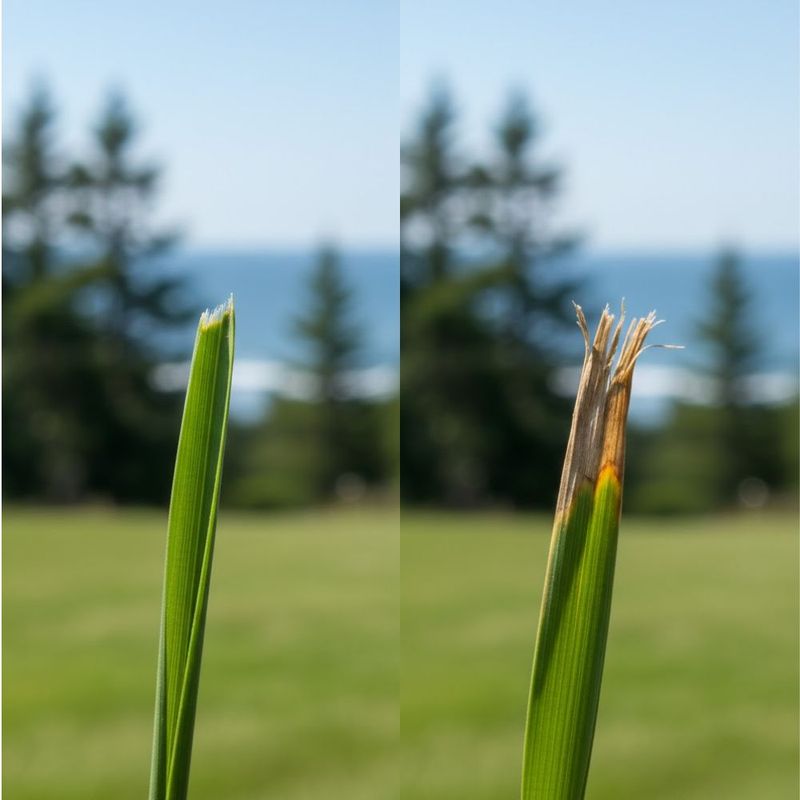
Ragged tan tips can make a yard look dusty even when the height is right. Often, those torn ends come from a blade that is too dull to slice cleanly.
A clean cut leaves a neat edge on the leaf. A dull blade tears or shreds the tissue.
The damaged tips may dry and turn tan or brown, which can make the whole lawn look off color.
During tough weather, poor cut quality adds one more problem. The plant already has limited moisture and slower growth.
Torn leaf ends increase the area that must dry and heal.
A sharp blade is not a cure for severe drought, poor soil, insects, disease, or a wrong mowing height. It simply avoids extra injury from the mowing job itself.
That is still worth doing.
Check the cut after mowing a small area. If the blade tips look frayed instead of sliced, stop and service the mower.
Follow the owner manual and disconnect power before any safe maintenance step.
Do not sharpen on a fixed calendar alone. Sandy soil, sticks, large lawns, and frequent mowing can wear blades faster.
Clean cutting is the test that matters most.
6. Brown Dormant Grass Does Not Need A Cosmetic Haircut
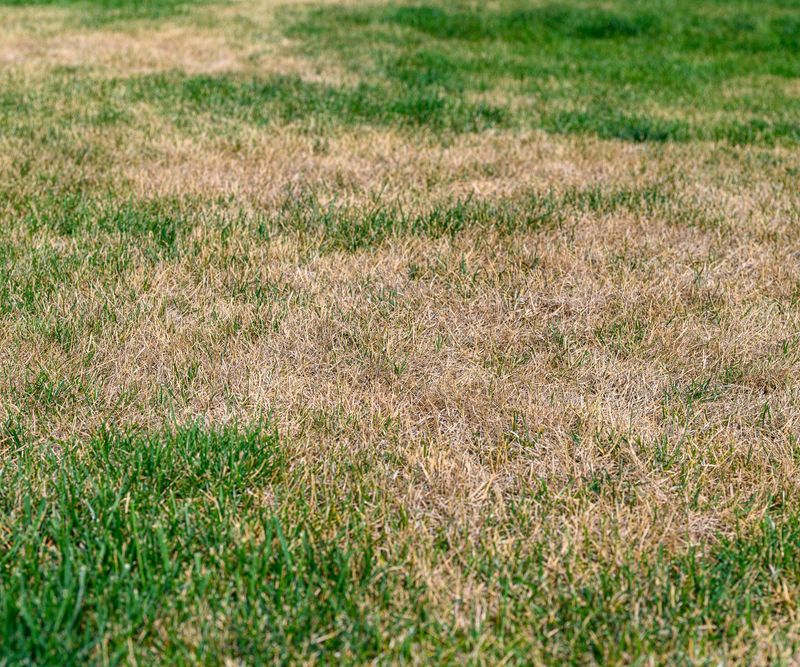
A brown patch can tempt Ohioans to tidy it with one more pass. Yet color alone does not tell the full story.
Brown turf may be dormant, or it may have another problem.
Disease, insect injury, irrigation failure, chemical injury, and severe moisture shortage can all change color. Look at the pattern, soil moisture, recent care, and whether any green growth remains.
Cool season turf may enter summer dormancy when water is limited. Dormancy is a survival response, not proof that everything is fine.
Extended dry conditions can still harm crowns and roots.
When the grass has stopped growing, mowing gives almost no reward. You are not reducing height if there is no new height to remove.
Extra traffic from equipment can also be unhelpful on dry, brittle turf.
Do not scalp brown areas to make them look even. Scalping means removing excessive leaf tissue or exposing lower stems and crowns.
That is not a repair plan.
If dormancy is likely, reduce foot and mower traffic when possible. Follow local water rules and current Extension guidance if you choose protective irrigation.
Most of all, let mowing follow growth instead of color.
7. Watering And Mowing Should Work Together During Dry Spells
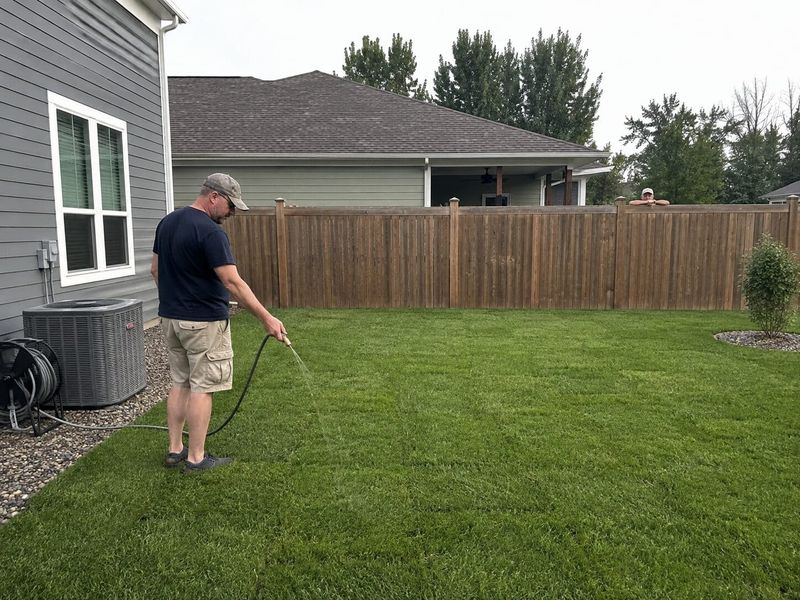
A sprinkler running beside a waiting mower can create a timing puzzle. Water and mowing both affect the same plant, so they should not be treated as separate chores.
Deep, less frequent watering is often favored for established cool season lawns when irrigation is used. The exact need depends on soil, rainfall, rooting, grass type, and current weather.
Avoid a rigid schedule that ignores those factors.
A taller mowing height can help the turf use moisture better, but it does not create water. Irrigation can support growth, yet it is not permission to cut extremely short.
Both choices need to fit the plant condition.
Do not mow saturated turf. Wet soil can rut under tires, and soft ground can compact more easily.
Wet leaves may also clump, bend, and cut unevenly.
Let the surface firm up before mowing after irrigation or rain. Check by walking a small area.
If shoes sink, soil smears, or water squeezes up, wait.
Coordinate the work in a practical order. Water when the lawn needs moisture, then mow later when the turf is dry enough and has grown past target height.
That pairing protects both the cut and the soil.
8. Lower The Mower Again Only After Summer Stress Has Passed
The first cool stretch can make a close cut feel safe again. Wait a bit.
A calendar date alone does not prove the turf has recovered from dry soil or slowed growth.
Any height change should match the grass species, growth rate, weather, and turf condition. Current Extension guidance still matters.
Some lawns may stay near the same recommended height through fall.
If your grass type has a normal range that allows a slightly lower cut later, make the change slowly. Do not drop the deck hard in one mowing.
The one third rule still applies.
Watch the lawn for active growth before adjusting. New upright leaves, better color, and regular height gain are better clues than one cool night.
Soil moisture should also be improved enough to support mowing.
Measure the actual cut again after changing the deck. Mower numbers can vary, especially on uneven ground.
A ruler gives a clearer answer than guessing from the sidewalk.
The practical decision is simple. Keep the taller setting while the turf is under summer pressure or barely growing.
Lower only when the species range, growth, and conditions support it. Appearance should not outrank plant needs.