The Only Rose Varieties Worth Growing In Michigan’s Cold Winters
Michigan roses have to earn their place in a way that roses in warmer states simply do not.
A variety that looks gorgeous at the garden center in May has to survive what comes next, and what comes next is a long, cold, unpredictable winter that has humbled plenty of beautiful but poorly suited plants over the years.
Choosing roses with a documented track record in cold northern climates is not the most romantic approach to garden planning, but it is absolutely the most practical one.
Some shrub and climbing roses have been bred or carefully tested for exactly these conditions, and they deliver real blooms, real resilience, and the kind of performance that makes a Michigan rose garden genuinely worth the effort every single season.
1. Sven Is Built For Long, Cold Northern Winters
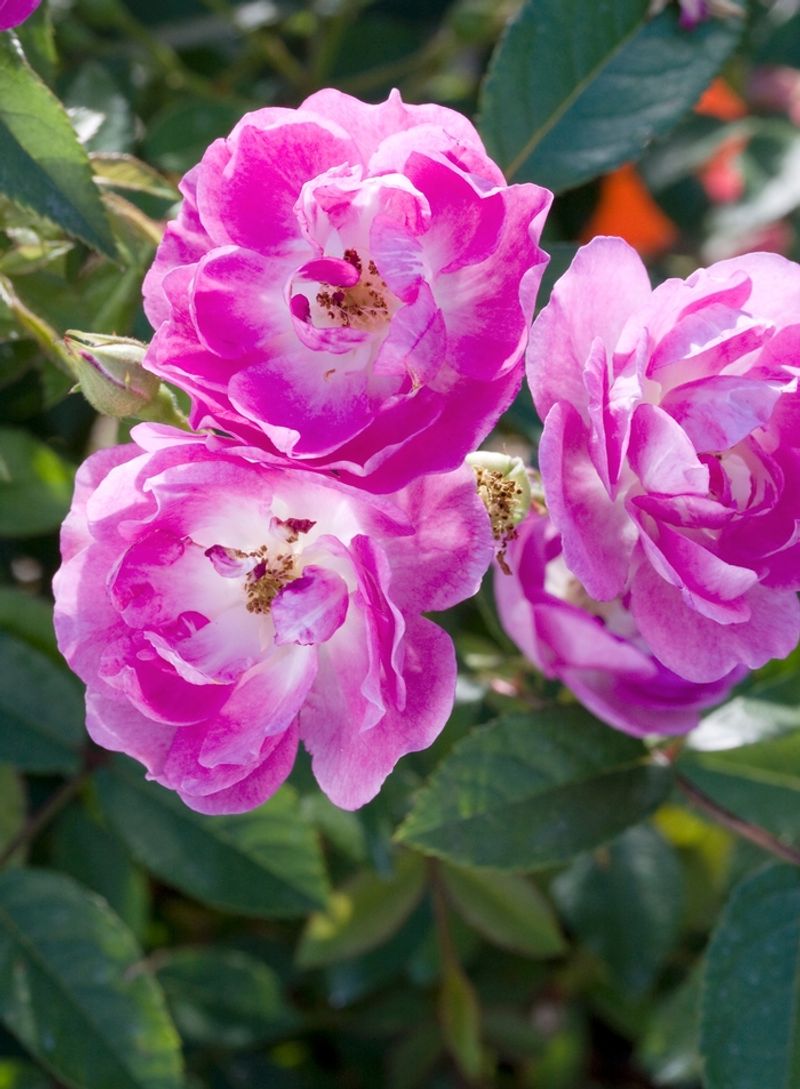
For gardeners who want a compact rose with serious cold tolerance, Northern Accents® ‘Sven’ is an especially convincing choice. The cultivar was bred as a hardy shrub rose for northern climates and typically reaches about 3 to 4 feet tall.
Its flowers range from pink to pale violet, and the double blooms are fragrant, giving the plant more ornamental appeal than hardiness alone might suggest.
‘Sven’ also belongs to a group of roses that performed well in extremely cold trial conditions, although snow cover helped protect the plants during those tests.
That detail matters because winter performance in a Michigan yard can still depend on exposure, drainage, wind, snow cover, and the health of the shrub going into winter.
In the landscape, ‘Sven’ works well where a gardener wants a rounded flowering shrub rather than a large climber. Give it full sun and enough room for its mature spread so air can move through the foliage and the plant can develop naturally.
Its moderate height also makes it easier to place near walkways, patios, or other frequently viewed parts of the garden without overwhelming the surrounding planting.
It can fit comfortably into a mixed border, a dedicated rose bed, or a sunny foundation planting where its flowers can be enjoyed up close.
Michigan gardeners should still treat any hardiness rating as a guide rather than a promise, but ‘Sven’ has a strong breeding background for cold conditions.
For someone who wants fragrance, manageable size, and documented northern toughness in one rose, it is a practical cultivar to consider. It also suits informal cottage gardens.
2. Ole Brings A Softer Look To Cold-Climate Rose Beds
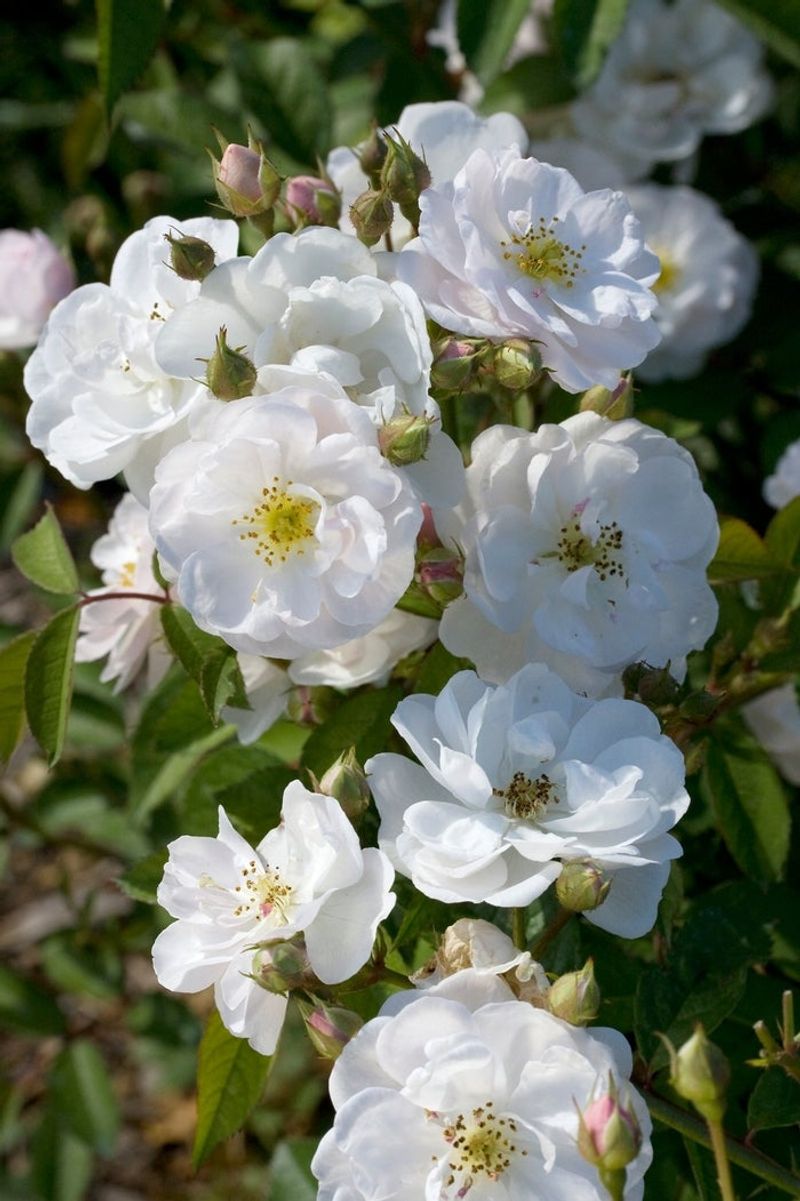
Soft flower color can be just as useful as bold red or pink in a Michigan rose bed, and Northern Accents® ‘Ole’ brings that lighter look to a shrub bred for cold conditions.
‘Ole’ produces double flowers that range from ivory to pale pink and grows to roughly 3 to 4 feet tall. That size makes it substantial enough to stand on its own without overwhelming an average residential planting.
Its breeding background is particularly valuable for gardeners because the Northern Accents group was selected for strong performance in severe northern winters. Even so, local conditions still influence how a rose handles winter.
A protected bed with good drainage and dependable snow cover can behave differently from an exposed site where cold winds sweep across the plant.
In summer, ‘Ole’ can be used as a soft-colored anchor in a mixed border, especially near perennials with blue, violet, or deeper pink flowers.
The lighter blooms also show well against dark green foliage. Give the shrub full sun and enough space to reach its natural dimensions rather than squeezing it between larger plants.
Good spacing also makes routine pruning and cleanup easier. Gardeners looking for a cold-hardy shrub rose do not have to settle for only saturated flower colors, and ‘Ole’ provides a useful alternative.
Its pale double blooms, moderate size, and northern breeding make it a sensible choice for sunny Michigan landscapes where winter hardiness matters during winters.
3. William Baffin Is A Standout For Bigger Michigan Spaces
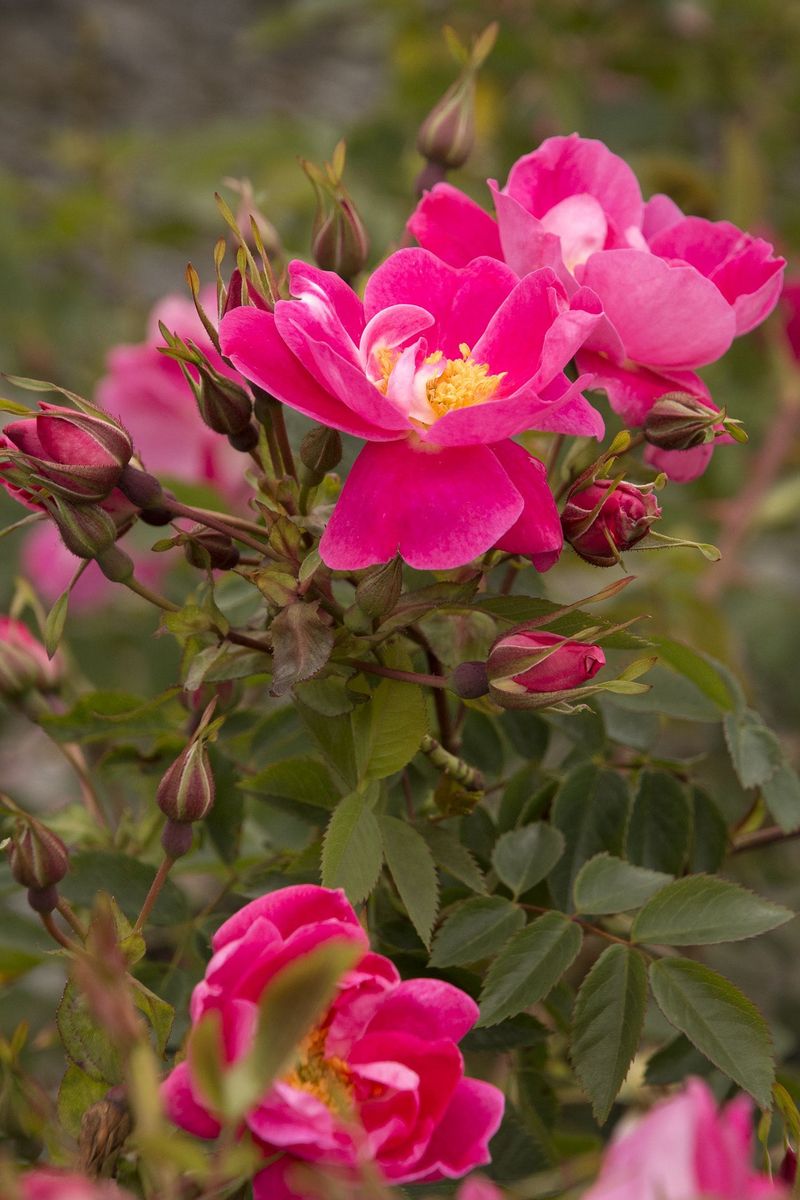
Some gardens have room for a rose that makes a much bigger statement, and ‘William Baffin’ is built for that kind of space. This vigorous rose can reach about 9 feet tall and 6 feet wide, with long canes that allow it to function as either a large shrub or a climber.
It produces semi-double pink flowers with bright yellow stamens, with a strong flush around early summer and additional flowering later in the season.
Its published hardiness range extends well into climates colder than much of Michigan, which is one reason it is often considered for northern gardens.
Placement deserves thought before planting because this is not a compact border rose. A sturdy trellis, fence, or other support can help organize the long canes if you want a more vertical display.
Climbing roses do not attach themselves to structures, so the canes need to be guided and secured as they lengthen. If you prefer a large arching shrub, give it enough open ground to spread without crowding paths or nearby plants.
Full sun supports strong flowering, and well-drained soil is useful for overall plant health. Winter conditions can vary greatly from one property to another, so exposure and snow cover still influence performance.
For gardeners with the right space, ‘William Baffin’ offers something the smaller shrub roses cannot: substantial height, recurring pink flowers, and enough vigor to become a major garden feature in a sunny Michigan landscape.
4. Winnipeg Parks Keeps The Color Coming Through The Growing Season
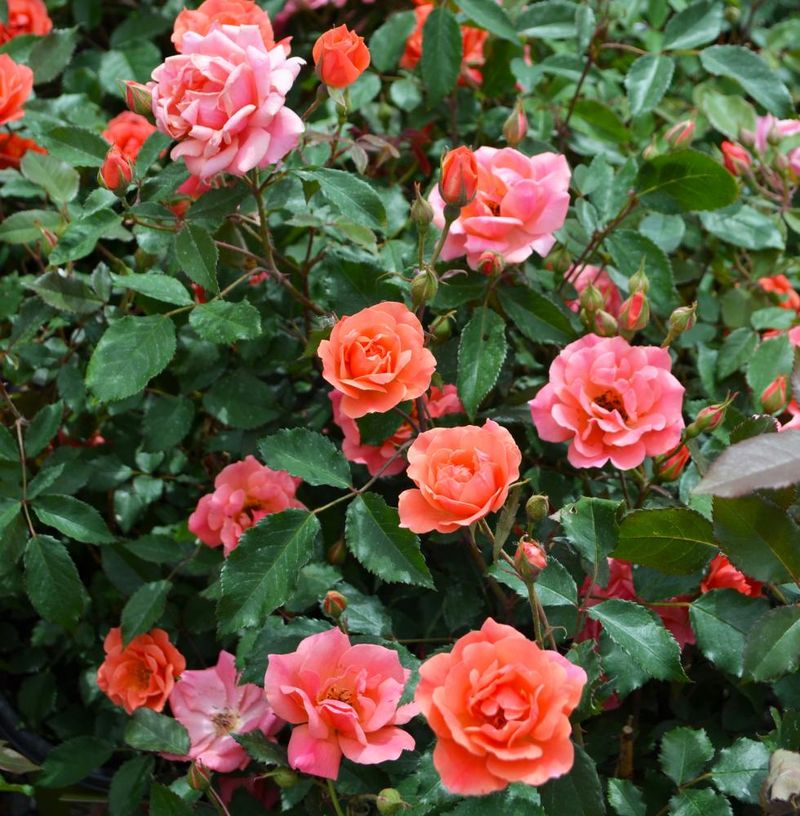
A smaller Michigan yard can still easily accommodate a cold-hardy rose, and ‘Winnipeg Parks’ is particularly useful where space is limited.
This compact shrub typically reaches about 3 feet tall and 3 feet wide, giving it a tidy scale for mixed borders, foundation beds, or smaller sunny garden spaces.
The flowers are cherry red and appear through the summer, followed by red hips that can add interest later in the season. The plant grows on its own roots and is rated for climates that include colder gardening regions.
In harsh winters, some top growth may be lost, but the shrub can produce vigorous new spring growth from the crown when conditions improve in spring. That recovery habit can be valuable in Michigan, where winter exposure differs considerably between sheltered urban lots and open, windy properties.
Full sun is the best choice for flowering, and the plant should have enough room around it to reach its mature width. Avoid crowding it tightly against walls or neighboring shrubs simply because it starts small in a nursery container.
Good spacing makes pruning, inspection, and general maintenance easier as the plant fills out. Its modest size also makes it easier to work into an existing bed without forcing nearby perennials or shrubs to compete for space.
‘Winnipeg Parks’ also offers a useful middle ground for gardeners who want a traditional rose appearance without committing to a much larger climber.
Its compact habit, red flowers, fall hips, and spring recovery make it a practical choice for landscapes where winter performance and efficient use of space matter.
5. Purple Pavement Adds Fragrance To A Tougher Rose Choice
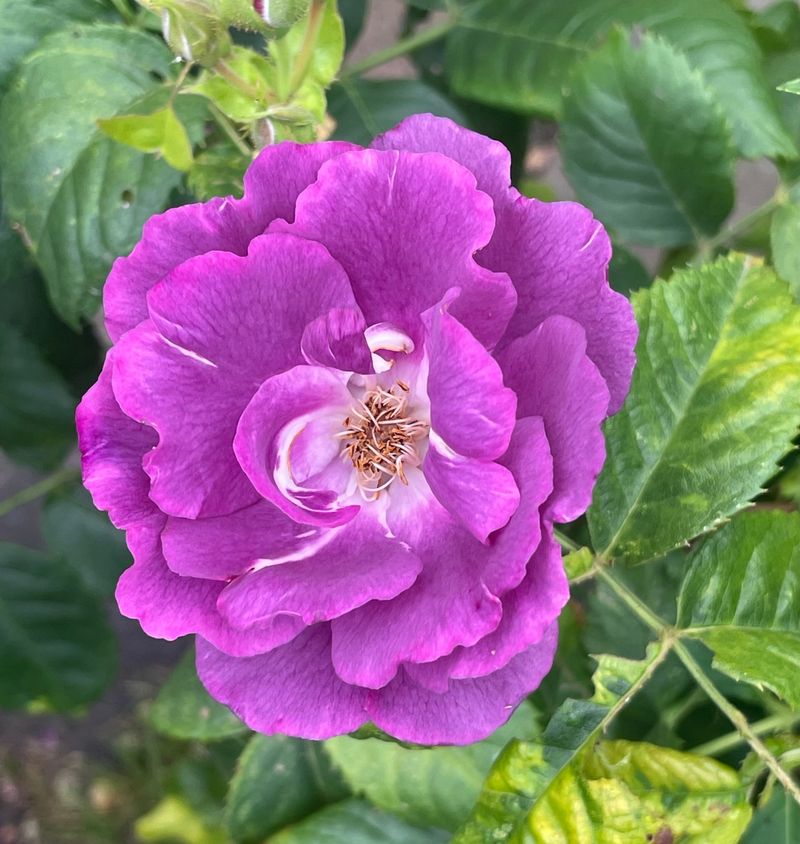
Fragrance can make a rose memorable, and ‘Purple Pavement’ adds that quality without giving up the cold tolerance gardeners need.
This compact own-root rose grows about 3 feet tall and 3 feet wide, producing fragrant, semi-double flowers in a purplish-red shade with bright yellow stamens.
It can flower repeatedly during the growing season and later forms dark red hips, giving the shrub interest beyond its main bloom periods. Those hips can also extend the plant’s visual appeal into fall, when many summer flowers have already faded.
Its published hardiness range includes Michigan’s colder gardening regions, which supports its use in northern landscapes. Full sun is the preferred setting, and the moderate size makes it easier to place near a walkway, patio border, or sitting area where the fragrance can be appreciated.
Keep enough distance from paths, however, so the mature shrub has room to develop without leaning into regular foot traffic. An own-root rose grows from the same plant above and below the soil line, rather than relying on a different rootstock below a graft.
That can be a useful trait in a cold climate because new growth arising from the base remains the cultivar. Soil drainage, winter exposure, snow cover, and summer care can still influence how the shrub performs from year to year.
In a home landscape, ‘Purple Pavement’ offers an appealing mix of fragrance, repeat bloom, compact growth, and colorful hips.
For Michigan gardeners seeking several seasons of ornamental interest without giving a rose an oversized footprint, it can fit into a sunny bed.
6. John Cabot Gives Michigan Gardeners A Cold-Hardy Climbing Option
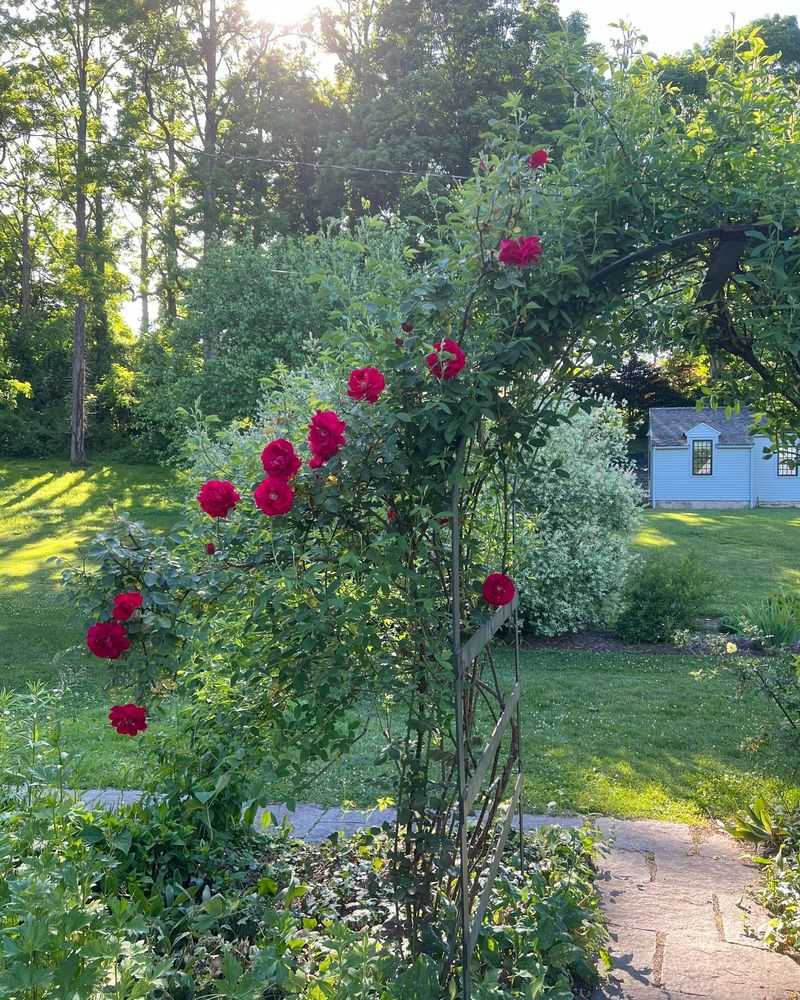
A climbing rose can bring flowers above eye level, and ‘John Cabot’ gives gardeners a cold-hardy option for fences, trellises, and other sturdy supports. The plant develops long, arching canes that can reach about 6 to 8 feet.
It produces semi-double, deep rose-pink flowers about 3 inches across, and the blooms are moderately fragrant. Flowering is heaviest in early summer, followed by lighter to moderate repeat bloom as the season continues.
That pattern is worth understanding before planting because it sets a more realistic expectation than assuming equally heavy flowers all summer.
‘John Cabot’ can also be grown as a spreading shrub if you have enough ground space and prefer not to train the canes vertically. When used as a climber, the stems need guidance and support.
Roses do not twine around a trellis or cling to a wall by themselves, so flexible canes should be tied loosely to a strong structure as they grow. A sunny location helps support flowering, while good drainage and adequate spacing contribute to healthy growth.
In Michigan, winter exposure can vary sharply between protected gardens and open sites, so a hardy cultivar can still respond differently from yard to yard.
Give the plant enough room for its mature dimensions and avoid placing it where long canes will constantly interfere with a doorway or narrow path.
For Michigan gardeners wanting height and cold tolerance, ‘John Cabot’ offers a way to add vertical rose color.
7. Care That Starts With Sun, Water, And Winter Preparation
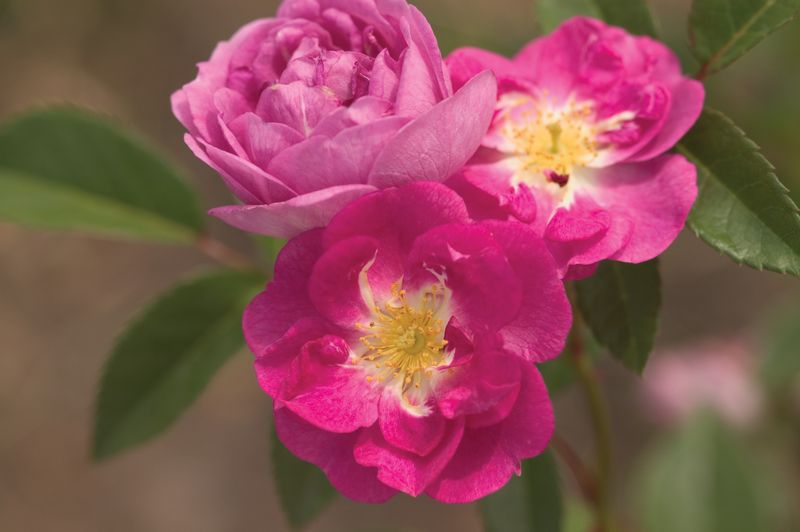
Cold-hardy roses still benefit from thoughtful care, especially during Michigan’s changing seasons. Start by planting these shrubs where they receive plenty of direct sun and where water drains rather than collecting around the roots.
During the first growing season, water deeply when the soil begins to dry so the developing root system receives steady moisture. Once established, roses generally perform better with consistent soil moisture than with frequent light sprinkling.
A 2- to 3-inch layer of organic mulch can help conserve moisture, moderate soil temperature, and reduce weed competition, but keep the mulch slightly away from the stems.
Water at the base when possible instead of repeatedly wetting the foliage, since prolonged leaf moisture can encourage some rose diseases.
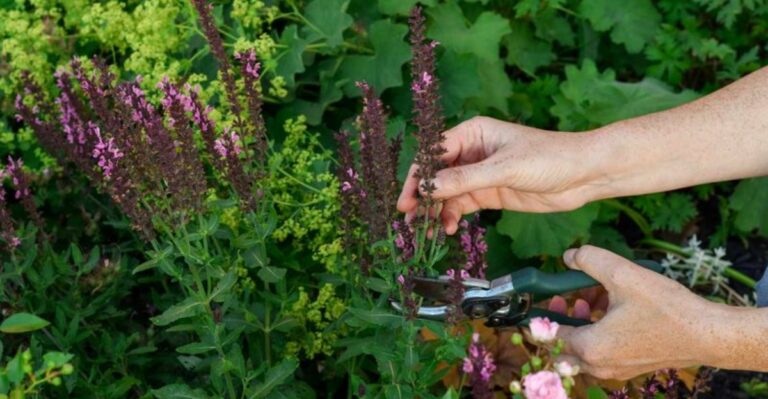
Good air circulation can help foliage dry faster after rain. In spring, wait until the harshest cold has passed, then remove damaged cane portions by pruning back to healthy wood.
Larger roses such as ‘William Baffin’ and ‘John Cabot’ also benefit from checking supports and loosely securing long canes before vigorous growth begins. As fall approaches, avoid pushing soft late growth with unnecessary fertilizer.
Keep watering during dry autumn weather until the soil begins to freeze, particularly for recently planted roses. A layer of mulch around the root area can provide useful winter insulation.
Removing fallen or diseased foliage around the plants can also help keep the planting area cleaner and reduce places where some rose disease organisms may persist.
Even very hardy roses respond better when Michigan gardeners combine good siting, steady moisture, sensible pruning, and basic winter preparation rather than relying on cold tolerance alone.