10 Outdoor Holiday Decorating Ideas Using Plants From Your New York Yard
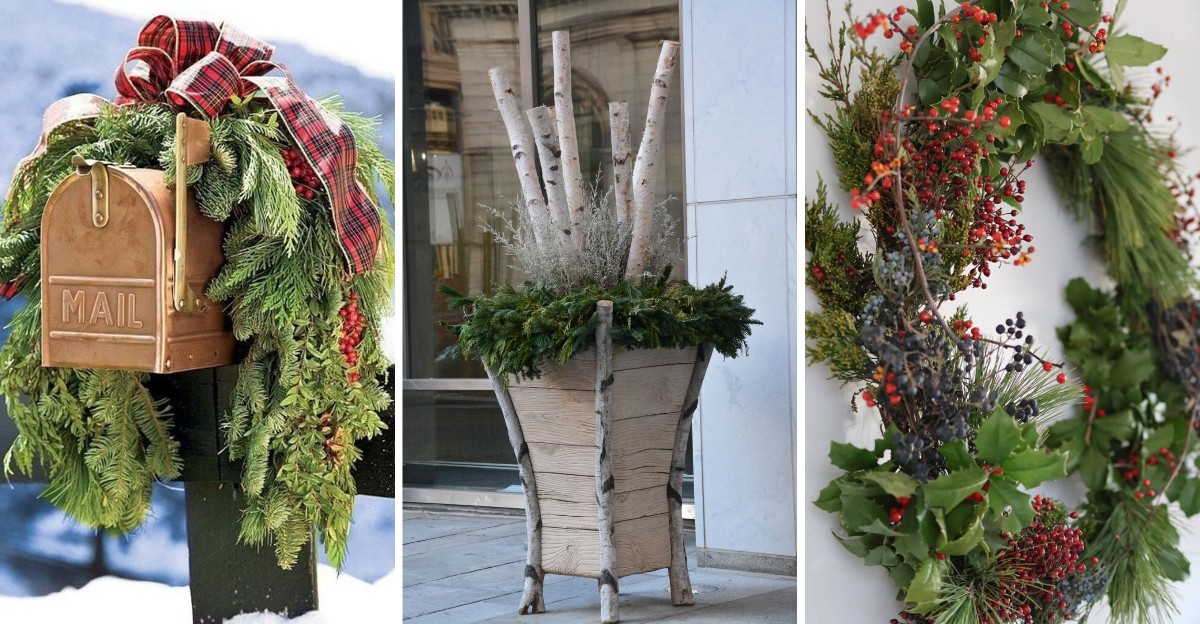
In 1851, a Catskills farmer named Mark Carr hauled fresh evergreens into Manhattan and sold every single one. Historians often call his little sidewalk stand the very first Christmas tree lot in the United States.
Those early New York shoppers carried home fresh greenery that grew wild just a few hours away. Many of those same plants still thrive across the state today, often right beside our driveways and fences.
I have to admit that I spent years buying pricey store wreaths before checking my own backyard shrubs. You might notice bright berries and glowing stems waiting patiently for a sharp pair of pruning clippers.
Your New York yard probably holds more holiday sparkle right now than any garden center display this December. So which overlooked plant outside your kitchen window is secretly ready to dress up your front porch?
1. Winterberry Holly
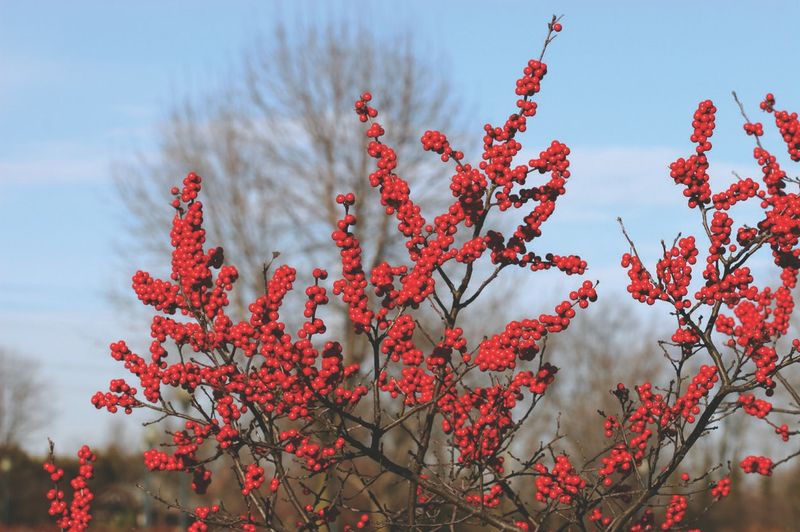
Winterberry holly drops every leaf in autumn, then shows off thick clusters of scarlet berries on bare gray twigs. I love how those branches look against fresh snow, like somebody spilled a jar of red beads outside.
Known to botanists as Ilex verticillata, this shrub is native to New York swamps and wet woodland edges. It handles soggy clay surprisingly well, and it grows happily in USDA zones 3 through 9.
You need one male plant nearby for the females to set fruit, so plan your plantings in pairs. Nurseries often sell matching partners, such as the male Jim Dandy paired with early-blooming female varieties.
For decorating, snip branches at least a foot long and stand them upright inside a porch urn. Pack the urn with damp sand or soil first, and the stems will stay firmly in place all season.
Cold air works like a natural refrigerator, so outdoor berries often stay plump for many weeks. Indoors they shrivel faster, which is one reason I prefer showing them off by the front steps.
Personally, I leave plenty of berries on the shrub for robins and bluebirds hunting for winter snacks. Keep the berries away from curious kids and pets, since they can upset stomachs if swallowed.
Pruning in winter also makes sense here, because winterberry flowers on new growth arriving next spring. Taking a few holiday stems now rarely hurts the shrub and may even encourage fuller branching later.
2. Red Twig Dogwood
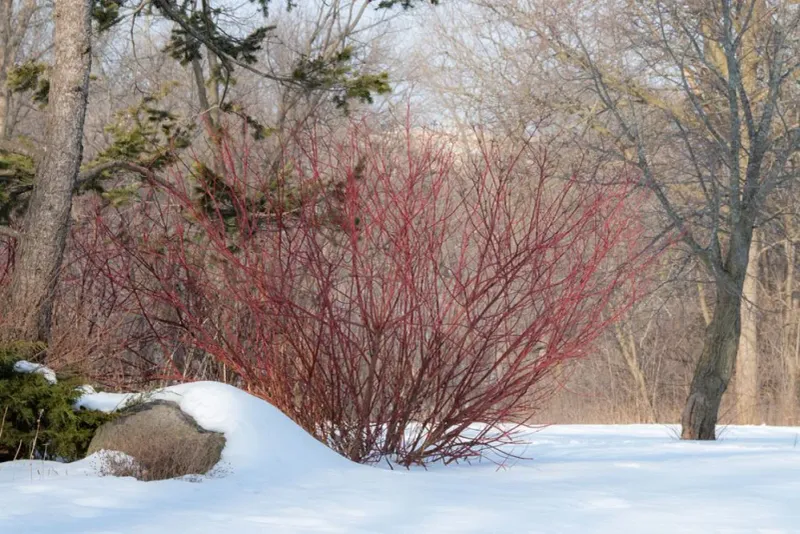
Nothing in my yard glows quite like red twig dogwood once the snow piles up around its base. Those slender crimson stems look almost lit from inside, especially when low afternoon sunlight hits them.
The native species, Cornus sericea, grows wild along streams and wet meadows throughout much of the Northeast. It shrugs off brutal cold and grows well in USDA zones 2 through 7 with steady moisture.
Young stems carry the brightest color, while older wood slowly fades to a dull brownish gray. Cutting a few of the oldest canes each year keeps the shrub flashy and encourages fresh shoots.
Holiday decorating gives you a perfect excuse to start that pruning job a little early this season. Snip stems right at ground level, then bundle them together with twine before arranging them outside.
I like pushing a tall cluster into the center of a window box filled with evergreen tips. The upright red lines add height, and they contrast beautifully with soft, drooping pine needles below.
Stems can also bend into a simple wreath frame if you work with them while still flexible. Soak stiff branches in warm water for an hour, and they usually curve much more easily afterward.
Yellow-twig cultivars such as Flaviramea pair wonderfully with the red ones for a cheerful two-tone display. Both types root easily, so leftover stems pushed into damp spring soil might even grow into new shrubs.
3. Eastern White Pine
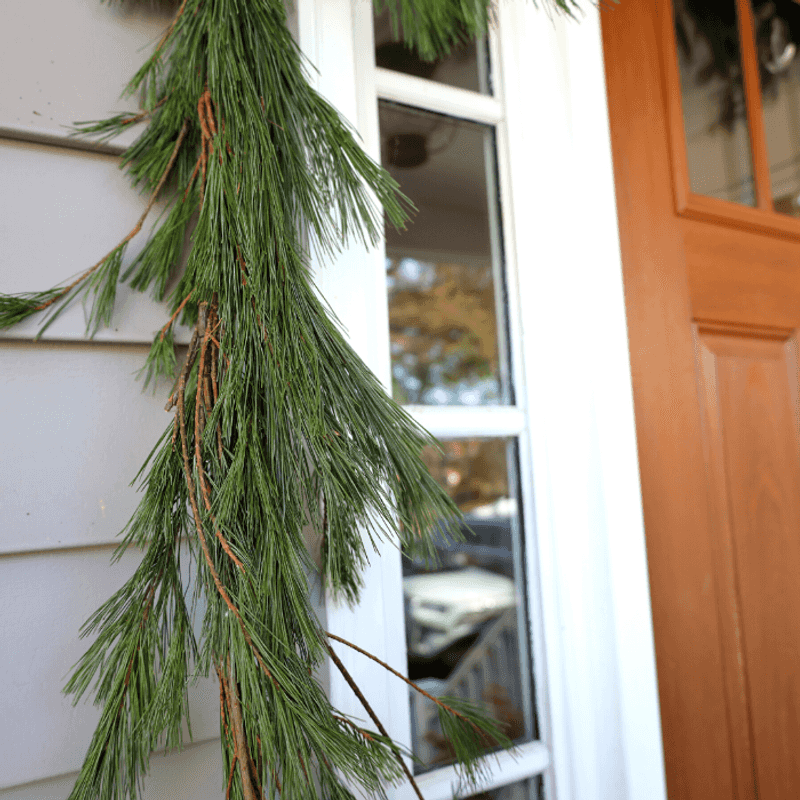
Run your hand along an eastern white pine branch and it feels more like a feather duster than a tree. Its soft needles grow in bundles of five, which makes it easy to identify on a winter walk.
Pinus strobus holds a special title, because it is the tallest native tree in the Northeast. Colonial shipbuilders prized the tallest trunks for masts, and the Crown once reserved the biggest specimens.
For decorating, those long flexible boughs make the fluffiest garlands I have ever wrapped around a railing. Wire short bundles onto a rope base, overlapping each new bundle to hide the stems of the last.
White pine needles can drop sooner than fir or spruce, especially when garlands hang near a warm doorway. Outdoors in chilly air they hold up much better, often looking fresh for several cheerful weeks.
Give cut boughs a long drink in a bucket of cool water overnight before you start crafting. An antidesiccant spray can also help reduce moisture loss on breezy porches and exposed front doors.
Those long, curved cones make charming accents too, and they often carry streaks of sticky white resin. I tuck a few into the garland every couple of feet for a natural, woodsy rhythm.
When harvesting, take lower branches from large trees rather than topping a young pine in your yard. Clean cuts just outside the branch collar heal best and keep the whole tree looking natural.
4. American Holly
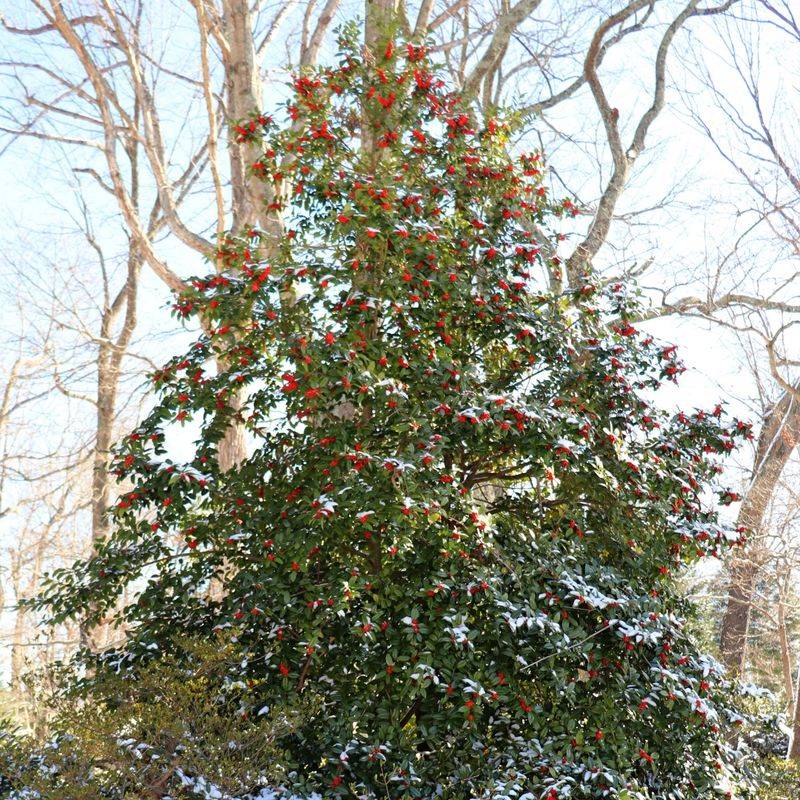
Fire Island hides a rare maritime holly forest called the Sunken Forest, tucked behind towering ocean dunes. American holly, or Ilex opaca, shapes much of that eerie, beautiful woodland, and some trees there are centuries old.
You can grow this native evergreen in USDA zones 5 through 9, so it suits Long Island and warmer valleys. Folks in colder upstate pockets should look for winterberry instead, since holly struggles with harsh exposure.
Spiny, leathery leaves give arrangements a classic look that instantly says holidays to almost everyone passing by. Wear sturdy gloves when cutting, because those pointed leaf edges poke through thin cotton surprisingly fast.
Like winterberry, female trees produce the red berries, and they need a male pollinator growing nearby. If your holly stays berry-free year after year, it may be a male or simply lack a partner.
Personally, I love tucking holly sprigs around the base of a lantern on the porch steps. The glossy leaves bounce the candlelight around, creating a warm glow that feels wonderfully cozy and old-fashioned.
Holly berries are toxic to people and pets, so keep displays out of reach of small hands. Birds such as cedar waxwings and robins eat them later in winter without any trouble at all.
Prune holly for decorations in December, which conveniently matches the traditional timing for shaping these trees. Cut back to a side branch or bud, and the tree will stay tidy and well balanced.
5. Arborvitae

French explorers learned from Indigenous people that northern white cedar tea could treat scurvy, earning it the name arborvitae. That Latin label means tree of life, a fitting title for foliage that stays green through blizzards.
Thuja occidentalis grows naturally across much of the Adirondacks, often on limestone soils and swampy ground. Plenty of homeowners already have a row of them, since arborvitae hedges line countless suburban property edges.
Its flat, fan-shaped sprays are perfect for filling awkward gaps in wreaths and porch pots quickly. I love how the foliage smells sweet and slightly fruity when you crush a little piece between your fingers.
Take your cuttings carefully, because arborvitae rarely regrows from old brown wood deep inside the shrub. Snip only the outer green tips, and spread your cuts around so no bald patches appear.
A soft cedar swag draped over a mailbox makes a sweet welcome for neighbors and delivery drivers. Secure it with green floral wire, then add a simple ribbon bow for a finishing touch.
Cedar sprays hold their color well in cold weather, so outdoor swags often stay attractive for weeks. Mist them during dry, mild spells to help the scaly leaves stay plump and bright green.
Hungry deer adore arborvitae in winter, so trimming tips from browsed shrubs can tidy up chewed edges. Wrapping hedges in burlap or deer netting also protects your future decorating supply until spring arrives.
6. Eastern Red Cedar
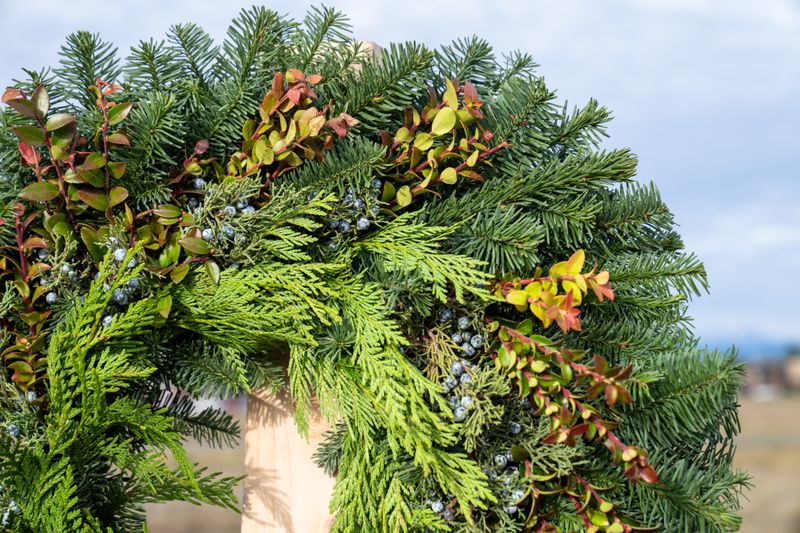
Those dusty blue berries on eastern red cedar are not berries at all, but tiny fleshy cones. I find that little fact delightful, and it makes a fun conversation starter beside the front door.
Juniperus virginiana is actually a juniper, despite its common name, and it grows natively across southern parts of the state. It tolerates dry, rocky soil with impressive toughness and handles USDA zones 2 through 9 easily.
Cedar waxwings got their name partly from their well-known fondness for these frosty blue juniper cones. Leave some branches loaded with fruit, and you may spot flocks feeding right outside your window.
For decorating, the bluish-green foliage adds a cool tone that pairs nicely with brighter green pine. I like layering juniper sprigs over white pine in a wreath for extra depth and color contrast.
The scent is the real treat, a clean woodsy aroma that drifts up whenever someone brushes past. Mature foliage feels scaly and smooth, while young shoots can be sharp and needle-like, so wear gloves.
One caution matters for orchard lovers, since red cedar hosts cedar-apple rust, a fungus affecting apples and crabapples. Look for orange, jelly-like galls on branches in spring, and prune them away when you spot them.
Harvest from the lower limbs and keep cuts small, since junipers recover slowly from heavy pruning. A few sprigs from several trees will give you plenty for wreaths without changing the tree’s shape.
7. Panicle Hydrangea
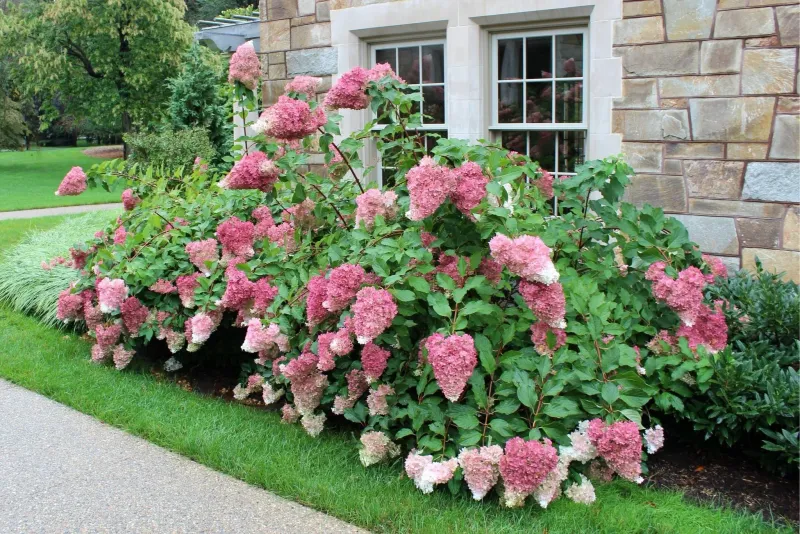
Panicle hydrangea blooms keep putting on a show long after the leaves fall, turning papery shades of tan and rose. Snow collects in those cone-shaped flower heads like frosting on a cupcake, and I adore the effect.
Hydrangea paniculata is incredibly cold hardy, thriving in USDA zones 3 through 8 across most backyards. Popular cultivars like Limelight and Quick Fire are very common in suburban landscapes throughout the Northeast.
Because this shrub blooms on new wood, cutting the dried flowers now will not reduce next summer’s blossoms. That makes it one of the safest shrubs to raid for holiday supplies without any guilt.
Tuck the big dried heads into porch planters between evergreen boughs for a soft, vintage look. They also fill a grapevine wreath beautifully, especially when you wire a few clusters near the bottom.
A light dusting of white or metallic spray paint gives the blooms a frosty holiday glow. Spray outdoors on a calm day, and let the flowers dry fully before you arrange them.
Heavy wet snow can shatter brittle petals, so place them under a porch roof when possible. Sheltered spots help the papery texture last through the season instead of turning soggy and limp.
Late winter is the usual time to prune panicle hydrangeas back by roughly one third of their height. Bigleaf hydrangeas are different, so avoid cutting their stems because most varieties bloom on old wood.
8. Virginia Rose
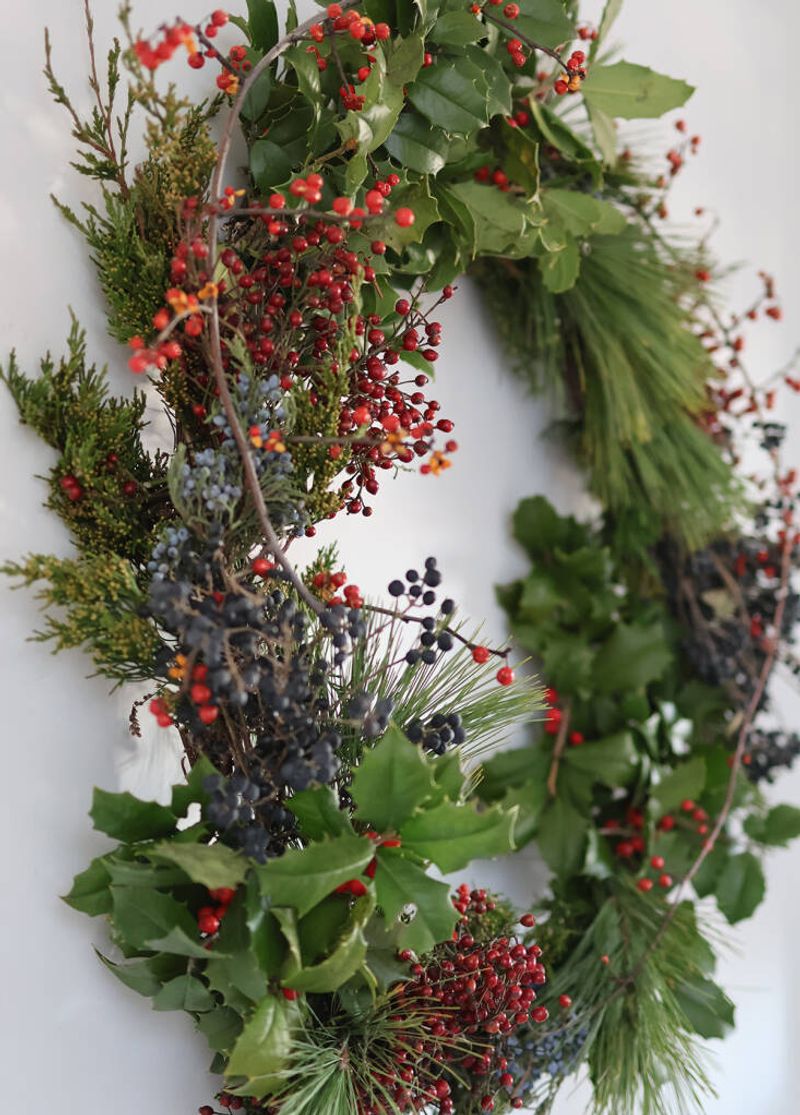
Rose hips look like tiny red Christmas ornaments, and the native Virginia rose holds them well into winter. Those glossy little fruits shine against reddish canes, and honestly, they rival any store-bought berry pick.
Rosa virginiana grows wild in coastal thickets and meadows, and it handles USDA zones 3 through 8. Its pink summer flowers fed bees months ago, and now the leftover hips feed birds instead.
Please skip multiflora rose, which forms dense thorny tangles and is regulated as an invasive plant in New York. Removing it from your property is far better than spreading its seeds through cute holiday decorations.
Native rose stems are prickly, so grab leather gloves and sharp bypass pruners before heading outside. Cut short sprigs loaded with hips and tuck them into wreaths where they can peek out boldly.
I love how the round red fruit softens the spiky look of evergreens and adds playful polka dots. Sprigs also look charming tied to a gift basket or wrapped around a lantern handle with twine.
Hips can wrinkle as winter drags on, but that rustic, slightly shriveled look still feels festive to me. Fresh cuts last longest outdoors, where cold air slows moisture loss better than a heated living room.
Fun fact for cooks: rose hips are packed with vitamin C and have long been used for tea. Just remove the irritating seed hairs first, and only use hips from plants you have identified correctly.
9. Switchgrass
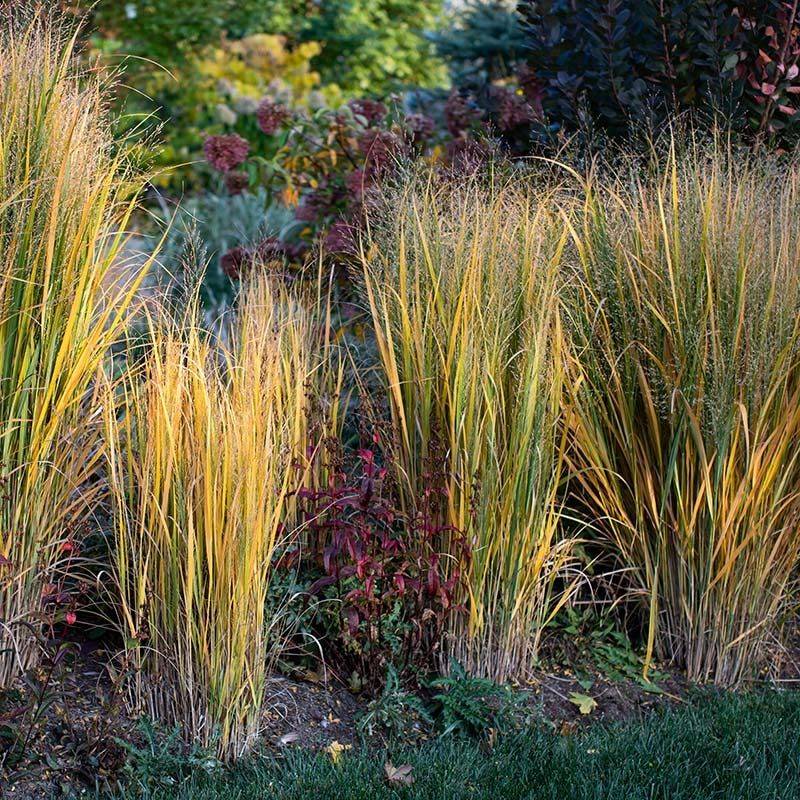
Switchgrass turns the color of warm toast by December, and its airy seed heads catch frost like spun sugar. Every breeze sets the whole clump swaying, which gives a winter yard a surprising sense of motion.
Panicum virgatum is a native prairie grass that once covered huge stretches of central North America. It also grows naturally in sandy coastal areas here, and it thrives in USDA zones 4 through 9.
Bundle a thick handful of stems and tie the middle with burlap ribbon for an easy door decoration. That little sheaf feels cozy and rustic, and it costs you nothing but a few minutes.
Feathery seed plumes also add height and soft texture to window boxes stuffed with evergreen boughs. I like pairing the golden grass with red dogwood stems, because the colors glow together at dusk.
Seed heads shed easily, so a light spritz of clear hairspray helps hold them together outdoors. Cut stems on a dry afternoon, since soggy grass tends to droop and darken in arrangements.
Take only what you need, and leave the rest standing for juncos and sparrows that pick at the seeds. Standing clumps also offer winter shelter for insects, which helps beneficial bugs return to your garden next year.
Cut the remaining clumps down to about six inches in late winter or very early spring. Fresh green shoots will push up soon after, and the whole cycle of beauty starts over again.
10. Paper Birch
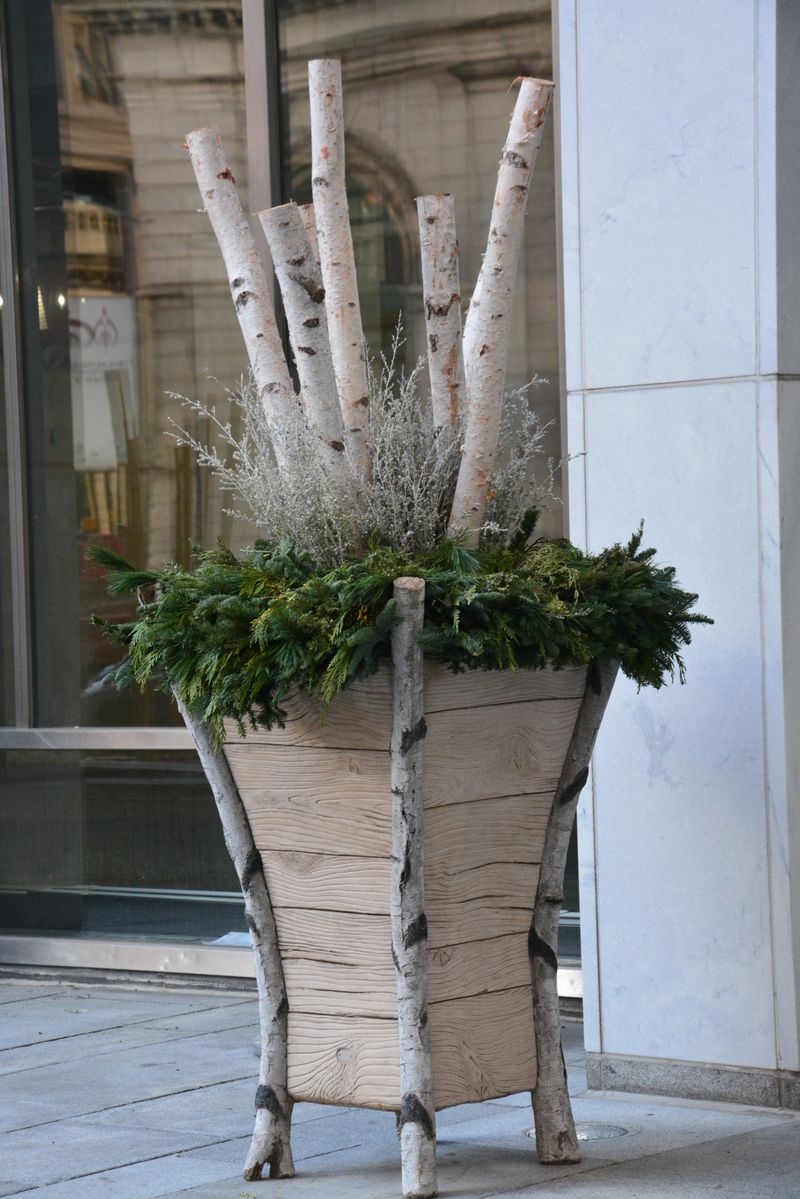
Paper birch bark peels in thin creamy curls that look almost like old parchment rolled by hand. Against a snowy yard, those white trunks seem to glow, and I can’t imagine winter without them.
Betula papyrifera is native across the Adirondacks and other northern forests, thriving in USDA zones 2 through 6. It prefers chilly summers, so it often struggles in hot, sunny yards near crowded cities farther south.
Please resist peeling bark from living trees, since stripping it can leave permanent scars and invite pests. Fallen limbs after a windy storm are the perfect source, and they already come with bark.
Cut thick branches into short logs and stack them in a porch basket for a cozy lodge feel. Thinner twigs make sweet little stars when you bind five pieces together with wire at the tips.
My favorite trick involves drilling a shallow hole in a log to hold a battery tea light. Line a few along the porch steps, and guests get a warm welcome without any fire risk.
Birch bark contains natural oils that help it resist moisture, which is why it once covered canoes. That same toughness means birch logs often keep their bright look outdoors through weeks of snow and slush.
Store your logs in a dry garage between seasons, since damp wood can grow mold underneath the bark. A quick brush and a sunny afternoon outside usually freshen them up nicely for next December.