The One Thing Michigan Salvia Needs Before September Ends
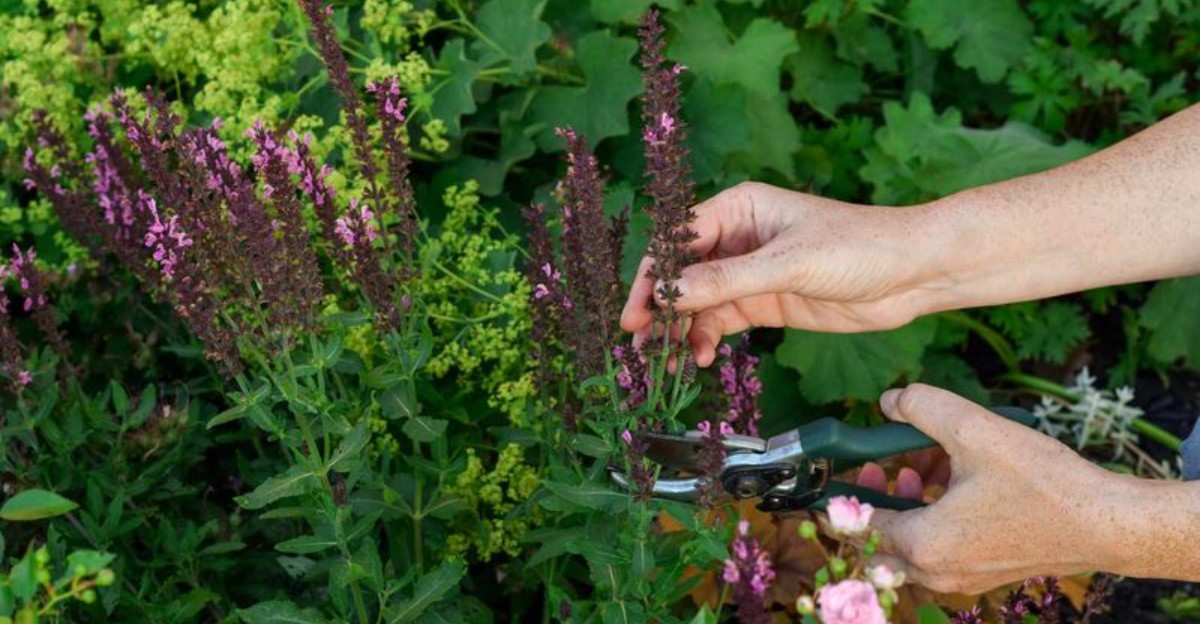
Salvia has been a reliable bloomer in Michigan gardens all summer, but as September winds down, this plant has one particular need that plays a big role in how well it survives winter and returns next year.
Because salvia is actively working to produce its final blooms of the season, its requirements shift slightly compared to what it needed earlier in summer.
Overlooking this need now can leave the plant weaker heading into dormancy, even after months of strong, colorful growth.
Since salvia can be slow to recover from stress once cold weather sets in, addressing this before the month ends matters more than it might seem. A little extra attention now sets salvia up for a fuller comeback come spring.
1. Cut Back Spent Flower Stalks
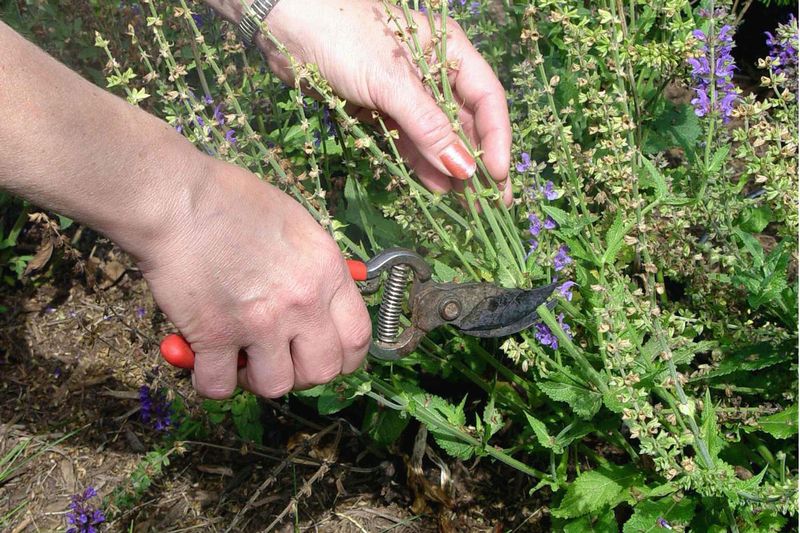
Faded flower spikes on salvia can look tired and messy once the bright blooms fade away. Trimming them off gives your plant a neat, fresh appearance almost instantly.
There is a bonus hidden in this simple chore. When you snip away those spent stalks, many salvia varieties respond by pushing out a second round of blooms.
This is called deadheading, and it tells the plant to focus its energy on new flowers instead of making seeds.
Grab a clean pair of garden shears and follow the stalk down to the first set of healthy leaves. Make your cut just above those leaves. That small step encourages fresh growth right where you want it.
Timing matters in Michigan since the season is winding down. If your salvia still has warm days and enough sunlight ahead, a late trim can reward you with extra color before frost arrives. Some types respond faster than others, so watch how yours reacts.
Keep in mind that not every stalk needs to go. Focus on the ones that have clearly finished flowering and look brown or dried out.
Cleaning up spent stalks also reduces places where pests and moisture can gather. A tidy plant is a healthier plant heading into cooler weather. With just a few minutes of snipping, you set your salvia up for one last cheerful show and a cleaner start to autumn.
2. Keep The Root Zone From Becoming Bone-Dry
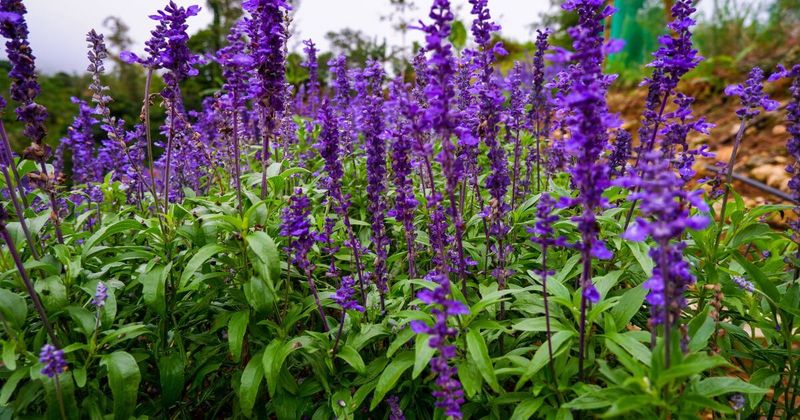
Salvia has a reputation for being tough, and that reputation is well earned. Once a plant is settled in, it can handle dry spells that would stress out fussier flowers.
Still, there is a difference between an established salvia and a young one. Plants you added to your garden this year have small root systems that cannot reach deep for water. During a dry Michigan September, those roots can run out of moisture fast.
Check the soil a couple inches down with your finger. If it feels dry and crumbly, your plant could use a good drink. Water slowly and deeply so the moisture soaks down to the roots instead of just wetting the surface.
Morning is the best time to water. This gives leaves a chance to dry out during the day, which helps keep problems away.
Your Michigan Garden Changes Every Week. Your Plan Should Too.
Gardening in Michigan changes quickly throughout the season. Every Friday you’ll receive a simple weekly plan showing exactly what to plant, prune, fertilize, harvest, and protect so you never miss the right timing.
Stressed plants, like ones recovering from heat or transplant shock, also appreciate steady moisture. A little care now helps them build strength before the cold arrives.
Try not to overdo it though. Salvia hates sitting in soggy soil, so aim for evenly moist rather than drenched. Deep, occasional watering beats frequent light sprinkles every time.
As temperatures cool down, your salvia will naturally need less water. Pay attention to rainfall too, since a rainy stretch might mean you can skip watering entirely. Balancing moisture keeps roots healthy and ready for the season ahead.
3. Avoid Heavy Late Fertilizer
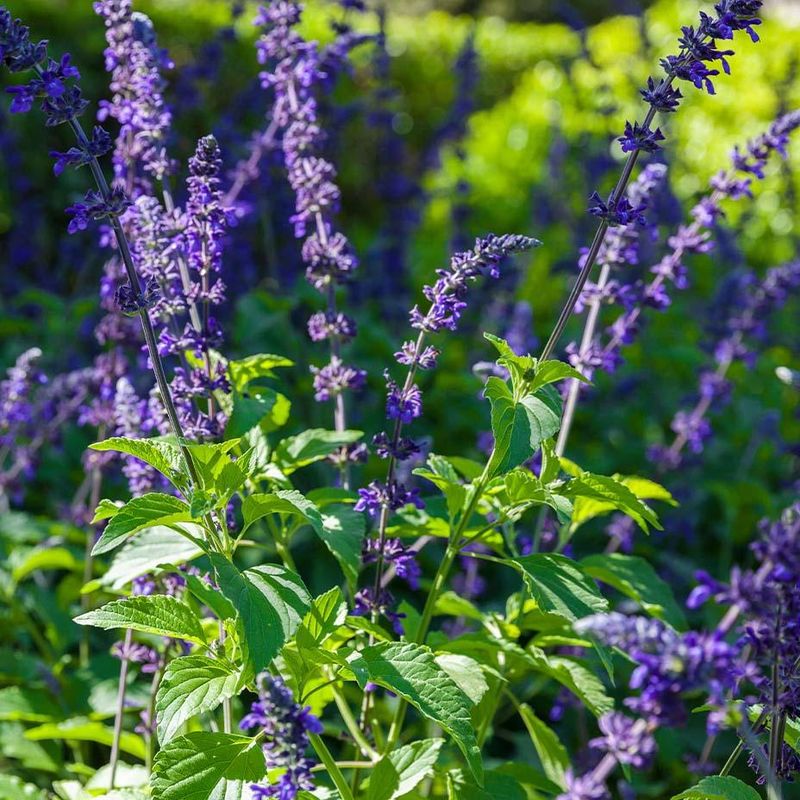
It might feel helpful to give your salvia a big meal before winter, but late fertilizer usually does more harm than good. Established plants simply do not need a strong boost this time of year.
Nitrogen is the nutrient that pushes leafy green growth. When you add a lot of it in late summer or fall, your salvia responds by growing soft, tender shoots.
The problem is that this new growth arrives right when the season is ending. Those tender stems have no time to toughen up, so they get damaged by the first frost.
Weak, frost-nipped growth can stress the whole plant. Instead of preparing for a restful winter, your salvia wastes energy on shoots that cannot survive the cold.
A healthier approach is to hold off on feeding as autumn approaches. Let your plant slow down naturally and shift its energy toward the roots and crown.
If your soil is truly poor, a light feeding earlier in the growing season works far better than a late dose. Spring is the ideal time to give salvia its nutrients when growth is just beginning.
Compost is a gentler option if you want to improve soil without pushing hard growth. A thin layer added around the base feeds slowly and steadily.
By skipping heavy fertilizer now, you help your salvia enter winter calm and prepared. Sometimes the best thing you can do for a plant is simply leave it alone and let nature take the lead.
4. Give The Plant Plenty Of Sun
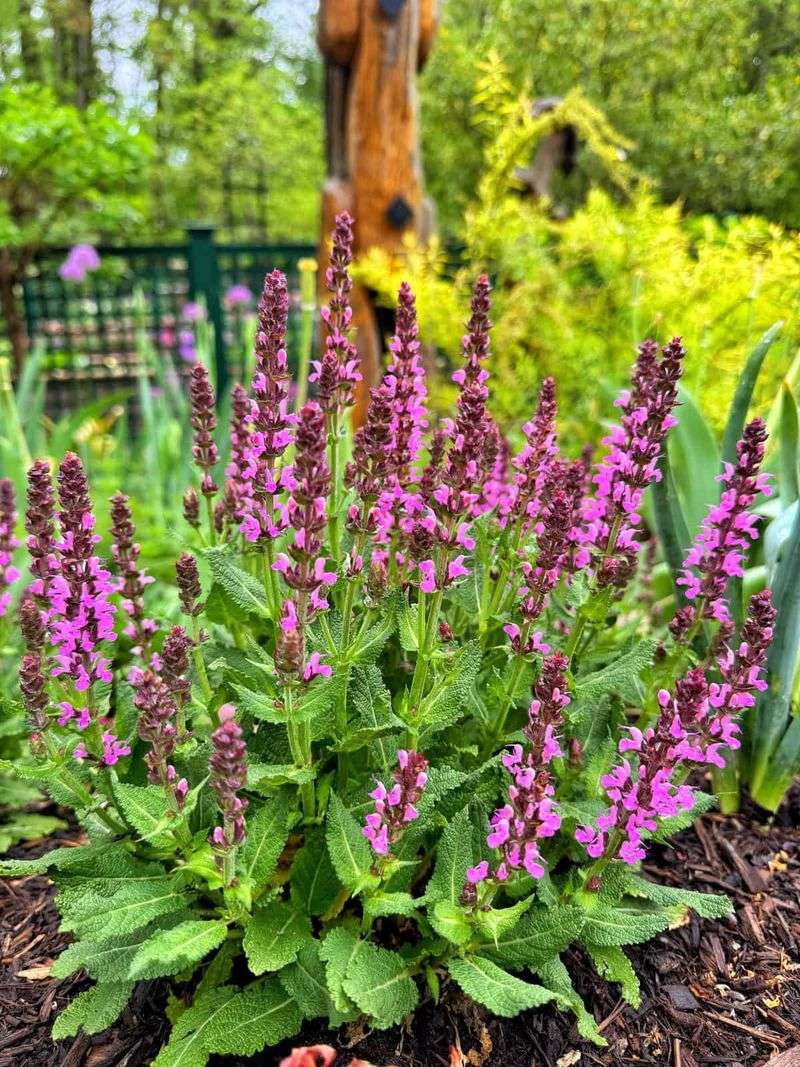
Sunshine is salvia’s best friend, and most varieties truly thrive when they soak it up all day long. Full sun means about six or more hours of direct light.
When salvia gets enough light, it grows sturdy and compact. The stems stay strong instead of flopping over, and the whole plant looks bushy and healthy.
Flowering also depends heavily on sunlight. A salvia that basks in bright rays rewards you with more blooms and richer color throughout the season.
Plants stuck in shady spots tell a different story. They tend to stretch and lean toward the light, becoming tall, thin, and weak.
Shady salvia often produces fewer flowers too. All that reaching uses up energy that could have gone into blooms instead.
Take a look at your garden as the sun shifts lower in September. Trees and taller plants can cast new shadows that block light your salvia enjoyed earlier in summer.
If a nearby plant has grown large and is shading your salvia, a bit of trimming can open things up. Letting more light reach the base helps keep growth tight and healthy.
For salvia in containers, you have an easy fix. Simply move the pot to a brighter spot where it can catch those valuable rays.
Good sunlight now helps your plant store energy before the cold months. A well-lit salvia heads into fall strong, balanced, and ready to return with a burst of color next spring.
5. Check For Poor Drainage
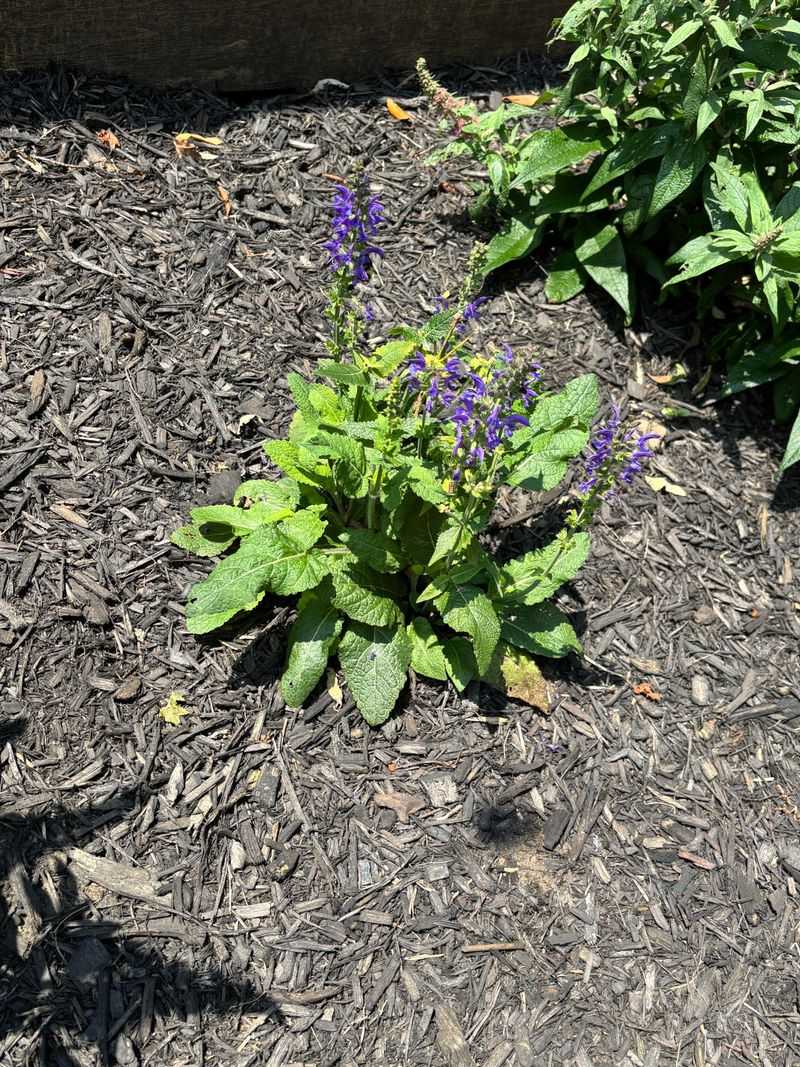
Wet feet are something salvia truly cannot stand. This plant loves soil that drains well and lets water pass through easily after rain.
When soil stays soggy for too long, roots start to suffer. They need air pockets in the soil to breathe, and constant water pushes that air out.
Root problems become even riskier as Michigan cools down. Cold, wet soil is a tough combination that can cause rot near the crown of the plant.
Take a moment to notice how your garden handles rain. If water puddles around your salvia and lingers for hours, drainage could be an issue.
Clay soil is often the culprit since it holds moisture tightly. Mixing in compost or coarse material helps loosen it and improve the flow.
Raised beds and gentle slopes are great friends to salvia. They naturally move extra water away from the roots where it can cause trouble.
For potted salvia, always make sure the container has drainage holes. A pot that traps water at the bottom spells trouble for the roots.
You can also add a layer of gravel or grit to heavy soil at planting time. This small step makes a big difference in how quickly water drains.
Checking drainage now, before the wettest and coldest weeks arrive, protects your plant when it matters most. Dry, healthy roots are the foundation of a salvia that bounces back beautifully. A little planning keeps soggy trouble away all winter long.
6. Remove Diseased Or Damaged Foliage
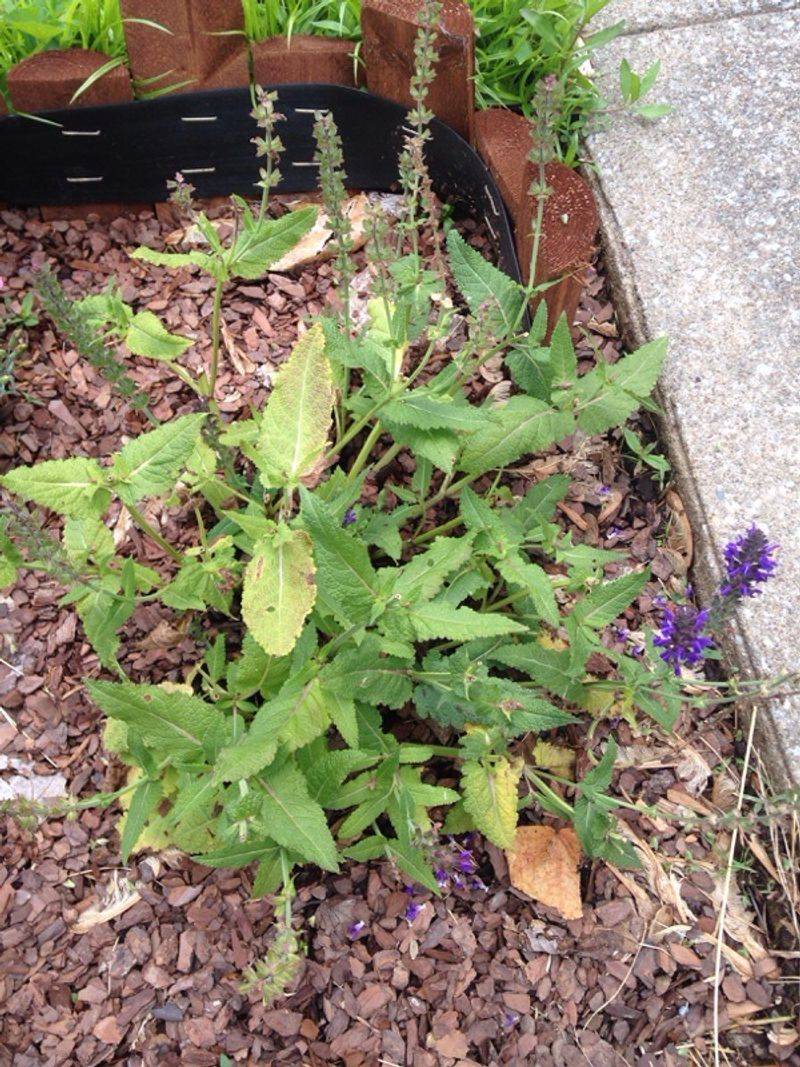
Every now and then a salvia leaf turns spotted, yellow, or clearly damaged. Spotting these trouble areas early gives you a chance to help your plant stay healthy.
When leaves show signs of disease, it is smart to snip them off. Removing sick foliage stops problems from spreading to the rest of the plant.
Damaged stems from wind, pests, or heavy rain can go too. Clearing them tidies the plant and lets air move freely between the remaining leaves.
Good airflow is a quiet hero in the garden. When leaves are crowded and damp, fungus finds a cozy home, so opening things up keeps trouble at bay.
Use clean tools whenever you trim, and wipe the blades between plants. This simple habit prevents you from carrying disease from one spot to another.
Here is the important part though. Try not to get carried away and start removing every leaf you see.
Healthy green foliage is still working hard for your salvia. It gathers sunlight and makes energy the plant needs to prepare for winter rest.
Stripping away good leaves only weakens the plant right when it needs strength. The goal is to remove what is truly troubled and leave the rest alone.
Toss the diseased clippings in the trash rather than the compost pile. That way you avoid spreading problems back into your garden later.
A careful, gentle cleanup keeps your salvia looking sharp and gives it the best shot at a strong, healthy return when spring rolls around again.
7. Leave Healthy Growth Until Dormancy
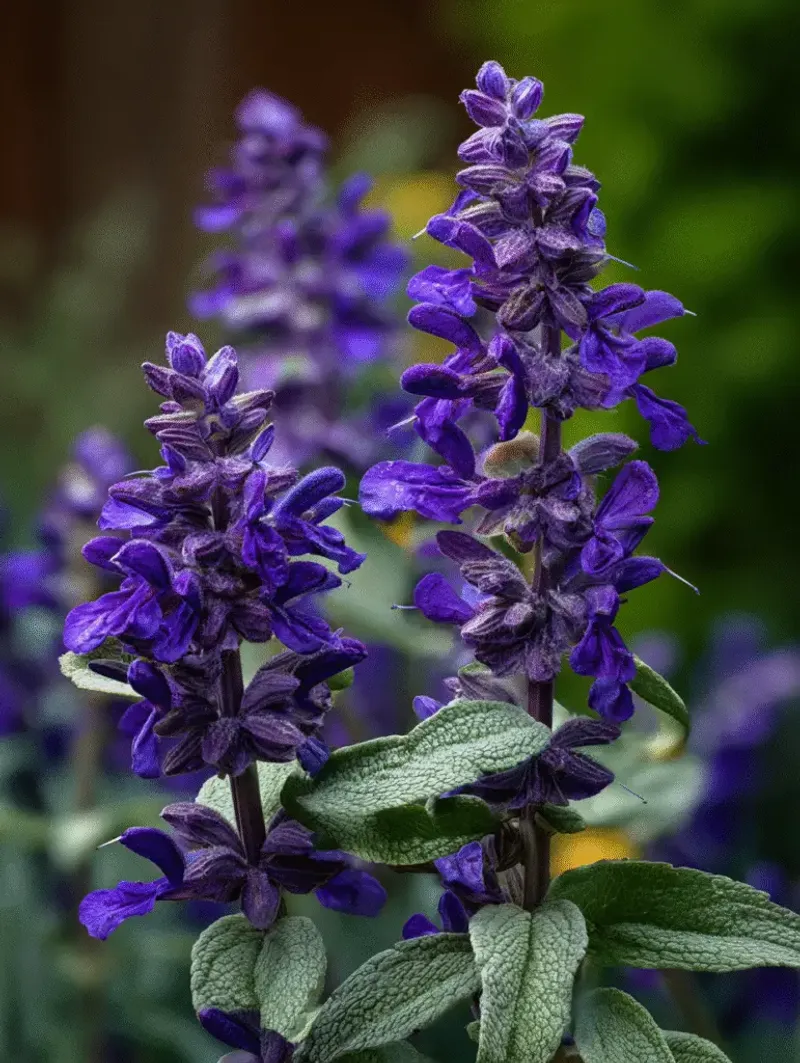
There is a common myth that every salvia stem must be cut to the ground in September. The truth is far more relaxing than that.
Healthy foliage does not need to disappear just because fall has arrived. Leaving those green stems in place actually helps your plant.
As long as leaves stay healthy, they keep gathering sunlight and making food. That energy travels down to the roots and crown where it gets stored for winter.
Cutting healthy growth back too early can reduce the plant’s ability to photosynthesize and store energy before winter.
Waiting until the plant naturally goes dormant is the gentler path. Once frost arrives and the foliage fades on its own, cutting back becomes easy and stress-free.
Some gardeners even leave the stems standing all winter long. Dried salvia stalks can add texture to a snowy garden and offer shelter for helpful insects.
The seed heads may attract small birds too, giving your winter yard a little extra life. Nature often knows what to do when we step back.
If you prefer a tidy look, a light cleanup after frost works perfectly fine. There is no rush to rush the job while the plant is still active.
Patience is the real secret here. By letting healthy growth stay until dormancy, you give your salvia extra time to build strength.
A well-rested, well-prepared plant returns with more energy and enthusiasm when the warmth of spring finally arrives again.
8. Prepare The Crown For Michigan Winter
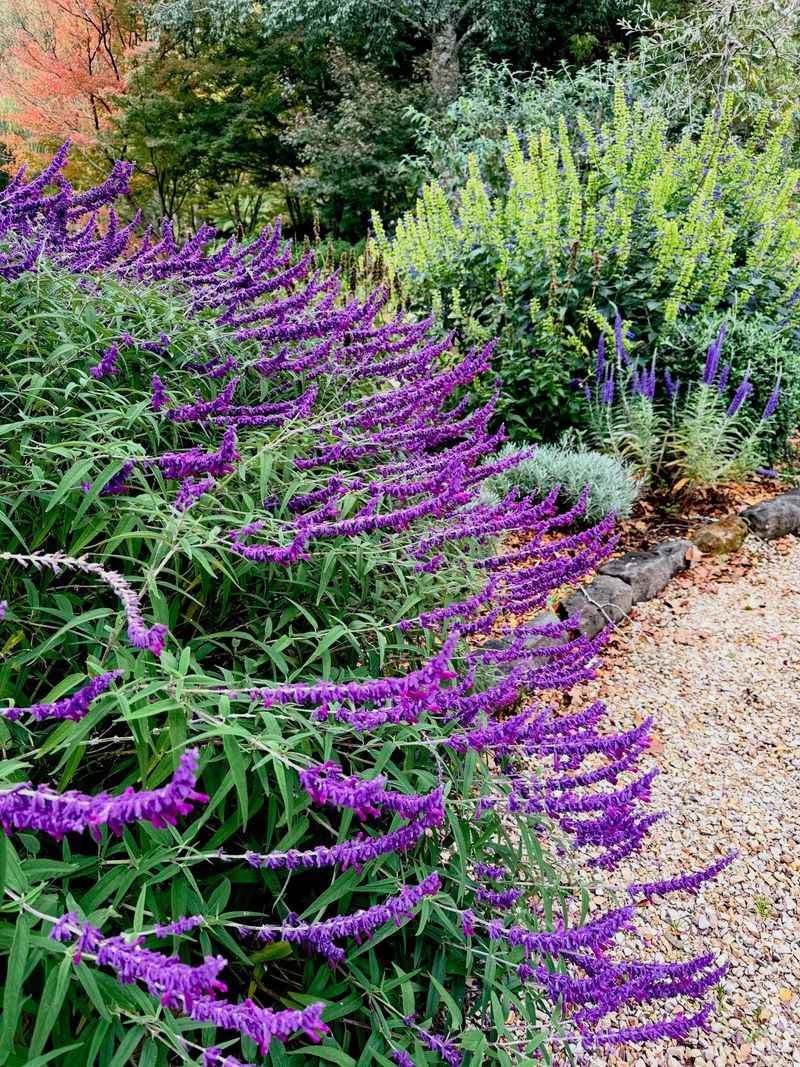
Winters in Michigan can be long and chilly, but hardy salvia is built to handle them. A little preparation now makes the cold season much easier on your plant.
The crown is the most important part to protect. This is the spot where stems meet roots, and it holds the energy your plant needs to wake up next spring.
Good drainage does the heaviest lifting here. A crown that stays dry through winter avoids rot and comes through the cold in much better shape.
Proper moisture balance matters too. Water your plant well before the ground freezes, then let nature handle the rest as things cool down.
Cleaning up fallen leaves and debris around the base is another smart move. Removing that damp mess keeps pests and disease from settling in near the crown.
A light layer of mulch can add gentle protection once the ground begins to cool. Wait until the soil is chilly so you do not trap warmth and confuse the plant.
Spread mulch around the base without piling it directly against the stems. This shields roots from harsh freezing and thawing cycles that stress the crown.
Avoiding late-season stress ties everything together. Skipping heavy fertilizer, watering wisely, and cleaning gently all help your salvia settle in calmly.
When you combine drainage, moisture, cleanup, and patience, you give your plant every advantage. A well-prepared salvia rests peacefully through winter and greets you with fresh, colorful blooms once spring returns to the garden.