Why Chigger Bites Get Worse In Ohio On Late August, Not Better
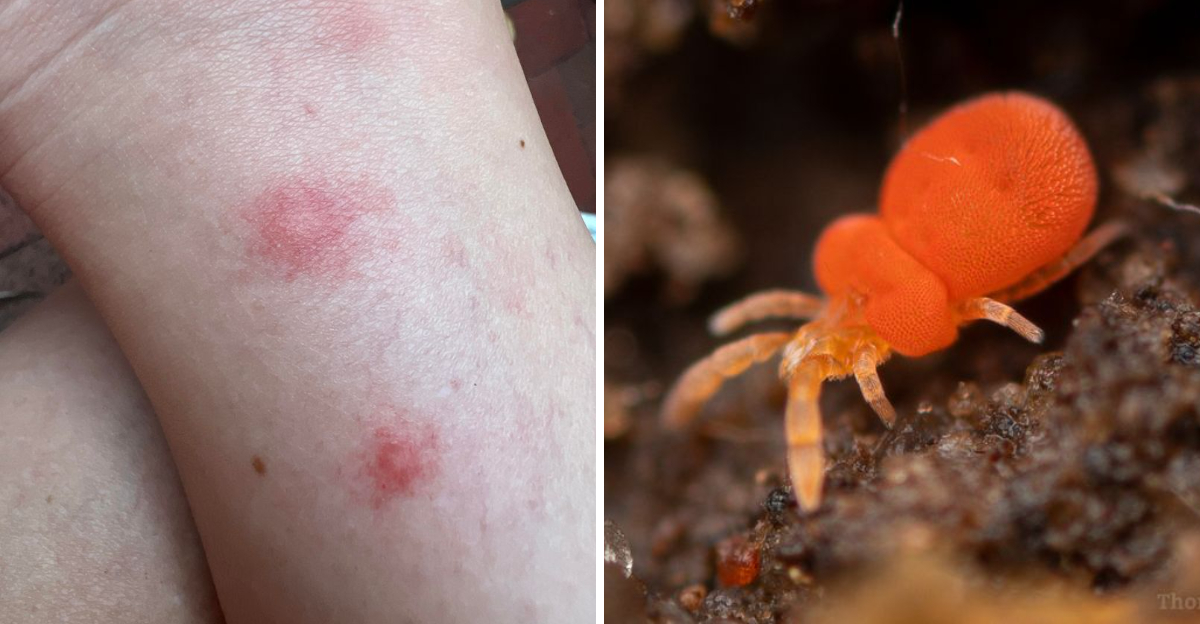
Late August in Ohio loves a delayed punchline.
You spend an afternoon near the fence, clear weeds, straighten a bed, and head inside with nothing unusual to report.
Then your ankles object after dinner.
By bedtime, a few tiny red spots have turned into an itch with remarkable ambition. The strange part is that the culprit may already be long gone.
So why does the end of summer seem to make this problem feel worse instead of easier?
The calendar creates a trap.
Cooler mornings can make the yard feel safer. School starts. Fall decorations creep into stores. Your brain begins to file summer pests under “almost finished.”
Ohio’s grass and brush may disagree.
Warmth, moisture, dense vegetation, and one nearly invisible life stage can keep the season surprisingly active. Add delayed symptoms, and the source becomes even harder to trace.
Before you blame mosquitoes, detergent, or that suspicious garden chair, look lower.
The real trouble may have hitched a ride hours ago outside without so much as a hello.
1. August May Feel Like Fall, But Chiggers Still Disagree
Late August can fool you because the calendar starts to whisper fall.
Chiggers may still treat the yard like summer.
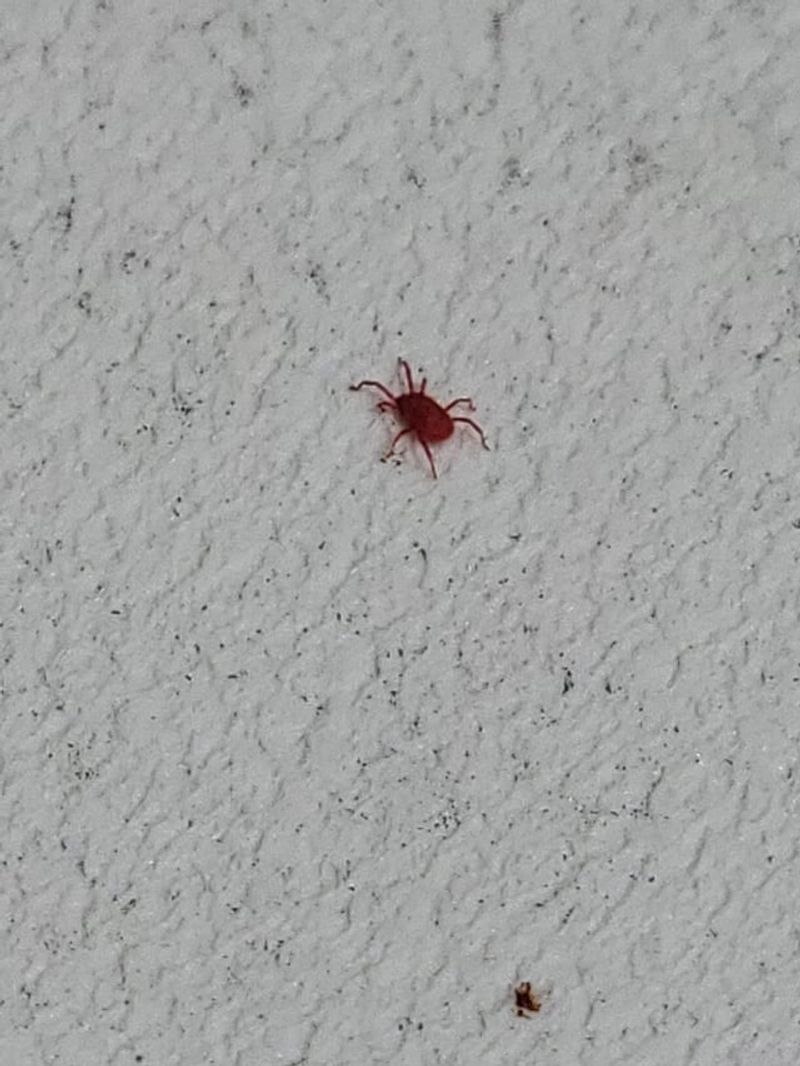
Their active larval stage can remain a problem through Ohio’s warm season, especially through hot, humid stretches. Those larvae wait close to the ground on vegetation and latch onto a host after contact.
That means a cooler morning does not erase the risk by lunchtime.
A weedy fence line, shaded lawn edge, or brushy corner can still hold the moisture these mites favor. One warm spell can keep those spots comfortable well after you start to dream about mums and pumpkins.
Keep your late-summer routine simple.
Wear long pants for yard work near dense vegetation. Tuck pant legs into socks when the area looks especially overgrown. Use an EPA-registered repellent on exposed skin or clothing only as the label directs.
Do not let the month make you casual.
That is where the surprise starts.
You step outside in August with September on your mind, skip the usual precautions, and give tiny hitchhikers an easier route.
Chiggers have no interest in your seasonal calendar. They care about warmth, humidity, cover, and contact.
So keep the socks high for a little longer. Your ankles may consider that the smartest fashion choice of the month.
2. That Weedy Fence-Line Deserves More Respect
The wild strip beside the fence may look like harmless late-summer fluff.
To chiggers, it can feel much more useful.
Dense grass, weeds, and shaded vegetation help keep the ground humid. Chigger larvae often occur in those protected areas rather than across a dry, open patch of lawn. Ohio yards with brushy borders can create exactly that contrast.
Pay attention to transition zones.
The edge between mowed grass and taller growth deserves more respect than the center of a sunny lawn. Garden borders, ditch banks, woodland margins, and the strip behind a shed can all put your lower legs close to vegetation.
Your Ohio Garden Changes Every Week. Your Plan Should Too.
Gardening in Ohio changes quickly throughout the season. Every Friday you’ll receive a simple weekly plan showing exactly what to plant, prune, fertilize, harvest, and protect so you never miss the right timing.
You do not need to fear every weed.
You do need to notice where your body brushes against the plants.
Keep paths wide enough for easy passage. Trim tall growth around spots you use often. Wear long pants for work near the rougher edges, and add repellent to exposed skin or clothing as the product label directs.
That little bit of prep can save a lot of late-night itch.
The sneaky part comes from how ordinary the contact feels.
One step into tall grass to grab a tomato cage does not seem memorable at noon.
Your ankles may write a very different review by bedtime.
Give those weedy borders some personal space.
They do not need magazine-level manners. They just should not get first access to your socks.
3. Brush Piles Can Hide A Tiny Late-Summer Crowd
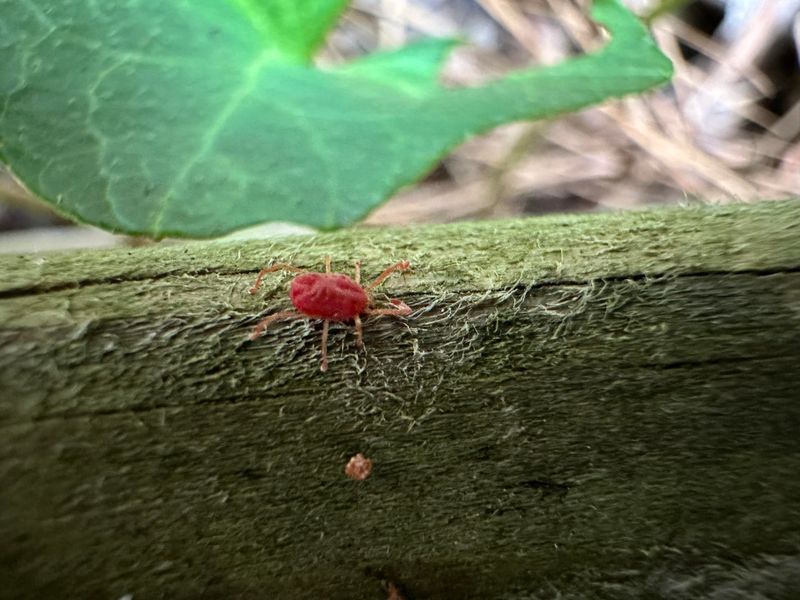
Brush piles and berry patches can hide more than thorns and lost garden gloves.
They can also create the cool, protected ground cover chiggers prefer.
Low, dense vegetation helps hold humidity close to the soil. That can make blackberry canes, field edges, ditch banks, and neglected corners more favorable than open, sun-baked turf.
The easiest mistake is direct contact.
A quick kneel in weeds can put your clothing and skin right against the zone where larvae wait. A rest on a grassy bank can do the same. Even a bag set in dense vegetation can pick up unwanted passengers.
Keep high-use areas more open.
Clear the edge around a garden path. Move brush away from places where you sit or kneel. Trim vegetation near play spaces and work zones. Leave the distant wild corner alone.
Protective clothing helps too.
Long sleeves and long pants reduce exposed skin. Permethrin-treated clothing can provide another layer of protection when the product label lists the intended use. It belongs on treated clothing or gear, not directly on skin.
That distinction matters.
Your pants can carry the protection. Your skin needs a repellent labeled for skin use.
Late August berry season already comes with enough scratches from canes.
No prize comes with an itchy souvenir in the basket.
4. The Itch Arrives After The Culprit Has Left
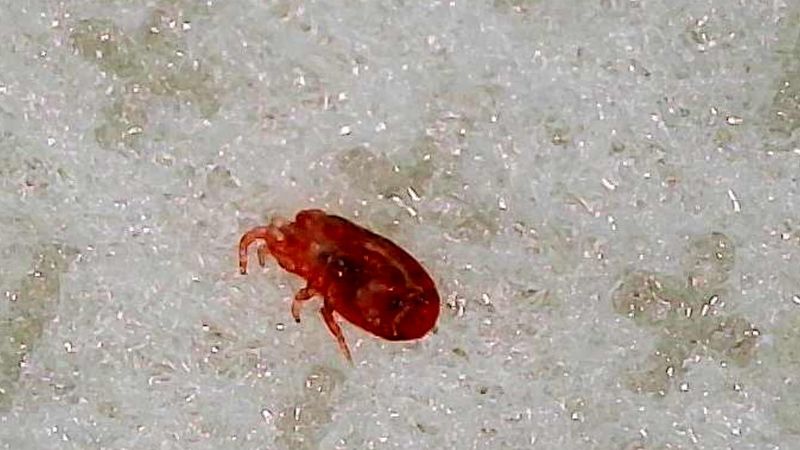
The worst part of a chigger encounter may arrive long after the yard work ends.
That delay makes the whole thing feel mysterious.
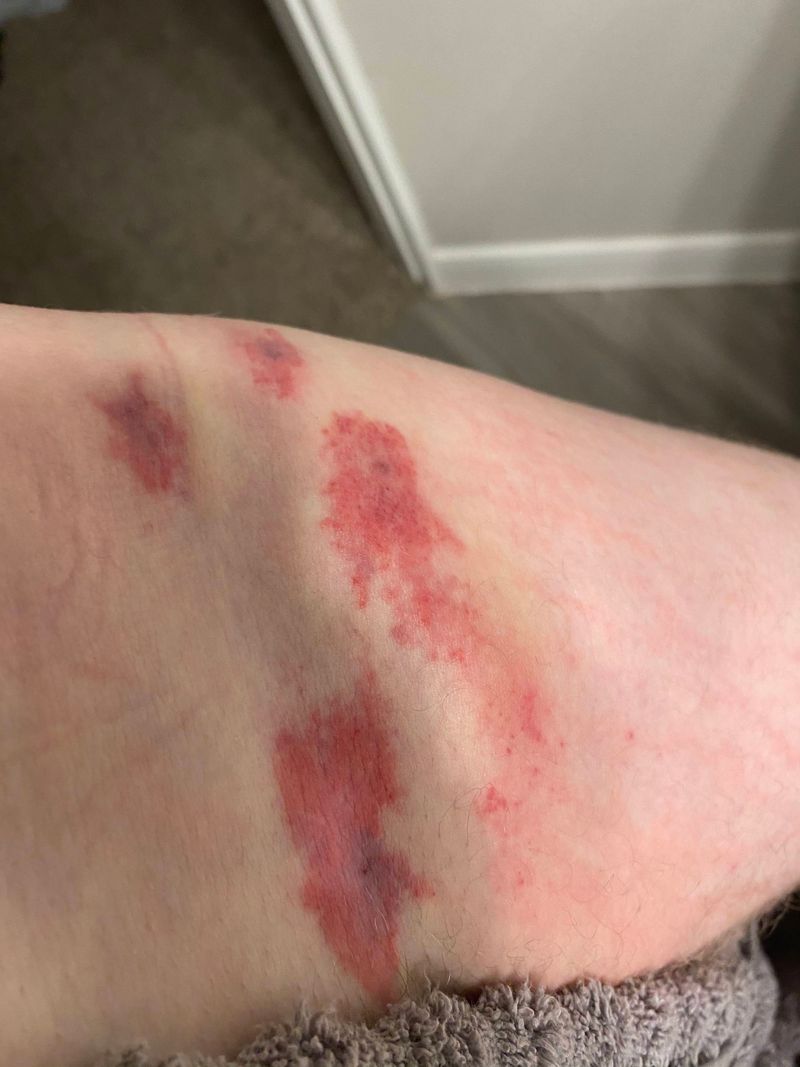
Chigger larvae feed on the skin surface. They do not burrow deep into your body. Their saliva helps break down skin cells, and your body reacts around that spot. The itch can become much stronger after the mite has already left.
That gap can scramble your memory.
You may blame the park from lunch even though the real contact happened beside your fence that morning. By the time the red bumps demand attention, several outdoor stops may compete for suspicion.
Avoid a scratch marathon.
Cool compresses and common anti-itch products can ease mild symptoms for many people. A clinician or pharmacist can help with product choice, especially for children, pregnancy, sensitive skin, or other medical concerns.
Broken skin creates another problem, so keep nails away from the bumps as much as you can.
Watch the area over the next several days.
Redness that expands, warmth, drainage, major puffiness, fever, or other symptoms that concern you deserve medical advice.
The useful clue here is the delay.
No immediate sting does not mean nothing happened.
Chiggers are more like pranksters who leave the yard before the punchline lands.
Your skin gets the joke later, and unfortunately, it rarely finds it funny.
5. Ankles And Waistbands Become The Favorite Stops
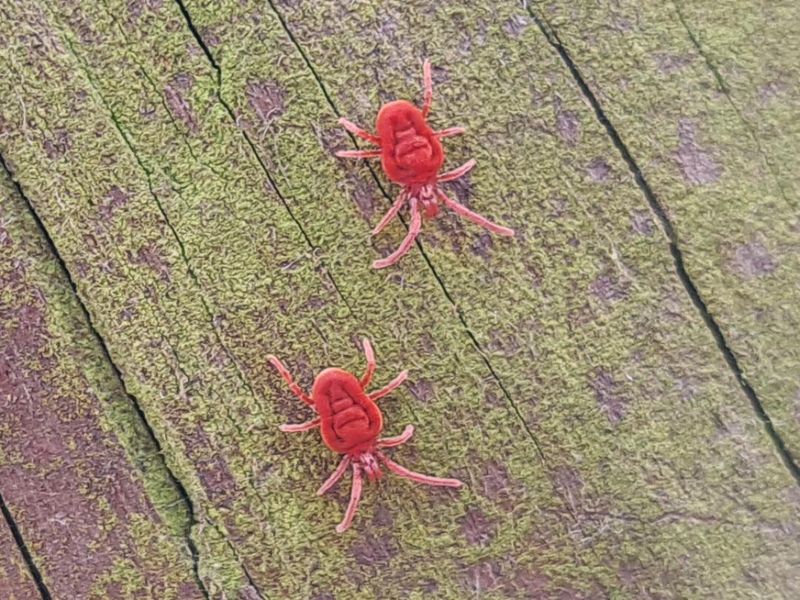
Chigger bites often gather where your clothes become snug.
Ankles get plenty of attention. So do sock lines, waistbands, the backs of knees, and other warm spots where fabric presses close to skin.
The mites start near ground level and crawl after contact.
A tight edge can stop that trip and create a convenient place to feed. That helps explain why the pattern can look oddly organized after a day outdoors.
Use clothing to make the route harder.
Long pants reduce exposed skin. Tucked pant legs can create another barrier near the ankles. A repellent labeled for use on skin or clothing can add protection when applied exactly as directed.
Skip the urge to soak every layer in spray.
Labels matter. More product does not automatically mean better protection, and some repellents should not go under clothing.
After yard work, check the usual trouble zones before you settle onto the couch.
Then change clothes and head for the shower.
That small routine becomes especially useful after work near tall grass, brush, or shady borders.
Yes, socks over pants may look a little dramatic.
Late August already gave you sweat, weeds, and one mosquito in your ear.
Fashion has left the meeting.
Protect the ankles first.
You can restore your dignity after the yard tools go back in the shed.
6. Make The Shower Your First Stop After Yard Work
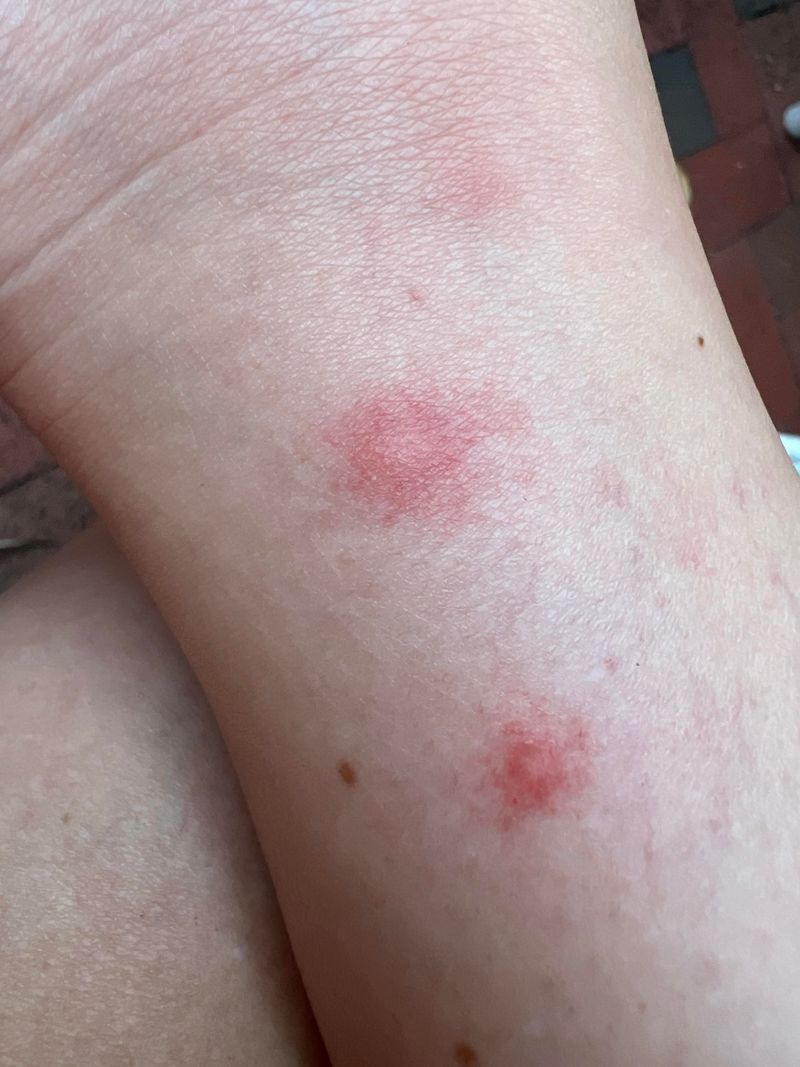
The best post-yard-work move may happen before the itch ever starts.
Head for soap and water.
Chigger larvae can spend time on the skin before they settle at one spot. A prompt shower or a firm wipe with a washcloth can help remove larvae that remain on the surface.
Do not turn it into a gentle splash.
Wash the areas that had the most contact with vegetation, especially ankles, legs, waist, and skin folds. Use normal soap and water. No exotic home remedy needs a lead role.
Change clothes first.
The shirt and pants that brushed through weeds should not follow you onto the sofa, bed, or car seat. Put them aside for laundry and switch into clean clothes after the shower.
That habit matters because the exposure can feel completely uneventful at first.
You may feel fine after two hours in the yard. The temptation is to grab a cold drink and postpone cleanup.
Your future self may object.
Build the shower into the yard-work routine, right after the gloves come off.
Shoes at the door. Clothes to the laundry. You to the shower.
Simple beats elaborate here.
Chiggers already specialize in delayed consequences.
You do not need to give them extra time to finish the paperwork.
7. Yesterday’s Yard Clothes Do Not Need A Second Shift

Yesterday’s yard clothes do not deserve an encore before they visit the washer.
Tiny chigger larvae can remain on clothing after outdoor exposure, so a second wear can create another chance for contact. Prompt laundry helps break that cycle.
Treat work clothes like work tools.
Once you come inside, keep them away from clean laundry, sheets, and upholstered furniture. A separate basket near the door can make that habit almost automatic.
Wash exposed clothing as the garment label allows.
Ohio guidance recommends a hot wash for clothes after likely chigger exposure. High heat in the dryer can also help when the fabric care label permits it.
Permethrin-treated garments need extra attention to their own instructions.
Treated clothing may carry separate wash directions, so the product label gets the final word there.
Do not toss sweaty yard pants into the truck and forget them until tomorrow.
That seat does not need a souvenir either.
A small laundry routine can feel dull after hours outside, but dull sounds wonderful compared with three nights of ankle complaints.
Give the jeans a wash before round two.
They already worked one shift.
No need to let them bring coworkers home.
8. Trim The Places Where Your Legs Spend The Most Time
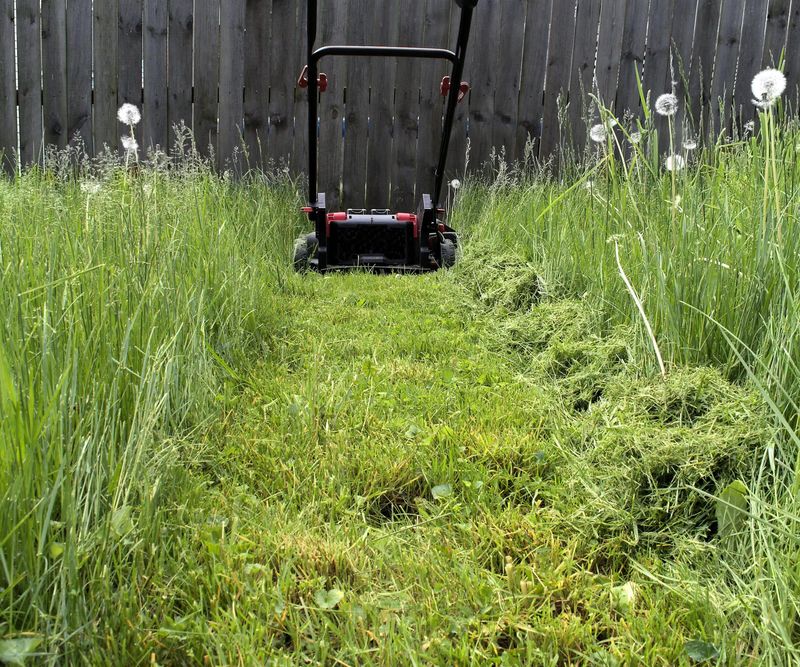
You do not need to turn an Ohio yard into a golf course to make chigger encounters less common.
Focus on the places people actually use.
Shorter grass and less dense vegetation around paths, play areas, patios, and garden beds can reduce the humid cover chiggers favor. Open, sunny ground tends to offer a less comfortable setup than thick, shaded growth.
Start with the routes your feet already know.
Trim the edge beside the vegetable garden. Widen a path through tall growth. Clear leaf litter from a shady chair area. Keep brush away from places where you kneel, weed, or pick produce.
Leave the distant wild corner alone when nobody spends time there.
That gives you habitat without bare ankles on the guest list.
Keep grass trimmed around recreation zones to make the yard easier to use through late summer.
Pair that habitat work with protective clothing, repellent, prompt showers, and clean work clothes. One tactic helps. Several small habits work much better together.
The goal is not a yard with zero mites.
The goal is fewer easy meetings between you and the larvae.
Late August deserves tomatoes, evening walks, and one last round of backyard dinners.
It does not need an itch tax.
Make the spaces you use less chigger-friendly, then save the wild jungle look for the corner you rarely visit.