Should You Aerate Before Overseeding An Ohio Lawn This September?
If your Ohio lawn spent the summer looking a little rough, you are in good company. Heat, drought, heavy foot traffic, and compacted soil have a way of leaving cool-season grass looking tired, patchy, and honestly a bit sorry for itself by September.
The good news is that fall is genuinely one of the best windows to turn things around, and overseeding is one of the most effective tools available to homeowners who want thicker, healthier turf heading into next year.
Core aeration gets mentioned a lot in the same conversation, and for good reason in many cases, but it is not something every lawn actually needs.
Knowing the difference between when aeration genuinely helps and when you can skip it saves real time, money, and effort. Let’s figure out what your lawn actually calls for this fall.
1. Core Aeration Can Improve Seed-To-Soil Contact
Walking across a thick, established Ohio lawn and tossing grass seed on top of the canopy might feel productive, but much of that seed may never reach the soil beneath.
Grass seed needs direct contact with the soil surface to absorb moisture, begin germination, and eventually anchor itself with developing roots.
Without that contact, seeds can dry out, blow away, or simply sit on top of thatch without ever sprouting.
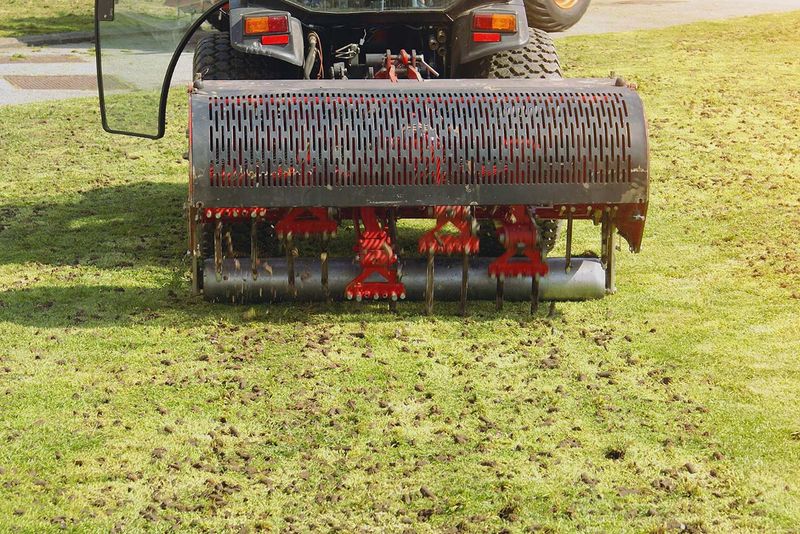
Core aeration can help solve this problem by pulling small plugs of soil out of the ground and leaving behind open channels in the turf canopy. Those channels give seed a path to reach the soil surface, improving the odds that germination will actually occur.
The holes left by aeration also allow moisture and air to penetrate more effectively into the root zone.
This benefit is most noticeable in lawns with a dense thatch layer or a thick canopy that physically blocks seed from settling against the soil. Thatch at roughly half an inch or more can create a barrier that limits how well overseeding works.
When that condition exists, core aeration before overseeding can genuinely improve results. However, a lawn with minimal thatch and good soil exposure may already offer adequate seed-to-soil contact without any additional preparation.
Aeration is a tool worth using when conditions call for it, not simply a step that belongs in every fall lawn routine.
2. Compacted Soil Is A Good Reason To Aerate
If you press a screwdriver into your lawn and it barely budges, that resistance is a sign that compaction may be limiting your turf’s health.
Compacted soil restricts the movement of water, air, and nutrients through the soil profile, making it harder for grass roots to spread and anchor properly.
Lawns that receive heavy foot traffic, equipment use, or that were built on clay-heavy soils are especially prone to this problem.
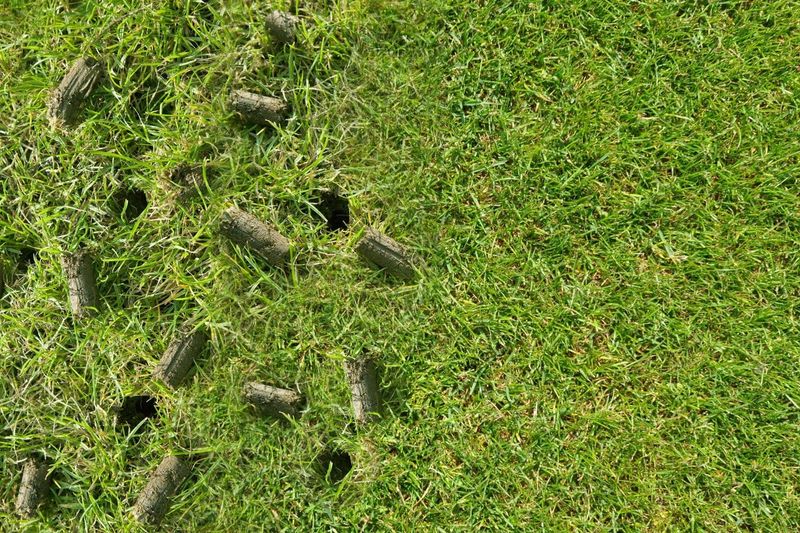
Core aeration addresses compaction by physically removing small cylinders of soil from the ground. Those removed cores leave behind channels that allow air and water to move more freely through the soil.
Your Ohio Garden Changes Every Week. Your Plan Should Too.
Gardening in Ohio changes quickly throughout the season. Every Friday you’ll receive a simple weekly plan showing exactly what to plant, prune, fertilize, harvest, and protect so you never miss the right timing.
Over time, the surrounding soil can shift slightly into those channels, loosening the overall structure and creating a better environment for root development.
One aeration treatment will not permanently eliminate compaction, especially in high-traffic areas or clay-heavy soils.
Repeated foot traffic and equipment use can recompact the soil over subsequent seasons, so addressing compaction may need to become a periodic part of lawn care rather than a one-time fix.
Before scheduling an aeration, try the screwdriver test or look for signs like water pooling on the surface after rain or grass that struggles to recover from summer stress.
When compaction is clearly present, aerating before overseeding this September can give your new seed a much better start in Ohio’s fall establishment window.
3. September Is A Strong Seeding Window In Ohio
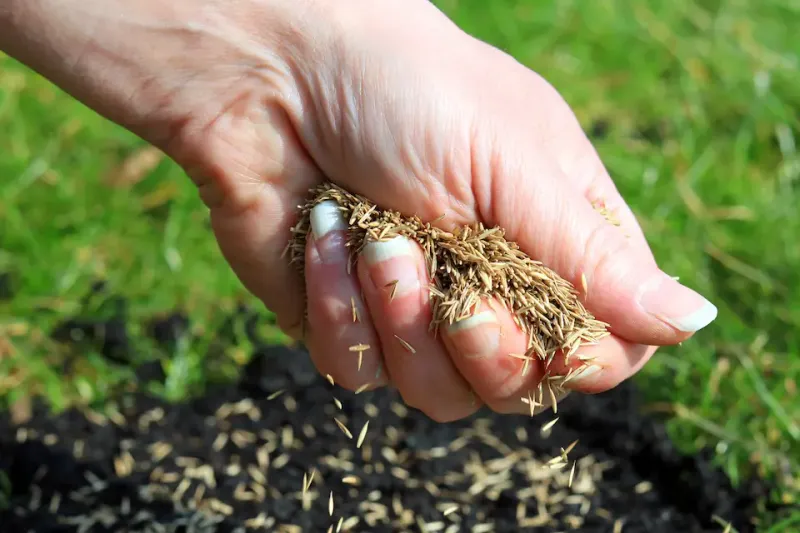
Cool-season grasses like tall fescue, Kentucky bluegrass, and perennial ryegrass thrive when soil temperatures are warm enough to support germination but air temperatures are beginning to moderate.
That combination occurs naturally in late summer and early fall, making it one of the most favorable periods of the year to overseed an established lawn.
Ohio State University Extension generally recommends seeding cool-season turf between approximately August 15 and September 30, with earlier seeding often favored in northern areas where temperatures drop sooner.
Seeding earlier in that window gives new seedlings more time to germinate, establish roots, and develop some strength before cold weather becomes a limiting factor.
Waiting until late September or October shortens the establishment period and can reduce how well new turf survives winter.
Weather is not uniform across the state, so the practical seeding window can vary by location and by year. Northern, central, and southern regions may experience noticeably different temperature and rainfall patterns within the same September.
Some sources suggest completing overseeding by around September 15 for the strongest fall establishment, while others recognize that conditions can extend or shorten that window depending on the year.
The key takeaway is that September represents a genuinely strong opportunity for homeowners, and working within that window rather than waiting until October generally gives new seed the best realistic chance of establishing before winter.
4. Soil Moisture Matters When Aerating
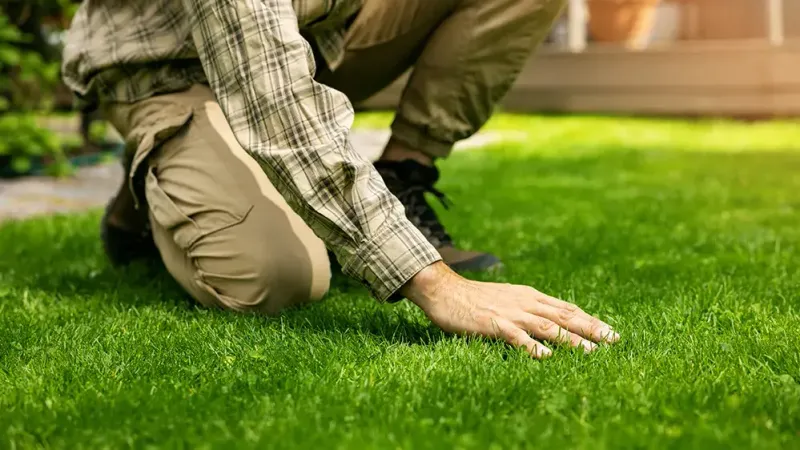
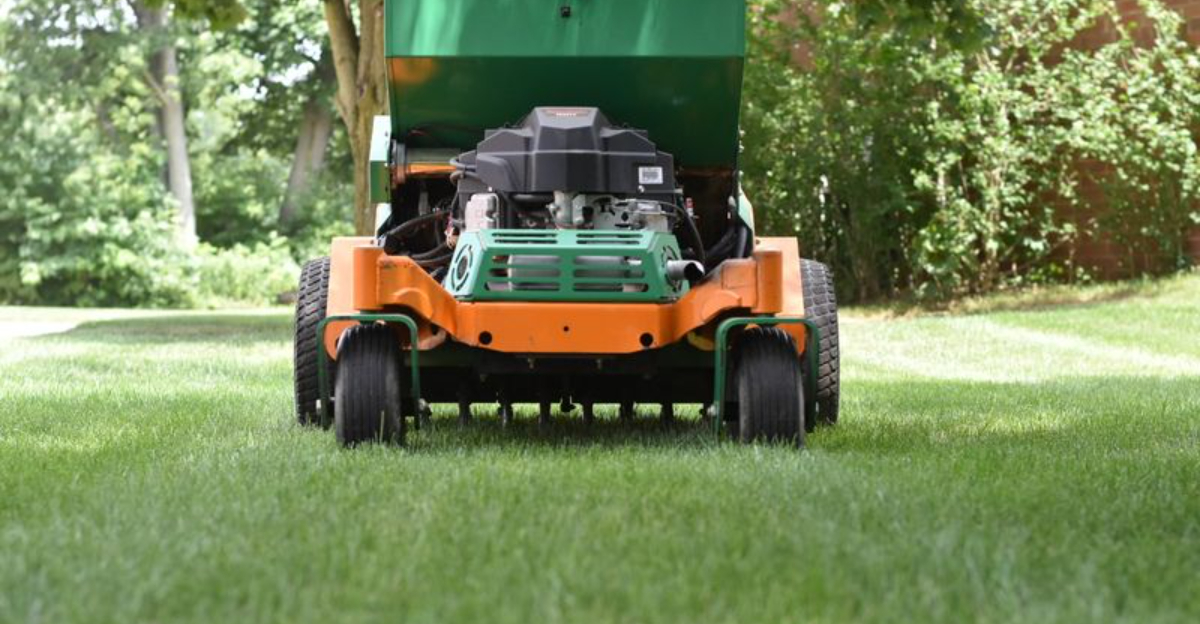
Pulling out a core aerator and heading straight to the lawn without checking soil conditions first can lead to disappointing results. The machine works by driving hollow tines into the soil and pulling out small cylinders of earth.
For that process to work well, the soil needs to have enough moisture to allow the tines to penetrate to a useful depth and pull out intact, recognizable cores.
Dry, hard soil resists the tines and often results in shallow, incomplete penetration. The cores that do come out may crumble immediately rather than holding their shape, and the channels left behind may be too shallow to offer meaningful benefit.
Watering the lawn one to two days before aerating can bring soil moisture to a level that allows the machine to work more effectively without creating overly wet conditions.
On the other hand, soil that is saturated or still soft from heavy rain presents its own problems. Equipment operating on waterlogged ground can create ruts, smear the soil surface, and actually increase compaction in some areas rather than relieving it.
Checking the soil before you start is a straightforward step that many homeowners skip. A simple squeeze test or screwdriver test can tell you whether conditions are suitable.
Aerating when the soil is moist but firm, rather than bone dry or soaking wet, gives the process the best chance of delivering real improvement to your Ohio lawn this fall.
5. Not Every Lawn Needs Aeration Before Overseeding
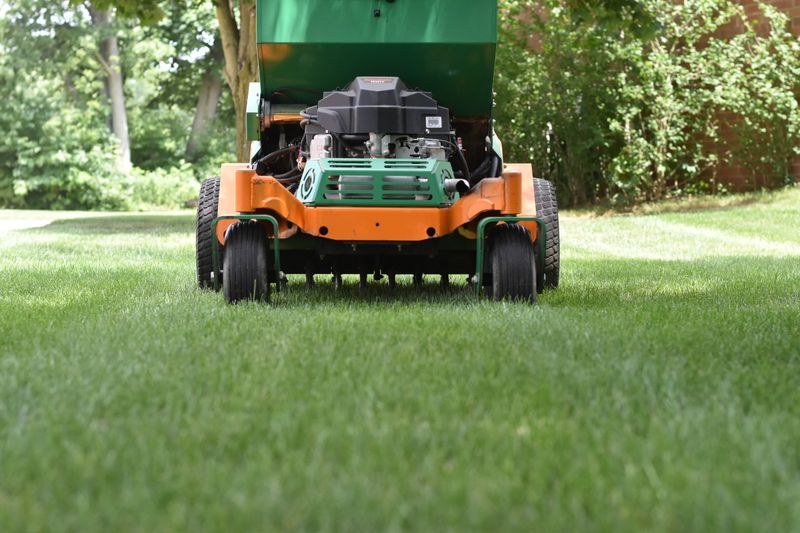
Aeration has developed a reputation as an automatic fall ritual for many Ohio homeowners, but that reputation does not always match what turf science actually recommends.
A lawn with reasonably good soil structure, minimal thatch, and adequate seed-to-soil contact may not need core aeration before overseeding.
Skipping aeration in those situations is not cutting corners; it is simply responding to what the lawn actually needs rather than following a calendar habit.
The conditions that justify aeration before overseeding are specific: compacted soil, thatch at or above half an inch, or a dense canopy that prevents seed from reaching the soil.
When those conditions are not present, overseeding directly onto a prepared surface can work effectively.
Lightly raking thin areas, removing debris, and ensuring good seed-to-soil contact through other means may be all that is necessary for a lawn in reasonably good shape.
Thinking of aeration as a response to an identifiable problem, rather than a mandatory fall step, helps homeowners make better decisions about their time and money.
Running an aerator over healthy, uncompacted soil with minimal thatch offers little measurable benefit and adds unnecessary work and equipment cost to the project.
Before committing to aeration this September, take a close look at your lawn’s actual conditions. Check for compaction, measure thatch depth if possible, and evaluate how well seed might reach the soil surface.
Let those observations guide the decision rather than the calendar alone.
6. Wet Soil Can Be Damaged By Aeration
There is a temptation in September to push through Ohio lawn tasks on whatever day the schedule allows, even if the soil is still saturated from recent rain. When it comes to core aeration, that approach can backfire.
Operating aeration equipment on overly wet soil can cause more harm than good, damaging the soil structure rather than improving it.
Heavy aeration machines exert significant downward pressure on the turf surface. When the soil is saturated, that pressure compacts rather than channels the earth below.
Equipment wheels and tines can also leave ruts that are difficult to correct later, and smearing wet soil across the surface can seal off pore spaces that roots and water need to move through freely.
The result can be a lawn that is actually more compacted after aeration than it was before.
Waiting a few days after heavy rain before aerating is generally the smarter approach, even if it means adjusting your September schedule. Soil that has had time to drain but still holds some moisture will respond much better to the aerator tines.
If your area has received significant rainfall in the days leading up to your planned aeration, check conditions carefully before proceeding. Pressing a finger or tool into the soil can reveal whether it has firmed up enough for equipment to operate without causing damage.
Patience here protects the investment you are about to make in new seed and fall establishment.
7. Seed Soon After Aerating For Better Establishment
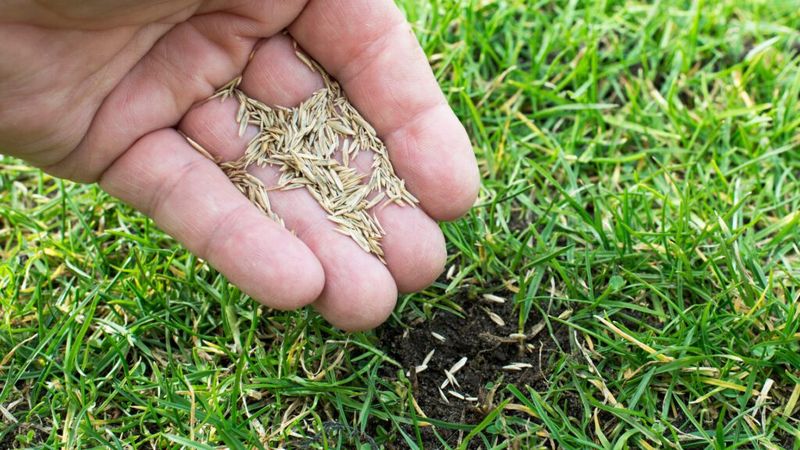
Fresh aeration holes in the soil surface represent an opportunity that does not last indefinitely.
The channels and openings created by the aerator tines are most useful for seed placement when they are fresh and the surrounding soil has not yet settled back or dried out around the edges.
Taking advantage of that window by overseeding soon after aerating makes practical sense for Ohio’s fall establishment timeline.
Completing overseeding within a short period after aeration allows seed to fall into or near the open channels, giving it better access to the soil surface than it would have on an unprepared lawn.
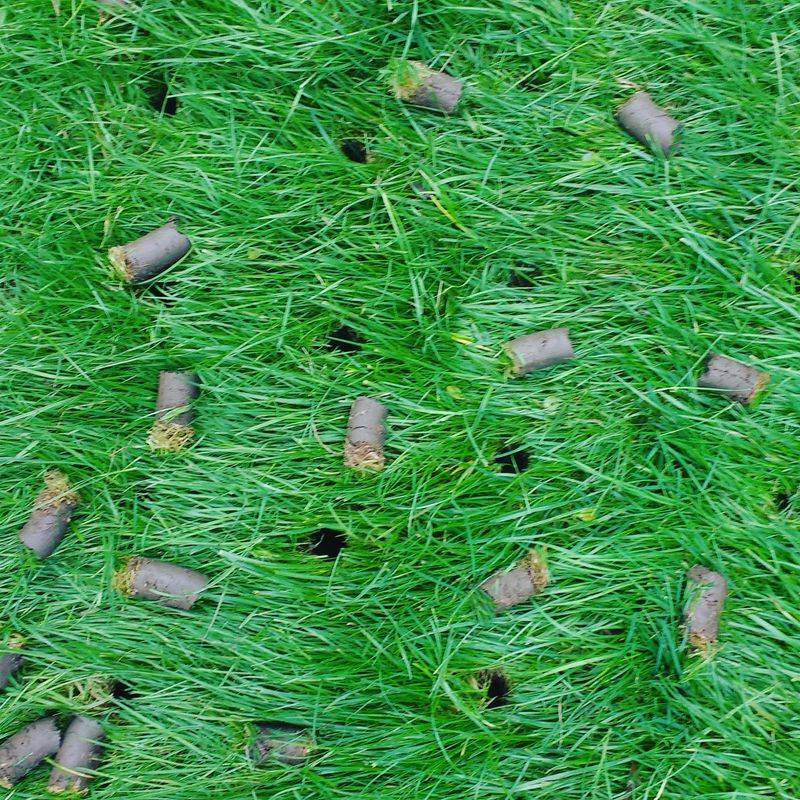
The cores left on the surface will gradually break down and can help cover some seed as they crumble, adding another layer of soil contact that supports germination.
That breakdown happens naturally over a few weeks, particularly with rain and foot traffic.
Late-summer and early-fall seeding window is already compressed, so there is little reason to delay overseeding once the aeration is complete.
The goal is to give new seed enough time to germinate and develop roots before colder temperatures and shorter days slow growth significantly.
Combining aeration and overseeding in close sequence allows both practices to work together effectively.
Spreading seed the same day or within a day or two of aerating keeps the project moving within Ohio’s most favorable establishment period and avoids losing valuable growing time to unnecessary delays.
8. New Seed Needs Consistent Moisture To Establish
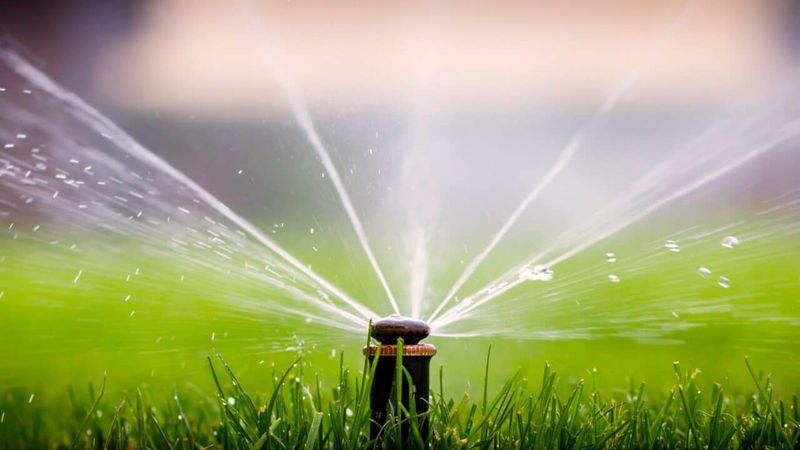
Watching tiny grass seedlings push up through the soil is one of the more satisfying moments in fall lawn care, but getting to that point requires reliable moisture management from the day seed goes down.
Grass seed needs consistent access to moisture to begin and sustain germination.
If the seedbed dries out during that critical early period, germination can stall or young seedlings may not survive long enough to develop meaningful root systems.
Ohio’s September weather can be unpredictable. Some years bring regular rainfall that supports new seed with minimal supplemental irrigation.
Other years see stretches of dry, warm weather that can quickly stress a freshly seeded lawn. Relying on natural rainfall alone is a risk that has caused problems for homeowners in recent autumn seeding seasons.
Monitoring soil moisture and irrigating when needed helps bridge gaps between rain events.
The frequency and amount of irrigation needed will vary depending on weather conditions, soil type, sun exposure, and how far along the seedlings are in their development.
Early germination stages generally require light, frequent moisture applications to keep the surface from drying out without washing seed away.
As seedlings develop and root systems deepen, irrigation can shift toward less frequent but deeper applications.
There is no single watering schedule that fits every lawn, so observing conditions and adjusting accordingly is the most practical approach to keeping new seed on track through fall establishment.