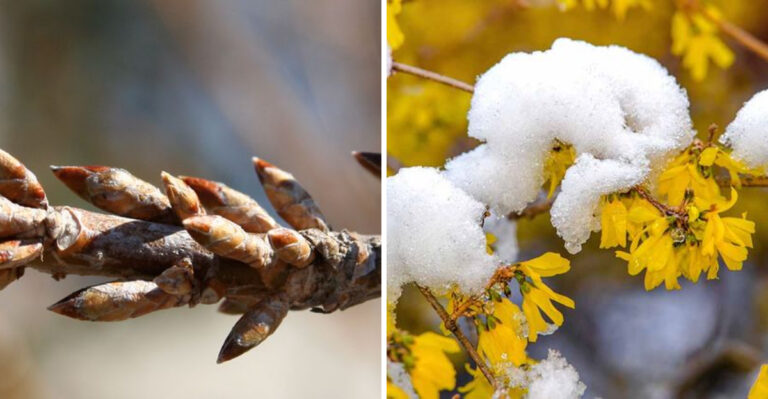
Make Rhododendrons Bloom Better In Ohio With These Simple Growing Tips
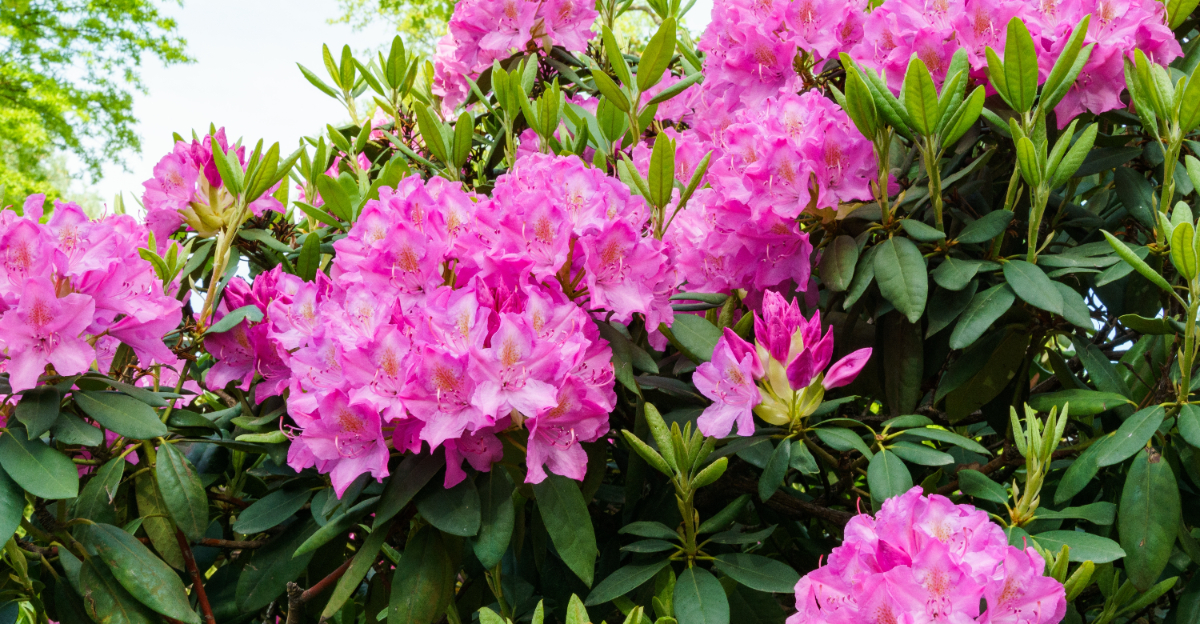
Rhododendrons in full bloom are one of Ohio’s genuine garden moments. The kind that stops you on the way to the car and makes the whole yard look like it has its act together.
The frustrating part is that not every rhododendron delivers on that promise every year. Some put out a decent show and then quietly underperform for seasons at a stretch.
Others bloom sparsely from the start and never quite hit their stride. That gap comes down to a handful of growing conditions that are easy to overlook.
Those conditions explain the difference between what a rhododendron can do and what it produces in most Ohio yards. Rhododendrons are not difficult plants.
They are specific ones. Get the basics right and the blooms take care of themselves in a way that makes every spring worth looking forward to.
1. Start With Acidic Soil Before Expecting Big Blooms
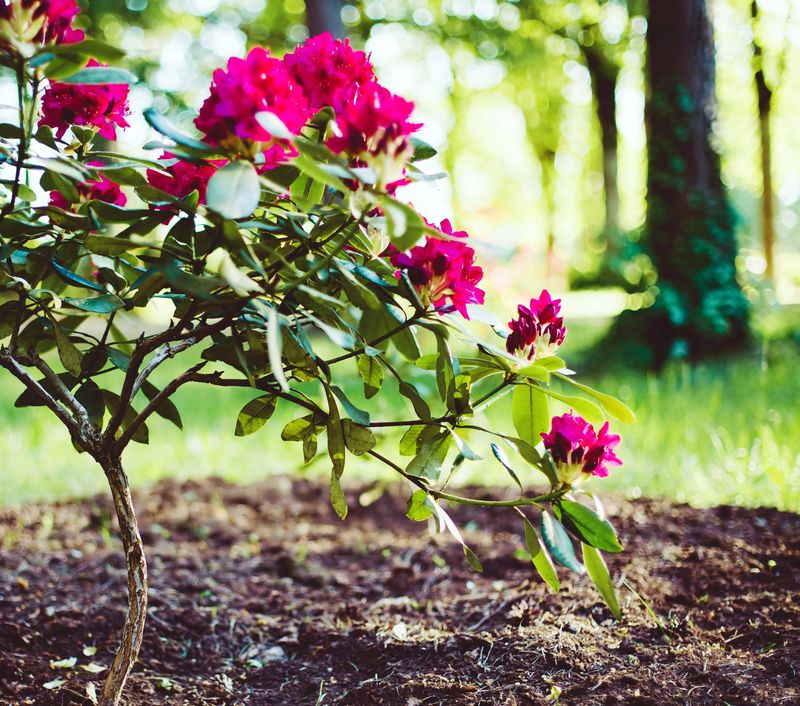
Soil pH is one of the most overlooked reasons rhododendrons underperform in local gardens. These shrubs need acidic soil, generally in the 4.5 to 6.0 pH range, to absorb nutrients properly.
When soil pH climbs too high, nutrients become locked up, and the plant simply cannot use what is available, no matter how much fertilizer you apply.
Yellowing leaves, weak new growth, and sparse blooming can all connect to pH problems, but they can also point to other issues. That is exactly why guessing is a risky move.
Before adding sulfur, acidifying fertilizer, or any amendment, get your soil tested first. Ohio State University Extension recommends soil testing as a starting point so you know what you are actually working with before making changes.
Local soil testing services, including those through OSU Extension offices, can give you a clear picture of your current pH and what adjustments, if any, make sense.
Some local soils are naturally more acidic, while others, especially in areas with limestone bedrock or heavy construction fill, lean alkaline.
Making changes without a test can lead to overcorrecting, which creates a new set of problems. A simple test gives you a real plan instead of a guess, and that is always a better starting point for stronger blooms.
2. Give Roots Drainage Without Letting Them Dry Out
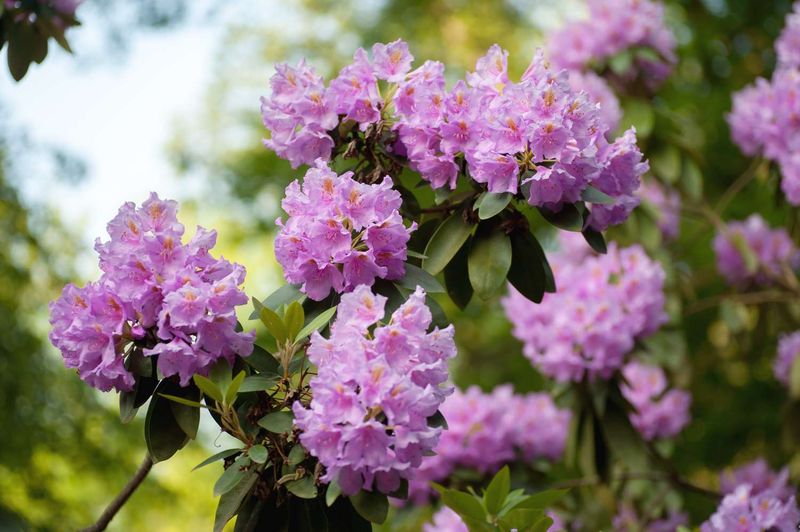
Rhododendrons are particular about their feet. They want steady moisture, but they absolutely cannot sit in waterlogged soil.
Getting that balance right is one of the trickier parts of growing them well, especially in areas where heavy clay or compacted ground is common.
Soggy roots can cause serious stress over time. Low spots in the yard, beds that pool water after rain, and compacted soil that does not drain quickly are all risky locations for these shrubs.
Heavy clay soils are especially problematic because they hold water longer than rhododendrons prefer, which can lead to root stress and poor overall performance.
One practical approach is to plant rhododendrons slightly high, raising the crown just a bit above the surrounding soil grade. This encourages excess water to drain away from the root zone rather than pooling around it.
Your Ohio Garden Changes Every Week. Your Plan Should Too.
Gardening in Ohio changes quickly throughout the season. Every Friday you’ll receive a simple weekly plan showing exactly what to plant, prune, fertilize, harvest, and protect so you never miss the right timing.
Improving soil structure before planting by working in organic matter like compost or aged pine bark can also help with drainage in heavier soils. Raised beds are another option in spots where drainage is consistently poor.
At the same time, do not place these shrubs somewhere that dries out completely during summer. They need consistent moisture throughout the growing season, especially when flower buds are forming in late summer and fall.
Finding that middle ground between too wet and too dry is the real key to healthy roots and reliable blooms.
3. Choose Bright Shade Over Hot Afternoon Sun
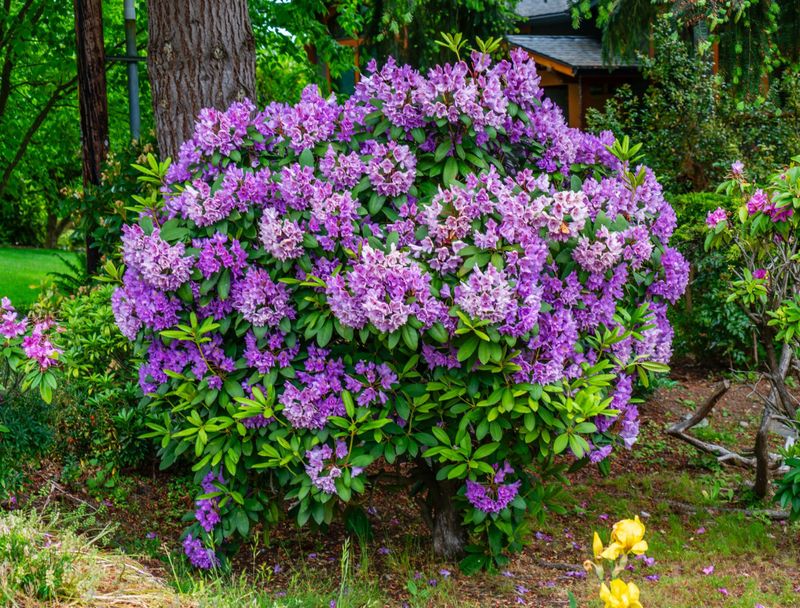
Placement makes a bigger difference than many gardeners expect. Rhododendrons generally perform best with filtered light, morning sun, or bright shade rather than direct afternoon exposure.
Strong afternoon sun during summer can stress leaves, causing them to curl, scorch, or look washed out even when watering is consistent.
At the same time, deep shade creates its own problems. Plants tucked too far under dense tree canopies often produce fewer flower buds because they are not getting enough light to fuel strong growth.
The sweet spot is somewhere in between, and finding it in your specific yard is worth thinking through carefully before you dig a hole.
East-facing locations are often a good fit because they receive gentle morning sun and are naturally protected from the harsher afternoon rays. Woodland edges work well too, where taller deciduous trees provide filtered shade during summer.
They also allow more light through in early spring when the canopy is still thin. Protected spots on the north or east side of a building can also work, as long as the site gets reasonable light and good air circulation.
Avoid planting directly on the south or west side of a structure where reflected heat and intense sun can build up during the hottest months. Thoughtful placement is one adjustment that costs nothing but pays off every season.
4. Mulch Shallow Roots The Right Way
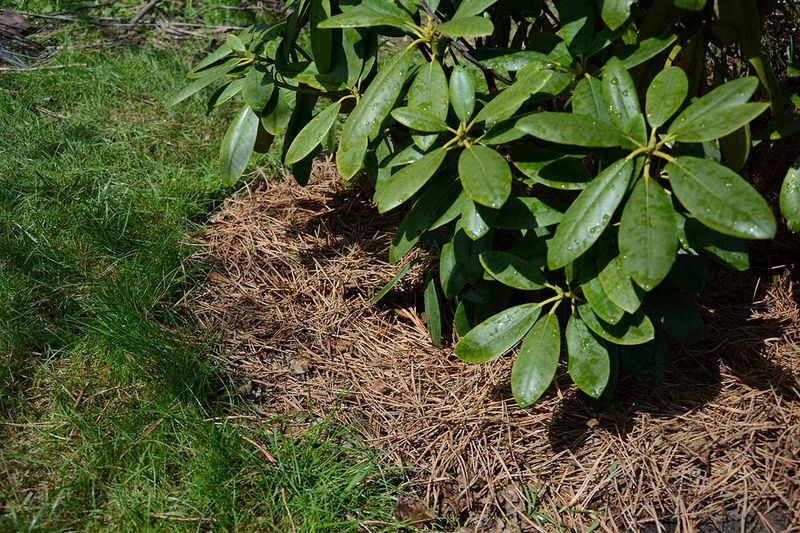
Rhododendrons have shallow, fibrous root systems that sit close to the soil surface. That makes them especially sensitive to temperature swings, soil moisture loss, and competition from nearby grass or weeds.
Mulch is one of the most practical tools available for protecting those roots and keeping conditions more stable throughout the year.
A layer of organic mulch two to three inches deep helps hold soil moisture, moderate temperature, and slowly improve soil structure as it breaks down. Pine bark nuggets, shredded bark, or shredded leaves are all good choices.
Pine bark has a slight natural acidity that can be a gentle bonus for acid-loving plants like rhododendrons.
It is not a substitute for proper soil pH management.
One common mistake is piling mulch too deep or pushing it up against the base of the plant.
Mulch volcanoes, where material is mounded high around the trunk or crown, can trap moisture against the stem and create conditions that weaken the plant over time.
Keep mulch a few inches away from the main stem and spread it out to cover the root zone instead, extending a couple of feet beyond the drip line if possible. Refresh the mulch layer each spring or fall as it breaks down.
Avoid fresh wood chips that have not had time to age, since they can temporarily tie up nitrogen in the soil as they decompose.
5. Water Deeply During Dry Spells
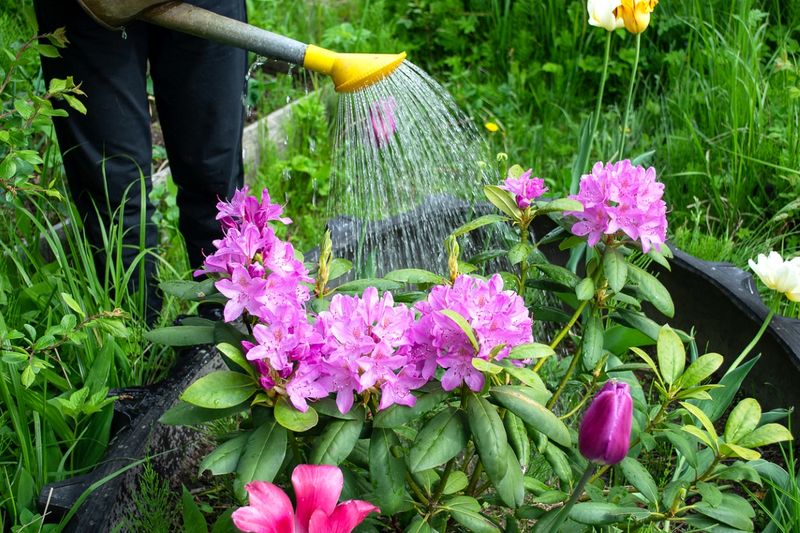
Summer and fall watering matters more than many gardeners realize. Rhododendrons set their flower buds for the following spring during late summer and early fall.
Any dry spell during that window can directly affect how well they bloom the next year. Consistent moisture during bud set is one of the quieter factors behind a strong spring display.
Newly planted shrubs need the most attention. Their root systems are still getting established and have not yet spread out to pull moisture from a wider area of soil.
During the first one to two growing seasons, check soil moisture regularly and water when the top few inches feel dry. Do not rely solely on rainfall, especially during the warm months when evaporation is high and stretches without rain are common.
Deep, slow watering is more effective than quick surface sprinkling. A slow soak allows water to move down into the root zone rather than running off or evaporating before it reaches where it matters.
Soaker hoses or a slow trickle from a regular hose work well for this purpose. Water in the morning when possible so foliage has time to dry before evening, which helps reduce the chance of fungal issues.
Avoid keeping the soil constantly saturated, since rhododendrons need moisture but cannot handle standing water around their roots for extended periods.
6. Prune Right After Blooming, Not Later
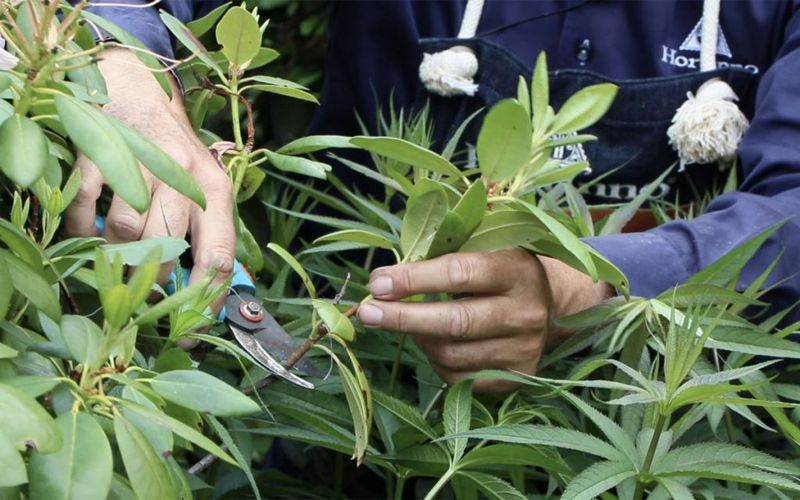
Timing matters more with rhododendrons than with many other flowering shrubs. After the spring bloom fades, the plant quickly begins setting new growth and, more importantly, the flower buds that will open the following year.
Pruning too late in the season means cutting off buds that are already forming, which directly reduces next spring’s flower count.
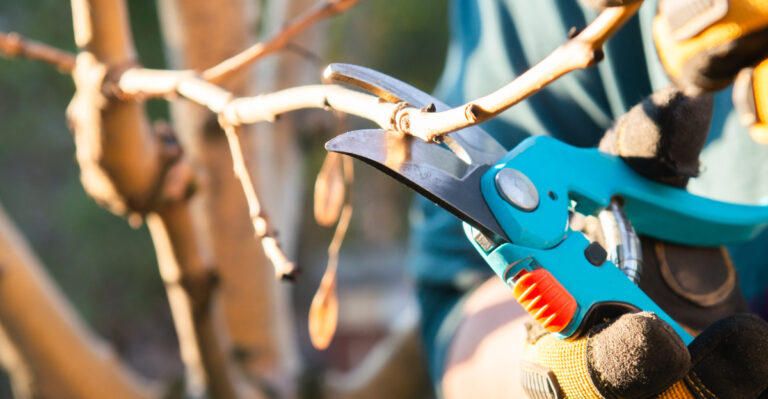
The safest window for pruning is right after the flowers finish, typically in late spring. Trimming spent flower clusters during this time is a good habit that keeps the plant looking tidy and redirects energy into new growth rather than seed production.
Snap or snip off the old flower heads carefully, just above the new leaf buds emerging below them, to avoid damaging the fresh growth.
Beyond trimming, major shaping or structural pruning should also happen right after bloom if needed. That said, rhododendrons do not need heavy pruning on a regular schedule.
Removing diseased, damaged, or crossing branches is usually enough to keep most shrubs healthy and well-shaped.
Avoid the urge to shear them into tight shapes, since that approach removes future bloom wood and leaves the plant looking unnatural.
If a shrub has become very overgrown, gradual renewal over several years is a gentler approach than cutting everything back hard at once. Less is usually more when it comes to pruning these shrubs.
7. Protect Buds From Winter Wind And Late Cold
Winter is not always the biggest threat to rhododendron flower buds. Late cold snaps in early spring, after buds have already begun to swell and open, can do more visible damage than a steady cold winter.
A hard freeze that rolls in after warm weather tricks buds into opening early is one of the more frustrating setbacks for gardeners counting on a full spring display.
Drying winter winds are also a real issue. Rhododendrons are evergreen, meaning their leaves stay on through winter and continue to lose moisture even when the ground is frozen.
When roots cannot take up water from frozen soil and wind keeps pulling moisture from the leaves, the plant can show browning leaf edges or damaged buds by late winter.
Watering deeply before the ground freezes in late fall, especially after a dry autumn, helps build a moisture reserve that protects the plant through winter.
Site selection is the most effective long-term protection. Planting rhododendrons in a spot naturally sheltered from prevailing winter winds reduces stress.
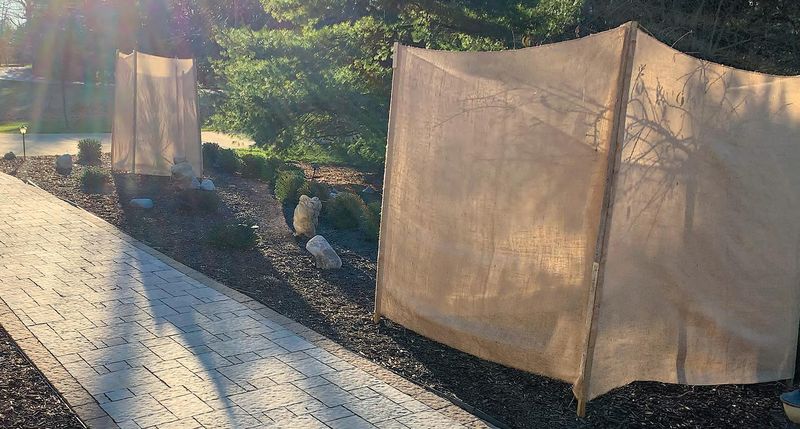
Good options include spots near a building, fence, or established evergreen hedge. In very exposed sites or for particularly cold-sensitive varieties, a simple burlap screen on the windward side can help during the harshest stretches.
Avoid wrapping plants completely, since air circulation matters even in winter. Smart siting from the start is always better than relying on annual protection.
8. Pick Varieties That Can Handle Local Conditions
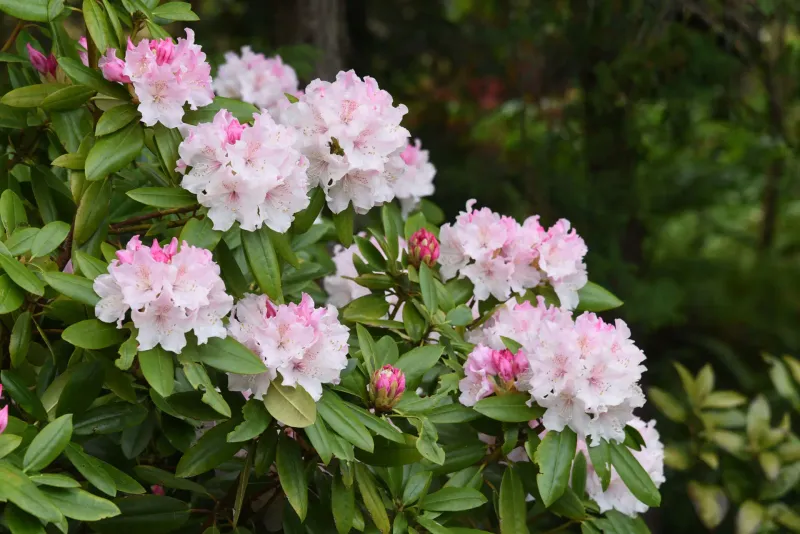
Picking the right plant for the right place is where success really begins. Not every rhododendron sold at a garden center is well-suited to local winters, local soils, or the specific conditions in your yard.
A beautiful blooming plant in a greenhouse display does not always translate to a thriving shrub in your garden a few years down the road.
Hardiness is the first thing to check. Most of the state falls in USDA Hardiness Zones 5 and 6.
Northern regions near Lake Erie may benefit from slightly moderated winters, while some southern areas experience colder inland conditions. Look for varieties rated for Zone 5 or colder to give yourself a reliable margin.
Catawbiense hybrids, Ironclad hybrids, and PJM types are known for performing reliably in colder climates.
Specific variety selection still matters.
Beyond hardiness, consider mature size, bloom time, and how well the variety tolerates your specific light and soil conditions. A compact variety works better in a foundation bed than a large-growing type that will eventually crowd the space.
Bloom time variation also lets you extend the overall season across a planting. Talk to local nursery staff familiar with what performs well in your area, or check resources from OSU Extension for regionally tested recommendations.
Buying a plant that fits your actual garden conditions from the start saves a lot of frustration later.