The Pennsylvania Native Plant Gardens Worth Visiting Before The End Of Summer
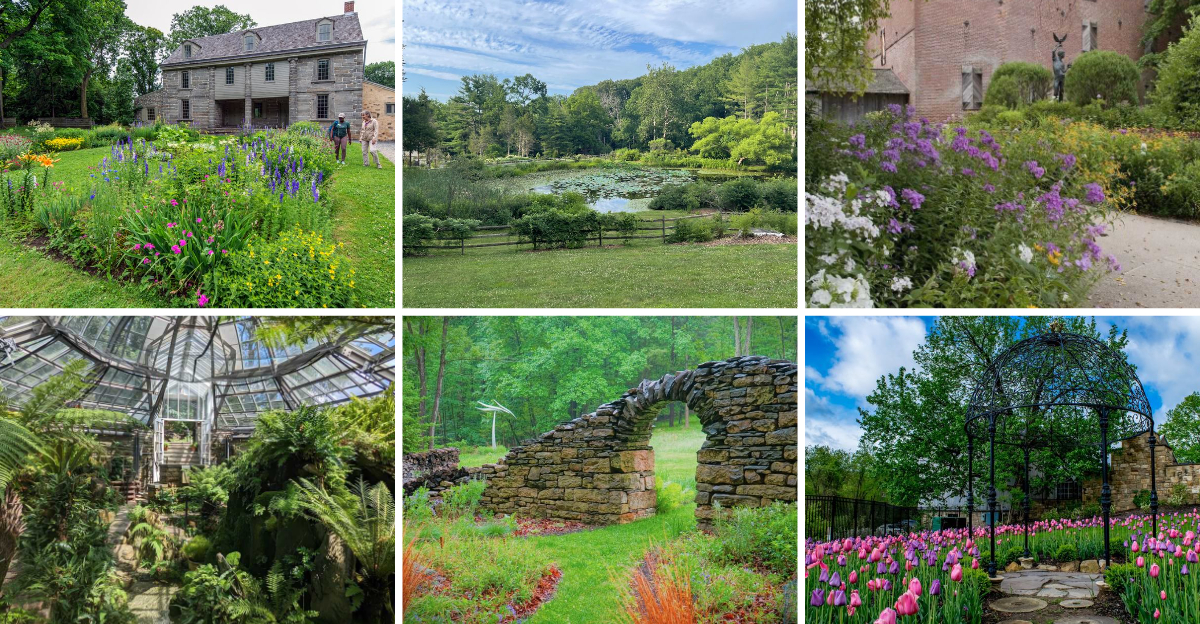
Pennsylvania’s growing season is running out of time, and these gardens are racing against the clock. Somewhere between the ridges near Philadelphia and the quiet valleys around Pittsburgh, native plants are putting on their final show of the year.
This isn’t your average park stroll. These gardens double as living lessons, showing exactly which blooms thrive in Pennsylvania soil and which pollinators can’t resist them.
Butterflies, bees, and hummingbirds treat these spots like a summer buffet. Watch closely and you’ll pick up tricks worth stealing for your own backyard.
Eight destinations made our list this year. Grab your walking shoes, because summer won’t wait, and neither should you.
1. Bowman’s Hill Wildflower Preserve
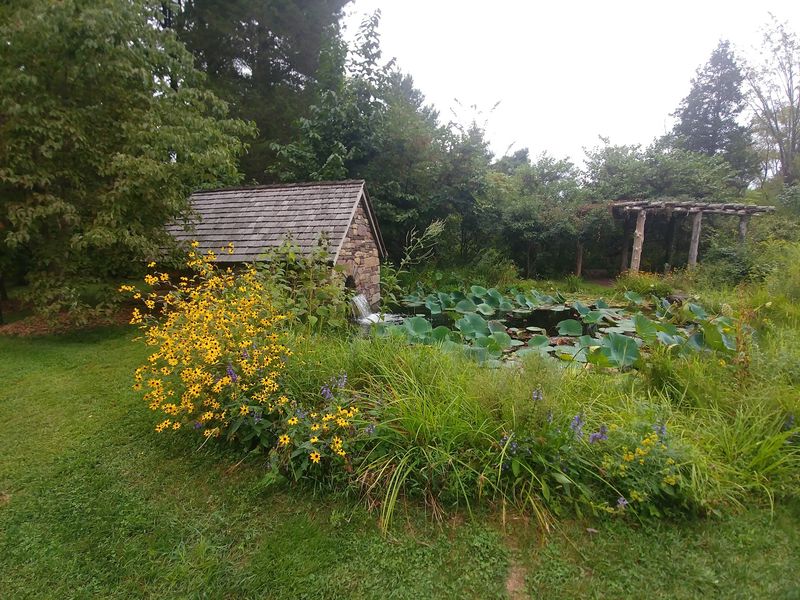
Tucked beside the Delaware River at 1635 River Road in New Hope, Bowman’s Hill Wildflower Preserve is one of those places that stops you in your tracks. Over 700 native plant species grow across 134 acres of meadow, woodland, and wetland habitat.
Gardeners love this spot because it shows what Pennsylvania plants actually look like in their natural setting. You can walk trails and take mental notes for your own backyard design.
Late summer brings a riot of color here. Joe-Pye weed towers over your head, and goldenrod lights up every open field like spun gold.
The preserve also runs educational programs throughout the season. Workshops cover topics like rain gardens, pollinator planting, and native ground covers.
Families with kids will find the trails manageable and surprisingly engaging. Children tend to stop at every butterfly and bee, which honestly is the whole point.
Serious plant shoppers should check the preserve’s nursery before leaving. They sell hard-to-find native species that most garden centers never stock.
This is one of the oldest wildflower preserves in the entire country, founded back in 1934. That history gives it a depth and plant diversity you simply cannot fake.
If Pennsylvania native plant gardens had a crown jewel, Bowman’s Hill would wear it proudly. Go before the goldenrod fades and summer slips away.
2. Bartram’s Garden
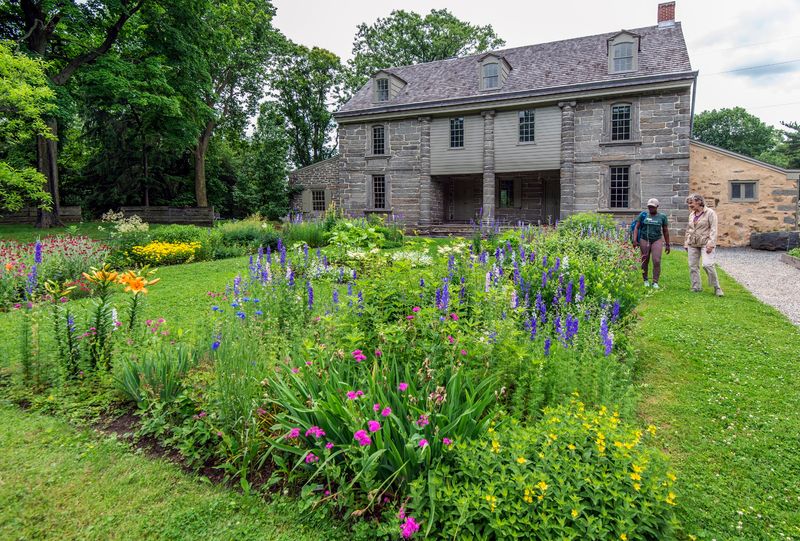
America’s oldest surviving botanic garden sits right along the Schuylkill River in Southwest Philadelphia, at 5400 Lindbergh Boulevard. John Bartram planted these grounds in 1728, and the legacy he left behind is truly remarkable.
Walking through Bartram’s Garden feels like time travel in the best possible way. The historic stone farmhouse anchors the property, surrounded by descendants of plants Bartram himself collected across colonial America.
Native plant enthusiasts will find this place deeply inspiring. The garden focuses heavily on species that existed before European settlement reshaped the landscape.
Summer visits reward you with blooming swamp rose mallows and native hibiscus near the river’s edge. The colors are so vivid they almost look artificial against the green backdrop.
One thing that sets Bartram’s apart is its urban location, proof that native plants can thrive in a city setting. That makes this garden especially meaningful for apartment dwellers and small-space gardeners.
Your Pennsylvania Garden Changes Every Week. Your Plan Should Too.
Gardening in Pennsylvania changes quickly throughout the season. Every Friday you’ll receive a simple weekly plan showing exactly what to plant, prune, fertilize, harvest, and protect so you never miss the right timing.
Free and low-cost programs run regularly throughout the warmer months. Community events make this space feel welcoming to everyone, not just serious botanists.
The river trail offers a peaceful walk with surprising plant diversity along the way. You might spot native cardinal flowers blazing red near the water’s edge.
Bartram’s Garden is a living reminder that Pennsylvania’s native plant heritage runs deep and wide. Visit before summer ends and leave with a new appreciation for what grows naturally here.
3. Jenkins Arboretum & Gardens
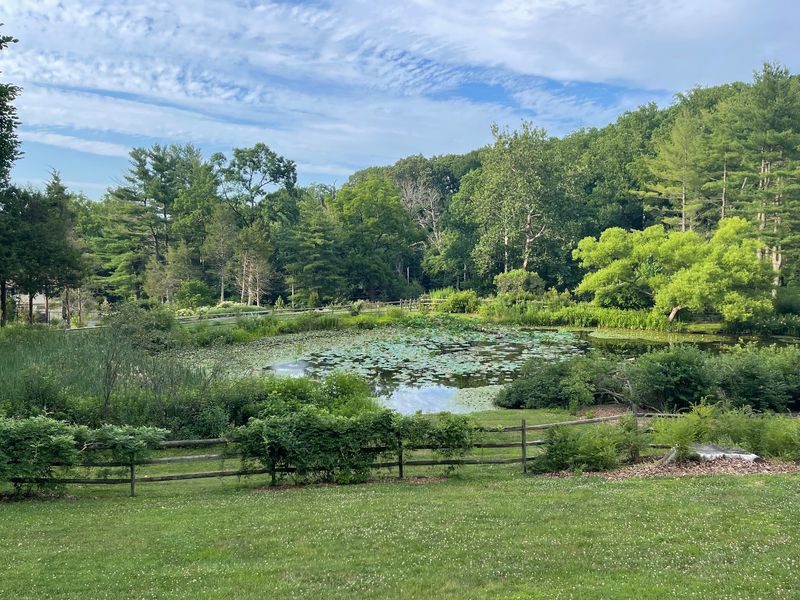
Jenkins Arboretum, located at 631 Berwyn Baptist Road in Devon, is a hidden gem that serious gardeners keep to themselves like a secret recipe. Spread across 48 acres in Chester County, this spot punches well above its weight in beauty and plant variety.
The arboretum is especially famous for its native azalea collection. Spring gets all the glory, but summer reveals a quieter, richer side of the garden that many visitors miss entirely.
Woodland paths wind past native ferns, sedges, and shade-loving wildflowers. The canopy keeps things cool even on the hottest August afternoons, which is reason enough to visit.
A small pond near the center of the property attracts dragonflies, frogs, and native water plants. Sitting beside it for ten minutes feels like a full reset for your nervous system.
Jenkins also runs a well-regarded native plant sale each year. Gardeners line up early because the selection includes species that simply do not show up at big-box garden centers.
The educational programs here focus on sustainable landscaping with native species. Staff members are knowledgeable and genuinely excited to talk plants with visitors of any experience level.
Admission is free, which makes this one of the best no-cost outings in the greater Philadelphia area. Bringing a notebook to sketch plant combinations you want to recreate at home is highly recommended.
Jenkins proves that smaller gardens can leave the biggest impressions. Let this one surprise you before summer folds up its tent.
4. Brandywine Conservancy And Museum Of Art
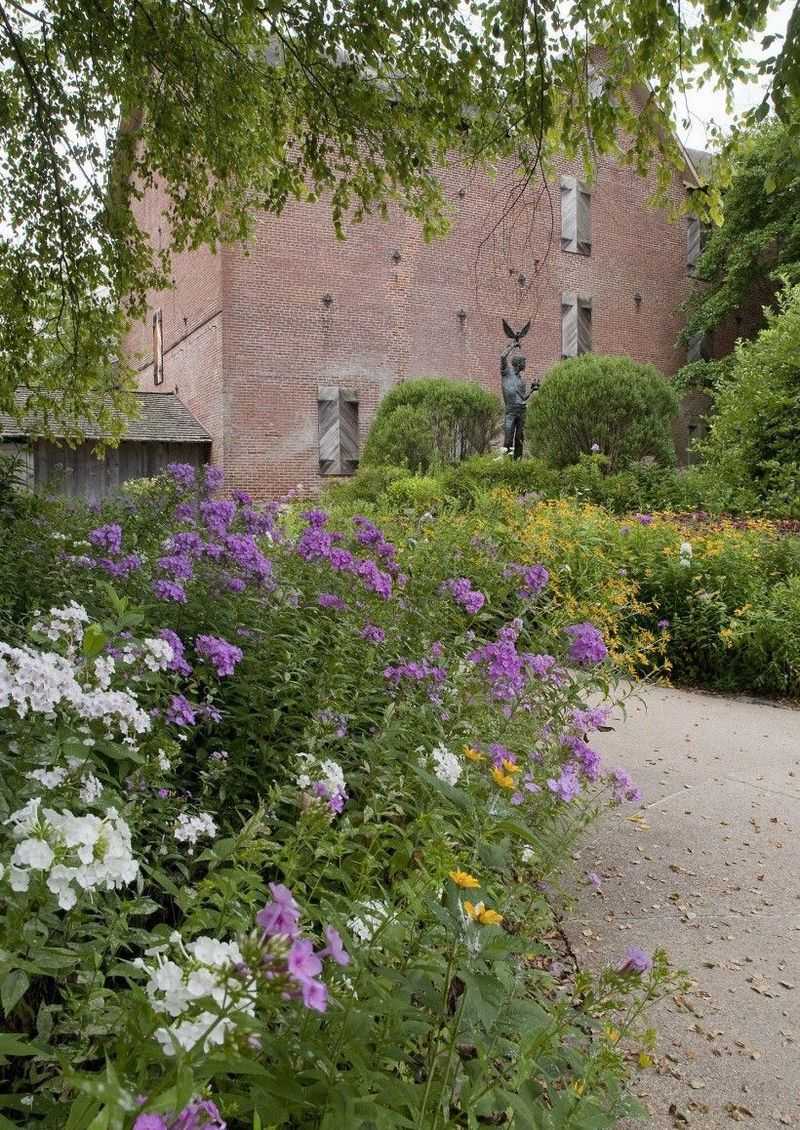
The Brandywine region of southeastern Pennsylvania has inspired artists for generations, and one look at the native plant gardens there tells you exactly why. The landscape feels painted, layered with texture and color in every direction.
Chadds Ford, home to the Brandywine Museum of Art at 1 Hoffman’s Mill Road, sits in a valley where the soil and climate create ideal conditions for a wide range of native species. Coneflowers, wild bergamot, and native grasses create sweeping meadow scenes that feel effortlessly beautiful.
Gardeners who struggle with dry or rocky soil will find real inspiration here. Many of the plants thriving in these gardens are tough, drought-tolerant species that perform well without heavy maintenance.
The connection to the Brandywine River makes this area ecologically significant beyond just aesthetics. Riparian native plantings along the water help filter runoff and support aquatic wildlife at the same time.
Pollinators flock to this area in summer numbers that feel almost unreal. Monarch butterflies, native bees, and hummingbirds treat the gardens like an all-you-can-eat buffet from July through September.
Visiting alongside a trip to the nearby museum makes for a full and deeply satisfying day. Nature and culture blend seamlessly in this corner of Pennsylvania.
Guided walks are available seasonally and offer a much richer experience than exploring solo. Knowledgeable guides point out plants and ecological relationships that most visitors would walk right past.
The Brandywine gardens remind you that beauty and function belong together in any garden. That lesson alone is worth the drive.
5. Awbury Arboretum
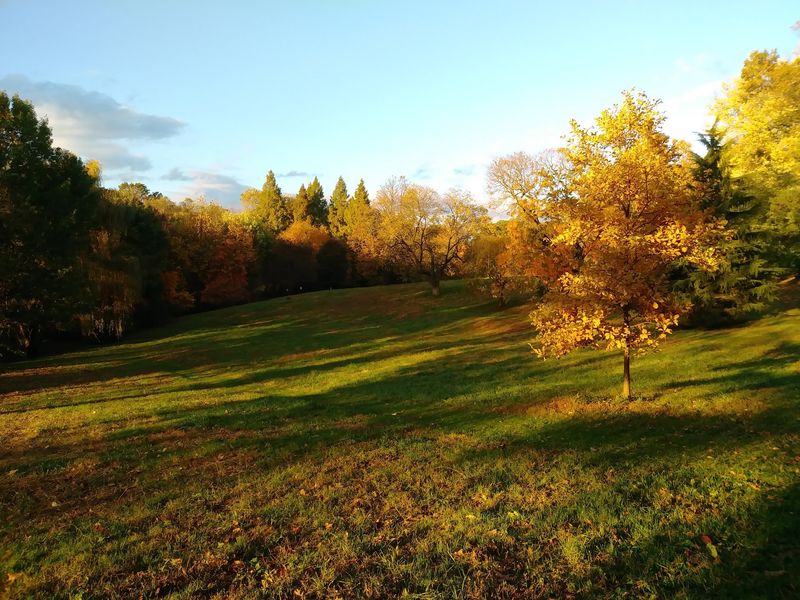
Awbury Arboretum, located at 1 Awbury Road, sits in the Germantown neighborhood of Philadelphia and offers something rare in a dense urban environment. Fifty-five acres of open meadows, native plantings, and old-growth trees create a genuine sense of escape.
The property dates back to the mid-1800s when the Cope family, prominent Quaker merchants, established it as a country retreat. That quiet, contemplative spirit still lingers in the landscape today.
What makes Awbury special for plant lovers is its commitment to ecological restoration. Large sections of the arboretum have been replanted with native meadow species over the past two decades.
Summer brings those meadows fully alive. Tall native grasses sway in the breeze, and patches of wild bergamot and rattlesnake master create a textured, layered look that feels entirely natural.
Community programming here is strong and genuinely inclusive. Awbury serves a diverse urban neighborhood, with free community programs and free admission for local residents.
Birders particularly love this spot during the summer months. The mature tree canopy and native understory plants attract a surprising variety of species for a garden located inside a major city.
Photographers find Awbury endlessly rewarding, especially in the golden light of late afternoon. The combination of Victorian architecture and wild meadow creates compositions that feel almost cinematic.
Awbury proves that Pennsylvania native plant gardens are not just for the suburbs. Urban green spaces like this one matter enormously for people, pollinators, and the planet.
6. Morris Arboretum
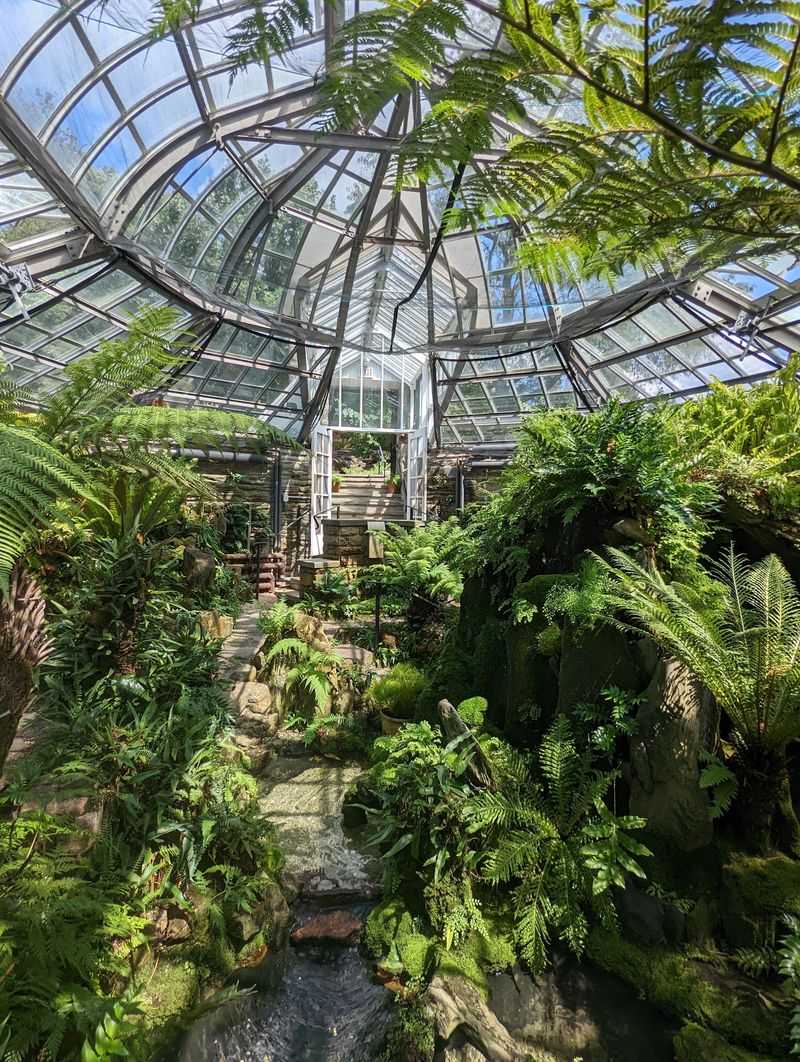
Morris Arboretum is the official arboretum of the Commonwealth of Pennsylvania, and it carries that title with serious authority. Located at 100 East Northwestern Avenue in the Chestnut Hill neighborhood of Philadelphia, the grounds cover 92 stunning acres.
John and Lydia Morris began building this property in the 1880s as a place for both science and beauty. Their vision created a layered, historically rich garden experience that stands out in the mid-Atlantic region.
Native plant enthusiasts will find much to study and admire throughout the summer season. The arboretum actively integrates native species into its broader landscape design in smart and visually compelling ways.
The Out on a Limb tree canopy walk is a crowd favorite for good reason. Elevated walkways put you at treetop level among some of the oldest and most magnificent specimens on the property.
A restored Victorian fernery houses delicate native ferns alongside tropical species in a humid, glass-enclosed space. The contrast between wild Pennsylvania plants and exotic specimens creates a fascinating botanical conversation.
Educational programs at Morris draw serious plant lovers. Graduate-level coursework and public workshops run side by side, giving visitors of all levels something meaningful to engage with.
The summer rose garden and meadow sections offer long, leisurely walks that reward slow exploration. Bring water, wear comfortable shoes, and plan to spend at least three hours.
Morris Arboretum belongs on every Pennsylvania native plant gardens bucket list. Few places in the state match its combination of history, science, and natural beauty.
7. The Bower
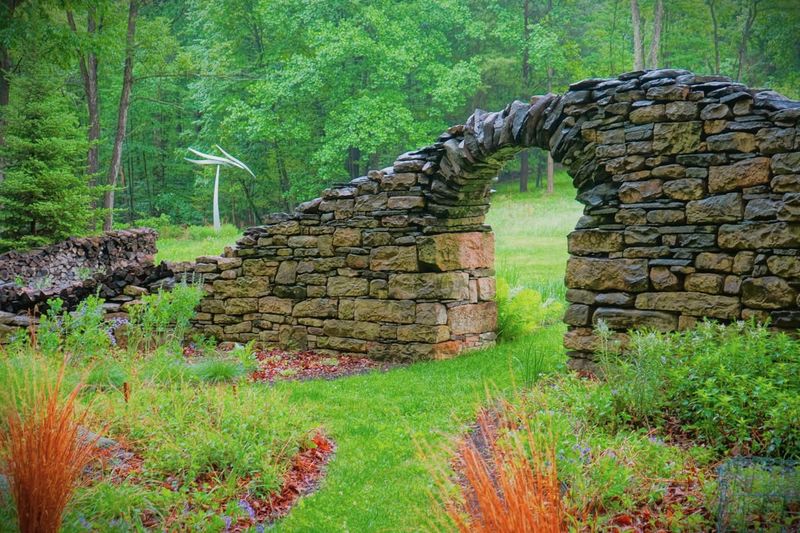
Central Pennsylvania has its own quiet magic, and The Bower, located at 1190 Bower Road in Shermans Dale, captures it beautifully. Nestled in the rolling terrain between the Susquehanna River and the Ridge and Valley province, this garden feels like a well-kept local secret.
The Bower focuses specifically on plants native to the central Pennsylvania region. That specificity matters because regional natives are adapted to local soils, rainfall patterns, and seasonal temperature swings.
Gardeners from the area find this place particularly useful as a reference point. Seeing plants thrive in conditions nearly identical to your own yard removes a lot of guesswork from the planting process.
Summer at The Bower means watching native bees work through patches of mountain mint and native sunflowers with almost comic intensity. The pollinator activity alone justifies the trip from any surrounding county.
The design philosophy here leans toward naturalistic and low-maintenance planting schemes. Seeing how plants spread, self-seed, and interact over time gives gardeners a realistic picture of what native landscapes actually look like after a few seasons.
Seasonal workshops cover topics like seed saving, meadow establishment, and native plant identification. Attendees often leave with seeds, cuttings, or at least a long list of plants to track down at local nurseries.
The surrounding landscape of central Pennsylvania adds context to every plant on display. Mountains, streams, and farmland all visible from the garden remind you how connected these plants are to the broader ecosystem.
The Bower is proof that great native plant gardens exist well beyond the big cities. Seek it out before the season shifts.
8. Pittsburgh Botanic Garden
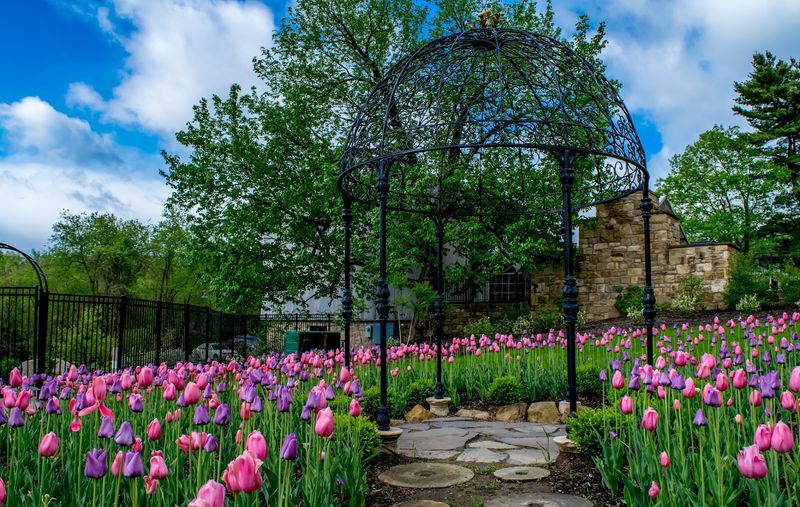
Pittsburgh Botanic Garden, located at 799 Pinkerton Run Road in Oakdale, spans 460 leased acres within Settler’s Cabin Park, making it one of the largest botanic garden projects in the state. The scale alone sets it apart from nearly every other green space in western Pennsylvania.
Still growing and expanding, this garden has an exciting energy that established institutions sometimes lose over time. Visiting now means watching something remarkable take shape in real time.
The native plant focus here is woven into the garden’s core identity. Western Pennsylvania’s unique mix of Appalachian and Great Lakes flora gives the collections a character distinct from gardens in the eastern part of the state.
Summer wildflower meadows at Pittsburgh Botanic Garden stretch across open hillsides with dramatic effect. Native grasses, coneflowers, and wild senna create a textured tapestry that looks different from every angle and in every light.
The woodland garden sections showcase native understory plants in dappled shade. Trilliums, native ferns, and woodland phlox create layers of interest that reward visitors who slow down and look closely.
Programs and events throughout the summer bring the garden to life beyond just the plants. Family days, guided tours, and expert-led walks make this a destination for curious minds of all ages.
Pittsburgh’s topography gives the garden long sightlines and sweeping views that feel genuinely cinematic. Standing on the hillside meadow on a clear August evening is an experience that stays with you.
Few Pennsylvania native plant gardens feel this ambitious or this promising. Get out to Pittsburgh before summer closes the curtain on another spectacular season.