What It Means When A Hummingbird Visits Your Pennsylvania Garden Every Morning
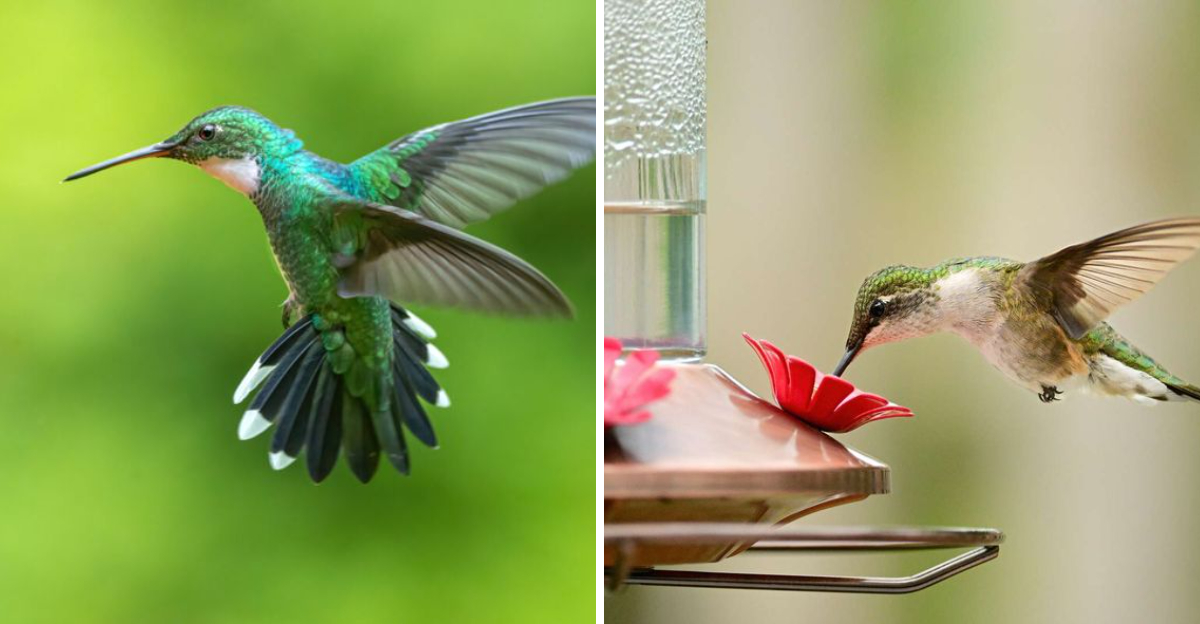
There’s something quietly magical about a hummingbird that shows up to your Pennsylvania garden at the same time every morning.
That reliable flash of iridescent green or the ruby red throat catching the early light, the wings a blur, the bird working through the same flowers with focused purpose before disappearing again.
Once the pattern establishes itself, most gardeners find themselves watching for it. And wondering what it means.
A hummingbird that visits your garden every morning is not being random. These are territorial, highly routine birds, and a consistent daily visit reflects something specific about what your garden is reliably providing.
Understanding what that is gives you insight into both the bird’s behavior and the ecological quality of your outdoor space.
But for many Pennsylvania gardeners, a hummingbird that comes back morning after morning carries meaning that goes beyond the practical.
These birds hold deep symbolic significance across many cultural and spiritual traditions, and a repeated early morning visit feels, to a lot of people, like something worth paying attention to.
Here’s what it means and why this small, faithful visitor matters more than most people realize.
1. It’s Likely A Trapline, Not A Random Bird
Picture a tiny bird with a brain the size of a pea, yet sharp enough to memorize dozens of stops along a daily route.
Ruby-throated hummingbirds are famous for flying what researchers call a “trapline,” which is a memorized path that connects reliable food sources in a specific order. Your garden did not end up on that list by accident.
Hummingbirds need to eat constantly to survive. They must consume roughly twice their body weight in nectar and insects every single day just to keep their wings beating at up to 53 times per second.
That kind of energy demand means they cannot afford to waste time on guesswork. When a hummingbird visits your garden every morning, it has already tested your space and decided it is worth a regular stop.
Birds that run traplines revisit each location at predictable intervals, giving flowers time to refill with nectar between visits. Your garden has essentially passed an audition.
Once a spot earns a place on the route, hummingbirds stick to it with impressive loyalty. Studies show they remember feeder and flower locations from one year to the next, sometimes returning to the same garden after migrating hundreds of miles south and back again.
That morning visitor may have been coming to your yard longer than you realize. To stay on the route, your garden just needs to stay reliable.
Keep feeders filled, keep native blooms like cardinal flower, trumpet vine, or bee balm growing, and the bird will keep showing up. Consistency from you builds consistency from the bird.
2. Morning Is Peak Refueling Time After A Long Night
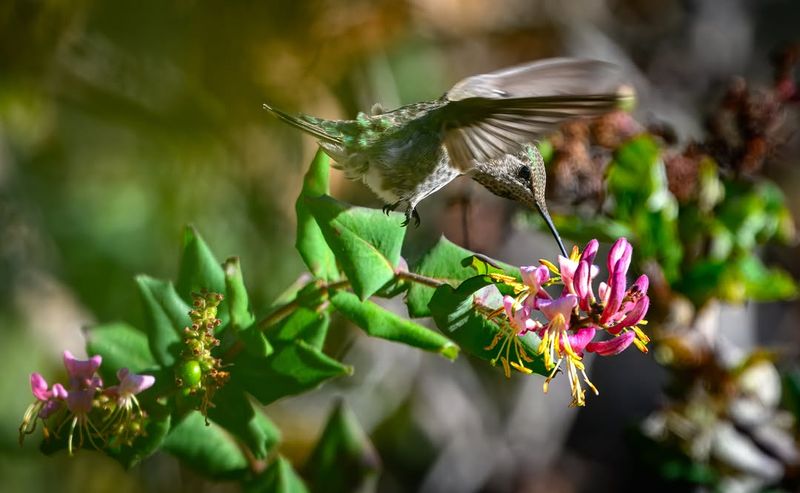
Most people do not realize that hummingbirds go through something remarkable every single night.
Because they cannot eat while sleeping, they enter a deep, sleep-like state called torpor, where their heart rate and body temperature drop dramatically to save energy.
Your Pennsylvania Garden Changes Every Week. Your Plan Should Too.
Gardening in Pennsylvania changes quickly throughout the season. Every Friday you’ll receive a simple weekly plan showing exactly what to plant, prune, fertilize, harvest, and protect so you never miss the right timing.
By morning, their fuel tank is basically empty. That first visit of the day is not casual. It is urgent.
A hummingbird waking from torpor needs to refuel fast, and it heads straight for the most dependable food source it knows. If your garden or feeder is part of its morning routine, you have earned a reputation as a trustworthy breakfast spot.
Early morning light also plays a role in hummingbird activity. Temperatures are cooler, competition from other birds is often lower, and flowers that opened overnight are freshly loaded with nectar.
All of these factors make the early hours especially productive for a small bird trying to rebuild its energy reserves quickly.
A reliably stocked feeder matters most during this window. If your feeder runs dry overnight or the nectar has gone bad, the bird may stop showing up at dawn and eventually drop your yard from its morning route.
Freshness is not just a preference for hummingbirds, it is a health need. Changing your nectar every two to three days in warm weather, and rinsing the feeder well each time, keeps it appealing for that early morning visit.
Hanging it in a spot with morning shade also helps slow fermentation. Small habits on your part protect the routine the bird has already built around your yard.
3. It May Be A Male Defending Territory
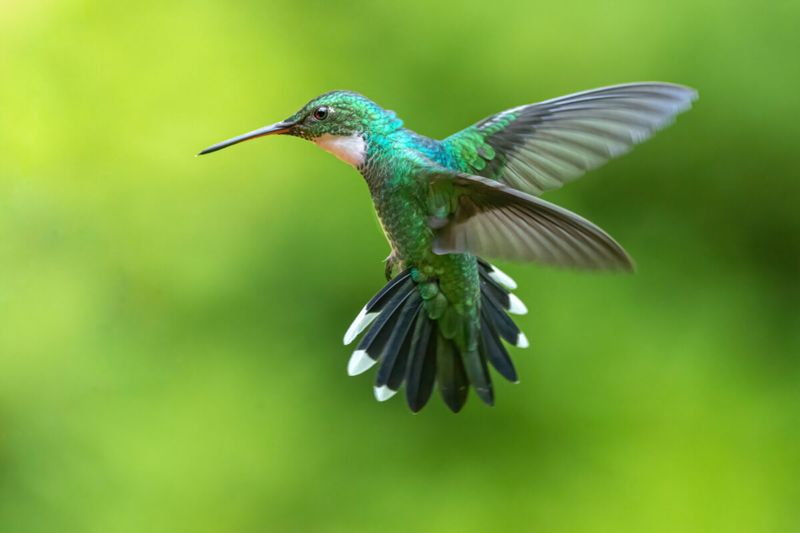
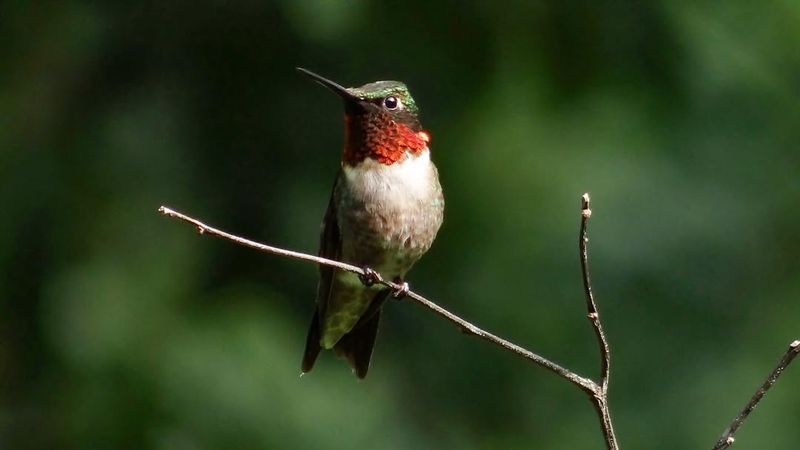
Few creatures in the bird world are as boldly territorial as the ruby-throated hummingbird, especially the males. That flashing red throat is not just for attracting a mate.
It is also a warning sign to every other hummingbird in the area that says, “this spot is taken.”
Male ruby-throats often choose a high, open perch near a feeder or flower patch and use it as a watchtower. From there, they can spot competitors from a surprising distance and launch fast, aggressive chases to drive them off.
If you see a hummingbird sitting still and watching between visits, you are likely looking at a male on patrol.
A daily morning visit from a male often means he has claimed your garden as part of his territory. He is not just stopping by for a meal.
He is checking in, refueling, and making sure no rivals have moved in overnight. It is a territorial inspection as much as it is a breakfast run.
Interestingly, males arrive in Pennsylvania a week or two before females each spring. They scout out territories and establish feeding zones before the females show up.
So an early-season morning visitor is often a male who got there first and is working hard to hold his ground.
You can spot a territorial male by his behavior. He will hover aggressively near other birds, make chittering sounds, and sometimes dive-bomb anything that gets too close to his feeder.
Watching this play out in your own backyard is honestly one of the most entertaining shows nature offers, completely free of charge.
4. Your Garden Is Functioning As A Reliable Restaurant
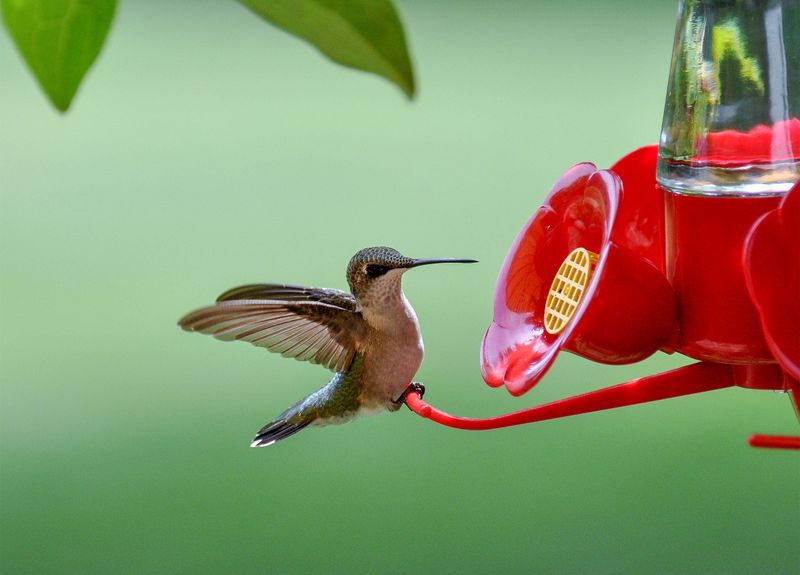
Imagine you found a restaurant that always had your favorite food ready, the prices were free, and the hours were consistent. You would go back every single day.
That is exactly how a hummingbird thinks about your garden when everything is working well.
Hummingbirds are not loyal out of sentimentality. They are loyal because reliability saves energy.
A bird that already knows where to find food does not have to spend precious calories searching for new sources. Your garden removes the guesswork, and in the hummingbird world, that is an enormous advantage.
What makes a garden feel like a reliable restaurant to a hummingbird? A few key things matter most.
First, a clean feeder with fresh nectar that is refilled before it runs out. Second, native plants that bloom in a sequence, offering natural nectar through the spring and summer months. Third, a water source like a mister or shallow birdbath adds extra appeal.
Pennsylvania gardeners have great native plant options to keep their “menu” interesting. Coral honeysuckle, wild columbine, and trumpet creeper are all native to the region and extremely attractive to ruby-throats.
Planting a mix that blooms at different times of season keeps the food coming even when the feeder is temporarily empty.
The more consistently your garden delivers, the more deeply it gets embedded in the bird’s daily pattern. Over time, you are not just feeding one hummingbird.
You are building a small local ecosystem where hummingbirds know they can count on your yard season after season. That kind of trust is built one fresh feeder at a time.
5. Timing Reveals Where You Are In The Season
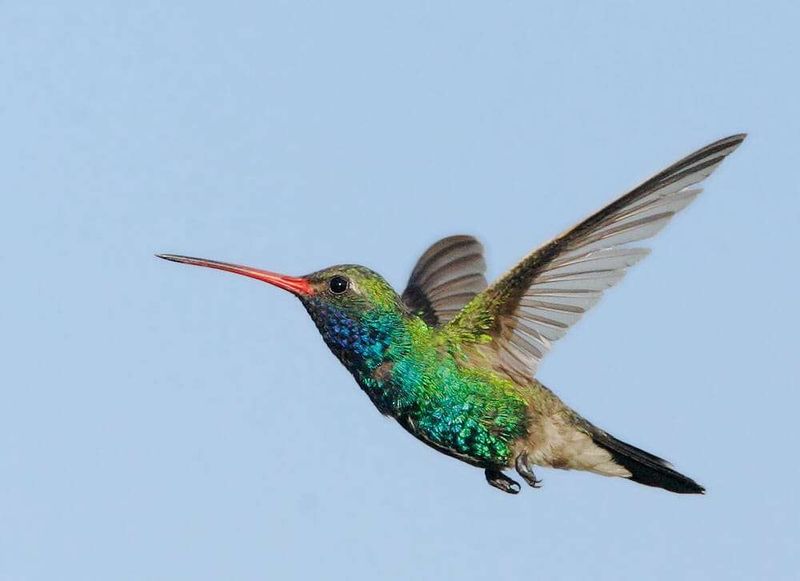
Not all morning visits mean the same thing. When a hummingbird shows up matters just as much as the fact that it shows up.
In Pennsylvania, ruby-throated hummingbirds follow a fairly predictable seasonal calendar, and paying attention to timing can tell you a lot about what is going on in your yard.
A daily visitor arriving in late April or early May is likely a freshly arrived migrant settling into a breeding territory.
These birds have just completed a long journey, sometimes crossing the Gulf of Mexico in a single flight, and they are actively looking for a good place to set up for the summer.
A morning stop at your garden during this window is a sign the bird is seriously considering your yard as home base.
By June and July, a regular morning visitor is probably a settled resident. It may have a nest nearby, possibly within a few hundred feet of your feeder.
Female ruby-throats build tiny cup-shaped nests on tree branches and raise their young largely on their own, so a female visiting consistently in early summer may be fueling herself between nesting duties.
Come late August and September, the story shifts. A bird showing up every morning during this stretch is likely building fat reserves for its upcoming migration south.
These late-season visits are actually the most important ones to support. Keeping your feeder up and filled through at least mid-October gives migrating birds a critical energy boost when they need it most.
Watching the rhythm of visits across the months turns your garden into a seasonal calendar. Each phase of the hummingbird’s year plays out right outside your window if you pay close enough attention.
6. What To Do To Keep The Habit Going
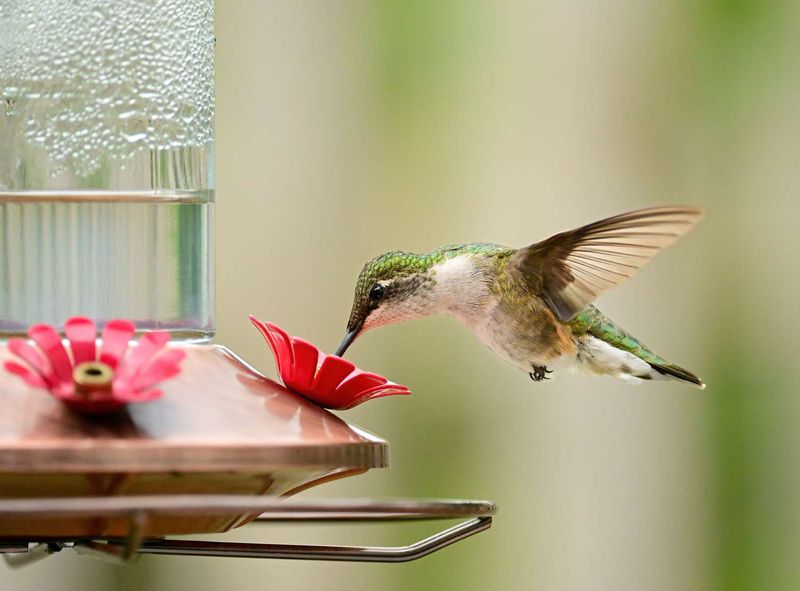
Keeping a hummingbird coming back every morning is genuinely simple once you know what matters. The single most important thing you can do is keep your feeder clean and filled with fresh nectar.
Hummingbirds have a sharp sense for spoiled food, and a fermented or moldy feeder will send them looking elsewhere fast.
The right nectar recipe is easy to remember. Mix one part plain white granulated sugar with four parts water.
Stir until the sugar fully dissolves, and let it cool before filling the feeder. Skip the red food dye entirely.
It is unnecessary and potentially harmful. Most feeders already have enough red color to attract birds on their own.
How often you change the nectar depends on the weather. In cooler spring temperatures, every four to five days is usually fine.
Once summer heat arrives, every two days is safer. Nectar ferments quickly in warm weather, and a bird that gets sick from bad nectar will not come back.
Rinse the feeder with hot water each time you refill it, and do a deeper scrub with a bottle brush once a week.
Beyond the feeder, adding native plants builds a backup food source that never runs dry or goes bad. Cardinal flower, bee balm, and trumpet creeper are all native to Pennsylvania and beloved by ruby-throats.
A garden with both a feeder and living blooms is far more attractive than either one alone. Avoid using pesticides in your hummingbird garden. These birds eat small insects as a major protein source, especially during nesting season.
A yard that offers both nectar and tiny insects is the complete package. Small, steady efforts on your part are all it takes to keep that morning visitor coming back year after year.