The One Thing North Carolina Garden Beds Need In August Or Fall Crops Will Struggle
August in North Carolina puts gardeners in a genuinely strange position. The summer heat is absolutely still here, humidity is doing its thing, and yet the calendar is already nudging you toward fall planting.
Cool season crops will not wait around for comfortable weather, which means getting seeds into warm, dry soil before conditions improve is just part of the deal.
And here is where a lot of North Carolina gardeners run into trouble: that warm surface dries out fast, and seeds that do not stay consistently moist simply cannot get going the way they should.
Consistent seedbed moisture is the single most important thing to focus on right now during this awkward summer to fall transition. Get that one thing right and your fall garden has a genuinely solid foundation to build on.
1. August Heat Can Leave The Seedbed Too Dry
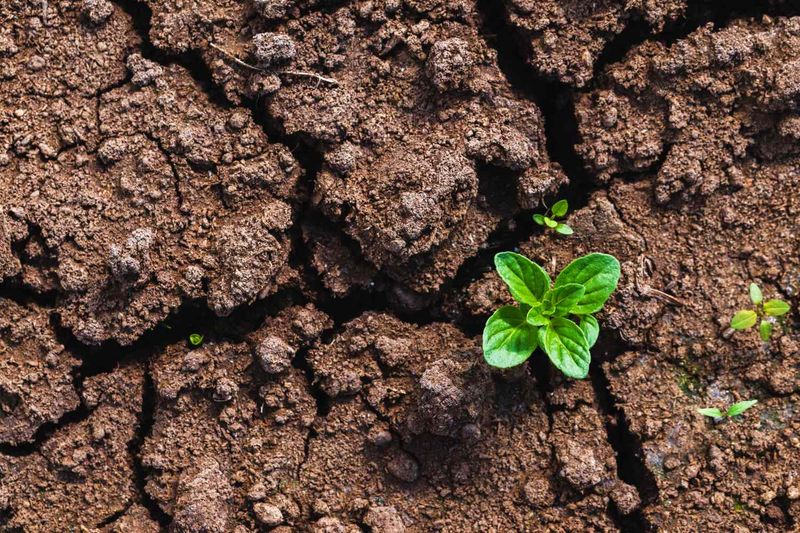
A bare garden bed can become surprisingly dry near the surface during an August warm spell, just when many North Carolina gardeners are sowing vegetables for fall. August is a main fall-garden planting period in the state, although exact dates vary by region and crop.
Fall planting guidance notes that useful soil moisture may be deeper while surface temperatures are higher, which is one reason some seeds are planted somewhat deeper in fall than in spring.
That matters most in the narrow layer where freshly sown seed is waiting to germinate.
A bed may have moisture farther down even when the upper layer feels dry. Warm, dry soil is also a recognized challenge for August germination.
Small seeds planted close to the surface can be especially vulnerable because that shallow layer may lose moisture sooner than soil farther below.
Regular moisture checks can help gardeners catch drying conditions before the seedbed becomes too dry for steady germination.
Cool-season vegetables do not respond to heat in exactly the same way, so crop-specific guidance matters. Lettuce, for example, can have reduced germination when soil temperatures are high.
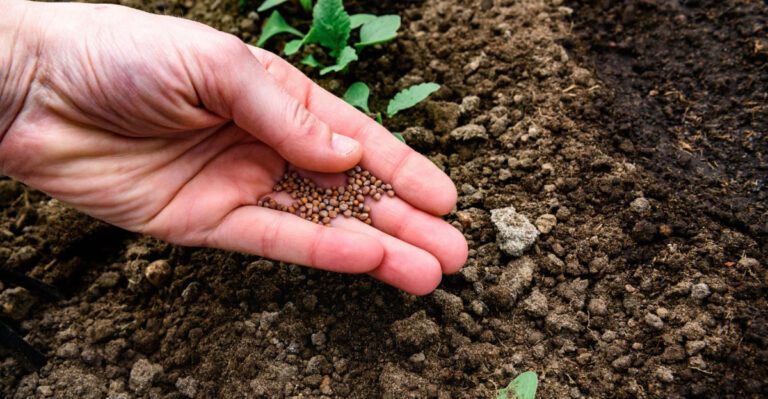
Before sowing, check moisture at the intended planting depth instead of judging the bed only by its appearance. If that layer is dry, restore moisture before planting.
During hot stretches, keep checking the row while seeds are germinating. The goal is not saturated soil.
It is a seedbed that stays suitably moist while late-summer heat is still part of the North Carolina fall-garden season.
2. Consistent Moisture Helps Seeds Begin Germination
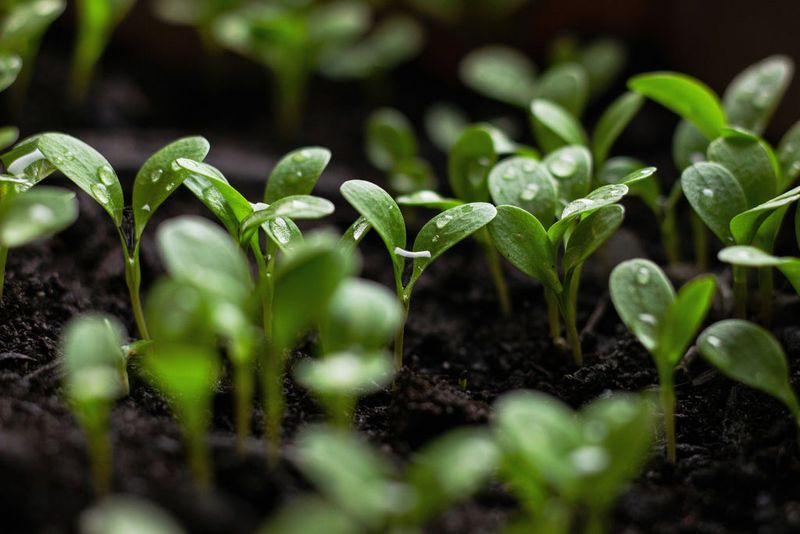
Germination depends on a seed having access to enough moisture to begin the process, which makes seedbed moisture one of the first things to check before planting a fall row.
North Carolina guidance specifically advises that soil should contain enough moisture at seeding to initiate germination.
That does not mean pouring on water until the bed stays soggy. Vegetable soil should be moist rather than muddy, and watering frequency should change with rainfall, temperature, and soil type.
For a home gardener, the practical lesson is simple: pay attention to the soil where the seed actually sits.
A light sprinkle that only darkens the surface may not tell you whether moisture has reached the planting depth, while excessive irrigation can leave the bed wetter than the crop needs.
Your North Carolina Garden Changes Every Week. Your Plan Should Too.
Gardening in North Carolina changes quickly throughout the season. Every Friday you’ll receive a simple weekly plan showing exactly what to plant, prune, fertilize, harvest, and protect so you never miss the right timing.
After sowing, check the bed often enough to notice when the shallow seed zone is beginning to dry. This is especially useful in August, when North Carolina fall crops may be starting while summer weather is still hanging on.
Seeds also differ in planting depth and temperature response, so follow the recommended depth for each vegetable rather than pushing every seed deeper in search of moisture. Consistency matters most during this early stage.
Keeping the seed zone appropriately moist gives germination a better starting condition without turning the bed into waterlogged soil.
3. The Soil Surface Can Dry Before Seeds Get Established
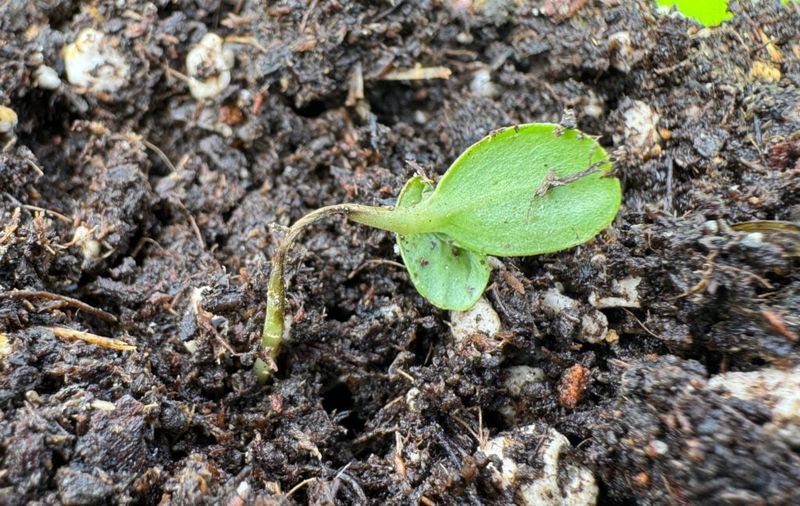
Tiny seeds often sit close to the part of a garden bed that responds quickly to warm weather and moisture loss.
Fall-garden guidance for North Carolina notes that soil surface temperatures are higher and useful moisture may be found deeper than during spring planting, which can make direct seeding more demanding.
Small-seeded vegetables still need the right planting depth for the crop. Carrot seed, for example, is commonly direct-sown about one-quarter inch deep, leaving it quite close to the surface during germination.
That shallow position deserves attention during an August dry spell. Because the upper layer of soil can lose moisture quickly, a seedbed that felt moist earlier may need another check later in the day.
Instead of watering on a rigid schedule, check the soil where the seed is located. Gently move a little soil beside the row with a finger or small trowel so you can see whether the planting zone is still moist, taking care not to disturb the seeded line.
If that shallow layer becomes too dry while germination is underway, establishment can become less reliable.
Temporary coverings can sometimes help conserve moisture and moderate the seedbed, but they need to be managed carefully and removed as germination begins.
The useful habit is close observation rather than constant watering. What matters is keeping moisture reasonably steady around the seed while seedlings are emerging and beginning to establish in the late-summer garden.
4. Watering The Bed Before Sowing Can Improve Starting Conditions
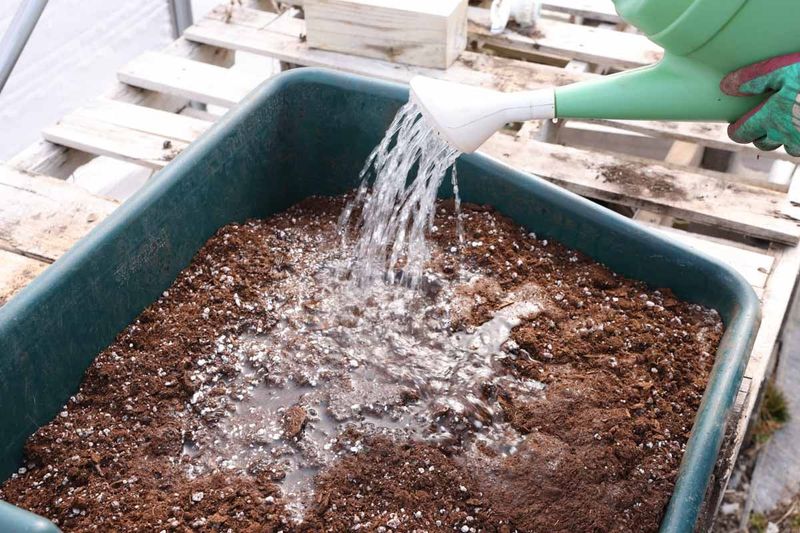
Starting with a moist soil profile can make direct seeding easier than trying to correct a very dry bed after the seed is already in place. North Carolina vegetable guidance gives a specific approach for this situation.
If the garden soil lacks enough moisture to initiate germination, water it thoroughly to a depth of about 4 to 6 inches, then allow the surface to dry before seeding. Another option is to water the open furrow before placing the seed and covering it with dry soil.
These methods put moisture into the bed before the most vulnerable germination period begins. They also show why wetting only the visible surface is not the same as moistening the soil profile.
In an August North Carolina garden, check the bed before opening the seed packets. Push a trowel into an unplanted spot and look at the soil below the surface.
If it is dry through the intended seed zone, pre-watering may be useful. Give the water time to soak in rather than sowing into puddled soil.
Soil texture matters too. Sandy soil generally holds less moisture, while clay-rich soil tends to move water more slowly, so the same watering duration may not suit two different yards.
The aim is straightforward: begin with useful moisture in the bed, sow into workable soil, and keep monitoring conditions as germination proceeds.
5. Mulch Can Help Hold Moisture Around Newly Sown Seeds
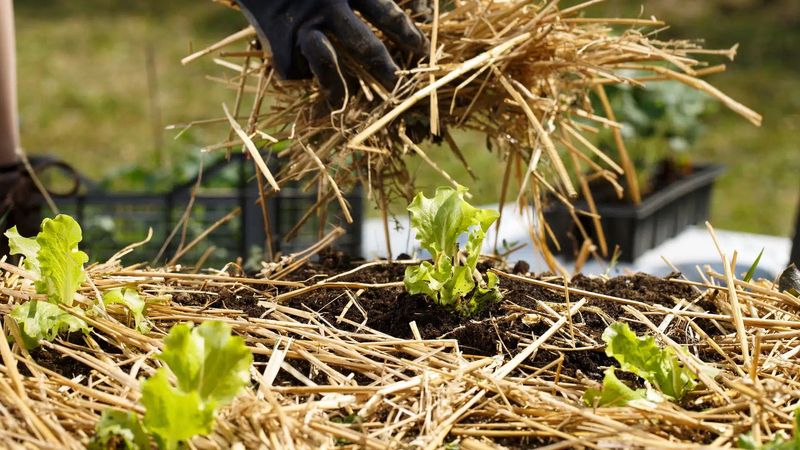
A light protective layer can help conserve moisture around a seeded area, but fresh vegetable seed needs a different approach from established plants.
During warm August conditions, a suitable mulch over a seeded area can help hold moisture and moderate soil temperature, but large pieces may interfere with seedlings as they emerge.
The area should be watched closely, and material can be moved back if it begins to obstruct young plants. Broader vegetable guidance also notes that organic mulches conserve soil moisture and reduce summer soil temperature.
However, the usual 2- to 4-inch mulch layer is recommended around well-established plants, not as a thick blanket over tiny newly sown seeds. That distinction matters.
For a fresh fall row, use a method that fits the crop and planting depth. Temporary covers such as burlap, newspaper, or boards may also be used over seeded soil to help keep it cool and moist, with the cover removed as germination begins.
For carrots, a light board or burlap can help retain moisture during hot weather when managed carefully. Check beneath any cover frequently.
The goal is to slow moisture loss without blocking emerging seedlings or keeping the bed overly wet. Once plants are established, conventional organic mulch can be placed around them to conserve moisture and help manage weeds.
6. Carrots And Beets Need An Evenly Moist Seedbed
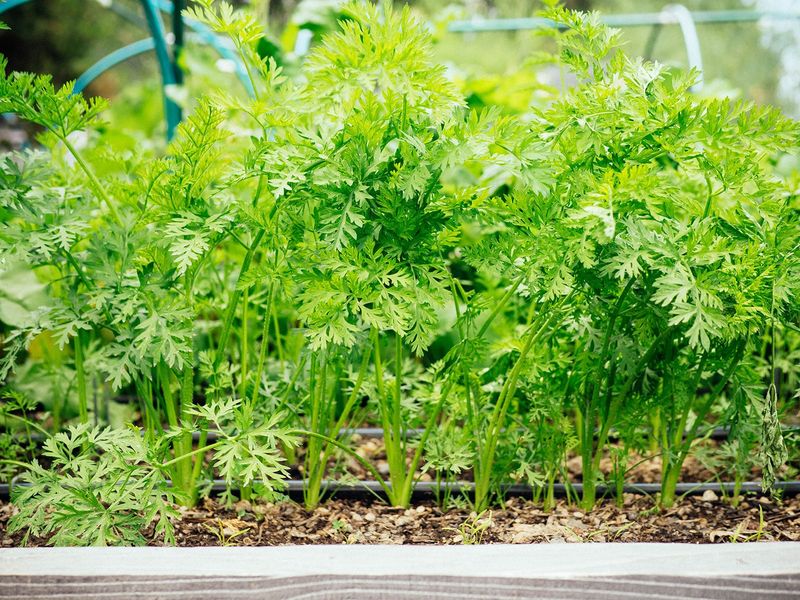
Carrots and beets deserve extra attention when they are direct-seeded into a warm North Carolina garden in late summer. Current coastal North Carolina guidance specifically recommends keeping the seedbed evenly moist while these crops germinate.
Carrots can be particularly challenging to establish in heat, and carrot seed is commonly planted only about one-quarter inch deep. That shallow sowing depth leaves the seed close to the soil surface, where moisture can change quickly during warm weather.
The practical response is not to flood the row. Prepare a fine, workable seedbed, sow at the recommended depth, and monitor the planting zone closely until seedlings emerge.
If rainfall does not keep the seedbed moist, add water gently enough to restore moisture without washing small seed out of place or leaving the soil muddy.
A temporary light board or burlap can help retain moisture over a carrot row during hot conditions, but it should be checked regularly and removed as seedlings begin to emerge.
Beets and carrots do not have identical germination behavior or planting requirements, so follow crop-specific spacing, depth, and regional planting guidance for each one.
What they share in this context is a need for reliable moisture around the seed while germination is underway.
In an August fall garden, that may call for closer observation than an established vegetable bed.
7. New Seedlings Need Reliable Moisture While Roots Establish
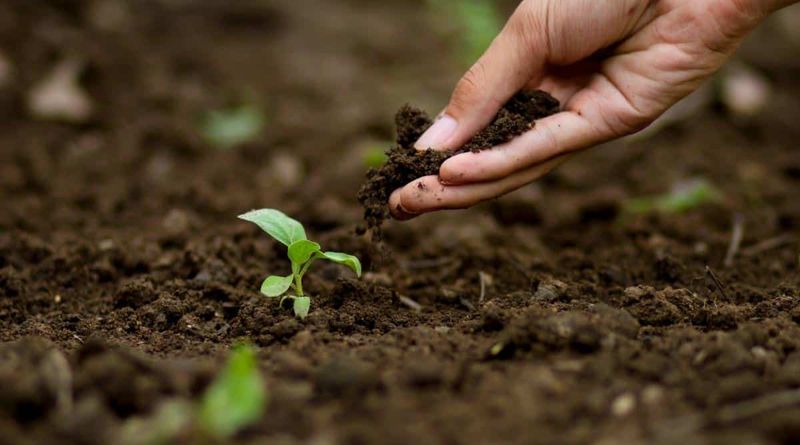
Once green shoots appear, moisture management still matters because young seedlings are working with a relatively small root system.
Fall direct-seeding guidance notes that success depends on having enough moisture available to keep young seedlings actively growing after germination.
General home vegetable guidance also recommends watering new seeds and transplants when rain is absent until they become established, while keeping the soil moist rather than muddy.
That advice works best when paired with a soil check rather than automatic watering when the bed is already wet.
Push a finger or trowel into soil beside the seedlings and look at conditions around the young root zone. Warm, breezy weather may increase moisture loss, while a cloudy or rainy stretch may reduce the need for irrigation.
Soil texture changes the picture too. Sandy soils hold less soil moisture than many finer-textured soils, so a Coastal Plain garden may need different monitoring from a clay-rich Piedmont bed.
As roots expand, plants can draw water from a larger portion of the soil, and watering can be adjusted to the crop and current conditions. During establishment, though, try to avoid repeated swings between very dry and excessively wet soil.
Reliable moisture supports steady early growth while seedlings make the transition from newly emerged plants to established fall vegetables.
8. Rainfall And Temperature Should Guide August Watering
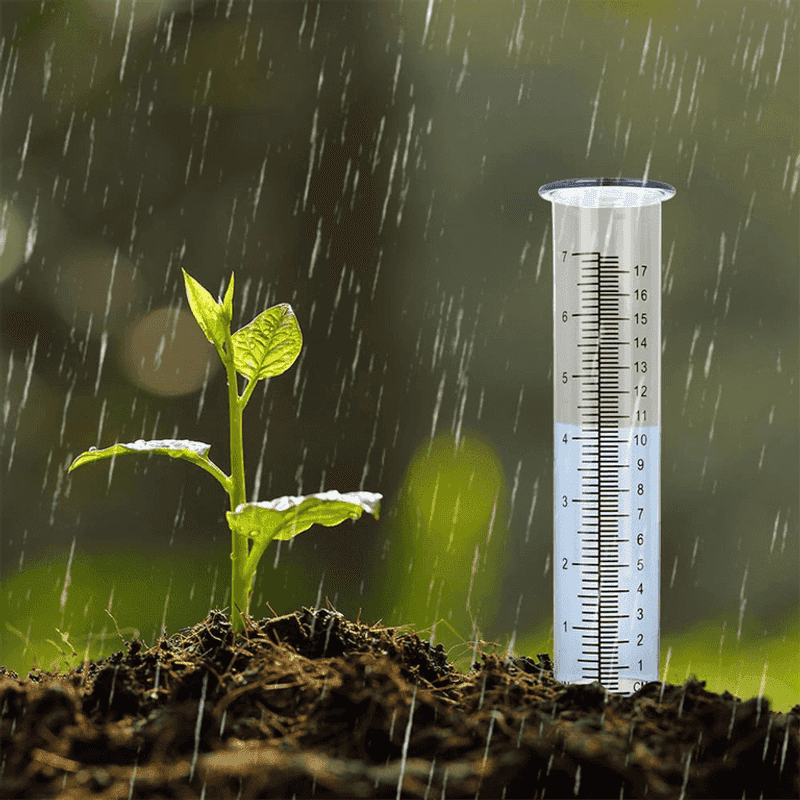
A watering schedule written on the calendar does not fully account for a thunderstorm, a cloudy week, or several hot afternoons in a row.
Vegetable-garden guidance recommends adjusting watering according to rainfall and temperature and checking the soil for moisture.
Gardeners generally need to supply only the water that rainfall has not provided. That makes observation more useful than watering simply because a certain day has arrived.
After rain, check whether moisture actually reached the seed or young root zone before deciding to irrigate.
A brief shower may wet the surface while leaving deeper soil less affected, whereas a more substantial rainfall can reduce the need for supplemental water for a time.
Soil type also influences how long moisture remains available. Sandy soils have relatively low moisture-holding capacity, while clay-rich soils tend to move water more slowly and may remain wet longer.
Those differences occur across North Carolina landscapes, so one fixed interval is unlikely to fit every garden. During August establishment, inspect newly seeded rows more closely than mature crops because their active seed or root zone is still small.
If the soil is suitably moist, additional irrigation may not be useful. If it is becoming dry where seeds or young roots are located, add water as needed.
The target is steady, usable moisture without keeping the bed muddy.