Never Apply This To North Carolina Shrubs Above 90 Degrees Or The Leaves Will Burn
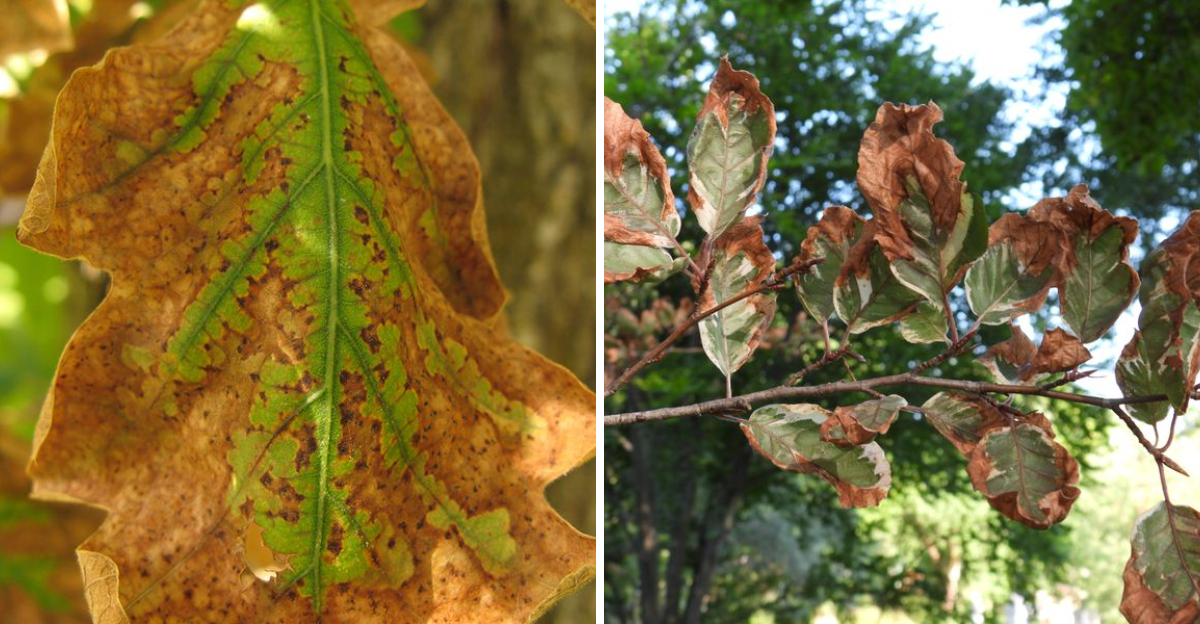
A bottle on the garden shelf can look like the perfect answer when pests show up.
Tiny insects crawl along boxwood stems. Mites stipple leaves. Scale insects cling to branches like they have no plans to leave.
The shrub looks stressed, the weather feels urgent, and the sprayer starts to feel like the fastest way to take control.
That is exactly when timing matters most.
North Carolina summers can push shrubs into a hard place before any product touches them. Heat above 90 degrees, direct afternoon sun, dry soil, drought stress, and humid air all change how foliage reacts after spraying.
A product that works beautifully under mild conditions can leave leaves spotted, scorched, or discolored when applied at the wrong moment.
The risk is not just using the wrong product.
It is using the right product on a hot, stressed shrub at the worst time of day. So what should North Carolina gardeners avoid applying above 90 degrees?
The answer is horticultural oil, and the safest results start with patience, label reading, and cooler conditions.
Keep Horticultural Oil Off Hot Shrubs

Horticultural oil can be a useful pest tool.
It is often used against soft-bodied insects, mites, scales, and certain whitefly problems on ornamental shrubs. The oil works by coating pests and interfering with their ability to breathe, which makes coverage and timing very important.
The same coating that affects pests can also stress leaves. That risk rises sharply when shrubs are hot, dry, or already under pressure.
Do not spray during extreme heat. Temperatures above 90 degrees can make leaf injury much more likely.
Check the label first. Some products warn against use above 85 degrees, while others list different limits.
The label wins every time. General garden advice never replaces the directions on the bottle in your hand.
Identify the pest before spraying. Oil will not solve every leaf problem or every insect issue.
Use a hand lens. Scales, mites, aphids, and fungal spots can be confused from a distance.
Ask for help when needed. A county Extension office or plant clinic can help confirm the actual problem.
Do not spray just because a shrub looks tired. Heat stress, drought, root problems, and disease can all mimic pest damage.
Horticultural oil is not a casual afternoon spray.
It works best when the pest is confirmed, the plant is healthy enough, and the weather is safely within label limits.
Heat Slows Oil Evaporation
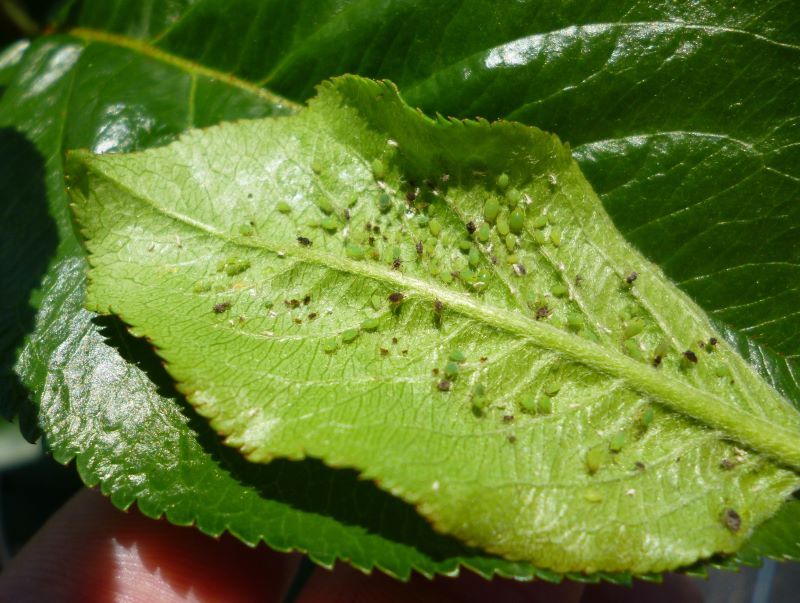
Oil needs the right drying window.
Under moderate conditions, a thin spray film settles on the leaf, reaches the target pest, and then dries within a reasonable time. During a hot North Carolina afternoon, that process becomes less predictable.
High heat stresses the leaf surface. The tissue may already be losing moisture quickly before the spray lands.
Humidity complicates the situation. A hot, muggy day can slow drying and leave the oil film in contact with foliage longer.
Longer contact raises injury risk. The leaf stays coated during a period when it is least able to tolerate extra stress.
Your North Carolina Garden Changes Every Week. Your Plan Should Too.
Gardening in North Carolina changes quickly throughout the season. Every Friday you’ll receive a simple weekly plan showing exactly what to plant, prune, fertilize, harvest, and protect so you never miss the right timing.
Different products behave differently. One formulation may dry or spread differently from another.
That is why brand matters. The temperature restriction on one label may not match another product on the shelf.
Do not assume “summer oil” means any summer day. It still has limits.
Check the forecast beyond the moment you spray. A cool morning that jumps to 94 degrees by noon may still be risky.
Avoid heat spikes. A shrub sprayed before a sudden temperature surge can still show injury later.
Wait for a moderate stretch. A day with lower heat, gentler light, and decent airflow is much safer.
The product may be effective, but weather decides how safely it behaves.
In hot conditions, the same spray can linger long enough to leave visible damage behind.
Longer Contact Raises Leaf Injury
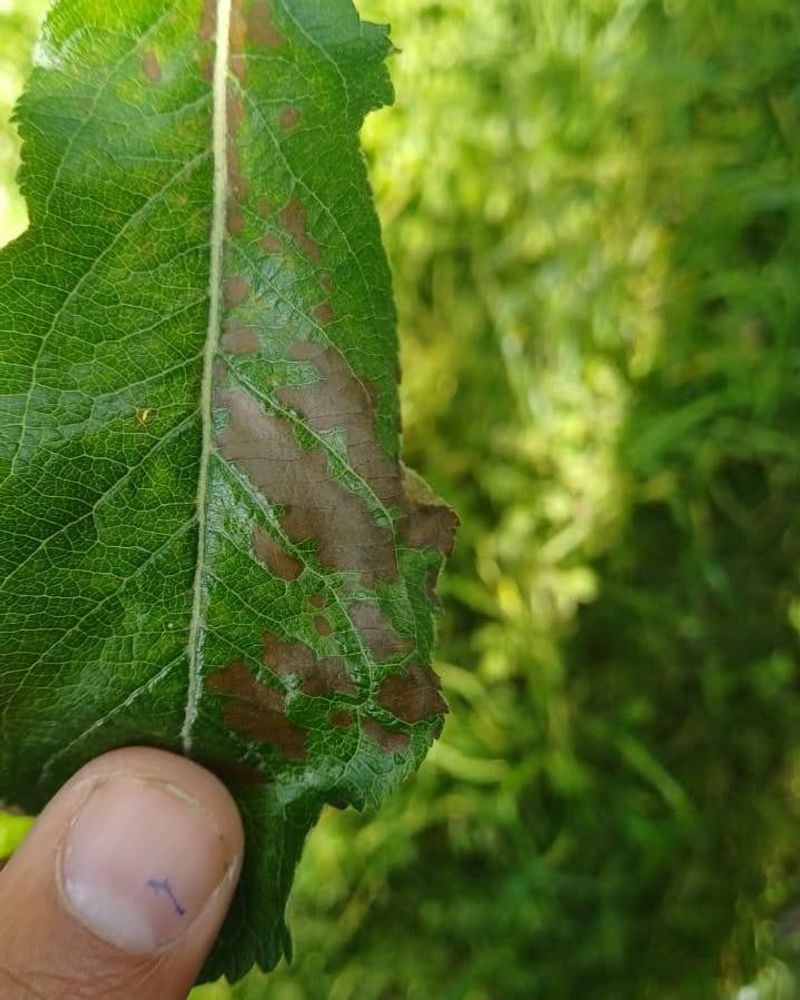
Oil injury can confuse gardeners.
A few days after a poorly timed application, leaves may show yellowing, browning, dull patches, speckling, or irregular scorch marks. From a distance, that damage can look like disease, nutrient trouble, or a spreading pest issue.
That confusion can lead to more spraying. More treatment on already stressed foliage only makes the shrub work harder.
Look at timing first. Spots that appear within a day or several days after spraying may be related to the application.
Check the pattern. Spray injury often appears where coverage was heaviest or where sun exposure was strongest.
Tender growth shows it first. New leaves and soft shoots have thinner protective surfaces.
Flower buds can react too. Buds and fresh growth may discolor faster than older foliage.
Older leaves may still show damage. Tougher foliage can take longer to reveal stress.
Do not diagnose too quickly. A shrub can have pests and spray injury at the same time.
Stop before adding another product. More chemicals rarely help a plant already reacting.
Rinse only when caught early and the label allows. Clean water may reduce residue soon after application, but it is not a guaranteed fix.
Give the shrub time. Minor spotting may remain until those leaves naturally age out.
Leaf injury is frustrating because it looks like a new crisis.
The safest move is to connect symptoms back to recent weather, spray timing, and product use before treating again.
Direct Sun Increases Scorch Risk
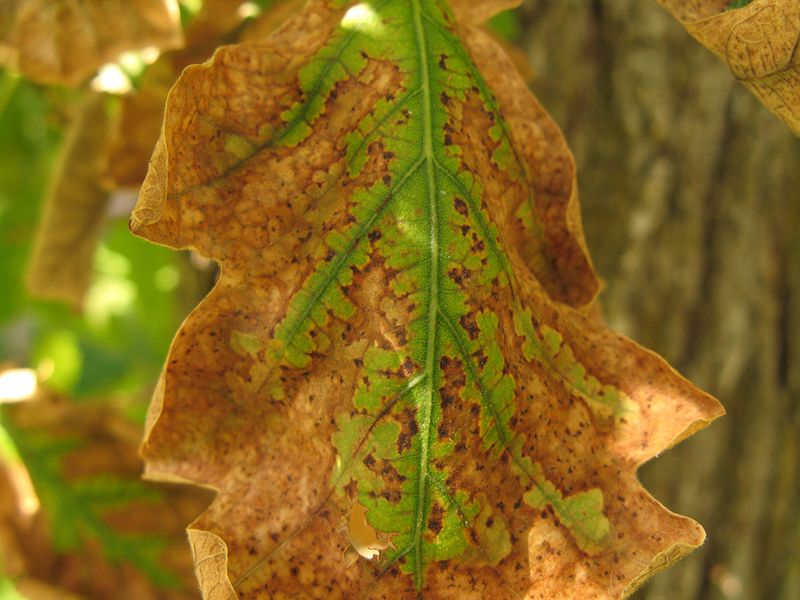
Sunlight can make the spray harsher.
A shrub sitting in direct afternoon sun has leaves that may be hotter than the surrounding air. Add an oil film to that surface, and the tissue can become much more prone to scorch.
The risky window is easy to recognize. Bright sun, still air, and rising afternoon temperatures are poor spray conditions.
Do not spray at midday. The light and heat are working against you.
Early morning is usually better. Wait until dew dries, but spray before the day begins heating quickly.
Late afternoon can work only under the right conditions. The temperature must be dropping, and leaves still need time to dry before night.
Avoid spraying wet foliage. Oil does not belong on leaves already coated in dew or rain.
Avoid spraying before a humid night. Damp leaves that stay coated too long can develop other problems.
Check shaded and sunny sections separately. A hedge may have one side in cooler shade and another baking in sun.
The south and west sides are often most vulnerable. Those sides take stronger afternoon exposure.
Do not spray sun-stressed leaves. Foliage that is already curled, dull, or limp should wait.
Choose a calm, moderate day. Light wind can cause drift, but still, trapped heat can also be hard on shrubs.
Sun exposure turns a marginal spray day into a bad one.
A product that might be safe in soft morning light can be much harsher under North Carolina afternoon sun.
Stressed Foliage Reacts More Easily
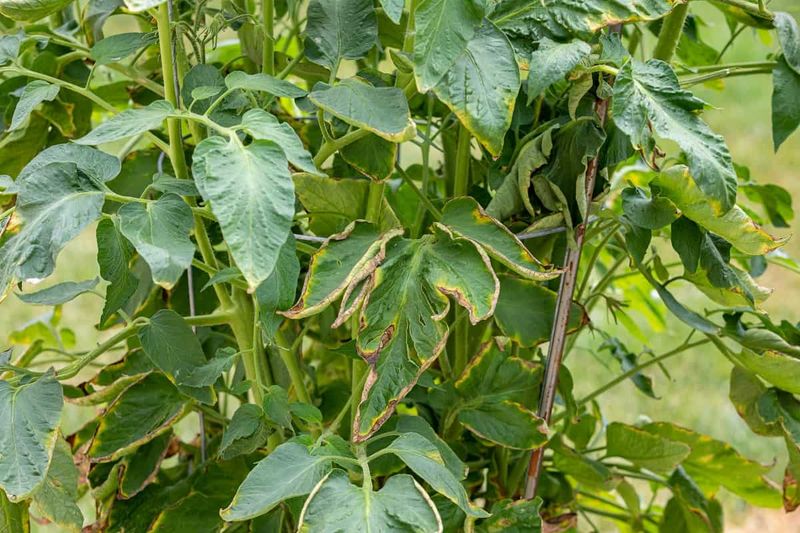
A thirsty shrub is not a good spray target.
When soil moisture drops, shrubs conserve water by slowing normal leaf activity. That protective response helps them survive heat, but it also makes them less able to handle an oil application.
Drought stress can be subtle. Leaves may look dull, slightly curled, or less firm before obvious wilting appears.
Check the soil before spraying. Dry soil several inches down means the shrub needs water and recovery time first.
Water one or two days before a planned application. The plant should be hydrated, not drenched.
Do not spray immediately after rescue watering. A shrub that just came out of severe dryness may still be stressed.
Recent transplants need caution too. Their roots may not yet move water efficiently.
Storm-damaged shrubs are also higher risk. Torn leaves, broken stems, and root disturbance all reduce resilience.
Pest-heavy shrubs may be stressed already. A severe infestation can weaken foliage before treatment begins.
Yellowing from root trouble is not a reason to spray. Oil will not fix roots struggling in dry or soggy soil.
Wait until the plant looks stable. Firm leaves and adequate soil moisture make application safer.
A healthy target handles treatment better.
Spraying a drought-stressed shrub during a heat wave stacks one stress on top of another, and the leaves often show it.
Test One Small Section First
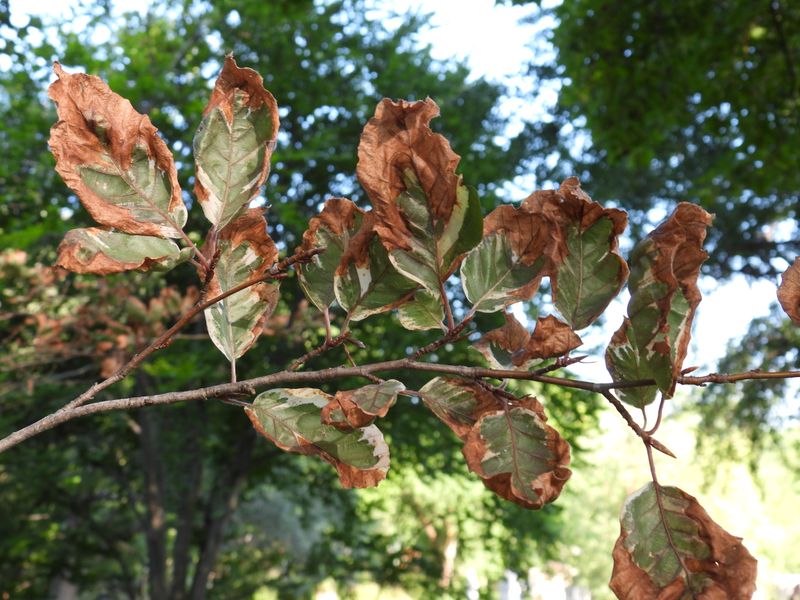
Not every shrub tolerates oil the same way.
Plant species, cultivar, leaf age, surface texture, and natural wax coating all influence how foliage responds. A product that works safely on one hedge may spot another shrub nearby.
Broadleaf evergreens need caution. Their leaves often hold visible injury longer than deciduous plants.
Hollies can be sensitive in some situations. Always check the product label for plant-specific warnings.
Azaleas and camellias deserve careful timing. Heat, tender growth, and oil can be a rough combination.
Japanese maples are often listed for caution with oil products. Even when not a shrub in the strictest sense, they are common landscape plants nearby.
Some conifers react poorly. Junipers, spruces, and other evergreens may appear on sensitive-plant lists.
Boxwoods still need care. They may be common targets for mite or scale control, but heat stress can still raise injury risk.
New growth is more delicate than mature foliage. A shrub pushing a fresh flush should be treated carefully.
Variegated foliage may show damage more dramatically. Pale sections can be more visually sensitive.
Check the label’s plant list. It may name plants to avoid entirely.
Do not assume all cultivars behave alike. One selection may tolerate a spray that marks another.
Plant sensitivity is one reason a test spray matters.
The shrub’s identity should guide the decision just as much as the pest does.
Follow The Product Label Exactly
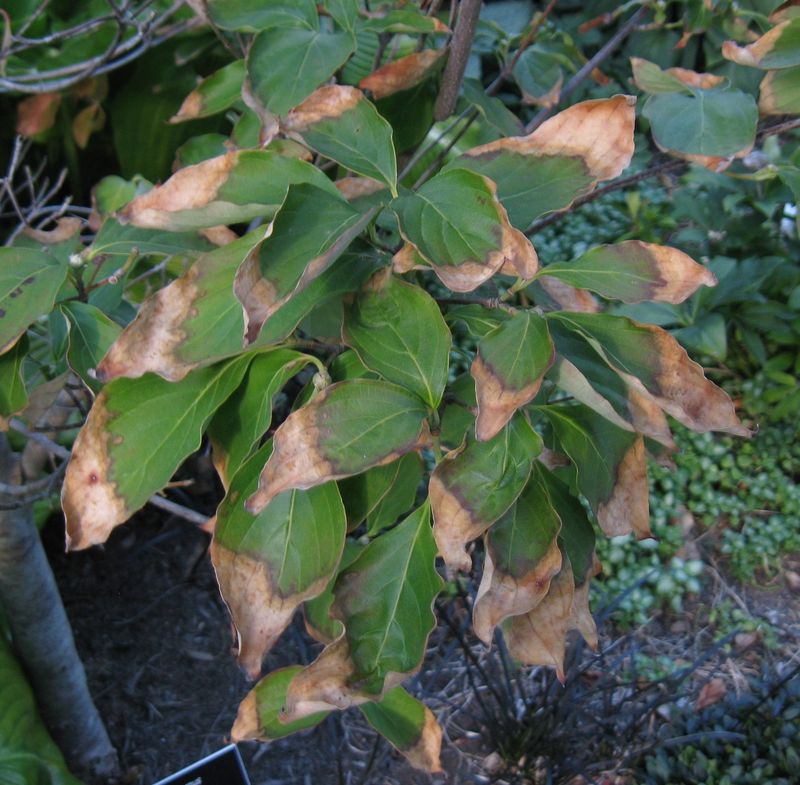
A test spray can save an entire hedge.
Before coating every leaf on a prized shrub, choose one small, hidden section and apply the product exactly as planned. That small trial gives you useful information before the whole plant is exposed.
Pick an inconspicuous branch. The back or inner side of the shrub is usually best.
Use the intended dilution. A weaker test does not tell you how the real mix will behave.
Spray under similar conditions. Temperature, sunlight, and plant moisture should match the planned application window.
Wait before judging. Many labels suggest watching the test area for a day or several days.
Look for yellowing. Any color shift can signal caution.
Look for spotting or dull patches. Those may appear before more obvious browning.
Check new growth closely. Tender tips may react even when older leaves look normal.
Do not proceed after a bad test. Change the timing, concentration, or product choice.
Keep a simple note. Record the product, date, temperature, plant, and result.
Repeat testing when conditions change. A safe spring result does not guarantee a safe August result.
A test spray is not extra fuss.
It is a small delay that can prevent a very visible mistake across the front of the landscape.