Native North Carolina Cover Crops That Rebuild Soil Better Than Mulch After Drought
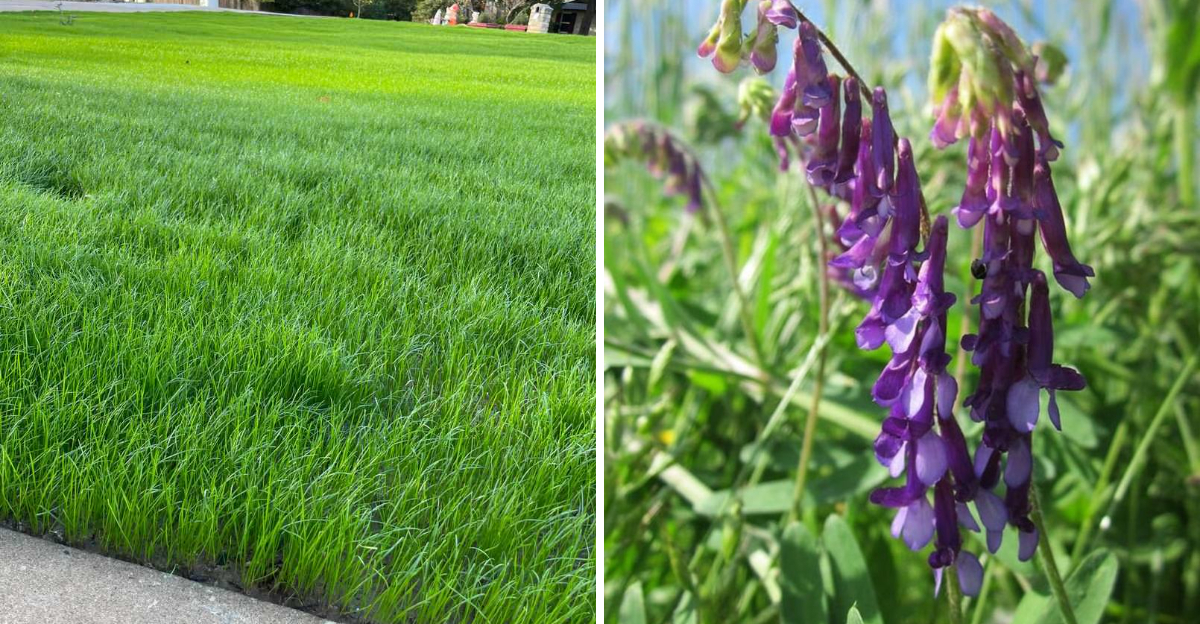
Walk out to your garden bed after a dry North Carolina summer and it barely looks like soil.
Hard clods. Cracks wide enough to lose a seed in. Dust where there used to be something workable.
The usual response is more mulch. Pile it on, hold what moisture arrives, wait for spring.
Mulch does real work and it has one limitation nobody mentions.
It sits on top.
Meanwhile the actual damage happened below the surface, where compaction, lost organic matter, and reduced biological activity all need addressing.
Living roots reach that. A cover crop grows down into the problem rather than resting above it.
North Carolina timing works in your favor here too, since fall planting gives most of these crops months to work before spring.
Curious which ones rebuild the fastest?
1. Crimson Clover
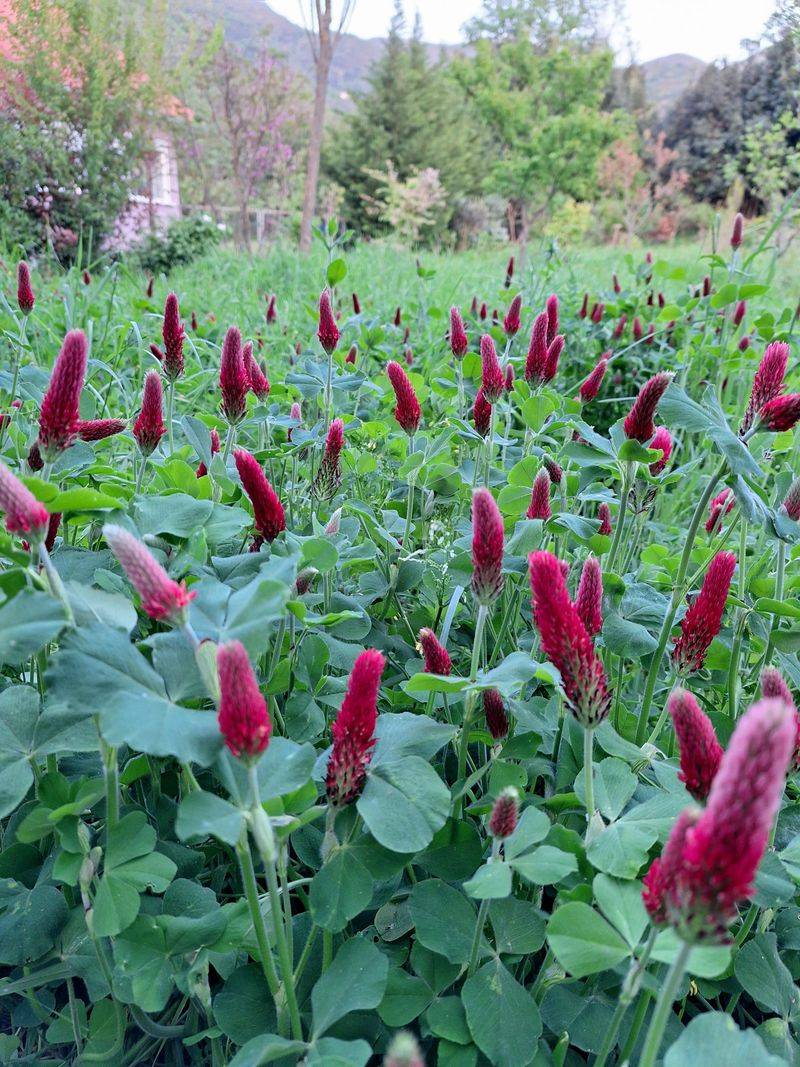
After a long dry spell, crimson clover functions as a genuine reset for a worn out bed.
It ranks among the more useful cool season cover crops for North Carolina, particularly when you want soil cover plus added fertility.
Unlike mulch sitting on the surface, crimson clover grows living roots that work downward through the profile.
Legume status is what makes it valuable beyond ground cover. It partners with bacteria that capture nitrogen from the air and store it in plant tissue.
That isn’t instant fertilizer. It’s a slow natural contribution as the crop grows and later breaks down into the soil.
Beds that held hungry summer vegetables benefit noticeably from that help before spring planting returns.
Fall sowing suits North Carolina, giving the crop time to establish before winter.
Good seed to soil contact matters considerably. Rake the ground smooth, scatter seed evenly, and water lightly if rain isn’t coming.
Once established, the green cover protects the surface from pounding winter rain that would otherwise compact bare soil.
The crimson flower heads in spring are a genuine bonus, and pollinators work them heavily.
Use mulch alongside it rather than instead of it, since the smartest recovery plan combines both approaches.
Mulch guards the top layer while clover rebuilds what drought damaged below.
2. Buckwheat
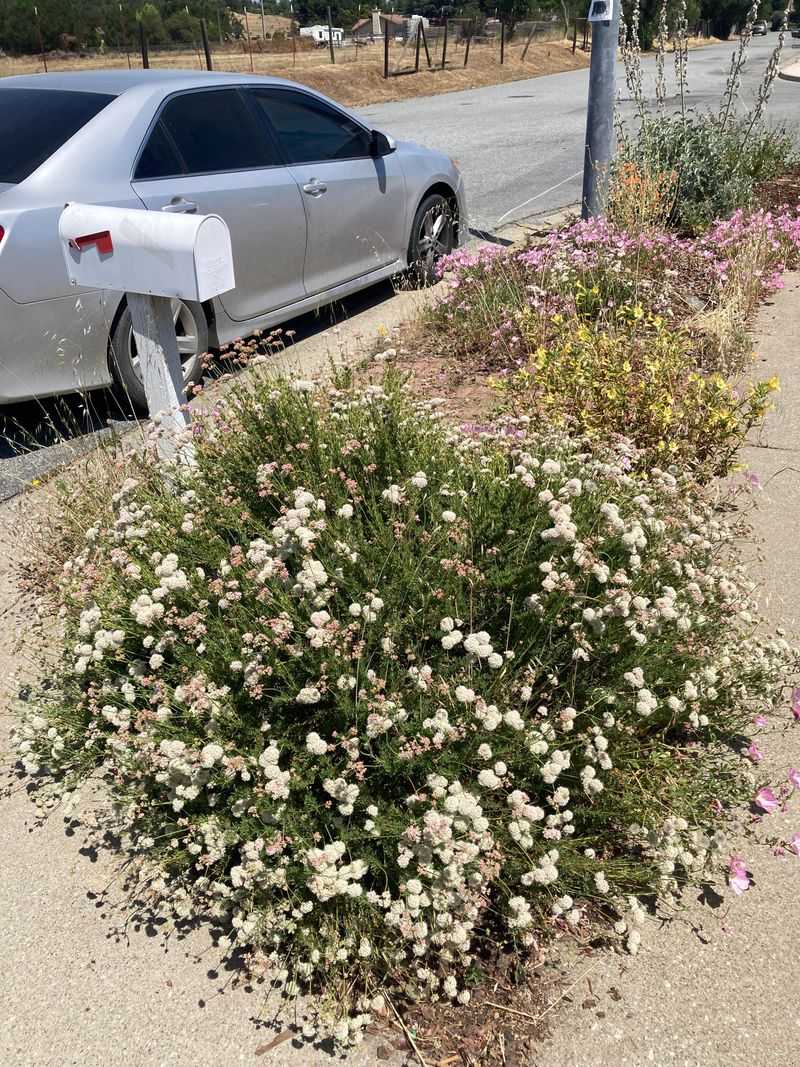
Few cover crops move as fast as buckwheat, and that speed matters when drought has left soil hard and crusted.
It comes recommended for warm season planting because it germinates quickly, shades bare ground, and starts protecting tired beds within days.
When a garden looks stalled, buckwheat brings activity back.
Its roots aren’t deep drills, and they do useful work in compacted ground by opening small channels through the upper soil.
Those channels improve air movement, help later rain soak in, and create space for worms and microbes to return.
A mulch layer softens how the surface feels without sending anything downward to build those pathways.
Buckwheat suits gaps between main crops in late spring or summer, when you need quick cover rather than a long winter stand.
Scatter seed over loosened soil, rake lightly, and keep the bed damp until sprouts appear.
North Carolina warmth produces surprisingly fast growth, which makes it handy for short recovery windows.
Your North Carolina Garden Changes Every Week. Your Plan Should Too.
Gardening in North Carolina changes quickly throughout the season. Every Friday you’ll receive a simple weekly plan showing exactly what to plant, prune, fertilize, harvest, and protect so you never miss the right timing.
Frost ends buckwheat quickly, so it belongs in the warm season rather than fall.
Timing the termination matters most. Cut or turn it under before mature seed forms unless you want volunteers appearing later.
Bees work the flowers heavily during the bloom period, which adds another reason to grow it.
3. Winter Rye
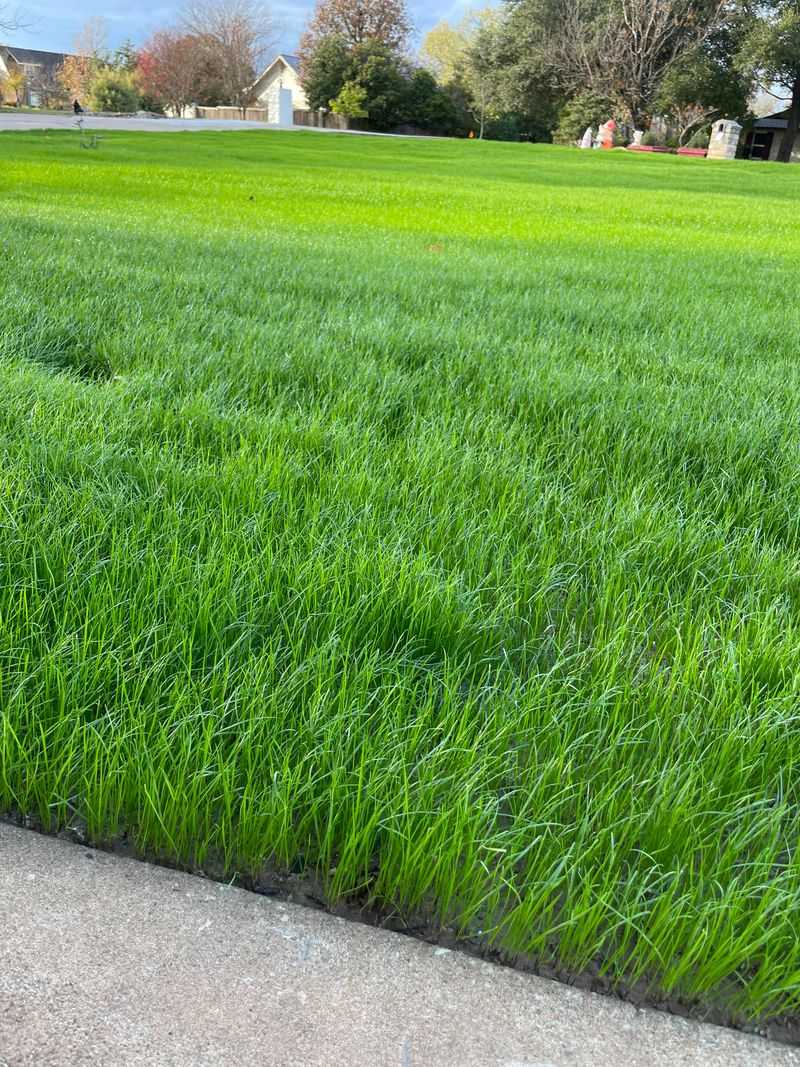
Once drought finally breaks, heavy rain becomes the next problem. Bare beds on sloped ground lose topsoil fast during the first real storm.
Winter rye handles that moment well, covering the surface while building a thick root system. Instead of watching soil wash downhill, you get a living net across the bed.
It ranks as a dependable cool season cover crop, and its erosion control value is well documented. Roots spread extensively and add substantial plant mass over a season.
That root growth improves structure directly. It also leaves channels behind that make spring planting considerably easier.
Cold tolerance is the standout trait. Winter rye keeps growing at temperatures that stop most other cover crops entirely.
That makes it the reliable choice for late fall sowing. When other options have missed their window, rye still establishes.
Mulch still contributes alongside it. Straw cushions raindrops at the surface while rye anchors soil below.
Sow in fall so the crop establishes before deep winter cold arrives. Moisture and a few weeks of mild weather cover the requirements.
One consideration is worth knowing. Rye produces compounds that can suppress germination of small-seeded crops, so allowing a few weeks between termination and planting helps.
4. Austrian Winter Peas
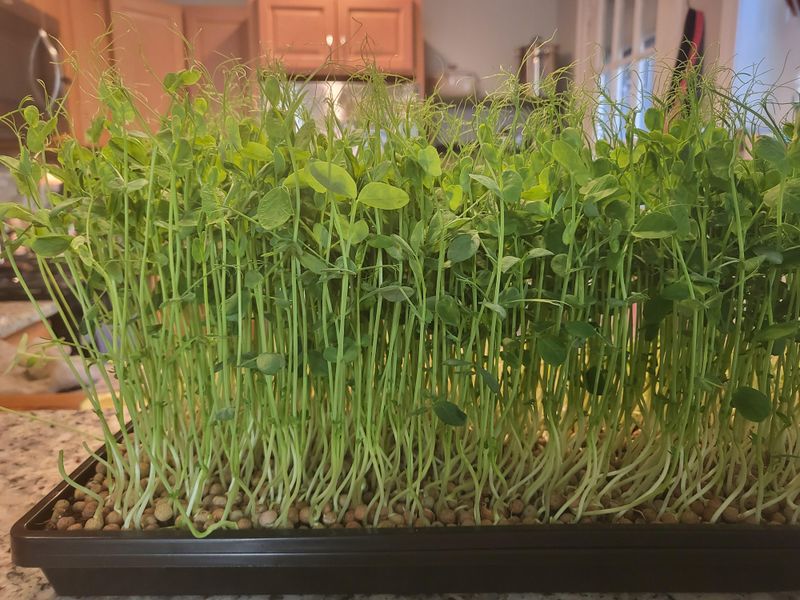
Healthy soil is busy soil, and Austrian winter peas help revive that underground activity after drought stress.
They belong among the useful cool season legumes for North Carolina gardens, valued for nitrogen contribution alongside living root activity.
A quiet bed becomes considerably more active when roots are feeding the soil food web.
As the peas grow, their roots release compounds supporting bacteria, fungi, and other organisms in the rhizosphere, meaning the narrow zone surrounding roots.
Those microbes cycle nutrients and improve how soil functions over time.
Drought sets that system back, so a living legume offers more than surface protection.
Like crimson clover, Austrian winter peas work with nitrogen fixing bacteria, leaving fertility behind for the crop that follows.
That process depends on growth, weather, and soil conditions, so results vary between beds.
Fall planting works across much of North Carolina, with decent drainage and sunlight both helping.
The vining growth habit means peas pair well with rye, which gives them something to climb.
Tender shoots are actually edible, which makes this cover crop do double duty in a vegetable garden.
They complement mulch rather than competing with it, since mulch protects the surface while peas keep biology active underneath.
5. Hairy Vetch
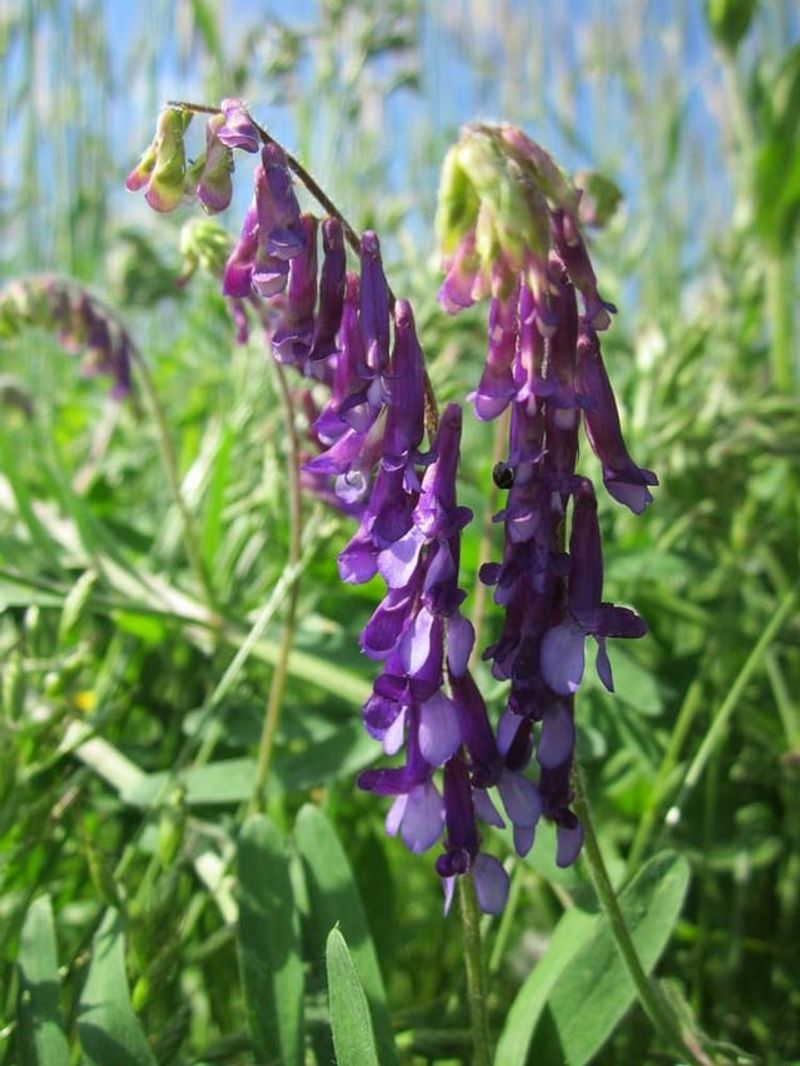
Hairy vetch produces more nitrogen than most cover crops available to home gardeners. That single trait makes it worth knowing for beds coming off a heavy feeding crop.
Growth starts slowly in fall, then accelerates dramatically once spring warmth arrives. Patience through winter pays off considerably in April.
Vining stems sprawl across a bed and form a dense mat. Weed suppression comes as part of the package.
Root activity continues through winter, working on compaction while top growth waits. Nothing appears to happen above ground for months.
Fall sowing is necessary since the crop needs establishment time before cold. Late plantings produce thin disappointing stands.
Mixing it with winter rye is the standard approach for a practical reason. Vetch climbs the rye stems rather than lying flat, which improves airflow and makes cutting easier.
That combination also balances nitrogen against carbon-rich rye residue. Decomposition happens more evenly as a result.
Termination timing matters here. Cutting at early bloom captures peak nitrogen before the plant invests in seed.
Waiting too long creates a problem. Hairy vetch can self-seed and volunteer in following seasons, which nobody wants.
6. Oats
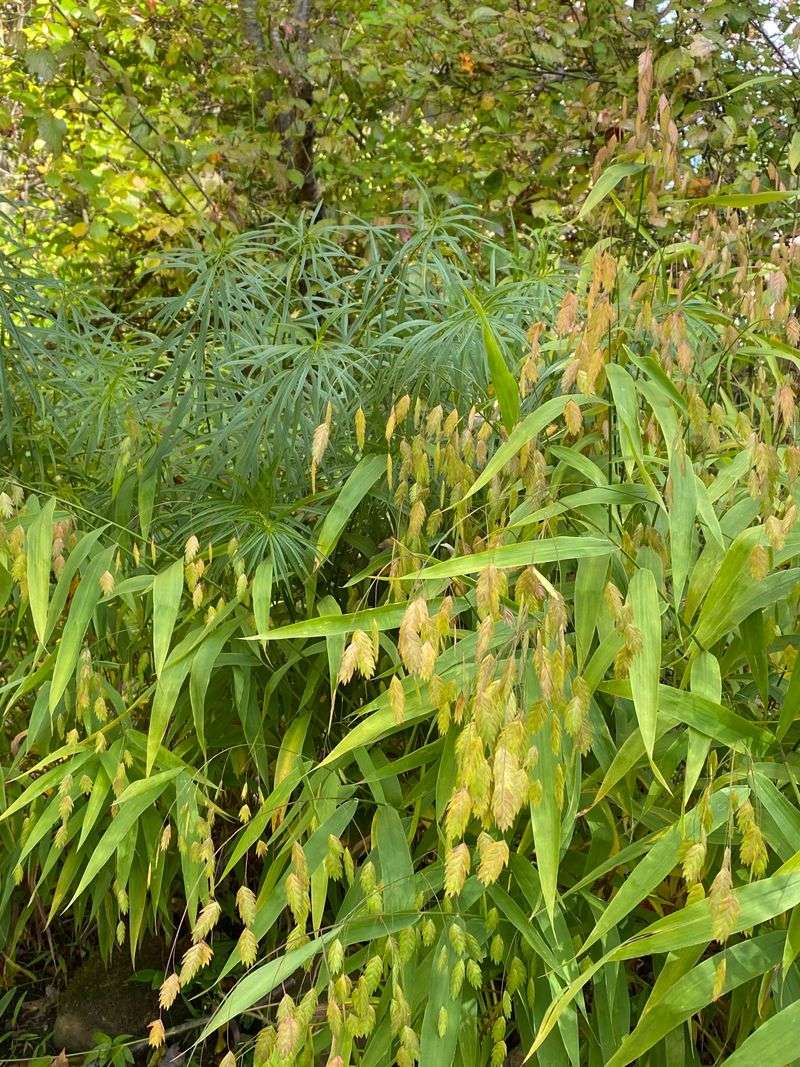
Oats occupy a useful middle ground for gardeners wanting cover without a spring project. The key difference is winterkill.
Oats grow through fall, then cold weather ends them. What remains is a natural mulch layer requiring no cutting or turning.
That trait suits anyone planting early the following spring. Bed prep becomes raking rather than wrestling.
Establishment happens quickly, often faster than rye. Erosion protection arrives sooner after fall sowing as a result.
Fibrous roots work through the upper soil, improving structure. Organic matter accumulates as those roots decompose.
Growth stops around the low twenties in most cases. Mild North Carolina winters occasionally let oats survive in coastal counties, so that variability is worth planning for.
August through September sowing gives oats enough time to produce real biomass. Later planting produces thinner stands with less benefit.
Oats mix well with a legume like crimson clover. That combination provides ground cover plus nitrogen contribution from one sowing.
Spent residue holds soil through winter storms without the spring work rye demands. For a first attempt at cover cropping, oats forgive more mistakes than most options.
7. Cereal Rye Mixed With Clover
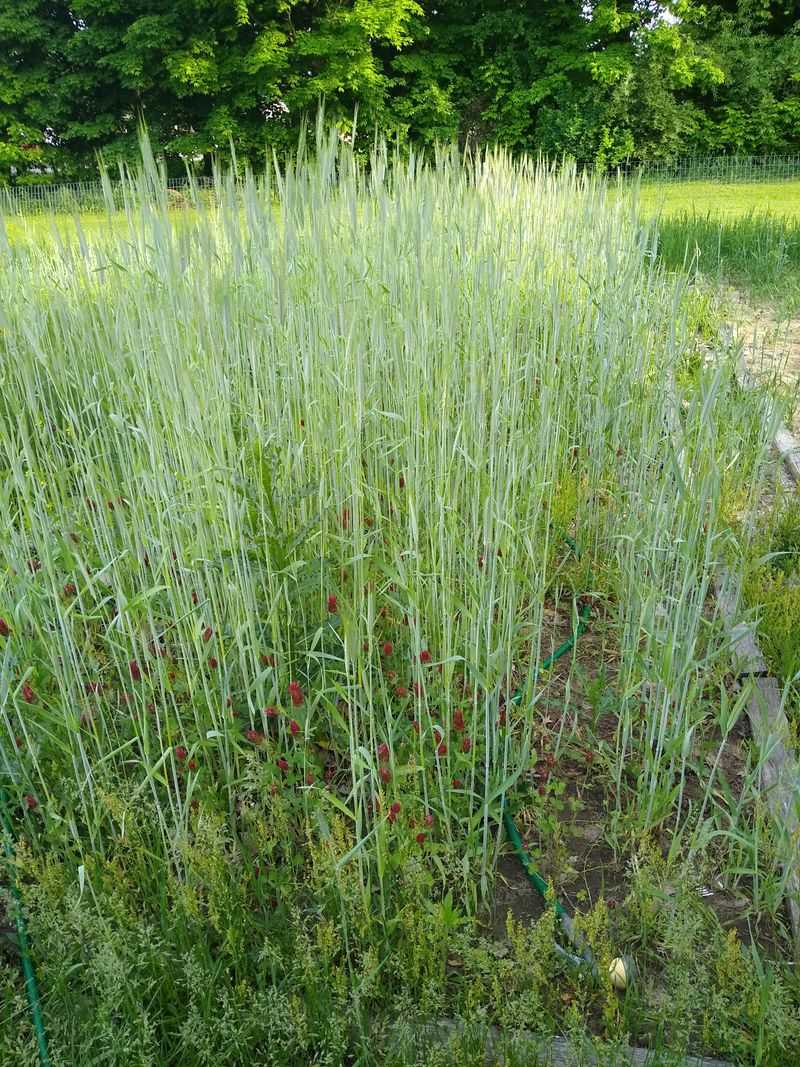
Combinations often outperform single species, and this pairing addresses different problems at once. Neither crop alone accomplishes what both do together.
Cereal rye contributes deep roots, substantial biomass, and reliable erosion control. Clover adds nitrogen fixation and finer root activity that feeds soil biology.
Together they produce more total benefit than either alone. That’s why mixes appear so often in extension recommendations.
The carbon to nitrogen balance matters practically. Rye residue breaks down slowly while clover residue decomposes fast, and mixing them moderates both.
Sow both in fall, with rye going slightly deeper and clover needing good surface contact. Broadcasting both, then raking lightly, handles a home bed adequately.
Rye establishes faster and provides early cover. Clover develops underneath through the same period.
Spring management targets the rye timing, since it grows taller and toughens sooner. Cutting when rye reaches roughly knee height keeps the job manageable and captures clover nitrogen near peak.
Crimson clover works well in this mix across North Carolina. Availability is good and cost stays reasonable.
Seed expense drops since you use less of each species. For gardeners wanting the fullest recovery from one fall sowing, a mix is generally the better choice.
8. Tillage Radish
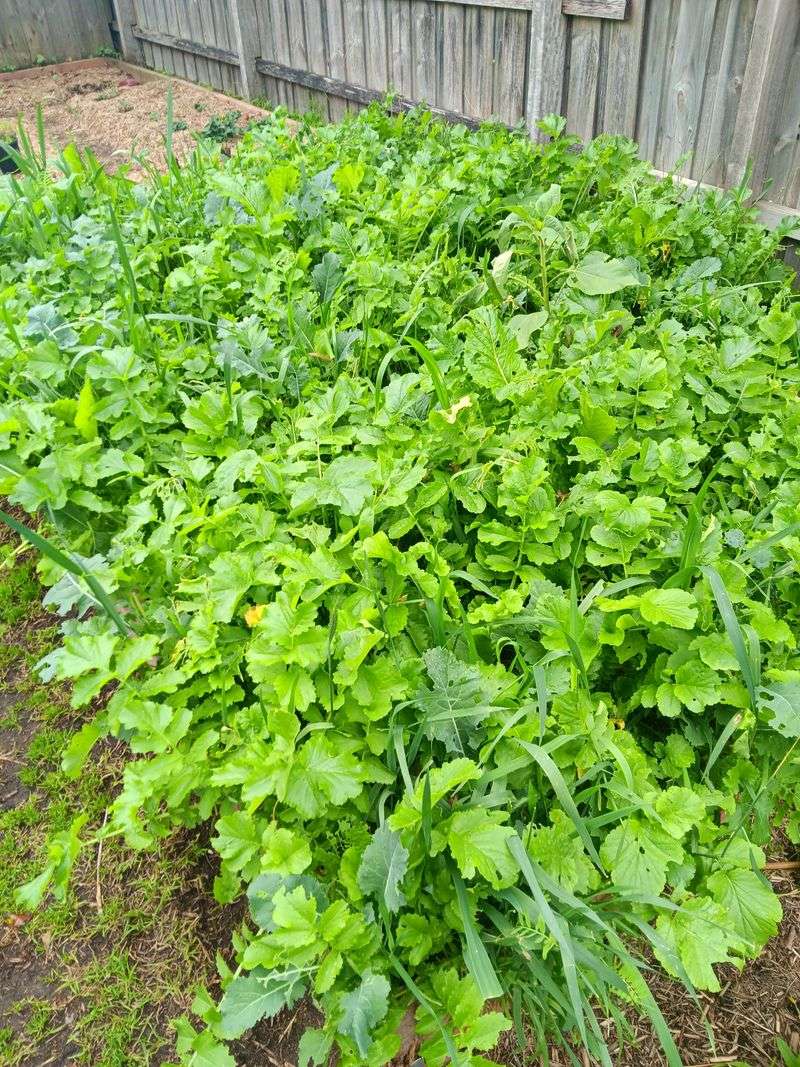
Tillage radish addresses compaction more directly than anything else on this list. The plant produces a thick taproot driving straight down, sometimes a foot or more.
That root physically breaks through hardpan layers. Drought and foot traffic both create those layers over time.
When cold weather ends the plant, the root decomposes. What remains is an open channel where the root used to be.
Those channels improve water infiltration considerably. Following crop roots also find an easier path downward.
Nutrient scavenging is the secondary benefit. Deep roots pull nitrogen from below where most crops reach, then release it near the surface as the plant breaks down.
Fast growth means radish covers ground quickly after sowing. Late summer into early fall works best in North Carolina.
Winterkill happens in most of the state. That removes spring management work entirely, which some gardeners appreciate.
Decomposing radish roots produce a distinct sulfur smell for a week or two. That surprises people the first time and passes quickly.
Mixing radish with oats or clover balances the planting. Radish alone leaves visible gaps between plants.