Never Ignore This White Dust Spreading Across Your Missouri Garden Beds
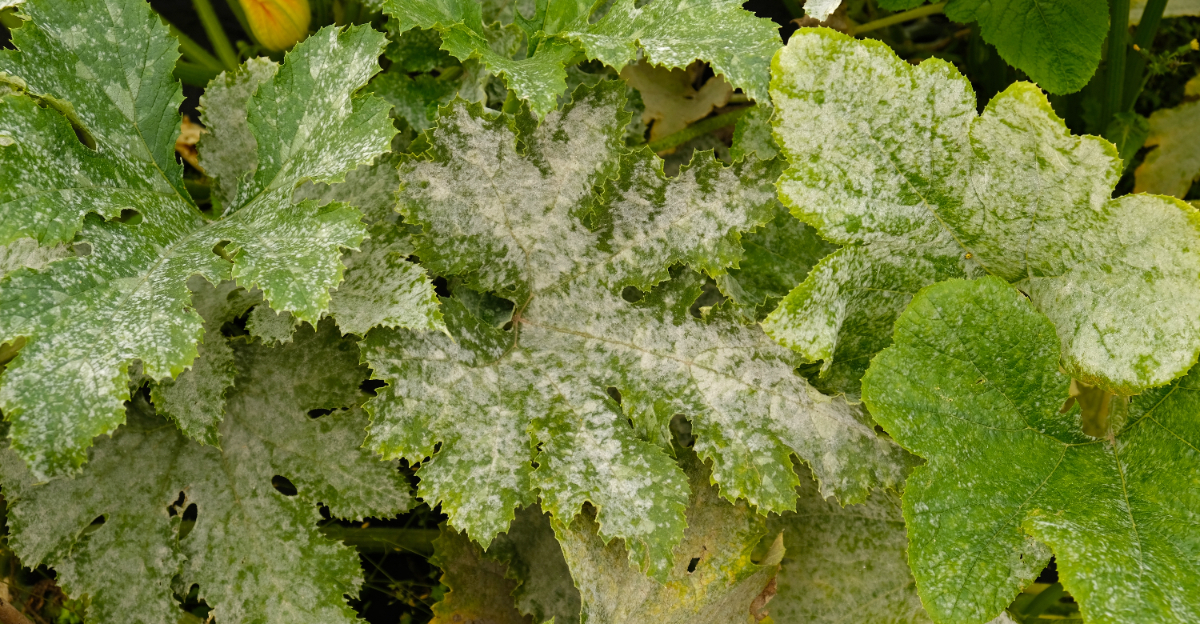
Your squash leaves looked fine three days ago. Now they are covered in a pale, powdery film that seems to spread wider every time you check.
Missouri summers practically roll out the red carpet for this stuff. The heat and humidity let it drift from plant to plant on nothing but air, no rain needed at all.
Give it a week of neglect and the plant starts falling apart from the inside. Growth slows down, leaves twist out of shape, and the harvest you were counting on quietly shrinks.
Stick around, because the fix is simpler than most gardeners think, once you know what you are actually up against.
A Strange Coating Appears Almost Overnight
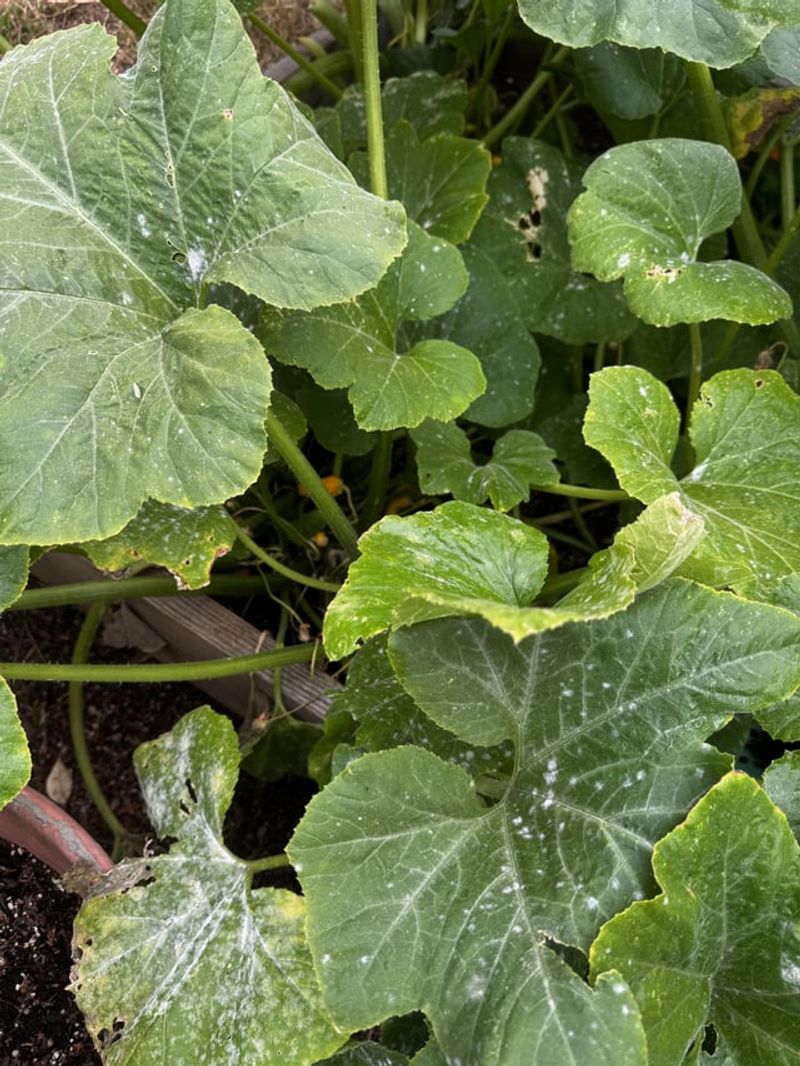
One day your leaves look fine. The next morning, they wear a pale, powdery film that was not there before.
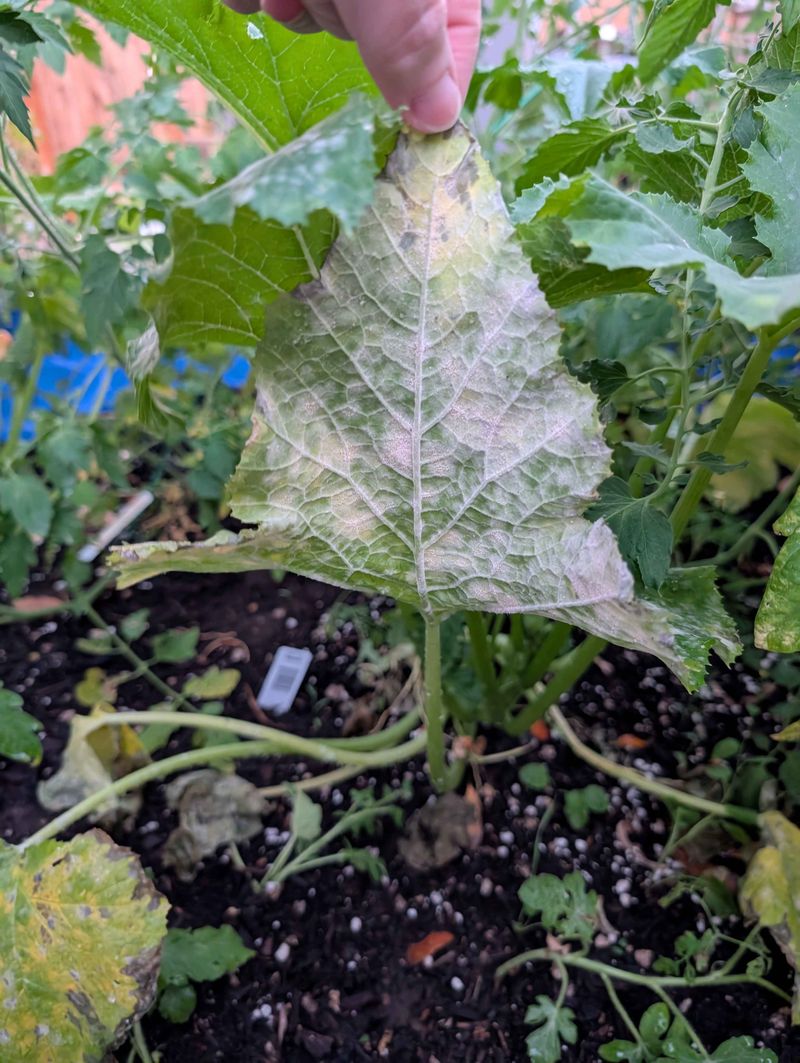
That chalky coating taking over your leaves has a name: powdery mildew, a fungal disease known for spreading in a hurry.
It does not need wet soil or heavy rain to appear. It simply needs warm days, cool nights, and a little humidity in the air.
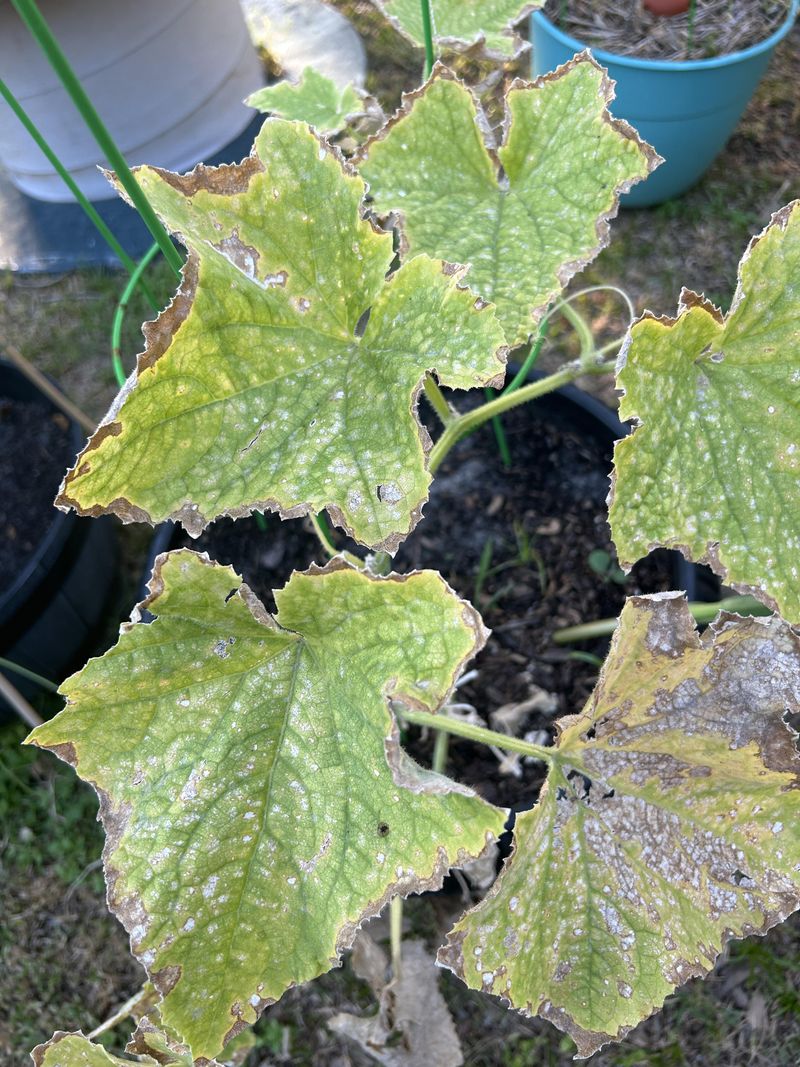
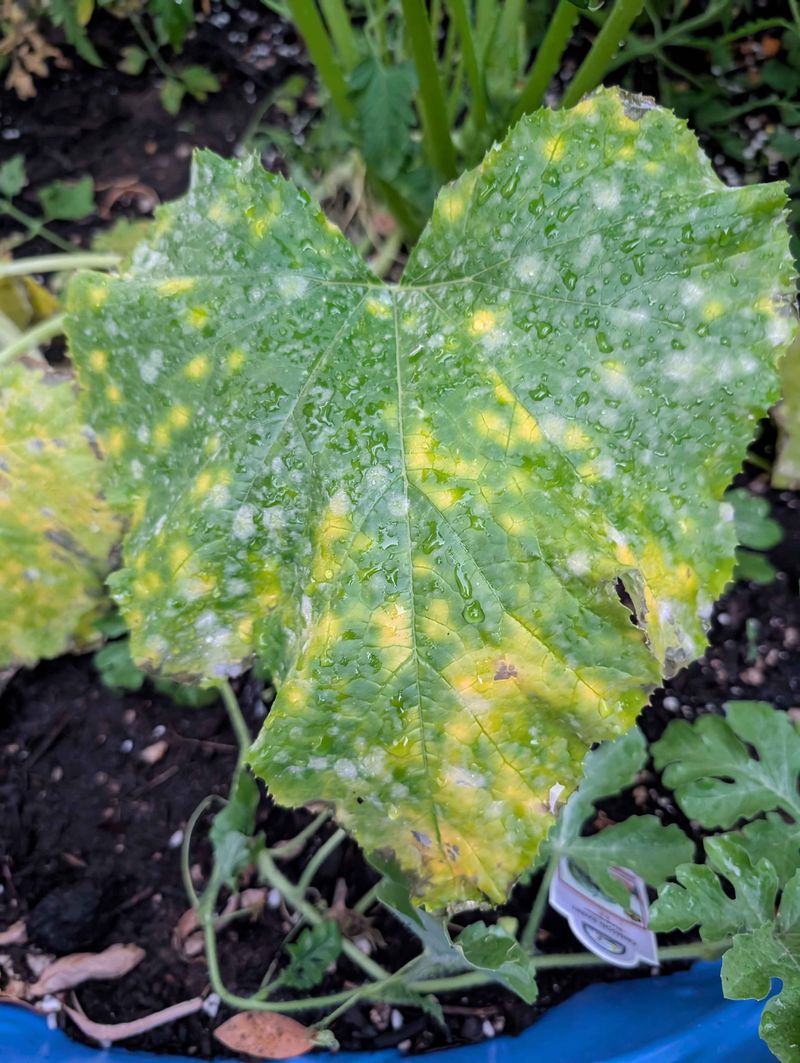
The coating starts small, often just a few white spots near the center of a leaf. Within days, those spots grow and merge into a full white layer. The surface looks almost fuzzy when you get close enough to touch it.
Unlike rot or root problems hidden underground, powdery mildew shows itself in plain sight. That makes it easier to catch early, which is a huge advantage for any home gardener. Spotting it fast gives you time to act before the whole bed is covered.
Many people mistake it for dust, pesticide residue, or even fertilizer drift. Rubbing the coating with your finger is a quick test. If it smears and the leaf underneath looks yellow or brown, you are dealing with a fungal problem, not dirt.
The spores that cause this issue travel through the air, landing on new leaves constantly. One infected plant can spread the problem to its neighbors within a week.
Catching that first white patch early is the single most powerful thing you can do for your garden this season.
Plants Most Likely To Show This Problem
Not every plant in your yard is equally at risk. Powdery mildew has clear favorites, and knowing them helps you watch the right spots first.
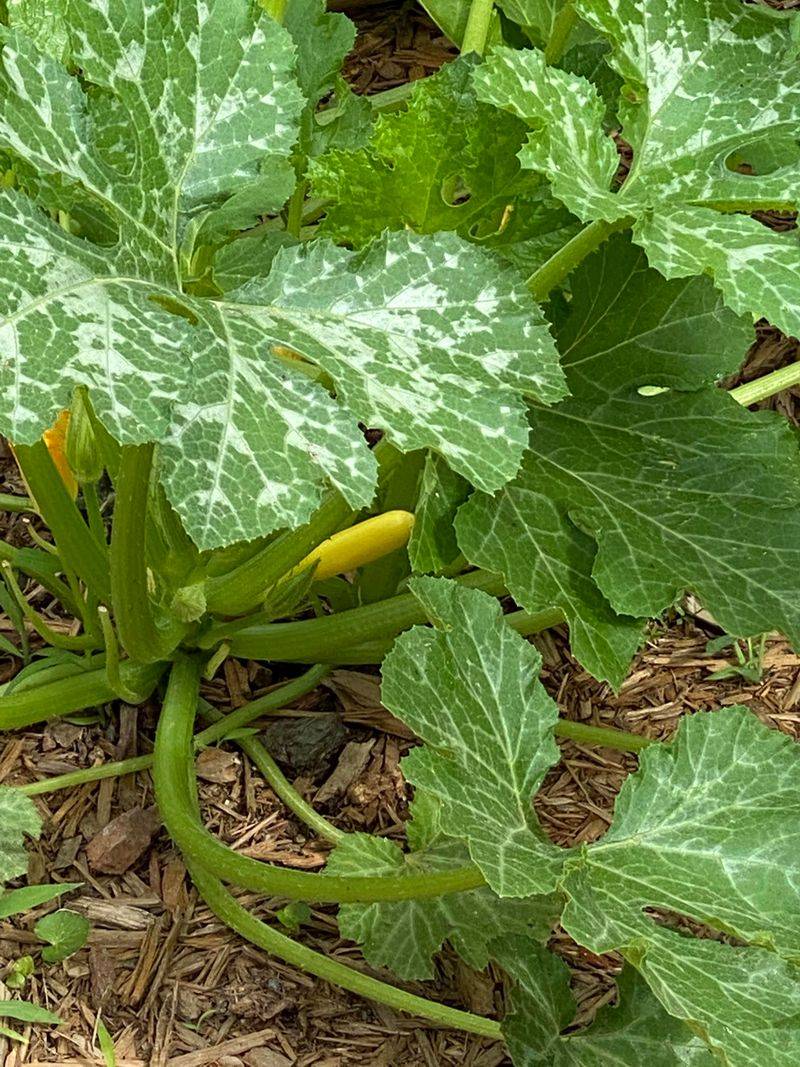
Squash and zucchini are almost always the first plants to show trouble in a Missouri garden. Their large, flat leaves create the perfect surface for fungal spores to land and settle.
If you grow either of these, check the undersides of leaves every few days during summer. Cucumbers follow close behind squash on the target list.
In many Missouri gardens, the outbreak actually starts in the cucumber patch before moving outward. Pumpkins share the same vulnerability, especially during August heat.
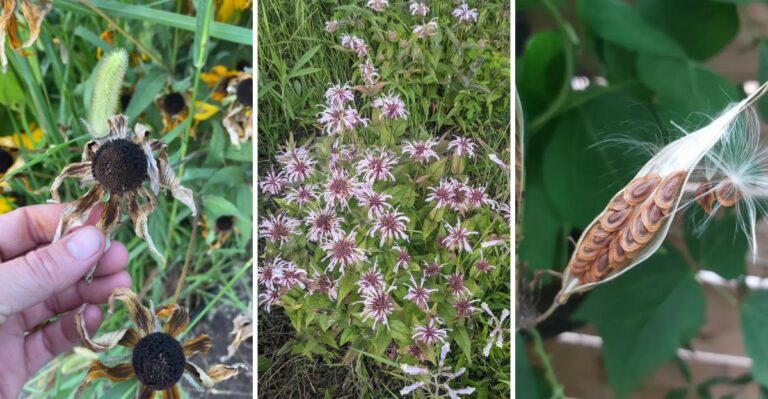
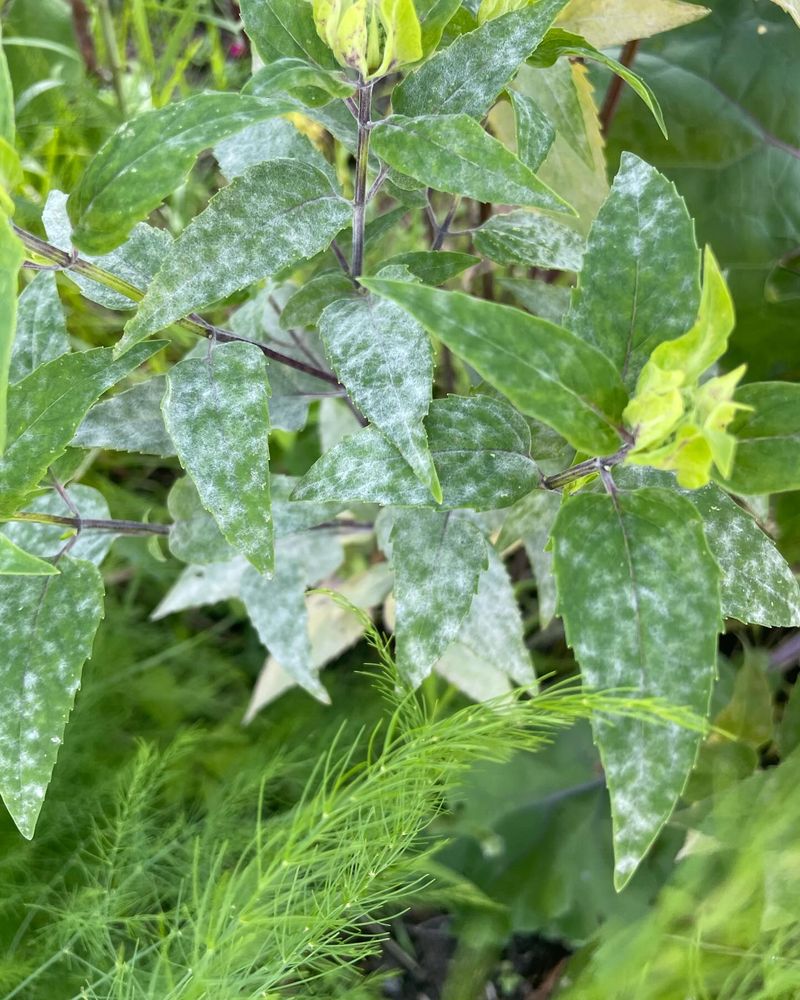
Flowering plants are not spared either. Zinnias, bee balm, and garden phlox often get affected in ways many gardeners do not expect.
Roses can also develop powdery mildew, especially in shaded spots with poor air circulation. Vegetables like tomatoes and peppers are somewhat more resistant but not bulletproof.
Your Missouri Garden Changes Every Week. Your Plan Should Too.
Gardening in Missouri changes quickly throughout the season. Every Friday you’ll receive a simple weekly plan showing exactly what to plant, prune, fertilize, harvest, and protect so you never miss the right timing.
When the infection pressure is high, even tough plants start showing signs. Beans and peas can also develop white patches late in the growing season.
Knowing your vulnerable plants lets you create a simple monitoring routine. Walk through your garden every three or four days and focus on these specific species first.
Early detection on one plant can save an entire bed from becoming a white, powdery mess by midsummer.
Weather Conditions That Make It Spread Faster
Missouri summers can feel like living inside a warm, wet towel. That exact combination of heat and humidity is powdery mildew’s ideal playground.
The fungus thrives when daytime temperatures hover between 60 and 80 degrees Fahrenheit. Cool nights that drop into the 50s after hot afternoons create a humidity cycle that spores absolutely love.
Late summer in the Midwest hits this temperature range almost perfectly, week after week. Surprisingly, powdery mildew does not need rain to spread.
Dry weather with moderate humidity is often worse than a wet season. Rain can actually wash spores off leaves before they take hold, giving plants a brief window of protection.
Cloudy stretches of weather also speed up the problem. Without strong sunlight hitting the leaf surface, moisture lingers longer and spores have more time to germinate.
A week of overcast skies in July can trigger a visible outbreak almost overnight. Crowded garden beds make everything worse.
When plants grow too close together, air cannot circulate between the leaves. Stagnant, warm air pockets build up and create the exact microclimate this fungus needs to take hold.
Watching the forecast gives you a real advantage. When you see a stretch of warm, cloudy days coming, inspect your most vulnerable plants right away. Getting ahead of the weather means getting ahead of the fungus before it has a chance to spread.
The Real Reason Behind Powdery Mildew
Powdery mildew is not caused by bad soil or poor watering habits. It is a living fungus, and understanding that changes how you approach the problem.
The fungus belongs to a group called Erysiphales, and dozens of related species exist. Each species tends to target specific plant families, which is why your squash and your tomatoes might not both get infected at the same time.
The spores are highly specialized to their preferred hosts. These spores are common in the air during warm months.
They float on light breezes, land on leaf surfaces, and begin germinating within hours under the right conditions. You cannot prevent spores from reaching your garden, but you can make your garden a less welcoming place for them to grow.
Once a spore germinates, it sends tiny root-like threads called hyphae into the outer layer of the leaf. The fungus feeds on the plant’s cells just beneath the surface.
That feeding process is what causes leaves to yellow, curl, and eventually lose their ability to photosynthesize properly. Stressed plants are far more susceptible than healthy ones.
Overwatering, underwatering, and nutrient imbalances all weaken a plant’s natural defenses. A well-fed, properly watered plant can sometimes resist infection even when surrounded by heavily affected neighbors.
Knowing the biology behind this chalky invader helps you make smarter decisions. You stop chasing symptoms and start addressing the actual conditions that let the fungus take hold each season.
Treatment Options That Actually Work
You do not need harsh chemicals to fight powdery mildew effectively. Several affordable, practical treatments work extremely well when applied at the right time.
Neem oil is one of the most reliable options available at any garden center. Mix one tablespoon of neem oil with a few drops of dish soap and a quart of water, then spray it directly on affected leaves.
Coat both the top and bottom of each leaf for the best results. Baking soda sprays are another popular choice that many experienced gardeners swear by.
Combine one teaspoon of baking soda with a quart of water and a small amount of liquid soap. This solution changes the pH on the leaf surface, making it harder for the fungus to survive.
Potassium bicarbonate is even more effective than baking soda and is approved for organic gardening. It works on contact and leaves a residue that continues protecting the plant for several days.
Most garden centers carry it, and it is generally considered low-risk around children and pets. Copper-based fungicide sprays offer stronger protection for severe infections.
Follow label directions carefully, since too much copper can build up in soil over time. Rotate between copper treatments and organic sprays to avoid overuse.
Timing matters more than the product you choose. Treat plants at the first sign of that telltale film, not after the infection is already widespread. Early treatment keeps the fungus from reaching full strength.
Preventing This Problem Next Season
Prevention beats treatment every single time. A few smart habits before planting season can dramatically reduce your chances of seeing that chalky white coating again.
Start by choosing resistant plant varieties whenever possible. Many seed catalogs now label squash, cucumbers, and flowers as powdery mildew resistant.
These varieties are not fully resistant, but they hold up far longer under pressure than standard types. Spacing your plants properly is one of the most powerful preventive steps you can take.
Crowded beds trap warm, stagnant air around leaves and create ideal conditions for fungal growth. Follow the spacing recommendations on seed packets, even when it feels like wasted space in spring.
Pruning lower leaves and thinning dense growth improves airflow significantly. Better air circulation means leaf surfaces dry faster after humid nights.
Faster drying gives spores less time to germinate before conditions become unfavorable for them. Watering at the base of plants rather than overhead keeps foliage dry throughout the day.
Wet leaves in warm weather are an open invitation for fungal problems of all kinds. Drip irrigation or soaker hoses are ideal tools for keeping moisture where roots need it.
Clean up all plant debris at the end of each growing season. Infected leaves and stems left on the ground harbor spores that survive winter and start a fresh outbreak in spring.
Removing that debris is one of the simplest ways to keep the problem from coming back next year.