The Missouri Perennials Worth Collecting Seed From Before The First Frost
Missouri gardens in late September look a little tired, and honestly, so do most of the gardeners. The air smells like warm dust, cooling soil, and somebody’s neighbor burning leaves a bit too early.
Brown stalks lean sideways, petals drop off, and the whole yard seems ready for a long nap. Yet something quietly valuable is waiting out there, tucked inside those crispy, forgotten, rattling little heads.
Frost keeps its own schedule around here, and it rarely checks with anyone before showing up. Missing that short window means paying full retail next spring for what your yard handed over free.
Grab a paper bag, a marker, some old envelopes, and a jacket for chilly mornings. The squirrels have run this exact routine for years, and not one has ever apologized.
1. Purple Coneflower
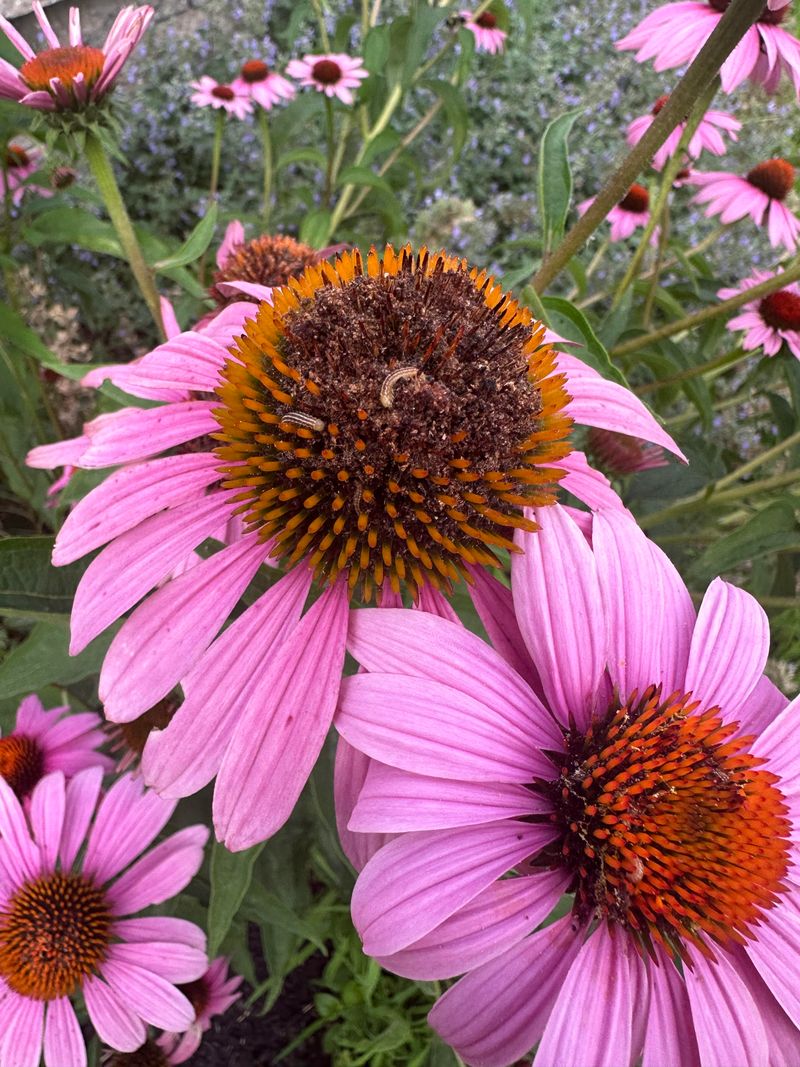
Fingers remember purple coneflower before the brain does, because those spiky seed heads have a bit of a sting. Echinacea purpurea grows across Missouri prairies, old gardens, and roadside ditches with truly cheerful stubbornness.
By mid September the cones have turned dark chocolate brown and feel bone dry and hard. Snip them with pruners, leaving roughly six inches of stem so handling stays simple.
Leather gloves help here, since the little bracts around each seed are genuinely sharp and unforgiving. Drop the heads into a paper grocery bag and let them finish drying indoors.
After about a week, roll the cones inside that bag or crush them with gloved hands. Gray, wedge shaped seeds tumble out mixed with chaff, which honestly does not matter much.
Skip any head that looks moldy or feels damp, because stored moisture spoils an entire batch. Good seed rattles softly, while damp seed clumps together and smells faintly sour inside the bag.
Coneflower sprouts best after several cold, damp weeks, so scatter some outdoors during November. Missouri winter handles that chilling process for free while you stay warm inside with hot coffee.
Store the remainder in labeled paper envelopes, tucked into a jar in your refrigerator. Goldfinches will raid whatever heads you leave standing, and that seems like a fair trade.
It’s gone by a few old folk names over the years, though the bees care very little about names. One healthy clump can hand you several hundred seeds in a single quiet afternoon.
2. Black-Eyed Susan
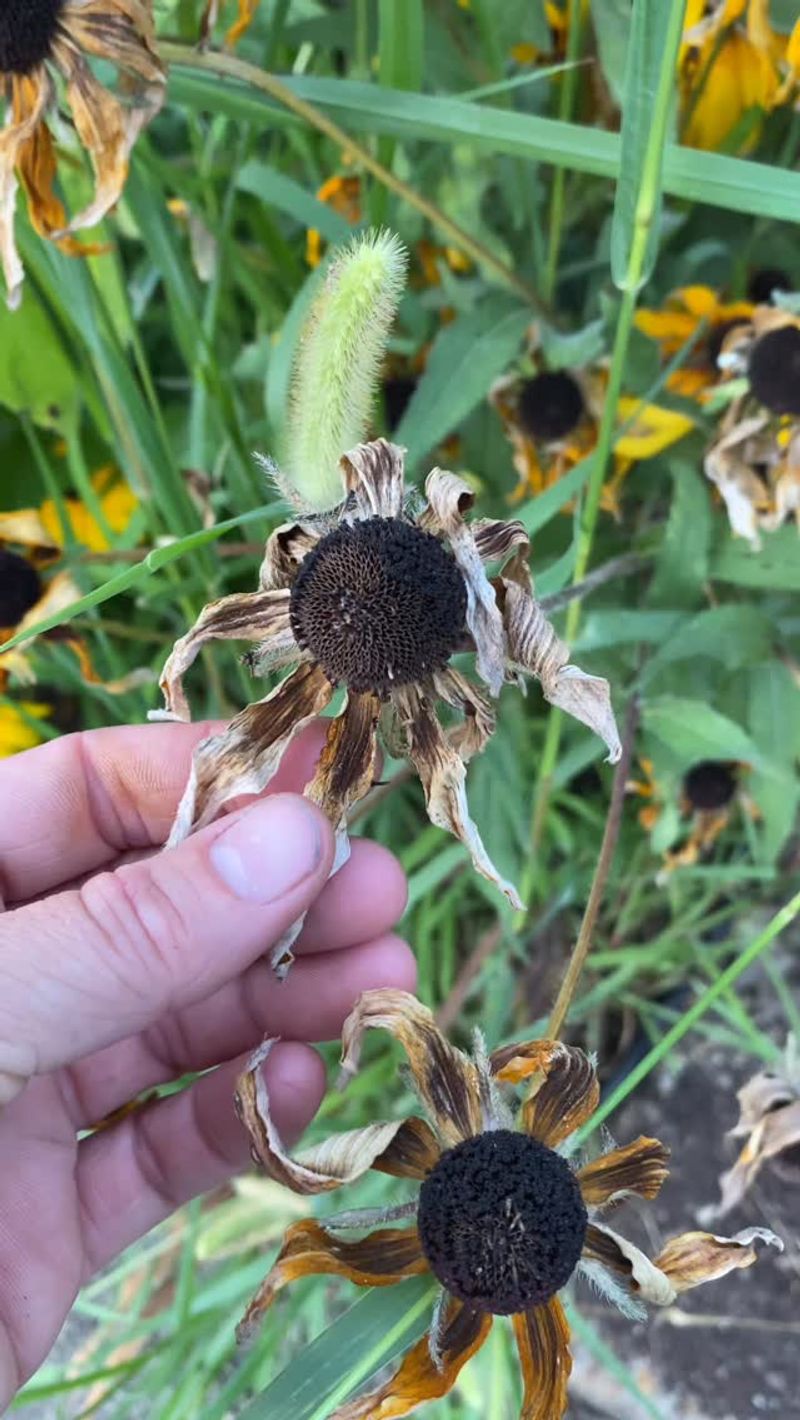
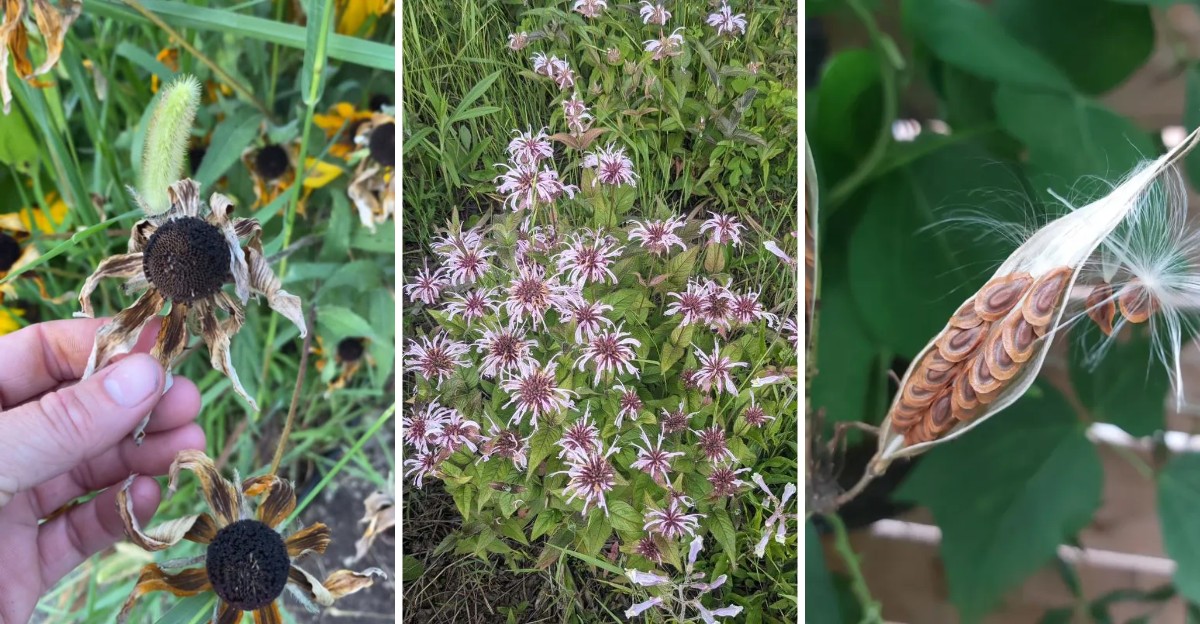
Shake a dried Rudbeckia stem in September and you get a sound like a tiny maraca. That rattle means the dark center cone has finally packed itself full of ripe brown seed.
Black-eyed Susan blooms along Missouri highways, fencerows, and front walkways from June into early fall. Once the yellow petals drop away, the remaining button turns nearly black and slightly rough.
Wait for a stretch of dry days, then clip the cones into a wide open bowl. Morning dew hides inside those heads, so late afternoon collecting works far better here.
Crumble each cone between your thumb and fingers over a sheet of white paper. Seeds look like slivers of black pepper, tiny enough to vanish into your carpet fibers.
Your Missouri Garden Changes Every Week. Your Plan Should Too.
Gardening in Missouri changes quickly throughout the season. Every Friday you’ll receive a simple weekly plan showing exactly what to plant, prune, fertilize, harvest, and protect so you never miss the right timing.
Sift the mix through a kitchen strainer if you want cleaner seed for gift envelopes. Honestly, chaff planted along with the seed sprouts perfectly fine in ordinary garden soil.
Some Missouri gardeners treat this cheerful plant as a short lived perennial or biennial performer. Saving seed keeps the patch going, since individual plants often fade after just two seasons.
Sow fresh seed in late fall and press it gently against bare, weed free ground. Light helps germination, so resist any urge to bury the seed under heavy soil.
Leave a dozen seed heads standing for winter birds and your own frosty morning views. Juncos and finches treat that patch like a drive through window with no waiting.
3. Butterfly Weed
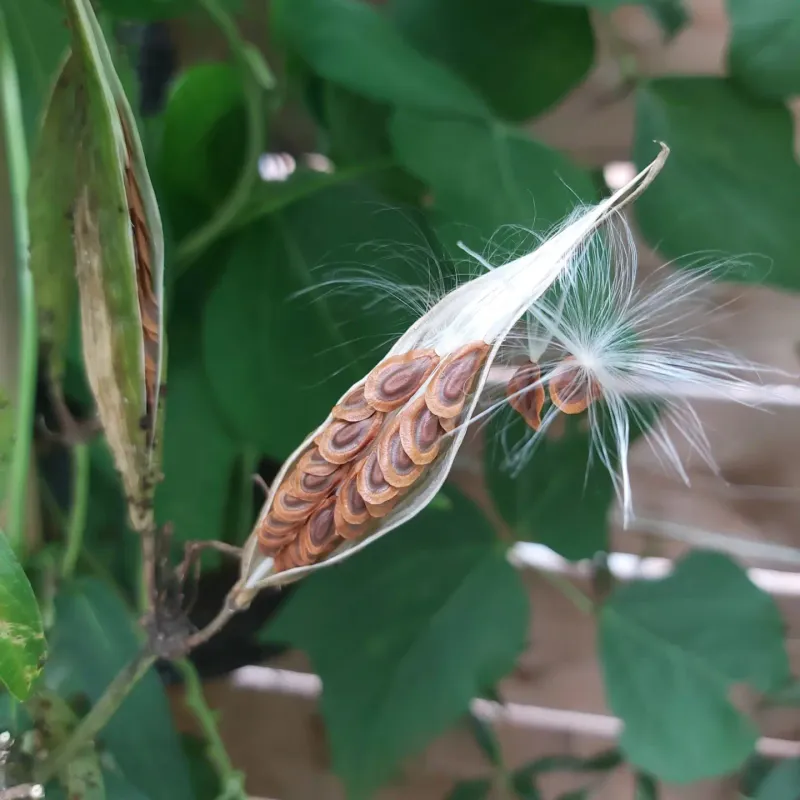
Timing decides everything with butterfly weed, because those slender pods split open without any warning. Miss the moment and your seeds ride the wind straight into the neighbor’s yard.
Asclepias tuberosa shows off blazing orange flowers across Missouri glades, prairies, and sunny home beds. By September the pods stand upright, green fading toward tan, and feel papery.
Check the seam running along each pod, because a thin split means it opens soon. Pick pods that still hold shut but show that pale line of surrender.
Gardeners often slip a rubber band or small mesh bag around pods that look ready. That simple trick catches the silky fluff instead of donating it to the breeze.
Open a harvested pod indoors over a bowl and the flat brown seeds peel off easily. Hold the white floss in one hand and strip seeds downward with the other.
Milkweed seed enjoys about thirty cold, moist days before it wakes up and sprouts. Fall sowing outdoors handles that naturally, no refrigerator bags or damp paper towels required.
Monarch caterpillars depend on this genus, so every saved pod matters a little more. Butterfly weed also hosts bees, wasps, and beetles that most gardeners rarely notice.
Store cleaned seed cool and dry if spring planting fits your schedule better. Paper envelopes breathe; plastic bags trap moisture and ruin your careful work.
One warning worth repeating: the deep taproot hates transplanting, so plant seed where it stays. Choose a sunny, well drained spot and that clump may outlive your patio furniture.
4. Wild Bergamot
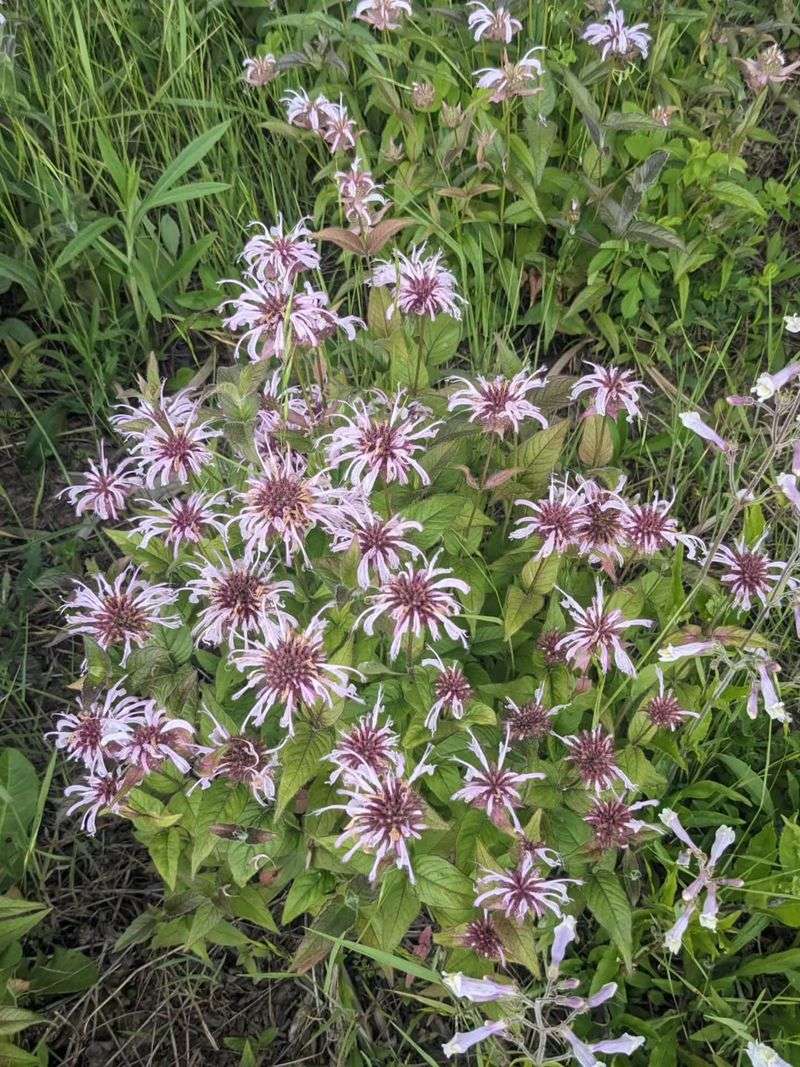
Crush a faded bergamot head in September and your hand still smells like oregano and mint. That fragrance sticks around long after the lavender flowers have gone ragged and gray.
Monarda fistulosa spreads through Missouri prairies and gardens with cheerful, slightly pushy enthusiasm. Each old bloom becomes a small crown of tubes holding dozens of tiny seeds.
Snip the stems once the heads feel dry, brittle, and light in your palm. A brown paper bag pulled over the head before cutting keeps everything contained.
Turn the heads upside down and tap them firmly against the inside of a bowl. Seeds resemble specks of ground pepper and pour out faster than beginners expect.
Powdery mildew often coats bergamot leaves by late summer, which looks worse than it is. Seed from those plants still grows fine, so ignore the gray dusty foliage.
Spread the harvest on a plate for several days before sealing anything in envelopes. Kitchen humidity ruins more saved seed than cold ever does in Missouri winters.
Hummingbirds, bumblebees, and clearwing moths crowd these flowers throughout July and early August. Planting a wider patch next year means more traffic and better photos.
Sprinkle seed over scratched soil in November and press gently with your boot. Nothing fancy happens next, just quiet waiting until green rosettes appear in March.
Trade extra envelopes with neighbors, because bergamot seed makes a genuinely charming small gift. Write the collection date on each one, since memory fades faster than germination.
5. Prairie Blazing Star
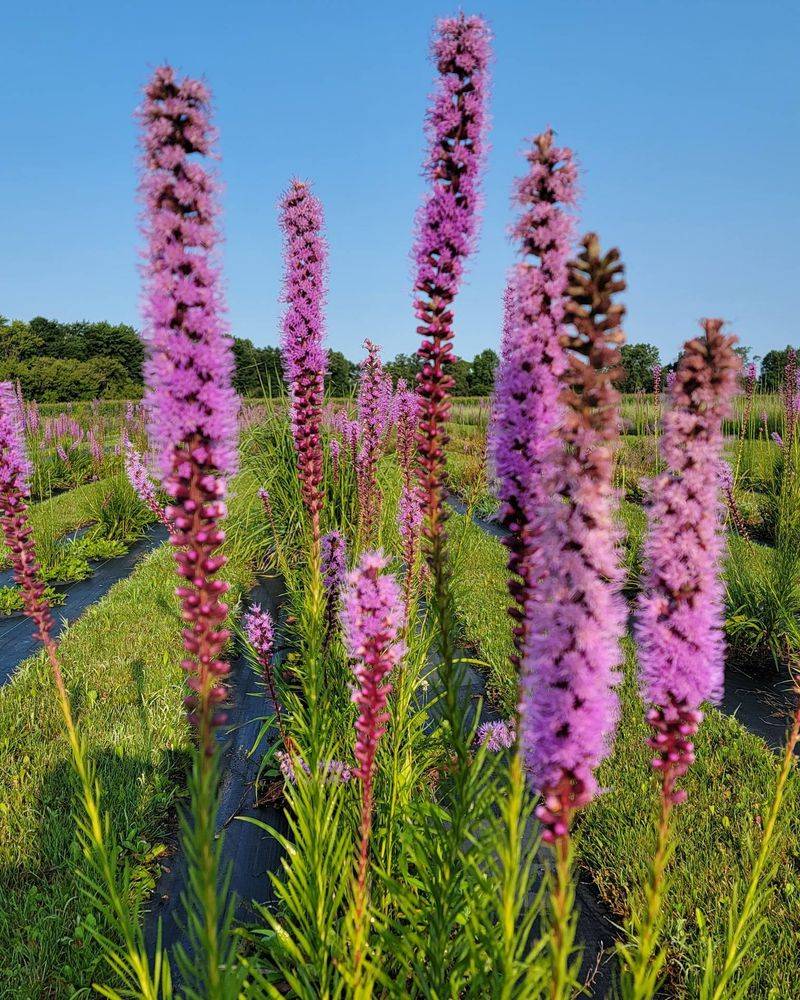
Liatris looks like a purple bottle brush in July and a fuzzy wand by September. Those tall spikes hold seed from the top downward, which feels backward but works.
Prairie blazing star belongs to Missouri prairies, though it settles happily into home flower beds. Each little floret leaves behind a slim seed topped with a feathery parachute.
Test ripeness by tugging gently at the fluff near the top of the spike. Ripe seed slides free easily, while green seed clings and refuses to budge.
Strip the whole spike downward into a bag, collecting fluff, seed, and bits of stem. Cleaning matters little here, since the entire mix can be scattered together outdoors.
Liatris seed wants cold treatment, so autumn sowing beats spring sowing almost every time. Corms take two or three years to bloom, which teaches patience in the meantime.
Monarch butterflies fuel up on these flowers during their long journey south each fall. Planting more blazing star turns your yard into a roadside diner for travelers.
Deer and voles enjoy the corms, so a few extra plants provide useful insurance. Seed costs nothing, which makes replacing nibbled clumps far less painful.
Store any leftovers in a labeled envelope inside a cool, dark closet until December. Fluffy seed takes up room, so squeeze the air out before sealing the container.
Cut spikes also dry beautifully for indoor arrangements once the seed has been removed. Waste nothing, and the prairie keeps paying you back in small purple installments.
6. New England Aster
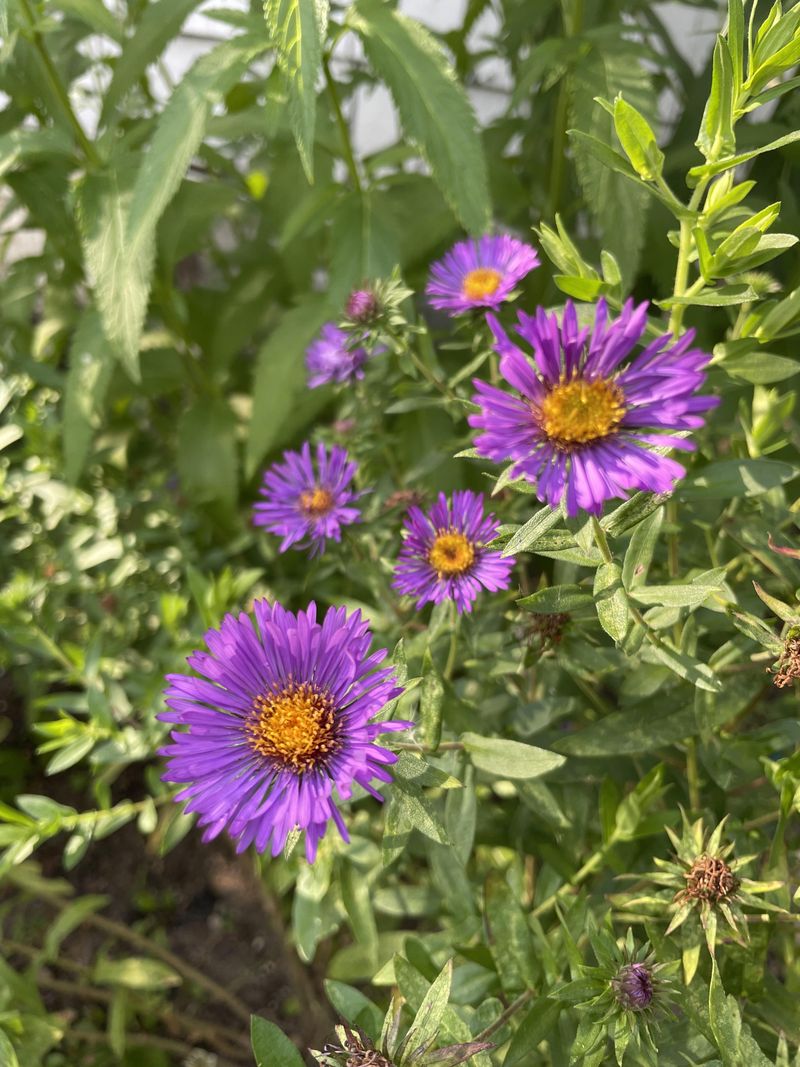
September belongs to asters, when everything else looks tired and these purple clouds start blooming. Seed arrives late, so collecting usually happens during chilly October mornings instead of September ones.
New England aster grows tall along Missouri ditches, fence lines, and generous perennial borders. Bees swarm the flowers during the exact weeks when other nectar sources disappear.
Watch for flower heads that turn into small fluffy tufts, similar to miniature dandelions. Pinch one gently; if fluff lifts away with seed attached, harvest time arrived.
Wind scatters this seed quickly, so check plants every few days once fluff appears. A breezy afternoon can empty an entire clump before dinner plates hit the table.
Clip the whole flower cluster and stuff it into a paper bag without cleaning. Rubbing everything between your palms later separates seed from fluff surprisingly well.
Aster seed stays viable roughly one year, so use it during the coming season. Older seed germinates poorly, which disappoints gardeners who forget envelopes in drawers.
Scatter seed on bare soil in late fall and skip covering it with anything. Freezing and thawing works the seed into the ground better than fingers can.
Cutting plants back by half in early June keeps them shorter and sturdier. Tall asters flop dramatically after heavy rain, taking neighboring plants down with them.
Frost usually arrives in Missouri between mid October and early November, depending on location. Check the forecast, grab a bag, and beat that first hard freeze.
7. Cardinal Flower
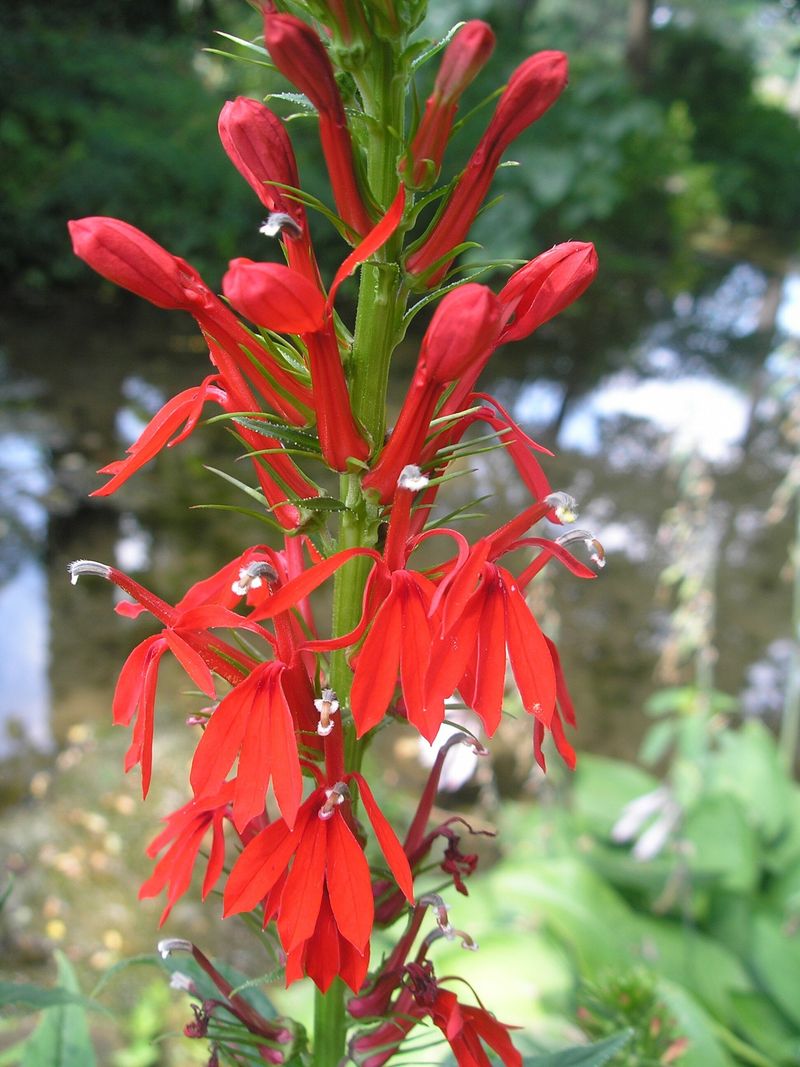
Nothing in a Missouri garden matches that red, the kind hummingbirds spot from far away. Lobelia cardinalis pays for itself in seed, producing thousands from a single stalk.
Seed capsules form along the flower spike from the bottom upward as summer ends. Each pod holds dust fine seed, so tiny that sneezing becomes a real hazard.
Wait until the capsules turn brown and split slightly at the top edge. Bend the stalk over a bowl and tap; a fine brown powder pours out.
Work indoors, away from fans and open windows, because this seed floats like pepper. One careless breath scatters a summer of flowers across the kitchen counter instead.
Cardinal flower likes damp ground, so rain gardens and creek edges suit it perfectly. Seedlings appear where water collects, often surprising gardeners who planted somewhere else.
Surface sowing matters enormously, since these seeds require light to sprout in spring. Press them onto moist soil and resist every instinct telling you to bury them.
Parent plants often fade after three years, making saved seed genuinely useful insurance. Young rosettes overwinter as flat green buttons, easily mistaken for weeds in March.
Store seed in a small envelope inside a film canister or tiny jar. Losing this harvest takes one gust of wind and about two careless seconds.
Ruby throated hummingbirds visit these blooms constantly while fattening up for migration south. Growing more cardinal flower means better views from the kitchen window next August.
8. Rattlesnake Master
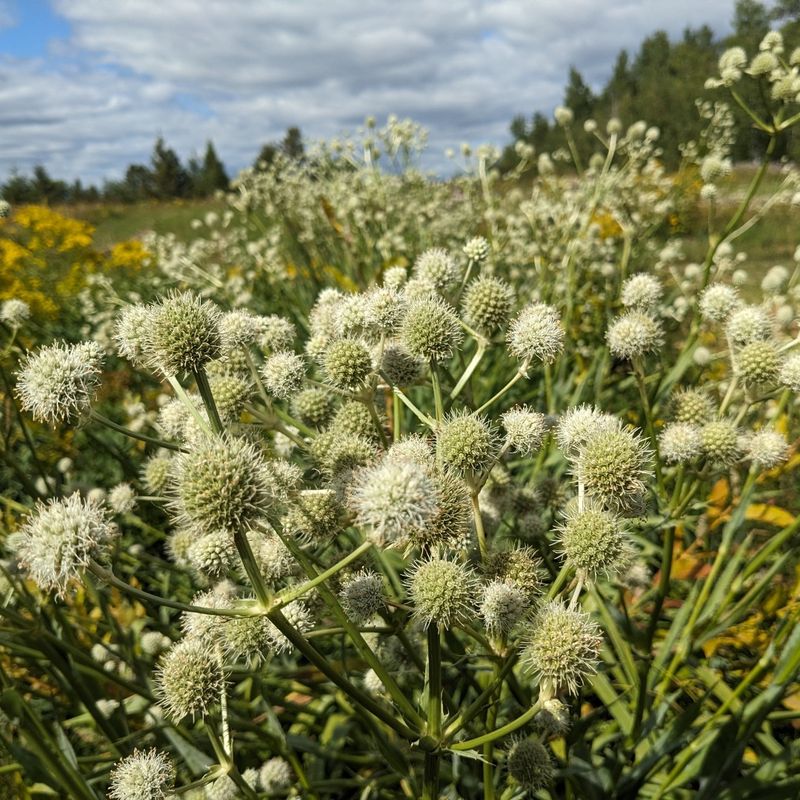
Looks can mislead: rattlesnake master resembles a yucca, but belongs with carrots and parsley. Golf ball sized flower globes dry into spiky spheres that hold plenty of seed.
Missouri prairies once held vast colonies, and pioneer botanists noted the plant everywhere. The odd name came from a folk belief about treating snakebite that never quite held up.
By September those globes turn brown, prickly, and firm enough to poke bare skin. Gloves stop being optional, since each tiny bract ends in a sharp point.
Clip the seed heads into a bucket, then rub them between gloved palms indoors. Seeds hide under scales and look like small tan grains mixed with sharp chaff.
Screening the mix through a coarse kitchen strainer removes the pokiest pieces very quickly. Perfect cleaning wastes time, though, because rough seed plants just as well anyway.
Cold, moist stratification for sixty days improves sprouting rates considerably in spring. Sowing outdoors in November lets ordinary Missouri weather handle the whole process unsupervised.
Deep roots make this plant tough during drought, heat, and terrible clay soil. Once established, a clump stands upright through storms that flatten far fussier neighbors.
Native bees, wasps, and soldier beetles cover the flowers throughout July and August. Few plants attract such odd, useful insect crowds in a small suburban yard.
Dried heads also last for months in vases, adding texture to winter arrangements. Collect extra, because everyone who sees them will ask where you bought them.