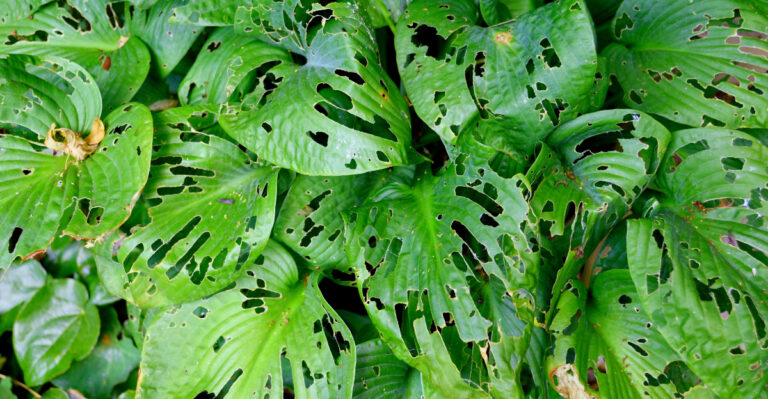
The Ground In Missouri Is About To Get Too Cold For Dahlia Tubers
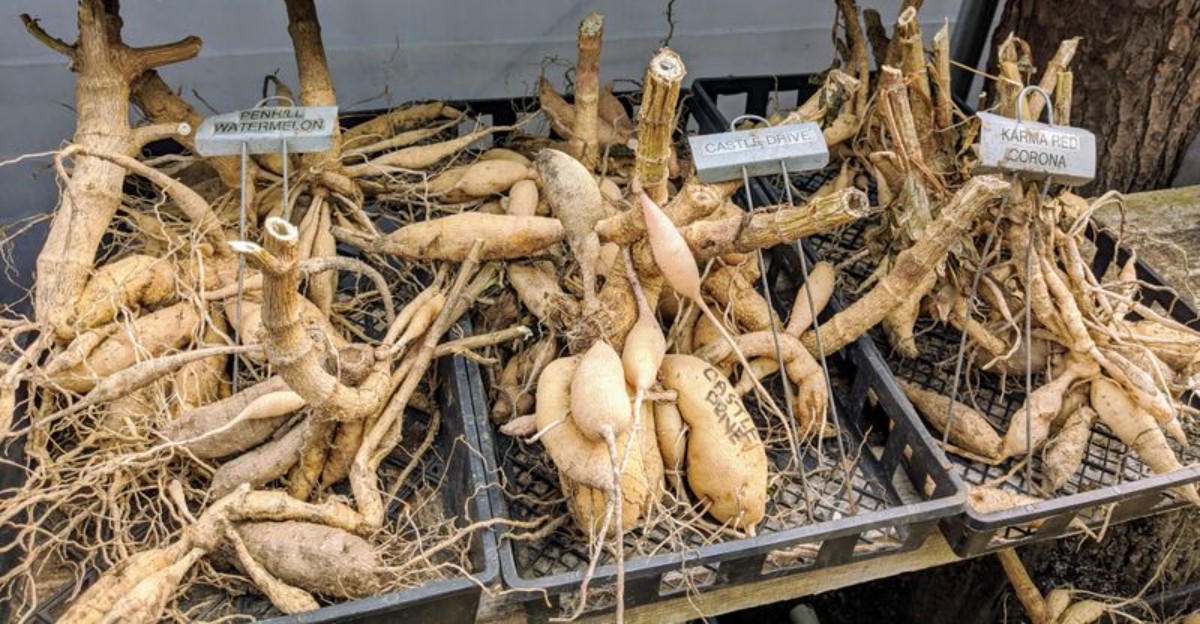
September in Missouri smells like warm dust, cut grass, and the first hint of woodsmoke drifting from somebody’s fire pit. The afternoons still feel like summer, but the mornings are starting to whisper something different.
Your garden has been showing off for months, flashing blooms the size of dinner plates in every shade of sunset. Neighbors slow their cars down just to stare and point.
Underneath all that color, though, a hidden treasure is sitting in the dirt, waiting for you to notice the calendar. It looks perfectly safe down there, right up until the weather turns on it.
When the soil turns cold and soggy, that treasure turns into a mushy mess you would not wish on anyone. A little planning now saves a lot of heartbreak next spring.
Your future self, sipping hot cider by that same smoky fire pit, will thank you with a very smug grin.
Tubers That Rot If Left In Missouri Soil Too Long
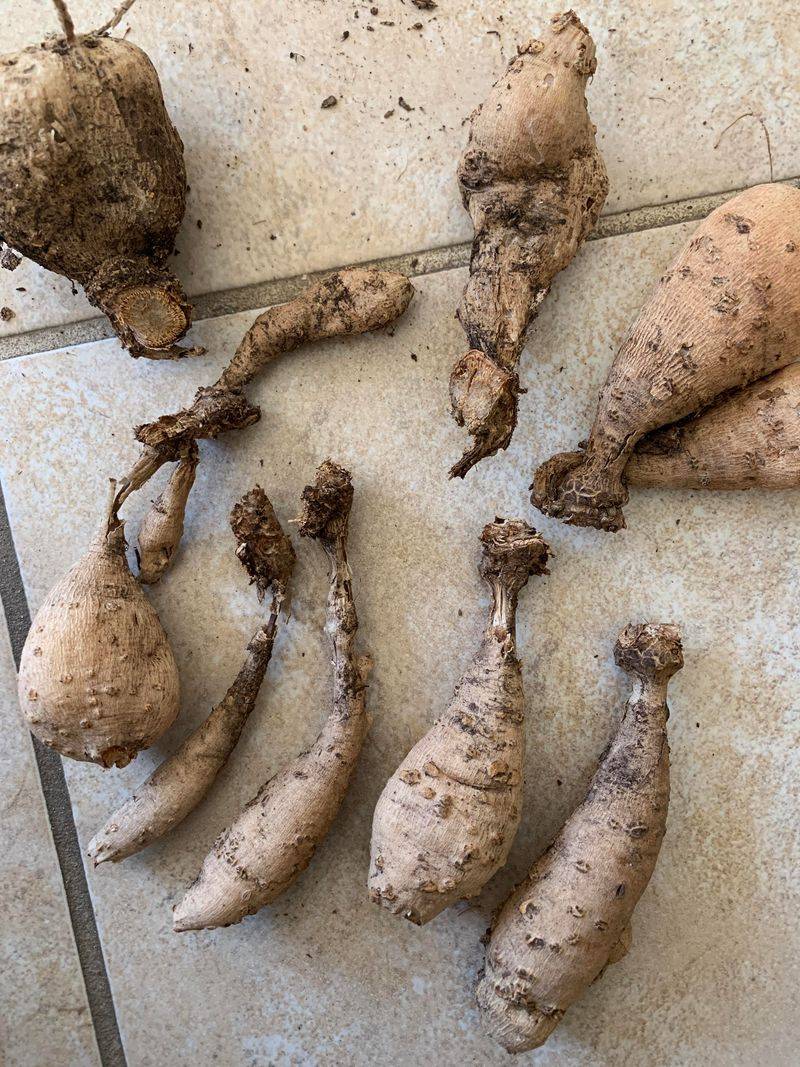
Picture digging in April and finding a clump of brown mush that smells like a forgotten lunchbox. That sad surprise happens to plenty of Missouri gardeners every single spring.
Dahlias come from the mountains of Mexico, where winters are mild and the ground rarely freezes solid. Their chunky tubers hold water like tiny balloons, which makes them easy targets for cold damage.
When soil temperatures drop below freezing, that water turns to ice and bursts the cells inside. Once thawed, the damaged tissue softens, turns dark, and starts to rot within weeks.
Rot also spreads from one bad tuber to its neighbors in the same clump. One mushy spot in January can turn a whole cluster into goo by March.
Missouri makes things trickier because our winters swing wildly between icy snaps and muddy thaws. Heavy clay soil holds onto that moisture, so tubers sit in a cold, soggy bath for months.
Most of the state sits in USDA zones 6a and 6b, where dahlias are not reliably hardy. Only the warm Bootheel region sometimes gets away with leaving them in the ground under thick mulch.
Even there, it is a gamble that can ruin a prized collection in one rough January. Digging up your tubers each fall is the safest bet for anyone who loves these flowers.
Plan to start once the first frost arrives, usually mid-October across much of Missouri. Keep an eye on the forecast now, because September is the perfect time to get ready.
Cutting Stems Down After The First Light Frost
Frost has a funny way of turning a gorgeous garden into a pile of wilted spinach overnight. As sad as it looks, that blackened foliage is your cue to grab the pruners.
Waiting for that first light frost matters more than you might think. During those final weeks, the plant sends energy down into its tubers, helping them mature and toughen up.
Mature tubers develop thicker skins that store much better through winter. Dig too early, and you may end up with thin-skinned tubers that shrivel by Christmas.
Your Missouri Garden Changes Every Week. Your Plan Should Too.
Gardening in Missouri changes quickly throughout the season. Every Friday you’ll receive a simple weekly plan showing exactly what to plant, prune, fertilize, harvest, and protect so you never miss the right timing.
In most of Missouri, that first frost shows up sometime between early and late October. Kansas City and northern counties usually see it first, while the Bootheel waits a bit longer.
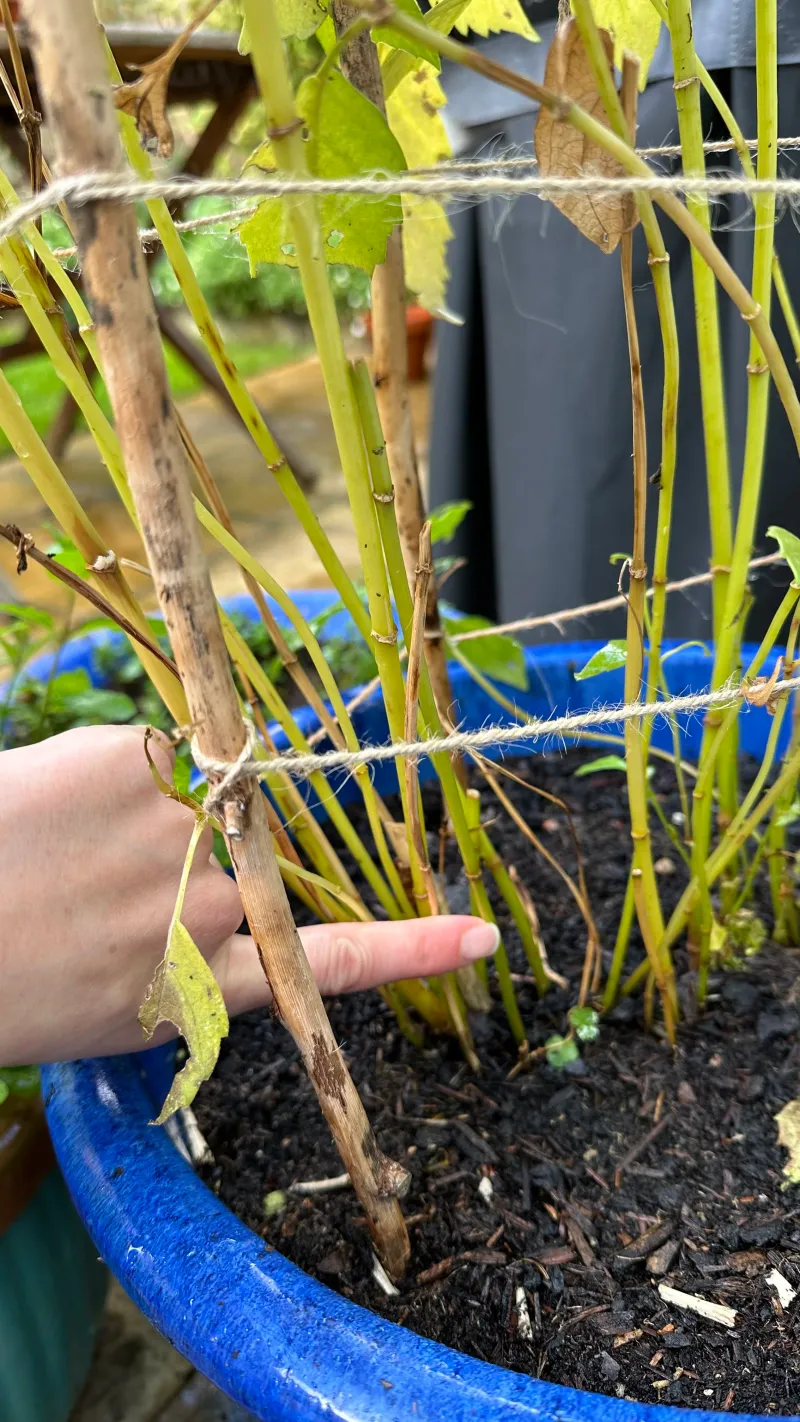
Once the leaves turn black and droopy, cut each stem down to about four to six inches tall. Leaving a short stub makes it easier to find and lift the clump later.
Here is a sneaky tip that many pros swear by for healthier tubers. After cutting, wait about one to two weeks before digging, so the skins can set even more.
Hollow stems can collect rainwater and funnel it straight down into the crown. Covering each cut stub with a bit of foil or tilting the cut at an angle helps keep water out.
Label each plant with a tag before you cut, because every stub looks alike once the flowers are gone. Future you will be grateful when spring planting rolls around.
Lifting Tubers Without Slicing Into Them
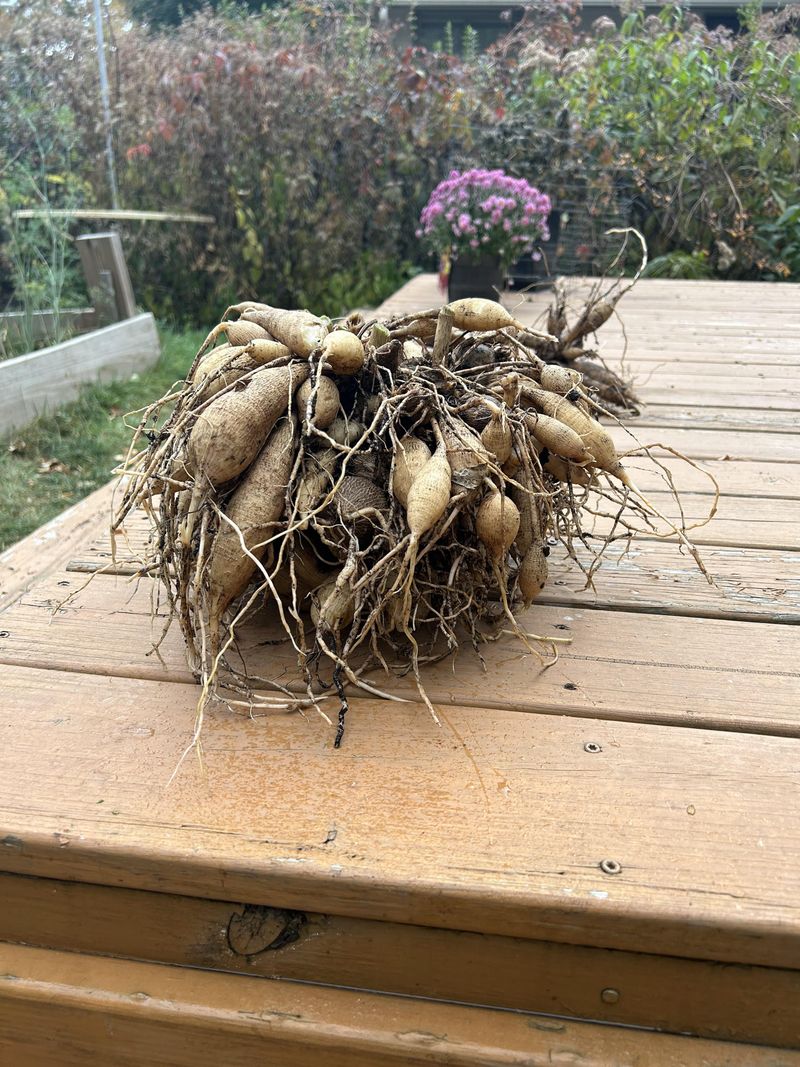
Think of this step as an archaeological dig, not a race to clear the garden bed. One careless jab with a shovel can split a tuber in half and ruin next year’s flowers.
A sturdy garden fork works far better than a spade for this delicate job. Its narrow tines slip between tubers instead of slicing through them like a knife through butter.
Start about twelve to eighteen inches away from the main stem and push the fork straight down. Gently rock it back and forth to loosen the soil all the way around the plant.
Dahlia clumps can spread wider than you expect, especially after a long, hot Missouri summer. Working in a wide circle keeps you clear of those sneaky outer tubers.
Once the soil feels loose, slide the fork underneath and lift the whole clump slowly. Resist the urge to yank on the stem, since the tuber necks snap surprisingly easily.
That thin neck connects each tuber to the crown, where next year’s growth buds live. A tuber with a snapped connection looks fine but won’t sprout in spring.
Missouri clay tends to cling in heavy, sticky clumps after a fall rain. Try digging on a dry day, then gently shake or hose off the extra dirt.
If you do nick a tuber, do not panic or toss it right away. Small cuts can heal during curing, though badly split pieces are best sent to the compost pile.
Curing Tubers For A Few Days Before Storage
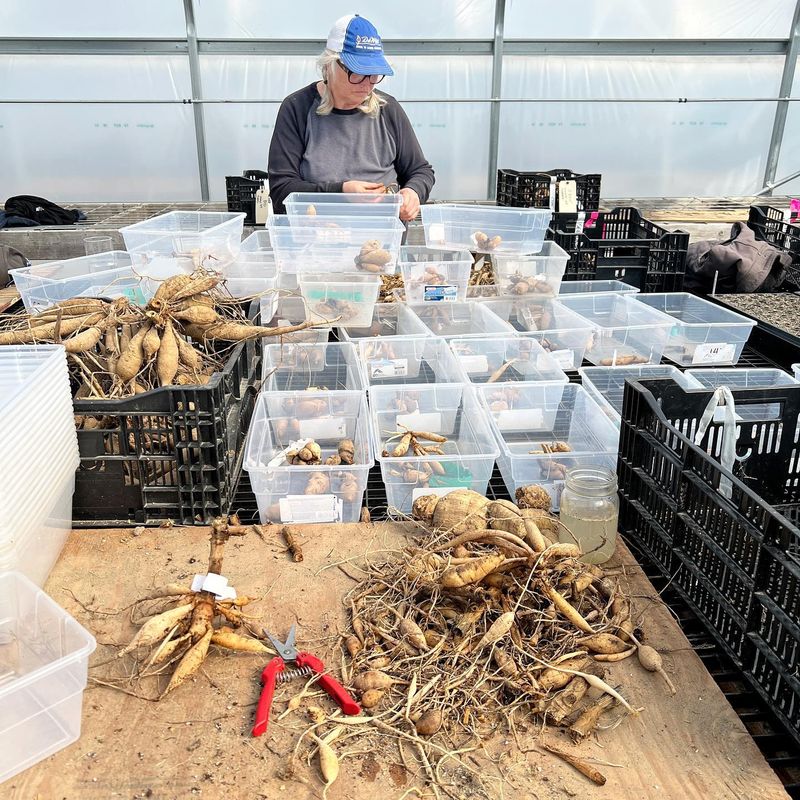
Ever notice how a fresh scrape heals better once it gets a little air? Freshly dug tubers work much the same way, which is why curing matters so much.
Curing simply means letting tubers dry and toughen before they go into storage. It gives small wounds time to seal over and helps the thin skin firm up against rot.
After rinsing off the soil, flip each clump upside down so water drains out of the hollow stems. Trapped moisture in the crown is one of the biggest causes of winter mold.
Find a shady, airy spot like a garage, covered porch, or shed with good airflow. Direct sunshine can overheat tender tubers, and a surprise rain will undo all your hard work.
Lay them out on newspaper, cardboard, or a wire rack for about three to seven days. Aim for temperatures between 50 and 70 degrees Fahrenheit while they rest and dry.
Missouri Octobers can flip from warm to frosty in a single afternoon, so watch the weather closely. Bring your curing tubers indoors if nighttime temperatures dip near freezing.
You will know they are ready when the skins feel dry and slightly leathery to the touch. Avoid letting them go too long, or they may start to wrinkle like old raisins.
Many growers divide their clumps during this stage because the tubers are still easy to cut. Just make sure every piece keeps at least one eye, or it will not grow.
Packing Material That Keeps Tubers From Drying Out
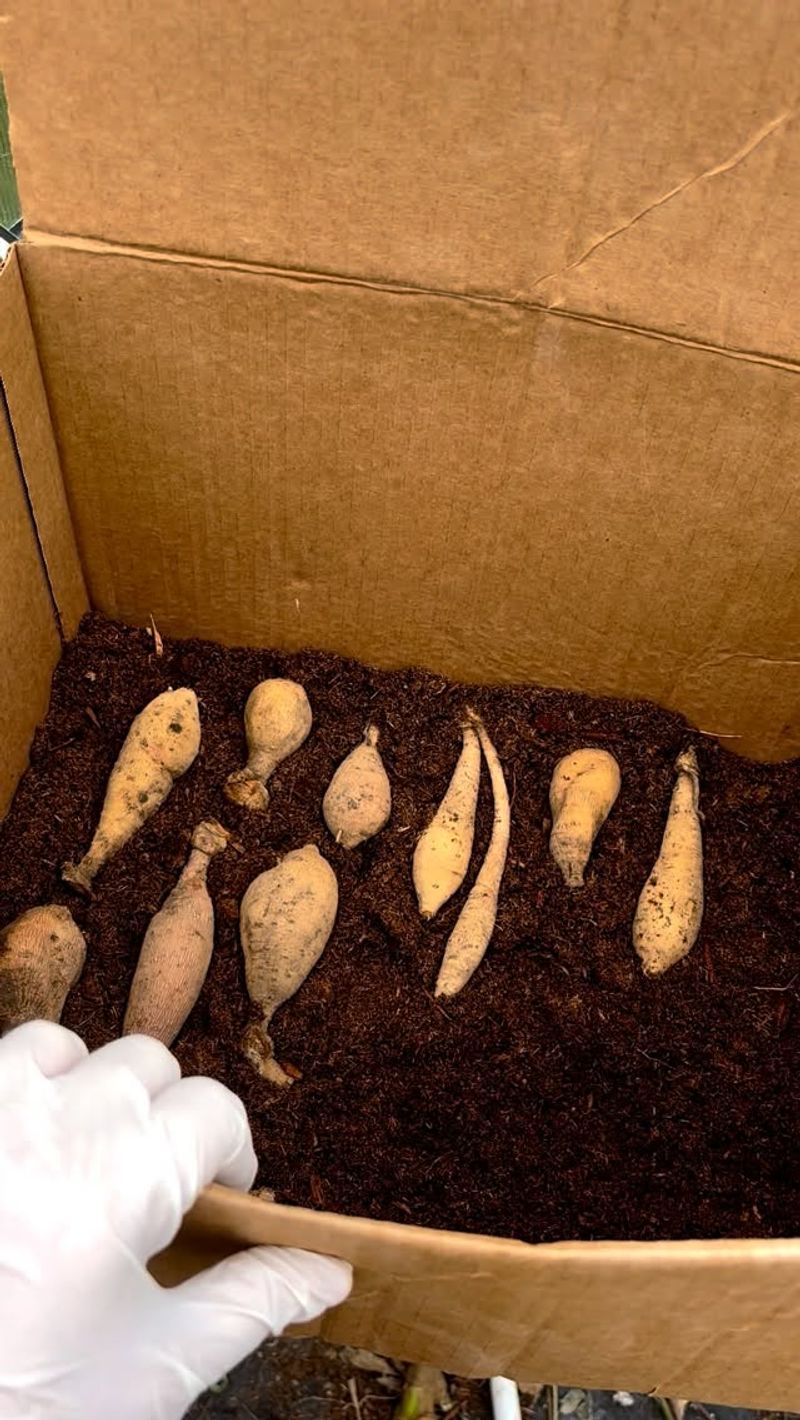
Stored tubers are a bit like Goldilocks, fussy about everything being just right. Too dry, and they shrivel into sad little husks, but too damp, and mold moves right in.
Packing material acts as a cozy blanket that holds in just enough moisture. Picking the right one depends on your storage space and what you have lying around.
Wood shavings, like the kind sold for pet bedding, are a favorite among Missouri growers. They are cheap, easy to find at farm stores, and breathe nicely.
Slightly damp peat moss or coco coir also works well for keeping tubers plump. Vermiculite is another solid option, especially if your basement tends to run dry.
Some gardeners skip loose materials and wrap each tuber in plastic cling wrap instead. It sounds odd, but this trick seals in moisture and keeps rot from spreading between tubers.
Whatever you choose, layer it in a plastic tote, cardboard box, or paper bag. Make sure tubers do not touch each other, so one bad apple cannot spoil the bunch.
Poke a few small holes in plastic bins to let stale air escape. Sealed containers can trap humidity and turn your careful packing job into a science experiment.
Check a few tubers once a month and adjust your packing as needed. Mist dry shavings lightly if tubers look shriveled, or add fresh material if things feel soggy.
Fun fact: some old-time gardeners stored tubers in buckets of dry sand. It still works today, though sand gets heavy fast if you have a big collection.
Storage Spots That Stay Cool Without Freezing
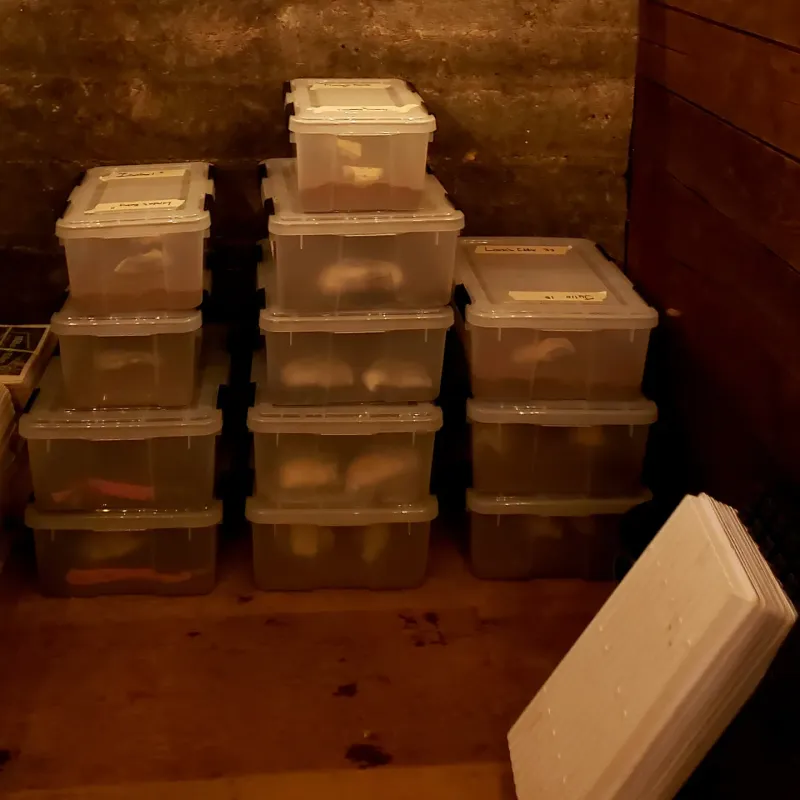
Grandma’s old root cellar, with its earthy smell and shelves of canned peaches, was the perfect place for winter tubers. Most of us lack a cellar today, but plenty of modern spots work just as well.
The sweet spot for dahlia storage sits between 40 and 50 degrees Fahrenheit. Colder than that risks freezing, while warmer temperatures can wake tubers up way too early.
Humidity matters too, and around 70 to 90 percent keeps tubers from shriveling. An unfinished basement often hits both targets without any extra fuss or fancy equipment.
Attached garages can work in Missouri, but they get risky during those bitter January cold snaps. Place boxes against the wall shared with the house, where a little warmth leaks through.
Crawl spaces, cool closets on an outside wall, and insulated sheds are other options worth trying. Just keep tubers up off bare concrete floors, which can get surprisingly frigid overnight.
A cheap digital thermometer with a humidity reading takes the guesswork out of choosing a spot. Set it up in September and track the numbers for a couple of weeks.
Stay away from spots near furnaces, water heaters, dryers, or heating vents. These warm pockets dry tubers out fast and can trick them into sprouting in the middle of winter.
Some growers even tuck small batches into an old fridge set to its warmest setting. Keep fruit like apples out, since they release a gas that can spoil stored tubers.