The Pennsylvania Garden Habit That Protects Heavy Blooms From Thunderstorms
Pennsylvania thunderstorms have a way of arriving with very little warning and leaving a lot of damage behind.
Most gardeners focus on what the wind and rain do to structures, fences, and trees, and by the time they think about the garden itself, the storm has already passed and the heavy blooms they worked all season to grow are face down in the mud.
It doesn’t have to happen that way. There’s a simple and underused garden habit that Pennsylvania gardeners with the most resilient flower gardens practice consistently, and it has everything to do with how they manage their plants before storm season rather than after.
The plants that come through thunderstorms looking relatively unscathed are almost always the ones that were prepared for it, not just the ones that got lucky.
Heavy blooms on tall stems are particularly vulnerable, and certain plants almost always need attention before a serious storm if they’re going to hold up through it.
Here’s the garden habit that protects heavy blooms from Pennsylvania thunderstorms and how to make it part of your regular routine.
Staking And Supporting Tall, Heavy Blooms Before Storms
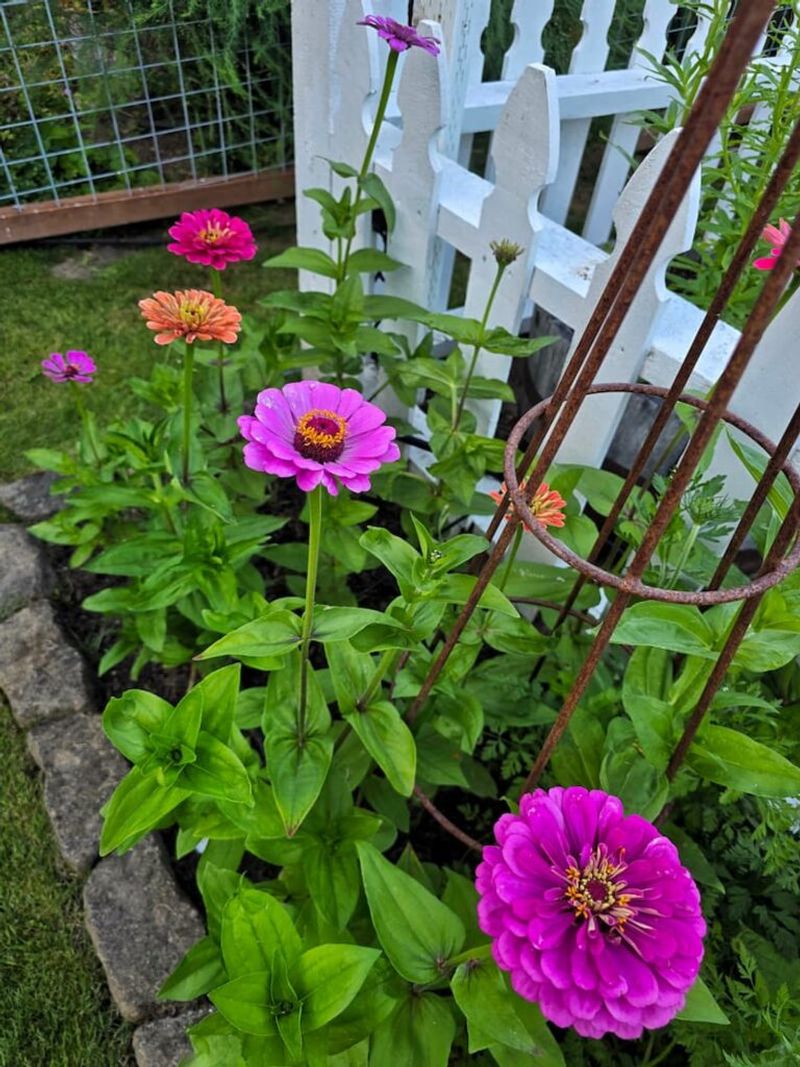
Most gardeners learn this lesson the hard way. You walk outside after a summer thunderstorm and find your prize delphiniums flat on the ground, stems bent and blooms buried in mud.
Staking and supporting tall or top-heavy flowering plants before storms arrive is the single most effective habit you can build in a Pennsylvania garden.
Pennsylvania summer thunderstorms are no joke. They can bring powerful wind gusts and heavy, driving rain that put serious stress on flower stems.
A plant that looked perfectly healthy and upright in the morning can be completely flattened by afternoon. Penn State Extension recommends installing stakes and supports for tall perennials before they ever begin to lean or break.
Early support is far more effective than trying to rescue a flattened plant after the fact. Once a stem bends sharply or snaps near the base, it rarely recovers fully.
Propping up a collapsed plant is frustrating and often pointless. Getting ahead of the problem by a few weeks saves you time, effort, and the disappointment of losing weeks worth of color just as your garden hits its peak.
Start by walking your garden beds in late spring or early summer. Look for plants that grew tall last year or any new additions that are known to get leggy.
Mark them and plan your support strategy before growth gets out of hand. A small investment of time early in the season pays off big when storm season arrives.
Supporting your blooms before trouble hits is not just smart gardening. It is the kind of habit that separates a garden that survives summer from one that truly thrives through it.
Why Heavy Rain Makes Large Flowers More Vulnerable
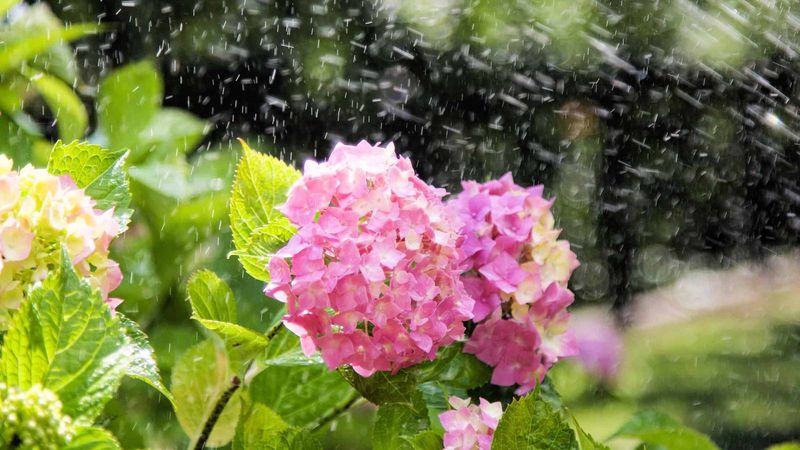
Picture a big, beautiful dahlia bloom after an inch of rainfall. The petals cup upward and catch water like a tiny bowl.
Your Pennsylvania Garden Changes Every Week. Your Plan Should Too.
Gardening in Pennsylvania changes quickly throughout the season. Every Friday you’ll receive a simple weekly plan showing exactly what to plant, prune, fertilize, harvest, and protect so you never miss the right timing.
That collected water adds real weight to an already heavy flower head sitting on top of a tall, narrow stem. Large blooms and flower clusters are basically designed, by accident, to become heavier the moment rain starts falling.
Wind makes the situation worse. Plants with broad foliage or wide flower heads act almost like sails in a strong gust.
The stem bends under the combined pressure of water weight and wind force. Plants that stand perfectly upright in calm, dry weather can suddenly lean hard, snap near the base, or collapse entirely during a thunderstorm.
You might not even notice until the storm passes and the damage is already done.
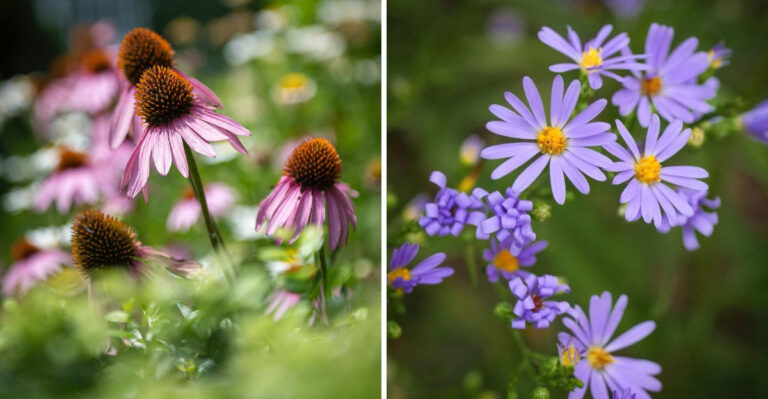
Flower clusters on plants like tall asters or phlox are especially tricky. Each individual bloom might be small, but dozens of them packed together on one stem create a surprisingly heavy load.
Add rain and wind and you have a recipe for a leaning, sprawling mess that smothers neighboring plants and creates conditions where fungal problems can develop.
Supports help by keeping stems upright and reducing the sideways movement caused by wind. A staked plant still sways a little, which is actually healthy for stem strength.
But it does not lean far enough to collapse or snap. Understanding why heavy rain makes your largest flowers so vulnerable helps you make smarter decisions about which plants need support and how sturdy that support needs to be before the next big storm rolls through your Pennsylvania yard.
Which Pennsylvania Garden Flowers Benefit Most
Not every flower in your garden needs a stake. Short, compact plants like marigolds or petunias do just fine on their own.
The plants that really need your attention are the tall, narrow-stemmed, or top-heavy flowering varieties that reach serious heights by midsummer.
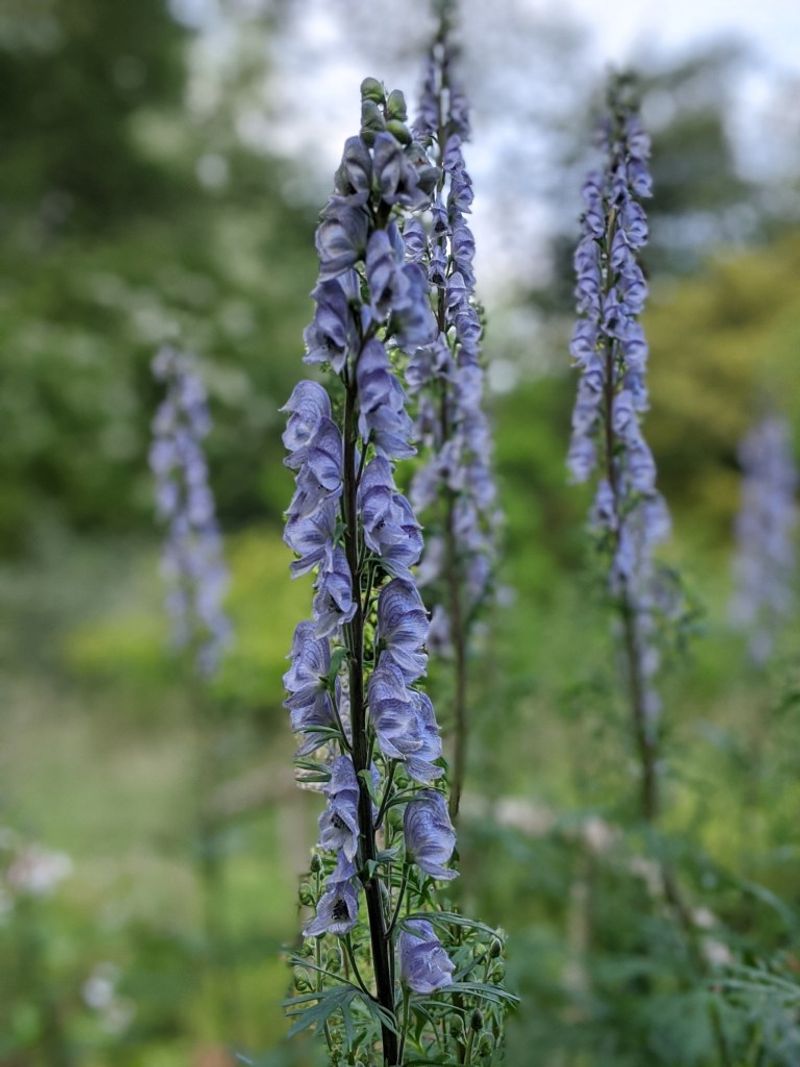
Delphiniums are the classic example. Their tall flower spikes can shoot up four to six feet or more, and those spikes are packed with blooms that catch wind and rain with ease.
Gladiolus have a similar problem. Their sword-like leaves and tall flower stalks make them surprisingly easy to knock sideways.
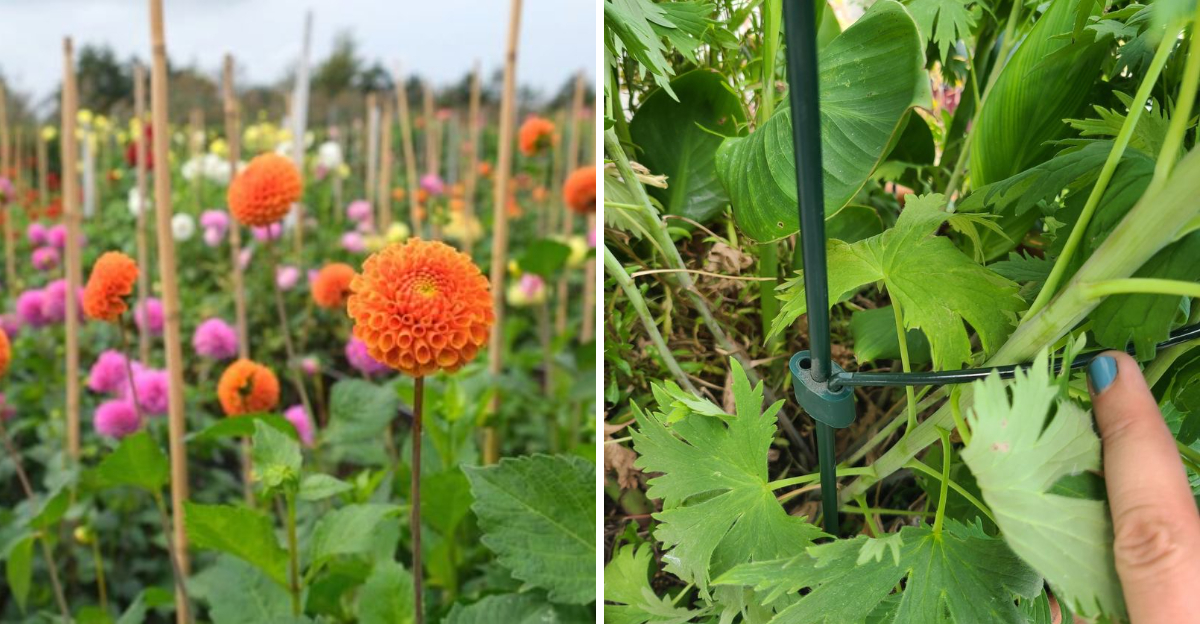
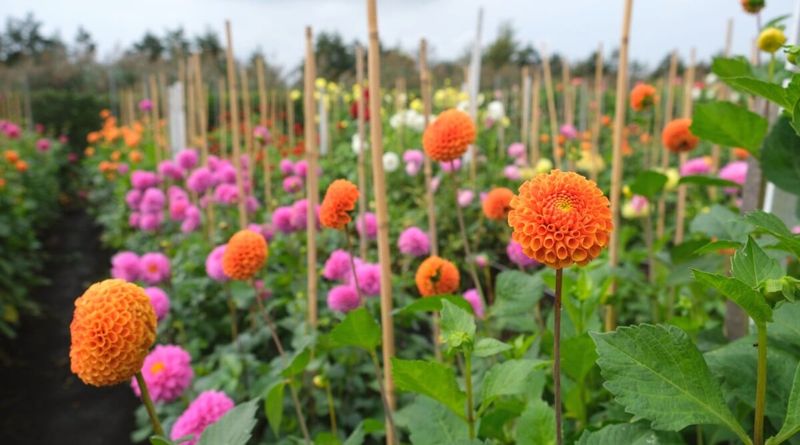
Dahlias, especially the dinner-plate varieties with enormous blooms, are among the most vulnerable plants in any Pennsylvania garden.
Tall sunflowers grown in open, exposed spots can also benefit from a sturdy stake, particularly in their first season when root systems are still developing.
Late-blooming plants deserve special attention too. Tall asters, ironweed, and Joe-Pye weed are native perennials that grow quite large by late summer, right when Pennsylvania thunderstorm season is still active.
They may look tough, and many of them are, but a particularly strong storm can still flatten them if they are growing in an open spot without any wind protection nearby.
Plants tucked against a fence, a shrub border, or the side of a building naturally get some protection from wind. Plants growing in the middle of an open bed or on a slope with no windbreak are the ones that need the most help.
Focus your staking efforts on exposed, tall, top-heavy plants and you will cover the situations where storm damage is most likely to happen.
Match The Support To The Shape Of The Plant
One stake does not fit all plants. Using the wrong type of support can actually cause more harm than good.
A single bamboo stake jammed next to a clumping plant with twenty stems does almost nothing useful. Matching your support to the shape and growth habit of each plant is what makes staking actually work.
For plants with one dominant upright stem, like a gladiolus or a tall delphinium spike, a single stake placed close to the stem and secured with a soft tie is the right call. The stake should be tall enough to support at least two-thirds of the plant’s mature height.
Bamboo, wood, fiberglass, and metal stakes all work well when sized correctly for the plant they are supporting.
Clumping plants with multiple stems need a different approach. Wire rings, round grow-through supports, or tomato-cage-style supports work much better for peonies, tall asters, or bushy dahlias.
These supports let stems grow up through or around the structure, which keeps the whole plant upright without crushing any individual stem. Position the support while the plant is still short so foliage grows up naturally and hides most of the hardware.
Always secure stems loosely. A tie that is too tight can cut into a stem as it grows thicker, which weakens the plant instead of protecting it.
Use soft garden twine, foam-coated wire, or fabric plant ties rather than anything rigid or rough. Check ties every few weeks during the growing season and loosen them if they start to look tight.
A little attention to fit and placement goes a long way toward keeping your heaviest blooms standing tall when storms arrive.
Put Supports In Place Before Plants Start Flopping
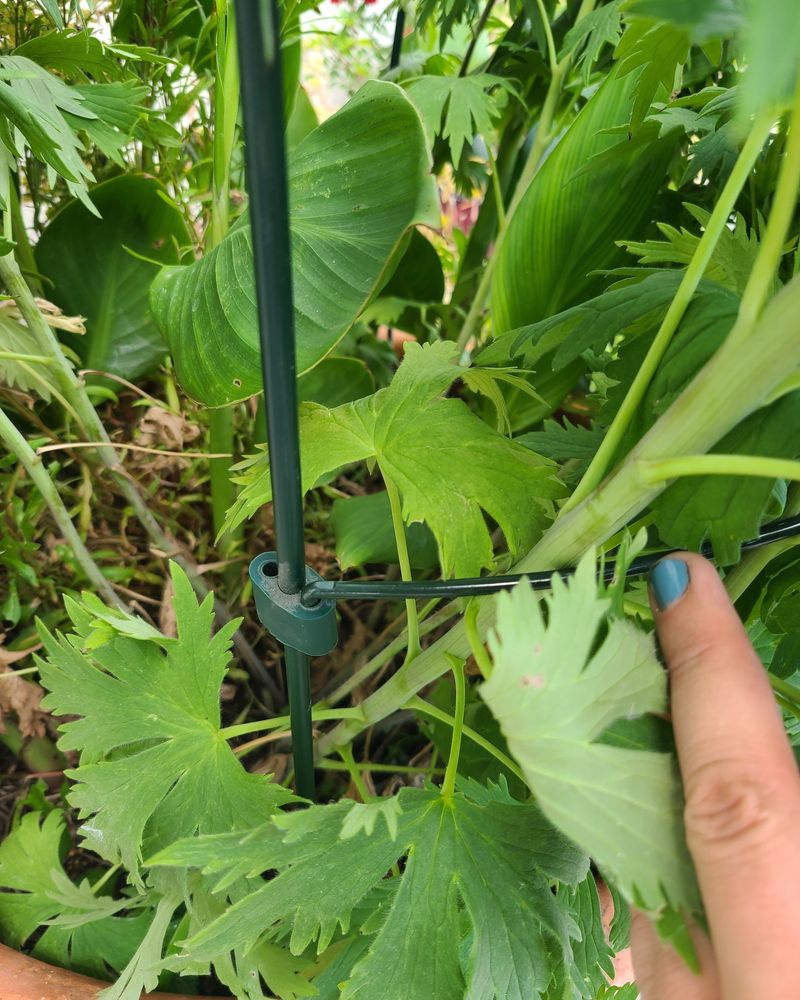
Timing is everything when it comes to staking. Most gardeners wait too long. By the time a plant starts leaning or flopping, it is already harder to work with, and repositioning bent stems without snapping them takes patience and a little luck.
The best time to put supports in place is while plants are still upright, actively growing, and nowhere near their full height.
Early staking has a bonus that late staking never gets. When you install a grow-through ring or cage while a plant is still short, the foliage grows up and around the support naturally.
Within a few weeks, the hardware becomes almost invisible beneath a full canopy of leaves and blooms. Late-season staking, on the other hand, always looks a bit awkward. Bare stakes stick out, ties are obvious, and the plant never quite looks as natural.
A good rule of thumb is to install supports when plants reach about one-third of their expected mature height. For most tall summer bloomers in Pennsylvania, that means getting supports in place sometime in May or early June.
Mark your calendar if it helps. Make it a habit to walk your beds on the first weekend of May and assess which plants will need support before the season gets rolling.
Check tall plants every couple of weeks throughout summer. Some plants put on surprising growth after a rainy stretch and become top-heavy faster than expected.
Adding a second tie or a taller stake mid-season is much easier than starting from scratch after a storm.
This preventative habit becomes especially valuable as late-summer flowers like dahlias and asters reach their full, glorious height right when storm season is still very much active in Pennsylvania.
Check Stakes And Stems After Every Strong Storm
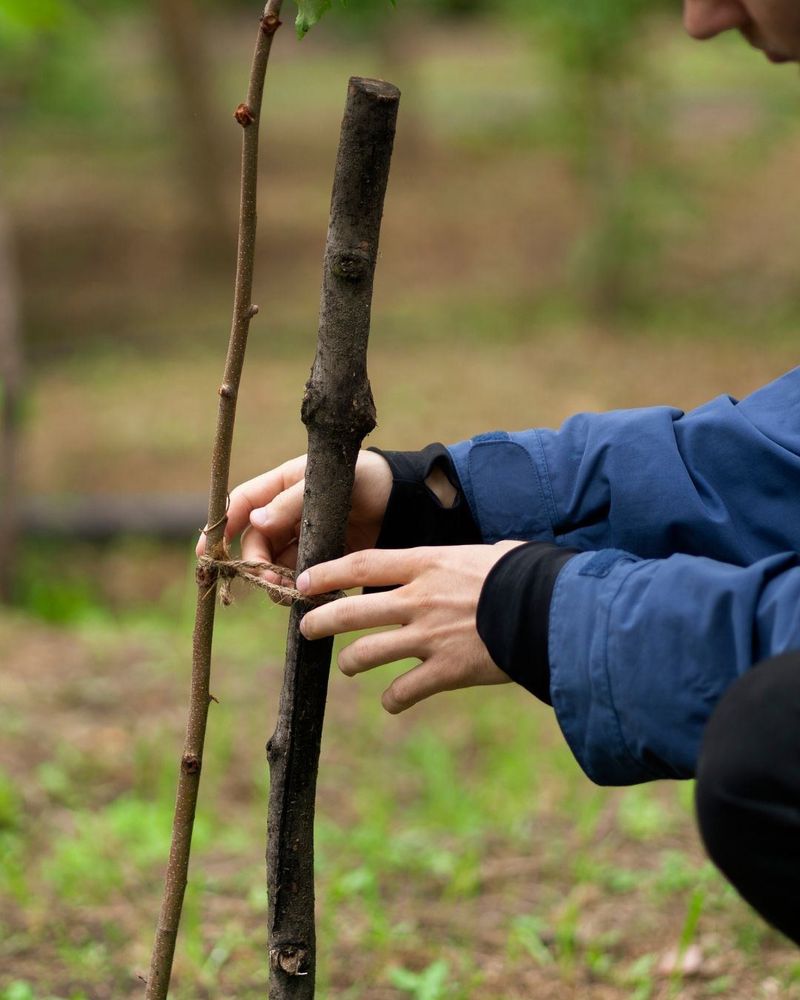
After a big Pennsylvania thunderstorm passes and the sky clears, head straight out to your garden. Do not wait until the next day.
Catching problems early, while stems are still fresh and pliable, gives you the best chance of saving plants that shifted during the storm.
Waiting even a few hours can mean the difference between a stem that bounces back and one that sets in a bent position permanently.
Start by checking whether stakes, ties, cages, or rings moved during the storm. Wind can work stakes loose from the soil, especially in sandy or recently watered ground.
A stake that tilted ten degrees is not doing its job anymore. Push it back upright and firm the soil around the base.
If a tie slipped or loosened, reposition it gently before the stem has a chance to set at an angle.
Gently reposition any stems that are leaning but still intact. Support the stem with one hand while you adjust the tie with the other.
Do not force a stem that is already kinked sharply. Forcing a stressed stem can finish the job the storm started.
If a stem is badly broken near the base, it is better to remove it cleanly rather than try to prop it back up. Removing it also keeps the plant’s energy focused on healthy stems and remaining blooms.
Replace any ties that look worn, stretched, or damaged after the storm. If more storms are in the forecast, add extra support before the next one hits.
Supporting heavy blooms before severe weather can help preserve weeks of late-summer color. That is the real payoff of this habit: more flowers, less heartbreak, and a garden that keeps looking great no matter what the Pennsylvania sky throws at it.