How To Refresh Arizona Garden Beds Before The Fall Planting Window
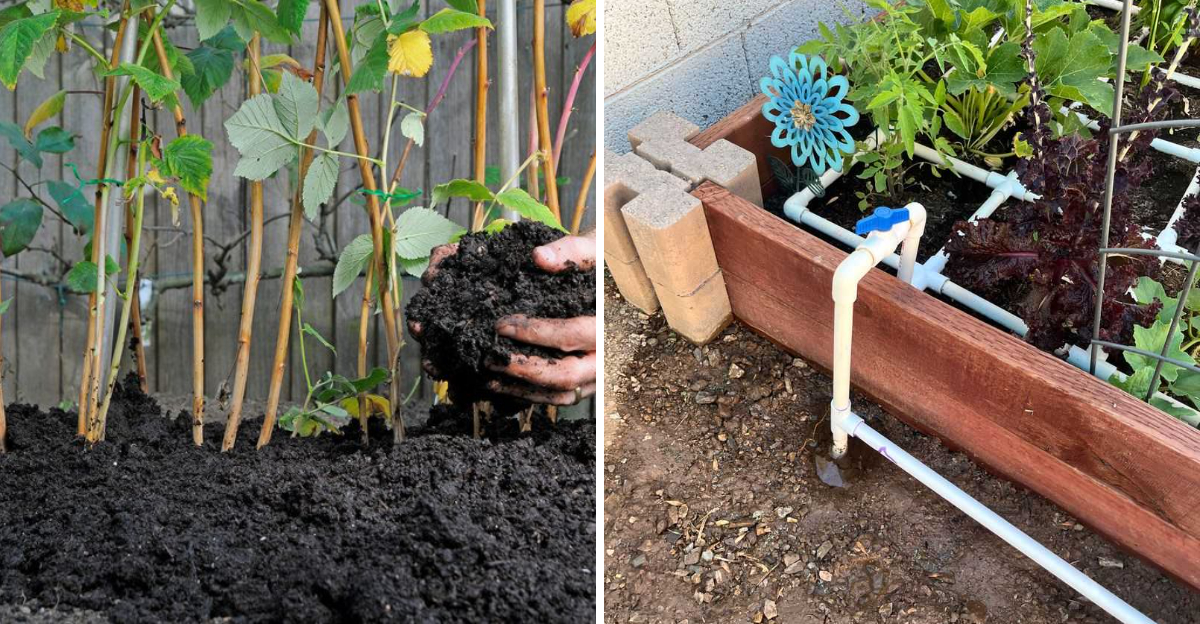
By late August, an Arizona garden bed can look like it survived a desert argument.
The surface turns hard. Weed stems lean over the edges. Monsoon rain may have carved channels through one corner while another patch still refuses to absorb water.
Then the fall seed packets appear.
That is when impatience gets expensive.
Cool-season crops need more than an empty rectangle of soil. They need roots that can move, water that reaches the right depth, and a bed no longer loaded with summer’s leftovers.
So what deserves attention before the first fall row goes in?
Not every bed needs a total rebuild. A few smart checks can reveal where compost belongs, where the soil needs a looser structure, and where one stubborn drip emitter could ruin an entire seed line.
Arizona’s August garden calendar already puts bed preparation on the list.
Use the next reset wisely.
The goal is not perfect soil. It is a bed ready to leave summer survival behind and support fall before cooler nights arrive.
1. Pull Summer Weeds Before They Set Seed
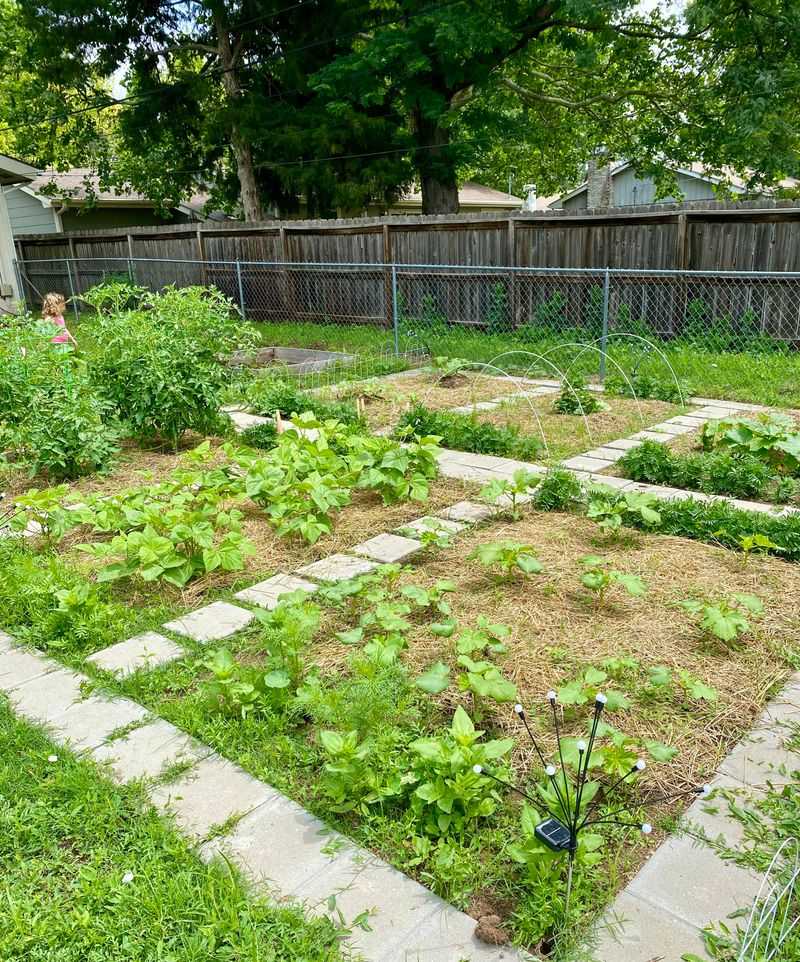
A summer weed does not need to look impressive to create next season’s headache.
Pull it before seed matures.
August weeds often loosen more easily after monsoon moisture softens the bed. Wait until the soil feels damp and crumbly rather than sticky.
Roots come free with less effort, and you avoid a wet bed that becomes a compacted mess.
Pay extra attention to Bermuda grass, nutsedge, spurge, pigweed, and puncturevine around bed edges. Perennial weeds can return from underground parts, while annual weeds only need one successful seed crop to extend the problem.
Sort the debris as you work.
Young weeds with no seed heads and no obvious disease can go into a well-managed compost system. Mature seed heads deserve more caution because a cool backyard pile may not destroy every viable seed.
Arizona compost guidance notes that proper compost conditions matter for weed-seed control.
Do not shake mature seed heads over the bed on the way to the trash.
Use a bucket, bag, or tarp so the cleanup does not sow next year’s weed crop.
Then scan the corners again.
Monsoon water can move seed and debris into low spots where tiny weeds hide under larger plants.
The fall crop should not have to compete with summer leftovers for water.
Get the freeloaders out before the lettuce arrives, and make eviction the easiest garden job of August.
2. Clear Spent Crops From Fall Beds
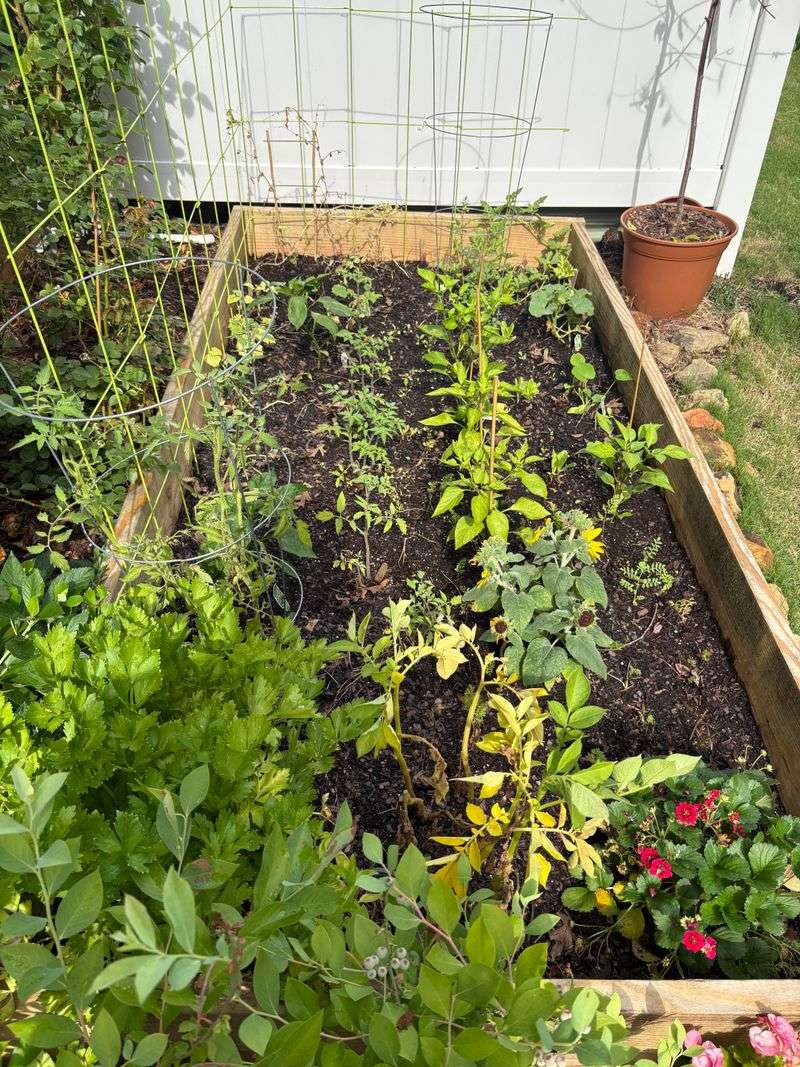
That exhausted tomato vine has already given the bed enough drama.
Remove spent summer crops before the fall reset starts.
Cut or pull old vegetables once production has clearly finished. Shake loose garden soil back into the bed, then move healthy stems and leaves to compost.
Plant material with serious disease symptoms or heavy pest damage deserves separate disposal under local guidance rather than a casual trip into a cool pile.
Look at the roots before they disappear.
Swollen, knotted roots can point to root-knot nematodes, while blackened or badly decayed tissue can reveal other root trouble.
Your Arizona Garden Changes Every Week. Your Plan Should Too.
Gardening in Arizona changes quickly throughout the season. Every Friday you’ll receive a simple weekly plan showing exactly what to plant, prune, fertilize, harvest, and protect so you never miss the right timing.
A strange root system is useful information for the next crop choice, even when you cannot solve the whole problem that afternoon.
Keep crop families in mind too.
A different fall crop can reduce repeated pressure from pests or diseases tied closely to one plant family, though rotation alone does not erase every soil problem.
Once the bed is empty, rake away dropped fruit, old ties, labels, and thick mats of leaf debris.
Then move straight into soil preparation rather than leave the surface exposed for weeks.
Arizona’s August garden guidance already calls for fall-bed preparation now, so cleanup and amendment work belong on the same weekend.
Summer plants had their turn.
Clear the stage, read the root clues, and give the next crop a bed that does not still look like tomato season forgot to move out.
3. Add Aged Compost Before Planting
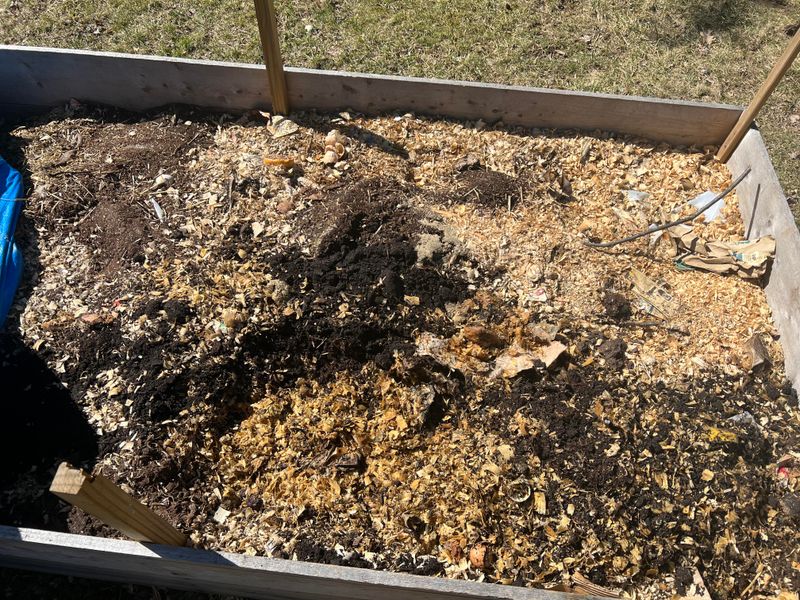
Dark, finished compost earns its place before the first fall seed row.
Arizona garden soils often run low in organic matter, and compost can improve structure, water-holding capacity, drainage, and aeration. Aged material also gives a tired raised bed a much more workable texture after months of heat and irrigation.
Use finished compost, not half-decayed kitchen scraps.
The material should look fairly uniform, smell earthy, and crumble easily. Large recognizable food scraps tell you decomposition still has more work left.
For a bed that truly needs organic matter, a layer around two to three inches deep is a common baseline.
Work it into the root zone while the soil is dry to slightly moist, never muddy. Arizona vegetable guidance places organic matter in the upper soil before the next crop.
Do not automatically add the same heavy layer every season.
Raised beds can build plenty of organic matter over time, and compost also contributes nutrients and salts. Past amendments count. A soil test or a good record of what went into the bed can stop enthusiasm before excess takes over.
Level the surface after the mix is complete.
Then water deeply enough to settle the bed and help move accumulated salts downward where drainage allows.
Compost is not magic dust.
It is more like a reset button with a shovel handle.
Use enough to improve the bed, not enough to turn every fall crop into a resident of the compost pile itself.
4. Work In Composted Steer Manure
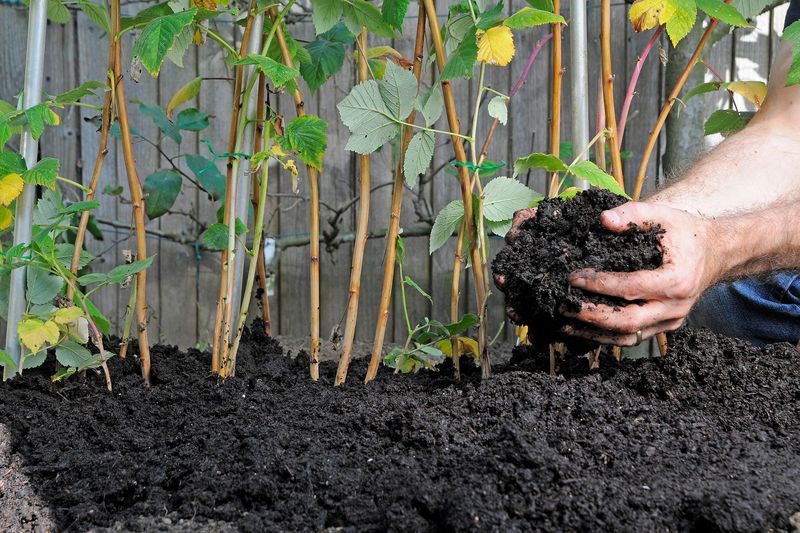
That bag of composted steer manure can help a fall bed, but it does not deserve automatic admission.
Arizona’s August guidance lists aged compost and composted steer manure as options for fall-bed preparation.
The important word is composted. Fresh manure can carry pathogens, weed seeds, excess salts, and far more uncertainty than a bed full of young vegetables needs.
Salinity deserves special attention in desert gardens.
Manure and composted manure can contain soluble salts, and repeated heavy use can raise soil salinity enough to reduce germination or stunt sensitive crops.
Recent Arizona guidance also notes that some manure can carry persistent herbicide residues from treated feed.
Buy from a source that can tell you what the product contains.
A mature, well-composted material should smell earthy rather than sharp with ammonia. Use a modest amount and blend it through the bed rather than leave a concentrated pocket beneath future roots.
Skip the idea that manure and compost must always go in together.
A bed that already received plenty of compost may need little or no manure. Soil history, crop needs, and salinity matter more than a recipe copied from another climate.
Raw manure is especially poor timing right before a fall vegetable crop.
Save that experiment for another plan.
Your bed needs a nutrient boost, not a salt lick with tomatoes attached.
Treat composted manure as an optional amendment, not the cover charge for every Arizona fall garden.
5. Break Surface Compaction While Soil Is Workable
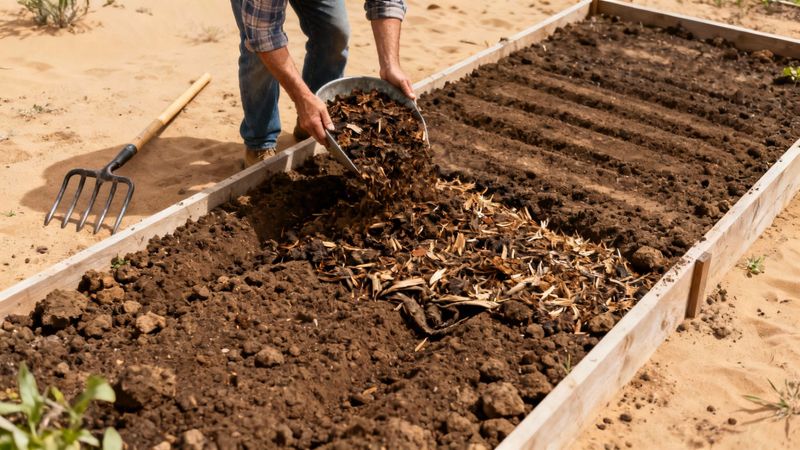
A crusted bed can make a fall seedling work far too hard for the first inch of root space.
Loosen the soil only after it reaches the right moisture level.
Grab a handful from several inches down. Soil that smears into a sticky ribbon is still too wet. Soil that breaks into crumbs under light pressure is much safer to work.
Use a garden fork, broadfork, or shovel where compaction is real.
Push into the root zone and loosen only hardened sections. Keep the rest of the bed intact. Arizona guidance warns against soil work while the ground is wet because pressure and tools can damage structure instead of improve it.
Focus on the places that tell on themselves.
Hard pathways beside a raised bed, spots reached by feet, and areas that shed irrigation water may have more compaction than the untouched center. Water flow itself can also move fine particles and create dense layers over time.
Do not confuse every hard patch with caliche.
Caliche is a separate calcium-carbonate layer and may require a different approach. A fork can fix ordinary surface compaction. It cannot politely persuade a hard caliche layer to disappear.
Add compost after the worst crust is open, then rake the bed level.
The goal is not fluffy soil from top to bottom.
Roots need pores for air and water, not a sandbox.
Give the bed enough structure to breathe again, and let the fall crop do the rest of the excavation with its own roots.
6. Check Drainage After Monsoon Rain
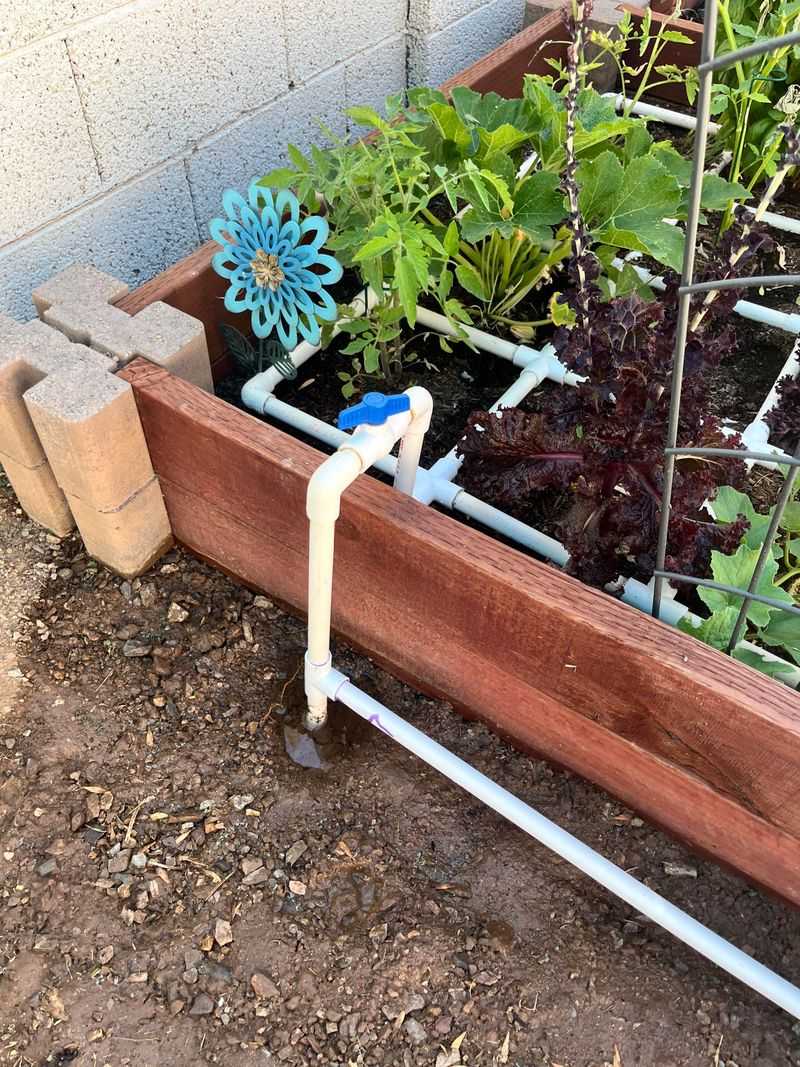
Monsoon rain gives you a free drainage test, so use the evidence before the bed dries and the problem becomes invisible.
Start with the low spots.
A brief puddle during a hard storm does not automatically mean failure. Water that lingers for a long stretch, a sour smell, or soil that stays saturated while nearby beds drain deserves a closer look.
Compaction can slow both air and water movement.
Arizona guidance notes that many soils drain a test hole within about thirty minutes to two hours, though clay-rich soil may take longer. Caliche close to the surface can create a more serious barrier because roots and water struggle to pass through it.
Raised beds can still develop trouble.
A settled mix, clogged outlet, compacted native soil beneath the bed, or runoff from nearby hardscape can all change where monsoon water goes.
Do not solve every wet spot with a random layer of gravel.
Start with the actual cause. Loosen compacted soil after it dries to a workable state, add suitable organic matter, correct low spots, and redirect roof or patio runoff that dumps directly into the bed.
Then test again with irrigation before seeds go in.
Watch where water enters, where it travels, and where it disappears.
A fall bed needs moisture, not a temporary desert pond.
Let the monsoon expose the weak spot now, while the repair is still easier than a later rescue of waterlogged seedlings.
7. Repair Drip Lines Before Seeds Go In
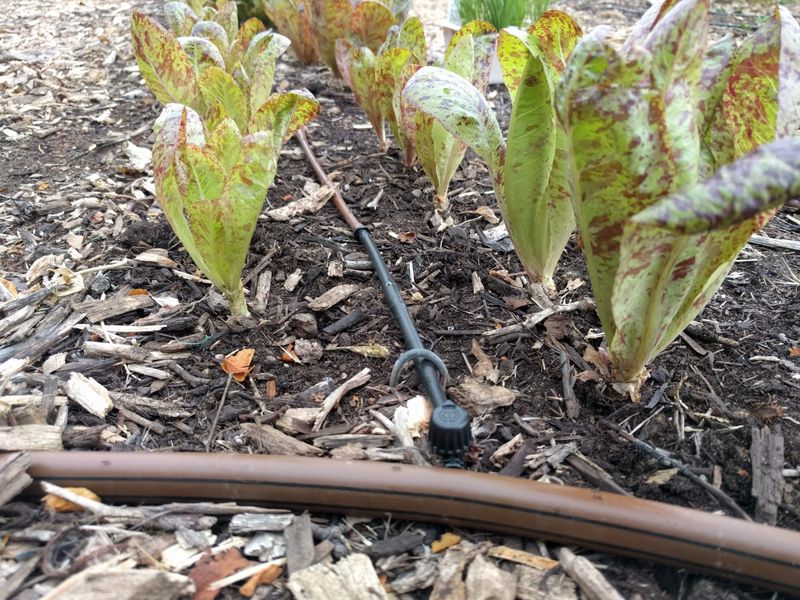
One clogged emitter can create a mystery that looks like bad seed.
Run the drip system before you plant anything.
Start at the filter. Clean it, then flush the lines according to the system design and manufacturer directions.
Small particles can block emitter openings, and Arizona drip guidance recommends clean filters, periodic system flushes, and regular visual checks of lines and emitters.
Walk the entire bed while water runs.
Look for one emitter that barely drips, another that gushes, a cracked tube, or a connection that sends water outside the future root zone. Replace damaged parts now rather than after seedlings appear.
Check the wet pattern too.
Fall seed rows need moisture where the seed actually sits. An emitter six inches away may serve an established tomato root system but miss a shallow row of carrots or lettuce.
Move or add emitters where the layout changed.
Keep plants with similar water needs on compatible zones when your system allows it. Drip works best when the schedule and hardware match what the bed now holds, not what grew there in June.
Write down the repair before you forget it.
A quick sketch helps next season when tubing disappears under mulch.
The seed packet gets blamed for plenty of empty rows.
Sometimes the real culprit is a tiny plastic emitter with a mineral chip in its throat.
Give the irrigation system its test run before the vegetables have to file the complaint.
8. Reset Irrigation For The Fall Garden
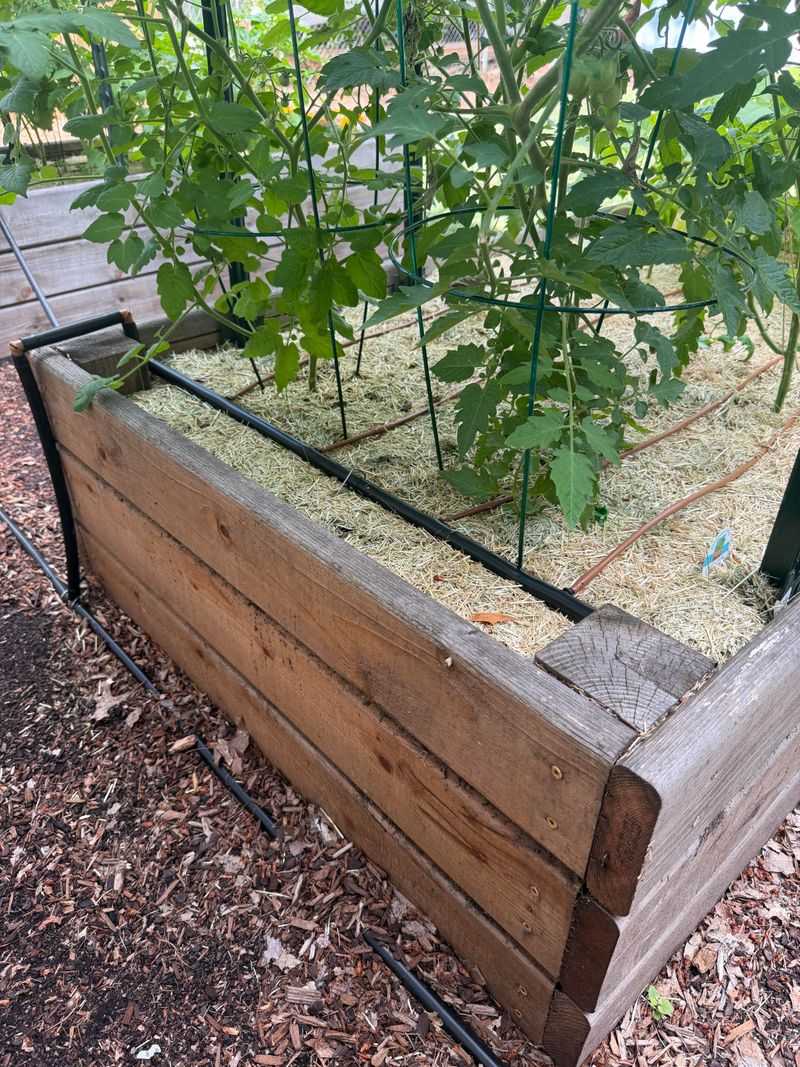
The timer that carried tomatoes through brutal summer heat should not coast into fall unchanged.
Reset irrigation around the new crop and the new weather.
Arizona’s August garden guidance specifically calls for irrigation adjustments based on local monsoon intensity. Broader drip guidance also ties schedules to plant water needs, weather, season, and soil texture.
Start with the soil, not the clock.
Freshly sown beds need the upper seed zone kept evenly moist enough for germination. That can require shorter, more frequent water cycles than an established crop with deeper roots.
Change the pattern after seedlings settle in.
Longer, less frequent irrigation can wet a deeper root zone and encourage roots to use more of the bed. The exact interval depends on crop, soil, bed depth, heat, wind, and recent rain.
Use the controller’s rain-delay feature after a useful monsoon storm.
Do not water automatically on top of a bed that still holds plenty of moisture. Arizona guidance specifically calls for irrigation changes after local monsoon rain.
Higher-elevation gardens need a different reset from Tucson, Phoenix, or Yuma. Cooler nights and earlier frost reduce plant demand sooner, while low-desert beds can stay active much later into fall.
Check the soil by hand through the transition rather than trust August settings by habit.
The controller cannot feel September arrive.
You can.
Give the timer a new job description before the fall garden starts, so summer survival mode does not swamp the next season.