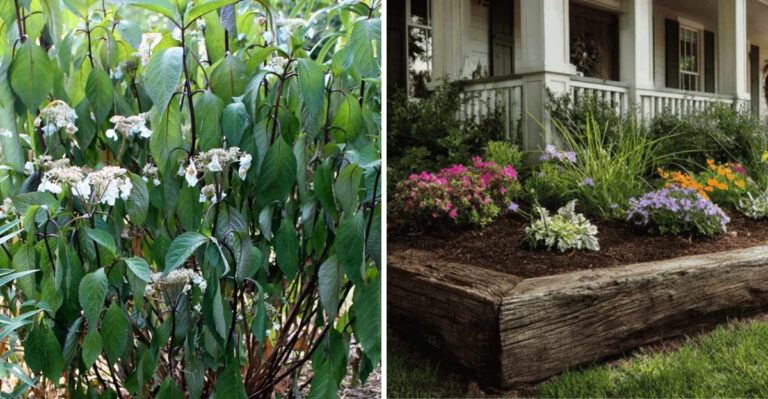
The Meaning Behind Seeing Butterflies On Your Texas Porch This August
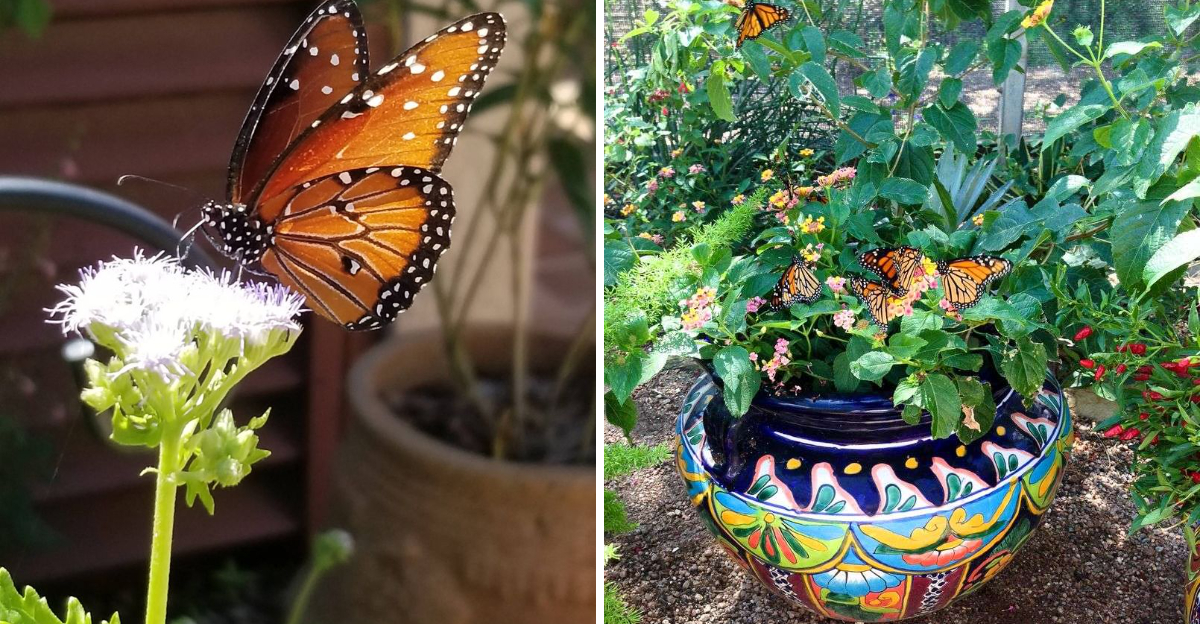
Something magical happens on Texas porches in August, and it has wings.
If you have been noticing more butterflies fluttering around your outdoor space lately, stopping on the railing, hovering near the potted plants, or drifting lazily past while you are trying to drink your morning coffee in peace, you are in very good company.
Late summer across the state brings a combination of warm temperatures, blooming plants, and outdoor conditions that make porches and patios genuinely buzzing with wildlife activity. And here is the fun part: none of it is random.
The reasons butterflies show up in these spots are rooted in biology and ecology, and once you understand what is actually pulling them in, every visit starts feeling a lot more interesting than it already did.
Spoiler: your porch might be doing more right than you realize.
1. Late-Summer Flowers May Be Bringing Butterflies Closer To Your Porch
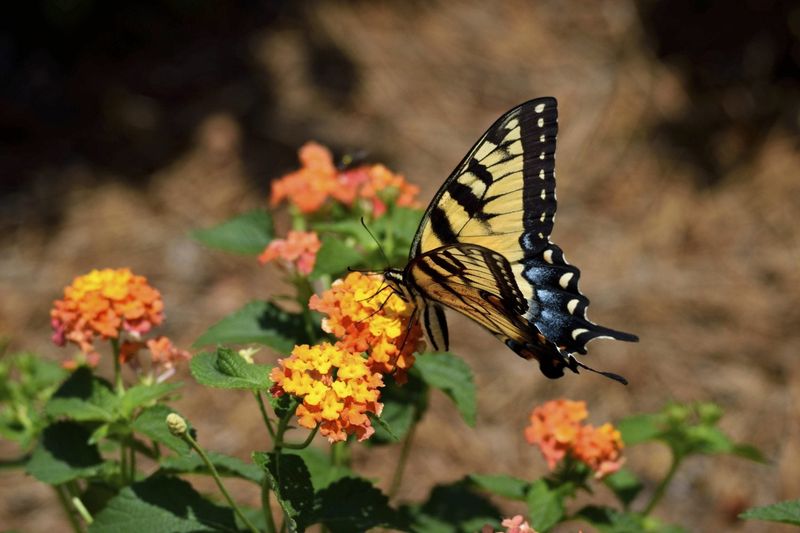
Blooming plants near a porch can be one of the most straightforward reasons adult butterflies show up in that space during August.
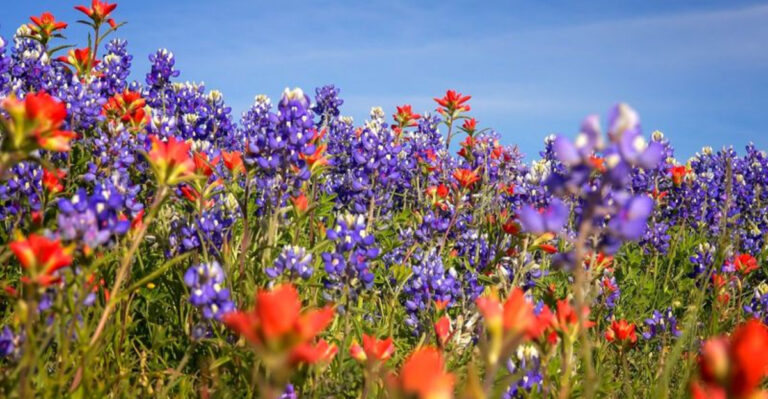
Many late-summer flowering plants reach their peak nectar production during the hottest weeks of the year, and in Texas, that often means a yard full of lantana, salvia, zinnias, and native wildflowers drawing in winged visitors from the surrounding landscape.
Adult butterflies feed on nectar as their primary energy source, using a long, coiled mouthpart called a proboscis to reach the liquid inside flowers.
When nectar-rich plants are blooming near a porch, adult butterflies searching for food may naturally move through that space.
That said, butterfly activity depends on far more than flowers alone. Species present in your region, current weather conditions, and the broader landscape all play a role in whether or not butterflies show up on any given day.
In Central and South Texas especially, August heat can be intense, but many tough native and adapted plants continue blooming through it. If your porch is surrounded by flowering plants that hold up in the heat, the likelihood of butterfly visits may increase.
Choosing plants that bloom across a long season can provide more consistent feeding opportunities for the butterflies moving through your neighborhood.
2. Your Porch Containers May Be Acting As A Small Nectar Stop
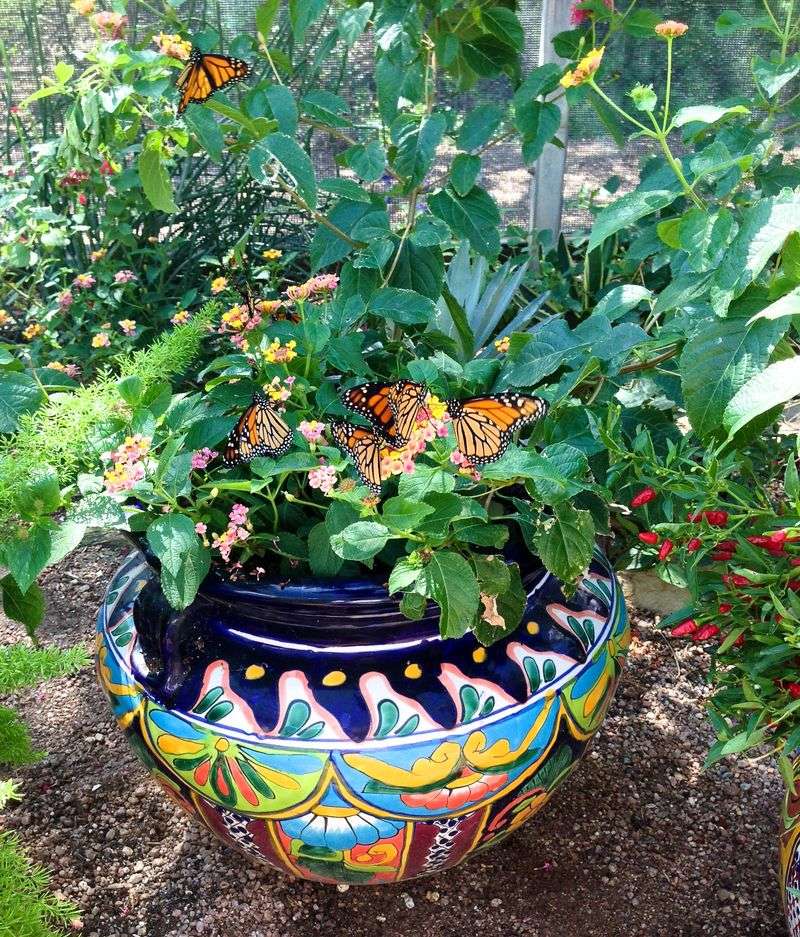
Container gardens on a porch can do more than add color to your outdoor space.
When they include flowering plants that produce accessible nectar, those containers may occasionally function as a small refueling spot for adult butterflies passing through your yard.
Even a single pot of blooming pentas, lantana, or Mexican sunflower placed near a porch railing can attract a visiting butterfly under the right conditions.
Flower form matters quite a bit when it comes to butterfly accessibility. Butterflies tend to visit flat-topped or tubular flowers where nectar is relatively easy to reach.
Dense, double-flowered varieties that have been bred primarily for appearance often produce less nectar or have blooms that are harder for butterflies to use.
Opting for open-faced, single-bloom varieties in your containers may make a noticeable difference in how often butterflies stop to visit.
Your Texas Garden Changes Every Week. Your Plan Should Too.
Gardening in Texas changes quickly throughout the season. Every Friday you’ll receive a simple weekly plan showing exactly what to plant, prune, fertilize, harvest, and protect so you never miss the right timing.
Placement can also influence results. Containers that receive good sunlight, sit near other flowering plants, and are not too exposed to strong afternoon winds may see more butterfly activity than isolated pots in shaded corners.
Porch containers alone are unlikely to create complete butterfly habitat, but as part of a broader planting that includes nearby flower beds and shrubs, they can contribute meaningfully to the resources adult butterflies find in your yard during August in Texas.
3. Nearby Host Plants May Be Supporting A Butterfly Life Cycle
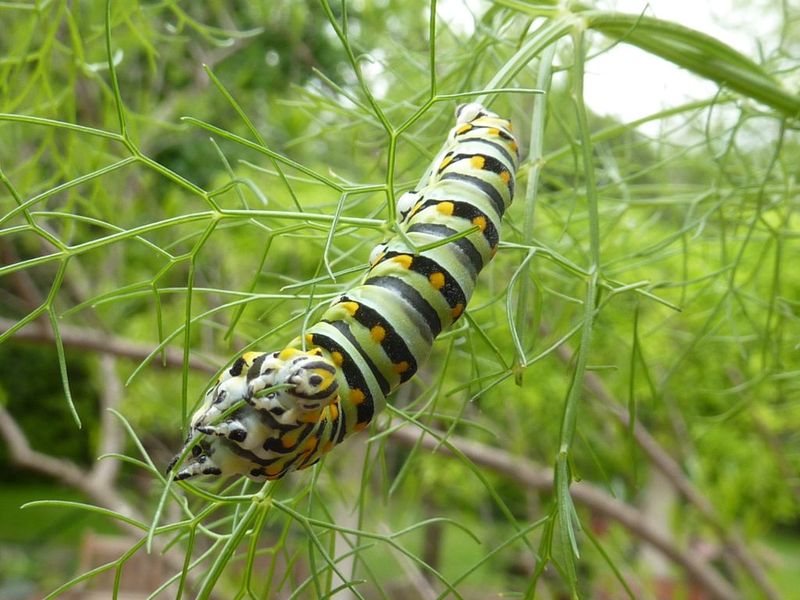
Not every butterfly you see near your porch is there for the flowers. Some may be searching for host plants, which are specific plant species that female butterflies use to lay their eggs and that caterpillars rely on for food.
Unlike nectar plants, which serve adult butterflies, host plants support the earlier stages of the butterfly life cycle and are often a different type of plant entirely.
Many butterfly species have fairly specific host plant relationships. Gulf fritillaries, for example, are closely associated with passionvine, while black swallowtails often use plants in the carrot family, including fennel, parsley, and dill.
If any of these plants grow near your porch, repeated butterfly activity in that area may sometimes be connected to egg-laying behavior rather than nectar feeding.
Noticing a butterfly hovering low over foliage or repeatedly landing on leaves rather than flowers can sometimes suggest this kind of activity.
Seeing an adult butterfly near your porch does not confirm that caterpillars are present or that host plants are nearby.
However, if you are already growing plants like milkweed, spicebush, or native grasses in your Texas landscape, those plants could be supporting butterfly activity that extends closer to your outdoor living space.
Incorporating verified native host plants into your yard is one of the more impactful ways to support local butterfly populations through multiple stages of their development.
4. Damp Spots May Be Offering Moisture And Minerals
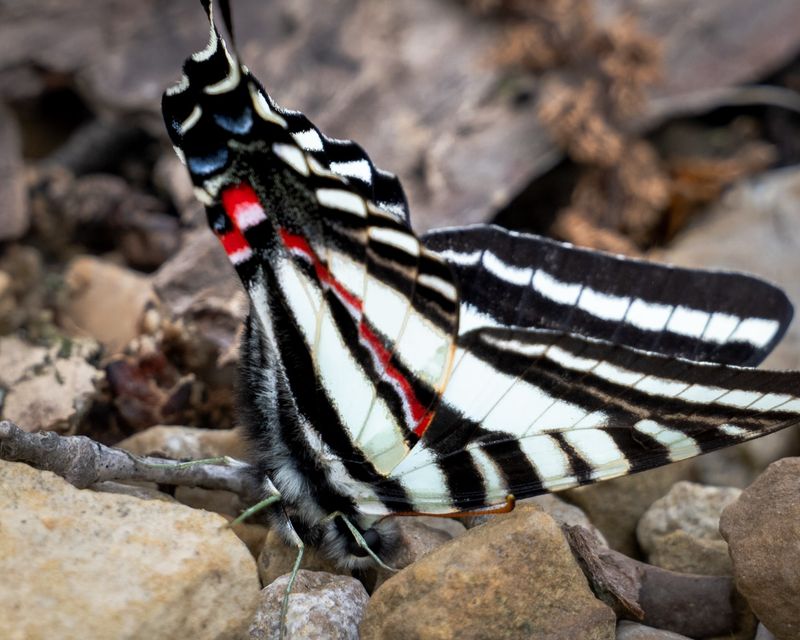
Puddling is a butterfly behavior that surprises many people when they first learn about it. Certain butterflies, particularly males of some species, gather on damp soil, wet sand, mud, or other moist surfaces to drink water and absorb dissolved minerals and salts.
This behavior has been documented across many butterfly families and is thought to help males obtain nutrients that may support reproduction.
Around a Texas porch, damp spots can form in several ways. Watering container plants often leads to drainage that soaks into nearby soil.
A leaky hose connection, a birdbath that overflows, or naturally moist ground in a shaded corner can all create the kind of wet surface that some butterflies find useful.
On a warm August day, a patch of damp soil near a porch may attract small groups of butterflies that seem to be doing very little except sitting still on the ground.
Not every butterfly species puddles, and not every damp area will attract them. The behavior tends to be more common in certain groups, including swallowtails, sulphurs, and some skippers.
If you notice butterflies congregating on the ground near your porch rather than on flowers, a nearby moisture source is a reasonable explanation worth considering.
Leaving a shallow dish of damp sand in a sunny spot is one low-effort way some gardeners try to encourage this behavior near their outdoor spaces.
5. Sunny Porch Areas Can Provide Useful Basking Spots
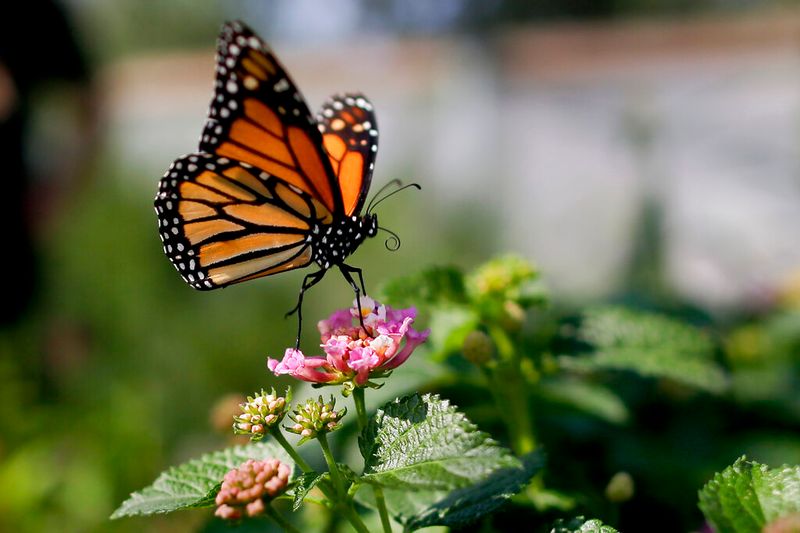
Butterflies are ectothermic, which means they rely on external sources of warmth rather than generating their own body heat.
To become active enough to fly, feed, or reproduce, they need to raise their body temperature using heat from the sun or warm surfaces in their environment.
A Texas porch in August, with its sun-warmed railings, stone pavers, concrete steps, and open sunny patches, can offer exactly the kind of warm surface a butterfly might use for this purpose.
Basking behavior is easy to recognize once you know what to look for. A butterfly resting on a surface with its wings spread flat is often absorbing warmth from sunlight.
Some species position themselves at an angle to the sun to maximize heat absorption, while others press against warm surfaces to draw heat through contact.
On cooler mornings, even in August, you might notice butterflies sitting motionless on a sun-facing porch wall or railing before the air temperature has fully warmed up.
Sunny porch areas do not automatically become basking destinations, and butterflies do not bask continuously throughout the day.
As temperatures climb into the upper ranges typical of a Texas August afternoon, butterflies may actually seek shade to avoid overheating.
The most active basking periods tend to occur in the morning and again in the late afternoon when temperatures are rising or beginning to ease off slightly.
6. Sheltered Corners Can Offer A Break From Wind
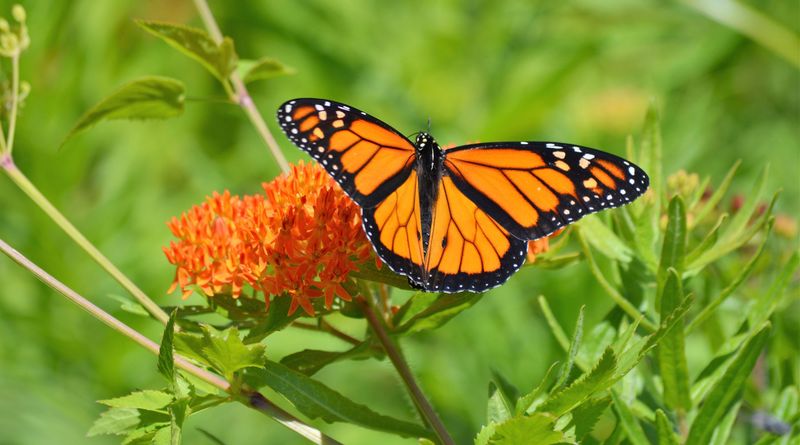
Wind is one of the conditions that can make outdoor spaces less useful to butterflies. Strong gusts interfere with flight, make it harder to land on flowers, and can push small insects off course entirely.
On breezy Texas afternoons, particularly in open parts of the state where wind picks up regularly, a sheltered porch or covered patio may offer a noticeably calmer pocket of air that butterflies can use more easily.
Porches naturally block wind from certain directions depending on their orientation. Walls, overhangs, corner posts, and nearby fencing or shrubs can reduce wind speed considerably within a small area.
When that sheltered space also includes flowering plants or other resources, it can become a relatively comfortable spot for butterflies to feed or rest without fighting the elements.
Dense plantings of native shrubs along the edge of a porch or patio can enhance this effect while also providing additional habitat value.
Layered vegetation, meaning a mix of low groundcovers, mid-height perennials, and taller shrubs or small trees, tends to create more varied and protected spaces than a single row of plants.
In regions of Texas where summer winds are common, thoughtful planting around a porch can make that outdoor space more welcoming to the butterflies moving through the surrounding landscape.
Shelter alone will not bring butterflies in, but combined with nectar plants and other resources, it can make your porch more useful to them overall.
7. August Butterfly Activity Does Not Necessarily Signal Monarch Migration
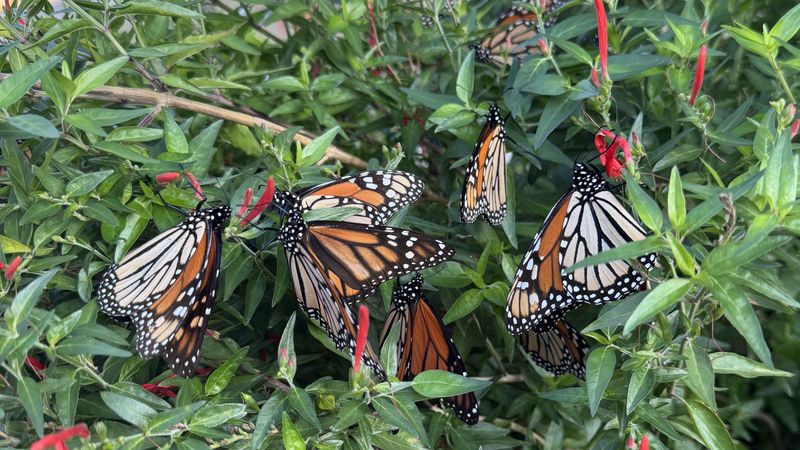
Spotting an orange-and-black butterfly near your porch in August might bring the monarch migration to mind, but it is worth understanding the timing before drawing that conclusion.
The major fall monarch migration through the interior of Texas generally becomes more prominent later in the season, with substantial inland movement typically building through late September and into October.
Seeing a monarch in August does not automatically mean the peak migration has arrived.
Monarchs that appear in August may be part of summer breeding populations, individuals moving through early, or local butterflies that have been present throughout the summer.
Some monarchs do begin moving earlier than others, and yearly variation in migration timing can be considerable.
Coastal movement through Texas tends to occur later in the fall than inland passage, and conditions vary quite a bit between regions like the Gulf Coast, Central and North Texas.
Beyond monarchs, August brings plenty of other butterfly activity across Texas. Species like the cloudless sulphur, gulf fritillary, pipevine swallowtail, and various skippers can be common around porches and gardens during this month.
Many of these species are simply going about their late-summer routines, feeding, reproducing, and moving through the landscape.
Appreciating the full range of butterflies visiting your porch in August means looking beyond monarchs and noticing just how much variety a single warm afternoon can bring to your outdoor space.
8. A Busy Porch Can Reflect A Butterfly-Friendly Landscape Nearby
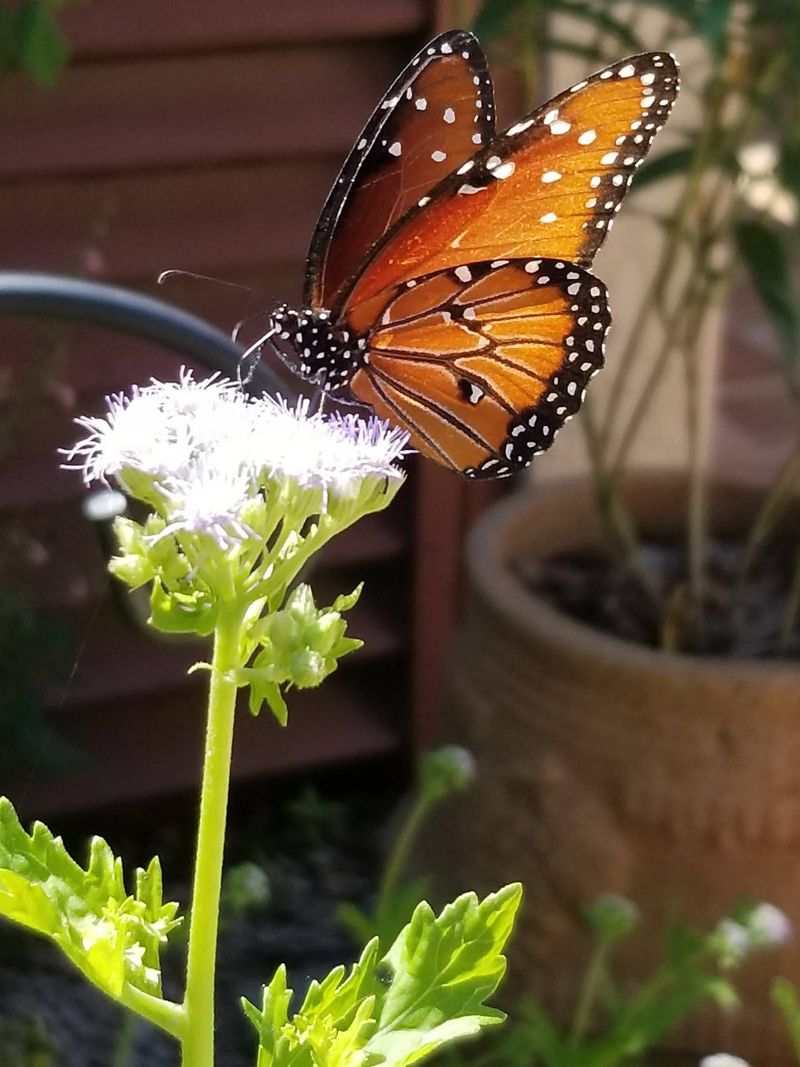
When butterflies show up regularly around a porch, it is often a sign that the surrounding landscape offers a combination of resources they can use.
Nectar plants, host plants, moisture sources, sunny open areas, and sheltered spots all serve different needs at different stages of a butterfly’s life.
A yard that provides more than one of these elements tends to support more consistent butterfly activity than one that offers a single feature in isolation.
Native plants often provide the most reliable support for local butterfly species because those plants and insects have developed relationships over long periods of time.
Plants like native milkweeds, passionvine, pipevine, spicebush, and a range of native flowering perennials can contribute to both the nectar supply and the host plant diversity that butterflies rely on.
Verifying which plants are truly native to your specific region before adding them to a landscape is a worthwhile step, since native ranges can vary between East Texas, the Hill Country, South Texas, and other parts of the state.
Reducing or eliminating pesticide use near flowering plants is another practical step that can help maintain a more butterfly-supportive environment.
Even products that target other insects can affect butterflies when applied near their food sources or resting areas.
Taking a measured, research-based approach to pest management keeps the focus on supporting the broader web of life that makes a porch garden feel genuinely alive during the height of summer.