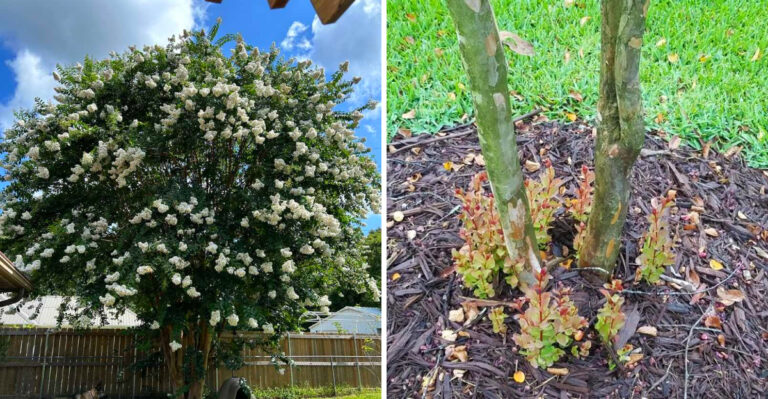
These Texas Yard Mistakes Are Making Your Heat Stress Problem Worse No Matter What You Try
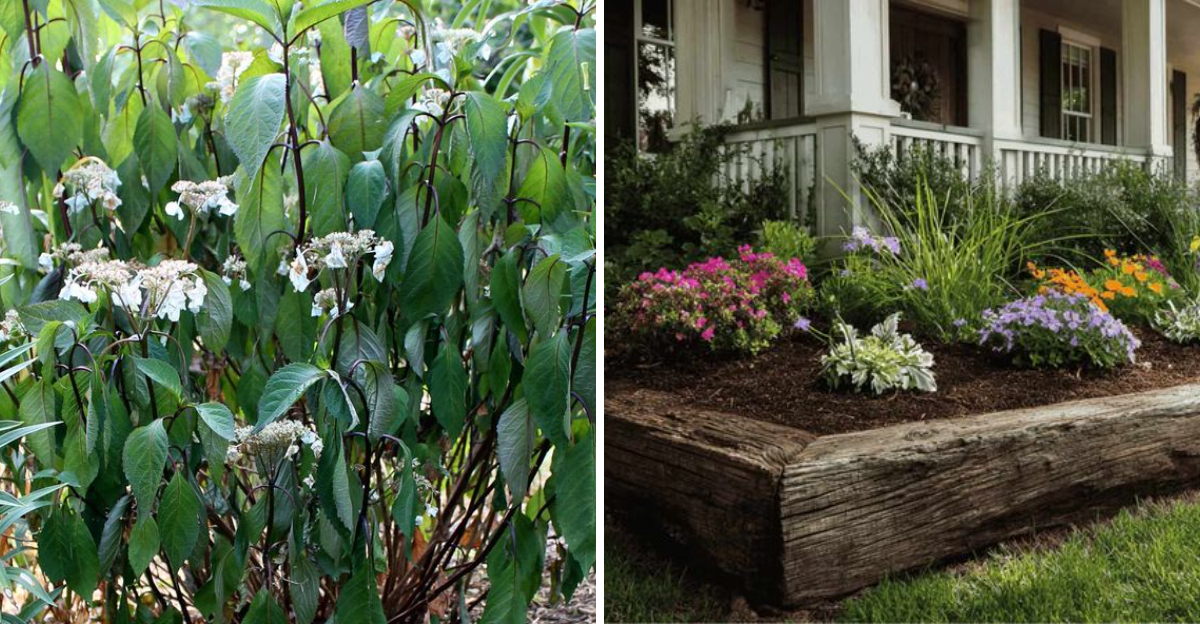
Texas heat has a way of exposing every weak spot in a yard.
A plant that looked fine in April can look exhausted by July. Grass thins. Leaves curl. Flower beds fade early.
The hose runs longer, the water bill climbs, and somehow the landscape still seems to lose ground every week. That is the part that makes summer gardening feel so unfair.
But heat is not always acting alone.
Some yard habits quietly make the stress worse. A sprinkler schedule that feels generous may train roots to stay shallow.
A fresh fertilizer application may push tender growth at the worst possible time. A tightly packed bed may trap humidity while roots fight for the same dry soil. Even a pretty wall or gravel surface can turn one corner of the yard into a heat pocket.
So why does nothing seem to work, even when you keep trying?
The answer may be hiding in the routine. Fix the stress-building habits first, and your landscape gets a much better chance to handle summer.
1. Stop Watering In Shallow Daily Sips
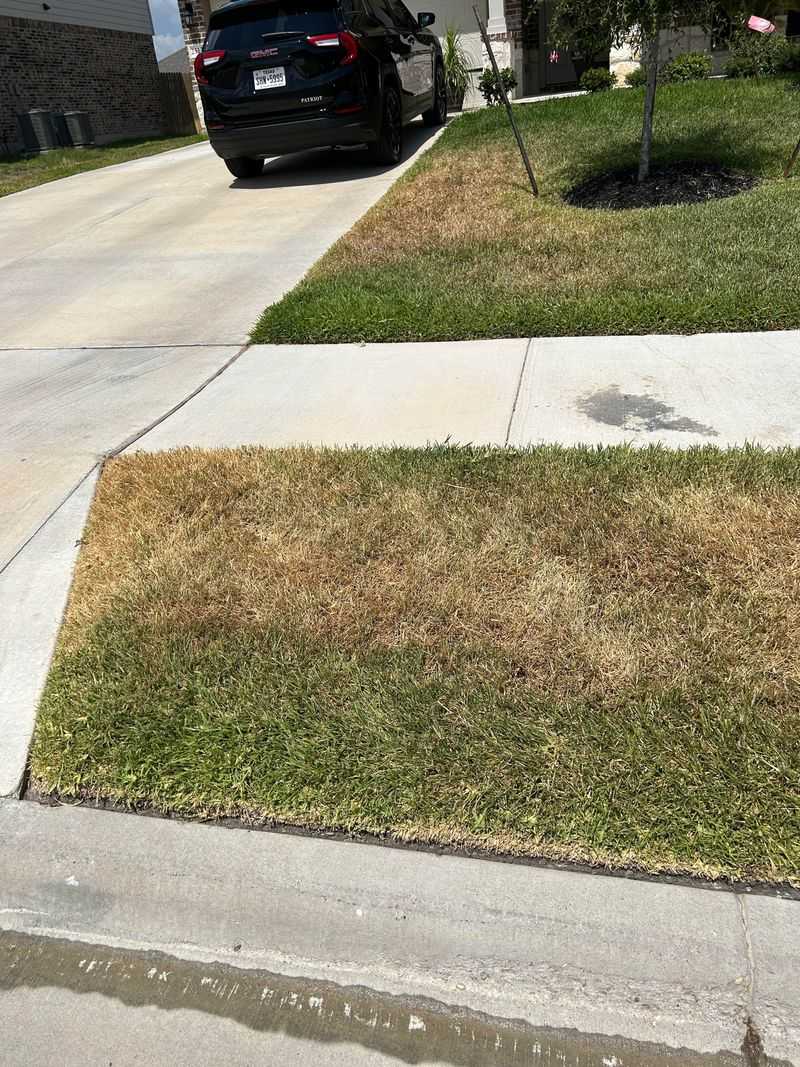
Daily watering feels responsible in a Texas summer, but shallow sips can create weaker plants.
When water only moistens the top inch or two of soil, roots stay close to the surface. That upper layer heats fast, dries fast, and offers very little protection during long stretches above 95 or 100 degrees.
Plants with shallow roots have no deeper reserve to draw from when the afternoon turns brutal.
The problem is not always the amount of water. It is how far the water reaches.
A lawn or shrub bed may look damp for a few minutes after irrigation, but the root zone can remain dry several inches down. That leaves plants trapped in a stressful cycle of brief relief followed by rapid drying.
Deep watering encourages roots to grow downward into cooler soil. Once roots reach that lower zone, plants can handle heat with far more resilience.
Texas soils make timing important. Clay soils absorb slowly, so water may run off before it moves deep enough. Sandy soils accept water quickly but drain fast, so they may need longer slow watering to build a useful reserve.
Check with a screwdriver, wooden dowel, or soil probe after watering. If it only slides in a couple of inches, your irrigation did not reach far enough.
For established plants, water less often but more thoroughly. Let the top inch dry slightly between sessions so roots keep reaching down rather than lingering at the surface.
Drip lines and soaker hoses help because they deliver water slowly at ground level. That gives soil time to accept moisture instead of sending it down the curb.
A deep root system is summer insurance. Shallow daily watering spends that insurance too early.
2. Keep Irrigation Off Hot Afternoon Leaves
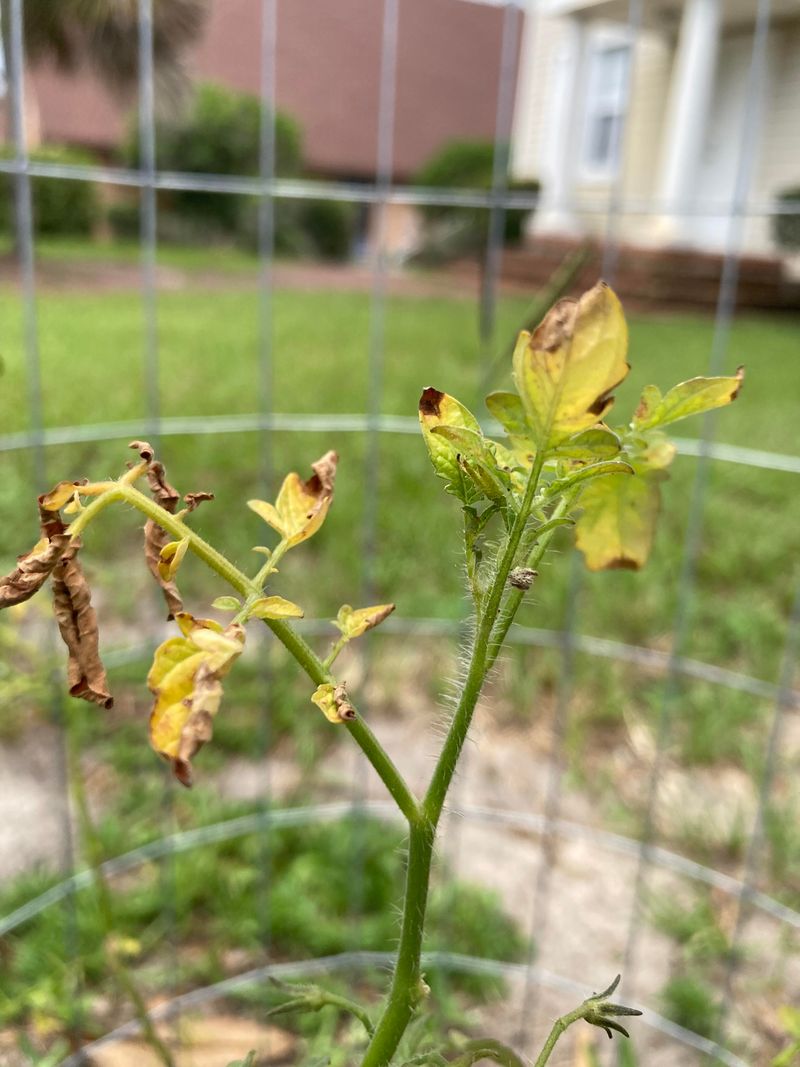
Afternoon watering wastes effort when Texas heat is at full volume.
Water sprayed into hot air can evaporate before it ever reaches the soil. Sprinklers drift onto sidewalks, driveways, walls, and bare patches. Leaves get wet at the worst time, and the roots still may not receive enough moisture to matter.
Your Texas Garden Changes Every Week. Your Plan Should Too.
Gardening in Texas changes quickly throughout the season. Every Friday you’ll receive a simple weekly plan showing exactly what to plant, prune, fertilize, harvest, and protect so you never miss the right timing.
Early morning is the better window.
Watering before the day heats up gives moisture time to soak in and gives leaves time to dry. That drying period matters, especially in humid regions such as East Texas and the Gulf Coast.
Wet foliage that lingers into evening can encourage leaf spots, mildew, and other disease problems.
The old claim that water droplets burn leaves like tiny magnifying glasses gets repeated often, but that is not the main issue in ordinary yard conditions. The bigger problems are wasted water, disease pressure, and poor delivery to roots.
Hot hoses can create another surprise. A hose sitting in direct sun may hold very warm water in the line. Let it run for a moment before directing it near plants, especially containers, tender transplants, or shallow-rooted ornamentals.
Lawns can tolerate overhead irrigation better than many shrubs and flowers, but even turf benefits from good timing. Early watering helps reduce evaporation loss and gives soil a better chance to absorb the moisture.
For beds, switch to drip or soaker systems where possible. Keeping foliage dry removes one stress layer from plants already dealing with heat.
Check irrigation heads during a run cycle. Spray that hits fences, windows, pavement, or plant leaves instead of root zones is money and water drifting away.
Texas summer watering should be targeted, early, and boringly efficient.
The less water you waste above the plant, the more useful moisture reaches below it.
3. Pull Mulch Away From Stems
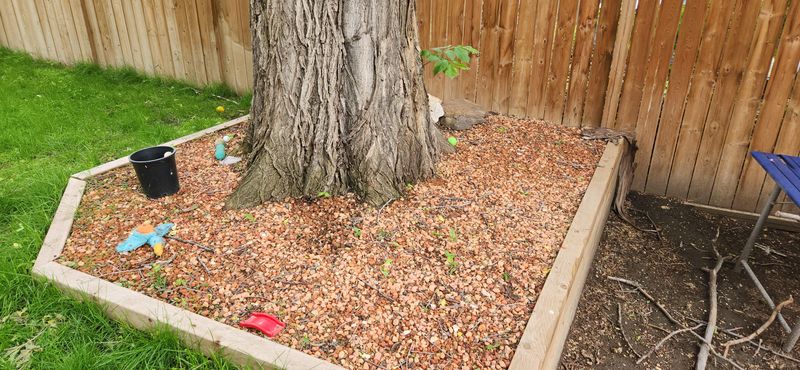
Mulch can save a Texas landscape, but only when it sits in the right place.
A broad, even layer over the root zone helps cool soil, reduce evaporation, and soften the effect of harsh sun.
A mound shoved against trunks and stems does something very different. It traps moisture where bark needs air and hides the base of the plant from view.
That classic mulch volcano looks tidy for a little while, then creates trouble.
Tree trunks, shrub stems, and plant crowns are not meant to stay buried in damp, decomposing material. Bark can soften over time. Crown tissue can stay too wet. Fungal problems and decay can move in quietly while the mulch hides the damage.
The root flare of a tree should stay visible. That is the place where the trunk widens as it meets the soil. Covering it with deep mulch or soil can interfere with healthy crown conditions and make long-term decline harder to spot.
For shrubs and perennials, keep mulch pulled back a few inches from the stems. The goal is a donut shape, not a cone.
A 2- to 3-inch layer across the wider root zone usually gives the benefit without suffocating the base. Spread it outward under the canopy, where feeder roots are working.
Mulch packed against stems can also shelter rodents. During cooler months, mice and voles may travel under thick mulch and chew bark close to the ground. That injury may not show clearly until the plant struggles later in heat.
Refresh mulch instead of stacking. Rake the old layer first, check depth, then add only what is needed.
Mulch should cool the soil, not bury the plant.
4. Skip Fertilizer During Peak Stress
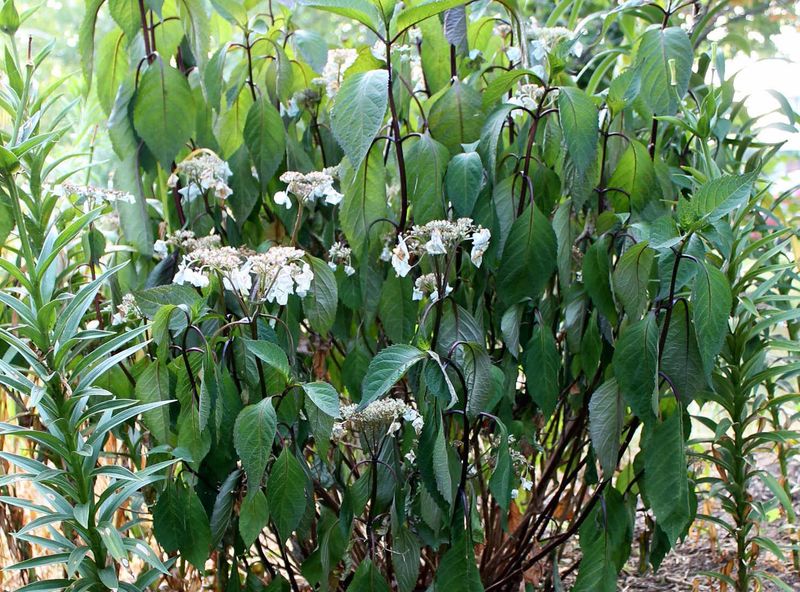
Fertilizer feels like help when plants look tired.
In peak Texas heat, it can be the wrong kind of help. A plant with curled leaves, dull color, or slowed growth may not be hungry.
It may be protecting itself from heat, dry soil, root stress, or reflected sun. Adding fertilizer during that moment can push the plant into more demand than it can support.
Many fertilizers contain salts. In hot, dry soil, those salts can make water stress worse around roots. A plant already struggling to pull in moisture does not need that added pressure.
Fertilizer can also trigger fresh, tender growth. That new growth has a high water demand and low tolerance for extreme heat. In spring, a flush of growth may be useful. In August, it can become a liability.
The smarter move is to stabilize the plant first.
Check soil moisture. Water deeply if the root zone is dry. Improve mulch placement. Reduce reflected heat where possible. Wait for the plant to show signs of active recovery before feeding.
Soil testing should guide fertilizer choices. Guessing based on leaf color can lead to unnecessary applications, especially when yellowing is caused by watering problems, compacted soil, heat stress, or root damage.
Timing matters. Many Texas landscapes respond better to fertilizer during active growth periods in spring or early fall, not during the harshest stretch of summer.
There may be special cases where a low-rate, slow-release product makes sense, but stressed plants should not be pushed casually.
Do not reward a struggling plant with more work.
During peak heat, water, shade, soil care, and patience usually help more than a quick feeding.
5. Put Heavy Pruning On Hold
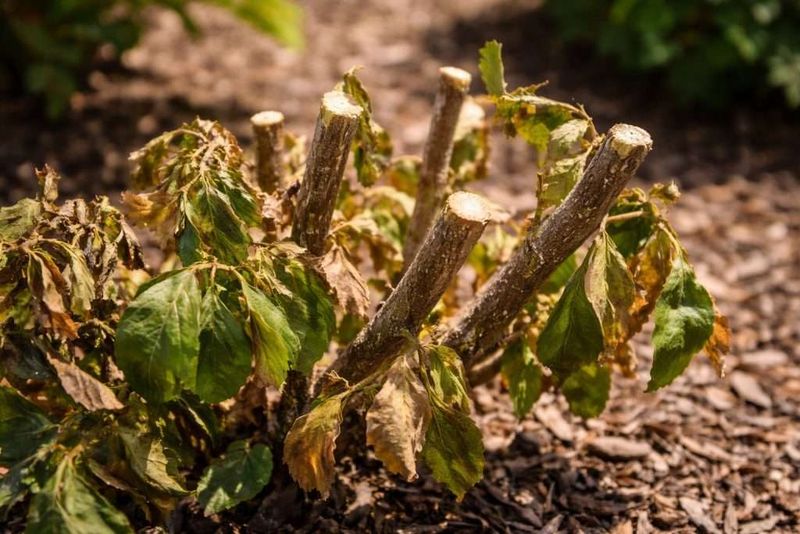
Heavy pruning in summer can remove the plant’s own protection.
Leaves are not just decoration. They shade stems, protect bark, cool the plant surface, and produce the energy needed for recovery.
Cutting away a large portion of canopy during a Texas heat wave leaves inner branches suddenly exposed to fierce sun.
That exposure can lead to sunscald, scorched bark, and extra water loss.
Pruning also sends a signal. Many plants respond by pushing fresh growth to replace what was lost. That tender new growth needs water at the exact time the plant is already under pressure.
The result can be a weaker plant trying to support more soft tissue than the roots can handle.
Save major shaping for a better season.
During peak summer, limit pruning to what is necessary. Remove broken branches, hazardous limbs, or clearly diseased wood that creates an immediate problem.
Skip cosmetic shaping, size reduction, and heavy rejuvenation cuts until the proper season for that plant.
Some shrubs and trees prefer dormant-season pruning. Others should be pruned after bloom. The right timing depends on species, but the wrong timing is often the hottest part of summer.
Before cutting a branch that looks bad, check it. Scratch lightly with a fingernail or small blade. Green tissue underneath means the branch is still alive. Brown, dry tissue means removal may be appropriate.
Make clean cuts just outside the branch collar. Avoid random stubs, torn bark, and unnecessary wound products.
A stressed plant needs leaf area, shade, and stability.
Pruning can be powerful, but in Texas summer, restraint is often the best cut you make.
6. Replace Tender Plants With Heat Tough Choices
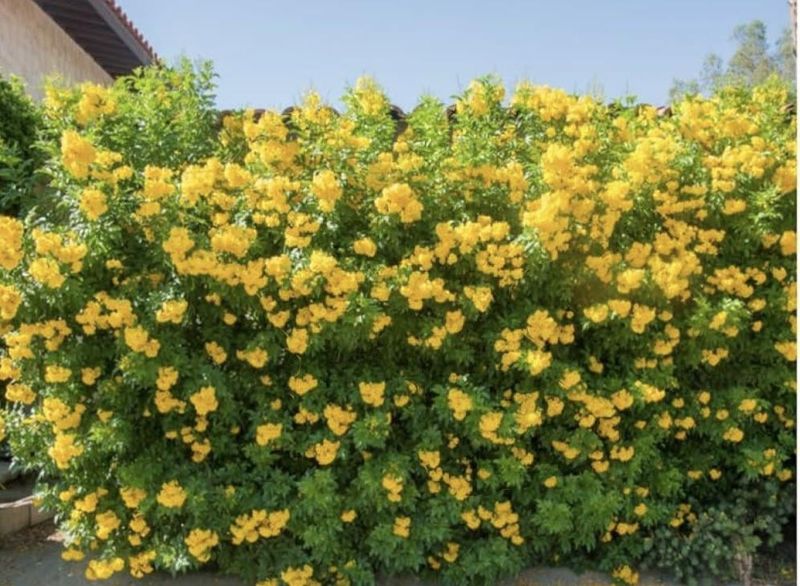
Some plants are not failing because you did something wrong.
They are failing because Texas is asking more from them than they can give. A plant bred for mild summers, cool nights, or evenly moist soil may limp through July no matter how carefully you water.
That is a hard lesson, but it is also freeing.
Once you stop rescuing the wrong plant in the wrong place, the whole landscape becomes easier. Heat-tough plants spend less time in crisis and more time actually growing, flowering, and filling their role.
Look for plants proven in Texas conditions, not just plants labeled for your USDA cold-hardiness zone. Cold hardiness only tells you what winter temperatures a plant may survive.
It does not tell you how that plant handles weeks of hot wind, alkaline soil, drought, humidity, or reflected heat.
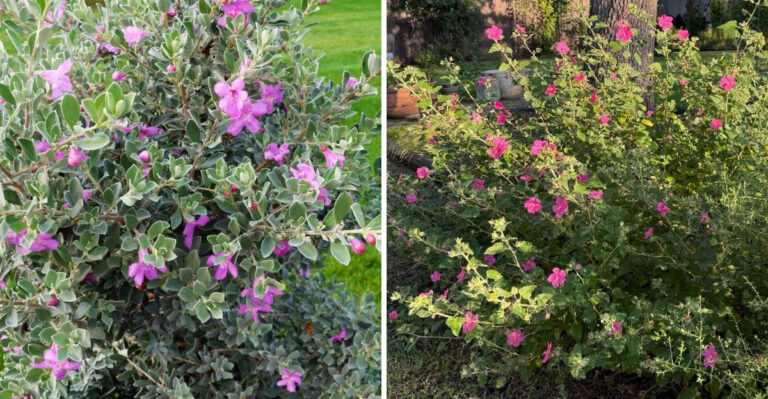
Esperanza, Turk’s cap, autumn sage, flame acanthus, lantana, native grasses, and regionally adapted salvias often perform better than tender ornamentals that need constant rescue.
The best choices still depend on your region. East Texas, the Panhandle, South Texas, and the Hill Country do not garden by the same rules.
Make replacements gradually. Keep a simple list of plants that look terrible every July and August. If the same plant struggles year after year, it has given you useful information.
Fall is often the best time to swap. Roots can establish during cooler months before facing the next summer.
Do not replace every plant with the same “tough” species. Diversity reduces risk and gives the yard more texture, bloom, and wildlife value.
Right plant, right place sounds ordinary because it is repeated so often.
In Texas heat, it is not ordinary. It is survival strategy.
7. Open Crowded Beds For Better Airflow
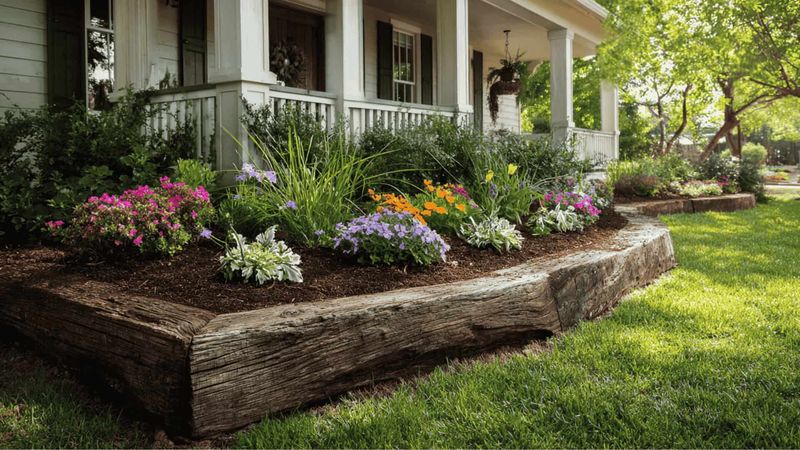
A crowded bed can become a heat trap with roots.
Plants that looked perfectly spaced when young can grow into a tangled wall after a few seasons. Leaves overlap, air stalls, irrigation misses the soil, and roots compete in the same drying zone.
Then summer arrives and every weakness becomes obvious.
Crowding makes heat stress worse in several ways. Airflow drops, so humidity lingers around leaves. That can encourage fungal problems, especially in regions with warm, humid nights.
Shaded lower growth weakens. Plants stretch toward light. Inner stems may thin out or decline.
Water distribution also gets messy. Sprinklers that once reached the bed may now hit outer foliage and never reach the roots underneath. Drip emitters may be buried, shifted, or blocked by dense growth. One plant may hog the moisture while another wilts nearby.
Selective thinning helps, but do it carefully.
Remove plants that are clearly crowding others, blocking irrigation, or showing repeated disease issues. Cut back or divide aggressive perennials at the right time for the species. Lift and relocate plants in fall when cooler weather gives them a better chance to recover.
Avoid stripping too much shade all at once. A plant that has grown under partial cover for years can scorch if suddenly exposed to full western sun in July.
Future spacing should be based on mature size, not nursery pot size. A tiny shrub in a 3-gallon container may want 5 or 6 feet later.
Open beds are easier to water, inspect, and manage.
They also let plants hold their own shape instead of fighting their neighbors through the hottest months of the year.