Why Black Bears Start Showing Up In California Backyards More Often In Late Summer
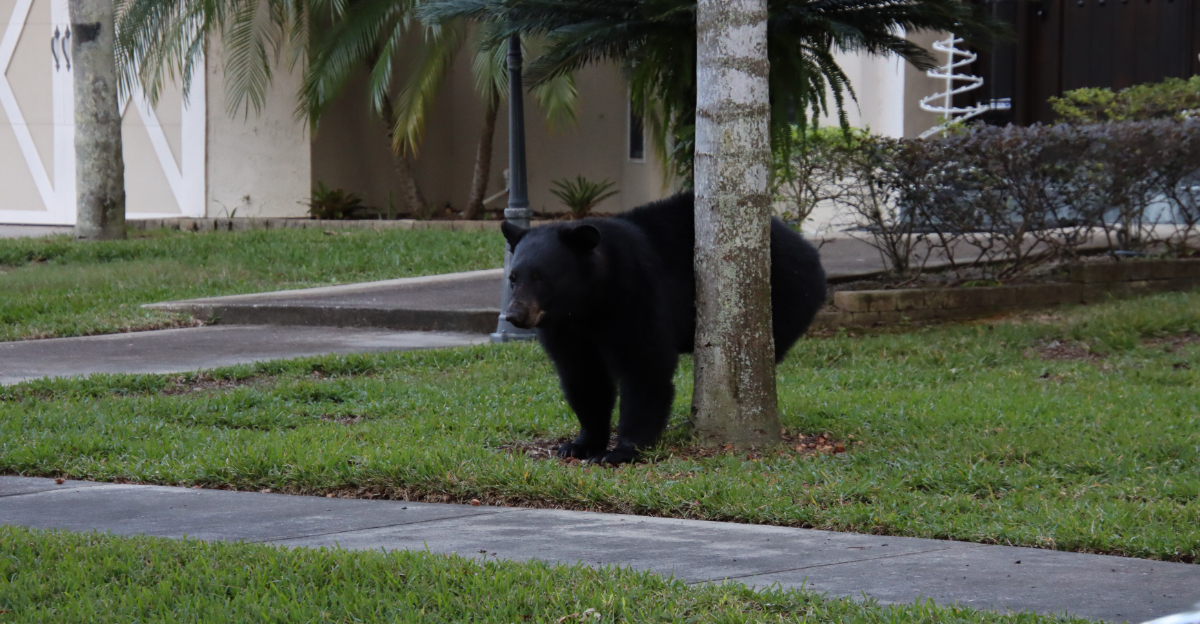
Late summer in California has a way of making backyards feel a little busier. Tomatoes are ripening, sprinklers are working overtime, and sometimes an unexpected visitor starts wandering too close to the patio.
Spotting a black bear near a fence, trash bin, fruit tree, or swimming pool can really turn an ordinary evening into a memorable one.
For homeowners who have never seen a bear outside a campground or hiking trail, the experience can be equal parts fascinating and nerve-racking.
One minute you are checking the garden, and the next you are wondering why several hundred pounds of wildlife just strolled past the barbecue. Casual!
What makes these encounters curious is the timing. As summer begins winding down, bears in residential areas can feel harder to ignore.
Maybe you have noticed one, heard about a neighbor’s surprise visitor, or seen a post that made you check the yard twice before stepping outside.
So why does late summer seem to bring more black bears into California backyards? The pattern raises questions, and the explanation may be more interesting than you expect.
1. Ripe Fruit Can Turn Backyards Into Easy Buffets
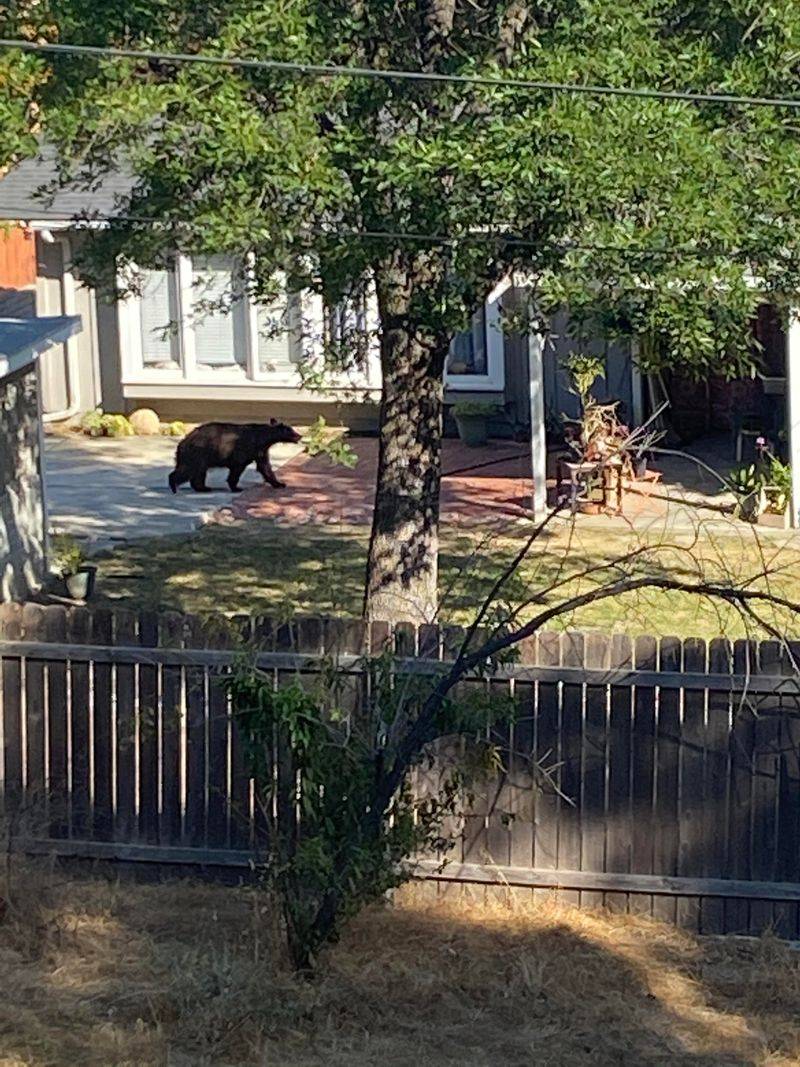
Few things attract a hungry bear faster than the smell of ripe fruit hanging from a backyard tree. Apples, plums, pears, figs, and peaches all release strong, sweet scents as they ripen.
A bear can smell food from over a mile away, so a loaded fruit tree is basically a flashing neon sign saying “free meal here.”
Late summer in California is peak ripening season for many fruit trees. Bears know this, and they actively seek out orchards and backyard trees during this time.
Once a bear finds a fruit tree, it will often return night after night until the food is gone.
The fallen fruit on the ground is just as tempting as fruit on the branch. Rotting fruit actually smells even stronger, which makes it even more attractive to bears.
If you have fruit trees at home, picking up fallen fruit every day can make a big difference.
You can also harvest ripe fruit as quickly as possible so it does not pile up. Some people use motion-activated lights or sprinklers to discourage nighttime visits.
Talking to your neighbors about their fruit trees matters too, because a bear does not care whose yard it is in. Working together as a neighborhood is one of the smartest ways to reduce bear visits during late summer.
2. Trash Cans Start Smelling Extra Tempting In The Heat
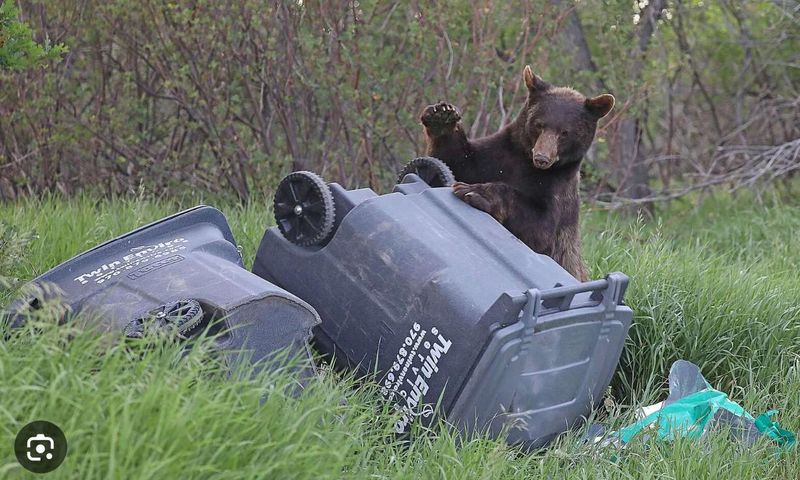
Hot California weather makes everything smell stronger, including your trash. Food scraps that sit in a warm garbage can for even one day can send powerful odors drifting through the neighborhood.
For a bear with a nose far more powerful than a dog’s, that smell is nearly impossible to resist.
Trash pickup schedules do not always line up with bear activity. Many families put their cans out the night before pickup, which gives bears plenty of time to investigate.
A knocked-over trash can is messy for you but a jackpot for a hungry bear.
Your California Garden Changes Every Week. Your Plan Should Too.
Gardening in California changes quickly throughout the season. Every Friday you’ll receive a simple weekly plan showing exactly what to plant, prune, fertilize, harvest, and protect so you never miss the right timing.
Bears that find food in trash cans quickly learn to associate garbage with an easy meal. They start returning to the same streets and the same houses.
Over time, they become bolder and less afraid of people, which is not good for anyone involved.
Keeping your trash stored in a garage or a shed until the morning of pickup is one of the most effective things you can do. Bear-resistant trash cans are also available and work very well.
Rinsing out food containers before tossing them can reduce odors. Sprinkling ammonia or bleach on top of trash bags can also deter bears.
Small changes in how you handle trash can make a huge difference in keeping bears away from your street during the hottest months of the year.
3. Bird Feeders Can Bring Bears In For A Quick Snack
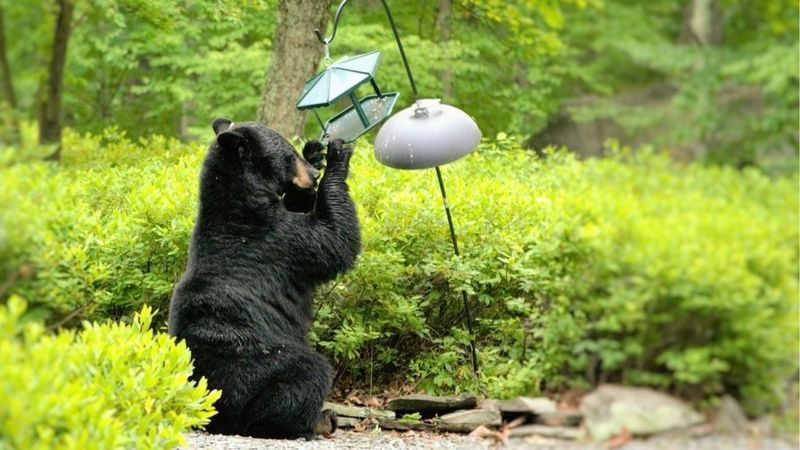
Bird feeders are a wonderful way to enjoy local wildlife, but they can accidentally invite much larger visitors. Sunflower seeds, suet, and mixed birdseed are all high in fat and calories.
Bears love high-calorie foods, and they will go out of their way to get them.
A bear that discovers a bird feeder will often pull it down entirely, eating the seeds and sometimes chewing or destroying the feeder itself. Once that happens, the bear knows exactly where to look for a repeat meal.
It will come back again and again, sometimes bringing other bears with it.
Many wildlife experts recommend taking bird feeders down completely from late spring through early fall. This is the time when bears are most active and most hungry.
You can put the feeders back up once colder weather arrives and bears have settled into their dens.
If taking down your feeder feels hard, try moving it to a spot that is much harder to reach. Hanging it from a wire strung between two trees, at least ten feet off the ground and six feet away from any surface a bear could climb, can help.
Some people also bring feeders inside at night when bears are most active. Protecting your feeder protects the birds, your yard, and the bears that might otherwise get into serious trouble by visiting homes too often.
4. Dry Hillsides Push Bears Closer To Neighborhoods
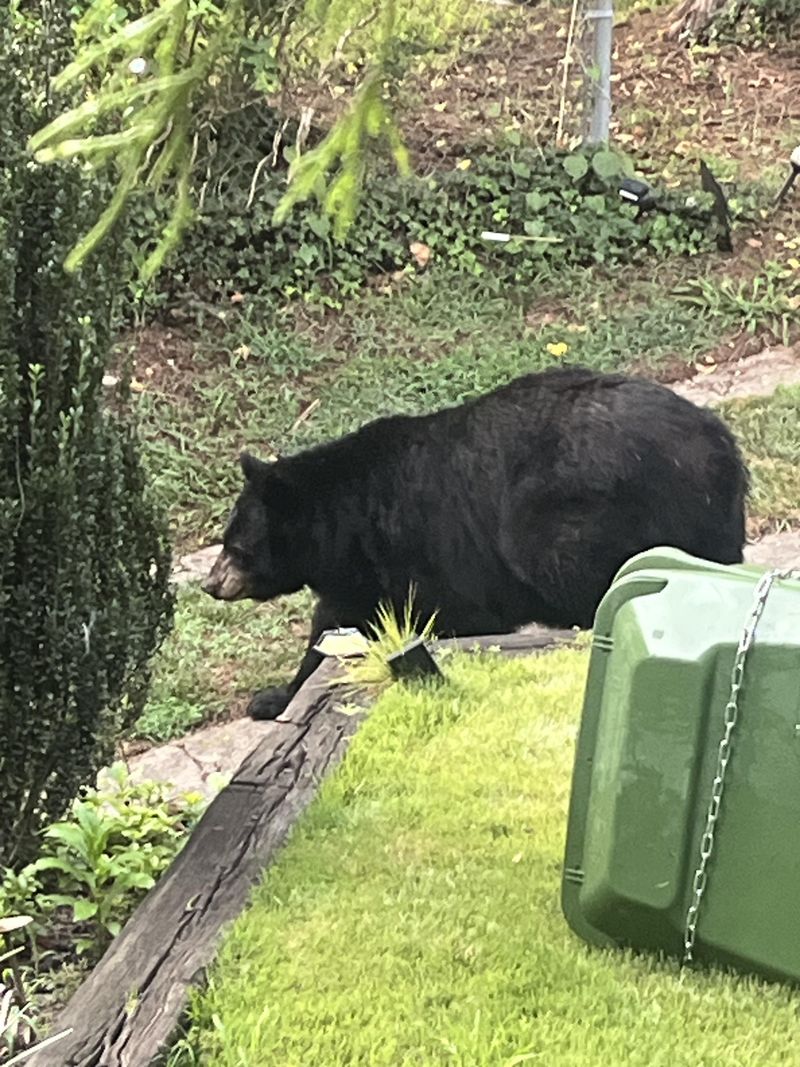
Late summer in the western United States is hot and dry. Streams shrink, berry patches dry out, and natural food sources become much harder to find.
Bears that normally stay deep in the forest start moving lower and closer to human communities in search of food.
Drought years are especially tough on bears. When natural vegetation fails to produce enough berries, acorns, or insects, bears have to range farther than usual to meet their calorie needs.
Neighborhoods at the base of hills and mountains become the new hunting grounds.
This is not aggressive behavior. Bears are not coming into yards to cause trouble.
They are simply doing what every animal does when resources run low: going where the food is. Backyards just happen to be full of things that smell amazing to a hungry bear.
Understanding this helps homeowners respond with more patience and practical action. You cannot change the drought, but you can change what is available in your yard.
Removing attractants like fruit, birdseed, and open compost reduces the reward a bear gets for visiting. If bears do not find food in a neighborhood, they are much less likely to keep coming back.
Reaching out to your local wildlife agency is also a good idea. They can offer advice and sometimes help with tools like bear-resistant containers or relocation support for repeat visitors.
5. Pet Food Left Outside Is Hard For Bears To Ignore
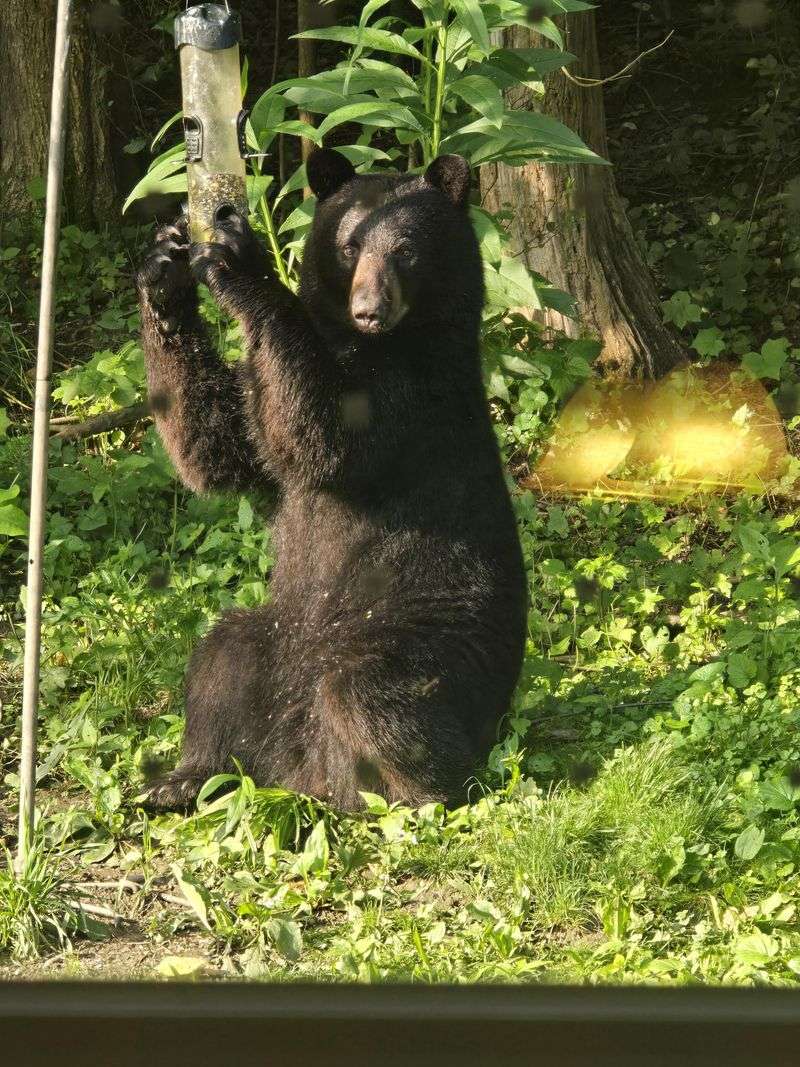
Leaving pet food outside seems harmless, but it is one of the most common reasons bears end up on porches and patios.
Dog kibble and cat food have strong meaty smells that travel far on a warm summer breeze. A bear passing through the area will pick up that scent quickly.
Bears do not distinguish between food left for a pet and food left for them. To a bear, a bowl of dog food sitting on a porch is just an easy snack.
Once they find it, they come back. Some bears have even learned to approach back doors where pet bowls are regularly placed.
The simple fix is to feed your pets indoors whenever possible. If your dog or cat eats outside, put the bowl inside as soon as they are done.
Never leave food sitting out overnight. Even small amounts of leftover food can be enough to attract a curious bear.
Water bowls are slightly less of a problem than food bowls, but they can still attract bears, especially during dry spells. If you notice signs of a bear visiting your yard, like tracks or overturned items, bring water bowls in at night too.
Keeping your porch clear of anything scented, including bags of birdseed or gardening supplies with food smells, is a smart habit to build all summer long. Small steps add up fast.
6. Compost Piles Can Smell Like Dinner From Far Away
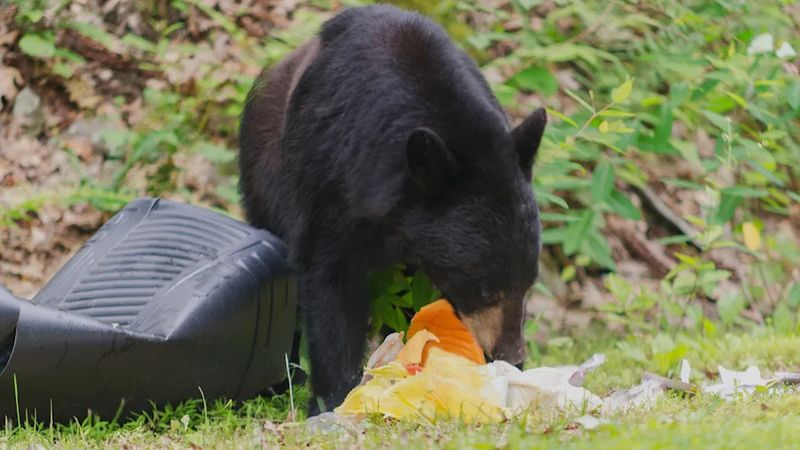
Composting is great for your garden, but an open compost pile is one of the strongest food smells in any backyard. Vegetable scraps, fruit peels, coffee grounds, and eggshells all break down and release rich, fermented odors.
To a bear, that smell says one thing: food is nearby.
Bears have been known to travel long distances just to investigate a compost pile. Once they dig in and find something edible, they will return regularly.
An open pile with fresh food scraps added daily is especially attractive because the smell is constantly refreshed.
Switching to a bear-resistant compost bin can solve a lot of problems. These bins are sealed and have locks or latches that bears cannot easily open.
They still allow composting to happen, but they keep the smells contained and the food inaccessible. Many hardware stores and garden centers carry them.
You can also change what you put in your compost. Avoid adding meat, fish, dairy, or cooked foods, as these produce the strongest odors.
Stick to raw vegetable scraps and yard waste. Turning your pile regularly and covering fresh additions with dry leaves or soil also helps reduce smell.
If you live in an area with frequent bear activity, consider moving your compost bin to a garage or enclosed structure. A little extra effort with your compost routine can keep your garden green and your backyard bear-free all season.
7. Late-Summer Hunger Keeps Bears Moving Longer
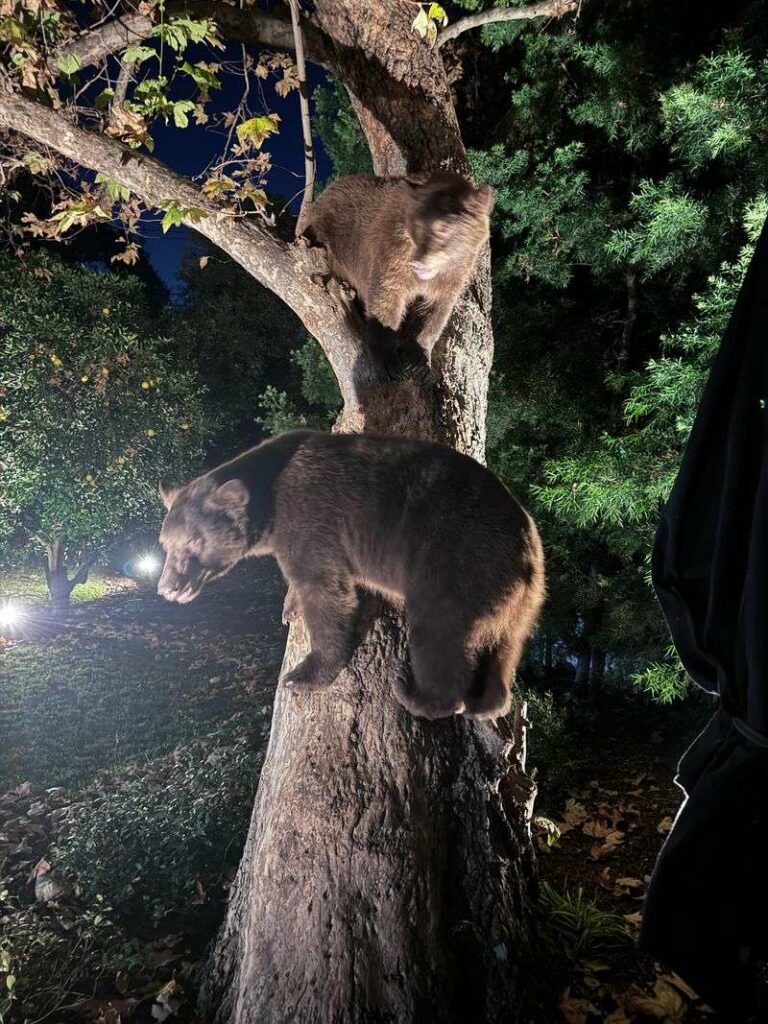
Bears go through a phase called hyperphagia in late summer and early fall. During this time, their bodies push them to eat as much as possible before winter.
A bear in hyperphagia can consume up to 20,000 calories a day, which is roughly ten times what an adult human eats.
To hit those numbers, bears have to keep moving. They cover huge distances each day searching for food.
This constant movement brings them into new areas, including neighborhoods they might have avoided earlier in the year. Hunger overrides caution.
Bears in hyperphagia are not being reckless. Their biology is simply in overdrive.
They need to build enough fat reserves to survive winter without eating. Every calorie counts, so they will take risks they normally would not.
For homeowners, this means late summer and early fall are the highest-risk months for bear encounters. Being extra careful with food storage and attractant removal during this window makes a real difference.
If you spot a bear in your yard, give it space and do not try to approach or feed it. Make loud noises from a safe distance to encourage it to leave.
Reporting sightings to your local wildlife agency helps them track bear movement and respond if a particular bear becomes a repeated visitor. Staying alert and informed is your best tool during this busy season for bears.
8. Pools And Water Bowls Can Become Unexpected Water Stops
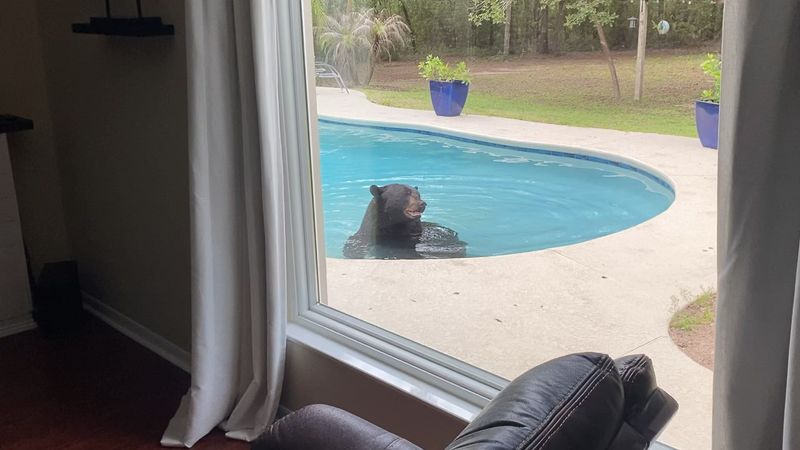
Most people think bears only come around for food, but water is just as important during hot, dry summers.
Natural water sources like streams and ponds can shrink dramatically during late summer. When that happens, bears look for water wherever they can find it.
Backyard swimming pools, decorative ponds, birdbaths, and even large pet water bowls can become welcome water stops for thirsty bears. A bear that finds a reliable water source will return to it, sometimes bringing cubs along.
Once bears get comfortable in a yard, they are more likely to explore further.
There is not much you can do about a full-sized swimming pool, but you can reduce other water sources. Bring birdbaths and pet bowls inside at night.
Empty decorative fountains when not in use. Cover your pool when you are not using it, especially at night when bears are most active.
Motion-activated sprinklers can also help by startling bears that wander too close. Some homeowners have had success with motion-activated lights and noise devices.
These tools do not hurt bears but do make the yard feel less safe and comfortable to visit. Combining water management with food attractant removal gives you the best chance of keeping bears away.
A yard that offers neither food nor water is simply not worth a bear’s time, and that is exactly the message you want to send.
9. One Easy Meal Can Bring The Same Bear Back Again
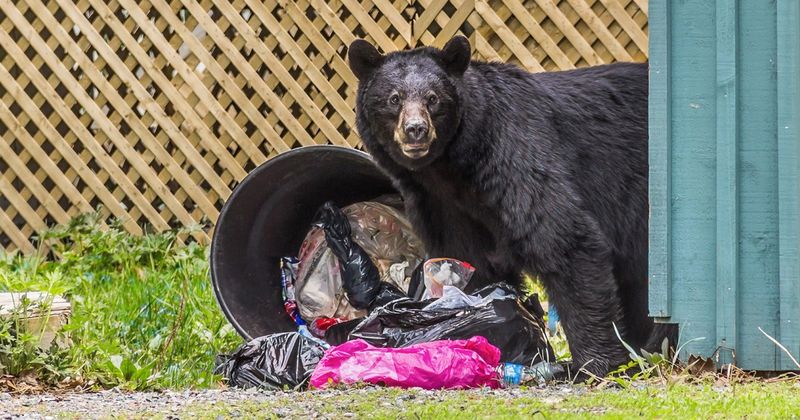
Bears are incredibly smart animals with excellent memories. Once a bear finds food in a specific yard, it stores that location in its memory and returns to check again.
Wildlife researchers have documented bears revisiting the same homes for weeks or even months after a single successful food find.
This is why the first visit matters so much. If a bear finds nothing, it moves on.
But if it finds an open trash can, a bird feeder, or fallen fruit, it will be back. And each successful visit makes the bear more comfortable and more likely to return.
Over time, a bear that keeps finding food in a neighborhood loses its natural wariness of people. It starts visiting during daylight hours.
It gets closer to people and structures. This is when a bear can become what wildlife officials call a “problem bear,” which sometimes leads to the animal being relocated or worse.
The best way to protect bears and your home is to make sure the first visit is a failure. Remove every attractant before bears have a chance to find them.
Talk to your neighbors so the whole street is working together. Share information about bear sightings so everyone stays aware.
A neighborhood that takes bear safety seriously is a place where bears quickly learn there is nothing worth coming back for. That is a win for people and bears alike.