The California Buckeye Is Dropping Its Spiny Fruit Again This October
October hillsides across California hold a quiet seasonal show that many people walk right past. Bare silver branches stand out against pale autumn skies, and something unusual dangles from the tips.
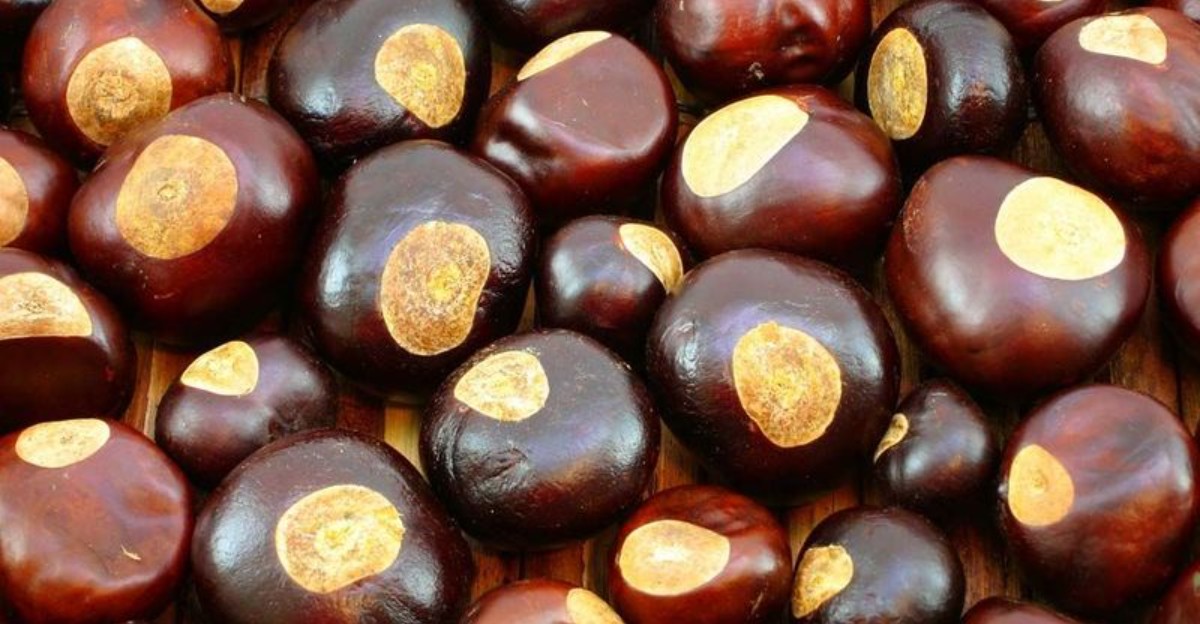
Beneath certain trees, the ground fills with glossy brown treasures the size of golf balls, rolling loose like dropped marbles.
They look tempting enough to pocket, especially for curious kids and dogs, though that temptation deserves a second thought.
This native tree follows a calendar all its own, resting while others stay green and putting on its biggest display just as fall settles in.
A closer look reveals clever survival tricks, a name hidden in plain sight, and a few good reasons to admire it from a respectful distance.
Buckeye Fruit Drops In Late Fall
The buckeye keeps a remarkably reliable schedule. Fruit forms after the spring bloom and swells through the hot months, and by late summer, capsules hang fully mature from bare branches like small lanterns.
Dropping begins in fall and can stretch into early winter. October often marks the month when walkers first notice brown seeds scattered across trails and lawns.
The timing repeats year after year. This fall’s scene will likely look much the same next autumn.
The late schedule has a clever purpose. The tree dropped its leaves months earlier, yet it kept feeding its seeds with stored energy.
Holding fruit until the first rains arrive gives each seed a better shot at sprouting in moist ground. Nature essentially times the delivery for when the soil is ready.
Gardeners with a buckeye nearby can plan around this window. Raking up fallen capsules and seeds every few days from October through December keeps patios, play areas, and paths clear.
That quick sweep also keeps footing safe. Round seeds underfoot can act like ball bearings on a walkway.
Hikers can use the drop as a seasonal clue, too. Fresh seeds on the ground signal that fall has truly settled in, even when the weather still feels like summer.
A photo captures the moment nicely. On public land, the seeds work best left right where they fall, ready to start the next generation of hillside trees.
The Fruit Is A Smooth Pear Shaped Capsule
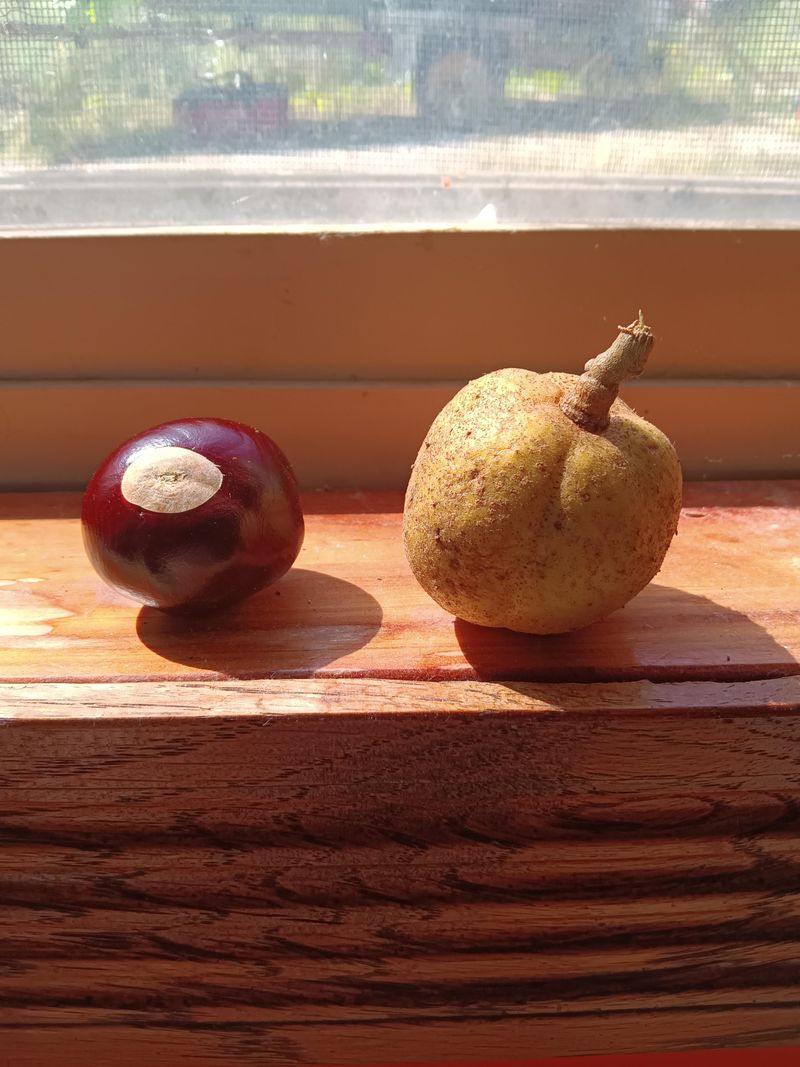
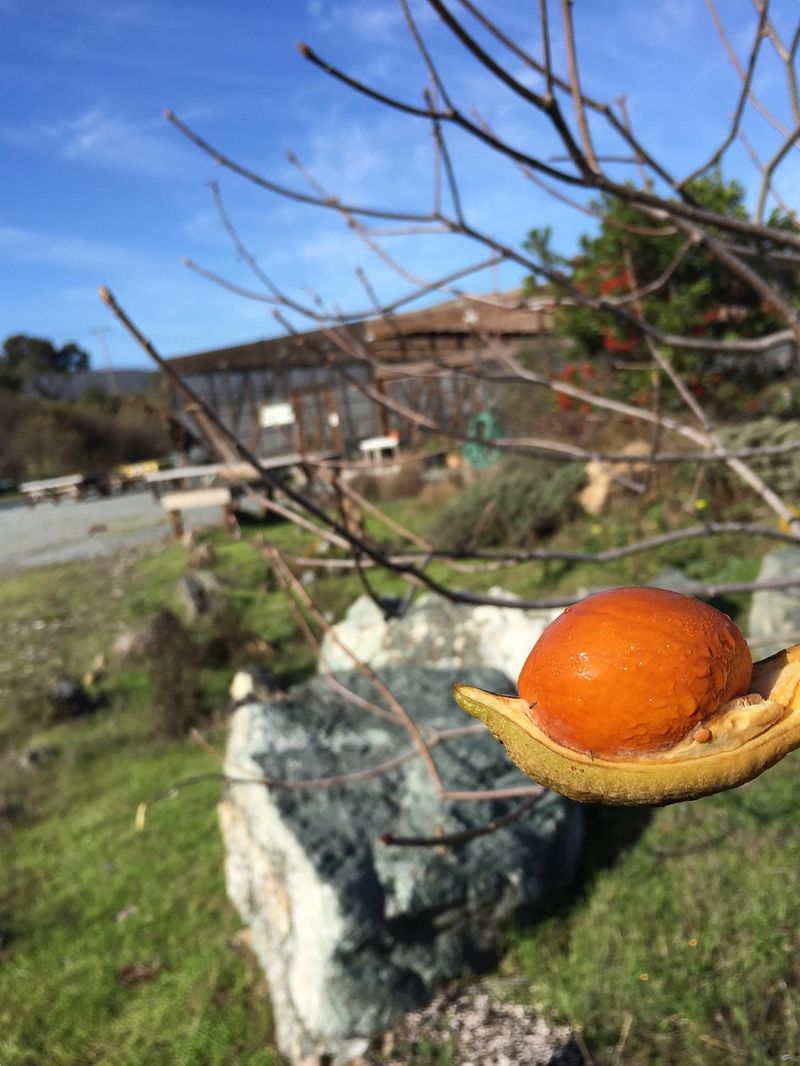
A fingertip run over a buckeye capsule meets a pleasant surprise. The husk feels smooth and slightly leathery, much like the skin of a ripe fig.
That texture sets it apart from its spiky cousin, the horse chestnut, found in European parks and many city streets. The two often get mixed up, especially since they belong to the same plant family.
Shape offers the next clue. Each capsule resembles a small pear or plump fig, usually about 2 to 3 inches long.
Color shifts from soft green in summer to tan or brown as fall approaches. That gradual change signals the seeds inside are nearly ready.
Capsules often hang alone or in small groups at the branch tips. With the leaves already gone, the fruit stands out clearly against the sky.
Your California Garden Changes Every Week. Your Plan Should Too.
Gardening in California changes quickly throughout the season. Every Friday you’ll receive a simple weekly plan showing exactly what to plant, prune, fertilize, harvest, and protect so you never miss the right timing.
Photographers love that look, since the outline appears so crisp and clean. Golden afternoon light makes the scene even more striking.
Three features together make identification easy in fall. Bare gray or silver branches, pear-shaped hanging fruit, and husks without spines all point to a California buckeye.
Name confusion happens all the time, so mistaking one tree for the other is perfectly understandable. Their fruits simply took different style paths, one rugged and one sleek.
A side-by-side comparison on a city stroll and a hillside hike makes the difference clear. Once noticed, that smooth husk becomes easy to spot every October.
Capsules Split To Release Glossy Brown Seeds
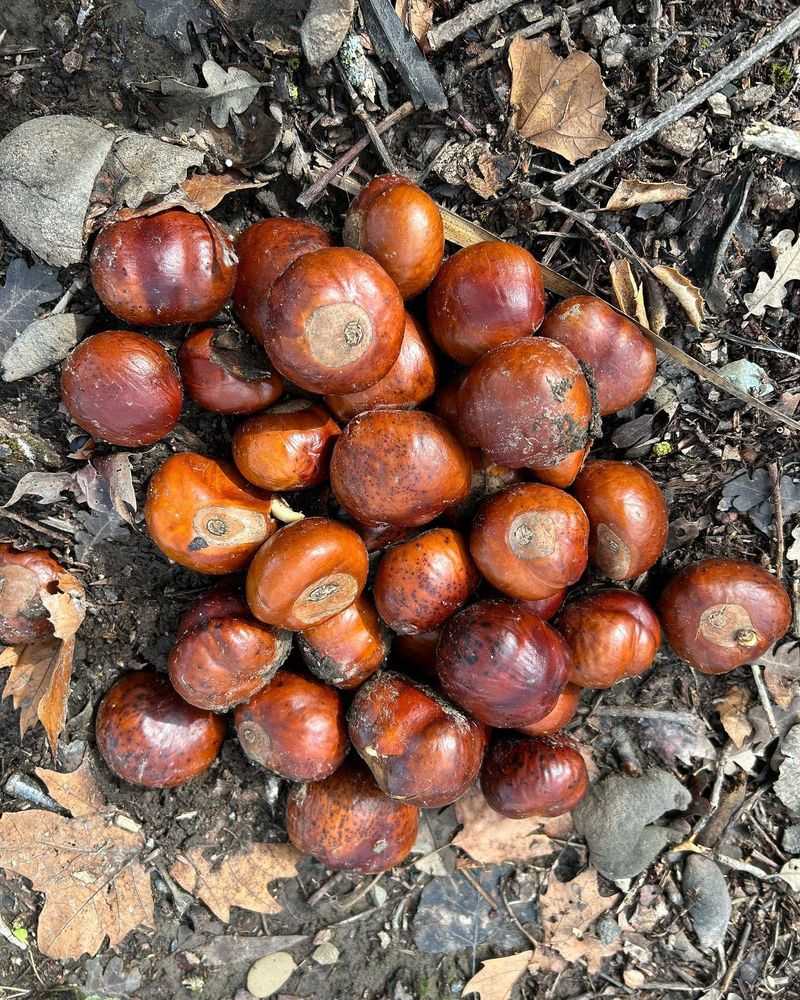
A dry crack signals the next stage. As the husk dries, it peels open along natural seams and reveals what was hiding inside.
Most capsules hold one large seed, though some carry two or three packed snugly together. The seeds themselves are impressive.
They’re big, round, and glossy brown, often shining like polished wood or a freshly opened chestnut. Some reach the size of a golf ball, ranking among the biggest seeds of any native California tree.
Size matters for survival here. A big seed stores plenty of food, letting the young root push deep into the soil quickly.
That head start helps the seedling reach moisture before the next dry season arrives. It’s a smart strategy for a tough climate.
Gardeners hoping to grow a buckeye do best with fresh seeds. They sprout most reliably soon after falling and lose vigor when they dry out on a shelf.
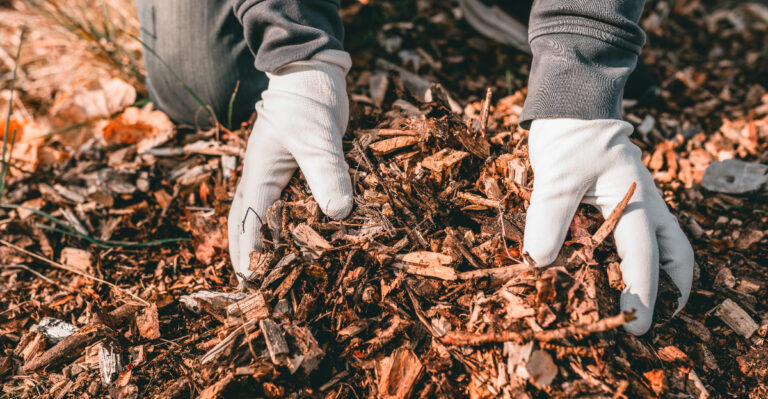
A deep pot or a spot directly in the ground, with the seed half buried, works well. Gloves make handling safer, given the tree’s natural toxins.
Many seeds begin sending out a root while still lying on the ground. A pale root poking from a fallen seed makes a fun discovery on a winter walk.
That early start shows the tree wasting no time on the next generation. Wherever a seed happens to land, it gets right to work.
The Buck’s Eye Scar Gives The Tree Its Name
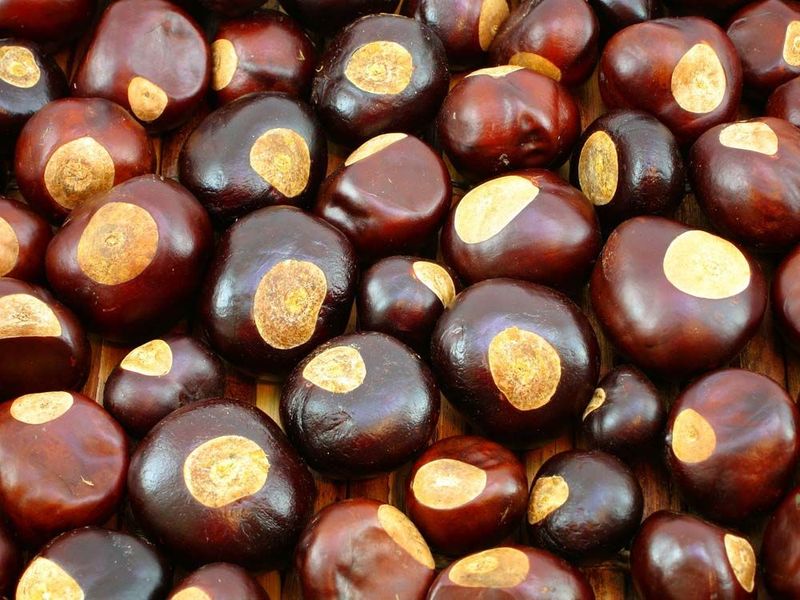
A seed held up to the light and turned slowly reveals a large pale patch on one side. It stands out sharply against the dark brown shine.
That patch resembles the eye of a male deer, and suddenly the name makes perfect sense. The mark is actually a scar left where the seed attached inside the capsule.
Its soft tan color and rounded shape look a lot like the gentle eye of a buck. Early settlers noticed the likeness, and the name buckeye stuck for good.
California isn’t the only place with a buckeye story. Ohio calls itself the Buckeye State after its own native relative.
The Ohio seed carries a similar scar. The deer eye comparison travels well across the country, linking two very different landscapes.
Kids especially enjoy spotting the eye, which makes a great nature lesson. Looking without touching, or handling seeds only with gloves and an adult nearby, keeps that lesson safe.
A close-up photo lets young explorers keep the memory without carrying a seed home in a pocket. That small habit prevents accidental snacking later.
Few scars look exactly alike. Some are wide and oval, while others appear narrow or slightly lopsided.
Comparing a few on a hike turns a simple walk into a small treasure hunt. Every seed gives a different look right back, as if each one carries its own personality.
Every Part Of The Tree Is Toxic
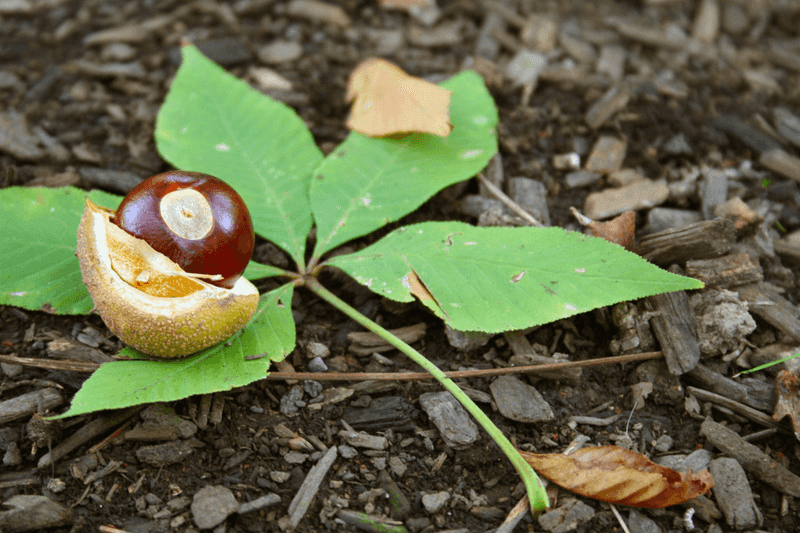
Shiny and chestnut-like, buckeye seeds can fool almost anyone. Looks prove very misleading here, since the seeds, leaves, and young shoots all contain a natural compound called aesculin that’s poisonous to people and animals.
Eating any part can cause stomach pain, vomiting, weakness, and other serious symptoms. Symptoms can appear within hours of eating even a small amount.
A resemblance to chestnuts offers no guarantee of safety. True chestnuts come from a completely different tree with spiny burs and flat-sided nuts.
The two are easy to confuse at a glance. Native Californians knew the tree well and used the seeds only after long, careful processing to remove the toxins.
That knowledge took generations of skill and practice. Home experimentation with that process is best avoided entirely, and this article leaves those details out for good reason.
Gardeners can still grow the tree safely with a little common sense. Gloves offer protection when collecting seeds for planting or pruning branches.
Washing hands afterward adds another layer of safety. Clippings work best kept out of compost piles that animals might pick through.
Labels help, too. A small sign noting that the plant isn’t edible makes a smart addition in shared gardens or school plantings.
A few words of warning prevent plenty of worry. The tree can then keep doing what it does best, looking beautiful on the hillside season after season.
Keep Kids, Pets, And Livestock Away From The Seeds
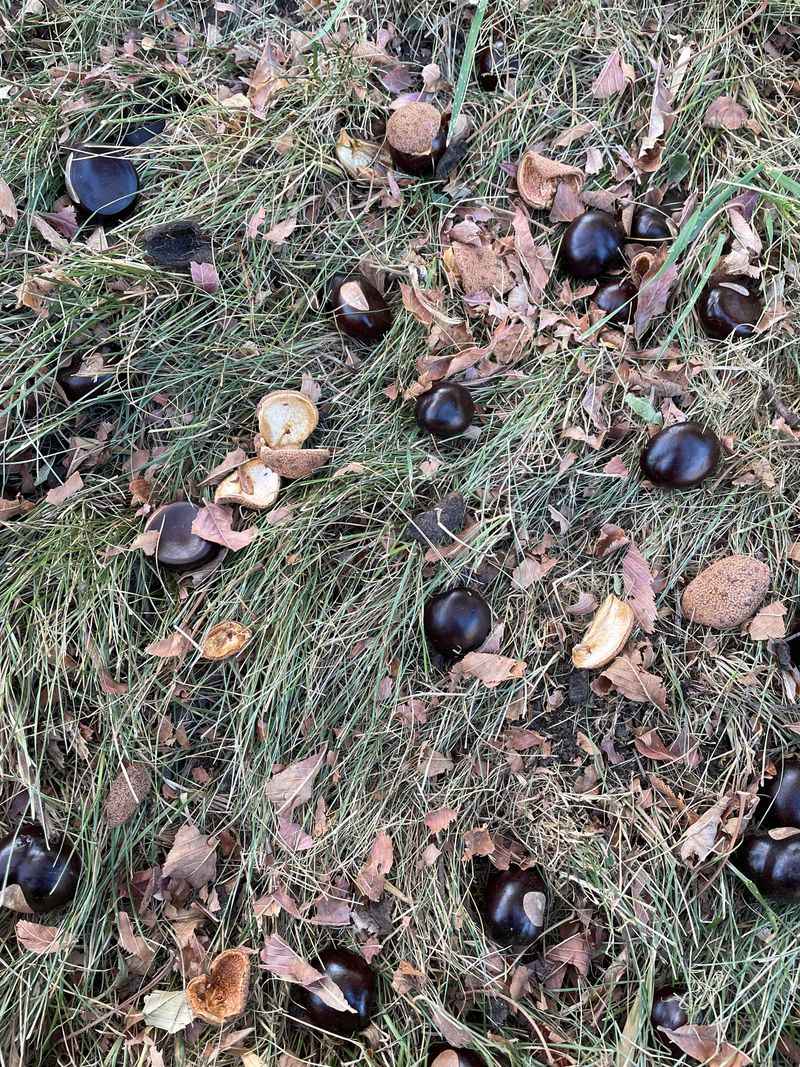
A shiny brown seed resting on the lawn easily catches a curious eye at toddler height. Dogs often notice the same seed and give it an exploratory lick.
Scenes like these play out every fall, so a simple plan makes a big difference.
Regular cleanup comes first. Raking fallen capsules and seeds from lawns, play areas, and dog runs every few days during the drop season keeps temptation low.
Bagged seeds belong in the trash rather than an open pile. That small step keeps them out of reach.
Fencing helps on larger properties. Horses, goats, sheep, and cattle can be sickened by seeds, leaves, or young shoots.
Grazing animals do best in pastures without buckeye trees. Fencing trees off also keeps animals from browsing low branches.
A clear family rule helps children stay safe. Kids often mistake the seeds for chestnuts or toys, so explaining why they belong on the ground makes a difference.
On walks, dogs stay safest on a short leash near buckeye trees. A quick tug away from the seeds prevents trouble.
Any swallowing of the plant calls for fast action. Poison Control at 1-800-222-1222 helps with people, even before symptoms start.
A veterinarian or animal poison hotline handles pets and livestock, ideally with a plant sample on hand. Those numbers belong on the fridge before October rolls around, since being ready always beats scrambling later.
Honeybees Can Be Harmed By The Nectar
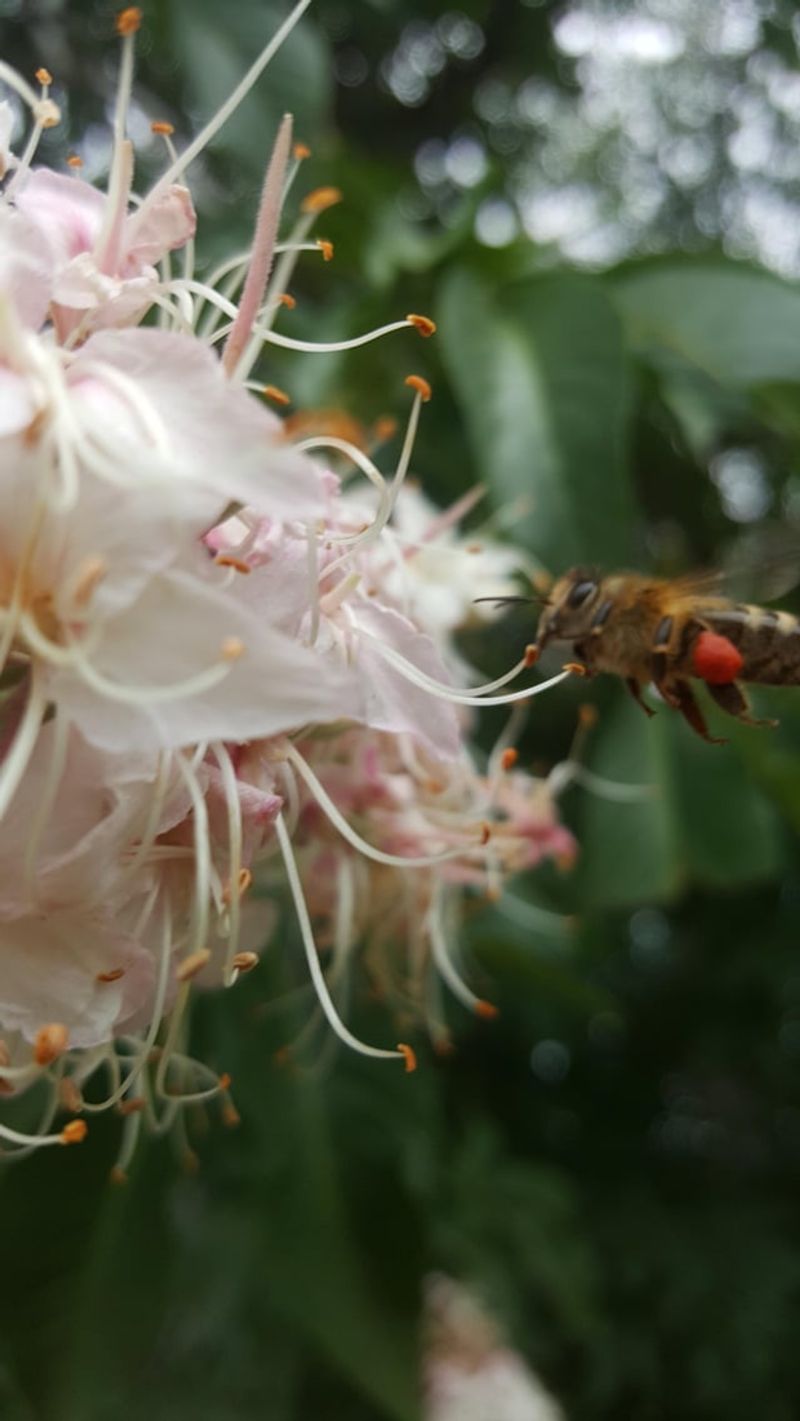
Late spring turns the buckeye into a fragrant candle show. Upright spikes of white to pale pink flowers cover the tree, sometimes 6 to 8 inches tall, glowing against fresh green leaves.
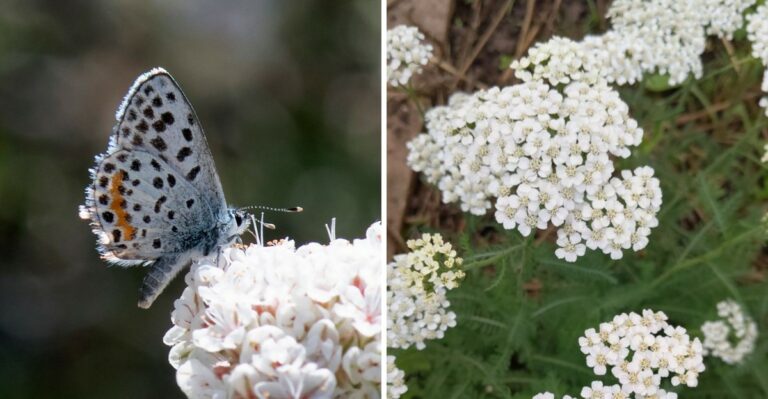
Their sweet scent drifts across the hillside and draws a busy crowd of visitors. Native bees, butterflies, and hummingbirds feed on the flowers without trouble.
Swallowtail butterflies make frequent guests, and hummingbirds zip between the spikes for a sip. Bumblebees and other native bees work the blooms steadily from morning to evening.
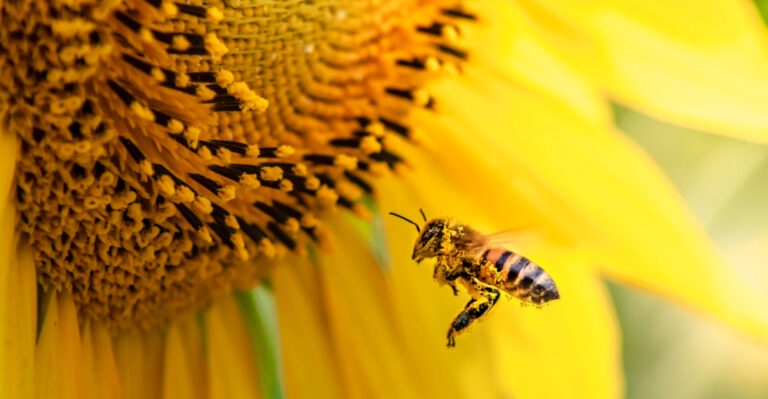
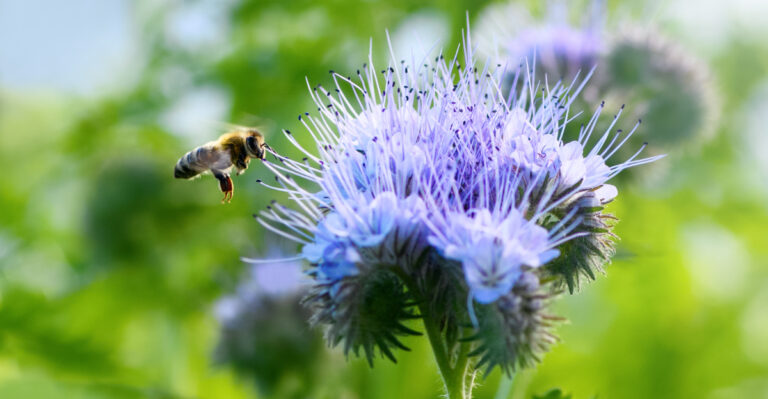
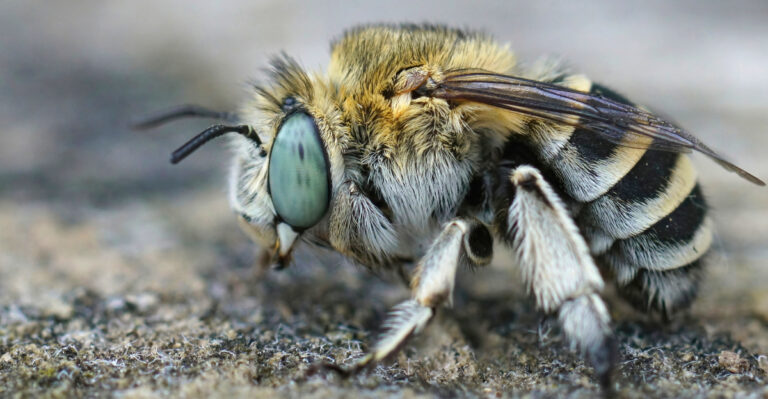
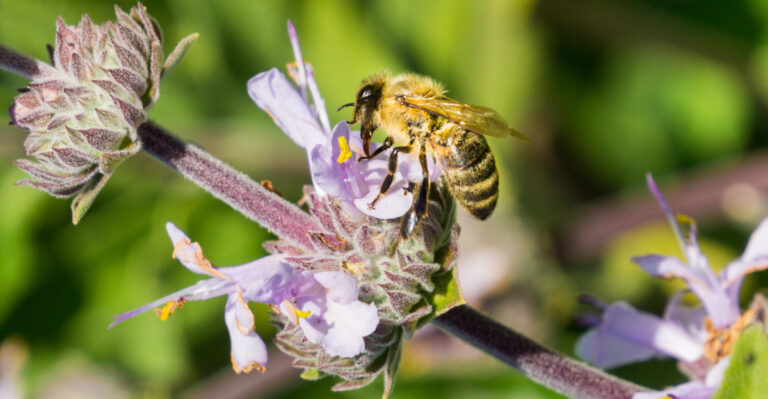
Honeybees tell a different story. The nectar and pollen contain toxins that can harm honeybees, especially young bees inside the hive.
Beekeepers sometimes notice weak or deformed brood when colonies forage heavily on buckeye flowers. That effect makes hive placement especially important.
Hives set away from large buckeye stands during bloom season face less risk. Plenty of other flowers nearby also helps.
A colony with good choices tends to lean less heavily on buckeye nectar. Thoughtful planning keeps both bees and trees thriving.
Wildlife gardeners still have great reasons to plant the tree. It supports native pollinators that evolved alongside it, and those local helpers play a big role in healthy ecosystems throughout the state.
Ceanothus, sage, and California poppy make wonderful companions. Together with a buckeye, they provide a full season of food that keeps every buzzing guest well fed and happy.