These Pennsylvania Garden Plants Need Protection Before This Week’s First Cool Night Arrives
The first cool night of the season in Pennsylvania arrives without much fanfare, and that’s exactly what makes it dangerous for certain garden plants.
One night of temperatures dropping below what a plant can comfortably handle can undo weeks of careful growing, and the frustrating part is that the damage is often not obvious until the following morning when it’s already done. This is the week to pay attention.
Not every plant in your garden needs protection from an early cool night, but the ones that do need it badly.
Knowing which category each of your plants falls into before the temperature drops is the difference between a garden that transitions smoothly into fall and one that loses plants it didn’t need to lose.
Some garden plants are genuinely cold sensitive and will show stress, damage, or collapse after even a brief dip into lower temperatures. Others will shrug it off completely.
Knowing which is which right now is the most practical thing you can do for your Pennsylvania garden this week.
1. Basil
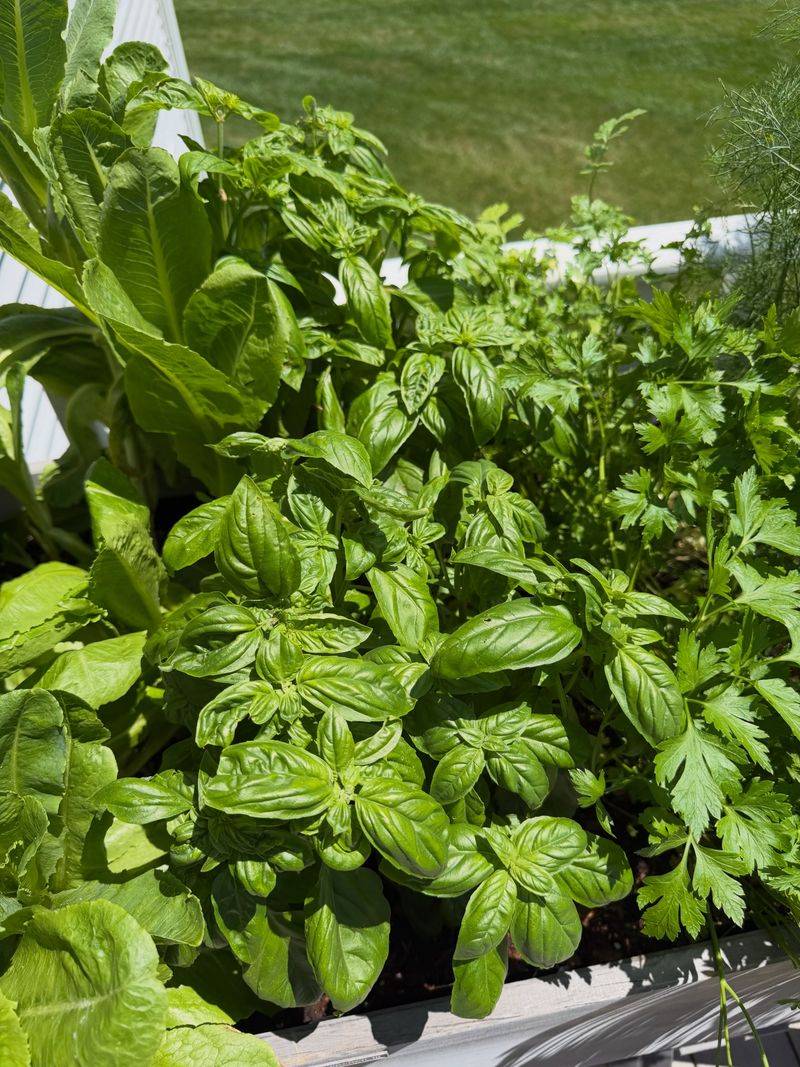
Few herbs are as beloved in summer gardens as basil, and few are as quick to show trouble when the temperature drops.
Most gardeners know that frost will finish a basil plant in a single night, but what surprises many people is that basil can start looking awful at temperatures well above freezing.
Once nights dip below 55 degrees Fahrenheit, basil leaves can turn black and mushy almost overnight. A single cool night can set back even a perfectly healthy plant for the rest of the growing season.
Basil is native to tropical regions of Asia and Africa, which is why it struggles so much in cooler weather. Its leaves are thin and delicate, and they have almost no ability to protect themselves from cold air.
The damage shows up fast. You might go to bed with a lush, green plant and wake up to a wilted, dark mess that no amount of watering will fix.
The fix is simple, though. If you have basil growing in pots, bring them indoors before any night where temperatures are expected to fall below 55 degrees.
A sunny windowsill works great. For basil planted in the ground, drape a lightweight cloth or frost blanket over the plant in the evening and remove it in the morning once things warm up.
Even a few extra degrees of warmth underneath the cover can make a big difference. Harvesting as much as you can before a cool snap is also a smart move.
Fresh basil stores well in a glass of water on your counter, and you can always make pesto to use up larger amounts before the cold has a chance to do any harm.
2. Tomatoes
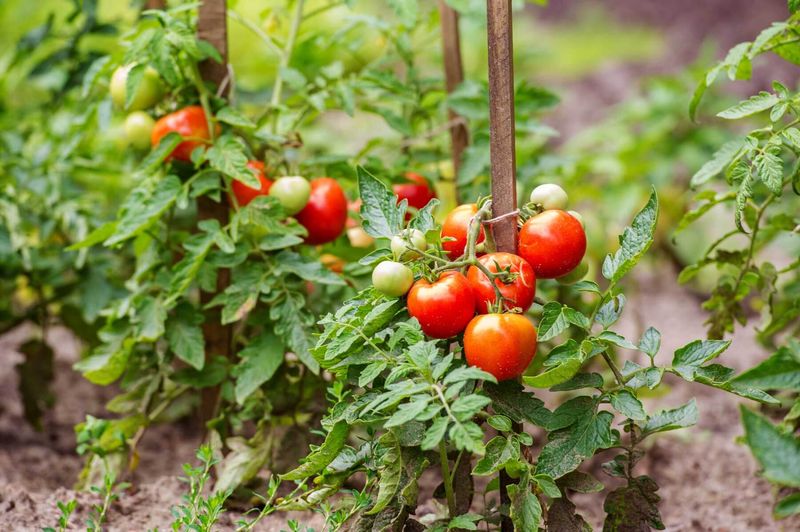
Tomatoes are the crown jewel of most Pennsylvania gardens, and protecting them as nights get cooler is one of the smartest things you can do this time of year.
Mature tomato plants are tougher than basil and can handle a brief cool night without completely falling apart.
Your Pennsylvania Garden Changes Every Week. Your Plan Should Too.
Gardening in Pennsylvania changes quickly throughout the season. Every Friday you’ll receive a simple weekly plan showing exactly what to plant, prune, fertilize, harvest, and protect so you never miss the right timing.
But here is the part many gardeners miss: when nighttime temperatures drop below 55 degrees Fahrenheit, fruit set and ripening slow down dramatically. Your tomatoes are still out there, but they stop doing what you want them to do.
Prolonged cool snaps can also cause blossom drop, which means the flowers that were supposed to turn into your next round of tomatoes simply fall off the plant. Once that happens, you lose not just the current fruit but the future harvest too.
It is a frustrating thing to watch, especially late in the season when you are counting on every tomato you can get.
Covering your tomato plants overnight is an easy and effective solution. A lightweight row cover or even an old bedsheet draped over the plants before sunset can trap enough warmth to keep temperatures a few degrees higher around the plant.
Make sure to secure the edges so the cover does not blow off in the wind. Remove it in the morning so the plants get full sun and airflow during the day.
For tomatoes that are already showing color, you can also pick them early and let them ripen indoors on a counter, away from direct sunlight.
Green tomatoes will continue to ripen this way and still taste great. A little effort now means a bigger, better harvest before the season truly ends.
3. Peppers
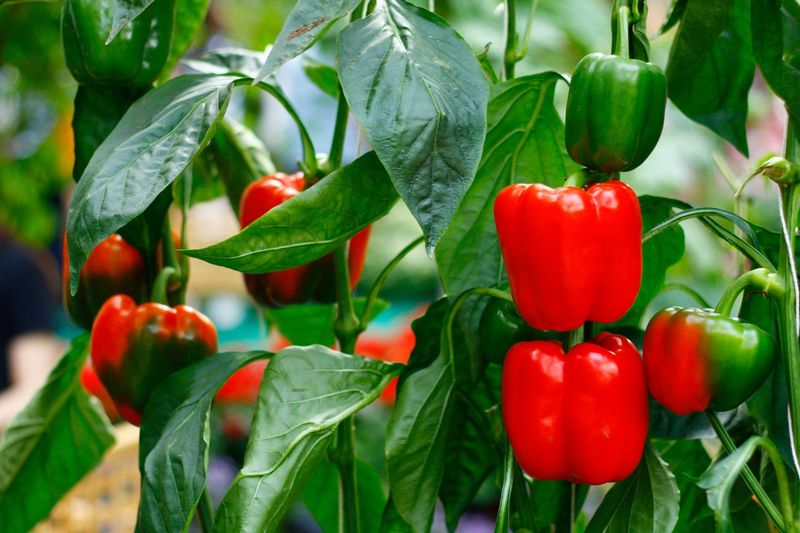
Peppers are even more heat-dependent than tomatoes, and that makes them especially vulnerable as Pennsylvania nights start to cool down. If you have pepper plants that are still setting fruit or showing blooms, a string of cool nights can cause real trouble.
When nighttime temperatures dip into the 50s for several nights in a row, pepper plants often respond by dropping their flowers and any immature fruit that has not yet developed fully. That is weeks of growing time lost in just a few chilly nights.
Peppers originally come from warm, tropical climates in Central and South America. Their biology is built for heat, and their root systems and leaves are not equipped to handle the cold the way some other vegetables are.
Even when the plant itself survives a cool stretch, its productivity can take a serious hit. Fewer peppers, smaller fruit, and a plant that just looks stressed are all signs that the nights have been too cool for too long.
Protecting peppers is worth every bit of effort, especially if your plants are still loaded with developing fruit. A lightweight row cover is your best friend here.
Drape it over the plants each evening before temperatures drop and remove it the next morning. The cover traps heat from the soil and keeps the air around the plant a few degrees warmer than the outside air, which is often enough to prevent flower and fruit drop.
For potted pepper plants, simply move them indoors or into a garage overnight. Peppers in containers are especially easy to protect this way.
Staying on top of cool-night forecasts for the next few weeks can help you get the most out of your pepper plants before the season wraps up.
4. Tropical Hibiscus
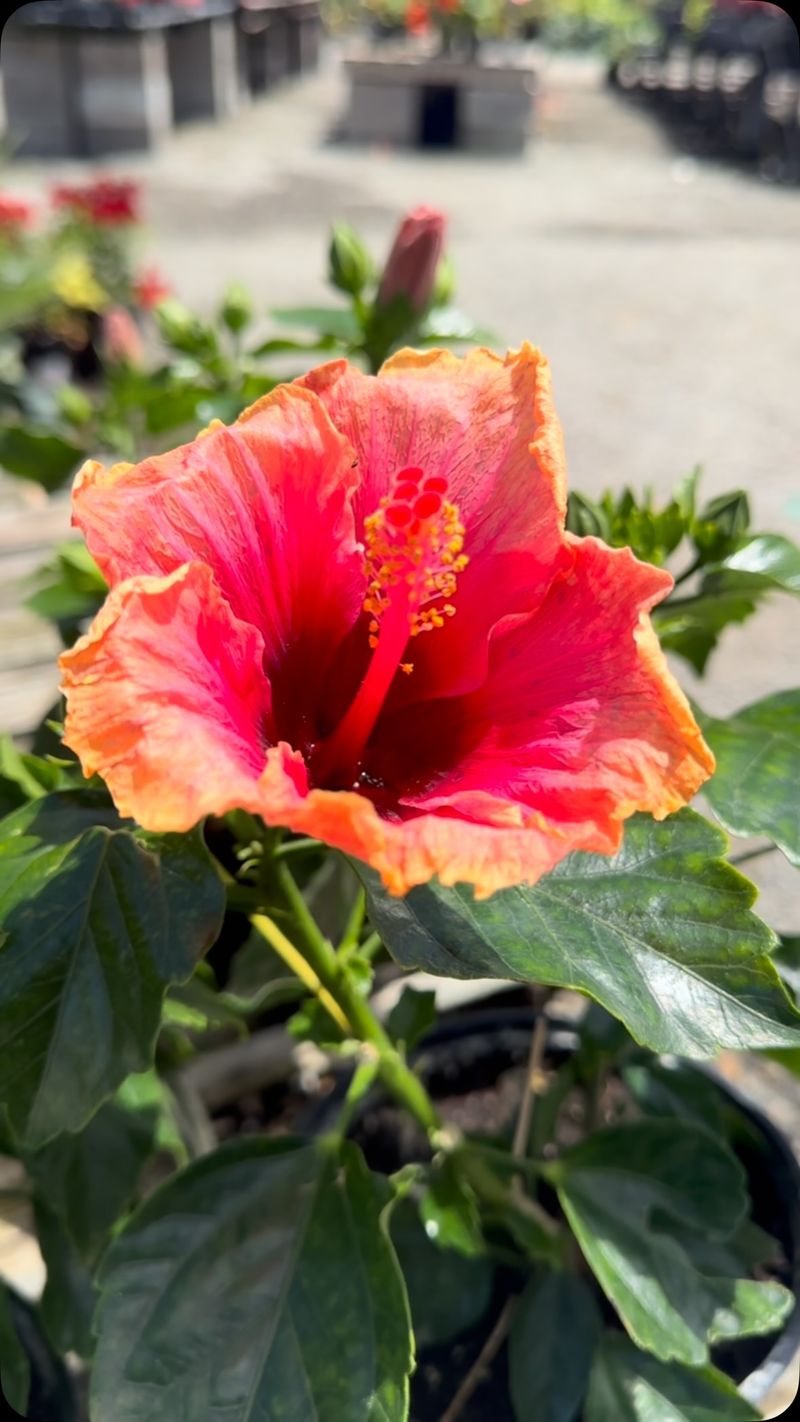
There is something almost magical about a tropical hibiscus in full bloom. The flowers are big, bold, and colorful, and they make any porch or patio feel like a vacation.
But tropical hibiscus is not built for Pennsylvania weather, and it will let you know quickly when it is not happy. Unlike the hardy hibiscus varieties that can survive winters in the ground, tropical hibiscus is a true warm-weather plant.
It starts showing stress at temperatures well above freezing, often when nights are consistently in the 50s.
What you will notice first is that the plant starts dropping leaves and buds. One day it looks fine, and the next you find a pile of leaves at the base of the pot and several unopened buds on the ground.
This is the plant reacting to the cold by trying to conserve energy. It is a survival response, but it means you lose the blooms you were looking forward to and the plant can look pretty rough for a while afterward.
The simplest solution for tropical hibiscus is to move potted plants indoors or into a garage before any night where temperatures are expected to fall into the 50s. Most people grow tropical hibiscus in containers specifically because it makes overwintering so much easier.
You do not need to keep it in a warm, sunny room every night right now. A garage or shed that stays above 50 degrees is usually enough to get through the cooler nights of early fall.
Once temperatures warm back up during the day, you can move it back outside to soak up the sun. Watching the forecast and acting early keeps your hibiscus blooming longer and looking its best.
5. Mandevilla
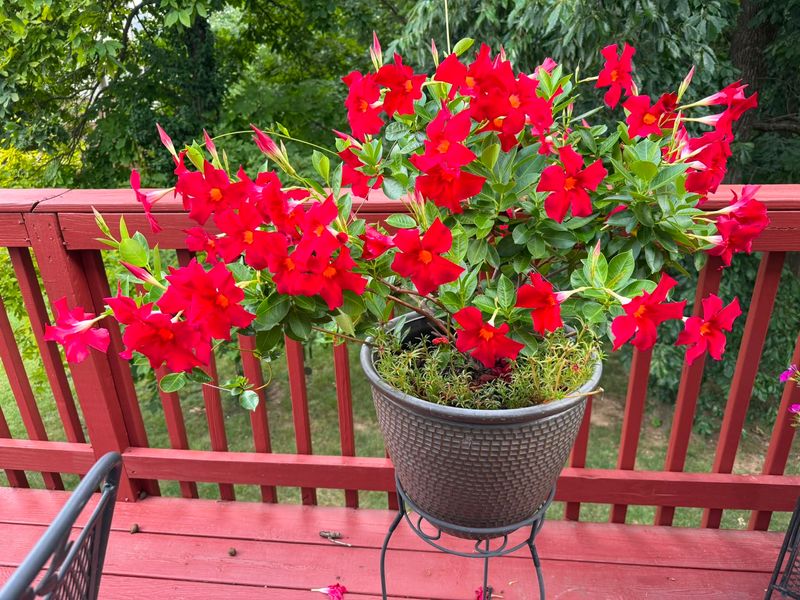
Walk through almost any Pennsylvania neighborhood in summer and you will spot mandevilla vines climbing trellises and winding up porch railings.
Their glossy leaves and trumpet-shaped flowers in shades of pink, red, and white make them a popular choice for adding a tropical feel to outdoor spaces.
But mandevilla is a tropical vine at heart, and it reacts to cool nights the same way tropical hibiscus does. When temperatures slip into the 50s at night, mandevilla starts to struggle.
Leaves can yellow and drop, flower buds may fail to open, and the overall growth of the plant slows to a crawl. A prolonged cool stretch can leave a once-lush vine looking sparse and sad.
The tricky part with mandevilla is that it often grows large by late summer, wrapping itself around a trellis or railing in ways that make it harder to move indoors compared to a simple potted flower.
But the effort is worth it if you want to keep the plant healthy and potentially overwinter it successfully.
For mandevilla growing in containers, try to give yourself a little extra time to gently unwind the vine from its support before bringing it inside. A cool garage or basement that stays above 50 degrees works well for overnight protection during early fall cool snaps.
You do not need to keep it in full sun during these short indoor stays. Just get it out of the cold air and back outside once daytime temperatures climb again.
If moving it is not practical, draping a frost cloth over the plant and its support structure can provide enough warmth to get through a single cool night without causing lasting damage.
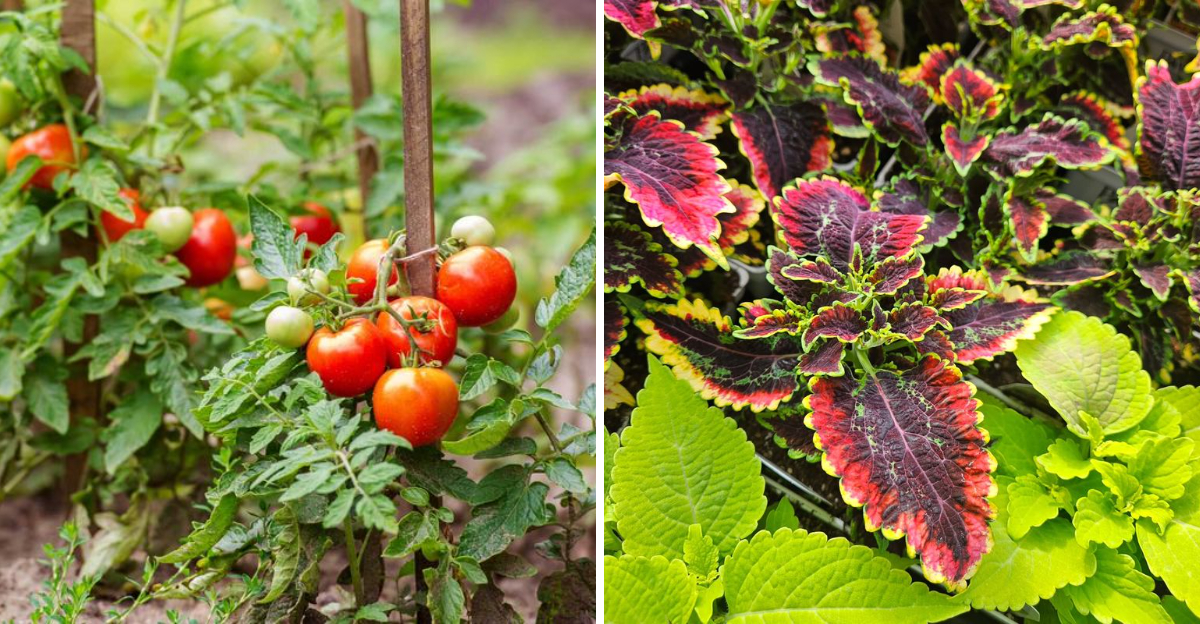
6. Coleus
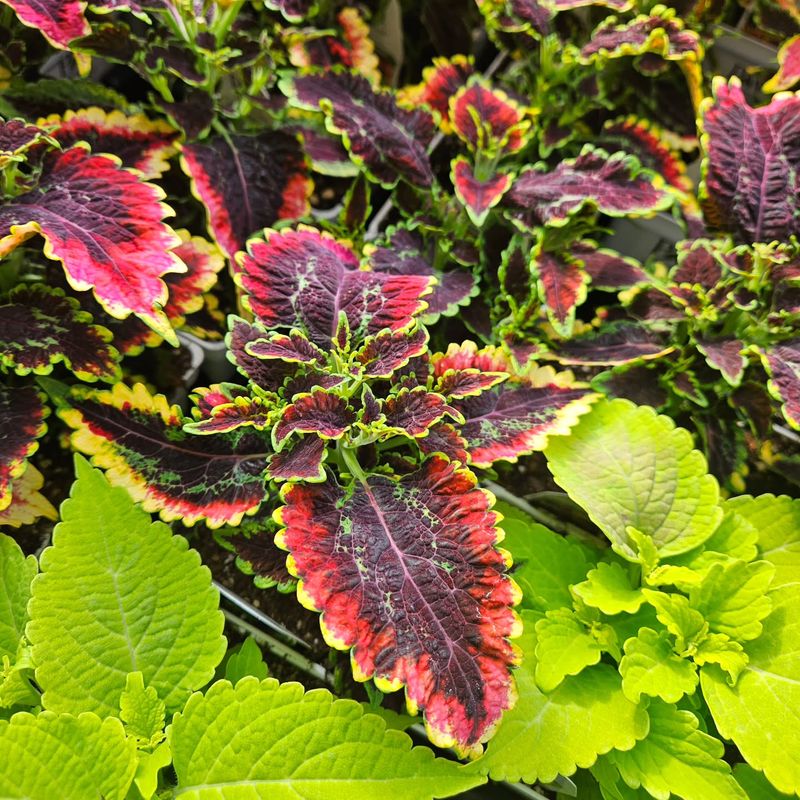
Coleus is one of those plants that earns its spot in the garden purely through personality. The foliage comes in an almost endless range of colors, from deep burgundy and lime green to bright pink and rich purple, often all swirled together in a single leaf.
Gardeners love coleus for shaded spots where flowers struggle to perform. But as fall approaches and nights start cooling down, coleus needs a little extra attention to keep looking its vibrant best.
Cool nights can cause coleus leaves to wilt and lose their color intensity. The plant does not handle temperature swings well, and pots are especially vulnerable because the roots in a container have much less insulation than plants growing directly in the ground.
Soil in a pot can cool down very quickly once the air temperature drops, and that cold soil stresses the roots before the leaves even have a chance to show it.
Moving coleus containers to a sheltered spot for the night is usually all the protection you need during early fall cool snaps. A spot up against the house, under an overhang, or just inside a garage door can make a meaningful difference.
The goal is to block the cold air and keep the soil temperature from dropping too fast. If your coleus is planted in the ground, a lightweight cloth draped over the top for the night works well.
Remove it in the morning so the plant gets proper light and airflow. Coleus is also easy to take cuttings from, so if you love a particular variety, snipping a few stems and rooting them in water indoors is a great way to preserve your favorites heading into winter.
7. Impatiens
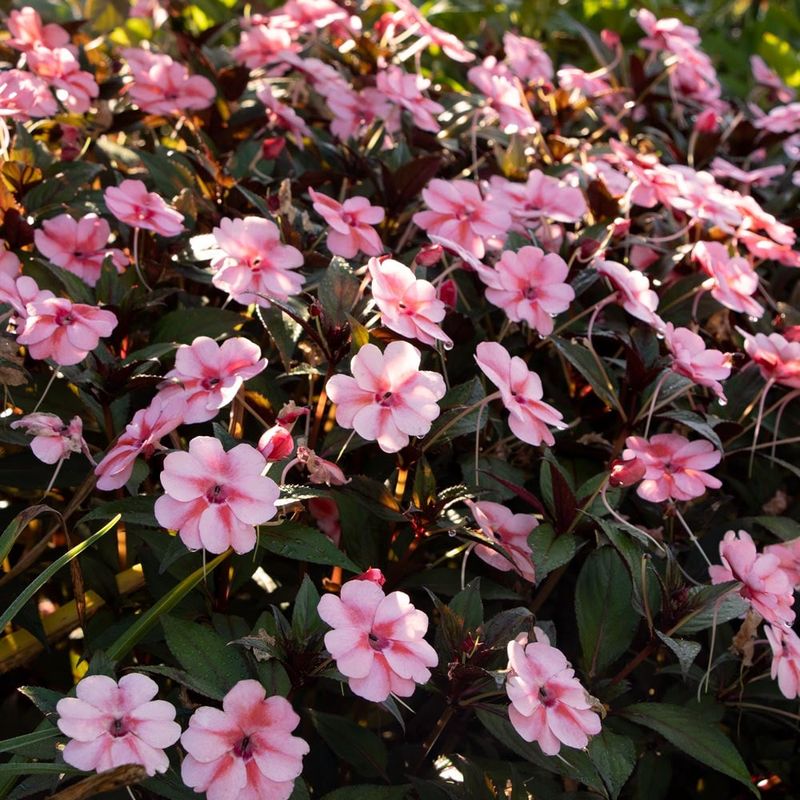
Impatiens have a reputation for being tough little workhorses of the shade garden. They bloom reliably from spring all the way through fall, filling in spots under trees and along shaded walkways where not much else wants to grow.
Because they handle mild weather so well and bounce back from dry spells faster than most annuals, it is easy to assume they can handle a cool night without any help. That assumption can cost you several weeks of blooming time.
A cool snap, even one that stays well above freezing, can cause impatiens leaves to yellow and blooms to slow down or stop altogether. The plant goes into a kind of holding pattern, redirecting its energy toward survival rather than flowering.
Getting it back to full bloom after a cool stretch can take two to three weeks, which is a long time to lose late in the growing season when every day of color counts.
Protecting impatiens before a cool night does not require a lot of effort. For plants growing in containers, move them to a sheltered location like a covered porch, a garage, or even just up against the house where the wall holds a little extra warmth.
For impatiens in garden beds, a lightweight row cover or thin frost cloth laid gently over the plants before sunset provides enough insulation to keep things comfortable through the night. Remove the cover in the morning so the plants get the indirect light they need.
Paying attention to the forecast and acting before temperatures drop, rather than waiting to see damage first, is the key to keeping your impatiens blooming strong all the way to the end of the season.