Plant These Overwintering Vegetables In Oregon Before September Closes The Window
Oregon vegetable gardens may start looking a little quieter as summer winds down, but that does not mean planting season is ready to clock out.
There is still time to get certain crops into the ground for the colder months ahead, and missing that window can mean waiting much longer for another chance.
The tricky part is that the seasonal shift can sneak up quickly. Warm afternoons may still feel wonderfully summery, while cooler nights quietly signal that the garden calendar is moving along.
One minute you are picking tomatoes in a T-shirt, and the next you are wondering where you left your favorite fleece. Very Oregon.
That makes late summer an especially useful moment to look at any open garden space and decide what could go there next.
Overwintering vegetables need enough time to settle in before colder conditions become a bigger factor, so putting things off can make a real difference.
Before you stash the seed packets and call the season finished, take one more look at those empty beds. They may still have an important job to do.
1. Garlic Getting A Head Start Before Winter
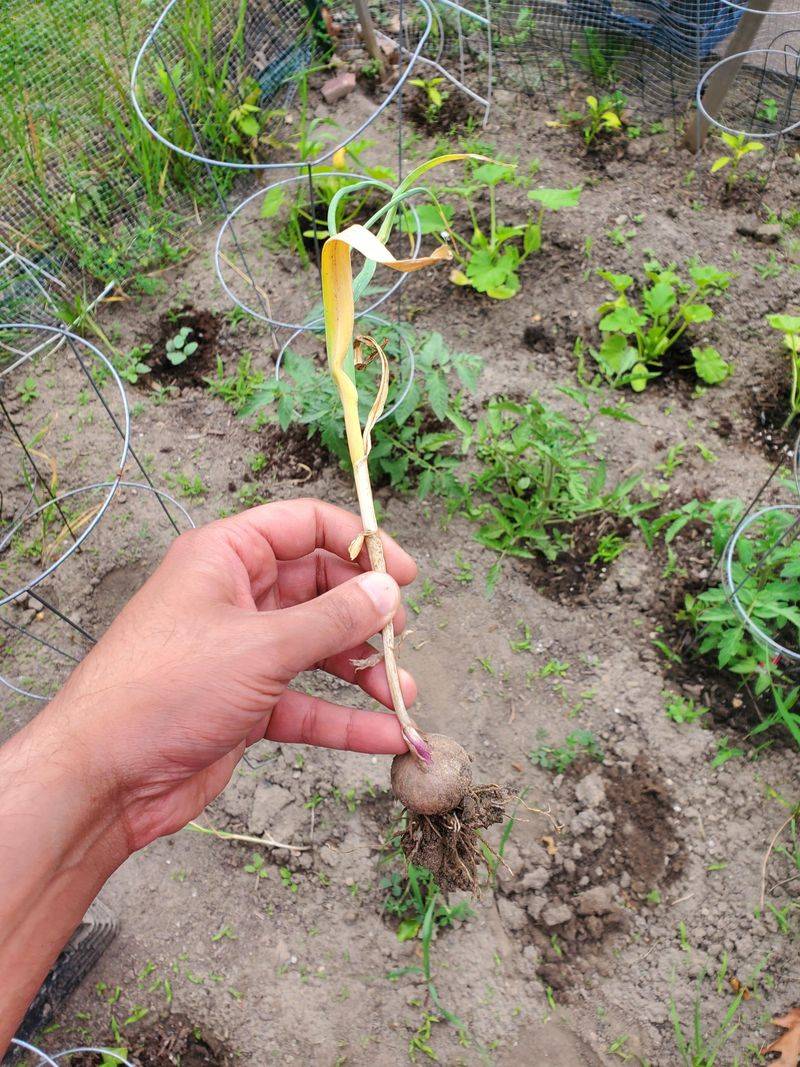
Few vegetables reward patience quite like garlic. You plant it in fall, forget about it through winter, and then come spring, you pull up bulbs that feel like buried treasure.
Garlic needs a cold period to form proper cloves, which is exactly why fall planting works so well.
To get started, break apart a healthy garlic bulb and plant each clove pointy-side up, about two inches deep and six inches apart. Hardneck varieties like Rocambole or Purple Stripe do especially well in the Pacific Northwest.
They handle cold soil better and tend to develop more complex flavor than softneck types.
After planting, cover the bed with a few inches of straw or shredded leaves. This mulch layer keeps the soil from freezing solid and helps retain moisture through rainy months.
The cloves will sprout slowly and may peek above the soil before winter fully arrives.
Come spring, those green shoots will take off quickly. You will harvest in late June or early July, depending on your location.
Garlic is one of the most rewarding crops to grow because it stores well for months after harvest. Plant more than you think you need, because once you taste homegrown garlic, store-bought will never quite measure up again.
One bed planted now can supply your kitchen for most of the following year with almost no fuss.
2. Overwintering Onions Settling In Before Cold Weather
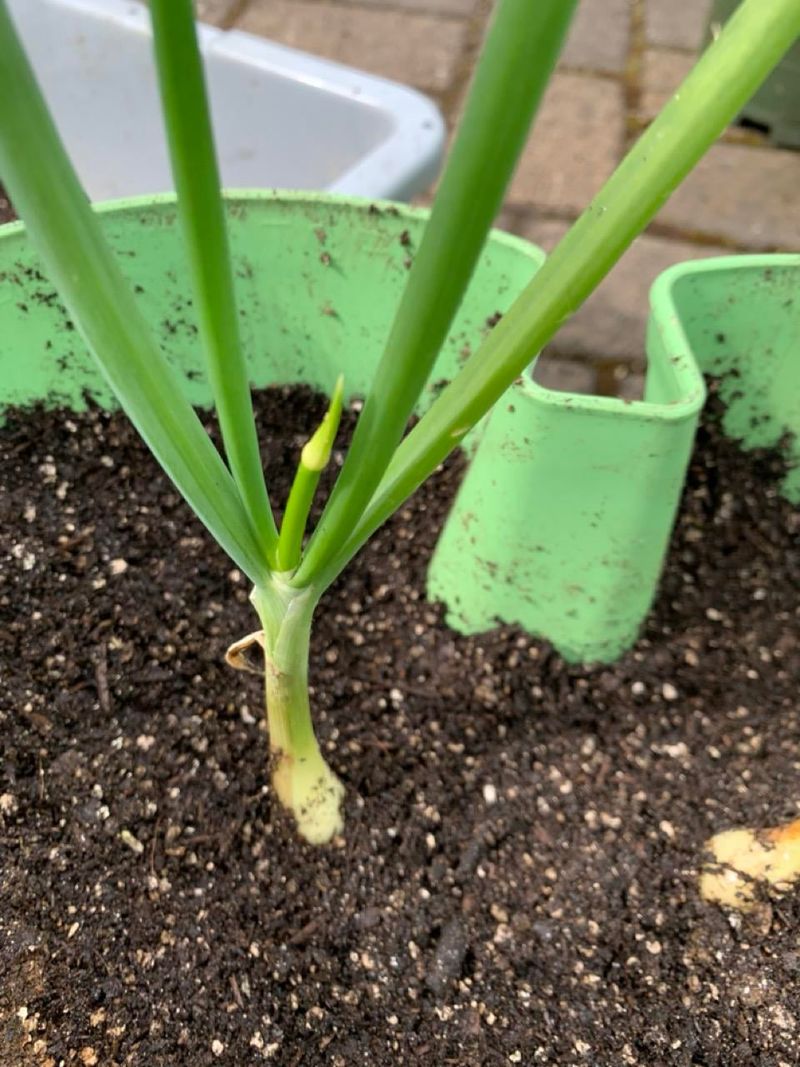
Onions have a reputation for being fussy, but overwintering types are actually quite forgiving once they get settled. The key is giving them enough time to establish before temperatures really drop.
Planting in late August or early September gives them a solid head start.
Look for varieties labeled as overwintering or Japanese bunching onions. These are bred specifically for cool-season growing and will not bolt early like summer varieties sometimes do.
Walla Walla Sweet is a popular choice in the Pacific Northwest and is worth tracking down at local nurseries.
Your Oregon Garden Changes Every Week. Your Plan Should Too.
Gardening in Oregon changes quickly throughout the season. Every Friday you’ll receive a simple weekly plan showing exactly what to plant, prune, fertilize, harvest, and protect so you never miss the right timing.
Sow seeds about a quarter inch deep in rows, or transplant small starts if you can find them. Space plants about four inches apart.
They will grow slowly through winter but pick up speed as days lengthen in late February and March. That surge of spring growth is when onions really bulk up.
Onions prefer well-drained soil, so if your garden holds water through winter, consider raised beds or adding compost to improve drainage. A light layer of mulch helps protect young roots without smothering the tops.
Keep an eye out for slugs, which love tender onion shoots in wet weather. By late spring or early summer, you will have full-sized onions ready to pull, cure, and store.
It is a long game, but the payoff is worth every bit of the wait.
3. Spinach Growing Now And Picking Up Again In Spring
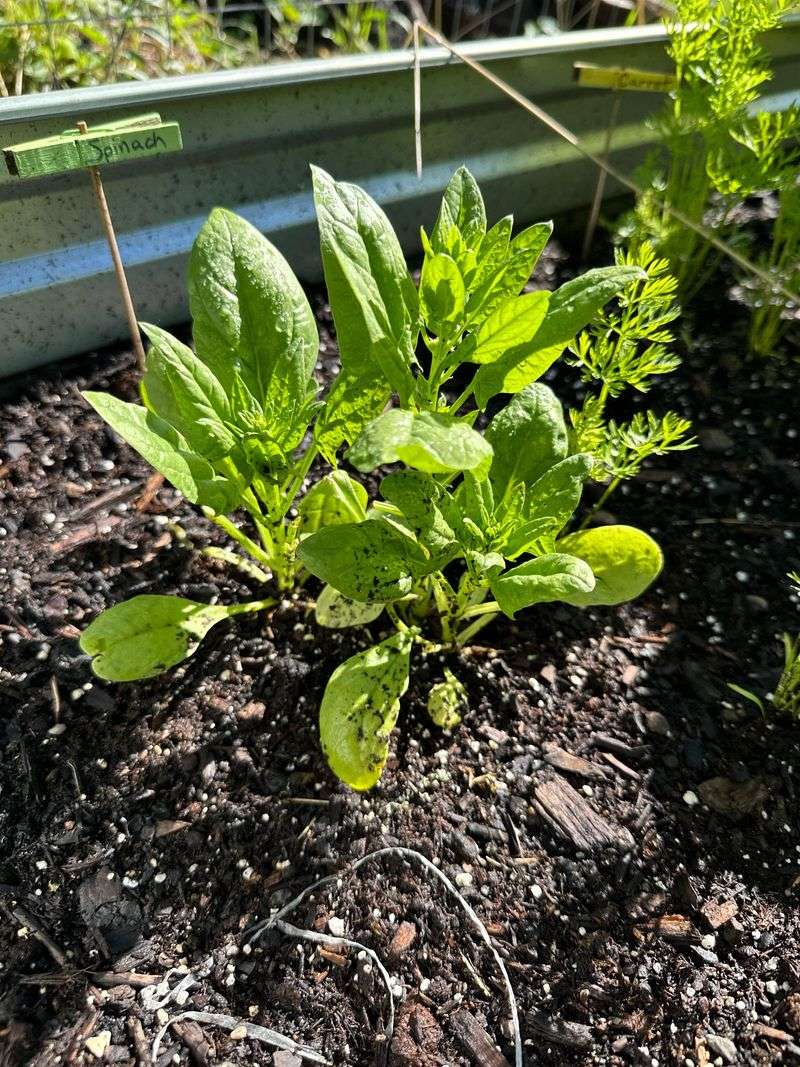
Plant it now and you can pick leaves through fall. Then, even if it slows down in the coldest weeks, it bounces back strong in late winter and early spring when most gardens are still bare.
Choose a variety like Bloomsdale, Tyee, or Space, all of which handle cold well and resist bolting in fluctuating temperatures. Direct sow seeds about half an inch deep and two to three inches apart.
Thin seedlings to about six inches once they get established. Spinach germinates best when soil temperatures are between 45 and 65 degrees Fahrenheit, so early fall is ideal timing.
One of the best things about spinach is how little care it needs. Keep the soil moist after planting, and it pretty much handles itself.
In areas with heavy rainfall, make sure water does not pool around roots, as soggy conditions can cause rot. A simple row cover or cold frame can extend your harvest window significantly during the coldest stretches.
Harvest outer leaves regularly to encourage new growth from the center. Do not take more than a third of the plant at one time.
Spinach is packed with iron, vitamins A and C, and antioxidants, making it one of the most nutritious crops you can grow. Fresh spinach from your own garden tastes far better than anything from a grocery store bag.
4. Kale Handling Chilly Nights Like A Champ
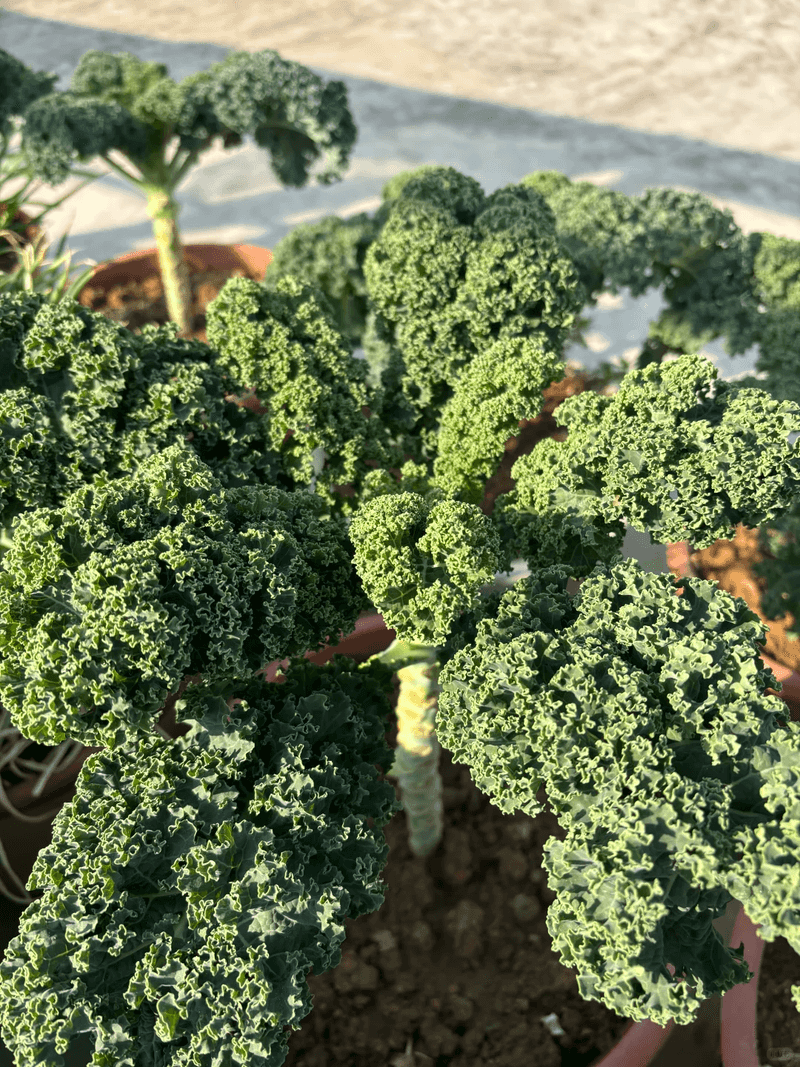
Ask any experienced Pacific Northwest gardener what their go-to winter crop is, and kale will almost always top the list. It is tough, productive, and gets sweeter as temperatures drop.
Frost actually improves the flavor by triggering the plant to produce more sugars in its leaves.
Varieties like Lacinato, also called Dinosaur kale, and Red Russian are excellent choices for fall planting. They grow upright and tall, making them easy to harvest even when the garden looks messy from rain.
Red Russian tends to be more tender and less bitter, while Lacinato has a deeper, earthier taste that holds up well in cooking.
Plant seeds about a quarter inch deep and thin to 12 to 18 inches apart once seedlings are a few inches tall. You can also start transplants if you are short on time.
Kale grows best in full sun but tolerates partial shade during the shorter days of fall and winter. It prefers fertile, well-drained soil with plenty of organic matter worked in.
Harvest lower leaves first, leaving the growing tip intact. This keeps the plant producing through winter and into spring.
A single kale plant can give you months of harvests with minimal effort. Kale is rich in vitamins K, C, and B6, plus calcium and iron.
It is endlessly versatile in the kitchen, from salads and smoothies to soups and stir-fries. Few crops deliver this much value for so little work.
5. Swiss Chard Hanging On Through Mild Winter Weather
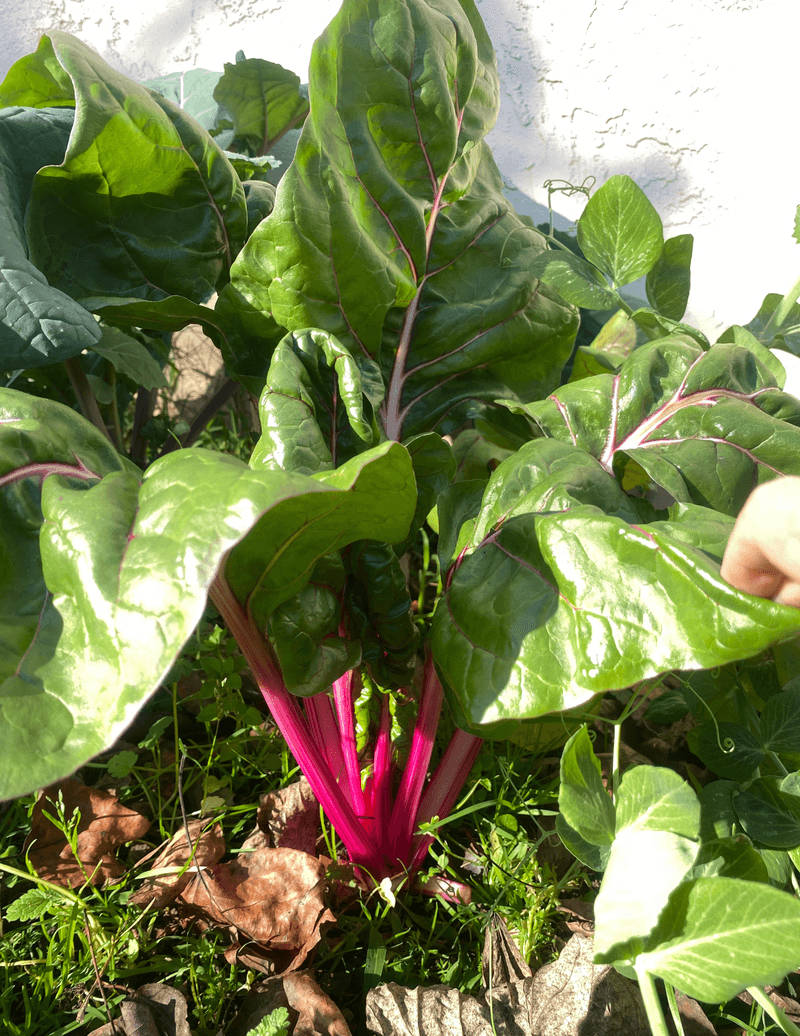
Swiss chard brings a splash of color to the fall garden when most other plants are fading. The stems come in bright red, orange, yellow, and white, making it one of the most visually striking vegetables you can grow.
Beyond looks, it is also incredibly productive and easy to care for through cool weather.
Rainbow chard blends are widely available and give you a mix of stem colors in one packet. Plant seeds about half an inch deep and space them eight to twelve inches apart after thinning.
Chard grows well in both garden beds and containers, which makes it a flexible option if your space is limited.
While chard is not quite as cold-hardy as kale, it handles mild winters without much trouble. In Oregon’s Willamette Valley and coastal areas, it often keeps producing right through January and February.
In colder inland areas, a row cover or cold frame will protect it during the hardest freezes.
Harvest outer stalks when they reach about ten inches tall. Leave the inner leaves to keep the plant going.
Chard is rich in magnesium, potassium, and vitamins A, K, and C. It works beautifully in pasta dishes, egg scrambles, and soups.
The stems can be cooked separately and have a mild, slightly sweet flavor. Growing chard now means you will have a reliable, colorful source of nutrition well into the winter months with very little extra effort required.
6. Fava Beans Building Roots Before The Deep Chill
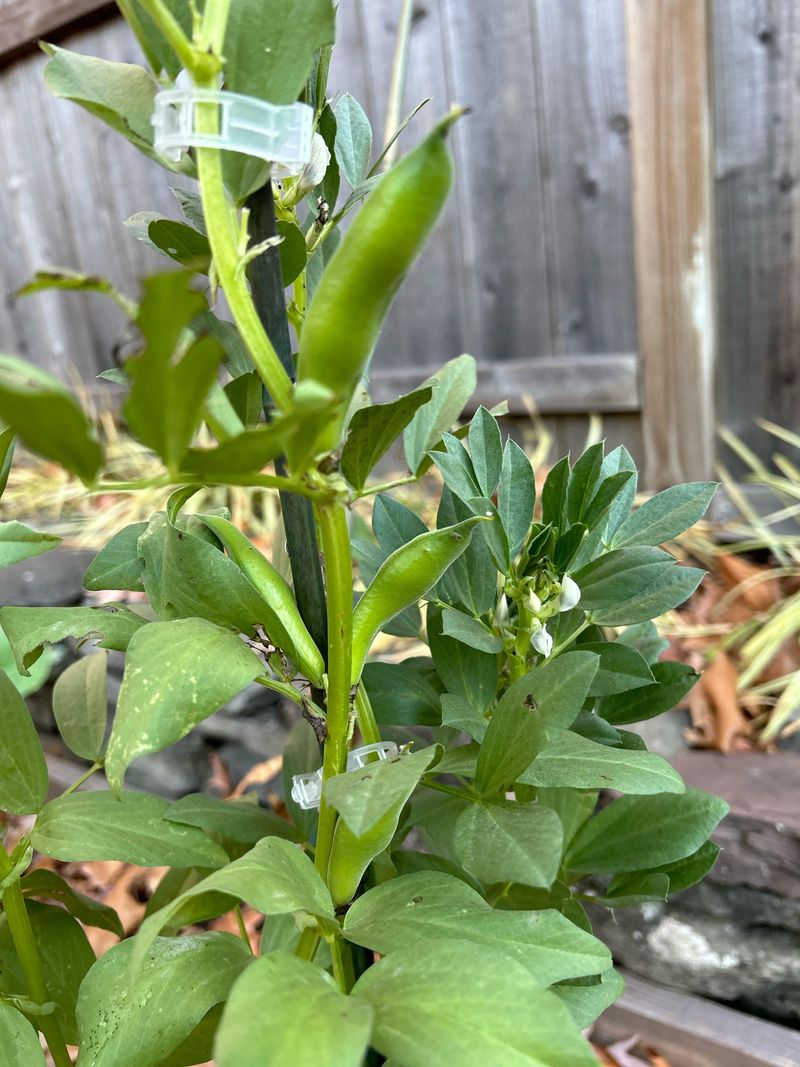
Unlike most beans that need warm weather, favas actually prefer the cold. Planting them in September gives them time to sprout and build a solid root system before winter slows things down.
Choose a variety like Aquadulce Claudia, which was specifically bred for fall and winter growing. It tolerates hard frosts and will overwinter successfully in most parts of western Oregon.
Sow seeds about two inches deep and six inches apart. They germinate quickly, usually within ten to fourteen days in cool soil.
Through winter, fava plants will look small and unimpressive. Do not let that fool you.
Underground, the roots are developing nitrogen-fixing nodules that actually improve your soil as the plant grows. This makes favas a dual-purpose crop: food for your table and fertilizer for your garden at the same time.
By late April or May, the plants will shoot up fast and produce clusters of white and black flowers. Bees love them.
Pods follow shortly after, and you can harvest beans when the pods feel plump but before they turn leathery. Favas have a rich, buttery flavor that pairs well with olive oil, garlic, and fresh herbs.
They are also high in protein and fiber. Starting them now means you will have one of spring’s most satisfying harvests ready months before summer crops even get planted.
7. Leeks Staying Put For A Long Cool-Season Harvest
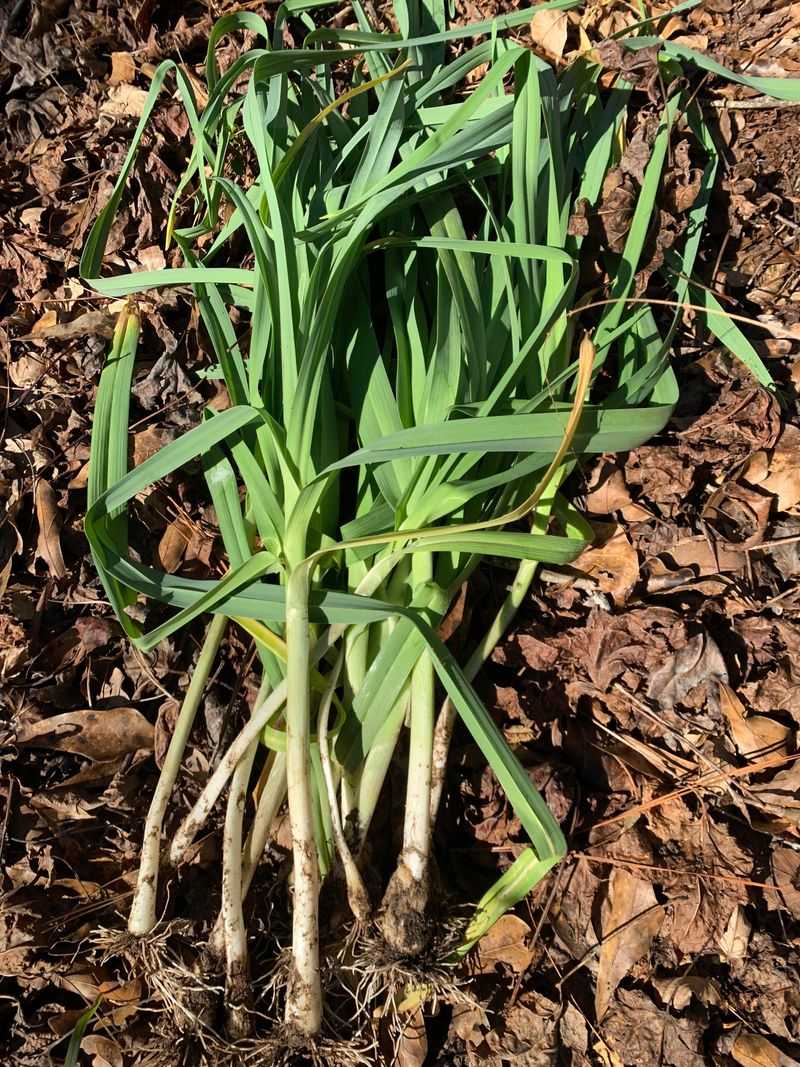
Leeks are the quiet workhorses of the winter garden. They do not demand much attention, they hold in the ground for months without going bad, and they taste better after exposure to cold.
If you have never grown leeks before, fall is a great time to start.
Transplanting starts in September gives leeks enough time to size up before the coldest weather arrives. Space plants about six inches apart in rows.
Plant them deep, burying most of the stalk, or mound soil around the base as they grow. This blanching technique keeps the lower portion white and tender, which is the most flavorful part of the plant.
Leeks prefer rich, fertile soil and consistent moisture. They are not heavy feeders, but working compost into your bed before planting helps them grow thicker stalks.
They are also fairly resistant to pests and disease, which makes them low-maintenance even for beginners.
Harvest leeks as you need them throughout fall and winter. Pull them individually rather than all at once, since they store better in the ground than in the refrigerator.
Large leeks can be used in soups, stews, and quiches. Smaller ones are delicious roasted whole with olive oil and a pinch of salt.
Leeks are a good source of folate, vitamin K, and manganese. Growing them now sets you up for a fresh, nutritious harvest during the months when most gardens are completely empty and bare.
8. Mustard Greens Loving The Shift Toward Fall
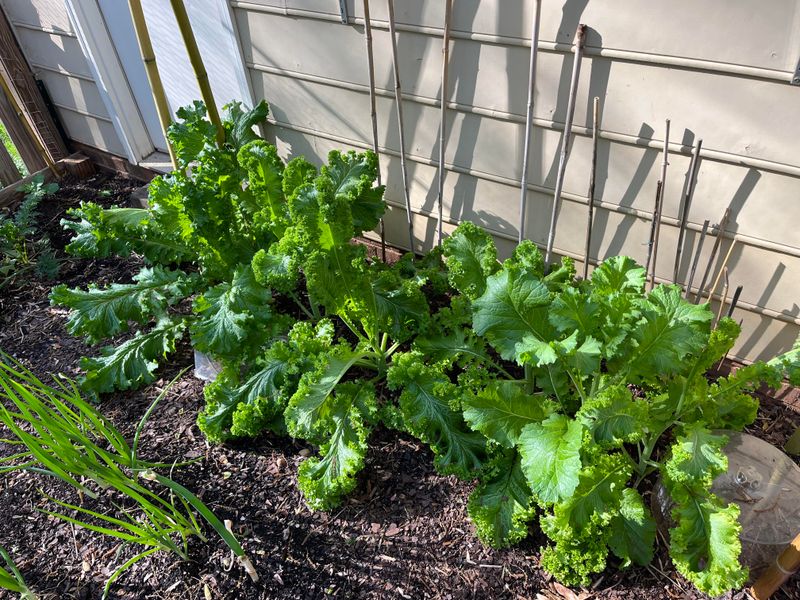
There is something almost enthusiastic about mustard greens in fall. As temperatures drop and other crops slow down, mustard greens seem to thrive.
They grow fast, bounce back after harvesting, and add a peppery punch to salads, stir-fries, and braised dishes that is hard to match.
Varieties like Red Giant, Green Wave, and Mizuna are all excellent for fall planting. Red Giant has striking purple-red leaves and a bold, spicy flavor.
Mizuna is milder and more feathery, making it great for salad mixes. Sow seeds directly in the garden about a quarter inch deep and thin to eight inches apart once seedlings appear.
Mustard greens grow quickly, often ready for their first harvest in as little as three to four weeks after germination. That makes them one of the fastest cool-season crops you can grow.
They prefer full sun but adapt well to partial shade as days shorten in fall. Consistent moisture helps keep leaves tender and flavorful.
Cold temperatures mellow out mustard’s natural sharpness, making fall-grown greens noticeably less bitter than summer ones. Harvest outer leaves regularly to keep the plant producing.
A light frost will not hurt them and may actually improve the flavor. Mustard greens are rich in vitamins A, C, and K, plus glucosinolates, which are compounds linked to various health benefits.
Planting now means you will enjoy fresh, flavorful greens for weeks before the season truly winds down.
9. Arugula Growing Fast Before Winter Slows It Down
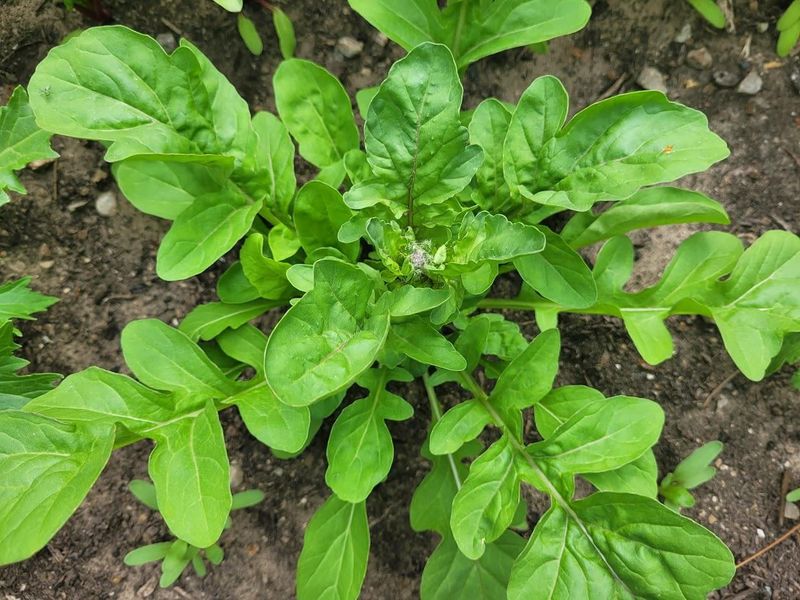
Arugula might be the fastest cool-season crop you can grow. From seed to salad bowl, it takes as little as four weeks in fall conditions.
That speed makes it a perfect choice for squeezing in one more productive round of greens before colder temperatures put the garden to sleep.
Direct sow seeds thickly in a bed or container, scattering them across the surface and covering lightly with soil. Thin seedlings to about four inches apart once they sprout.
Arugula does not need a lot of space, which makes it easy to tuck into gaps left by spent summer crops. It also grows beautifully in containers on a porch or patio.
Fall-grown arugula has a noticeably different character than summer arugula. The heat of summer makes it bolt quickly and turn intensely bitter.
Cool fall temperatures slow that process and bring out a nuttier, more balanced peppery flavor. Many gardeners say fall arugula is simply better in every way.
Harvest by cutting leaves about an inch above the soil line, and the plant will regrow for multiple cuts. A row cover or cold frame can keep arugula producing well into winter in most parts of the Pacific Northwest.
Arugula is a solid source of calcium, folate, and vitamins K and C. Adding it to salads, sandwiches, or pasta dishes is a simple way to boost nutrition without a lot of effort.
Plant it now and enjoy fresh greens for weeks to come.