Never Prune Your Georgia Hydrangeas Right Now If You Want Blooms Next Year
Those hydrangeas may look ready for a quick trim, but reaching for the pruners now could cost you flowers. Timing matters more than many gardeners realize with these popular shrubs.
Before cutting back anything that looks messy, consider how your hydrangea produces its blooms. Some varieties are already preparing the growth that will carry flowers next season.
This is especially important in Georgia, where warm summer weather can keep plants looking active well into August. A harmless cleanup can remove more than you intended.
Resist the urge to shape every branch simply because flowering has slowed. Your plant may be doing important work that is easy to overlook.
A little patience now can make a noticeable difference when spring returns.
Knowing which hydrangea you have will help you protect those beautiful blooms for another colorful season.
1. August Trimming Can Cost You Flowers Next Season
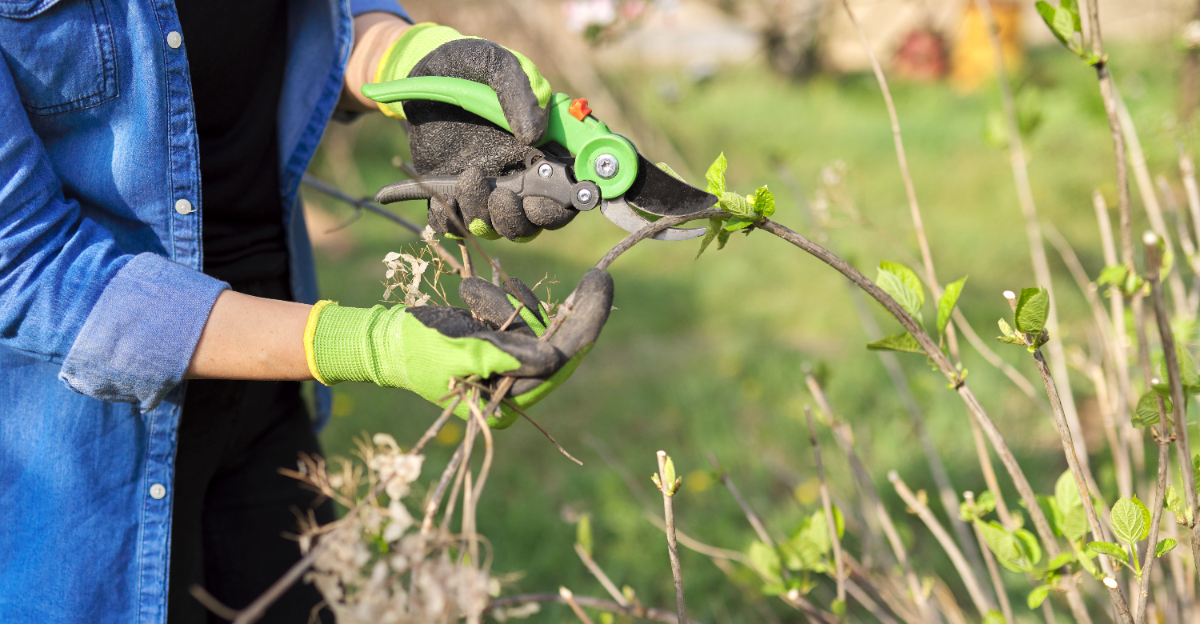
Cutting back hydrangeas in August feels productive, but it can quietly cost you an entire bloom season.
Most hydrangea varieties in the Southeast set their flower buds on old wood, meaning wood that grew during the current season won’t bloom until next year. Trim it now, and those future buds go with it.
August heat makes gardeners restless. Shrubs look overgrown, stems get leggy, and the urge to tidy things up is real.
But acting on that urge too early is one of the most common reasons gardeners end up with leafy plants and zero flowers come spring.
Bud development on old-wood hydrangeas typically starts in late summer. By the time August rolls around, many plants have already begun forming next year’s blooms deep inside those stem tips.
A hard cut removes exactly what you want to keep.
Waiting until late winter or very early spring, after the worst cold has passed but before new growth pushes out, gives you a much safer window. Even then, only remove clearly damaged or crossing stems.
Less is more when it comes to hydrangea pruning in warm Southern climates.
2. Many Varieties Are Already Forming Their Future Buds
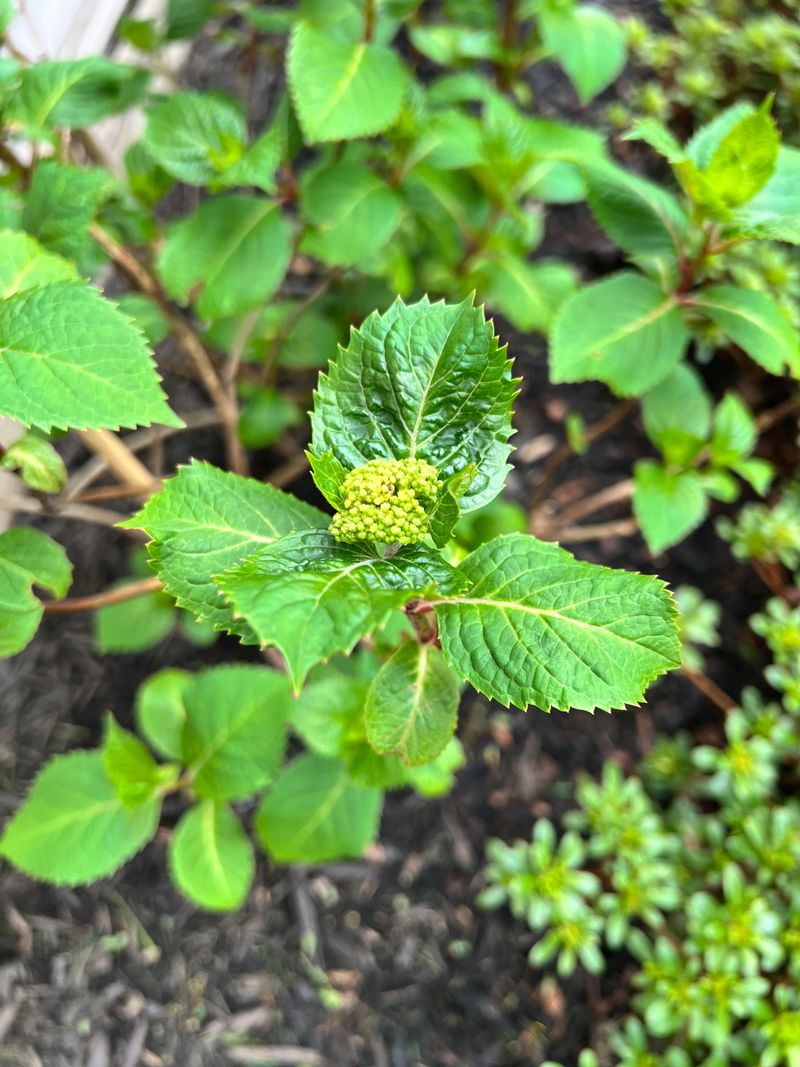
Right now, while your hydrangeas still look full and leafy, something important is happening underneath the surface. Bud initiation on many common varieties begins well before the growing season ends.
Those tiny nodes forming along the stems are next year’s flowers in their earliest stage.
Bigleaf hydrangeas, also called Hydrangea macrophylla, are especially active at this point. So are oakleaf types.
Both rely on buds that form on wood produced earlier in the season. Once those buds set, they need to stay on the plant through fall and winter to survive into bloom.
Warm Georgia summers can actually speed up bud formation compared to cooler climates. The long growing season gives plants more time to push out new wood and begin setting buds earlier than gardeners might expect.
That’s a good thing, but only if the stems are left intact.
Checking your plants closely in late July through August can reveal just how far along bud development is. Look for slight swelling at stem tips and small, tightly packed nodes near branch ends.
Your Georgia Garden Changes Every Week. Your Plan Should Too.
Gardening in Georgia changes quickly throughout the season. Every Friday you’ll receive a simple weekly plan showing exactly what to plant, prune, fertilize, harvest, and protect so you never miss the right timing.
Seeing those signs means pruning season has already passed for those particular stems. Leave them alone and let the plant do its work.
3. Bigleaf Types Need To Be Left Alone Right Now
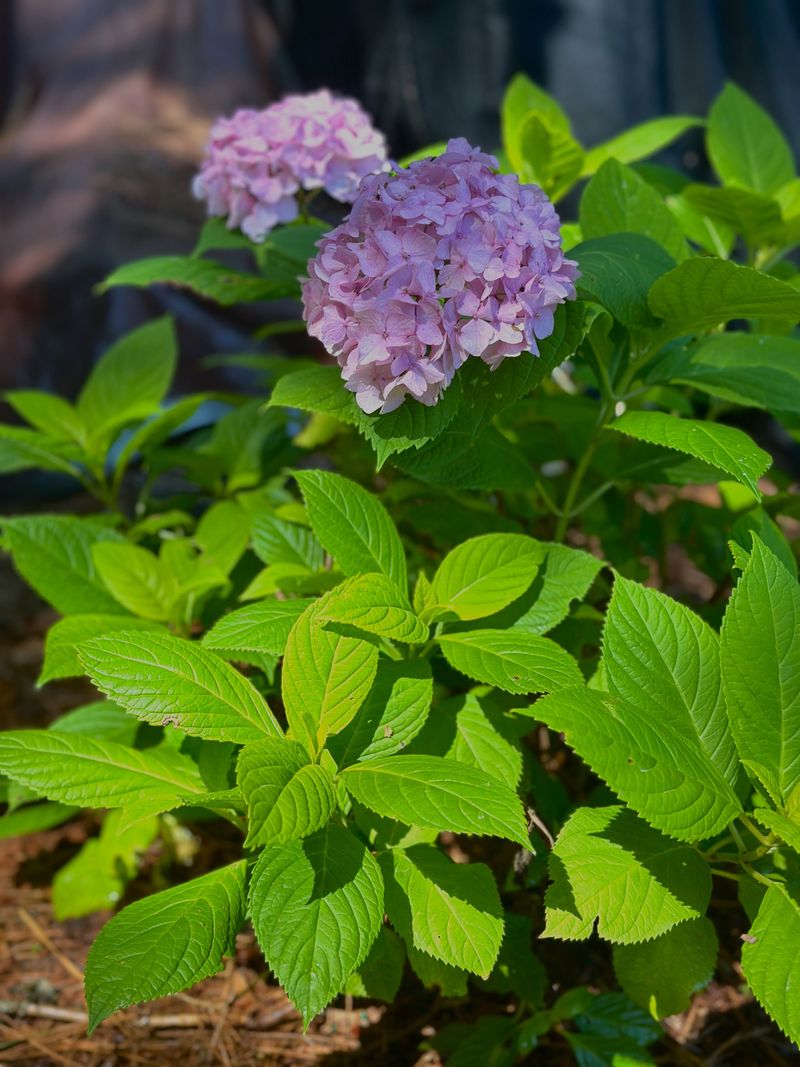
Bigleaf hydrangeas are the ones most gardeners in the South picture when they think of hydrangeas. Big round blooms, rich pink or blue colors depending on soil pH, and a habit of looking spectacular in early summer.
Getting those blooms requires leaving the plant alone at exactly this time of year.
Hydrangea macrophylla blooms on old wood. That means the stems growing right now are the ones that will carry flowers next season.
Cutting them back in late summer removes the very tissue the plant needs to produce its spring and early summer show.
Some newer reblooming varieties, like Endless Summer types, can set buds on both old and new wood. Even so, cutting back heavily in August can still reduce the overall bloom count significantly.
Lighter is better, and waiting is smarter.
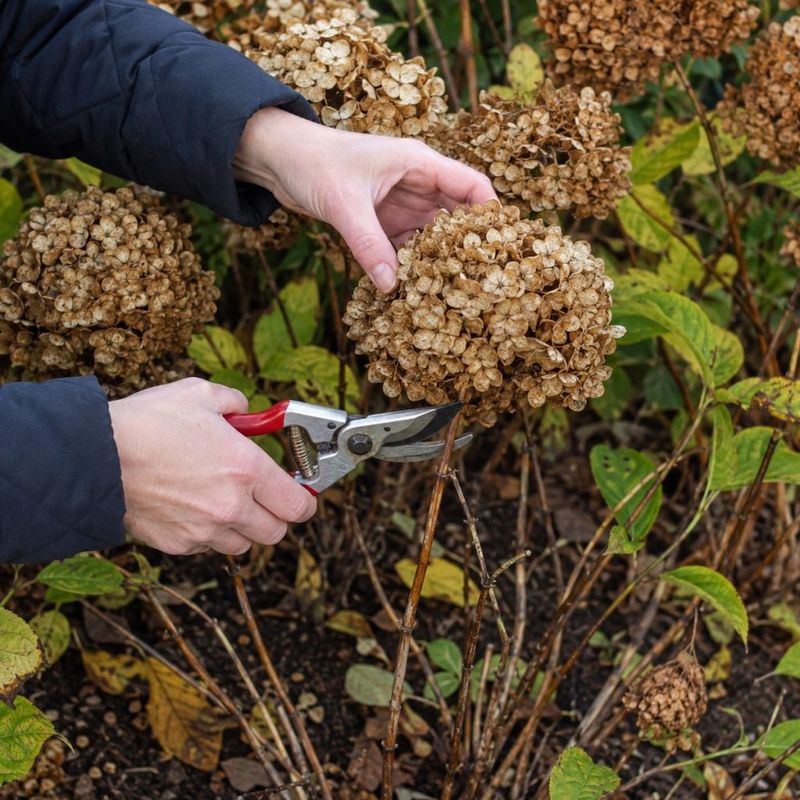
If your bigleaf hydrangeas look a little wild right now, resist the urge to shape them up. Deadheading old spent flower heads is fine and won’t affect next year’s buds.
But cutting into live, green stems is a different story. Let the plant finish its natural growth cycle, protect the stems through winter, and you’ll be rewarded with a much stronger bloom season ahead.
4. Oakleaf Blooms Also Depend On Older Stems
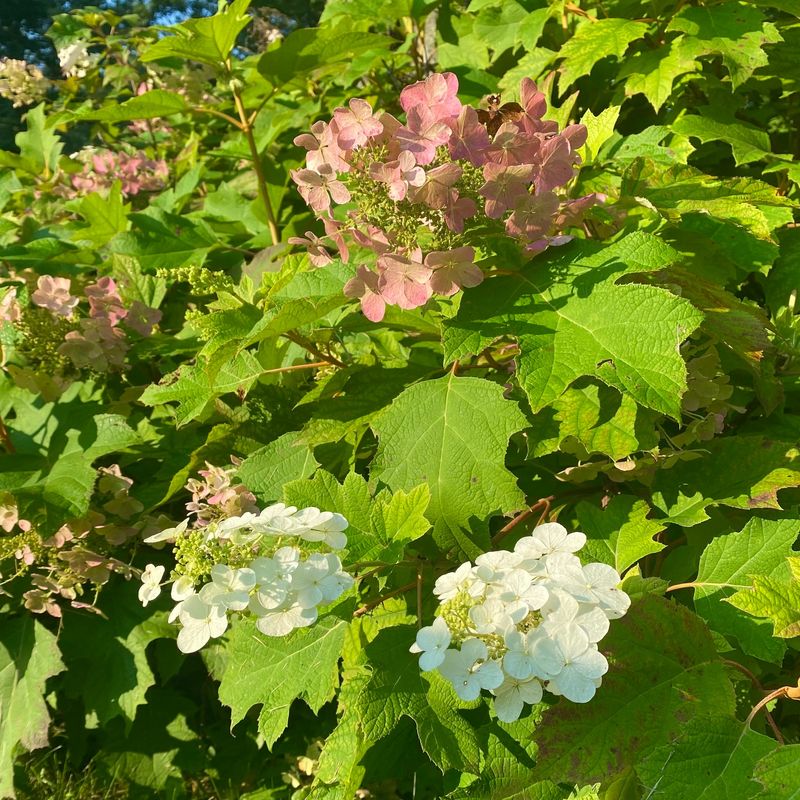
Oakleaf hydrangeas don’t get as much attention as their bigleaf cousins, but they’re one of the toughest and most rewarding shrubs you can grow across the Southeast.
Their cone-shaped blooms and dramatic fall foliage make them a standout in the landscape. Keeping those qualities requires understanding how they bloom.
Like bigleaf types, oakleaf hydrangeas bloom on old wood. Flower buds form on stems from the previous growing season and need to remain on the plant through winter.
Prune those stems in late summer or fall, and you remove the source of next year’s blooms.
Oakleaf varieties are somewhat more cold-hardy than bigleaf types, but they still benefit from leaving stems intact heading into cooler months. The old wood provides some natural protection to the buds sitting just below the bark.
Cutting it away exposes the plant to more cold stress.
Pruning oakleaf hydrangeas is best done right after they finish blooming, typically in late June or early July in warmer Southern regions. That timing gives the plant enough season left to push out new growth and set buds for the following year.
Waiting even a few weeks past that window can start to reduce next season’s flower count. Late summer pruning on oakleaf varieties is a reliable way to end up disappointed come spring.
5. Timing Changes Depending On The Variety You Grow
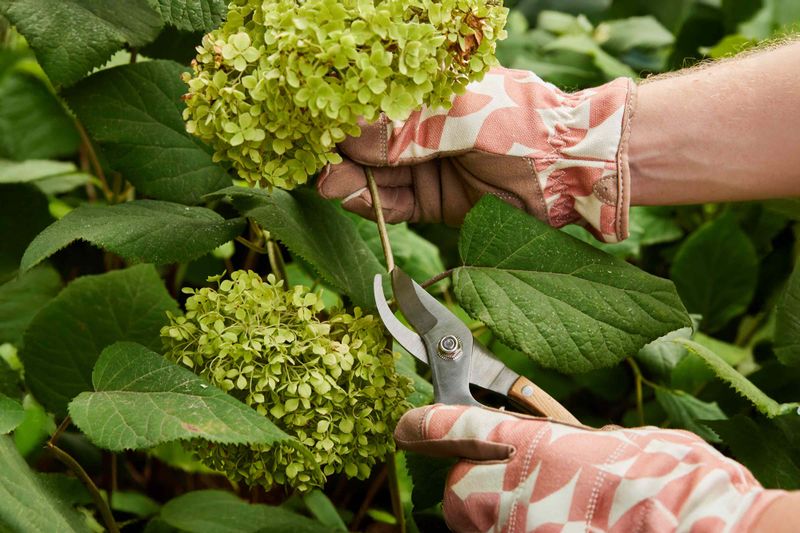
Not every hydrangea follows the same pruning schedule, and mixing them up is one of the most frustrating mistakes a gardener can make. Knowing which variety you have changes everything about when and how to cut.
Old-wood bloomers like bigleaf and oakleaf types need to be left alone from mid-summer through early spring. Cutting during that window removes buds that have already formed or are in the process of forming.
The result is a season with little to no flowering.
New-wood bloomers are a different story. Panicle hydrangeas and smooth hydrangeas set their buds on growth produced in the current season.
Pruning them in late winter or early spring actually encourages stronger new growth and bigger blooms. Cutting them in summer won’t hurt next year’s show nearly as much.
If you’re not sure which variety you have, look at when it blooms and what the flowers look like. Bigleaf types have round, globe-shaped clusters and bloom in early summer.
Panicle types have elongated cone-shaped flower heads and tend to bloom later in summer. Smooth hydrangeas have large round white clusters and also bloom in summer on new wood.
Matching your pruning schedule to the right variety is the single most important step in getting consistent blooms year after year.
6. Panicle And Smooth Types Follow Different Rules
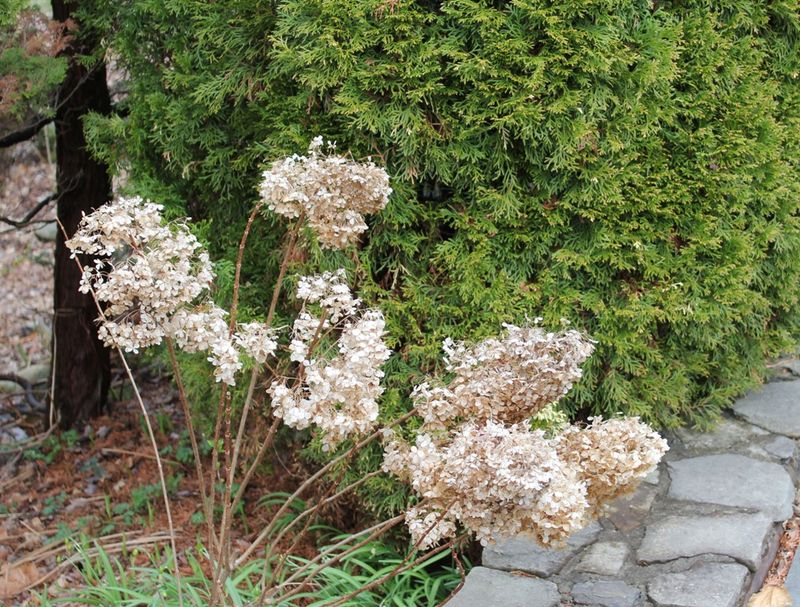
Panicle and smooth hydrangeas play by completely different rules than the old-wood bloomers. Knowing that distinction can actually free you up to prune more confidently and get better results from those specific varieties.
Panicle hydrangeas, like Limelight and Quick Fire, bloom on new wood. Pruning them hard in late winter or very early spring pushes the plant to produce vigorous new stems that carry large, showy flower clusters.
Skipping that pruning can lead to weak, overcrowded growth and smaller blooms over time.
Smooth hydrangeas, most commonly Annabelle and its relatives, work the same way. Cutting them back to about 12 to 18 inches from the ground in late winter is standard practice and results in stronger stems and bigger flower heads.
Leaving them unpruned year after year can cause floppy, weak growth.
In Georgia’s climate, both types tend to push new growth relatively early in spring. Pruning them before that new growth emerges gives the cleanest results.
Waiting too long into spring means you risk cutting off growth that has already started. Late summer is not the right window for these varieties either, but for different reasons.
Cutting them now just removes healthy foliage the plant still needs to store energy before going dormant. Hold off until late winter for the best outcome.
7. Focus On Healthy Growth For The Rest Of Summer
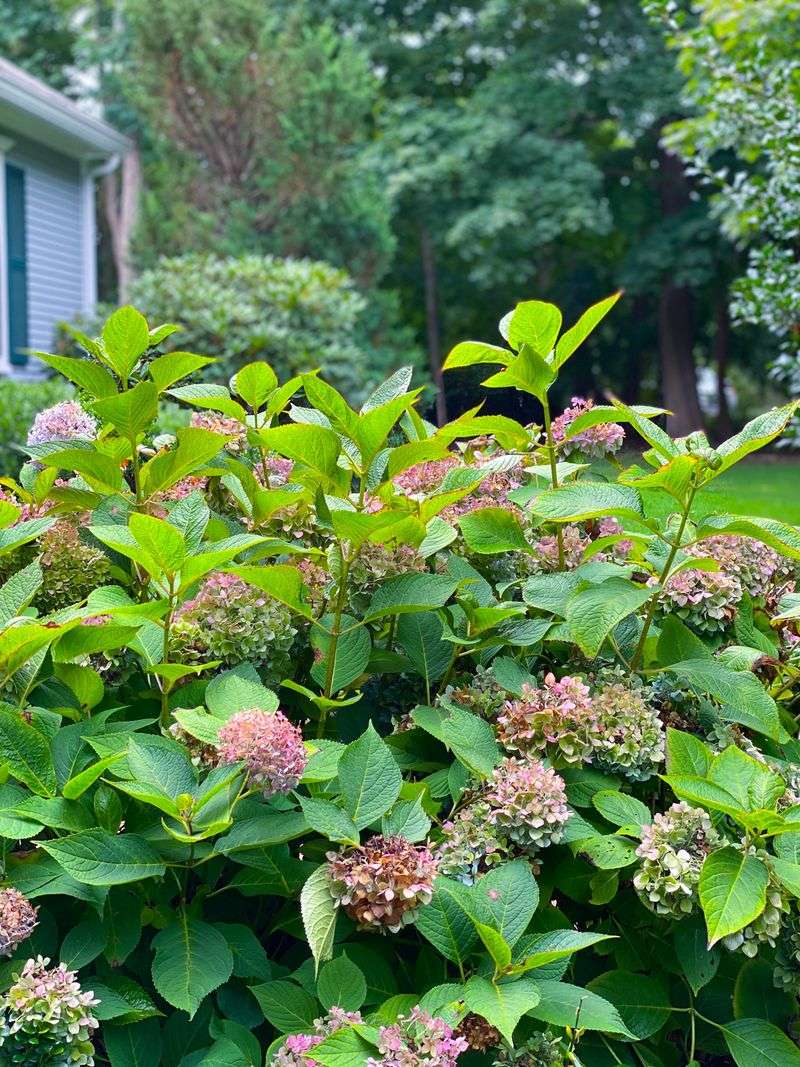
Putting the pruning shears away doesn’t mean there’s nothing left to do. Late summer is actually a great time to focus on the basics that keep hydrangeas strong heading into fall and the following spring.
Watering consistently matters more than most gardeners expect. Hydrangeas are not drought-tolerant plants, especially during hot Southern summers.
Deep, regular watering at the base of the plant helps roots stay healthy and supports the bud development happening right now inside those stems.
Mulching around the base of the shrub helps retain soil moisture and keeps root temperatures more stable during late-season heat.
A layer of two to three inches of organic mulch, kept away from the main stem, makes a real difference without any extra effort.
Hold off on fertilizing at this point in the season. Pushing new leafy growth in late summer can actually work against the plant.
Soft, tender growth heading into fall is more vulnerable to early cold snaps. Let the plant slow down naturally instead of encouraging a late flush of growth.
Removing spent flower heads is perfectly fine and won’t hurt next year’s buds on most varieties. Beyond that, the best thing you can do right now is step back, water well, and let your hydrangeas finish the season on their own terms.