Georgia Gardeners Are Planting These To Invite Lightning Bugs Back Every Summer
Lightning bugs are not showing up in Georgia yards the way they used to, and more gardeners are starting to notice the change.
A yard can look green, healthy, and full, yet still not attract them, which is why attention is shifting toward what actually makes a difference.
Instead of planting at random, the focus is moving to choices that support the conditions lightning bugs respond to. Across Georgia, gardeners are making small, intentional updates that do not require a full yard reset or complicated steps.
These changes are not about doing more, but about doing the right things in the right way. When those pieces start to come together, the yard begins to feel more active and balanced again.
The difference is not instant, but it becomes easier to notice as the season moves forward and the space starts to respond.
1. Native Grasses Create Shelter And Support Their Life Cycle
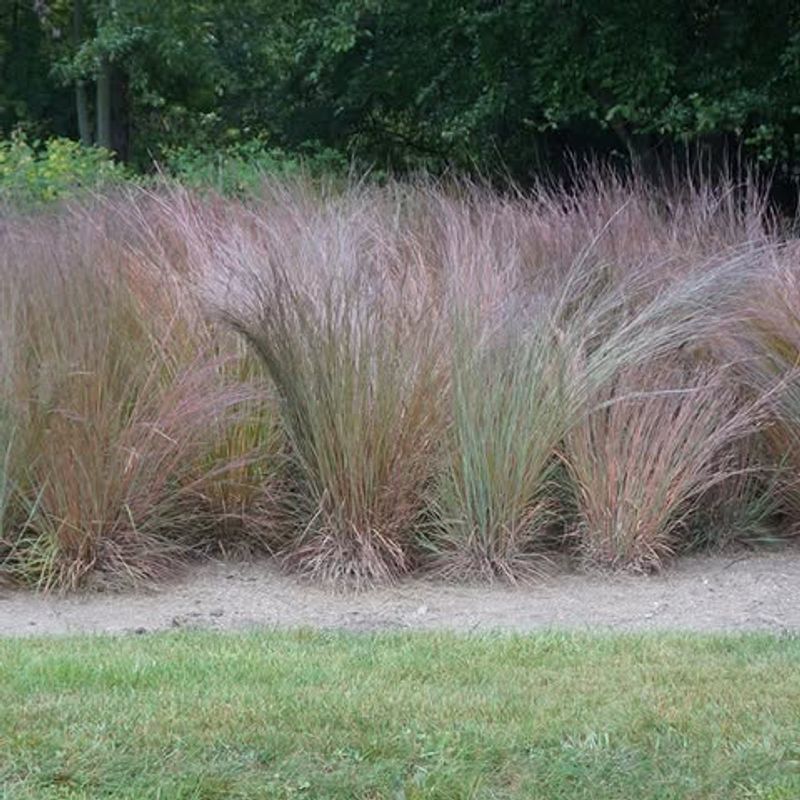
Tall native grasses do something most ornamental plants simply can’t: they create a layered, sheltered zone right at ground level where firefly larvae actually spend most of their lives.
In Georgia, species like broomsedge and little bluestem grow naturally across a wide range of soil types and require almost no maintenance once established.
Firefly larvae are ground hunters. They move through moist soil and leaf debris searching for soft-bodied prey like snails and earthworms.
Dense grass clumps give them cover, hold moisture longer than bare ground, and moderate soil temperature during hot Georgia summers.
Planting native grasses along fence lines, the edges of wooded areas, or near low spots in your yard gives larvae a protected corridor to travel through.
Avoid mowing these areas too short or too frequently, especially in late spring and early fall when larvae are most active near the surface.
Broomsedge in particular is incredibly common across Georgia’s roadsides and old fields, which tells you it thrives here without much help. A small patch near a garden border can make a real difference.
Pair it with leaf mulch and you’ve built a solid foundation for fireflies to return to your yard each summer without any complicated effort on your part.
Leaving some of that grass standing through fall and winter gives larvae a stable place to develop before they emerge the following season.
2. Oak Trees Build Leaf Litter Where Fireflies Develop
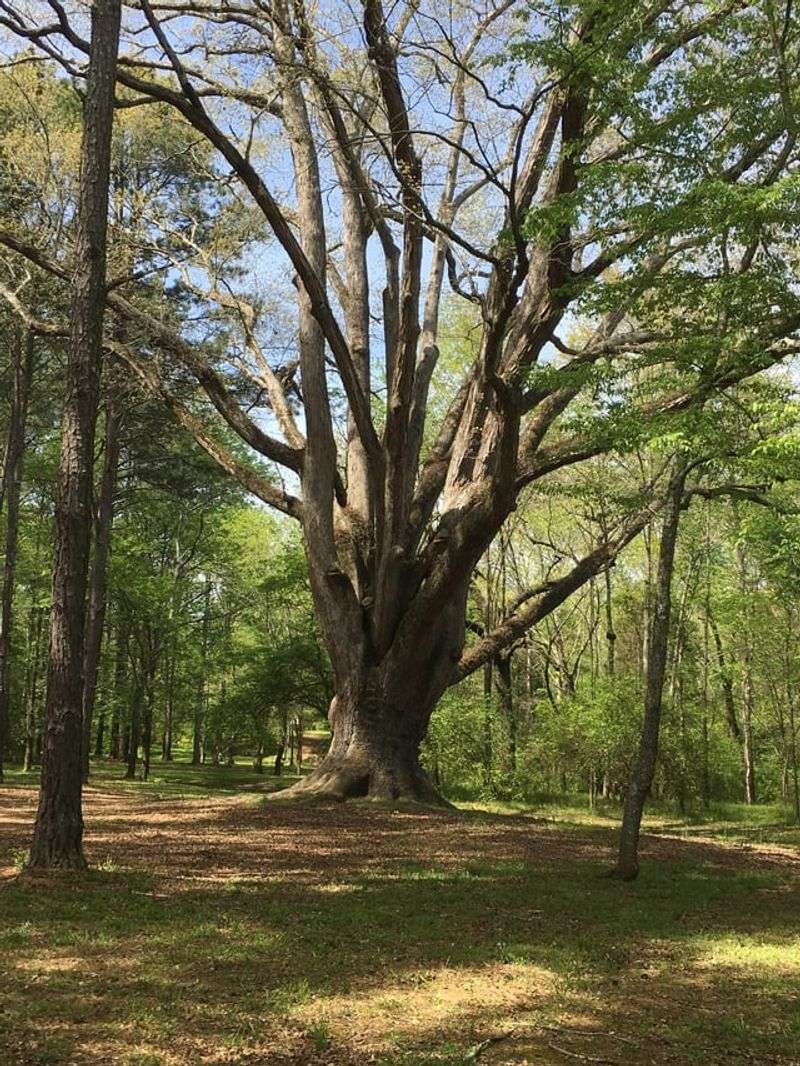
An oak tree in a Georgia yard is basically a firefly nursery hiding in plain sight. The leaves that fall every autumn don’t just sit there looking messy.
They break down into a moist, spongy layer of organic material that firefly larvae depend on for shelter and hunting ground throughout the cooler months.
Georgia is home to several native oak species, including white oak, water oak, and live oak, all of which produce heavy leaf fall. Resisting the urge to rake and bag those leaves makes a measurable difference.
Even a young oak in a suburban Atlanta backyard will start contributing meaningful leaf litter within a few growing seasons. You don’t need an old-growth forest.
Your Georgia Garden Changes Every Week. Your Plan Should Too.
Gardening in Georgia changes quickly throughout the season. Every Friday you’ll receive a simple weekly plan showing exactly what to plant, prune, fertilize, harvest, and protect so you never miss the right timing.
You just need to let nature do its thing beneath the canopy and stop treating fallen leaves like a problem to solve.
If you do need to tidy up near walkways or beds, consider pushing leaves toward the back of the yard or under shrubs instead of removing them entirely. That simple shift keeps the firefly habitat intact while still giving your yard a maintained appearance during Georgia’s long growing season.
Avoid shredding leaves too finely, since larger pieces hold moisture better and create a more stable environment for larvae.
Keeping that leaf layer slightly undisturbed through winter protects developing larvae from temperature swings and drying out.
3. Eastern Redbud Supports A Healthy Insect Rich Habitat
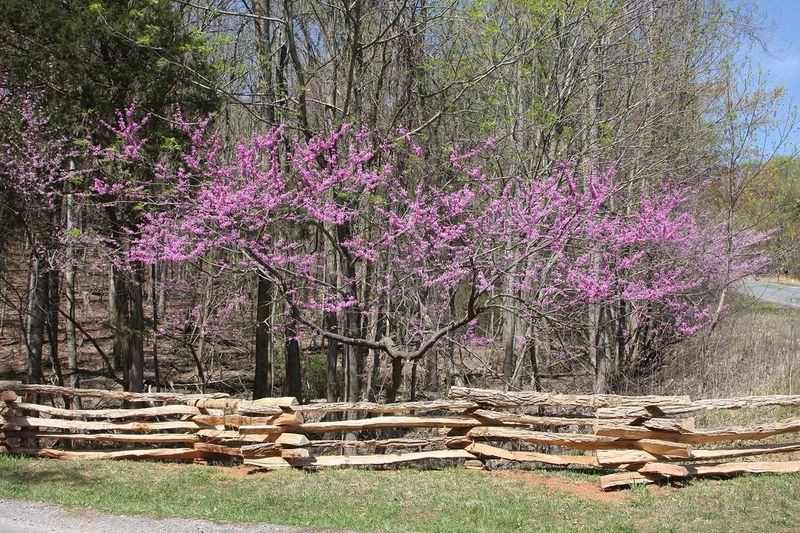
Few trees signal spring in Georgia as clearly as the Eastern Redbud, with its burst of magenta-pink blossoms appearing before most other plants have even leafed out.
Beyond the visual impact, this native tree quietly supports a web of insect activity that benefits fireflies more than most people realize.
Fireflies don’t feed on nectar, but the insects that gather around a blooming Redbud do attract predators, and the overall insect density around the tree creates the kind of active, living habitat that fireflies thrive in.
Larval fireflies also benefit from the moist, shaded soil beneath a Redbud’s wide canopy during Georgia’s humid summers.
Redbuds are well-adapted to Georgia’s clay-heavy soils and partial shade conditions, making them a practical choice for spots under larger trees or along the north side of a house.
They tend to top out around 20 to 30 feet, which makes them manageable for most residential yards across the state.
Planting a Redbud near a moisture-retaining area or alongside other native shrubs amplifies its habitat value significantly. The combination of early blooms, canopy shade, and leaf fall creates a multi-season benefit that supports not just fireflies but a broad range of Georgia’s native insects through the entire year.
Minimal pruning is usually all it needs, since too much cutting can reduce flowering the following spring.
4. Buttonbush Thrives In Moist Areas Fireflies Prefer
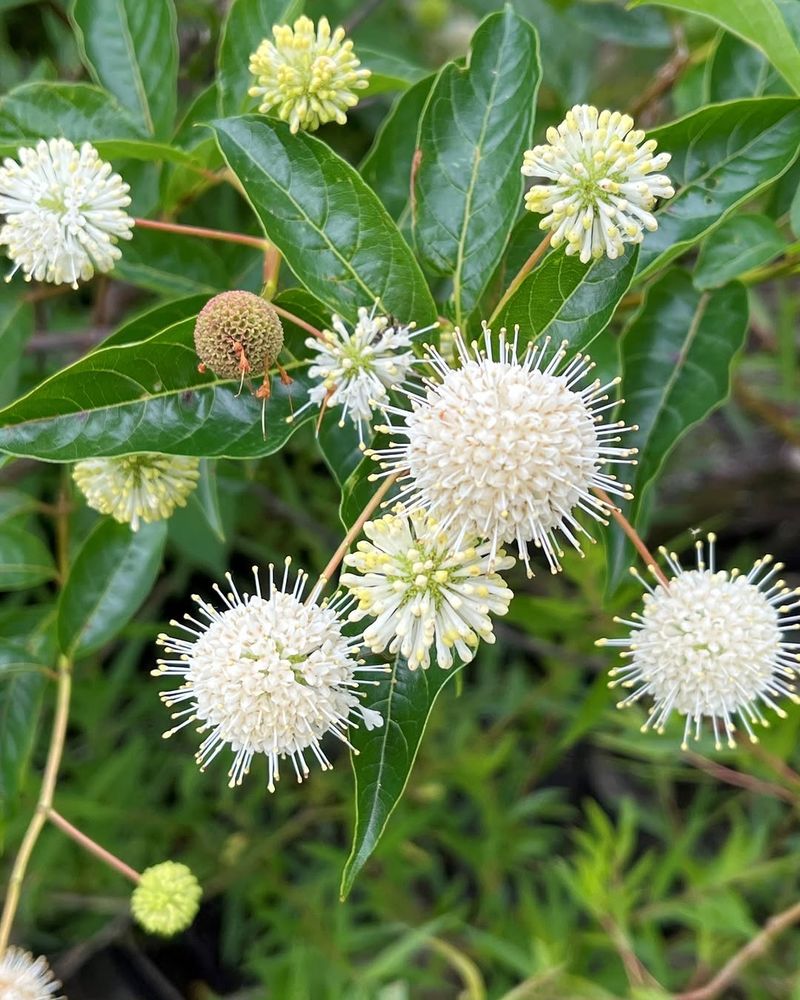
Wet edges and low spots in a Georgia yard are often treated as problems. Buttonbush flips that completely.
This native shrub actually wants those soggy conditions, and it turns a drainage headache into one of the most productive firefly habitats you can create on a residential property.
Fireflies are strongly associated with moist environments. Adult females lay eggs in damp soil, larvae need moisture to move and hunt effectively, and the entire life cycle moves faster in consistently wet conditions.
Buttonbush planted along a rain garden, pond edge, or low-lying backyard area creates exactly the kind of microhabitat that supports every stage of firefly development.
The shrub itself produces unique round white flower clusters in midsummer that attract a wide range of native insects, adding another food-web layer that supports firefly populations indirectly.
Native bees, beetles, and flies visit the flowers regularly, keeping insect activity high in the area through the warmest months of the Georgia summer.
Buttonbush grows vigorously in Georgia’s humid climate and can reach eight to twelve feet if left unpruned. It tolerates seasonal flooding better than almost any other landscape shrub, which makes it genuinely low-maintenance once established.
For gardeners near Georgia’s coastal plain or anywhere with a high water table, this plant belongs near the top of the list.
Regular watering during the first growing season helps roots establish faster, even in naturally moist areas.
5. Goldenrod Attracts Small Insects Fireflies Feed On
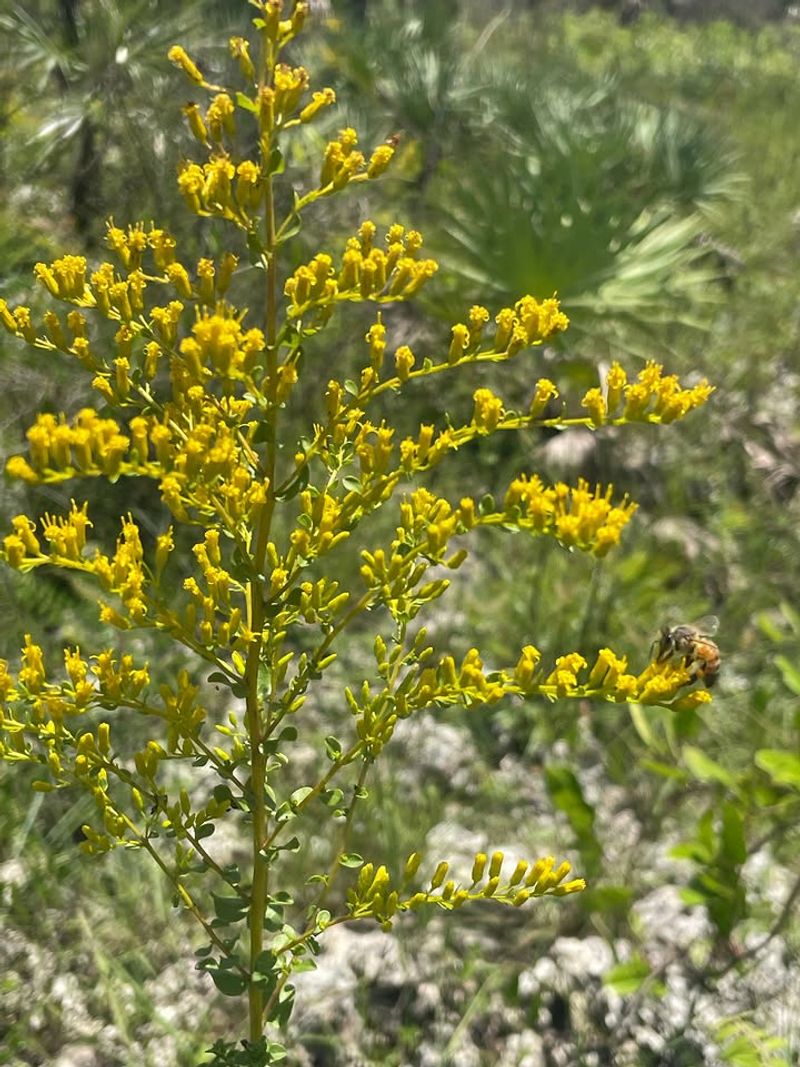
Goldenrod has a bad reputation it doesn’t deserve. Most people blame it for fall allergies, but the real culprit is ragweed, which blooms at the same time.
Goldenrod’s pollen is too heavy to travel far on wind, and the plant is actually one of the most insect-supportive natives you can grow in Georgia.
Adult fireflies do consume some pollen and nectar, but more importantly, goldenrod draws in a dense concentration of small soft-bodied insects, including aphids, caterpillars, and tiny beetles, that serve as prey for firefly larvae in the surrounding soil.
A patch of goldenrod essentially sets a table for the ground-level hunters beneath it.
Several goldenrod species are native to Georgia, including Solidago nemoralis and Solidago odora, both of which handle the state’s variable soils and summer heat well.
They spread by rhizome over time, so planting in a contained bed or along a wild edge of the yard prevents them from overtaking more manicured areas.
Late summer into fall is when goldenrod really earns its place. At a time when most garden flowers have faded, it keeps insect activity buzzing well into October across Georgia.
That extended season of activity supports the insects that firefly larvae will continue hunting through the cooler months before winter slows things down.
Cutting stems back after flowering helps keep patches from getting too dense and makes next season’s growth easier to manage.
6. Ferns Help Keep Soil Cool And Slightly Moist
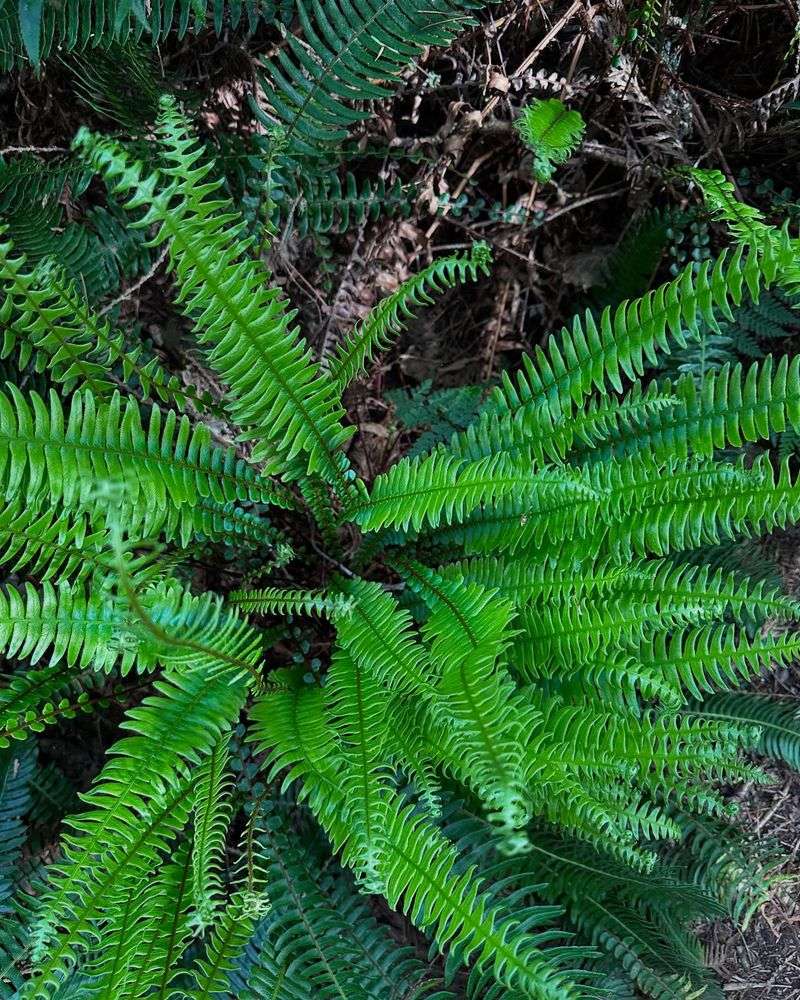
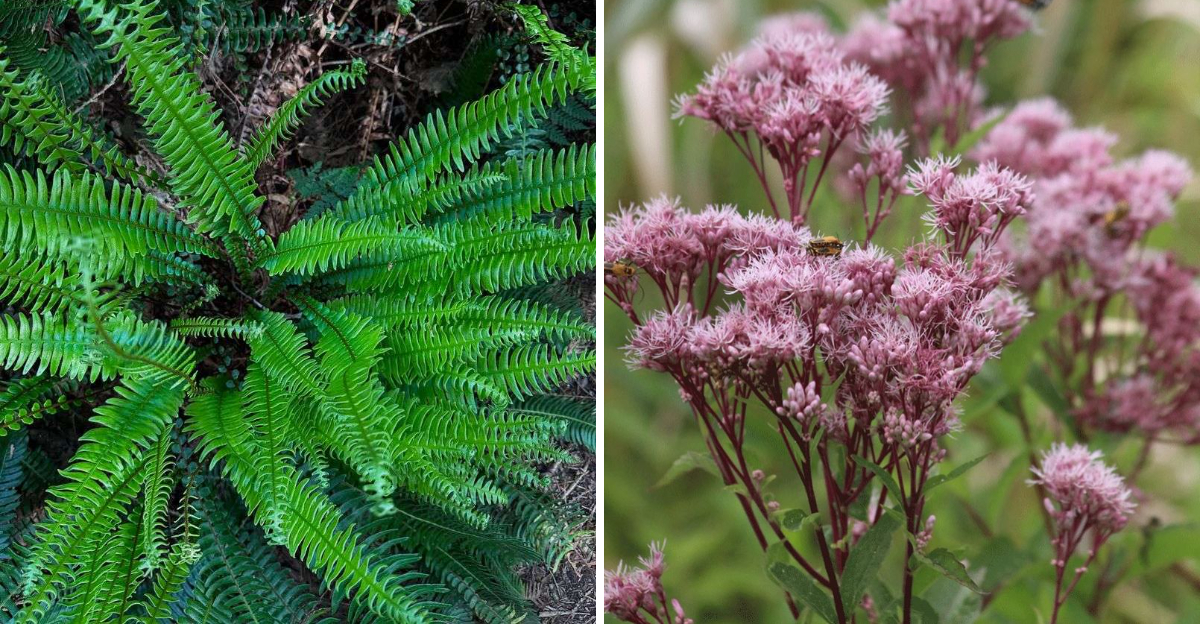
Walk into any Georgia woodland on a hot July afternoon and notice what’s growing under the canopy. Ferns are almost always there, and the soil beneath them is noticeably cooler and more moisture-retentive than nearby open ground.
That’s exactly the microclimate firefly larvae need to survive Georgia’s intense summer heat.
Christmas fern and cinnamon fern are two of the most widely available native options for Georgia gardens. Both handle shade well, tolerate clay soils, and spread gradually without becoming invasive.
Planted under trees or along the shaded side of a structure, they maintain the kind of consistent soil moisture that keeps larval habitat functional through even dry spells.
Fern fronds also create a physical barrier that slows soil moisture loss and buffers ground temperature swings. On days when unshaded soil might reach temperatures that stress larval fireflies, a fern-covered patch can stay several degrees cooler.
That difference matters more than most gardeners expect when it comes to larval survival rates during midsummer in Georgia.
One underrated benefit of ferns is how little they ask in return. No fertilizing, minimal watering once established, and no pest issues worth mentioning under normal Georgia conditions.
They just grow, shade the ground, and quietly support the habitat that makes firefly populations possible. For low-maintenance firefly gardening, few plants deliver more value per square foot.
7. Switchgrass Provides Dense Cover Near The Ground
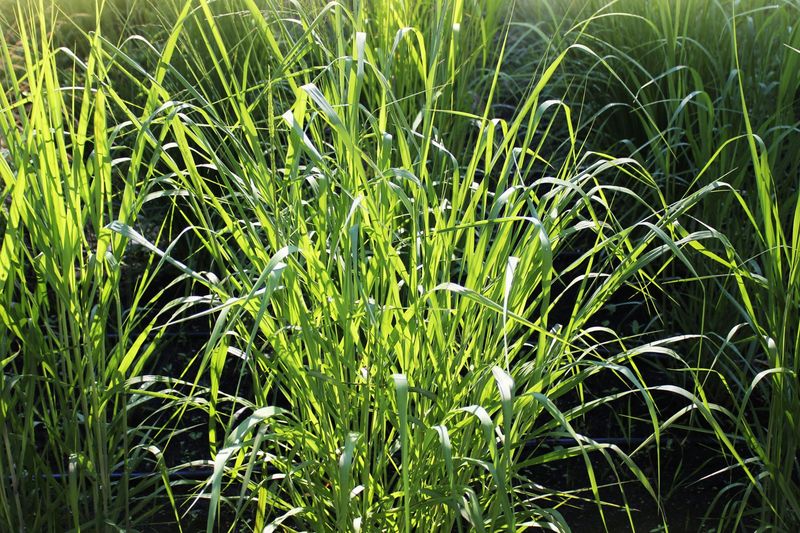
Switchgrass is a workhorse. It grows fast, handles Georgia’s humidity and clay soils without complaint, and creates exactly the kind of dense, low-level cover that firefly larvae and pupating adults need during their most vulnerable stages.
A single established clump can shelter more insect life than most people would guess.
Unlike ornamental grasses bred purely for looks, switchgrass is native to the eastern United States and has co-evolved with the insects that depend on it.
The base of a mature clump stays thick and slightly protected from temperature extremes, giving ground-level insects a reliable refuge through Georgia’s unpredictable spring and fall weather swings.
Switchgrass also holds its structure through winter, which matters. Firefly pupae spend weeks in the soil near plant root zones, and leaving switchgrass standing through the cold months protects that underground activity from foot traffic, hard freezes, and soil disturbance.
Cutting it back in late winter rather than fall is a simple habit change with real payoff come summer.
Across Georgia’s Piedmont and coastal plain regions, switchgrass grows naturally in open fields and woodland edges, which tells you it’s well-suited for a wide range of yard conditions.
Mix it with wildflowers or other native grasses along a property edge and you’ll build a corridor of habitat that supports the full firefly life cycle without needing much attention after the first growing season.
8. Joe Pye Weed Attracts Pollinators And Other Insects
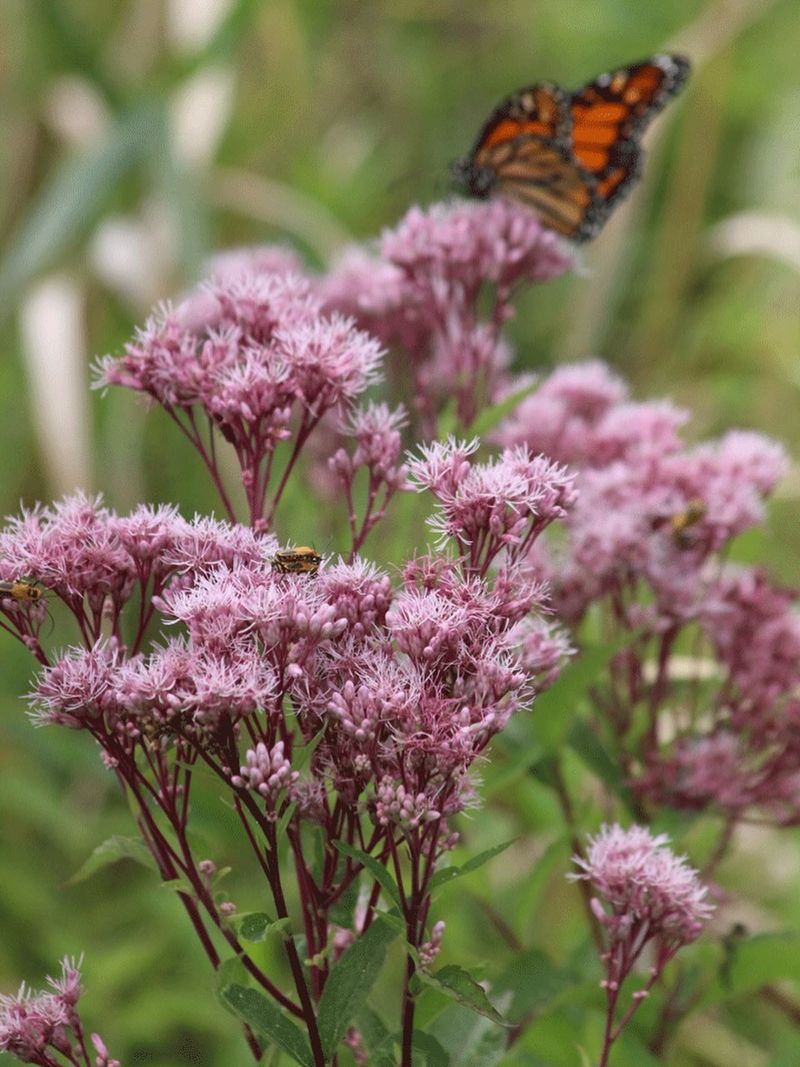
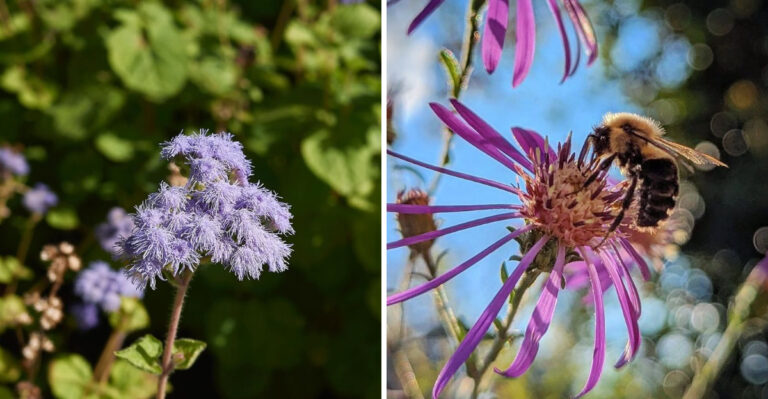
Joe Pye Weed towers over most perennials in a Georgia garden, sometimes reaching seven feet tall, and by late summer it becomes one of the busiest insect gathering spots in the yard. That activity is exactly what firefly populations need nearby to thrive through the season.
Firefly larvae are predators, and a healthy population of small insects in the surrounding soil gives them steady access to prey.
Joe Pye Weed pulls in butterflies, native bees, wasps, and a wide range of smaller insects, all of which contribute to a rich, active soil ecosystem underneath and around the plant’s root zone.
More insects above ground generally means more insect life below it too.
Georgia summers are long and hot, and Joe Pye Weed handles that well. It prefers moist, partially shaded spots, which conveniently overlap with the conditions fireflies favor.
Planting it near a rain garden, along a creek edge, or in a low area of the yard doubles the habitat value of both the plant and the location.
Leaving the spent flower stalks standing through fall and winter adds one more layer of benefit. Hollow stems and seed heads provide overwintering sites for small native insects, keeping the habitat productive well beyond the bloom season.
For Georgia gardeners serious about supporting fireflies long-term, Joe Pye Weed earns every inch of space it takes up in the garden.