The Georgia Shrub To Plant Instead Of Privet For More Backyard Privacy
Privet may seem like an easy choice for backyard privacy, but there is a better option worth considering. Your yard can feel more private without relying on the same familiar hedge.
Think beyond a plain green wall when choosing what belongs along your property line. The right shrub can bring privacy while giving the space a softer, more natural look.
For Georgia yards, one alternative stands out for reasons that go beyond simple screening. It can fit beautifully into a landscape without making the area feel overly formal.
Give this shrub enough room, and it can become an attractive part of your backyard design. You may find that replacing privet changes the entire feel of the space.
Privacy should never make your landscape feel boxed in or boring.
A thoughtful shrub choice can create separation while keeping your yard inviting.
1. Wax Myrtle Is A Great Native Alternative To Privet
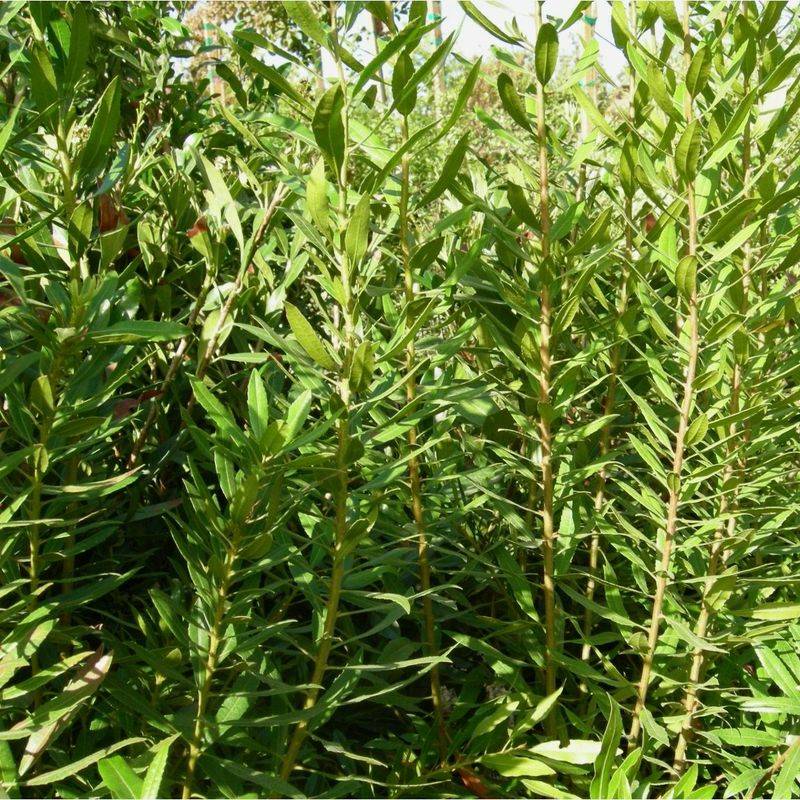
Wax myrtle has been quietly thriving in Georgia landscapes long before privet ever showed up. Native to the southeastern United States, it fits naturally into the local environment without fighting against it.
Privet, on the other hand, is invasive and spreads into wild areas where it does not belong.
Wax myrtle grows fast and fills in quickly. Under good conditions, it can put on several feet of growth each year.
That kind of speed is hard to beat when you want privacy and want it reasonably soon.
Beyond speed, wax myrtle offers something privet cannot: ecological value. Birds are drawn to its small, waxy berries.
Native bees and insects use it for shelter and food. Planting wax myrtle means supporting the local food web, not disrupting it.
Wax myrtle handles Georgia’s hot, humid summers without much fuss. It tolerates both wet and dry soil conditions once established, making it adaptable across a wide range of yards.
Whether your yard drains well or holds water after rain, wax myrtle often adjusts.
Privet requires constant management to prevent spreading. Wax myrtle stays where you put it and behaves predictably.
For homeowners who want a low-maintenance, native-friendly option, wax myrtle is a straightforward and practical choice worth considering.
2. Dense Growth Makes It Ideal For Backyard Privacy
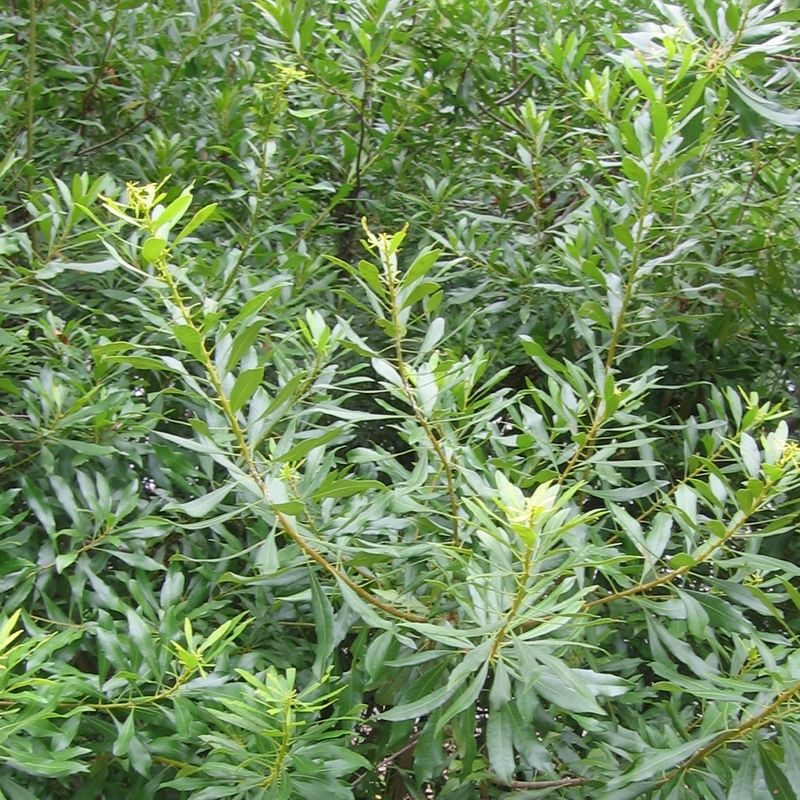
Few shrubs pack in as much foliage as wax myrtle does at full growth. Branches layer over each other, filling gaps from top to bottom.
When planted in a row, individual plants merge into one solid green wall over time.
Privacy is not just about height. A shrub can be tall but still thin and see-through.
Wax myrtle avoids that problem because of how tightly it branches. Even without pruning, it builds a genuinely dense screen.
Wax myrtle is also semi-evergreen to evergreen in most parts of Georgia, depending on winter temperatures. In mild winters, it holds its leaves well and keeps your yard screened year-round.
During colder snaps, some leaf drop may occur, but new growth returns quickly in spring.
Height potential is another advantage. Left to grow naturally, wax myrtle can reach 10 to 15 feet or more.
Your Georgia Garden Changes Every Week. Your Plan Should Too.
Gardening in Georgia changes quickly throughout the season. Every Friday you’ll receive a simple weekly plan showing exactly what to plant, prune, fertilize, harvest, and protect so you never miss the right timing.
Pruned regularly, it stays shorter and fuller. Either way, it gives you control over the size of your privacy screen.
Compared to privet, which can look scraggly if not trimmed constantly, wax myrtle maintains a fuller appearance with less effort. Occasional shaping keeps it tidy, but heavy maintenance is rarely needed.
For a backyard hedge that actually blocks views without constant upkeep, wax myrtle delivers solid results.
3. There Is Another Good Reason To Skip Privet
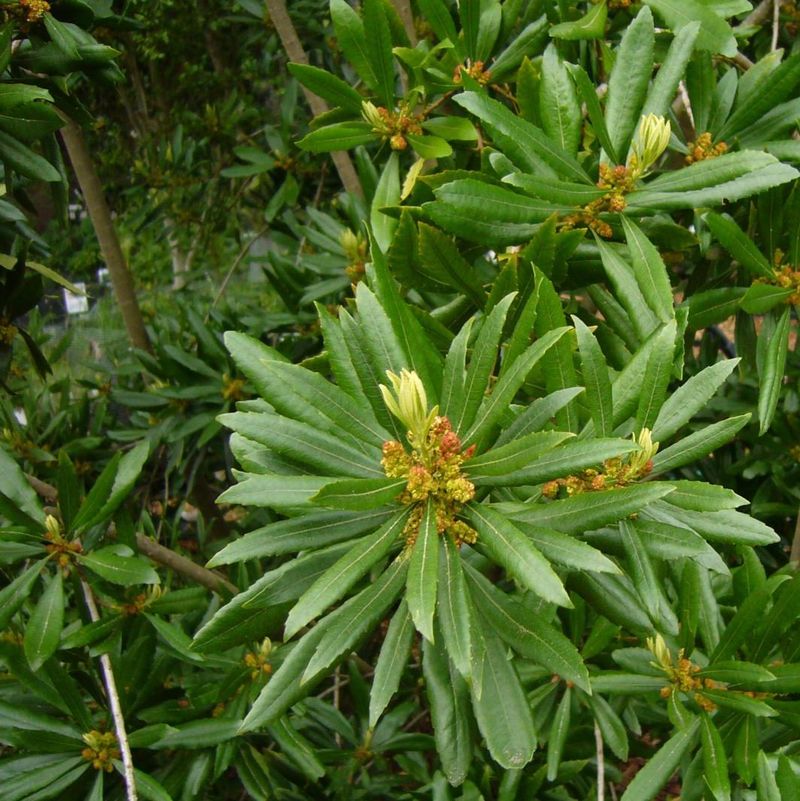
Privet is listed as an invasive plant in Georgia, and that label carries real consequences. Birds eat privet berries and spread seeds into forests and natural areas.
Once privet establishes outside your yard, it crowds out native plants that wildlife depend on.
Removing established privet is genuinely hard work. Roots run deep, and cut stems often resprout.
Homeowners who plant privet today may spend years dealing with regrowth later. Choosing wax myrtle from the start avoids that cycle entirely.
There is also an allergy concern worth mentioning. Privet flowers produce pollen that irritates many people.
Spending time near a blooming privet hedge can cause sneezing, watery eyes, and general discomfort. Wax myrtle does not carry that same reputation for causing issues.
Local regulations in some Georgia counties and municipalities discourage or restrict planting invasive species. Before installing any new hedge, checking local guidelines is a smart move.
Wax myrtle sidesteps those concerns because it is native and non-invasive.
Beyond regulations, there is a simple satisfaction in planting something that belongs here. Wax myrtle supports the surrounding ecosystem rather than competing against it.
Skipping privet is not just a practical choice; it reflects a broader care for the environment around your home and neighborhood.
4. Its Natural Shape Creates A Fuller Privacy Screen
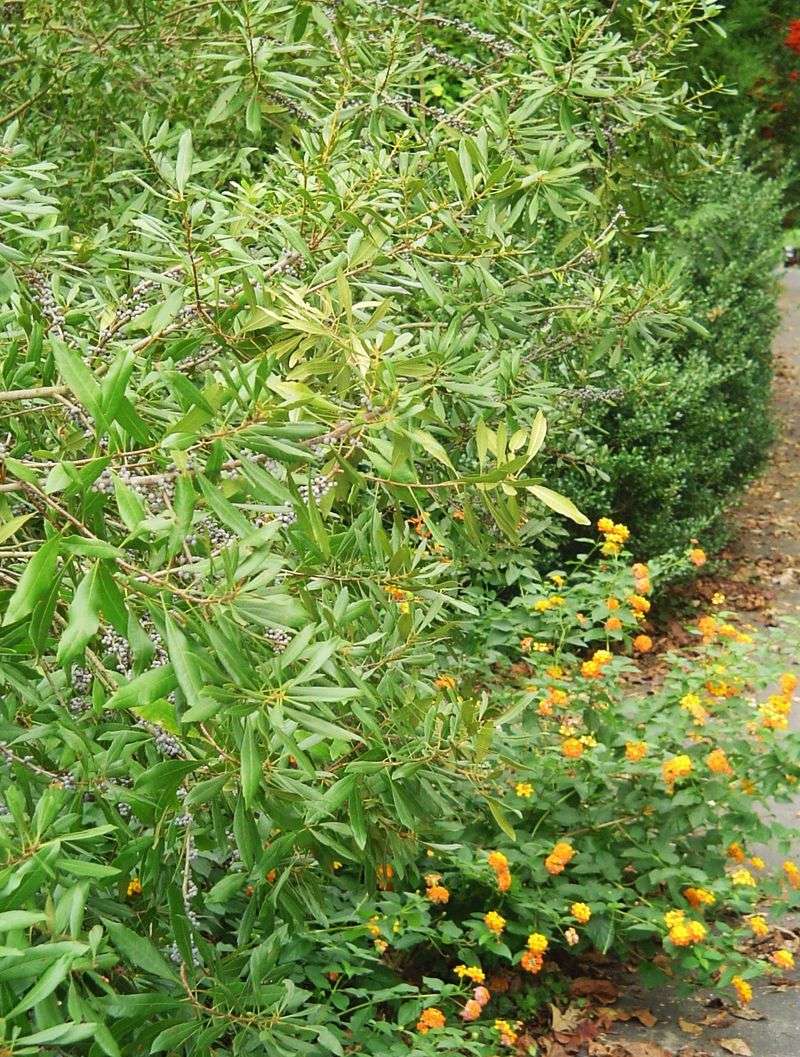
Wax myrtle grows with multiple stems rising from the base rather than one central trunk. That multi-stem habit is actually an advantage for privacy.
More stems mean more branches, and more branches mean more leaf coverage at every level.
Privet often develops a leggy, open base when left unpruned. You end up with a shrub that blocks views at eye level but leaves gaps near the ground.
Wax myrtle fills in from the bottom up, which is exactly what a privacy screen needs to do.
Natural shape also means less pruning pressure. You do not need to constantly reshape wax myrtle to make it look full.
Occasional trimming to manage height or width is usually enough to keep it looking intentional and tidy.
Wax myrtle’s arching branches create a layered effect that softens the look of a hedge. Instead of a rigid, boxy wall, you get something that blends naturally into the yard.
Neighbors and passersby often notice how much more attractive it looks compared to a heavily sheared hedge.
Shape also affects how well the plant handles wind. Wax myrtle’s flexible stems move with wind rather than resisting it stiffly.
That flexibility reduces branch breakage during storms, which is a practical benefit in areas that see strong seasonal winds. A fuller, more resilient screen is the result.
5. The Right Spot Helps It Grow Thick And Healthy
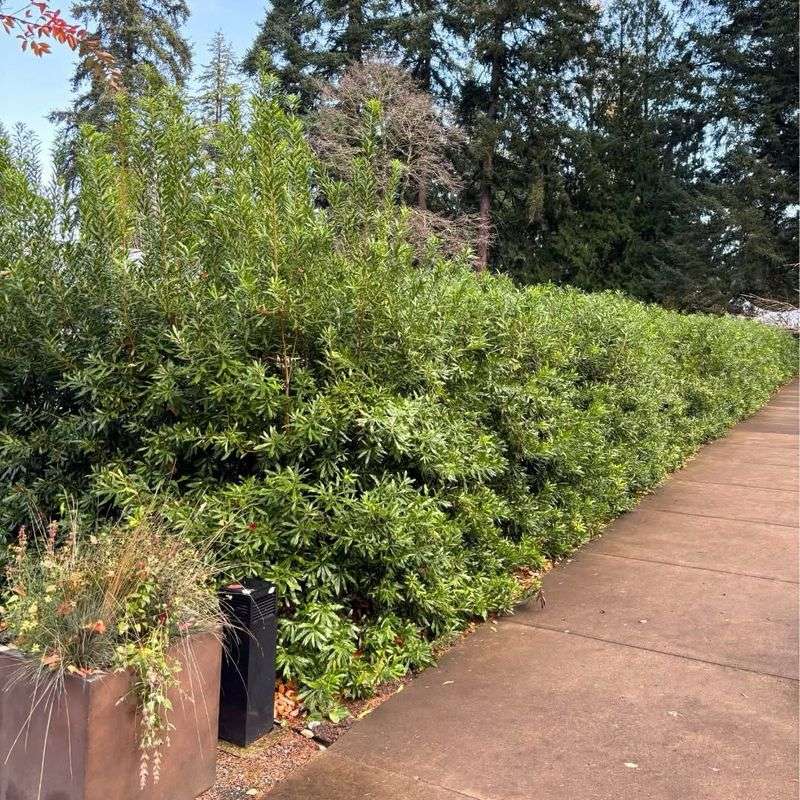
Placement matters more than most people realize when starting a new hedge. Wax myrtle grows best in full sun to partial shade.
More sunlight generally means faster, denser growth. Spots that get at least six hours of direct sun each day tend to produce the thickest results.
Soil flexibility is one of wax myrtle’s real strengths. Sandy soil, clay-heavy soil, and even occasionally wet areas can all support it.
That said, standing water for extended periods can stress the plant. Good drainage is helpful, though not absolutely required in every case.
Avoid planting too close to structures or overhead power lines. Wax myrtle can reach significant height if left unchecked.
Giving it room to grow upward and outward reduces the need for heavy pruning later. Planning ahead saves effort down the road.
Soil preparation before planting makes a noticeable difference. Loosening compacted soil and mixing in organic matter helps roots establish more quickly.
Mulching around the base after planting retains moisture and moderates soil temperature, which supports early growth.
Watering newly planted wax myrtle regularly through the first growing season helps it settle in. Once roots are established, it becomes much more self-sufficient.
In Georgia’s climate, established wax myrtle often handles summer heat and seasonal dry spells without much extra help from the gardener.
6. Proper Spacing Helps Close Gaps As It Grows
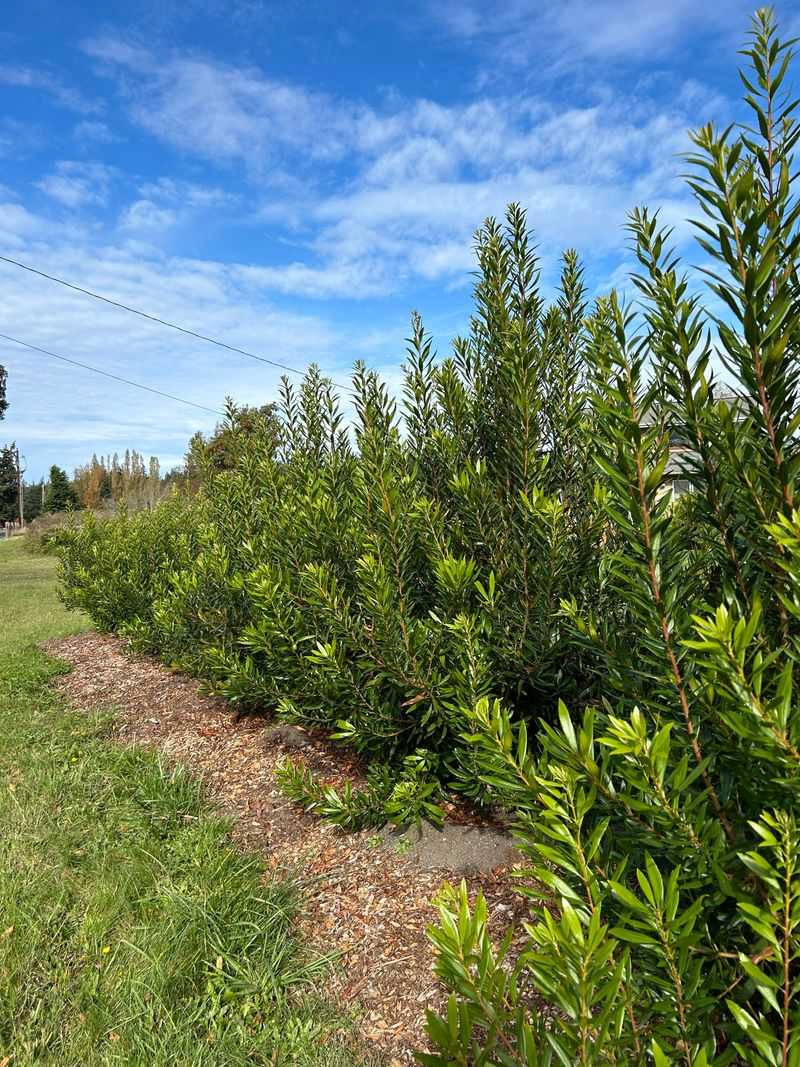
Spacing wax myrtle correctly from the start prevents frustrating gaps in your privacy screen later. Planting too far apart leaves openings that take years to close.
Planting too close together can crowd roots and slow growth over time.
A spacing of about four to six feet between plants works well for most privacy hedge goals.
At that distance, wax myrtle plants typically start touching within two to three growing seasons, depending on soil quality, sun exposure, and rainfall patterns in your area.
Staggering two rows of plants is another option worth considering. Offset rows create a zigzag pattern that fills in faster and produces a thicker overall screen.
It uses more plants upfront but delivers quicker results if privacy is urgent.
Young wax myrtle plants look small and sparse at first. Resist the urge to plant too close just to speed things up.
Overcrowded plants compete for water and nutrients, which can slow growth and weaken individual shrubs over time.
Marking your planting line with stakes before digging helps keep spacing consistent. Consistent spacing leads to a more even, uniform hedge as plants mature.
Uneven spacing often results in an irregular hedge that requires more corrective pruning later. A little planning at planting time saves a lot of adjustment work over the following seasons.
7. Simple Care Keeps Your Privacy Screen Looking Full
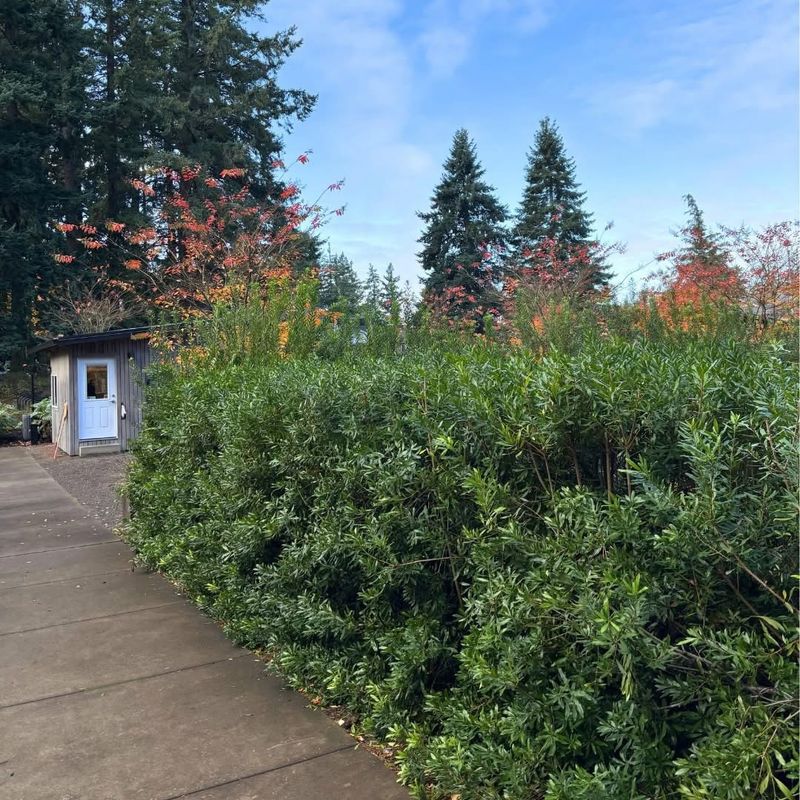
Wax myrtle is not a high-maintenance plant, and that is part of its appeal. Once established, it asks for relatively little in return for solid growth.
Routine care is straightforward and does not require special tools or expertise.
Pruning once or twice a year keeps wax myrtle at the height and shape you want. Late winter or early spring, before new growth starts, is a good time for a harder cut.
A lighter trim in summer helps manage any unruly branches without stressing the plant during heat.
Fertilizing is optional for established plants in decent soil. If growth seems slow or leaves look pale, a balanced slow-release fertilizer applied in early spring can help.
Avoid over-fertilizing, which pushes weak, fast growth that can make the plant look thin and leggy.
Mulch is one of the best low-effort tools for keeping wax myrtle healthy. A two-to-three inch layer around the base retains moisture, suppresses weeds, and keeps soil temperatures stable.
Refresh the mulch layer each spring for consistent benefit.
Watch for scale insects, which occasionally appear on wax myrtle. Mild infestations often resolve without intervention if beneficial insects are present.
Heavier infestations may need treatment with horticultural oil. Catching problems early keeps the hedge looking full and avoids more serious issues down the line.