What A Gray Fox Visiting Your Georgia Yard Could Be Looking For
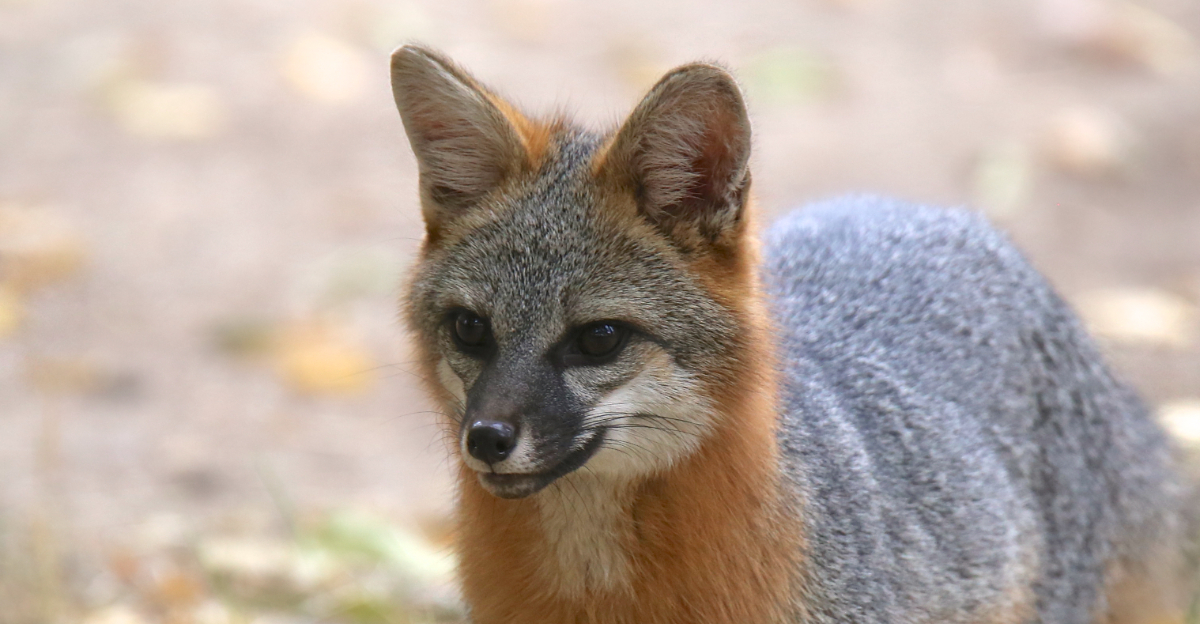
A gray fox slipping through your yard can leave you wondering what made your property worth a visit. Chances are, something nearby has caught its attention.
These secretive animals often move quietly and may disappear before you get a good look. In Georgia, yards can sometimes provide useful resources as foxes travel through their surroundings.
If one keeps returning, take a closer look at what your outdoor space might offer. The answer could be hiding in places you normally overlook.
A visit does not necessarily mean the fox plans to stay. Your property may simply be one stop along a familiar route it uses while searching nearby.
Watch from a comfortable distance and avoid leaving anything outside that could attract wildlife.
Understanding what draws a gray fox closer can help explain those surprising backyard appearances.
1. Something Around Your Yard May Have Caught Its Attention
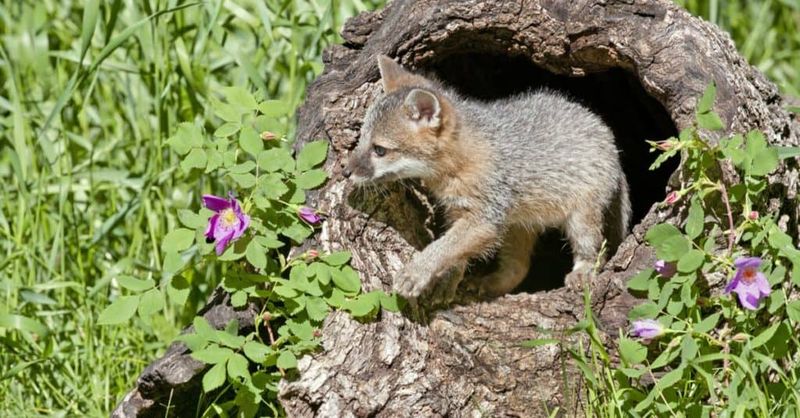
A gray fox does not wander into a yard without reason. Something specific caught its nose or eyes, and that matters.
Garbage cans left unsecured are a common draw. Even tightly lidded bins can carry strong food smells that foxes pick up from a distance.
Pet food left outside is another major trigger. A bowl of dog or cat food sitting on a porch overnight sends a clear signal to any fox passing through.
Bird feeders also create indirect attraction. Spilled seed draws mice and squirrels, and where small prey gathers, foxes tend to follow.
Compost piles that include food scraps are another hotspot. Open or loosely covered compost can smell strongly, especially in warm weather.
Water sources matter too. A birdbath, a leaky hose, or a shallow dish left out can pull in wildlife when natural water is scarce.
Clutter along fences or in corners of the yard creates shelter opportunities a fox may check out. Stacked wood, old equipment, or dense shrubs near the ground all look like potential resting spots.
Walking your yard with fresh eyes can reveal what is drawing the fox in. Removing or securing those attractants is usually the most effective first step.
2. Small Animals Can Provide A Reliable Food Source
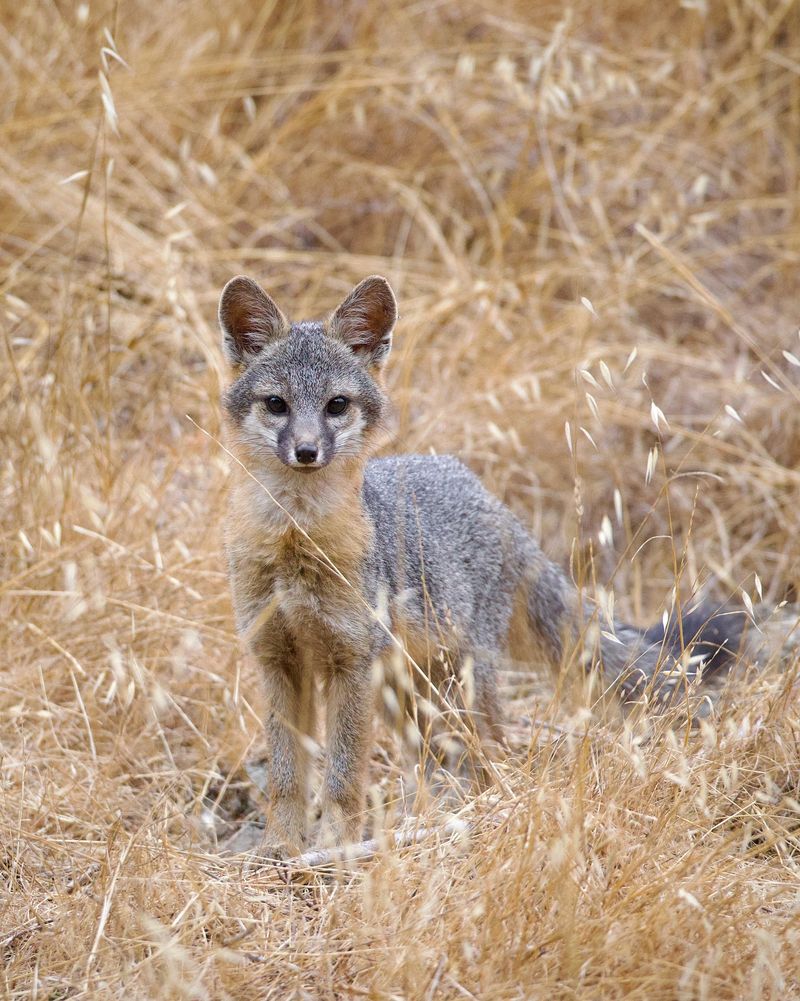
Gray foxes are natural hunters, and a yard full of small animals is basically an open buffet.
Mice and voles are among their top targets. Overgrown grass, leaf piles, and cluttered garden beds give rodents places to nest, which in turn brings foxes in to hunt.
Rabbits are also fair game. If cottontails visit your yard regularly, a gray fox will likely notice.
Young rabbits in particular are easier prey and may be a reason a fox keeps returning.
Squirrels, chipmunks, and even large insects round out a gray fox diet. Foxes are opportunistic, meaning they eat what is available rather than being picky.
Backyard chickens are a real concern for Georgia homeowners. An unsecured coop or a low fence can invite a fox to investigate, especially at night or just before dawn.
Reducing rodent populations in your yard can lower fox interest over time. Mowing grass short, clearing brush piles, and sealing gaps under sheds removes the cover small animals need to thrive.
Your Georgia Garden Changes Every Week. Your Plan Should Too.
Gardening in Georgia changes quickly throughout the season. Every Friday you’ll receive a simple weekly plan showing exactly what to plant, prune, fertilize, harvest, and protect so you never miss the right timing.
A fox hunting in your yard is not necessarily a problem on its own. However, if you have small pets or poultry, taking steps to secure them is a smart and practical move.
3. Fallen Fruit May Offer Another Reason To Explore
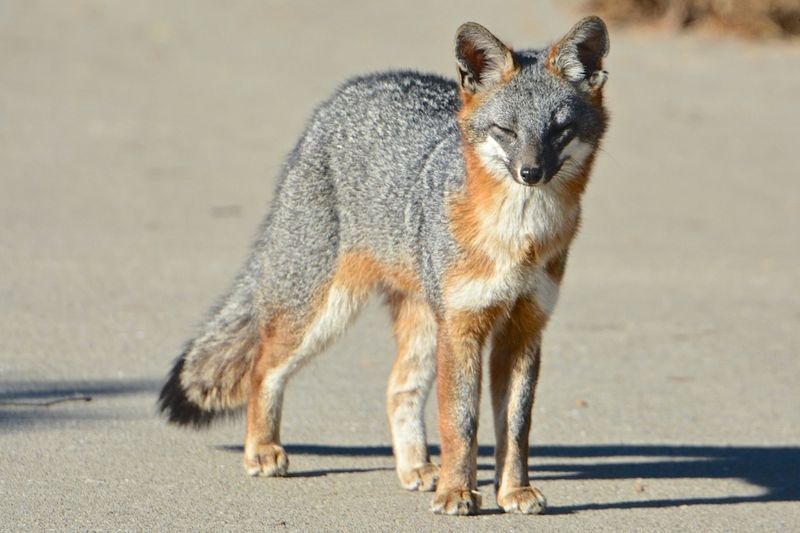
Fruit on the ground is one of the most overlooked fox attractants in a residential yard.
Gray foxes eat fruit regularly. Persimmons, wild grapes, blackberries, and figs are all part of their natural diet.
If your yard has fruit trees or berry-producing shrubs, fallen fruit can pull a fox in fast.
Figs are especially common in Georgia yards, and they drop heavily in summer and fall. A ripe fig on the ground carries a strong, sweet smell that travels well in warm air.
Muscadine grapes are another big draw. They grow wild across much of the Southeast, and foxes are known to seek them out when they are in season.
Even ornamental plants with berries can be a factor. Hollies, beautyberries, and similar shrubs produce fruit that foxes may sample, particularly when other food sources are limited.
Picking up fallen fruit regularly is one of the simplest ways to reduce fox visits. Clearing drops every couple of days during peak season can make a real difference.
If you have a fruit tree you cannot easily manage, consider placing a temporary fence around its drip line during fruiting season. It will not stop every visit, but it removes easy access to the food source that brought the fox in.
4. Dense Cover Gives Foxes A Place To Stay Hidden
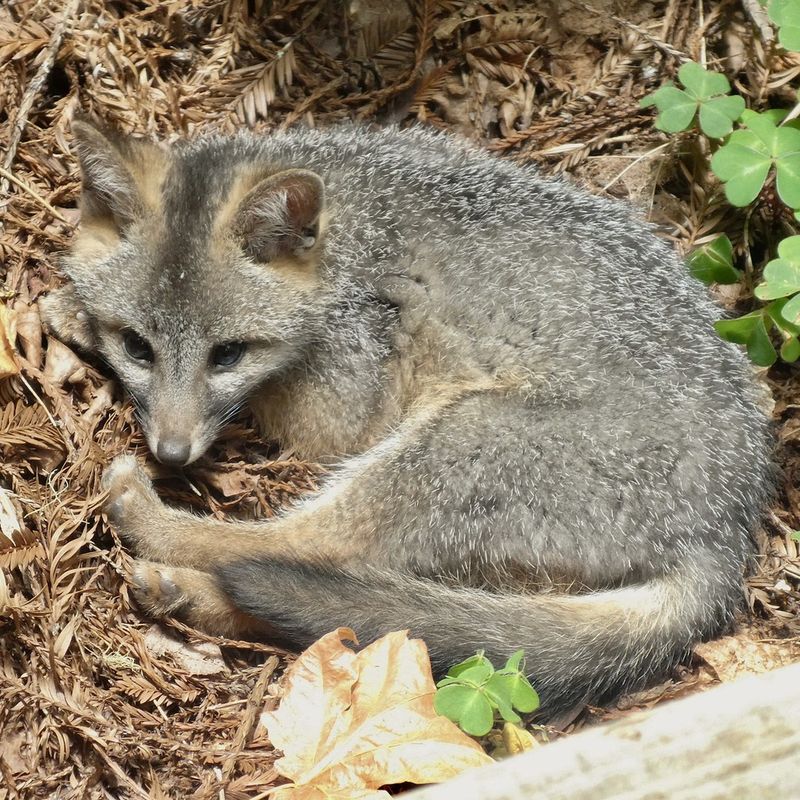
Cover matters just as much as food. A gray fox will not stick around in a yard that feels exposed.
Thick shrubs, overgrown garden corners, and brush piles offer exactly the kind of shelter a fox looks for. Low, dense plantings near fences or along property edges are especially appealing.
Gray foxes are more secretive than red foxes. They prefer areas with heavy vegetation and rarely stay out in the open for long.
A yard with plenty of hiding spots is far more inviting to them.
In Georgia, common shrubs like wax myrtle, privet, and native azaleas can create dense thickets at ground level. These spots give a fox somewhere to rest, observe, and feel secure.
Brush piles left over from yard work are another version of the same thing. A fox may use them for a short rest or as a spot to cache food nearby.
If a fox seems to be spending extended time in your yard, check for areas where cover is thick and low. Thinning out overgrown shrubs or clearing brush can reduce the appeal of staying.
You do not need to remove all plantings. Selective trimming that opens up sightlines at ground level is often enough to make a fox feel less comfortable settling in.
5. Quiet Routes Make It Easier To Move Between Habitats
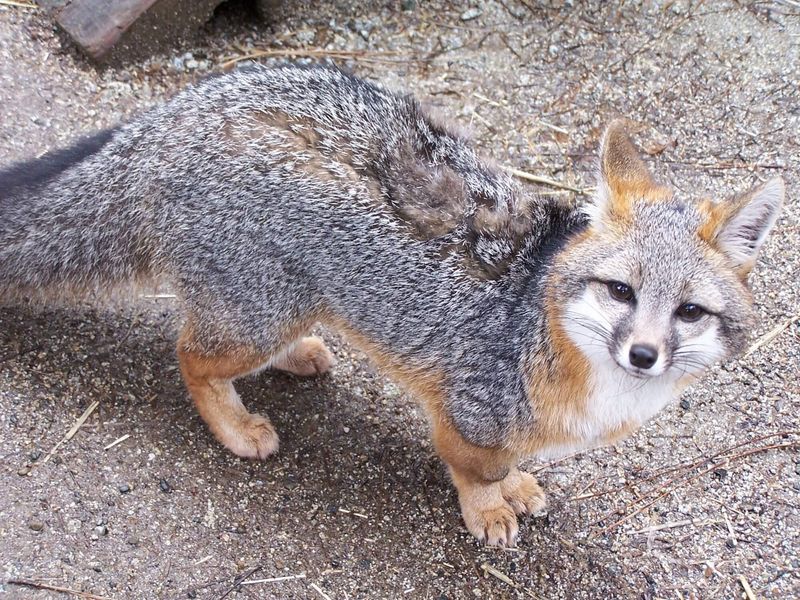
Gray foxes travel. They cover ground nightly, moving between food sources, water, and shelter.
Residential yards that sit along wooded edges or near creek corridors become natural travel lanes. A fox may not be targeting your yard specifically.
It may simply be passing through on a regular route.
Fences with gaps at the base, open gates, and culverts near drainage areas all create easy entry and exit points. A fox that finds a reliable path through your yard will likely use it repeatedly.
Neighborhoods built near forested areas or green spaces see more fox activity for this reason. The fox is not lost or out of place.
It is doing what foxes do, moving through available habitat.
Quiet yards with low foot traffic are preferred over busy, noisy spaces. If your yard is calm at night, it becomes a natural corridor for foxes moving between patches of habitat.
You can discourage this without causing harm. Motion-activated lights near entry points can interrupt a fox mid-route.
Consistent use of outdoor lighting along fence lines tends to shift their path over time.
Blocking gaps at the base of fences is another practical option. Even a simple wire barrier along the bottom can redirect foot traffic away from your property without trapping or harming any animal.
6. Repeat Visits Can Point To Reliable Backyard Resources
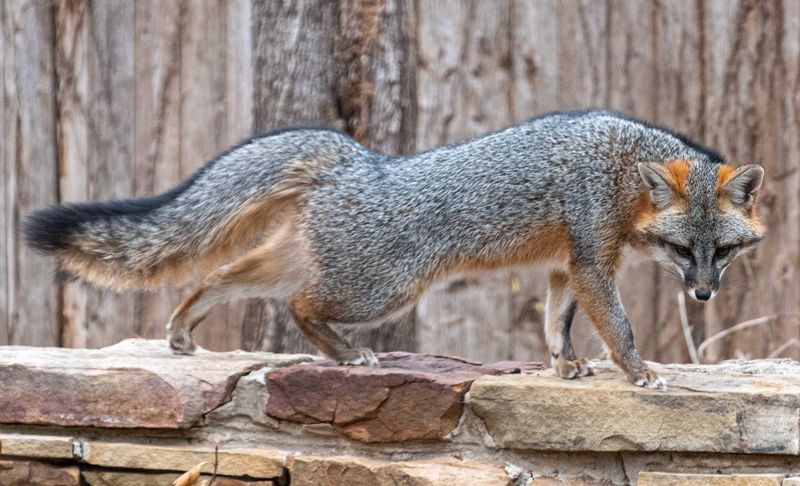
One visit from a gray fox can be coincidence. Two or three visits in the same week is a pattern worth paying attention to.
Repeat visits almost always mean the fox found something worth coming back for. Food, water, shelter, or a safe travel route are the usual reasons.
Foxes have strong spatial memory. Once they identify a reliable spot, they tend to revisit it on a loose schedule.
You may notice the same fox returning around the same time each evening.
A fox that returns regularly has likely found multiple attractants, not just one. Compost plus a water source plus low cover can be enough to make a yard a regular stop on a nightly circuit.
Keeping a simple log of when you spot the fox can help you identify patterns. Knowing what time it appears and where it spends the most time points you toward the specific draws.
Trail cameras are a useful tool here. Placing one near a suspected entry point or known attractant gives you a clear picture of what is happening after dark.
Once you understand the pattern, addressing the root causes becomes much easier. Removing two or three reliable resources at once tends to break the habit faster than tackling one thing at a time.
7. Removing Attractants Can Make Return Trips Less Likely
Making your yard less appealing to a gray fox is straightforward once you know what brought it in.
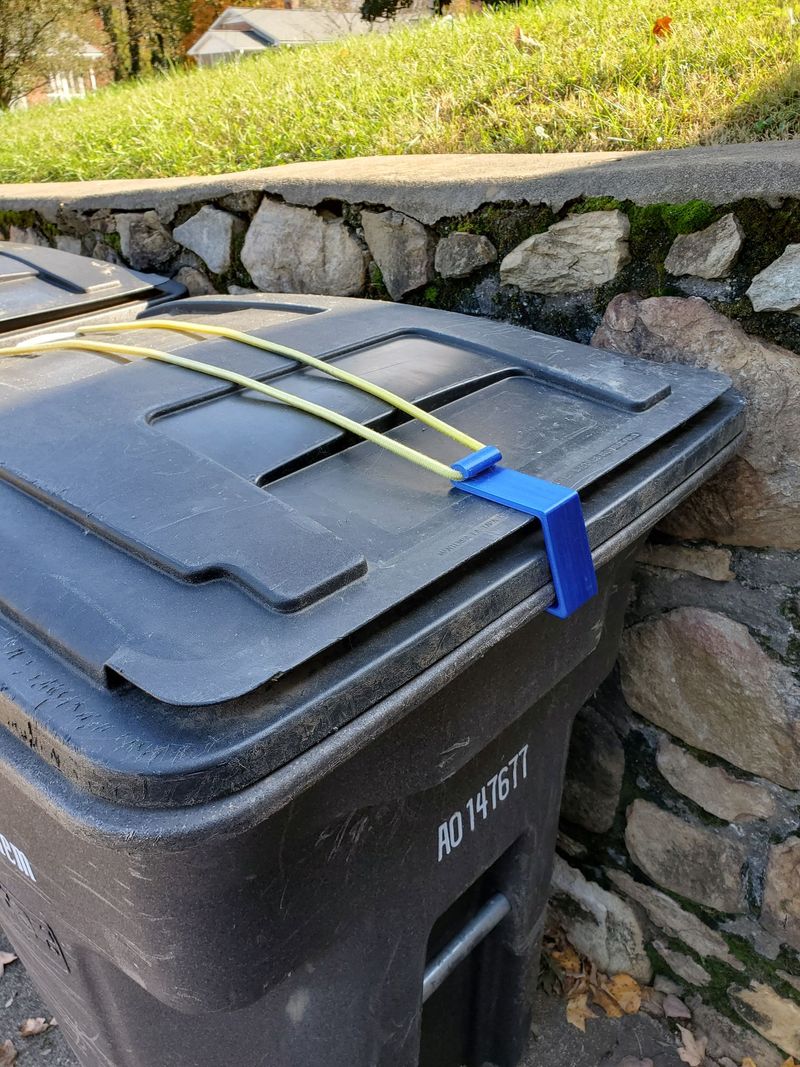
Start with food. Secure garbage cans with bungee cords or locking lids.
Bring pet food inside each evening. Pick up fallen fruit regularly during summer and fall.
Water sources are easy to overlook. Emptying birdbaths at night, fixing dripping outdoor faucets, and removing standing water from containers can reduce the draw, especially during dry stretches.
Cover removal matters too. Trim shrubs that grow low and dense along the ground.
Clear brush piles and stack firewood off the ground. Open sightlines at the base of your fence line.
Motion-activated sprinklers can be effective deterrents. A sudden burst of water startles a fox without causing injury.
Placed near known entry points, they can interrupt a routine visit.
Bright motion-activated lights work in a similar way. Foxes prefer low-light conditions.
Consistent lighting near entry points tends to make a yard feel less safe for a returning animal.
Rodent control also plays a role. Reducing mice and voles in your yard removes one of the most reliable food sources a fox could find.
Mowing regularly and sealing gaps under sheds and porches helps limit rodent habitat.
No single fix works in every situation, but combining a few of these steps tends to produce real results over time.