What Georgia Gardeners Should Do With Gardenias In June So They Bloom All Season
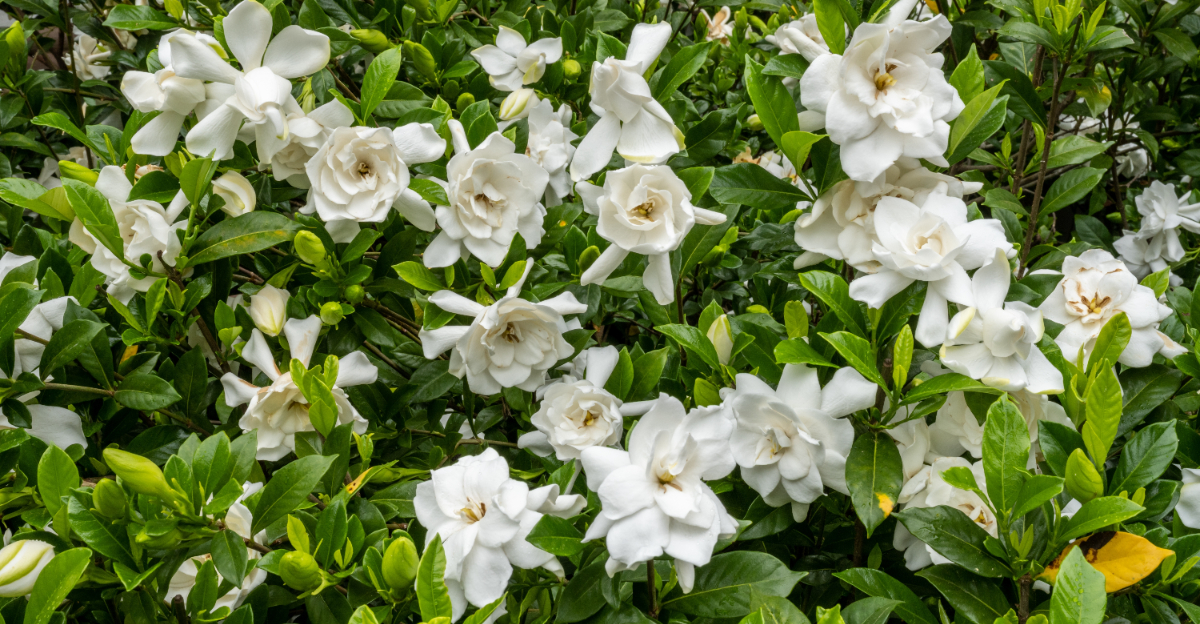
The first gardenia blooms of the season always seem to disappear too quickly. After waiting months for those bright white flowers and their unmistakable fragrance, many gardeners wish the display would last much longer than it does.
By June, gardenias are entering one of the most important periods of their growing season.
The shrubs are active, new growth is developing, and the choices made now can influence how much color and fragrance the plants provide in the weeks ahead.
It is a stage that often gets overlooked because gardenias already appear healthy and full of life. That can be frustrating for anyone hoping to enjoy blooms throughout the summer.
A gardenia that receives the right attention in June is much more likely to keep performing when temperatures rise and conditions become more demanding.
In Georgia, gardeners who get the longest bloom displays tend to focus on a few key tasks during this part of the season, and those efforts can pay off for months.
1. Remove Spent Blooms Before Seed Pods Form
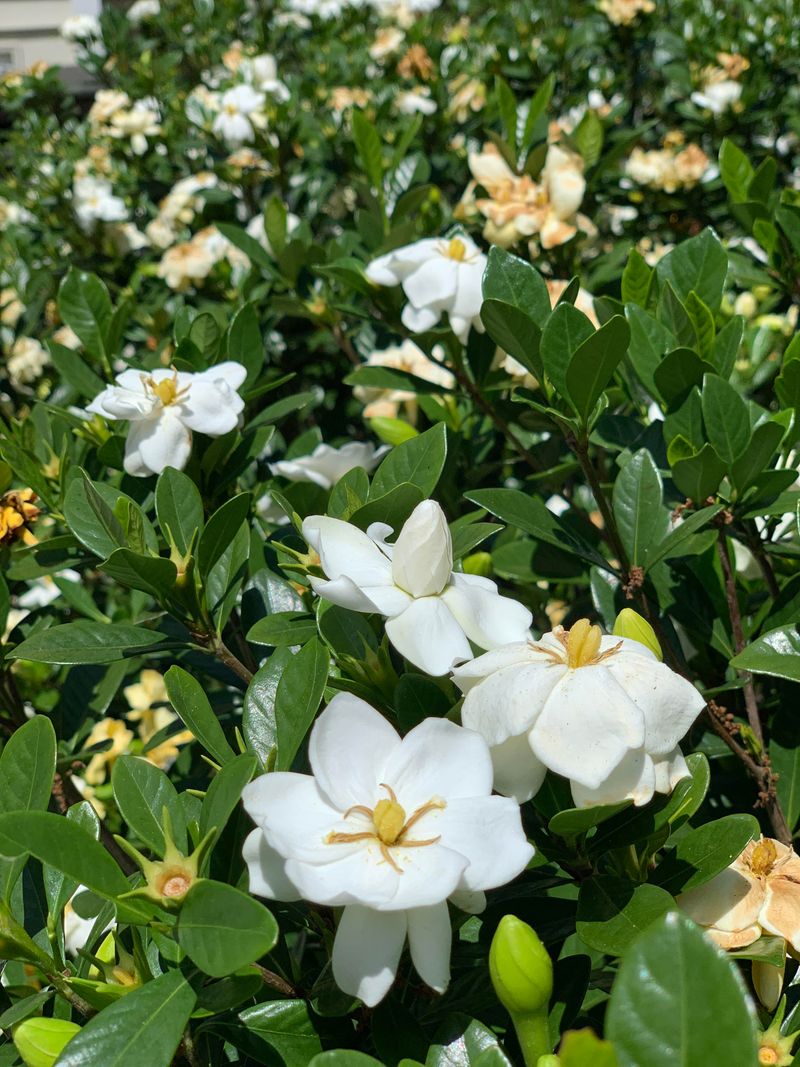
Spent blooms left on the plant are quietly working against you. Once a flower fades, the plant shifts energy toward forming a seed pod instead of pushing out new blooms.
Catching them early keeps that energy focused where you want it.
Pinch or snip the old flower right where it meets the stem. A clean cut just above a leaf node works well.
Avoid tearing the stem, which can stress the plant and open it up to infection.
Walk your gardenia every couple of days in June. Blooms can brown fast in the heat.
Staying consistent means you catch faded flowers before the plant wastes energy on seed development.
Gardeners across the South often skip this step thinking it does not matter much. It does.
Regular deadheading has a real impact on how many new buds a plant sets over the course of the summer.
You do not need special tools for this job. Clean fingers work fine for soft, fresh spent blooms.
For older, tougher stems, a small pair of clean pruning snips gives you a neater cut without pulling or tearing.
Drop the removed blooms into a bucket as you go.
2. Water Deeply When Rainfall Falls Short
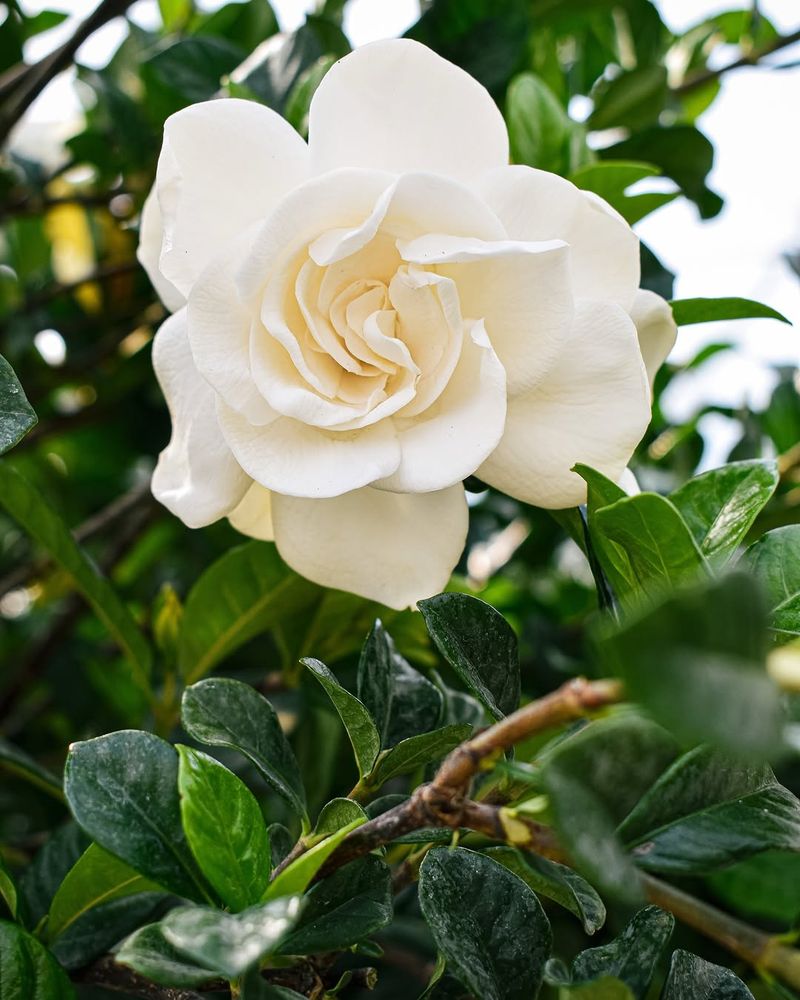
Shallow watering is one of the biggest mistakes gardenia growers make. Light sprinkles only wet the top inch of soil.
Roots need consistent moisture much deeper than that to support strong blooms through summer heat.
Aim to water slowly and deeply at the base of the plant. Let water soak in rather than run off.
About one inch of water per week is a reasonable target when rain does not cover it.
June in the Southeast can be unpredictable. Some weeks bring heavy afternoon storms, others stay dry for days.
Checking rainfall totals or using a simple rain gauge takes the guesswork out of knowing when to step in.
Early morning is the best time to water gardenias. Watering late in the day keeps foliage wet overnight, which raises the risk of fungal problems.
Your Georgia Garden Changes Every Week. Your Plan Should Too.
Gardening in Georgia changes quickly throughout the season. Every Friday you’ll receive a simple weekly plan showing exactly what to plant, prune, fertilize, harvest, and protect so you never miss the right timing.
Morning moisture gives leaves time to dry before temperatures drop at night.
A soaker hose laid around the base of the plant works well for consistent deep watering. Drip irrigation works even better if you have it set up.
Both keep water off the leaves and right at the root zone.
3. Check Soil Moisture Before Adding Water
Overwatering gardenias causes just as many problems as underwatering. Roots sitting in soggy soil cannot take up oxygen properly.
Yellow leaves and bud drop are two of the most common signs that a plant is getting too much water.
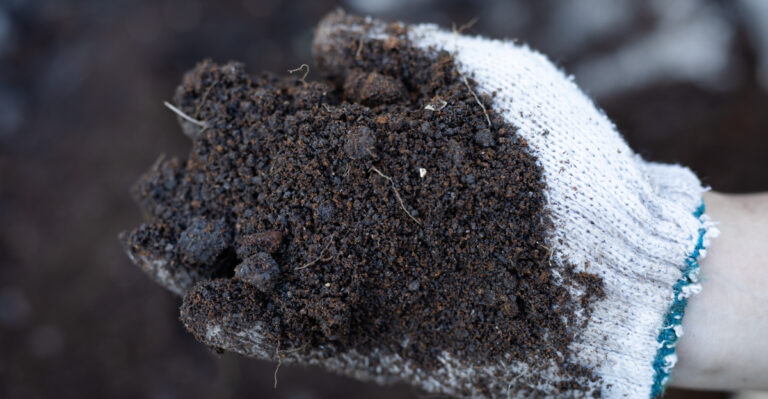
Before reaching for the hose, press a finger about two inches into the soil near the base of the plant. Moist and cool means the plant is fine.
Dry and crumbly means it is time to water.
Soil type plays a big role in how fast moisture moves. Sandy soils drain quickly and may need more frequent watering.
Clay-heavy soils hold moisture longer and can stay wet for days after a good rain.
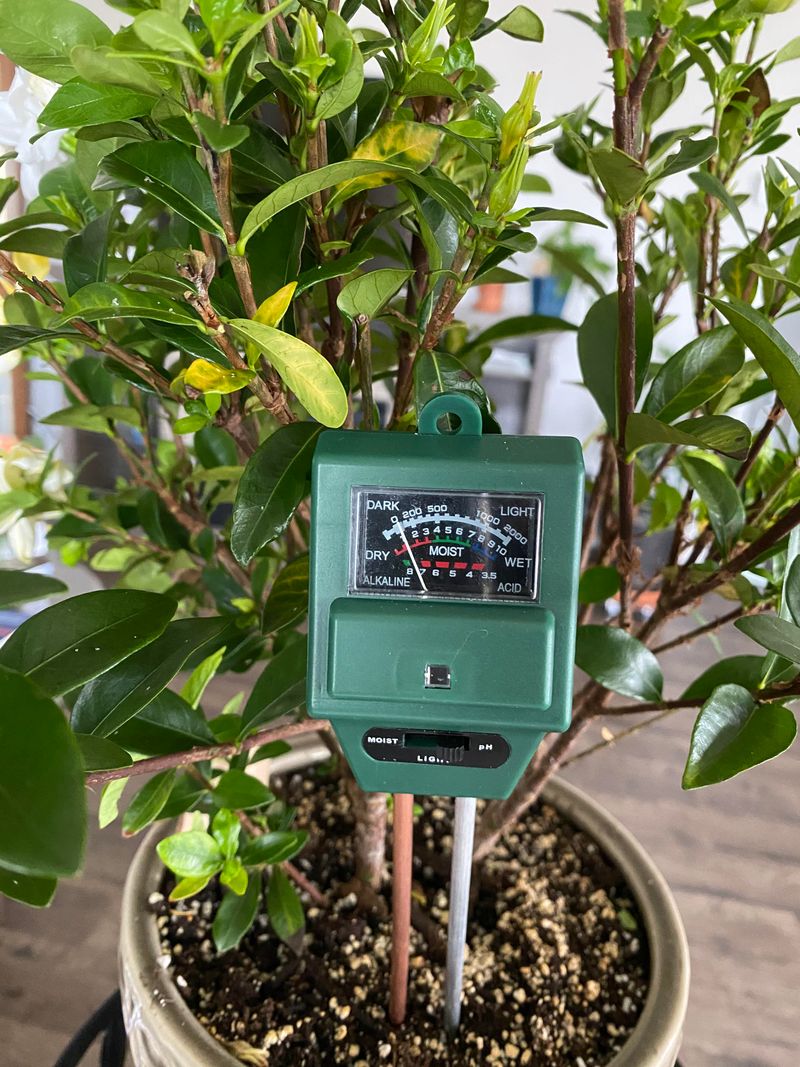
A moisture meter is a handy tool for gardeners who want something more precise than the finger test. Inexpensive models are easy to find and give a quick reading right at root depth.
It removes the guesswork completely.
Raised beds and containers behave differently from in-ground plantings. Check them separately.
A pot sitting in full sun can go from moist to bone dry in a single afternoon during peak summer heat.
Getting into the habit of checking before watering saves the plant from stress and saves you water.
4. Refresh Mulch Before Summer Heat Builds
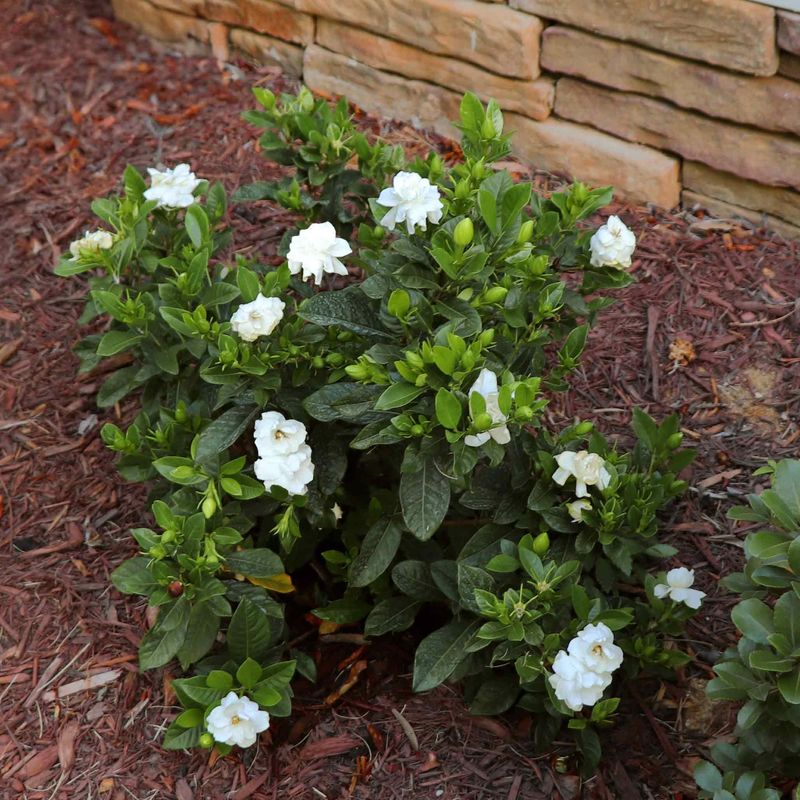
Mulch does more work in a gardenia bed than most people realize. A fresh layer going into summer helps hold moisture in the soil, keeps roots cooler, and slows down weed competition all at the same time.
Pine bark mulch and pine straw are both popular choices in the South. They break down slowly and add a mild acidity to the soil over time, which gardenias appreciate.
Avoid using dyed or treated wood mulch, which can alter soil chemistry unpredictably.
Pull back old mulch before adding a fresh layer. Check for compacted spots or areas where the old material has matted together.
Matted mulch blocks water and air from reaching the soil below, which defeats the purpose entirely.
A two-to-three-inch layer is enough. More than that can actually hold too much moisture right against the base of the stem, which encourages rot.
Keep mulch pulled back a few inches from the main trunk or stem of the plant.
Refreshing mulch in early June sets your gardenia up well before the hottest weeks arrive. Once temperatures climb into the upper 90s, soil temperatures under mulch stay noticeably cooler than exposed ground.
Roots under stress from heat produce fewer buds.
5. Watch Yellowing Leaves For Early Clues
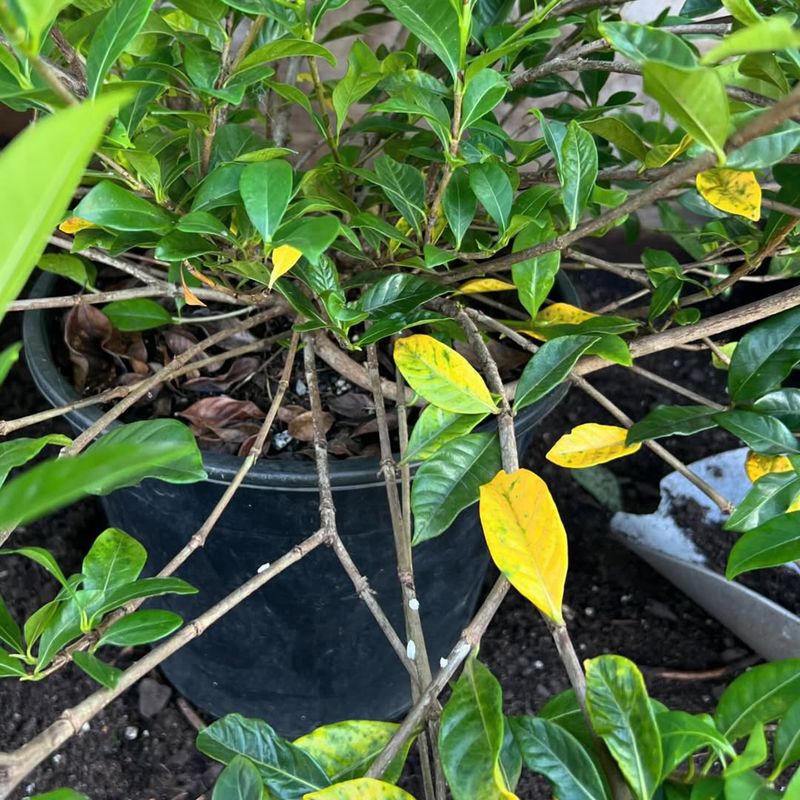
Yellow leaves on a gardenia are not random. Each pattern tells a different story.
Knowing what to look for can help you fix the actual problem instead of guessing and possibly making things worse.
Yellowing between the leaf veins while the veins stay green usually points to iron deficiency. Gardenias need acidic soil to absorb iron properly.
A soil pH above 6.5 can lock out nutrients even when they are present in the ground.
Overall pale yellow color across older leaves often signals nitrogen deficiency. A balanced, acid-forming fertilizer can address this fairly quickly.
Results usually show up in new growth within a few weeks after feeding.
Yellow leaves combined with soggy soil point to a drainage issue. Roots sitting in standing water struggle to function.
Improving drainage or adjusting watering habits often stops the yellowing from spreading to healthy parts of the plant.
Pest pressure can also show up as yellowing. Spider mites and scale insects both damage leaves in ways that cause discoloration.
Flip leaves over and look for tiny moving dots, sticky residue, or small bumps along the stems.
Catching yellowing early gives you the best chance to correct whatever is happening. Ignoring it usually means more leaves are affected as the season moves forward.
6. Avoid Heavy Pruning During Summer
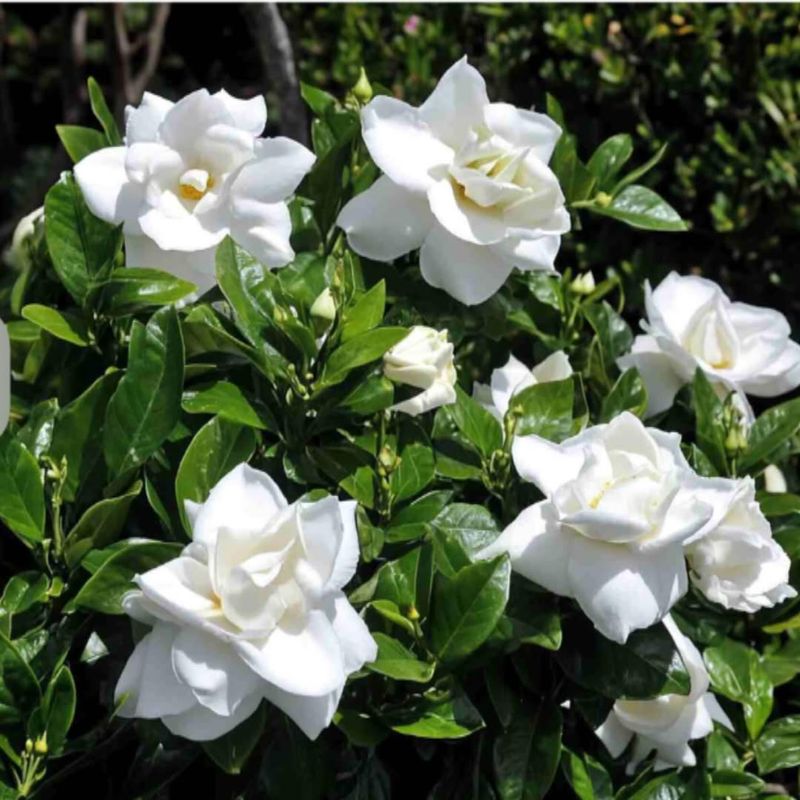
Hard pruning in summer is a fast way to lose your bloom cycle. Gardenias set buds on new growth, but that growth needs time to mature before it can support flowers.
Cut too much in June and you push the plant into recovery mode instead of bloom mode.
Light shaping is fine. If a branch is growing in an awkward direction or crossing another heavily, a careful trim will not hurt the plant.
The goal is to avoid cutting back large sections of the shrub all at once.
Late winter or very early spring is the right time for major pruning. By June, you should mostly be leaving the structure alone.
Any big cuts made now will likely cost you blooms that would have appeared later in the season.
Deadheading spent flowers is not the same as pruning. Removing old blooms is encouraged and does not stress the plant.
Pruning refers to cutting back live, leafy stems and branches, which is what needs to be kept minimal during summer months.
If storm damage or broken branches require attention, go ahead and remove what is damaged. Clean cuts heal faster than torn ones.
Use sharp, clean tools to make the job easier on the plant.
7. Feed Plants Before Mid-Summer Arrives
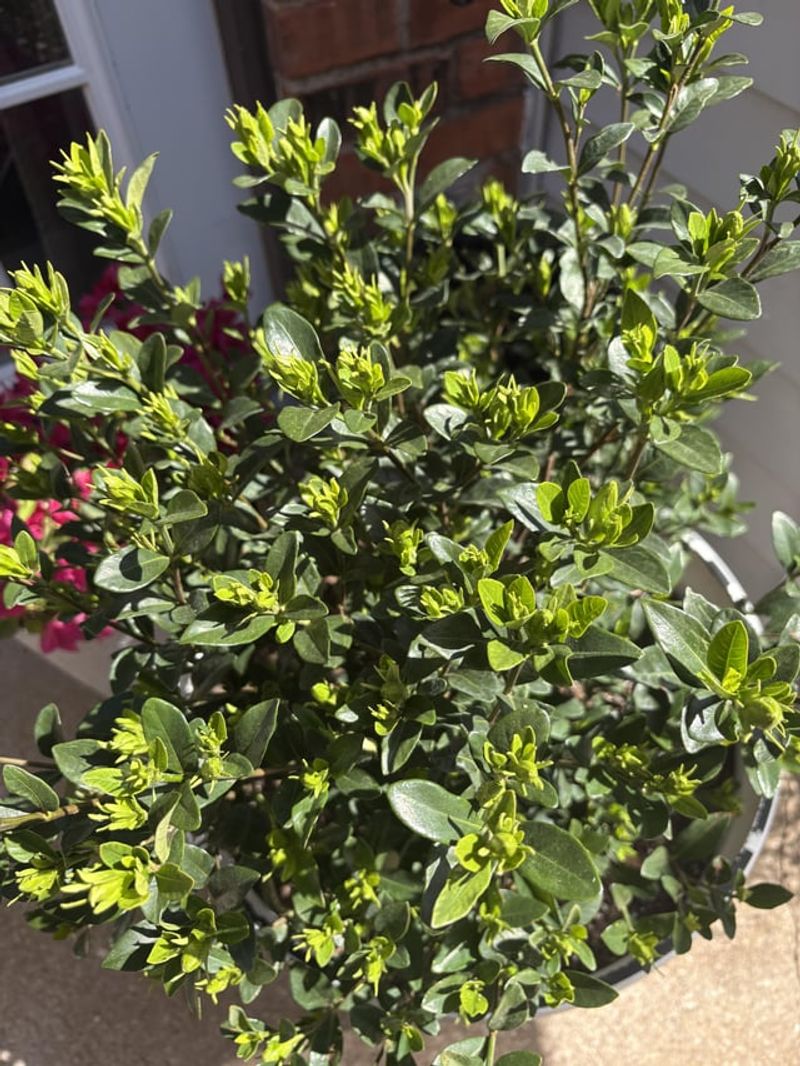
Timing fertilizer right can push your gardenia into a strong second flush of blooms before the hottest part of summer sets in. Early June is a solid window for feeding, giving the plant nutrients just as bud development ramps up.
Use a fertilizer formulated for acid-loving plants. Look for products designed for azaleas, camellias, or rhododendrons.
These tend to have the right nutrient ratios and help maintain the lower soil pH that gardenias prefer.
Granular fertilizers work well for in-ground plants. Sprinkle the recommended amount around the drip line of the plant, not right against the stem.
Water it in well after applying so nutrients move down toward the roots.
Liquid fertilizers work faster and can be a good choice if your plant looks like it needs a quick boost. Follow label directions carefully.
More is not better with gardenias, and overfertilizing can burn roots and cause bud drop.
Skip fertilizing after mid-July in most years. Late feeding pushes soft new growth right before cooler temperatures arrive in fall.
That tender growth is more vulnerable and can set the plant back heading into winter.
A well-fed gardenia going into summer holds its buds better, produces more flowers, and handles heat stress more effectively than one running low on nutrients.