The Yard Mistakes Making Squash Vine Borer Problems Worse In Ohio Heat
Ohio gardeners have a hidden enemy lurking in their backyards this summer. It’s a master of disguise, blending in seamlessly with the very plants it’s about to destroy.
This sneaky saboteur takes advantage of the state’s hot, humid weather to stage its attack. By the time wilting leaves and collapsing stems reveal its presence, the damage is already done.
Unsuspecting gardeners often roll out the welcome mat for this intruder without realizing it. A few simple missteps in the garden can turn a small nuisance into a full-scale invasion.
This summer, the difference between feast and failure comes down to a few overlooked habits.
Planting Susceptible Varieties Without Any Protection In Place
Some squash plants are basically sending an open invitation to squash vine borers. Butternut squash, for example, has thicker skin that borers tend to avoid. But zucchini and yellow crookneck squash?
Those are borer favorites, and planting them without any defense is a setup for heartbreak. When you choose what to grow, variety selection matters more than most gardeners realize.
Blue Hubbard squash actually works as a trap crop, pulling borers away from your main plants. Planting it along the garden edge gives borers a target that is not your prized zucchini.
Mixing resistant and susceptible varieties together can also confuse pests and reduce concentrated damage. Borers lay eggs more easily when they find large patches of their preferred host.
Breaking up those patches is a simple but effective strategy. Physical barriers like row covers or copper tape around stems add another layer of defense.
Applying kaolin clay to stems before borer season begins creates a surface that adult moths dislike. These steps cost very little but offer serious protection during peak egg-laying weeks.
Starting with smart variety choices and layering in protection from day one keeps your garden one step ahead. A single unprotected stem can draw multiple larvae once egg-laying begins, and the damage compounds fast.
Skipping Row Covers During The Critical Early Season Window
Missing the row cover window is one of the costliest mistakes an Ohio gardener can make. Squash vine borer moths typically begin flying in mid-June and peak through mid-July in this region.
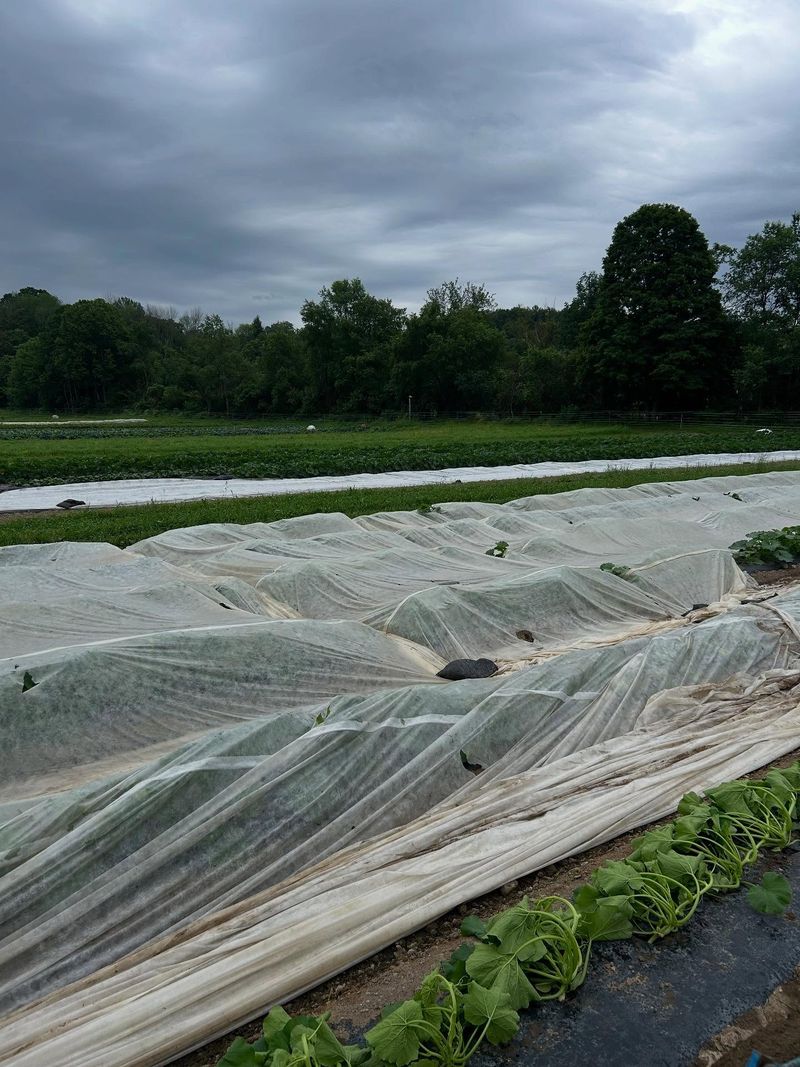
That narrow stretch of time is when your plants are most exposed to egg-laying activity. Row covers create a physical barrier between the moth and your plant stems.
The moths cannot lay eggs on stems they cannot reach. Lightweight floating row covers let in sunlight and water while keeping adult borers out entirely.
The trick is timing. Covers must go on before the first moths appear, not after you spot damage. Waiting until you see signs of infestation means eggs are already tucked against your stems and larvae are already feeding inside.
Remove covers once plants begin flowering so pollinators can access the blooms. You can also hand-pollinate if you want to extend cover use a bit longer.
A small paintbrush moved from male to female flowers gets the job done surprisingly well. Securing the edges of covers with soil or garden staples prevents moths from sneaking underneath.
Your Ohio Garden Changes Every Week. Your Plan Should Too.
Gardening in Ohio changes quickly throughout the season. Every Friday you’ll receive a simple weekly plan showing exactly what to plant, prune, fertilize, harvest, and protect so you never miss the right timing.
Even a small gap gives them access. Checking covers after wind or rain keeps the barrier intact throughout that critical early season period.
Using row covers correctly during peak flight weeks is one of the highest-impact habits any home gardener can build into their seasonal routine.
Overwatering Vines And Creating Excess Humidity Around Stems
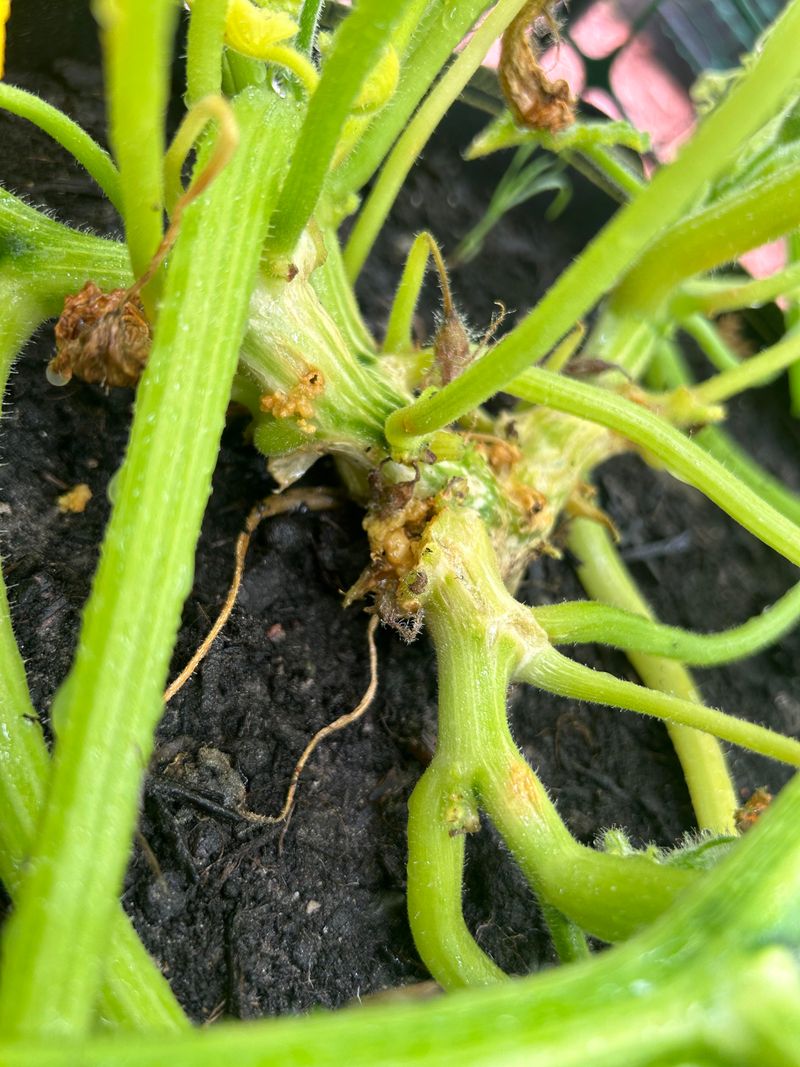
Wet stems are trouble in an Ohio summer garden. Overwatering creates a moist environment right at the base of your squash plants, and that moisture is a magnet for all kinds of stress.
Squash vine borers thrive in areas where plant tissue is already weakened by fungal pressure or root rot. Soggy soil also softens stem tissue, making it easier for newly hatched larvae to bore inside.
A plant stressed by overwatering has fewer resources to fight back against feeding damage. The combination of larval activity and moisture stress can collapse a vine in under a week.
Watering deeply but less frequently encourages roots to grow downward rather than spreading near the surface. Drip irrigation delivers water directly to the root zone without splashing stems or wetting leaves.
That targeted approach keeps the base of the plant drier and less hospitable to pests. Morning watering allows any surface moisture to evaporate before evening humidity sets in.
Ohio summers already bring plenty of natural humidity, so adding more through poor watering habits compounds the problem. Giving plants time to dry between waterings reduces fungal disease pressure too.
Spacing plants generously improves airflow around stems and reduces the humid microclimate that encourages pest activity. Crowded vines trap heat and moisture between leaves, creating ideal conditions for borer damage to spread fast.
Giving each plant room to breathe is a small change with big results for your summer harvest.
Leaving Soil Bare Instead Of Mulching Around Plant Bases
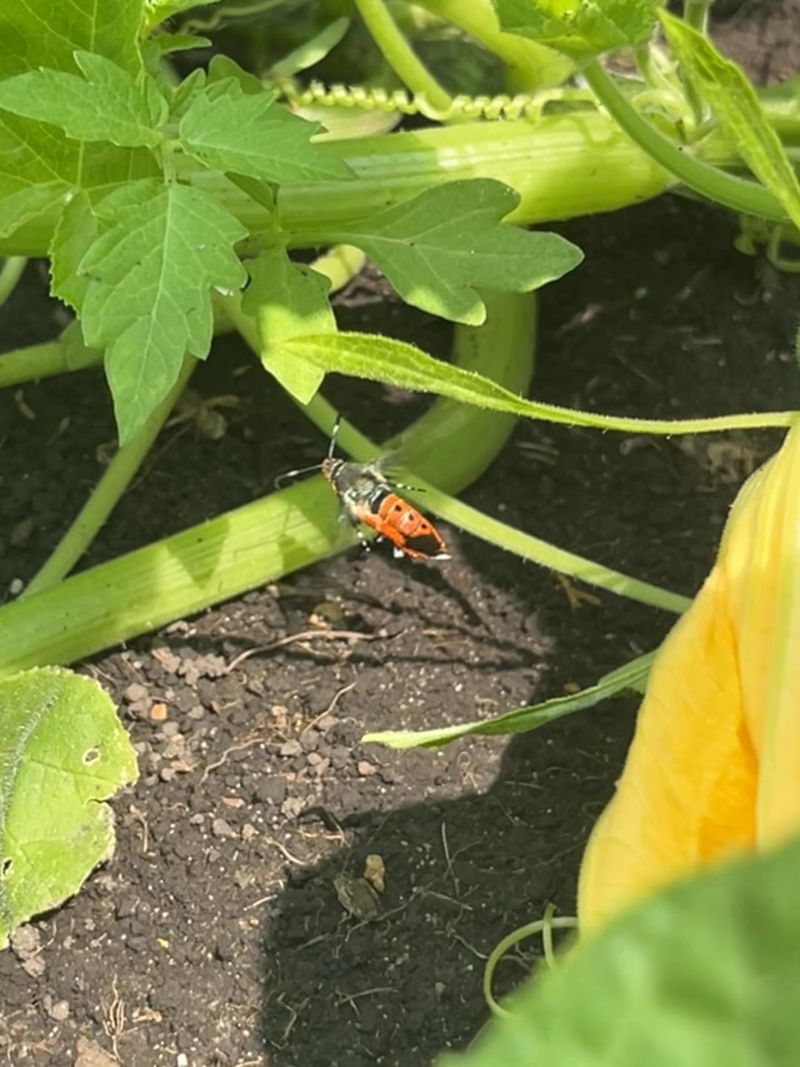
Bare soil around squash stems is basically a welcome mat for squash vine borer moths. The adult moth lays tiny, flat, reddish-brown eggs right at the base of plant stems or on the soil nearby.
Loose, exposed soil makes finding and accessing those spots much easier. A thick layer of mulch around plant bases disrupts that egg-laying behavior.
Straw, shredded leaves, or wood chips create a barrier that makes it harder for moths to land and deposit eggs near stems. It also hides the soil surface that borers use as a landing zone.
Mulch does more than just deter pests. It regulates soil temperature during Ohio heat waves, which keeps root systems healthier and plants more resilient.
A plant under less heat stress has better defenses against feeding damage from larvae. Organic mulch breaks down over time and feeds beneficial soil microbes.
Those microbes support stronger root systems, and stronger roots mean a squash plant that can sometimes survive minor borer damage without collapsing. Mulching is one of those rare garden habits that solves multiple problems at once.
Keep mulch a few inches away from the actual stem to avoid trapping moisture directly against plant tissue. A mulch ring that starts a couple of inches out from the stem and extends twelve inches around gives protection without creating rot conditions.
Leaving the soil bare during peak moth season is essentially rolling out the welcome mat, mulch takes that option off the table.
Ignoring Small Holes And Sawdust-Like Frass Near Stems
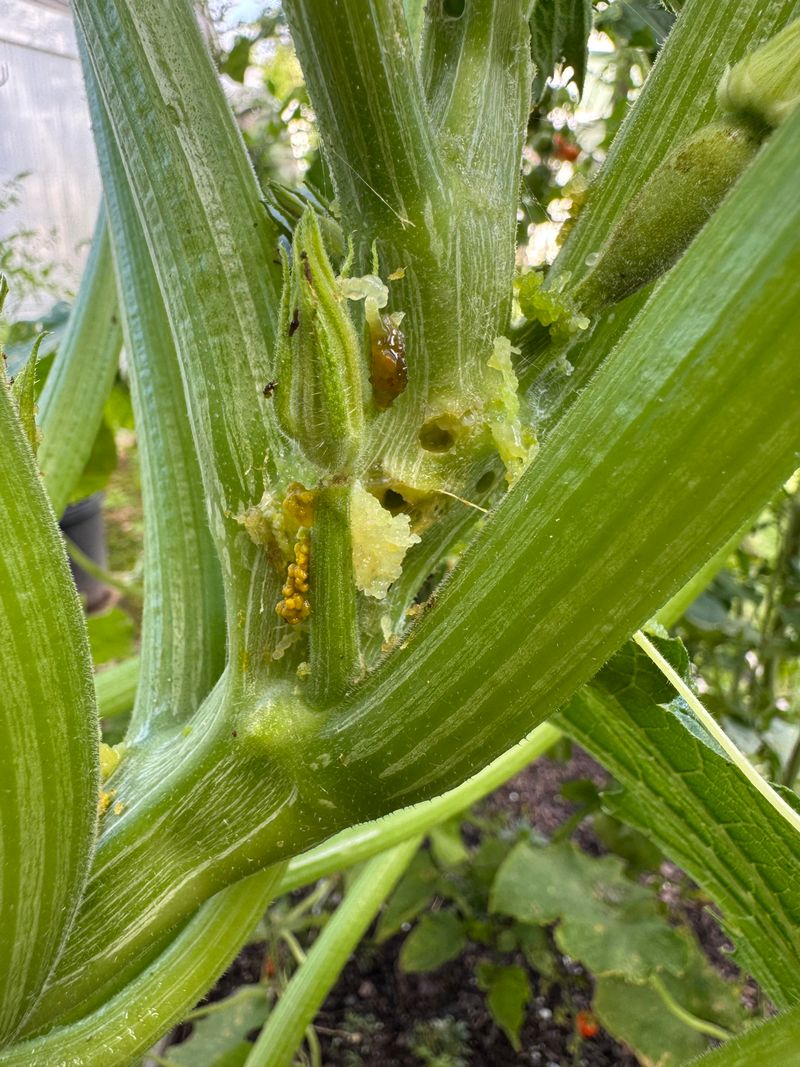
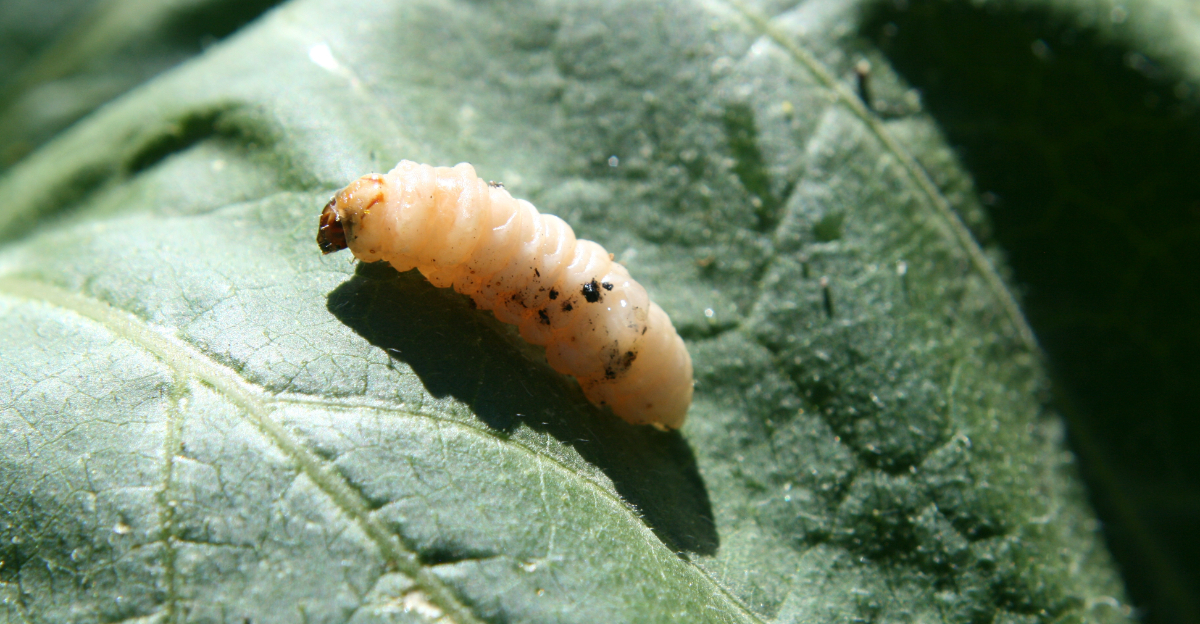
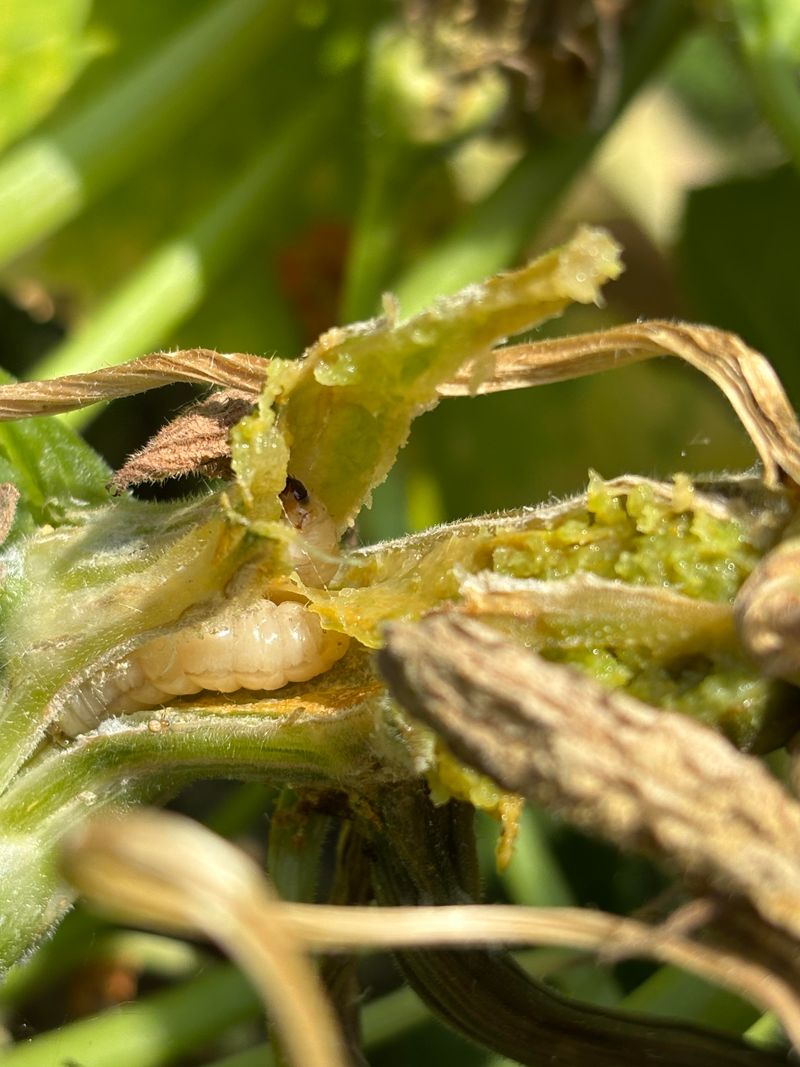
That tiny hole near the base of your squash stem is not nothing. Small entry points surrounded by greenish, yellowish, or orange-tan sawdust-like material are the calling card of squash vine borer larvae already feeding inside.
Many gardeners overlook these signs until the vine collapses entirely. Frass is the waste material larvae push out as they feed through stem tissue.
Spotting it early is your best shot at saving the plant. The sooner you act, the less internal damage there is to repair.
One rescue method involves slitting the stem lengthwise with a clean blade right above the entry hole. You can then remove the larva and pack the wound with moist soil to encourage new root growth.
It sounds dramatic, but it works surprisingly often when caught in time. Checking your squash plants every two to three days during borer season is the habit that makes early detection possible.
A quick walk through the garden with your eyes on the stem bases takes less than five minutes. That short inspection routine is the difference between a rescued plant and a lost one.
Yellow sticky traps placed near plants can also help you track adult moth activity. When you start catching moths, begin checking stems daily.
Larvae can cause significant internal damage within ten to fourteen days of hatching. Catching that frass early is your most powerful tool for stopping the damage before it spreads.
Delaying Removal Of Infested Vines Until Damage Spreads
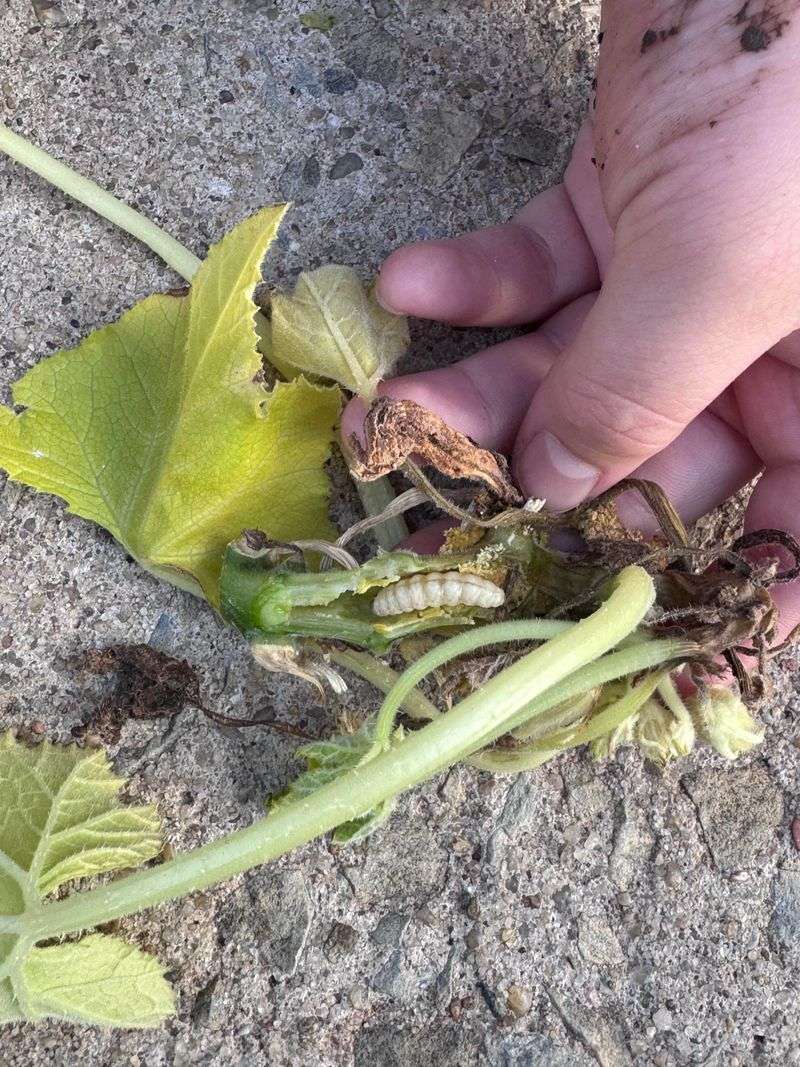
Leaving a damaged vine in the ground feels like giving it a chance to recover. In reality, an infested vine is a nursery for the next generation of squash vine borers.
Every day it stays in the soil, larvae inside are growing, feeding, and getting closer to pupating for next season. Once a vine is heavily infested, the plant rarely bounces back.
The internal feeding damage cuts off water and nutrient flow from roots to leaves. Wilting, yellowing, and eventual stem collapse follow quickly in Ohio summer heat.
Pulling infested vines promptly stops the pest cycle from continuing in your garden. Larvae still inside the stem go with the plant when it is removed, preventing them from dropping into the soil to overwinter.
That single action reduces next year’s borer population meaningfully. Check neighboring plants immediately after removing an infested vine.
Moths often lay eggs on multiple plants in the same area during one flight period. Finding and addressing nearby infestations quickly keeps damage from leapfrogging through your entire squash patch.
Mark the spot where you pulled the vine so you can avoid planting squash in that exact location the following year. Rotating your planting areas disrupts the borer life cycle over multiple seasons.
Acting fast after spotting damage protects not just this season’s harvest but the one after it too.
Composting Infected Plants Instead Of Disposing Them Properly
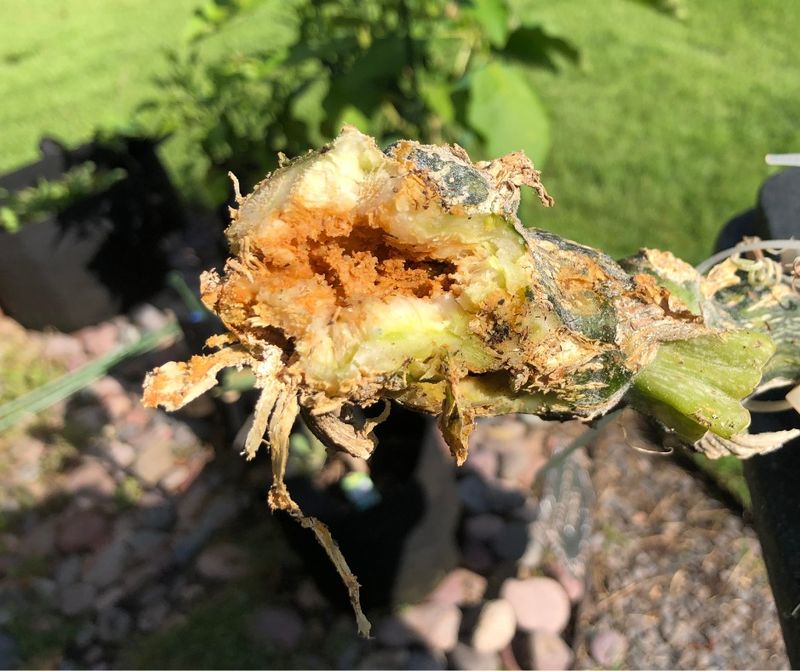
Tossing infested squash vines into the compost bin feels responsible. But it is actually one of the fastest ways to spread squash vine borer problems straight back into your garden.
Larvae inside those stems can survive composting if the pile does not reach high enough internal temperatures. Most backyard compost piles do not get hot enough to destroy pest larvae reliably.
The borer larvae burrow out of composted material and drop into surrounding soil. From there, they pupate and emerge as adult moths ready to attack your next planting.
Sealing infested plant material in a plastic bag before placing it in your regular trash is the safer choice. Double-bagging ensures larvae cannot chew through and escape before collection day.
It takes thirty extra seconds and saves you a full season of headaches. If you prefer not to trash plant material, solarizing it is another option.
Place sealed bags of infested vines in direct sunlight for several days. The heat inside sealed black bags climbs high enough to destroy larvae effectively.
Never leave pulled vines lying on the garden surface either. Larvae can crawl out of cut stems and burrow into nearby soil within hours of removal.
Treating infested material as hazardous waste, not a composting resource, is a mindset shift that pays off every season.
Tilling Soil Too Late To Disrupt Overwintering Pupae
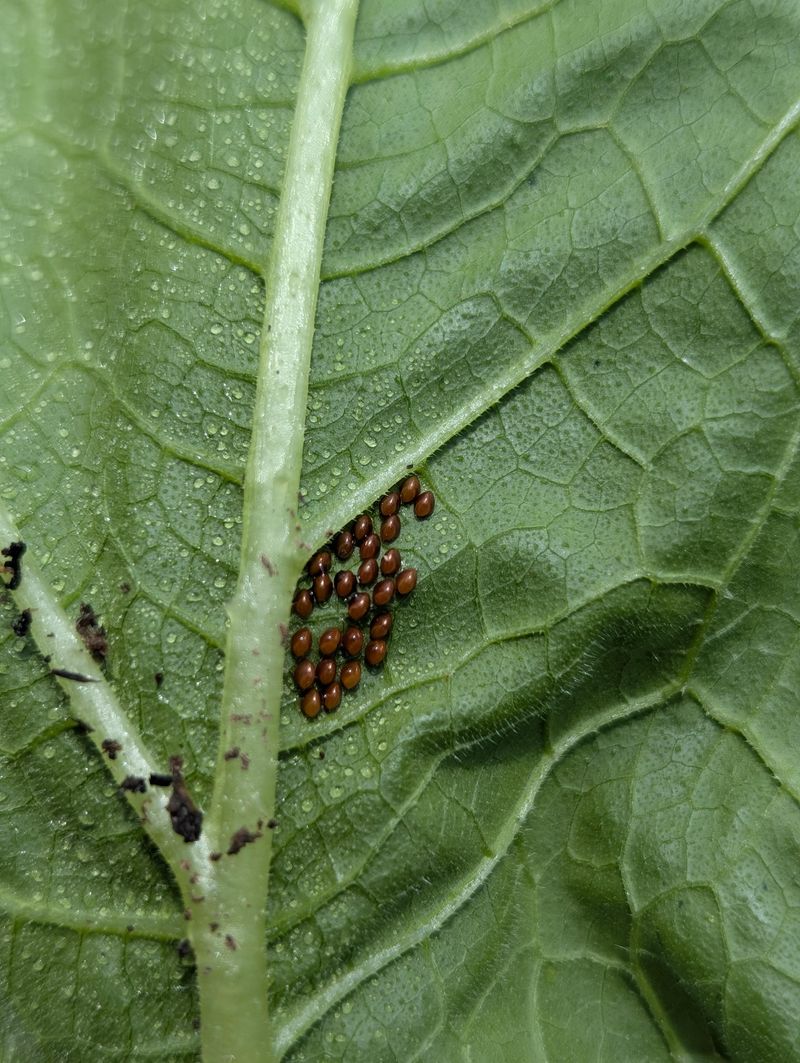
Timing your fall tilling correctly is one of the most underrated strategies against squash vine borers. After larvae finish feeding, they drop from the stem into the soil and form protective brown cocoons called pupae.
Those pupae spend the winter just a few inches underground, waiting for warm weather to trigger adult emergence. Tilling in early fall, right after you clear your squash beds, exposes those pupae to the surface.
Once exposed, birds pick them off and freezing temperatures finish the rest. Waiting until spring to till gives pupae a full winter to develop undisturbed and emerge in full force.
Deep tilling to a depth of four to six inches is enough to disrupt most overwintering sites. Squash vine borer pupae do not burrow deeply, so a thorough pass with a tiller or garden fork reaches the majority of them.
Doing this across the entire area where squash grew that season covers your bases. Following up with a second shallow till in late winter, just before planting season, catches any pupae that survived the first pass.
Two rounds of disruption significantly cut down the population entering your garden come summer. It is one of the most satisfying fall garden tasks because the results show up months later.
Tilling at the right time breaks the cycle before it starts, giving your next season’s squash a genuine fighting chance from the very first warm day of the year.