How To Protect Newly Planted Fall Cabbage From The Ohio Sun
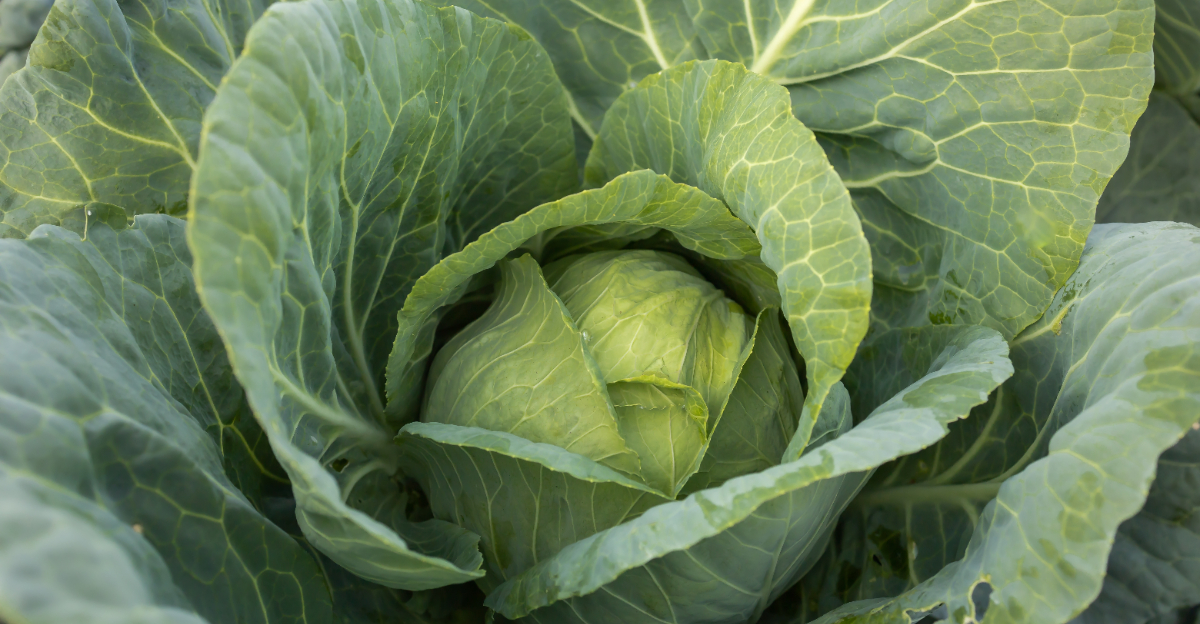
Fresh cabbage transplants can look confident at 8 a.m.
By midafternoon, the same leaves may hang low, the soil surface may feel hot, and that fall bed suddenly looks far less prepared for August.
Ohio gives cabbage an awkward introduction to autumn.
The crop prefers cool weather, yet young plants often meet bright sun and warm soil before September settles down. Their shallow roots have little room for mistakes during those first days outdoors.
So how do you get them through the rough part without a permanent shade house all season long?
Start with the transplant, not the forecast.
A gradual move into full sun matters. Moisture needs to stay steady. Mulch can cool the root zone, while temporary shade can soften a severe hot spell. Pest checks matter too, because tender brassica leaves attract attention fast.
The goal is simple.
Help each plant establish roots to handle the next hot afternoon on its own.
Cooler Ohio weather can take over later. Your job is to get cabbage there strong.
1. Harden Transplants Before Full Sun
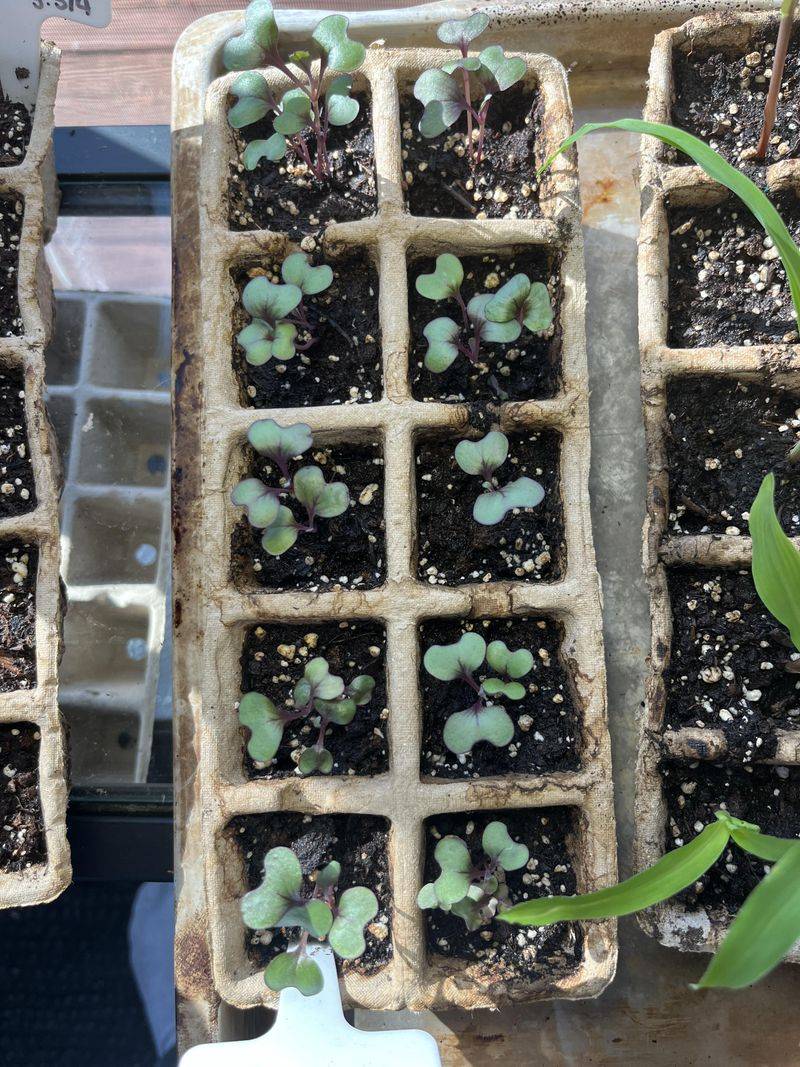
A transplant that spent its whole life under greenhouse glass or indoor lights has not met an Ohio August afternoon yet.
Give it an introduction instead of a surprise.
Set seedlings outdoors in a protected spot for a few hours, then increase their exposure over roughly a week or two.
More sun can come gradually as leaves adjust. Vegetable transplants benefit from a slow increase in outdoor sun over several days.
Watch wind at the same time.
Soft stems can lose moisture fast in a hot breeze, so start with a sheltered location. Move the tray back under protection when the leaves droop hard or a severe heat spell arrives.
Keep the root balls moist through the process, but do not leave trays in pooled water. Small cells can dry much faster than a garden bed, especially on a bright porch or driveway.
Give the tray a quarter turn each day too. That keeps one side out of the full blast while the other stays protected.
By the final days, the seedlings should hold themselves upright through normal outdoor conditions with much less drama.
Do not rush this step because the bed is ready.
The cabbage has to be ready too.
A week of patience now can save you from a row of pale, scorched leaves that needs the next week to recover.
2. Give Young Cabbage Morning Water
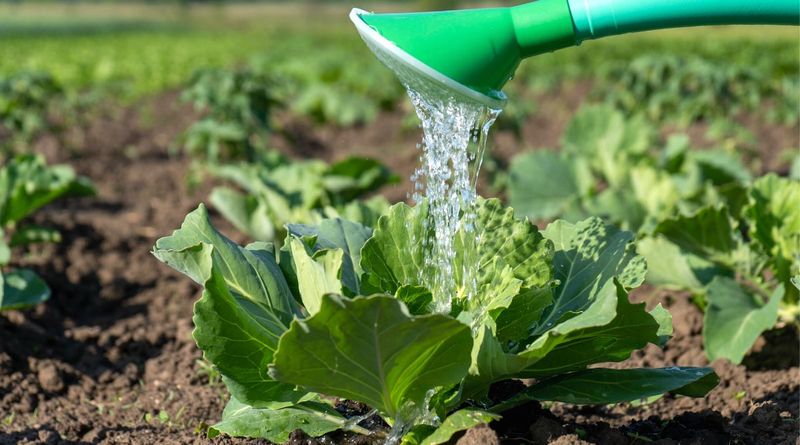
The best heat defense may come from below the leaves.
Water the root zone early enough that moisture is already in place before the hottest part of the day. Cabbage has a shallow root system and needs steady moisture, with about an inch of water per week as a general baseline when rain does not supply it.
New transplants deserve closer checks than established plants.
Push a finger into the soil near the root ball. Dry soil several inches down calls for a slow soak. Cool, moist soil can wait.
Aim the water at the soil rather than the leaves when practical. Early-day irrigation also gives wet foliage time to dry, which can reduce disease pressure.
Your Ohio Garden Changes Every Week. Your Plan Should Too.
Gardening in Ohio changes quickly throughout the season. Every Friday you’ll receive a simple weekly plan showing exactly what to plant, prune, fertilize, harvest, and protect so you never miss the right timing.
Do not fear a midday emergency drink when a plant truly needs water. A young root ball left dry through severe heat faces the larger risk. Ordinary water droplets do not focus sunlight strongly enough to scorch healthy leaves.
Give each transplant enough water to moisten the soil around and below the original root ball. A quick splash at the stem can leave the rest of the bed dry.
Then check again later rather than add water from habit.
Ohio weather may supply a thunderstorm before dinner.
Your cabbage needs moisture in reserve, not a puddle. Put the water where the roots can use it before the sun asks for payment.
3. Mulch To Cool The Root Zone
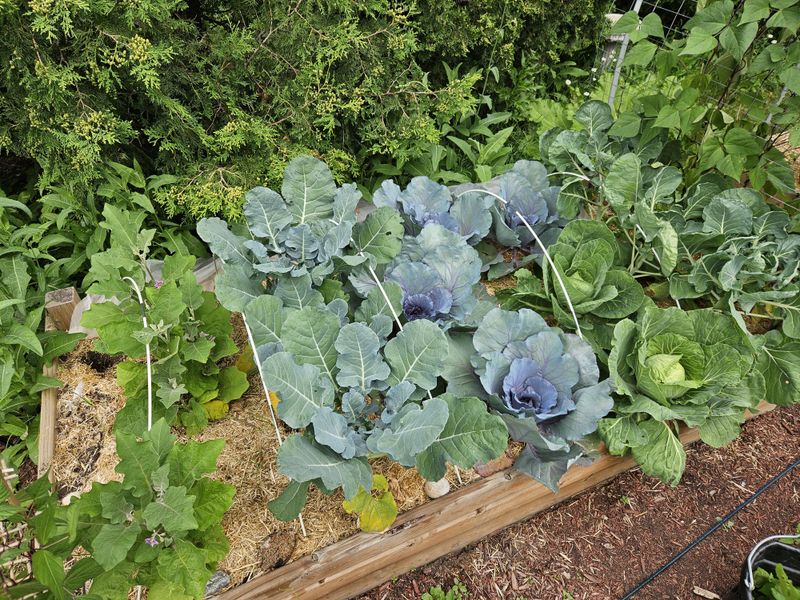
Bare soil can turn the root zone into the hottest part of the problem.
Add an organic mulch after the transplants settle into the bed. Mulch around cabbage helps keep the ground cool and moist, exactly what a shallow-rooted fall crop needs during a warm start.
Use straw, shredded leaves, or another clean garden mulch you already trust.
Spread a modest layer across exposed soil, then leave a little open space around each stem. A tight pile against the base can keep that small area wetter than necessary and hide slugs or other pests.
Pay attention to the original root ball.
Fresh transplants can dry there first because the potting mix may shed water differently from the garden soil around it. Mulch slows surface moisture loss and gives that root ball more time between checks.
Do not bury the cabbage under a mountain of material.
The goal is cooler soil, fewer moisture swings, and less weed competition. Cabbage roots stay near the surface, so mulch can reduce the need for cultivation that might disturb them.
Pull the mulch aside once in a while and feel the soil beneath it.
A covered surface can hide both dryness and excess moisture.
The sun sees a blanket.
The roots get a cooler floor, and that is the part of the August wardrobe cabbage actually appreciates.
4. Use Temporary Shade During Severe Heat
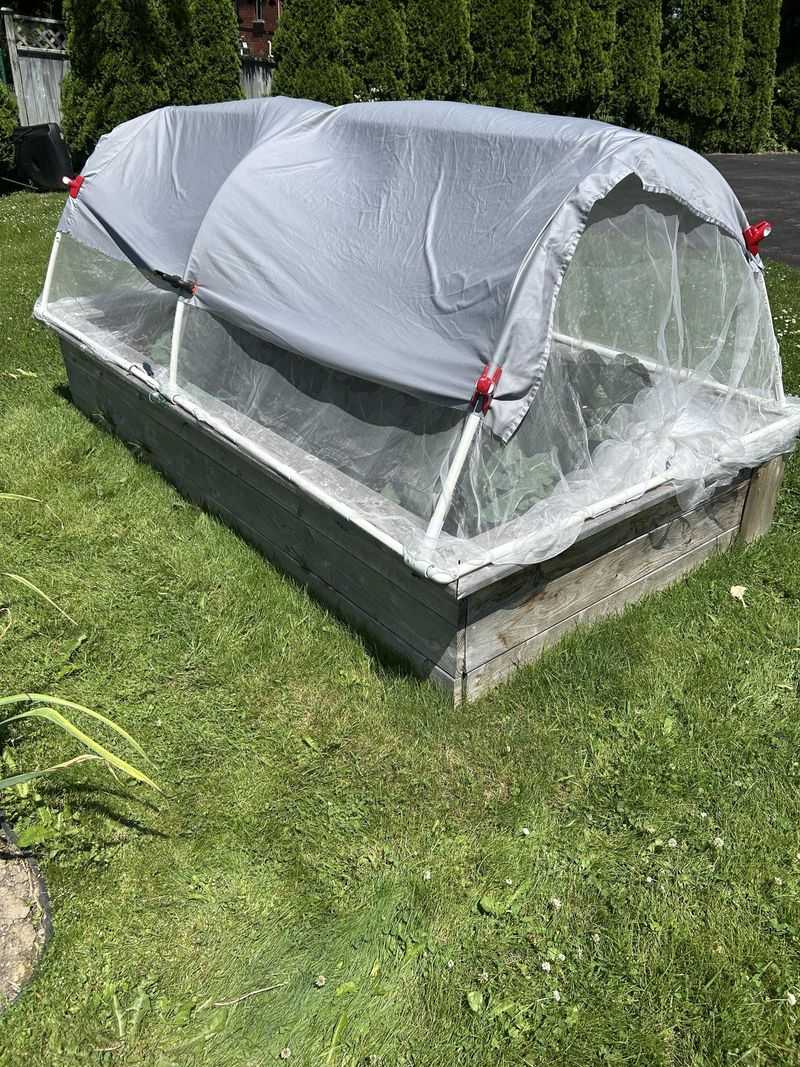
A brutal afternoon can justify a little temporary relief.
Set a light shade screen on the west side of newly planted cabbage during a short stretch of extreme heat.
The goal is to cut the hardest late-day sun while the roots establish, not to turn a full-sun vegetable bed into permanent shade. Shade fabric can help extend the season for cool-weather vegetables under summer conditions.
Keep the material above or beside the foliage.
A small frame, lawn chair with shade cloth attached, or simple stakes can create a cooler pocket without hot fabric against tender leaves. Leave the sides open so air can move.
Use this only as a short-term tool.
Cabbage is a cool-weather crop that performs best around 60 to 65 degrees Fahrenheit and prefers temperatures no higher than about 75 degrees. Hot summer conditions are exactly what fall cabbage tries to escape.
Skip lightweight row cover as a heat blanket during a very hot afternoon. Lightweight row covers can trap enough warmth to cause heat damage around 80 degrees, so they need extra caution during a hot spell.
Give the plant morning and midday light, then soften only the harsh western exposure.
Remove the temporary shade once the hot spell passes or the transplant holds firm through the afternoon.
Cabbage eventually wants open fall sun.
For the first rough days, though, a little afternoon mercy can keep the leaves off the soil by evening.
5. Keep New Roots Evenly Moist
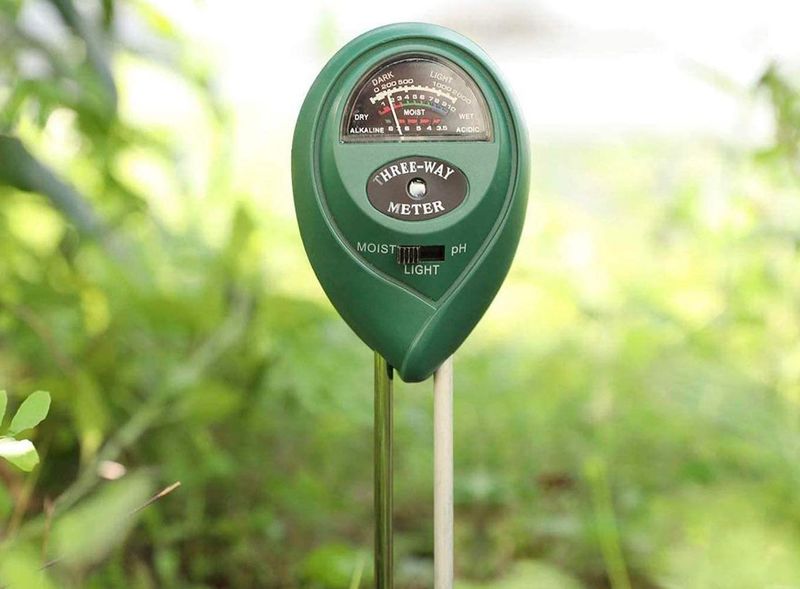
A drooped leaf does not automatically ask for another gallon.
Check the soil before you answer.
Fresh cabbage has a shallow root system and does best with consistent moisture in well-drained soil. That combination matters because dry roots stall fast, while saturated soil leaves too little air around the root zone.
Press into the soil beside the transplant, not directly against the stem.
A moist root zone can support a plant that still droops briefly under strong afternoon heat. Some leaves lose water faster than the roots can replace it during the hottest hours, then recover as temperatures ease.
Use the evening as a second checkpoint.
A plant that perks back up after sunset may have faced temporary heat stress rather than severe drought. A plant that stays limp with dry soil needs water. A plant that stays limp in soggy soil needs drainage and time, not another soak.
Keep rain in the equation.
Late-summer storms can refill the bed quickly, especially in heavier Ohio soils. A fixed daily schedule can turn a helpful habit into excess water after a wet night.
Give new transplants more attention for the first couple of weeks, then widen the interval as roots reach beyond the original plug.
The goal is not a wet bed.
The goal is fewer sharp swings.
Cabbage can handle a lot once established. The tiny root ball is the part that still needs supervision.
6. Skip Heavy Feeding During Heat Stress
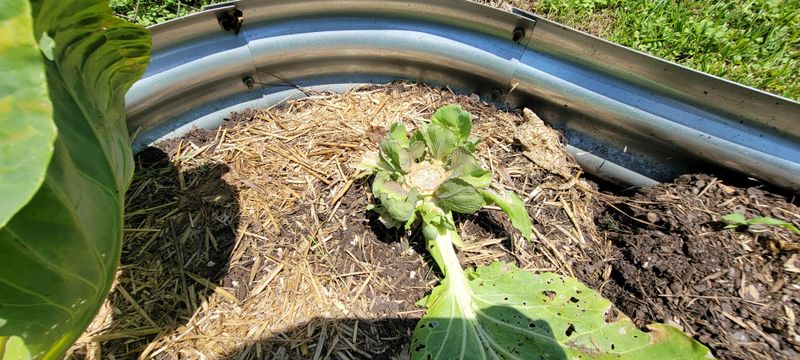
A stressed transplant does not need a fertilizer avalanche.
Start with what the soil actually requires.
A soil test should guide fertilizer and lime choices for cabbage. A properly mixed liquid starter fertilizer can go on at transplant, while a nitrogen sidedress belongs about two to three weeks later, once plants are well established.
That sequence is useful during a hot start.
Do not pile granular fertilizer against a small root ball or add extra nitrogen simply because the leaves look tired at 3 p.m. Fertilizer cannot solve heat stress, and excessive product can damage tender roots.
Give water, shade relief, and time first.
Once the transplant stands firm and new leaves appear, follow the soil-test plan or the crop recommendation rather than a guess. Keep fertilizer away from direct contact with stems and leaves, and follow the product label.
Late-season excess deserves caution too.
Fertilizer applied too late can contribute to cabbage heads that split.
Watch the plant for real growth rather than judge progress from one hot afternoon.
A cabbage transplant may pause while roots move into the soil around them, then speed up once the weather becomes friendlier.
The fertilizer bag likes to look useful.
Sometimes the smartest thing you can do for a sun-stressed plant is leave the bag closed until the roots have caught up.
7. Scout Young Leaves For Cabbageworms
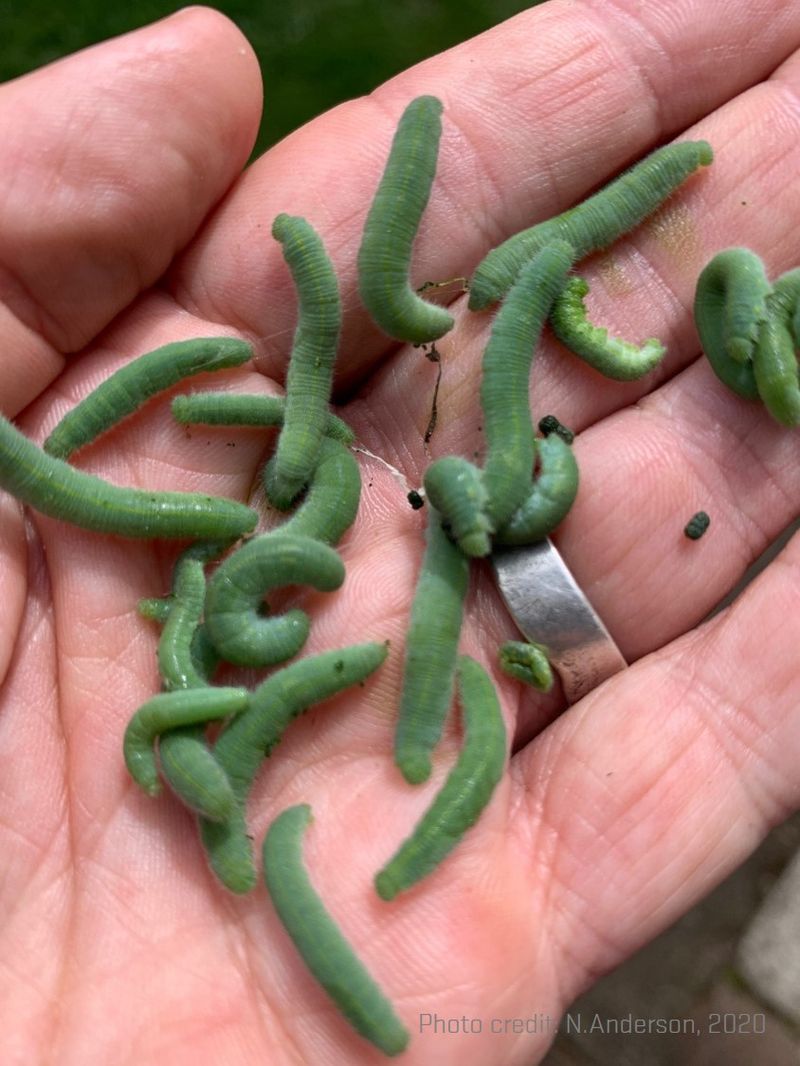
Sun stress is hard enough without a caterpillar lunch break on every young leaf.
Flip the leaves during each garden visit.
Cabbage worms, loopers, aphids, slugs, flea beetles, and root maggots all rank among important cabbage pests in Ohio. Young brassicas deserve close attention because caterpillars can remove a meaningful share of their small leaf area fast.
Look along the midrib and leaf undersides first.
Small green caterpillars can match the foliage almost perfectly. Remove the ones you can reach by hand. Physical removal is a practical first step for caterpillar pests on related brassica crops.
Row cover can block some insect access, but August heat changes the decision.
A cover that traps too much warmth can add stress to a transplant already under hot sun. Use fine insect mesh with strong airflow or remove covers that trap heat during hot periods rather than treat fabric as an automatic solution.
Keep weeds down around the bed too.
Weed control and row covers can help reduce insect damage on cabbage.
Save insecticides for a confirmed pest and a product labeled for cabbage. Follow every label direction, especially harvest intervals and rates.
Your young plant only has so many leaves in the bank.
Do not let the sun make one withdrawal while cabbageworms make another.
8. Let Cooler Weather Carry The Crop
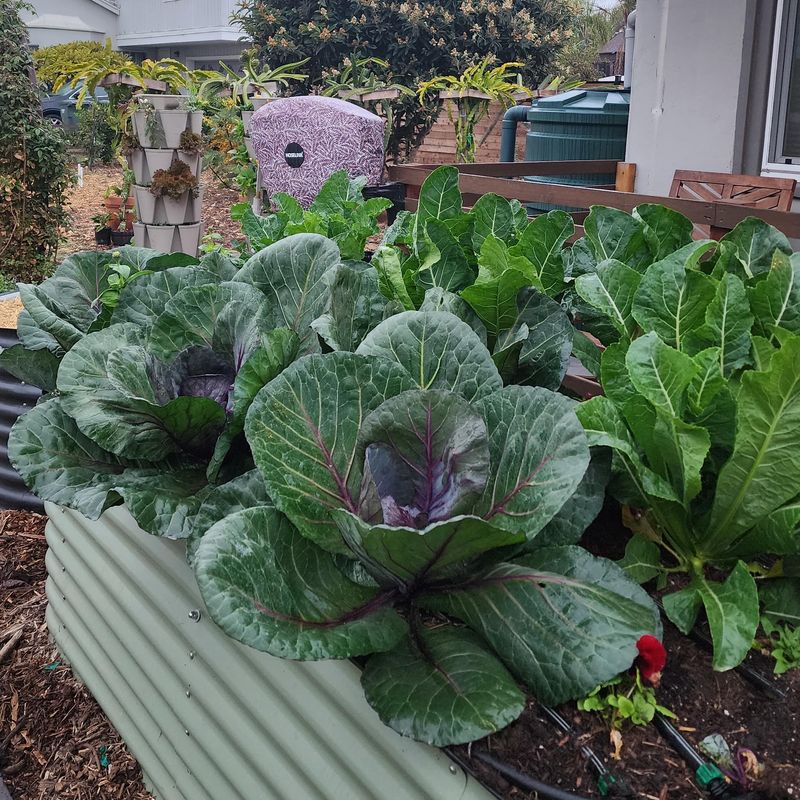
The protective routine should get smaller as the weather gets kinder.
Remove temporary shade once afternoons moderate and the transplant can stay upright without help. Keep mulch in place for moisture control, but reduce irrigation as cooler days and rainfall slow soil water loss.
Let the plant see full fall sun.
Cabbage is built for cooler weather, with best growth around 60 to 65 degrees Fahrenheit. The crop is frost tolerant, which explains why the hard part of a fall crop is often the warm start rather than the first light frost.
One date detail deserves attention.
Ohio does not have one perfect fall transplant date. One statewide home-garden reference uses early to mid-July as a general cabbage benchmark, while a Franklin County fall-garden plan has also used late-August transplant dates for brassicas.
Local frost patterns, cultivar maturity, and site conditions decide how much runway remains.
Do not compensate for a late start with extra fertilizer or constant water.
Give the plant steady care and let its normal growth rate set the pace.
As leaves expand, continue pest checks and keep moisture consistent. The larger root system will make the plant much less dramatic during a warm afternoon.
August sun gets the first round.
Cool Ohio nights eventually change the rules.
Your job is not to shelter cabbage forever. It is to hand a strong transplant over to the weather it was built to enjoy.