The Resilient Native Ohio Herb That Works Better Than Lavender In Wet Clay
Lavender in Ohio clay is a relationship built on optimism and ending in disappointment on a predictable schedule. The drainage it demands does not exist in most Ohio yards.
The soil it requires takes years to approximate. And the plant that was supposed to thrive spends its energy surviving instead.
One native herb skips that entire negotiation. Wet clay is not a problem it works around.
It is the condition it was built for, the soil it evolved in, the environment where it performs best rather than barely tolerates. It also does what lavender was supposed to do for the garden.
Strong scent, pollinator traffic, a presence in the bed that earns attention from anyone who gets close enough to brush against it. Ohio clay has been treated as a limitation for too long.
For the right plant, it is simply home. This native has always known that.
1. Wet Clay Is Where Lavender Starts Losing Ground
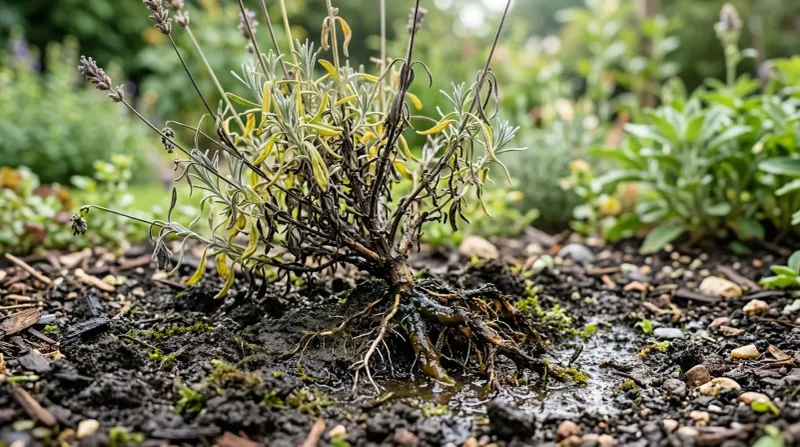
A lavender crown sitting in damp, heavy soil after several days of rain is not a happy sight. The stems may look fine at first, but persistently wet conditions around the roots create serious stress over time.
Most lavender types, including the commonly grown Lavandula angustifolia and the hybrid lavandin, prefer soil that drains quickly after rainfall.
The issue is not clay soil by itself. Clay varies widely depending on its structure, organic matter content, slope, and how compacted it has become.
Some Ohio clay-based soils drain reasonably well. Others hold moisture for extended periods, and that prolonged root-zone wetness is what creates trouble for lavender.
Sitting in wet soil for days can weaken the plant and raise the risk of root disease.
Gardeners sometimes try raised beds or mounded planting areas to help lavender in heavier soils. Those approaches can improve drainage in some situations, but they do not guarantee success on every site.
Winter wetness can be just as limiting as summer moisture. If the bed naturally stays damp after rain and cannot be easily modified, choose a plant that fits those conditions.
That makes more practical sense than repeatedly struggling with one that does not.
Virginia mountain mint deserves consideration in exactly those situations. It suits average to moist soil and does not require the sharp drainage that lavender depends on.
2. Virginia Mountain Mint Handles Moisture With Less Fuss
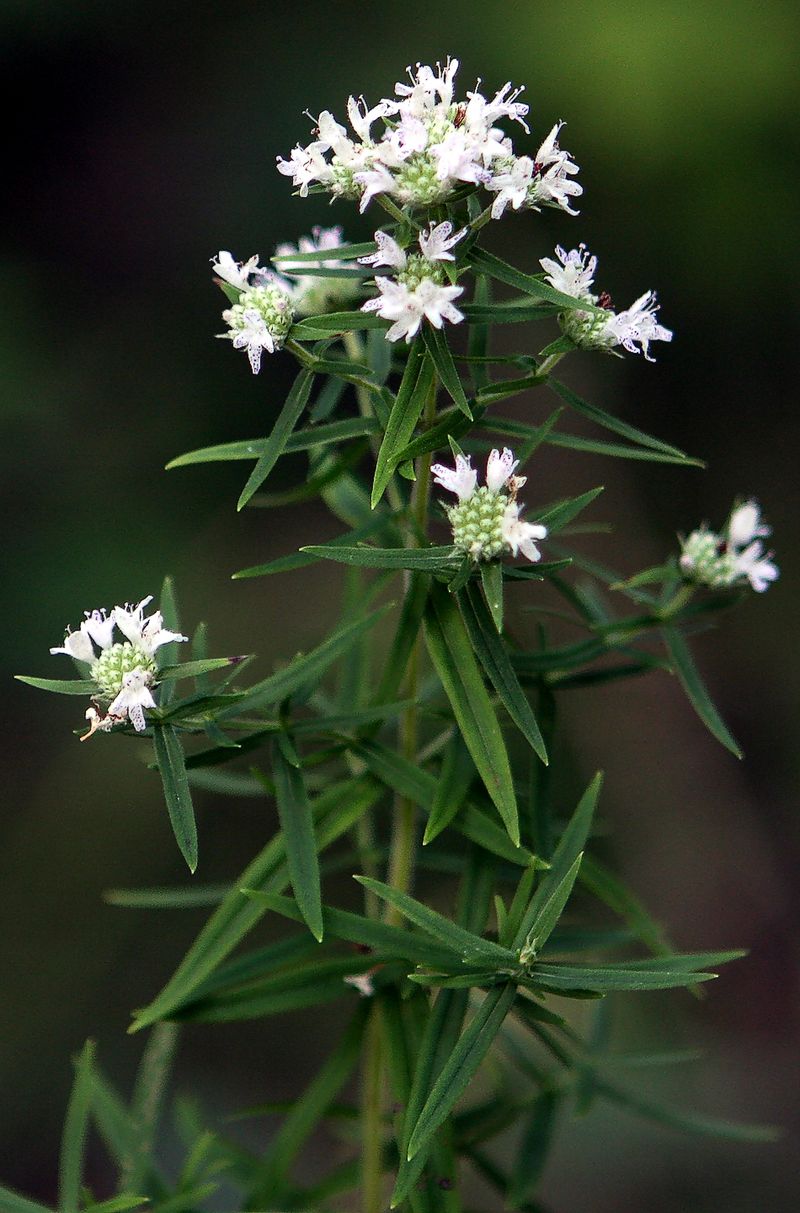
Pycnanthemum virginianum grows naturally in prairies, moist meadows, and open areas across the eastern United States. USDA PLANTS records and state botanical resources confirm that it is native to Ohio.
It grows in places where soil moisture can be higher than what most dry-prairie species tolerate. That natural habitat tells you something useful about where it fits in a garden setting.
Not all prairies are dry. That is an easy assumption to make, but prairie landscapes include a range of moisture zones.
Virginia mountain mint grows where the ground stays reasonably moist without becoming waterlogged. Those conditions can be too damp for plants that need sharper drainage.
Your Ohio Garden Changes Every Week. Your Plan Should Too.
Gardening in Ohio changes quickly throughout the season. Every Friday you’ll receive a simple weekly plan showing exactly what to plant, prune, fertilize, harvest, and protect so you never miss the right timing.
That makes it a different ecological fit than lavender, which traces its origins to the dry, rocky hillsides of the Mediterranean region.
In garden conditions, established plants of this species generally handle average to moist soil without showing the decline that lavender often does in similar spots.
Mature plants typically reach around two to three feet tall and can spread gradually through underground stems.
New plants still benefit from regular moisture during their first season while roots get established. Once settled in, they tend to need less attention in a site that naturally stays a bit damp.
The key point is that this species can thrive where lavender finds conditions stressful, making it a more forgiving option for certain beds.
3. Heavy Soil Does Not Stop Its Roots From Spreading
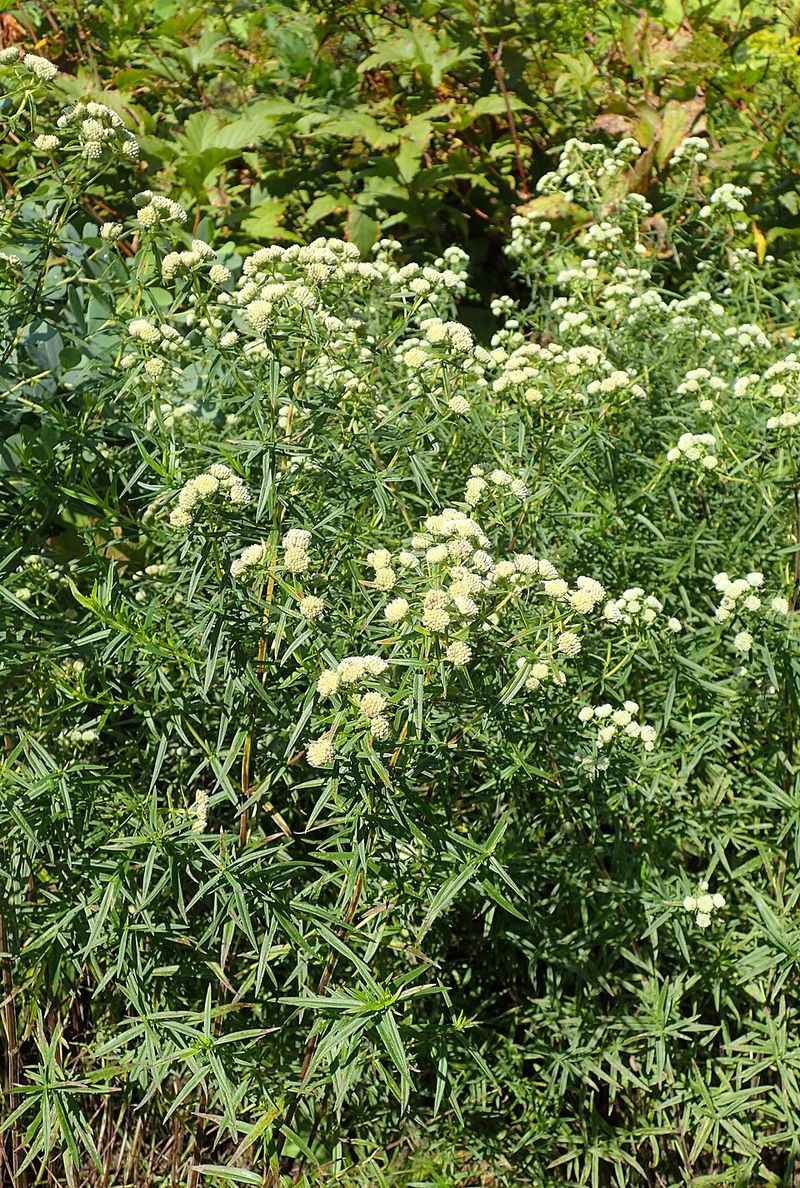
New stems appearing a short distance from where you originally planted something can feel surprising at first. With Virginia mountain mint, that is simply how the plant grows.
It spreads through rhizomes, which are horizontal underground stems that send up new shoots as they extend outward. The result over time is a loose, gradually widening patch rather than a single tight clump.
Rhizomatous growth is not the same as being invasive. That word carries specific ecological and legal meaning.
An Ohio native perennial that spreads underground through its natural growth habit is behaving exactly as it evolved to behave. In a broad perennial border, a prairie-style planting, or a naturalistic bed with enough room, that spreading pattern can be an asset.
The plant fills space without requiring you to buy and install many individual specimens.
The tradeoff is real, though. A small formal bed or narrow planting strip may not suit a plant that gradually expands its footprint.
The same is true of spaces shared with delicate, low-growing perennials. In those situations, the spreading habit can create more work than benefit.
Moisture-retentive clay does not appear to stop this underground growth. The plant is adapted to heavier soils in its native range.
Gardeners who have space for a loose colony and want a plant that fills in steadily may find this trait genuinely useful rather than problematic.
4. Tiny Summer Flowers Keep Pollinators Coming Back
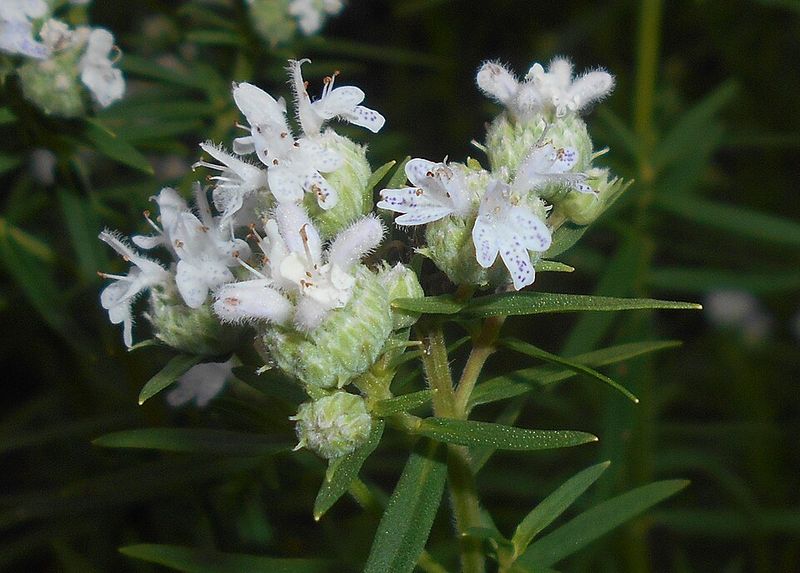
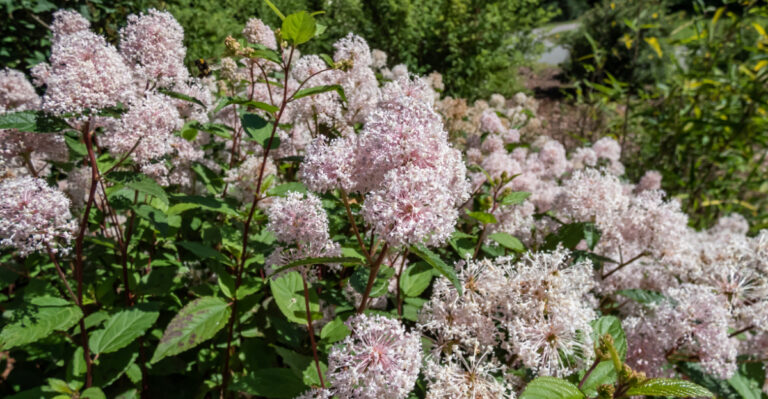
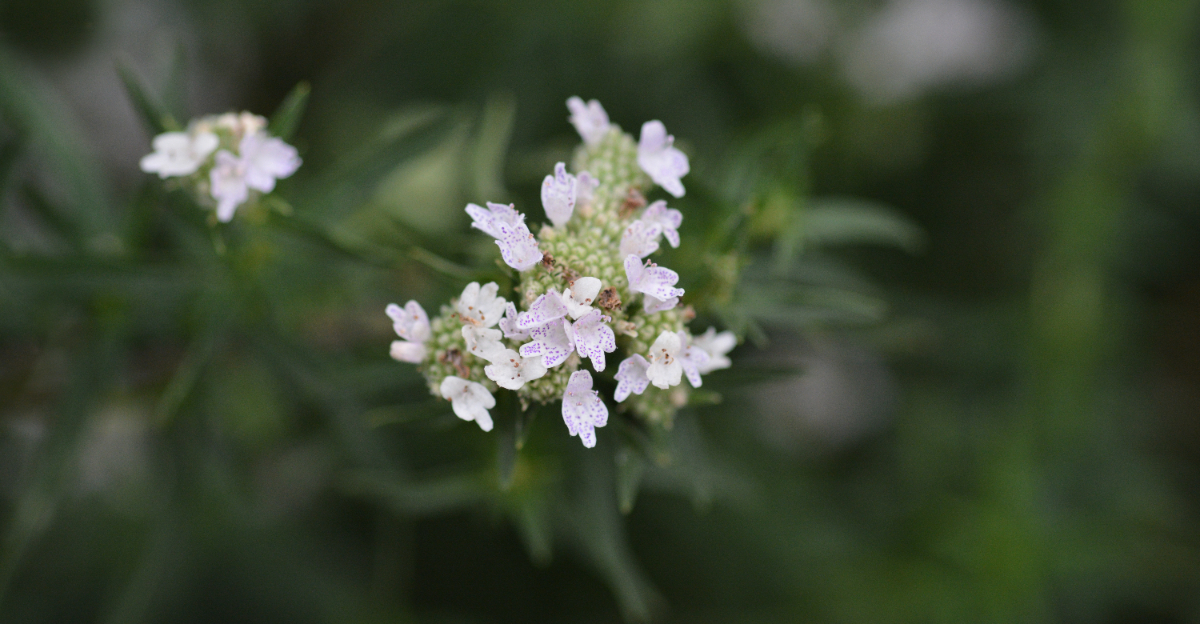
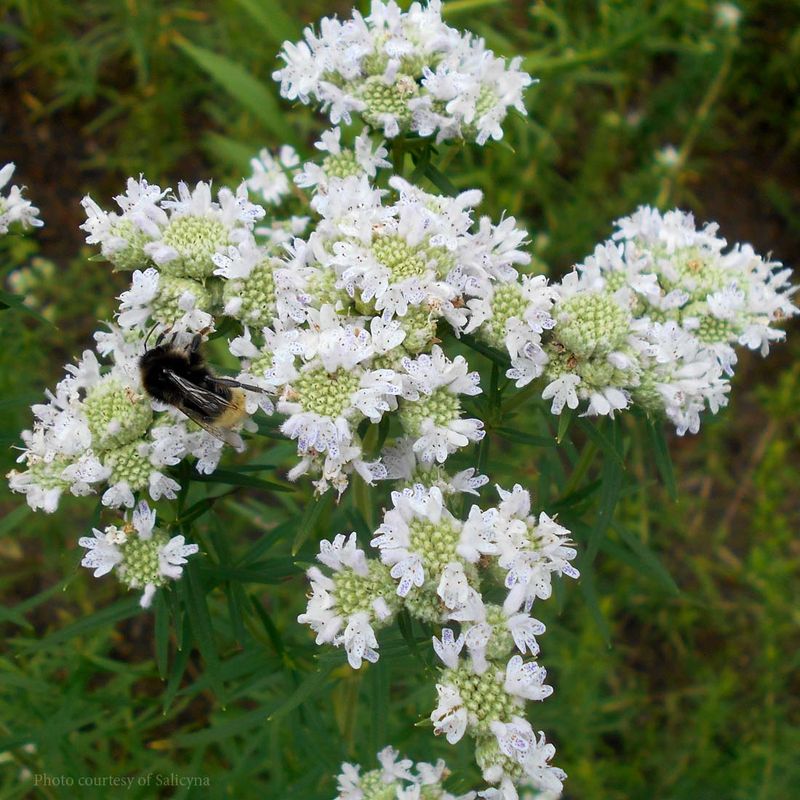
A cluster of small pale flowers does not need to be large to attract attention from the insects that matter most in a garden. Virginia mountain mint blooms in mid to late summer, producing dense, flat-topped clusters of tiny white to pale lavender flowers.
Each individual flower is small, but the clusters are numerous and can cover the plant during peak bloom.
Mountain mints as a group have earned a strong reputation among researchers and naturalists for attracting a wide variety of flower-visiting insects. Native bees, beneficial wasps, and various smaller pollinators visit the flowers regularly.
The blooms provide both nectar and pollen resources during a period when many other summer perennials have already finished flowering.
Beneficial wasps are worth mentioning specifically. Many Ohio homeowners associate wasps with aggression, but a large number of wasp species are non-aggressive and play important roles as predators or parasitoids of other insects.
Mountain mint flowers attract many of these smaller wasp types, which is an ecologically useful trait in a garden setting.
Lavender also attracts pollinators and is well known for drawing bees in dry, sunny conditions. The practical difference here is not about which plant attracts more insects overall.
It is about which plant can actually survive and flower in a moist, clay-based bed. A plant that struggles in the soil will not produce the flowers needed to support any visitors at all.
5. Minty Leaves Bring Fragrance Without Mediterranean Soil
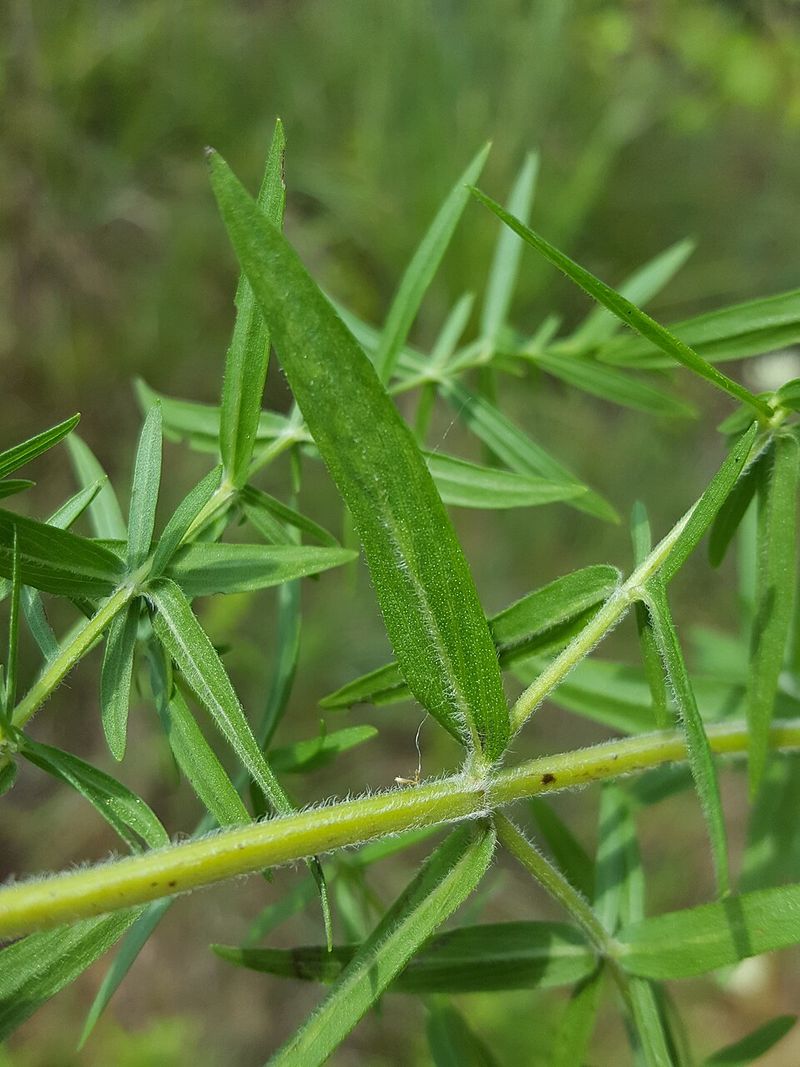
Brush a hand across the foliage of Virginia mountain mint and the scent is immediate. The leaves release a strong minty fragrance when touched or disturbed.
That aromatic quality is one of the traits that makes this species feel like a satisfying ornamental choice beyond its ecological value.
It is worth being clear about what that scent means and what it does not. Pycnanthemum virginianum belongs to the mint family, Lamiaceae, but it is not in the genus Mentha.
Its fragrance is distinct and has its own character. People perceive scent differently, so descriptions vary.
Most gardeners notice a clean, sharp mint-like quality that differs from culinary peppermint or spearmint.
Lavender also offers aromatic foliage, and that shared quality is part of why gardeners sometimes look for alternatives with a similar sensory presence. The ecological backgrounds of these two plants are very different, though.
Lavender evolved in dry, sun-baked, well-drained conditions across the Mediterranean region. Virginia mountain mint evolved in the moister, heavier-soiled landscapes of eastern North America.
The fragrance of Pycnanthemum virginianum should be treated as an ornamental trait, not a sign that the plant is safe to eat or use medicinally.
That alone can make it valuable in a sunny bed where moisture levels make lavender a difficult fit.
6. Rhizomes Help It Fill Awkward Damp Garden Spots
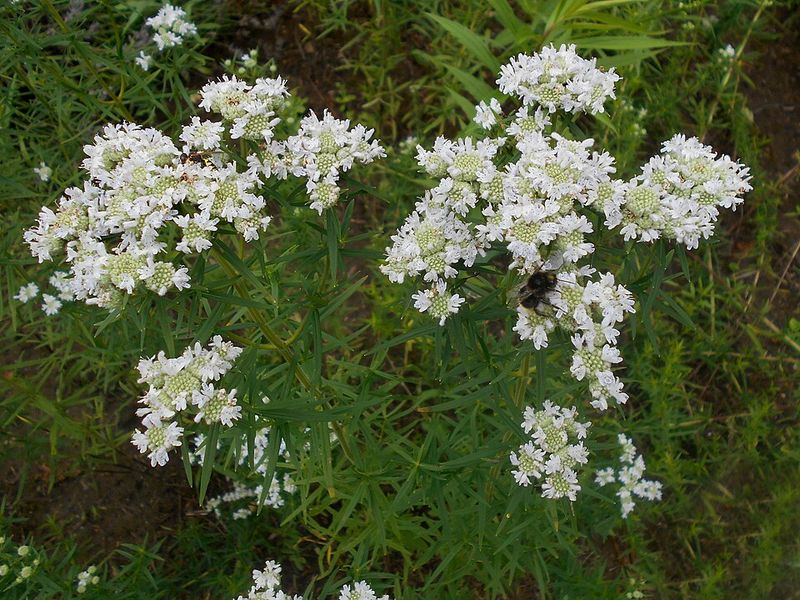
A broad, damp border slowly filling with stems over a few seasons sounds like a problem in some gardens and a solution in others. Virginia mountain mint works well in sunny, moisture-retentive areas with room to spread.
Along fence lines, meadow-style beds, or wide prairie plantings, its growth habit can reduce the effort of filling space over time.
The underground growth that Section 3 describes becomes most useful when the site actually has room for a colony to develop. Prairie gardens and naturalistic perennial borders are well-suited to this kind of plant.
The spreading stems gradually reduce bare ground, which can limit the space available for weeds to establish.
That is not the same as saying the plant suppresses all weeds, but a healthy, established colony does occupy the ground more fully than a single clump would.
Moist, sunny edges are particularly good candidates. The plant’s preference for average to moist soil and its ability to handle heavier ground makes it a reasonable fit for spots that stay a little damp after rainfall.
Areas where water stands for extended periods are a different matter and are not automatically suitable.
For smaller beds or more structured planting designs, the spreading nature may require periodic management. Dividing the outer edges of an established patch is one way to keep it within bounds.
The plant’s growth pattern rewards gardeners who plan for it rather than those who expect a tidy, contained clump.
7. More Sun Can Bring Out A Stronger Flower Show
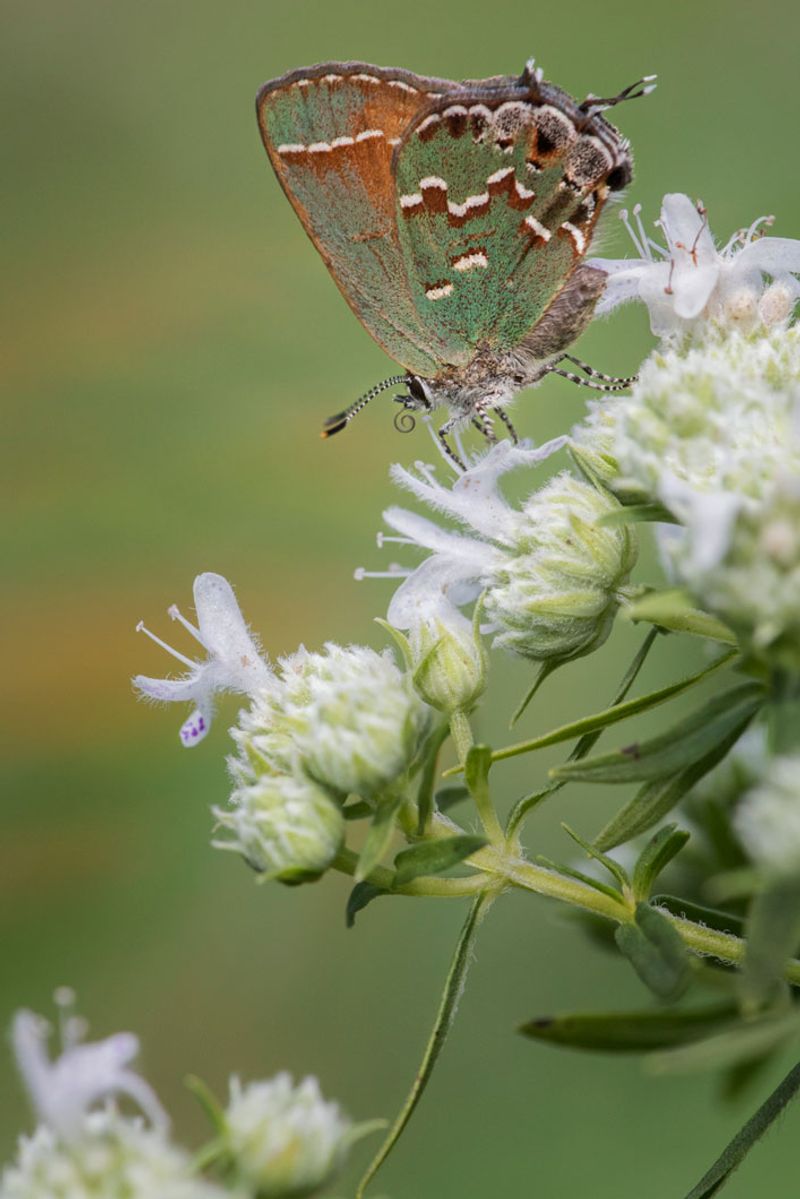
Bright light and flower production tend to go together for Virginia mountain mint. The plant performs best in full sun, which most sources describe as six or more hours of direct sunlight per day.
In those conditions, stem growth is typically more upright and flower clusters are more abundant through the summer months.
Partial sun or light shade is sometimes tolerated, and the plant may still grow in those conditions. Flowering, though, is generally more limited when light levels drop.
Ohio gardeners working with a partly shaded clay bed may find the plant survives but does not reach its full ornamental potential. A sunny spot is where this species tends to show what it can do.
This is actually good news for a common garden situation. A bed that receives full sun but also has clay soil that stays moderately moist is often a frustrating place to grow lavender.
The sun is right, but the drainage is not. Virginia mountain mint can use that same sun to produce a strong summer flower display while handling the moisture that lavender finds stressful.
Sun exposure and soil drainage are separate variables. Full sun does not automatically dry out clay soil enough to make it suitable for lavender.
Gardeners should assess both conditions independently when choosing between these two plants. Matching light and moisture requirements together gives any plant its best chance of performing well season after season.
8. Lavender Still Wins Where The Soil Drains Fast
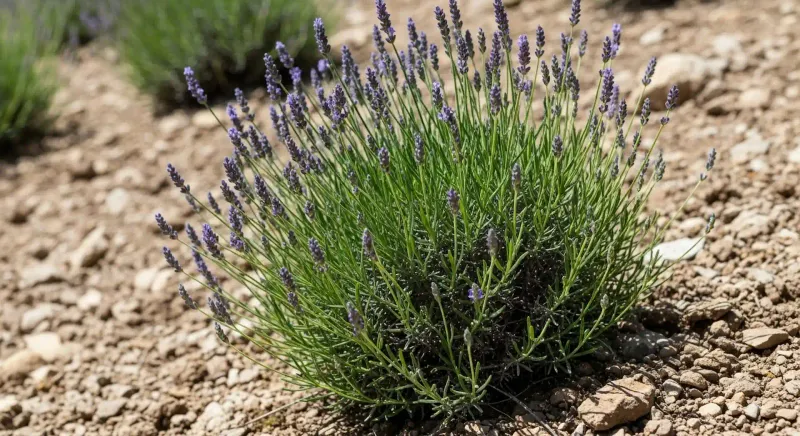
A dry, gravelly slope where water moves through the soil quickly after rain is exactly the kind of place where lavender earns its reputation.
Most lavender types, including Lavandula angustifolia and hybrid lavandins, prefer full sun and lean to moderately fertile soil.
They also need drainage that keeps root zones from staying wet for long. In those conditions, lavender can be a long-lived, low-maintenance plant with a familiar and appealing look.
Lavender also offers some ornamental qualities that Virginia mountain mint does not replicate. The upright purple flower spikes of English lavender are widely recognized and have a tidy, formal character that suits structured garden designs.
The plant tends to stay as a contained clump rather than spreading outward through underground stems. For Ohio gardeners who want a defined shape and do not want a plant that expands over time, that growth habit is a genuine advantage.
Virginia mountain mint does not perform as well in sharply drained, dry, sandy or gravelly soil. Its natural habitat leans toward sites with more moisture.
Forcing it into very dry, fast-draining conditions would create a different kind of mismatch than the one lavender faces in wet clay.
Choosing between these plants comes down to reading the site honestly. A bed that stays moist after rain is a better home for mountain mint.
A bed with fast drainage and plenty of sun remains a reasonable place for lavender to do well over many seasons.
9. Matching The Right Plant To The Right Soil
Soil moisture and drainage matter more than most gardeners realize when choosing between aromatic perennials. A plant that looks right for a bed based on sun exposure or flower color may still struggle if the soil conditions do not match its actual needs.
That mismatch is one of the most common reasons established plants decline slowly over several seasons without an obvious cause.
Virginia mountain mint and lavender are both worthy plants in the right setting. One is a native of eastern North American prairies and moist meadows.
The other is rooted in the dry, sun-exposed hillsides of the Mediterranean. Those origins are not just interesting history.
They predict how each plant will behave when the soil stays damp for several days after a hard rain.
Gardeners who observe their beds carefully after rainfall have useful information already available. A bed that stays visibly wet for more than a couple of days is giving you useful drainage information.
Sticky, compacted soil several inches down is another sign worth noting. That kind of site often creates long-term difficulty for lavender but suits Virginia mountain mint more naturally.
Native status, aromatic foliage, summer flowers, and tolerance for heavier soil all make Pycnanthemum virginianum worth knowing. It will not look like lavender, and it should not be expected to.
What it can do is fill a similar aromatic, flowering role in a bed that retains more moisture than lavender prefers.