The Shade Tree Some California Neighborhoods Are Quietly Adding For Natural Cooling
A great shade tree in a California yard is not just a nice thing to have, it is a genuine quality of life upgrade. The difference between sitting on a sun-baked patio and relaxing under a full, leafy canopy on a hot August afternoon is honestly hard to overstate.
Mature trees shade the surfaces beneath them and help cool the surrounding area through evapotranspiration, which is basically the tree’s way of releasing moisture into the air and taking some of that brutal heat with it.
One tree that keeps coming up in conversations about California-friendly shade options is Chinese pistache, a deciduous tree with a broad, rounded crown that shows up in residential gardens, public spaces, and city streetscapes across parts of the state.
UC Master Gardener guidance and the City of Davis both point to it as a solid, climate-ready choice worth knowing about.
1. A Broad Canopy Brings Welcome Summer Shade
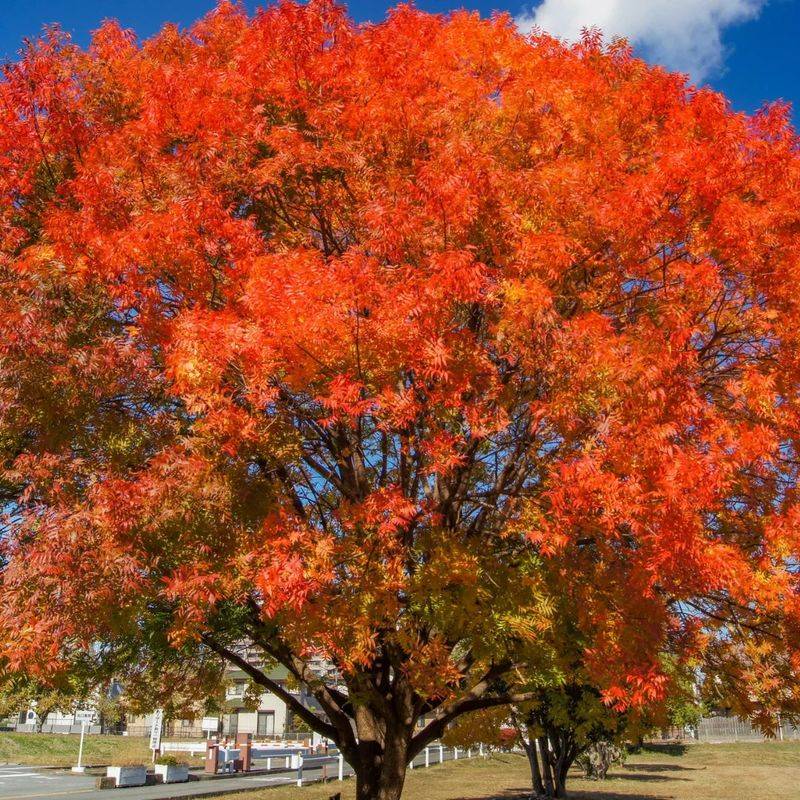
Standing under a full-grown Chinese pistache on a hot California afternoon, you notice how much its spreading crown blocks the sun. As the tree matures, it develops a rounded, spreading canopy that makes it useful where people want cooler surfaces below.
UC Master Gardener guidance gives a typical mature height around 35 feet, with a crown near 30 feet across. The City of Davis lists the species at roughly 25 to 35 feet in both height and canopy width.
Those numbers are helpful, though real size depends on site conditions, age, cultivar, climate, irrigation, and care over the years.
A wide canopy can shade a driveway, a patio, part of a sidewalk, or the side of a house when the tree is placed with those goals in mind. That shade, along with moisture released from the leaves, can contribute to localized cooling around the yard.
Keep in mind that a young nursery tree will not offer this coverage right away. Shade is a reward that grows with the canopy, so it helps to picture the mature form rather than the small trunk you bring home.
Planting with the full-grown crown in mind lets you enjoy meaningful summer shade later without crowding walkways or structures. Patience pays off as the branches fill in season after season.
2. California Heat Is Part Of Its Comfort Zone
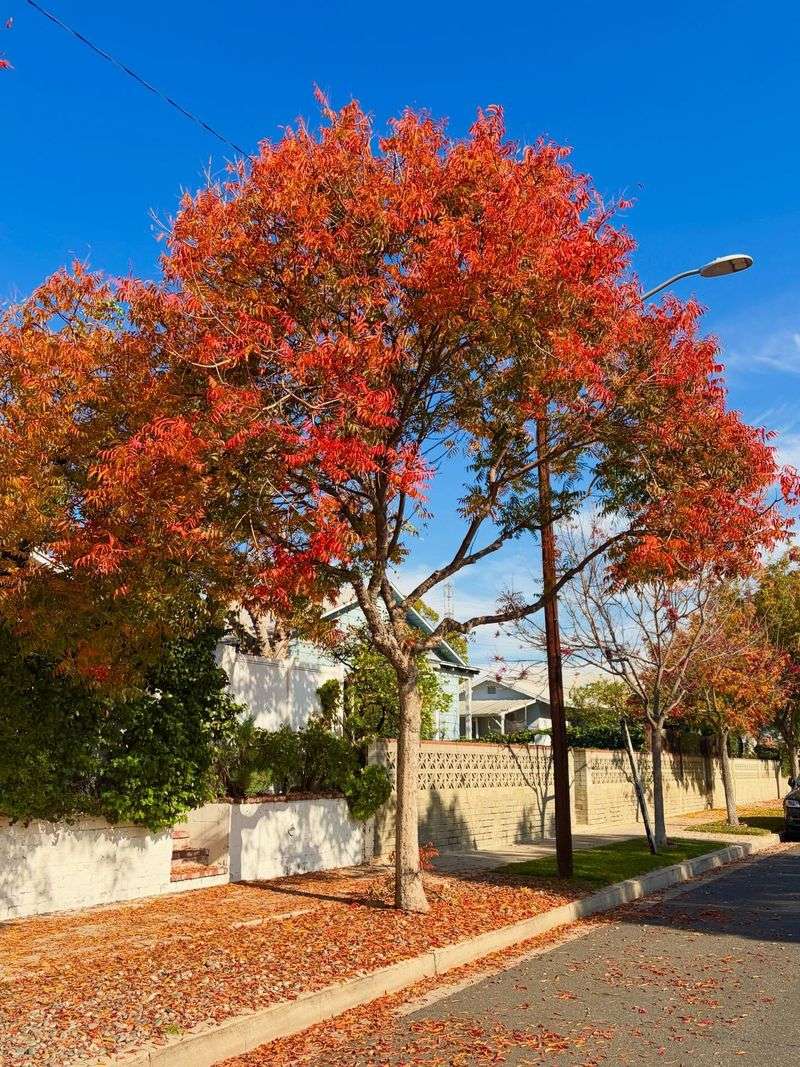
Hot, dry summers are common across much of California, and Chinese pistache tends to handle that kind of weather well.
It is often chosen for warm, summer-dry landscapes because it copes with heat and some tough urban conditions where reliable guidance supports its use.
That said, performance is not the same everywhere in the state. Coastal, inland, desert, and colder mountain areas each bring different temperatures, soils, rainfall, and winter conditions, so a tree that shines in one town may behave differently in another.
Local factors still matter when picking any tree. Winter lows, soil drainage, irrigation habits, and the specific planting spot all shape how a Chinese pistache settles in and grows over time.
Along a sun-baked street or in a spot that bakes all afternoon, this tree can be a reasonable candidate because it does not mind warmth. It is worth remembering that it is not a California native, even though it appears in many landscapes here.
Your California Garden Changes Every Week. Your Plan Should Too.
Gardening in California changes quickly throughout the season. Every Friday you’ll receive a simple weekly plan showing exactly what to plant, prune, fertilize, harvest, and protect so you never miss the right timing.
Before planting, checking your regional climate and soil conditions helps set fair expectations. A tree suited to inland Sacramento heat might need different thinking near the foggy coast.
Matching the tree to your particular corner of California gives it the best chance to provide the shade and seasonal beauty people hope for as it matures.
3. Lower Water Needs Add To Its Appeal
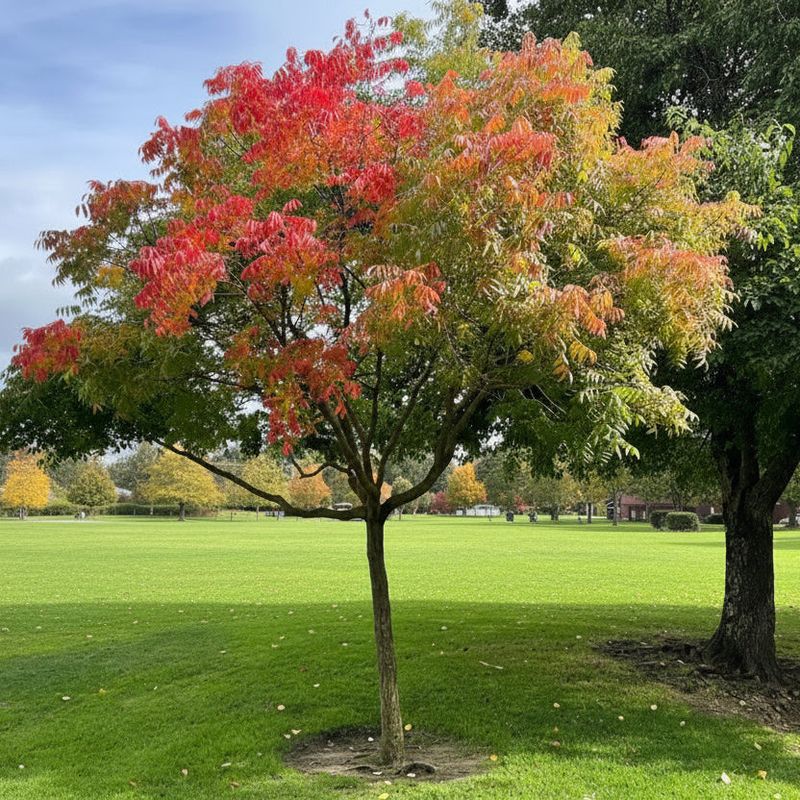
Water bills and drought reminders are a real part of life in California, so a tree that does not demand constant watering gets attention. Once established, Chinese pistache is considered fairly drought tolerant, which fits many water-conscious yards.
Drought tolerance, though, is not the same as needing no water at all. A newly planted tree still needs appropriate irrigation while its roots spread and settle, and skipping that early care can slow it down.
The City of Davis places Chinese pistache in a low-to-medium water range rather than describing it as a no-water tree. Mature watering needs can shift with climate, soil type, sun exposure, and the rest of the landscape around it.
In hotter inland zones, an established tree may still appreciate occasional deep watering during long dry stretches. In milder areas with better soil, it may ask for less.
Paying attention to your own conditions works better than following one rigid rule.
It would be a mistake to assume every established Chinese pistache in California can simply be left dry. Roots, soil, and weather all play a part in how much supplemental water helps.
Thinking of it as low-water rather than zero-water keeps expectations honest and helps the tree stay healthy enough to build the shady canopy you want.
4. Fall Color Brings A Second Season Of Interest
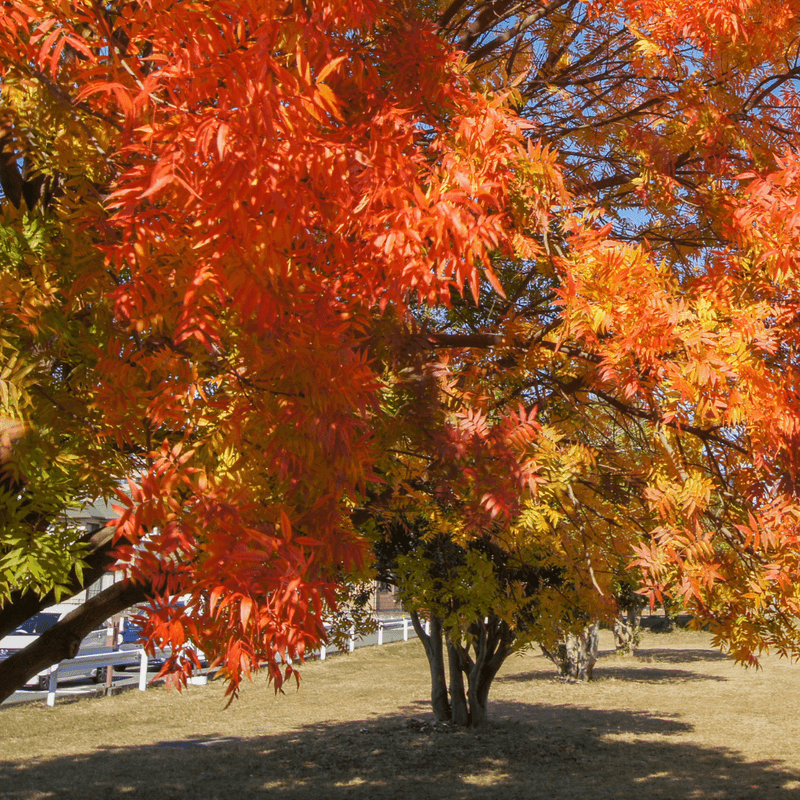
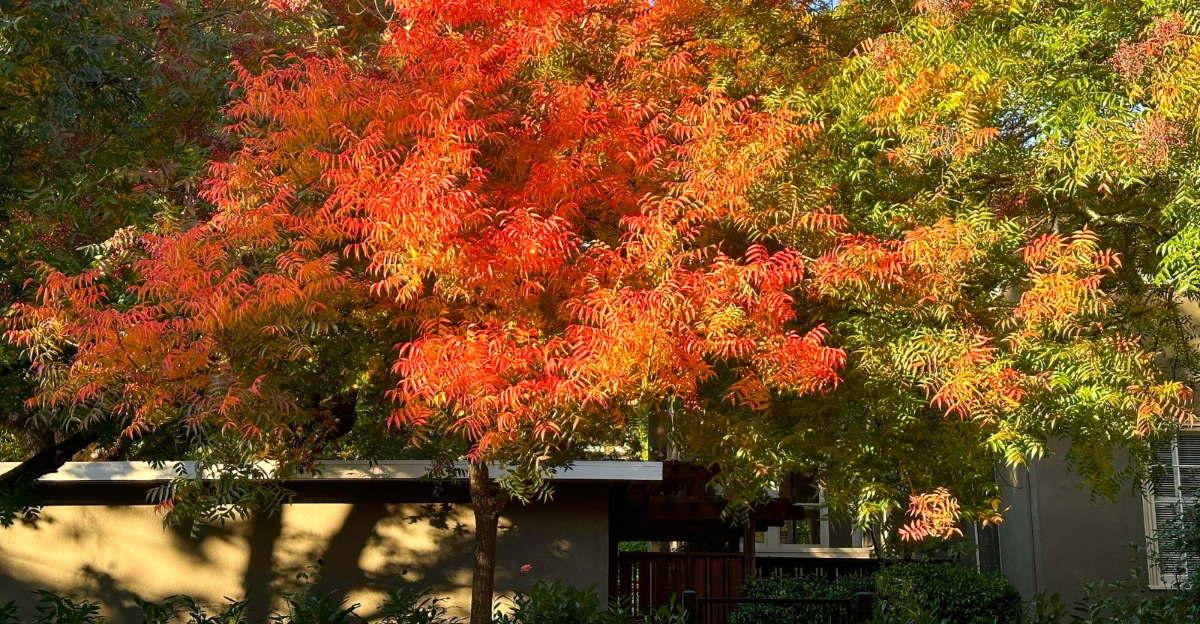
Just when many trees start looking tired in autumn, Chinese pistache often puts on a show. Its green summer leaves can shift toward warm orange and red tones as the weather cools, which helps explain its popularity in California landscapes.
UC Master Gardener guidance highlights that orange and red fall color, and the City of Davis notes that male cultivars can offer more reliable coloring.
Because color can vary with cultivar, the individual tree, weather, and growing conditions, results are not identical from yard to yard.
Some years the display is brighter than others, depending on temperatures and how the season plays out. That variation is normal and part of what makes each tree feel a little unique.
Since Chinese pistache is deciduous, it drops those colorful leaves and lets winter sun reach your home when you might welcome the warmth. In summer the same tree provides leafy shade, so it works with the seasons rather than against them.
This mix of a cooling summer canopy and a cheerful fall wardrobe gives the tree two reasons to earn a spot in the yard. For anyone who enjoys watching the seasons change, the autumn shift is a nice bonus.
If dependable color matters to you, asking a nursery about specific cultivars can point you toward stronger performers.
5. A Manageable Size Fits Many Neighborhood Streets
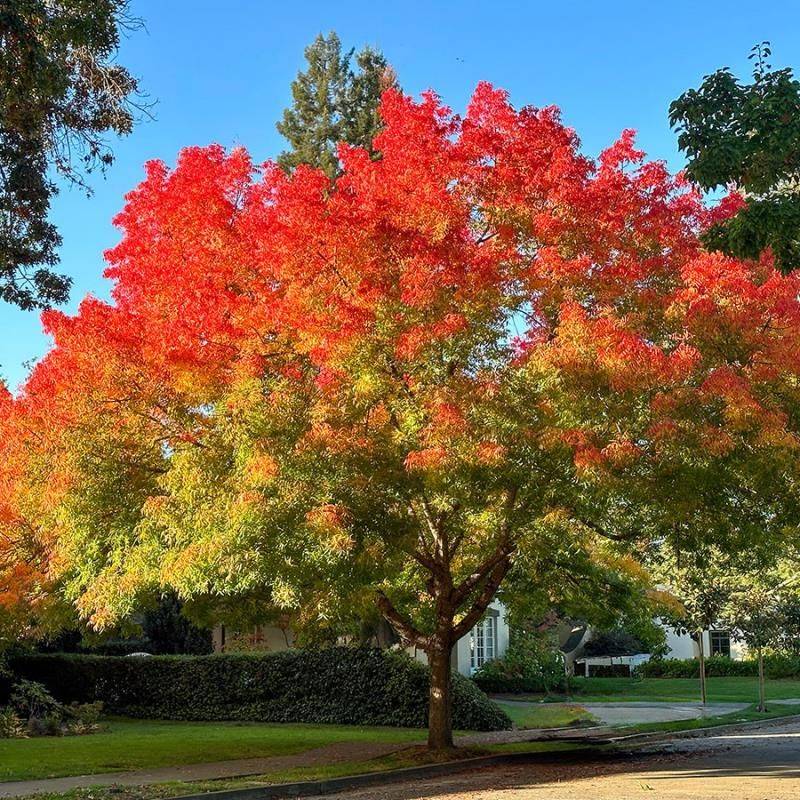
Plenty of neighborhood streets do not have room for a giant shade tree, and that is where a medium-sized option becomes handy. Chinese pistache falls into that middle range, larger than a small ornamental but not towering over everything nearby.
The City of Davis lists the species at roughly 25 to 35 feet tall and wide, while UC Master Gardener guidance gives a typical mature size around 35 feet tall and 30 feet wide. A canopy that broad is still substantial enough to need careful placement.
Because the crown spreads out, it helps to think about sidewalks, buildings, driveways, utilities, and neighboring properties before digging. Giving the tree honest room prevents crowding and future headaches.
Individual cultivars can grow larger than the averages suggest, so checking the mature dimensions of the exact tree you are considering is a smart move. A tag at the nursery may not tell the whole story.
Picturing the full-grown shape rather than the slim young trunk keeps you from planting too close to a walkway or fence. That bit of planning lets the canopy fill in without bumping into things.
For many residential streets and yards in California, this size strikes a workable balance, offering real shade while staying easier to fit than the biggest shade trees around.
6. Full Sun Helps This Tree Settle In
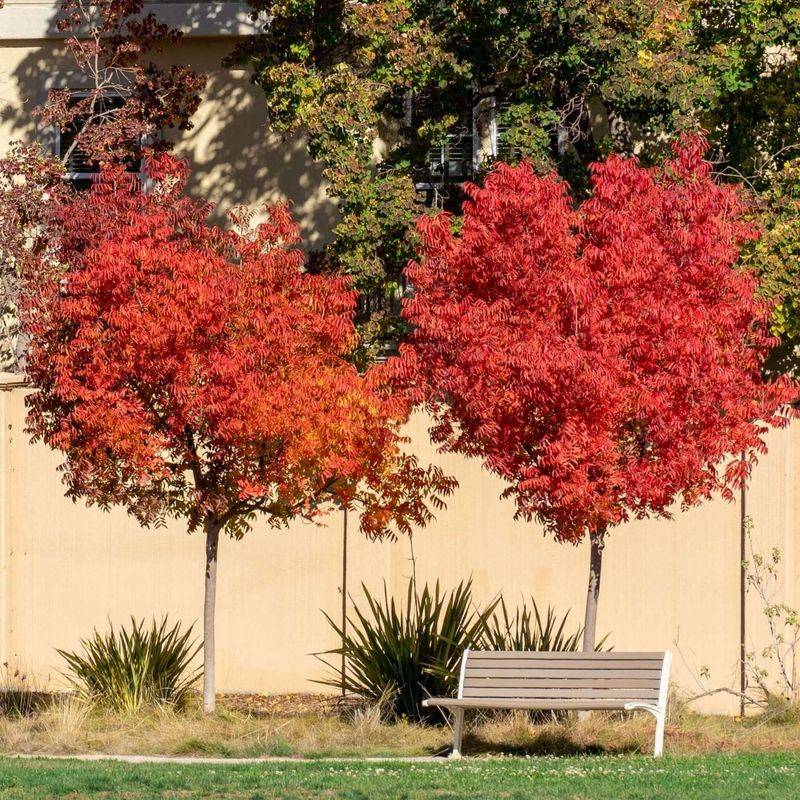
Choosing the right spot in a California yard does a lot of the work when planting any tree. Chinese pistache generally does best in full sun, so an open, bright location gives it a strong start and encourages healthy growth.
Room matters just as much as light. The developing canopy and root system both need space, which means thinking ahead about drainage, distance from structures, overhead utilities, pavement, and other nearby trees.
Good drainage supports steady growth, and keeping the tree a sensible distance from your house and walkways reduces conflicts as it matures. Overhead power lines are worth checking too, since a spreading crown can reach higher than a young tree hints at.
Young Chinese pistache trees can grow with an uneven shape early on. Some structural training or pruning while they are young may help them develop a stronger, more balanced form over time.
Rather than following one rigid spacing number, it helps to match the planting site to the mature size of your specific tree and to any local guidance available. Every yard is a little different.
Taking time on placement pays off for years. A sunny, well-drained spot with enough elbow room gives Chinese pistache the conditions it needs to build the broad, shady canopy that makes it appealing in the first place.
7. Male Cultivars Can Skip The Messy Fruit
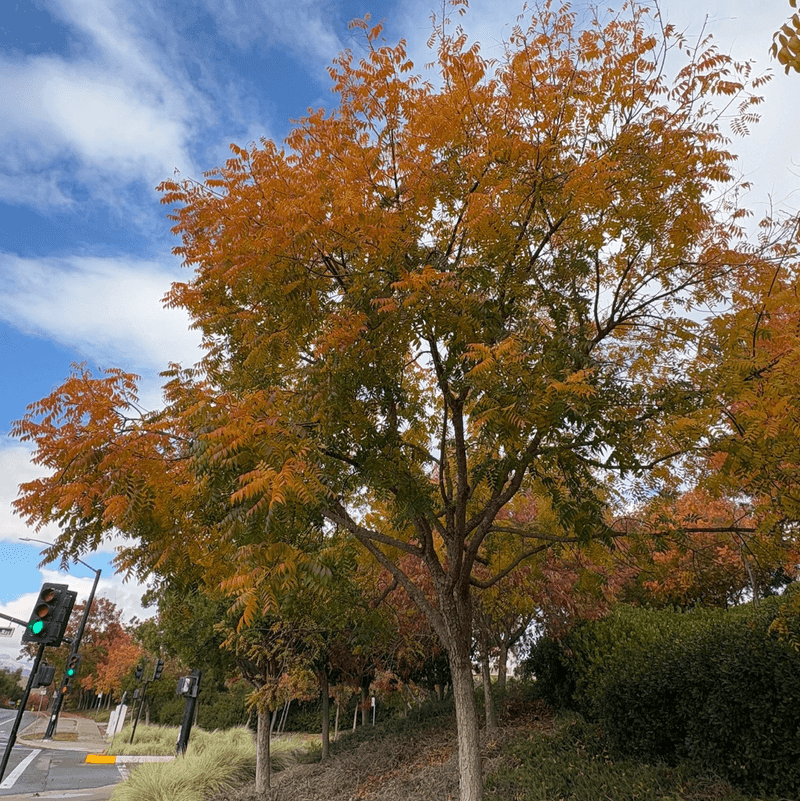
Nobody loves sweeping fallen fruit off a California driveway, and that is one reason cultivar choice matters here. Chinese pistache is dioecious, meaning male and female flowers grow on separate trees.
Female trees can produce clusters of small fruits, while male selections do not form those seeds. For a patio, sidewalk, or tidy front yard, skipping the fruit can make cleanup simpler.
UC Master Gardener guidance recommends the nonfruiting male cultivar called Keith Davey where dropped fruit would be a nuisance, and the City of Davis identifies it as a male variety.
Choosing a documented male cultivar gives you more control over what ends up on the ground.
That said, it is fair to keep the language honest. Referring to fruit and seed production is more accurate than treating every female tree as a serious litter problem, since experiences vary by site.
If you are planting near a walkway, driveway, or entertaining area, a male cultivar is worth asking about at the nursery. In a more casual back corner, fruit may bother you less.
Beyond the tidiness angle, choosing a named cultivar also helps you know what fall color and mature form to expect. Knowing whether your tree is male or female up front saves surprises later and helps you match the tree to how you actually use the space.
8. Reseeding Concerns Deserve A Closer Look
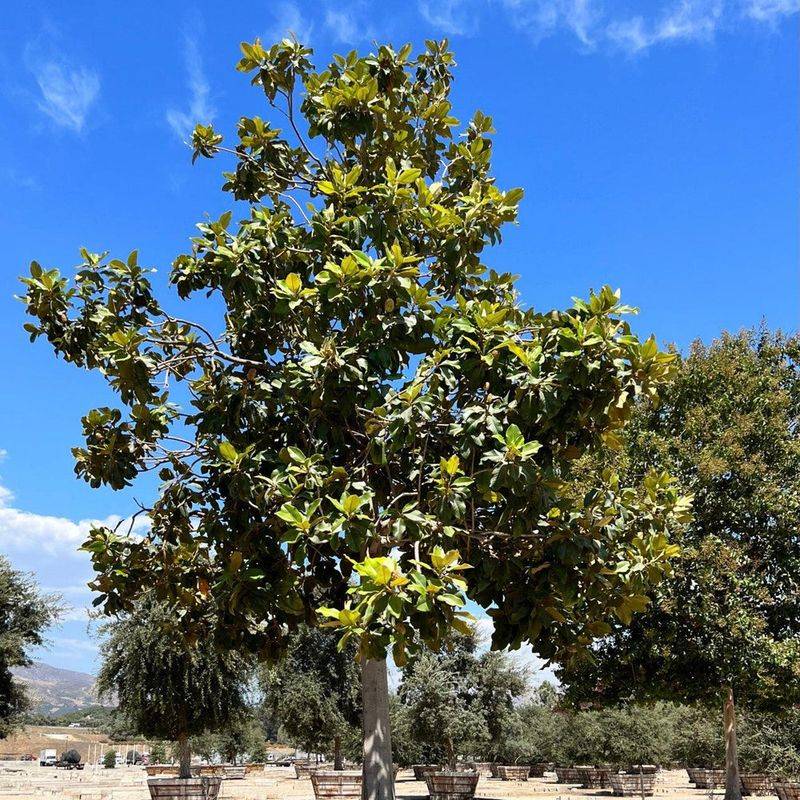
Every appealing tree deserves an honest second look, and Chinese pistache is no exception. It is not a California native, and reseeding has become a concern in some settings where it has spread beyond where it was planted.
The City of Davis specifically lists concerns about both overplanting and reseeding, and it recommends choosing cultivars for the species. That kind of caution is useful for homeowners and cities alike.
Male cultivars can help because they do not bear fruit, which reduces seed production. Still, it would be too simple to say that picking a male cultivar solves every ecological or urban-forestry worry.
There is also a bigger idea worth keeping in mind. Planting diversity matters, meaning a neighborhood is healthier when many different tree species share the streets rather than leaning heavily on one.
When a single species dominates, pests, weather, or other troubles can affect a large share of the canopy at once. Mixing in a variety of trees spreads out that risk.
So while Chinese pistache can be a solid shade choice in the right spot, it is not the answer for every yard or block. Thinking about native options, local guidance, and a mix of species leads to smarter, more resilient planting across California communities.
Weighing the benefits and the drawbacks together helps you make a choice you will feel good about.