8 California Native Plants That Recover Fastest After A Hard Summer
By late summer, many California native gardens look tired, rusty, and worn out. Leaves turn gray or drop entirely, and plants that thrived in spring seem ready to give up.
That faded look rarely tells the whole story.
Plenty of natives are built to rest through heat and drought, a bit like animals sleeping through winter. The real comeback begins once cooler nights and fall moisture arrive.
The biggest mistake comes from panic. Flooding a resting plant with water, or cutting it back too early, can cause far more harm than a dry spell ever could.
Some species recover remarkably fast once conditions shift, and a little patience lets them prove it.
1. California Fuchsia Rebounds With Fall Moisture
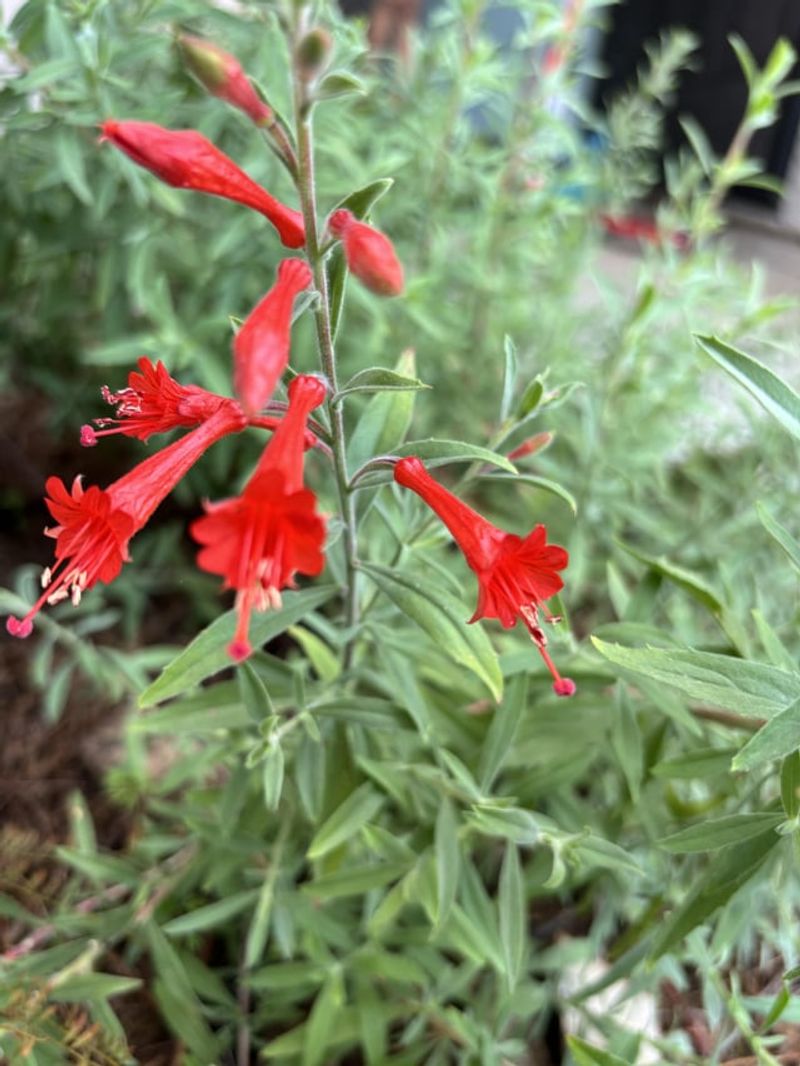
Hummingbirds seem to know the schedule before anyone else. Just as most gardens fade in late summer and early fall, California fuchsia lights up with bright red-orange tubes shaped like tiny trumpets.
Few natives save their best show for such a tough time of year. Through the hottest weeks, though, the gray-green leaves may look dusty and thin.
Some plants even drop leaves to conserve water. Once nights cool and the first fall moisture arrives, fresh growth and flowers push out fast, often within a couple of weeks.
Soaking it in August is best avoided. Fuchsia handles occasional deep summer water in hotter inland gardens, but soggy soil is its weak spot.
Fast-draining ground keeps roots happy, especially on slopes or in rocky beds. That simple detail makes a big difference.
The real trick comes after the blooms finish. UC ANR and native plant growers suggest cutting California fuchsia back hard in late fall or winter, once flowering ends.
Early trimming removes the buds that carry fall color, so patience pays off. A firm cut close to the ground then encourages thick, tidy growth the following year.
Plants spread by underground runners, so one clump can fill a sunny gap over time. Paired with buckwheat or sage, it creates a planting that changes with each season.
Its flowers fit a hummingbird beak almost perfectly, which brings regular buzzing visitors.
2. Deer Grass Pushes Fresh Blades Quickly
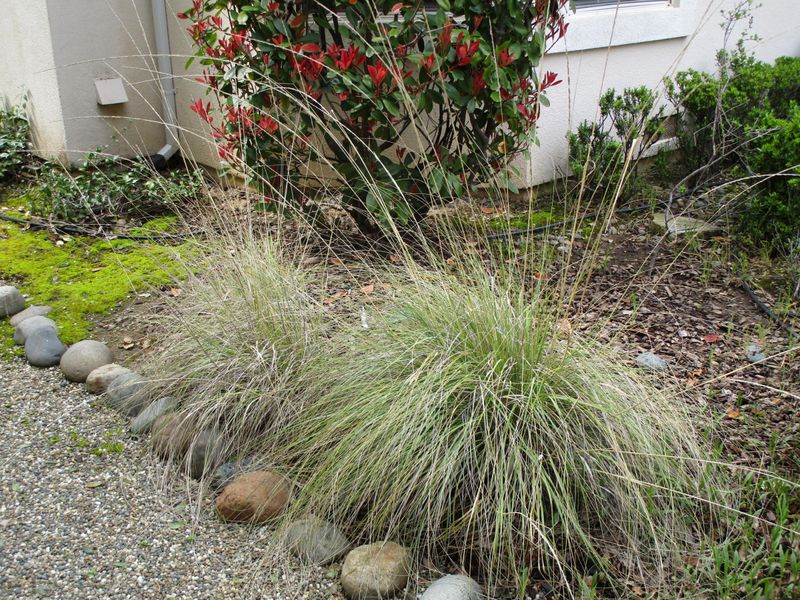
A big tan fountain of grass sitting in a dry corner can look like a giant straw mop by the end of summer. A peek into the center, though, often reveals new green blades already rising.
Deer grass grows naturally along seasonal streams and meadows from California into the Southwest. Deep roots let it coast through months of heat with little help.
Once temperatures drop and some moisture returns, fresh blades fill in quickly. The transformation can be surprisingly fast in cool weather.
Grabbing the shears too soon is a common mistake. Cutting a clump down in the heat of summer leaves the crown exposed and stressed.
Native plant guides commonly suggest a cleanup in late fall or winter, every few years rather than every season. When trimming does happen, a few inches of stubble above the crown should remain.
Some gardeners simply comb out spent blades with gloved fingers or a rake instead. Either way, the plant looks sharper without losing its shape.
Your California Garden Changes Every Week. Your Plan Should Too.
Gardening in California changes quickly throughout the season. Every Friday you’ll receive a simple weekly plan showing exactly what to plant, prune, fertilize, harvest, and protect so you never miss the right timing.
Water needs stay modest once the grass is established, usually after a year or two. An occasional deep soak during a very hot inland summer is fine, while constant shallow watering invites rot around the crown.
California Native American basket weavers have long gathered the flower stalks for coiled baskets. That rich history makes this tough, resilient clump well worth keeping.
3. California Buckwheat Shrugs Off Dry Months
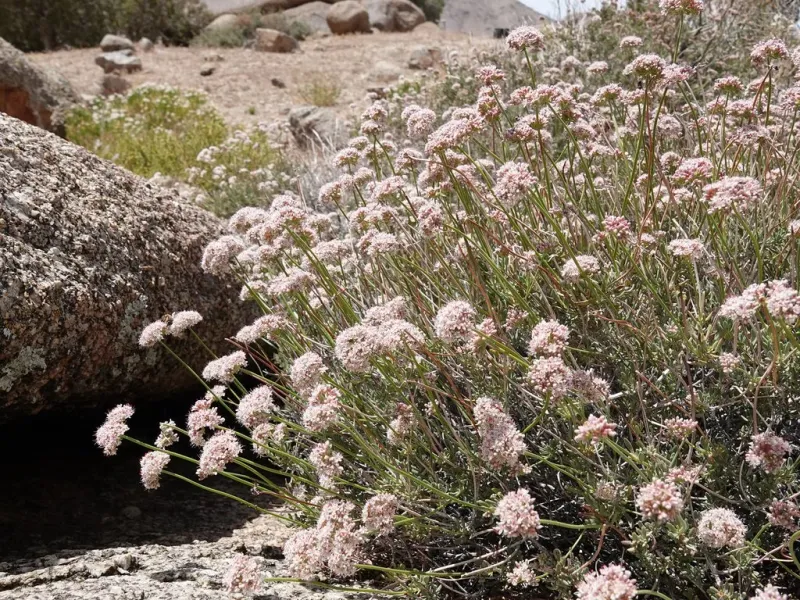
Rust-colored puffs dotting a dry hillside rank among the clearest signs of a California fall. Those puffs are the faded flowers of California buckwheat, and they’re no cry for help.
The plant is doing exactly what it evolved to do. Buckwheat forms a backbone of coastal sage scrub.
In summer, it often drops many of its tiny, needle-like leaves to cut water loss. The shrub can look skimpy and brown, yet the stems usually remain very much alive.
A gentle scratch on a small stem with a thumbnail clears up any doubt. A thin layer of green underneath means the plant is resting.
Brittle, brown, dry wood all the way through tells a different story. Checking several stems before deciding prevents hasty mistakes.
Fall moisture wakes it up. New leaves sprout along the stems, and the plant fills back in through winter and spring.
The change comes fairly quickly in mild coastal gardens and more slowly in hot inland spots.
Summer watering is best skipped once the shrub is established. UC ANR and native plant experts warn that summer water in warm soil can trigger root problems in many drought-adapted natives.
Buckwheat truly prefers to be left alone.
The dried flower heads also feed birds and look lovely in arrangements. Light shaping after flowering keeps it tidy.
Heavy cuts are best avoided, since old wood doesn’t always resprout well.
4. Coyote Brush Bounces Back Without Help
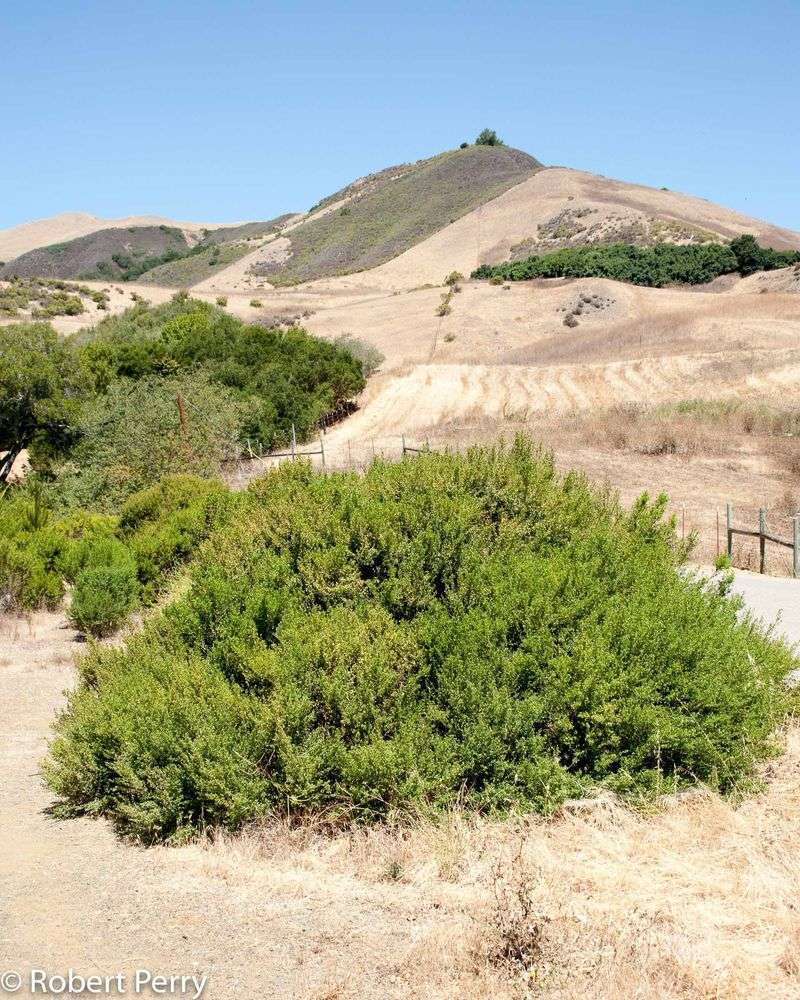
Almost any coastal California road passes coyote brush, often without anyone noticing. It hugs hillsides, fills empty lots, and stays green when surrounding grass turns gold, which is low maintenance with plenty of attitude.
Coyote brush ranks among the toughest shrubs in the state. It handles wind, salt air, poor soil, and long dry summers.
Many gardeners use low-growing forms, such as popular groundcover types, to cover slopes and control erosion. Those forms spread wide while staying fairly compact.
In a rough summer, the small leaves may dull or thin a little. Unlike some natives, it often keeps much of its foliage through the heat.
Fall moisture brings fresh growth at the tips with almost no effort required. Very little intervention is needed at all.
Once established, coyote brush rarely needs summer water in coastal areas. Inland gardens may benefit from an occasional deep drink during extreme heat, but routine sprinkling invites trouble.
Pruning stays simple. Woody, older plants can be cut back in late winter before spring growth.
Groundcover forms respond well to renewal pruning every few years, which keeps them full instead of leggy.
Female plants produce fluffy white seeds in fall that drift like tiny parachutes. The shrub also feeds a huge range of insects, which in turn feed birds.
That makes it a reliable snack bar for local wildlife, even after the hardest summer.
5. Sticky Monkeyflower Revives With First Rain
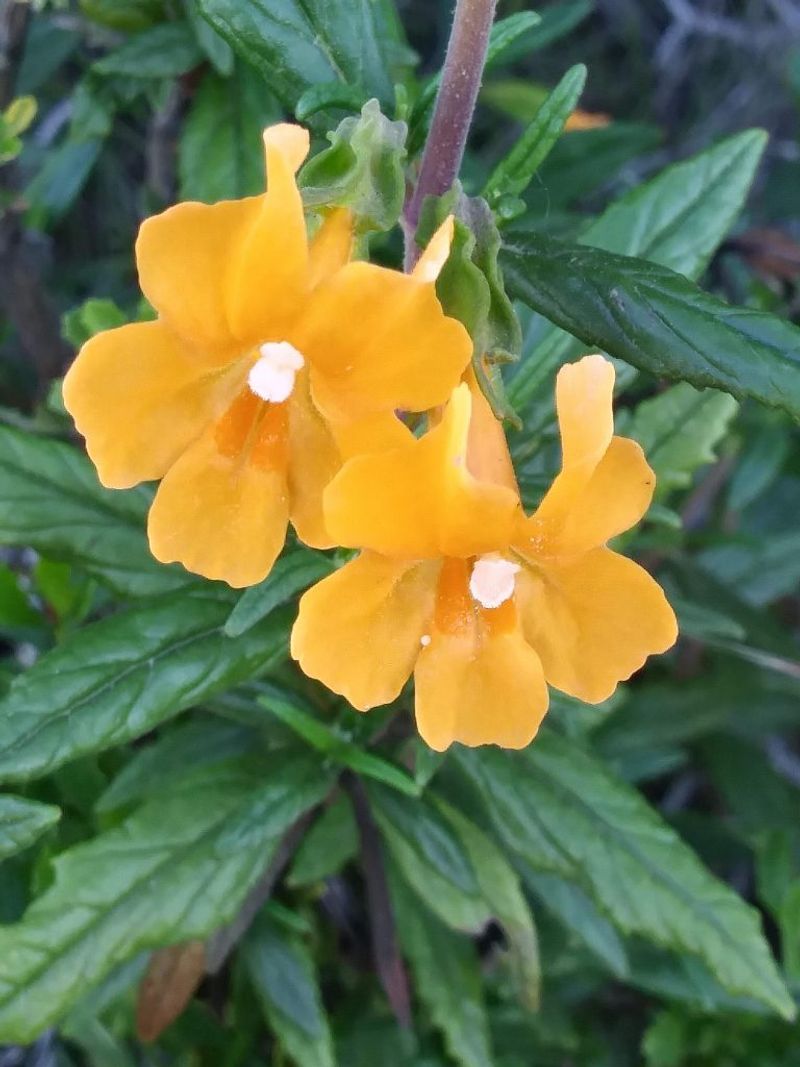
A brush against a monkeyflower leaf often leaves fingers slightly sticky. That tacky coating helps the plant hold onto moisture and explains much of its success through dry summers.
By August, though, it can look downright miserable. Summer dormancy hits this shrub hard, with leaves curling, darkening, or dropping until the stems look bare.
Many new native gardeners assume the worst right about now in late summer. That’s exactly when patience pays off.
A quick scratch test helps before reaching for a shovel. Green tissue under the outer layer of a stem means the plant is only napping.
Once the first fall rain soaks in, new leaves can appear surprisingly fast, sometimes within days or a few weeks. The revival can feel almost magical.
Overwatering poses a real risk. Sticky monkeyflower prefers good drainage and dislikes wet, warm soil.
A deep drink every few weeks can stretch blooms in hot inland areas, but frequent summer watering tends to weaken it.
Pruning works best once the plant wakes up in fall or late winter. Pinching tips back by about a third encourages bushier growth and more spring flowers.
Cutting into old, bare wood all at once is best avoided.
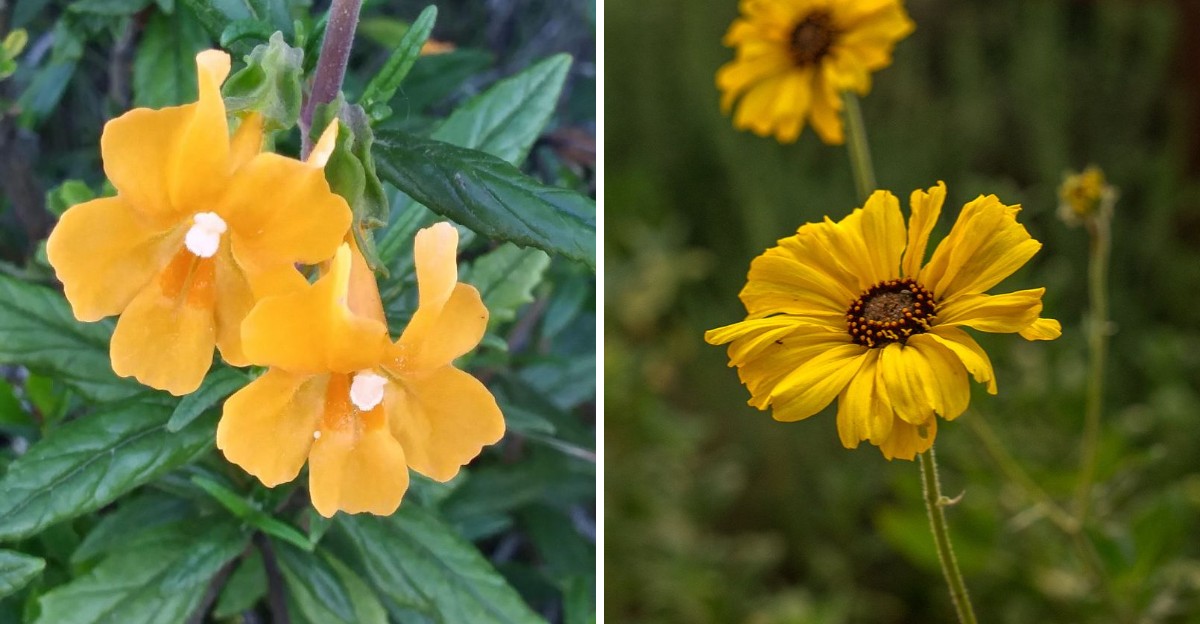
Spring brings orange, yellow, or red tubular blooms that hummingbirds love. The plant also hosts checkerspot butterfly larvae, making one scrappy shrub a true comeback story every single year.
6. Cleveland Sage Handles Dry Summers Well
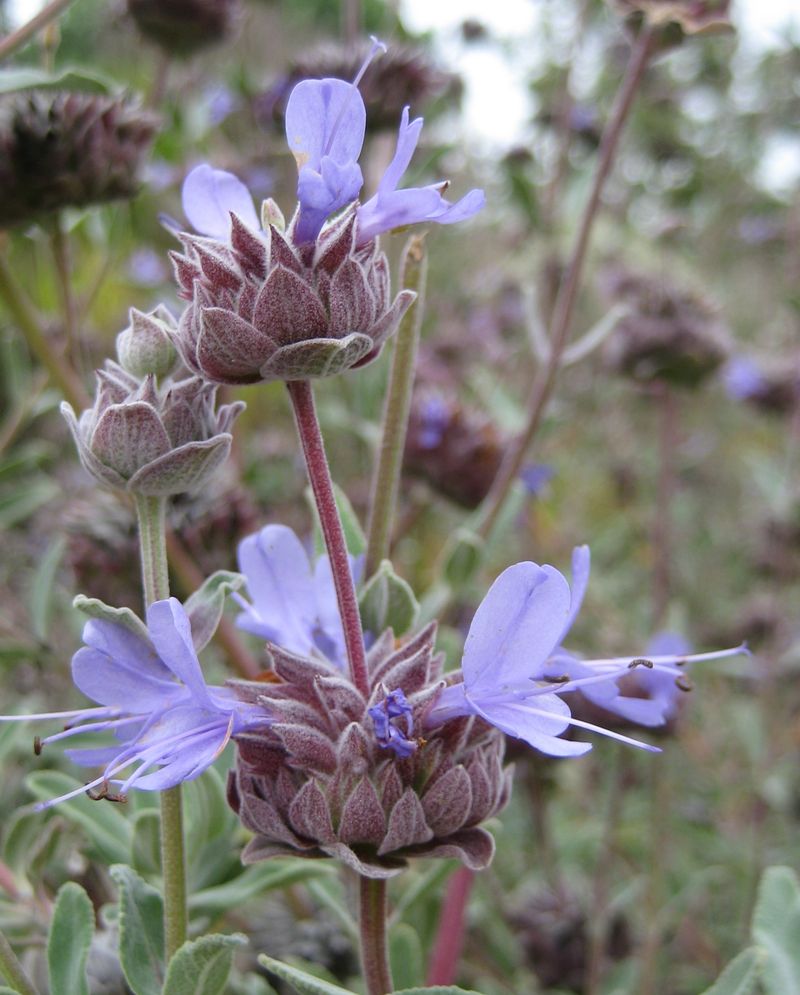
A hot afternoon stroll past a Cleveland sage brings a strong, sweet scent that resembles a mountain trail. That fragrance comes from oils in leaves built for heat and drought.
Cleveland sage grows wild in the dry hills of San Diego County and northern Baja California. It’s used to long summers with almost no rain.
In a home garden, it often goes partly dormant, with grayer leaves and some dropping along the stems. That look is normal for the season.
Extra summer water ranks among the fastest ways to lose this plant. Native plant experts and UC ANR guidance point out that warm, wet soil can encourage root rot in Mediterranean-climate shrubs like this sage.
Established plants usually need little or no summer irrigation. Good drainage matters just as much, since heavy clay that stays soggy can cause problems even with careful watering.
Planting on a slight mound or slope helps roots breathe. That small step can add years to a plant’s life.
Once fall moisture returns, fresh leaves flush out and the plant looks fuller again. Light pruning in fall or winter keeps it compact.
Deep cuts into bare wood are best skipped, since older stems may not resprout.
Spring brings whorls of lavender-blue flowers stacked on tall stems, and bees and hummingbirds crowd around them.
Sun, space, and a dry summer are all it asks, rewarding gardeners with plenty of thyme well spent.
7. Yarrow Greens Up Fast
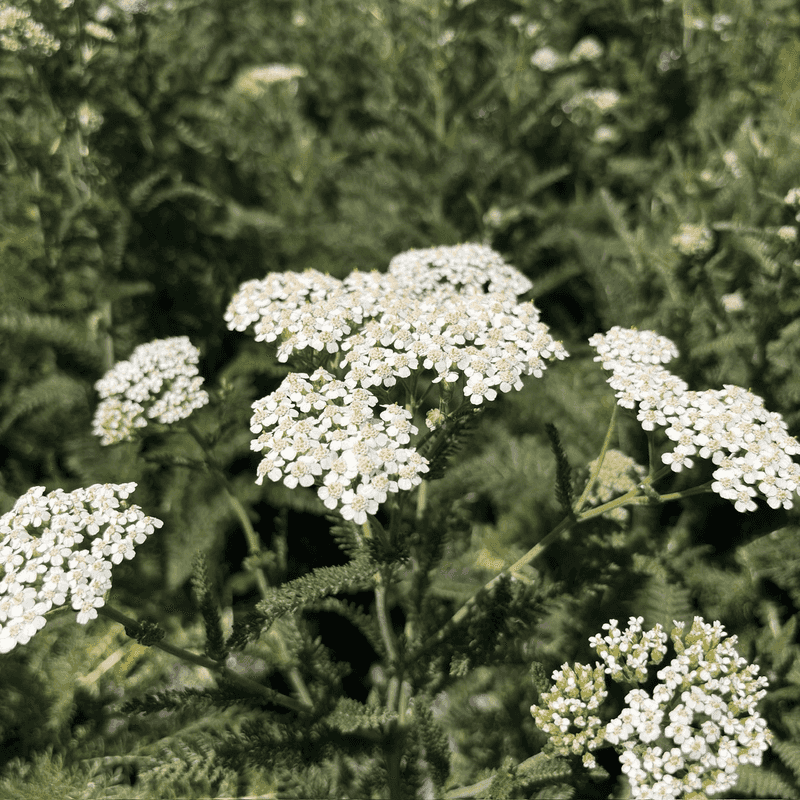
A brown, flattened patch in late summer might look like a lost cause. A little cool weather and some moisture, however, can turn native yarrow green again faster than almost anything else in the garden.
Feathery new leaves seem to appear almost overnight. Common yarrow grows across much of California, from coastal bluffs to mountain meadows.
It spreads by underground stems, so even when the top looks tired, the roots are usually ready to go. Fresh rosettes often appear soon after fall moisture soaks in.
Some gardeners mow or shear yarrow once it finishes flowering. Cutting after the stems dry out keeps it tidy and makes room for new growth.
In very hot inland gardens, waiting until temperatures ease before cutting works best. That timing protects the crown from harsh late-summer sun.
Watering calls for restraint. Yarrow tolerates more summer water than many natives, yet it still dislikes constantly soggy soil.
A deep, occasional soak beats daily sprinkling, and cooler coastal gardens may need almost none.
The same lesson applies to every plant on this list. A scratched stem, a check for green, and a little time reveal far more than a rescue mission with the hose.
Recovery speed depends on species, soil, sun, and how harsh the summer was. Yarrow’s flat white flowers feed pollinators, and its fast comeback proves that patience usually pays off.
8. Coast Sunflower Leafs Out Quickly After Rain
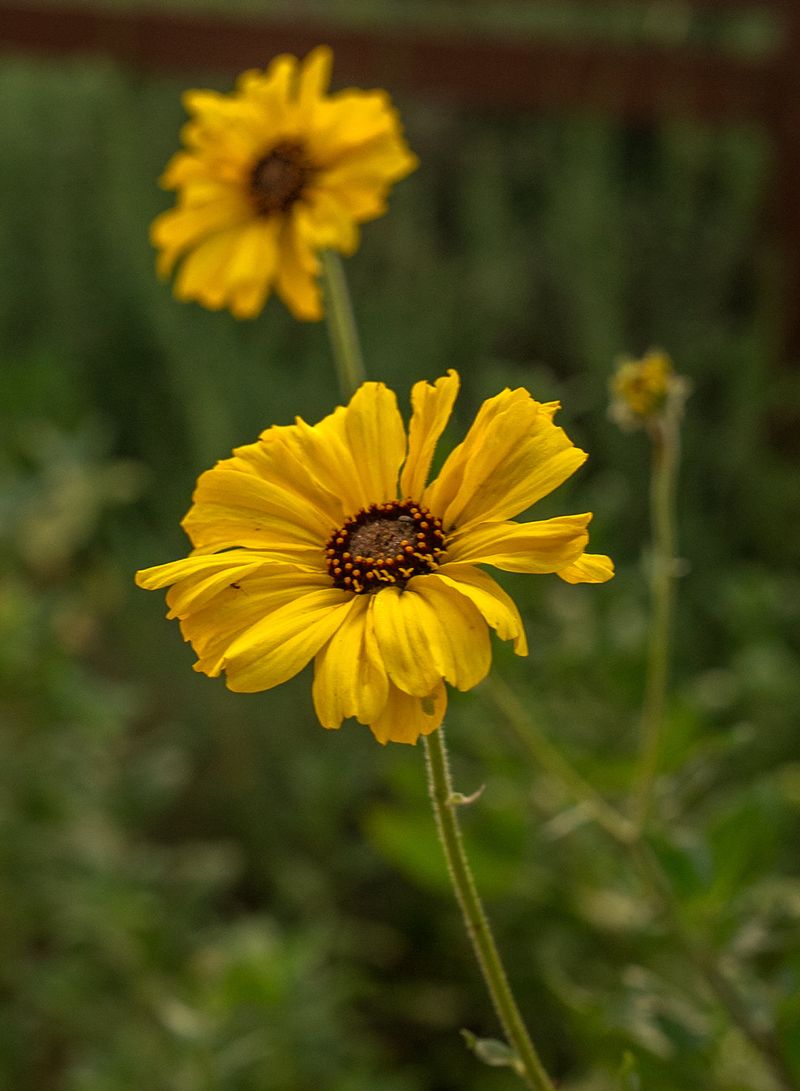
Bare gray stems on a coastal hillside in September can look like the end of the road for the season. For coast sunflower, they’re simply part of the yearly routine.
This native shrub grows wild in coastal sage scrub across Southern California and northern Baja California. During long dry summers, it drops many of its leaves to save water.
That habit is called drought deciduousness. The plant isn’t struggling so much as resting, waiting patiently for conditions to improve.
Fall and winter rain bring a fast transformation. Fresh green leaves can sprout along the stems within a couple of weeks, turning a scraggly mound into a full, soft shrub again.
Bright yellow daisy flowers with dark centers follow, usually from late winter into spring. Bees and butterflies visit often, and goldfinches later pick seeds from the spent heads.
Full sun and well-drained soil suit it best, much like its wild hillside home. Once established, it needs little or no summer water near the coast, and extra irrigation in warm weather can actually weaken it.
Inland gardens with frosty winters may find it less reliable. Mild coastal and low-elevation yards make the best long-term home.
A light trim in fall, before the rains arrive, tidies the dry stems and encourages a fresh, compact flush of growth. Few natives turn a tired summer look into a cheerful comeback quite so quickly.