The Michigan Native That Handles Dry Shade Under Black Walnut Better Than Most Perennials
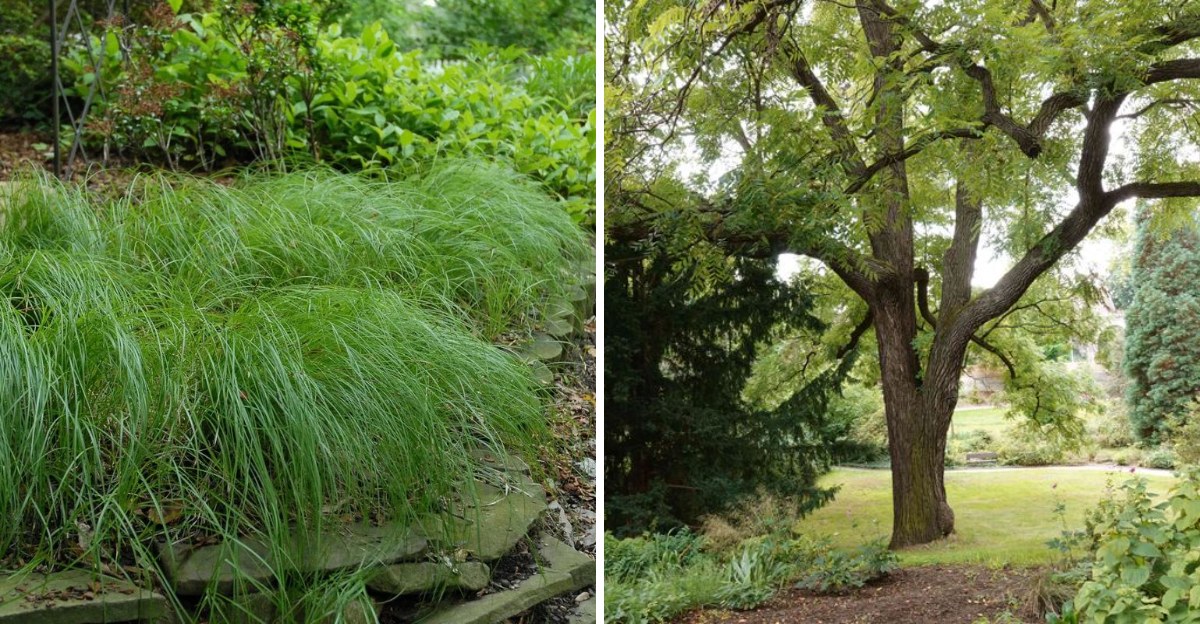
Black walnut trees in a Michigan yard come with a reputation, and most of it is well earned. Dense canopy, thirsty roots, challenging soil chemistry, and a long list of plants that have tried and failed to establish underneath.
Gardening beneath a mature black walnut is the kind of project that tests optimism, and most gardeners eventually stop trying and start ignoring that corner of the yard altogether. Pennsylvania sedge is the plant that changes that calculation.
This low-growing Michigan native shows up naturally in dry woodland settings where other plants give up, handles shade and drier soil without complaint, and forms a quiet, grassy layer that actually looks intentional beneath a big tree.
It is not flashy, but under a black walnut, something that simply works is worth quite a lot.
1. Pennsylvania Sedge Is Built For Dry Woodland Conditions
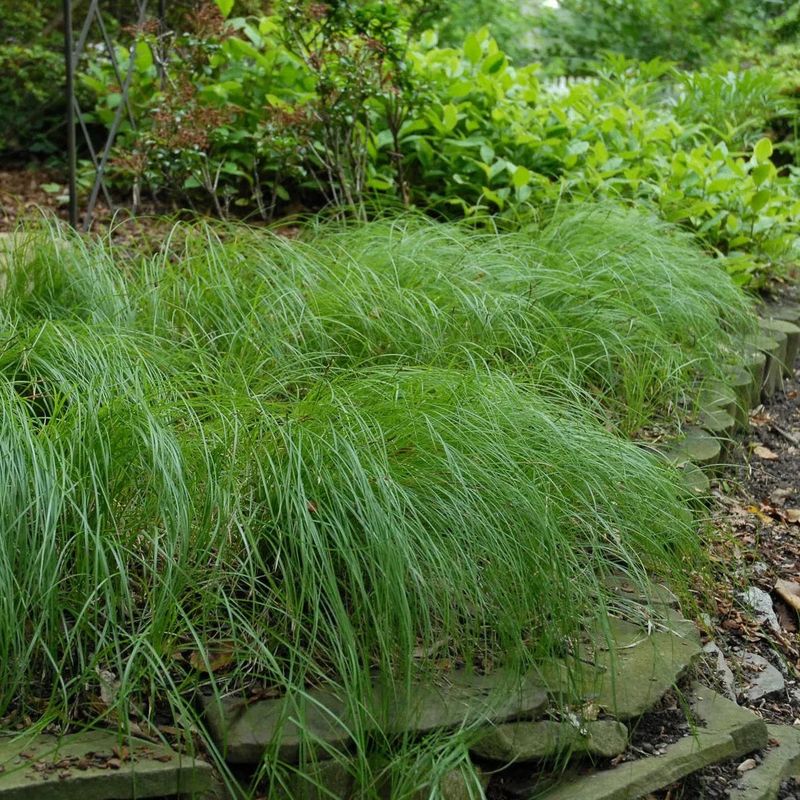
Walk through a shaded Michigan woodland in late spring and you may notice fine, grassy tufts carpeting the forest floor. That soft green layer is often Pennsylvania sedge, a native plant that feels right at home in dry, shaded settings.
Unlike many showy perennials that need steady moisture, this sedge grows naturally in woodland habitats where sunlight is filtered and soil tends to stay on the drier side.
It usually reaches only a short height, often staying under a foot tall, which keeps it low and tidy across the ground.
Its slender leaves and spreading habit help it blend into a natural woodland look rather than standing out like a bold garden flower. Because it is native to Michigan, it is already suited to local seasons, including drier stretches of summer.
These traits can make it useful beneath established trees, where light and moisture are both limited. Keep in mind that no plant thrives in every condition, so extremely dry or compacted soil may still be a challenge in some spots.
For gardeners hoping to cover shaded ground without constant fussing, Pennsylvania sedge offers a practical starting point.
It brings a gentle, grassy texture to spaces where more demanding plants tend to sulk, and it does so while staying true to its woodland roots.
2. Deep Shade Does Not Stop This Native From Growing
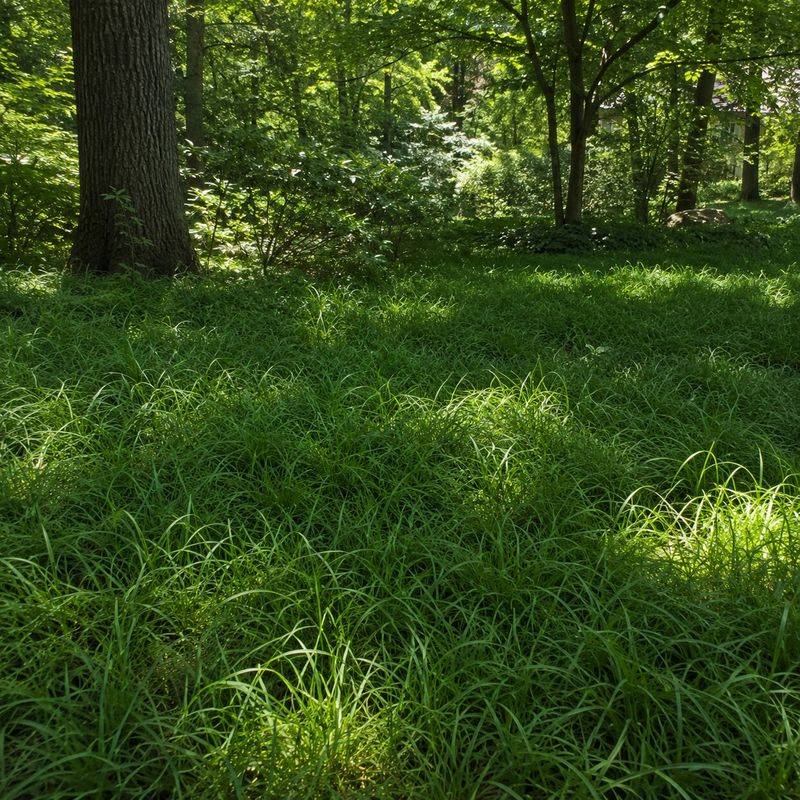
Shade is often the first hurdle gardeners hit when planting under a mature black walnut. The thick canopy can cut down direct sunlight for much of the day, leaving many sun-loving plants weak and sparse.
Pennsylvania sedge is documented as tolerant of partial to full shade, which matters a great deal in these darker corners.
Since black walnuts can cast heavy shade during the growing season, having a plant comfortable with lower light gives you a better shot at steady growth.
Light levels are not the same beneath every tree, though. Some walnuts have a more open canopy that lets in scattered sun, while others create deeper shade.
Nearby buildings, other trees, and the direction a yard faces can all shift how much light reaches the ground.
Because of this, the same sedge might look fuller in one spot and thinner in another. That is normal, and it does not mean the plant is failing.
Your Michigan Garden Changes Every Week. Your Plan Should Too.
Gardening in Michigan changes quickly throughout the season. Every Friday you’ll receive a simple weekly plan showing exactly what to plant, prune, fertilize, harvest, and protect so you never miss the right timing.
For Michigan homeowners, this shade tolerance opens up planting areas that often stay bare or patchy. Rather than fighting to grow grass or flowers that crave sunshine, you can lean into a plant already adapted to dim woodland light.
Expect gradual, honest results rather than instant transformation, and give the sedge time to settle into its shaded home.
3. Fine Green Foliage Creates A Soft Groundcover Under Trees
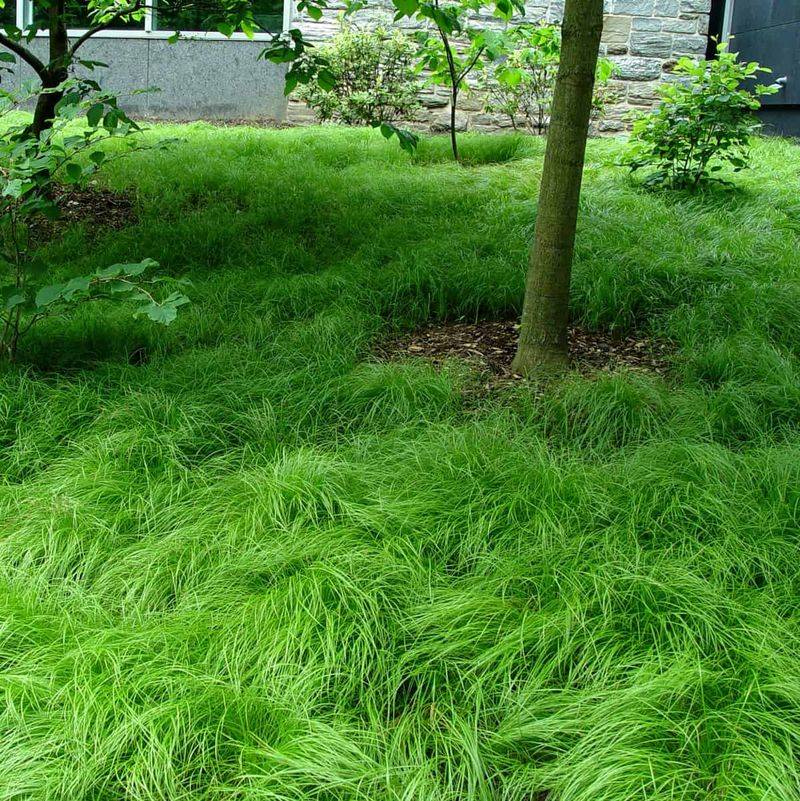
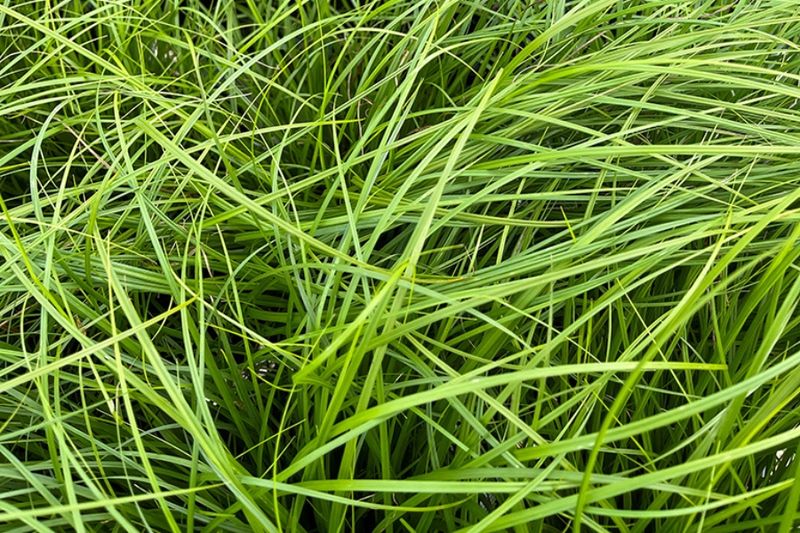
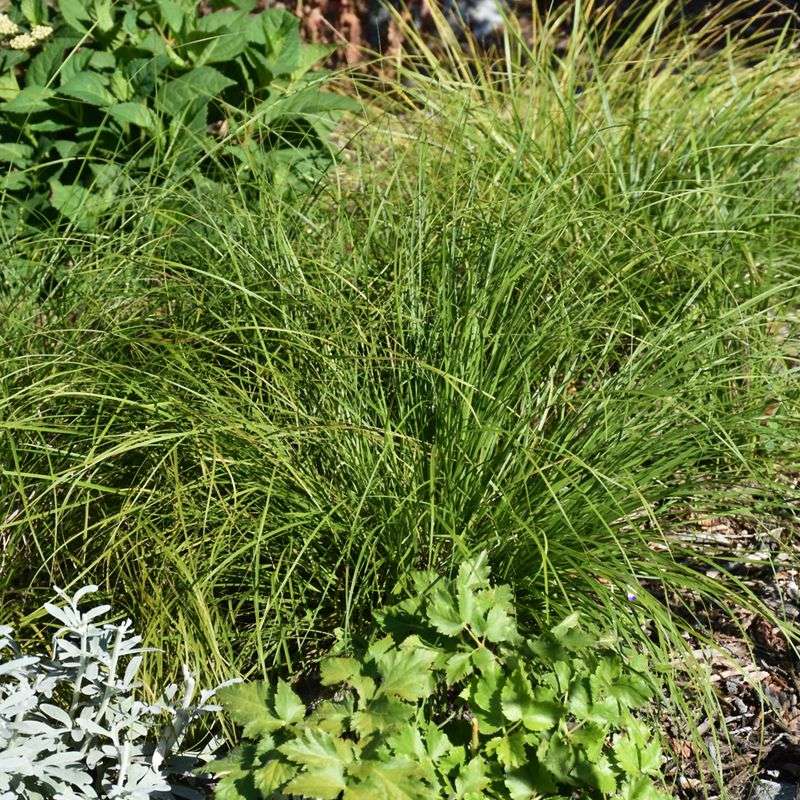
Run your hand across a patch of Pennsylvania sedge and you will feel just how fine and grassy it is. This sedge has thin, arching blades that give it a soft, flowing texture rather than a stiff or spiky feel.
That fine foliage is part of what makes it appealing under trees. Instead of the bold, broad leaves you see on plants like hosta, this sedge reads more like a gentle green haze across the ground.
Beneath a black walnut, that softer look can help a bare or awkward area feel more like a natural woodland floor. The effect is calm and understated, which suits shaded Michigan yards where a busy planting can feel out of place.
Because the leaves are slender and grasslike, the sedge blends nicely with other native woodland plants without stealing attention. It works as a quiet backdrop rather than the star of the show.
Keep expectations realistic, though. The color and fullness of the foliage can shift with light, moisture, and the season, so it may look lusher in spring and a bit more relaxed by late summer.
For anyone wanting a soft, low groundcover that feels at home under mature trees, this fine-textured sedge offers a natural, easygoing appearance that fits well into shaded garden spaces.
4. Spreading Rhizomes Help It Fill Bare Ground Over Time
Bare patches under big trees have a way of nagging at gardeners. Pennsylvania sedge offers a slow but steady answer, since it can spread through underground stems called rhizomes.
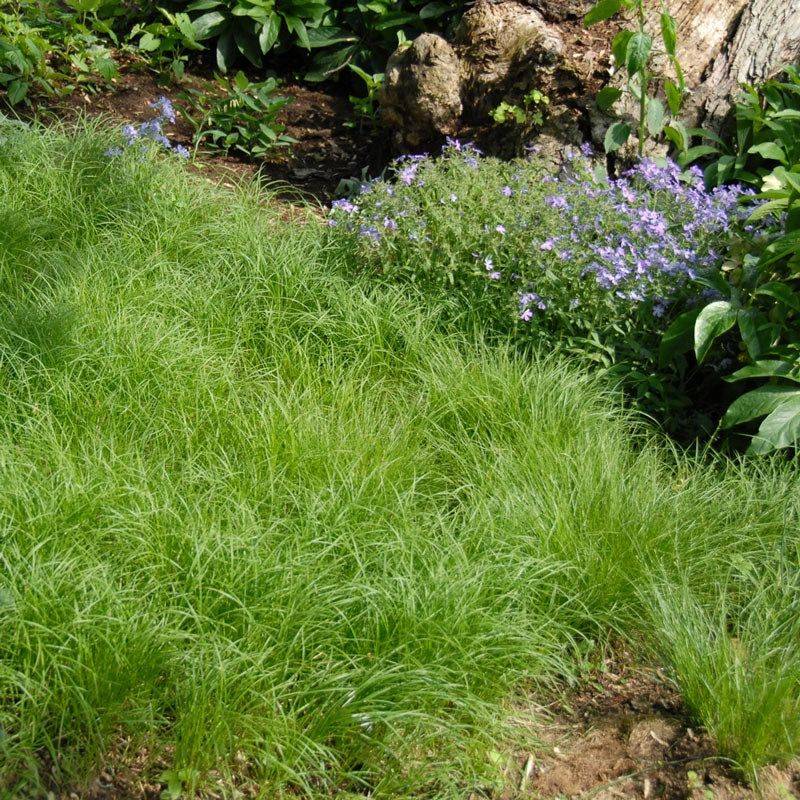
These rhizomes let the plant creep outward and gradually form loose colonies or patches. Over time, single plants can knit together into a broader groundcover, which helps soften those empty stretches of soil.
The key word here is gradual. This is not a plant that blankets an area overnight, and pushing for instant results usually leads to disappointment.
Instead, think in terms of seasons and years as the sedge slowly fills in.
That patient spreading habit is exactly why it can shine where lawn grass or fussier perennials struggle. Under a mature black walnut, ordinary turf often thins out, but a plant designed for woodland ground can settle in and keep expanding at its own pace.
Michigan homeowners can use this to their advantage by starting with several plants spaced apart and letting them grow toward each other. Weeds may pop up in the open gaps early on, so a little weeding during establishment helps.
As the colony matures, the sedge tends to create a more continuous cover. The result is a natural, woven look that feels far more forgiving than trying to force demanding plants into tough ground.
5. Black Walnut Roots Make This A Tougher Planting Spot
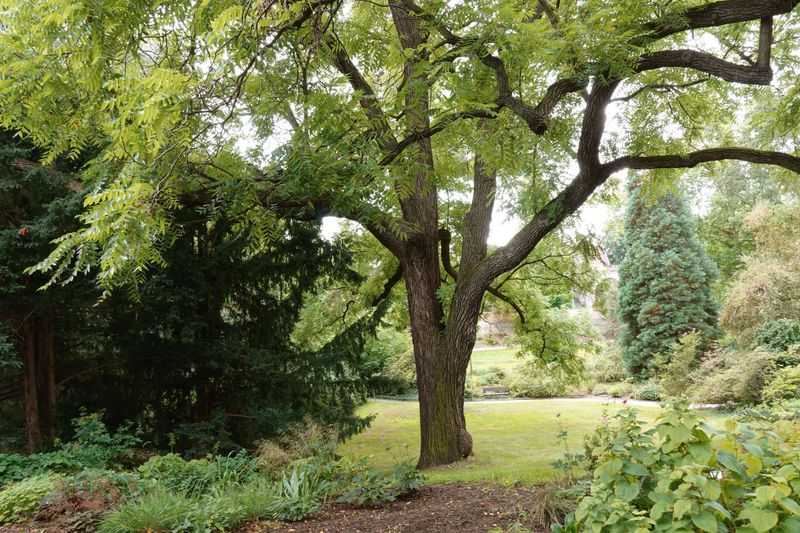
Standing beneath a mature black walnut, you quickly sense why gardening there is hard. The combination of heavy shade, sprawling roots, and thirsty soil creates a genuinely challenging spot.
Those large roots compete strongly for water and nutrients, often leaving the ground dry and difficult for smaller plants. On top of that, the dense canopy limits light, which stacks the odds against many perennials.
Black walnut is also famous for a compound called juglone, and you have probably heard it blamed for poor growth nearby. Here is where caution matters.
Current Extension guidance raises real questions about how much field trouble can be pinned specifically on juglone.
Rather than treating juglone as the settled cause of every struggle, it helps to remember that shade, dry soil, and root competition are major practical factors on their own. In many yards, those everyday conditions may explain more than the chemistry does.
Pennsylvania sedge fits this setting because it is adapted to shaded, drier woodland ground where competition is already a fact of life. That background gives it a fair chance where pampered plants fade.
For Michigan gardeners, the takeaway is to respect the site instead of fighting it. Choosing a plant suited to tough, shaded conditions is often smarter than expecting delicate perennials to overcome shade, roots, and limited moisture all at once.
6. Dry Soil Can Suit Pennsylvania Sedge Better Than Many Shade Plants
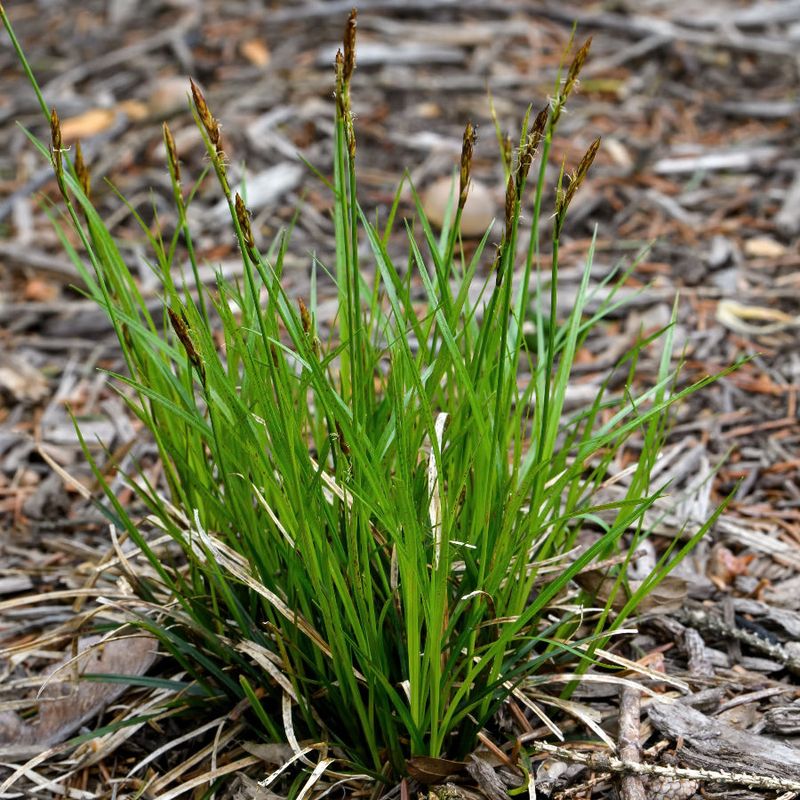
Dry shade sends a lot of popular garden plants into a slump. Many beloved shade perennials, like astilbe or certain ferns, really want steady moisture to look their best.
That is where Pennsylvania sedge stands apart. It is documented as able to tolerate relatively dry shade, which matches the very conditions found under many mature trees in Michigan.
Because black walnut roots pull so much water from the soil, the ground often stays drier than moisture-loving plants prefer. A sedge associated with drier woodland settings has a better chance of holding up in that environment.
It is worth being measured here. Saying this sedge tolerates dry shade well is different from claiming it beats a specific share of other perennials in a lab test.
The honest picture is that many common shade plants simply prefer more consistent moisture, while this native leans toward drier ground.
That difference in preference is the real advantage. Instead of constantly watering to satisfy thirsty plants, you can choose something already comfortable with less.
Even so, dry does not mean bone dry forever. During long dry spells, especially while plants are getting established, a little extra water still helps.
Matching the plant to the site, rather than forcing the site to fit the plant, is the smart move under a black walnut.
7. A Low-Growing Habit Makes It Useful Beneath Mature Trees
Height can be a quiet problem under big trees. Tall plants may look out of scale beneath a towering black walnut and end up competing with the tree for attention.
Pennsylvania sedge sidesteps that issue with its relatively low growth. Staying short and grassy, it hugs the ground and lets the tree remain the clear focal point above.
That modest stature makes it handy in several ways. You can use it as a woodland groundcover, tuck it along shaded borders, or work it into naturalistic Michigan plantings where a soft, low layer ties everything together.
Because it keeps a gentle profile, it fills space without crowding paths or blocking views of other woodland plants. The look is relaxed and cohesive rather than tall and messy.
Just be careful not to expect it to act like a lawn. This sedge does not form the same dense, uniform surface as conventional turfgrass, and it is not meant for heavy foot traffic or a manicured finish.
Instead, picture a loose, natural carpet that shifts a bit with the seasons and the site. In a shaded Michigan yard, that easygoing texture can turn a bare, root-filled area under a mature tree into a calmer, greener space that feels intentional and welcoming.
8. Simple Care Helps Pennsylvania Sedge Settle Into Michigan Gardens
Getting a new planting started under a mature tree takes a little planning, but it does not have to be complicated. Begin by choosing a shaded spot with soil that drains reasonably well, since Pennsylvania sedge is suited to those woodland conditions.
When setting plants in, work gently around the tree and avoid digging aggressively through major roots. Small planting holes between larger roots protect the tree and keep your sedge healthier too.
Space plants apart so they have room to spread over time, remembering that the colony fills in gradually rather than instantly. Leaving those gaps now means less crowding later.
Even though this plant handles drier shade, it still appreciates support while it is establishing. Water during the first season and during long dry stretches so young roots can settle in.
Weeds can slip into the open spaces early on, so a bit of light weeding helps the sedge win the ground. Once it knits together, it usually needs less attention.
Fertilizer is generally not needed for native woodland plants growing in suitable soil, so there is no reason to reach for it unless a real problem appears.
Keep in mind that Michigan yards differ in soil, drainage, and canopy density, so results will vary. With patience and steady early care, this sedge can become a quiet, dependable part of your shaded garden.