What Happens To Florida Palms During Heavy Summer Storms And How To Help
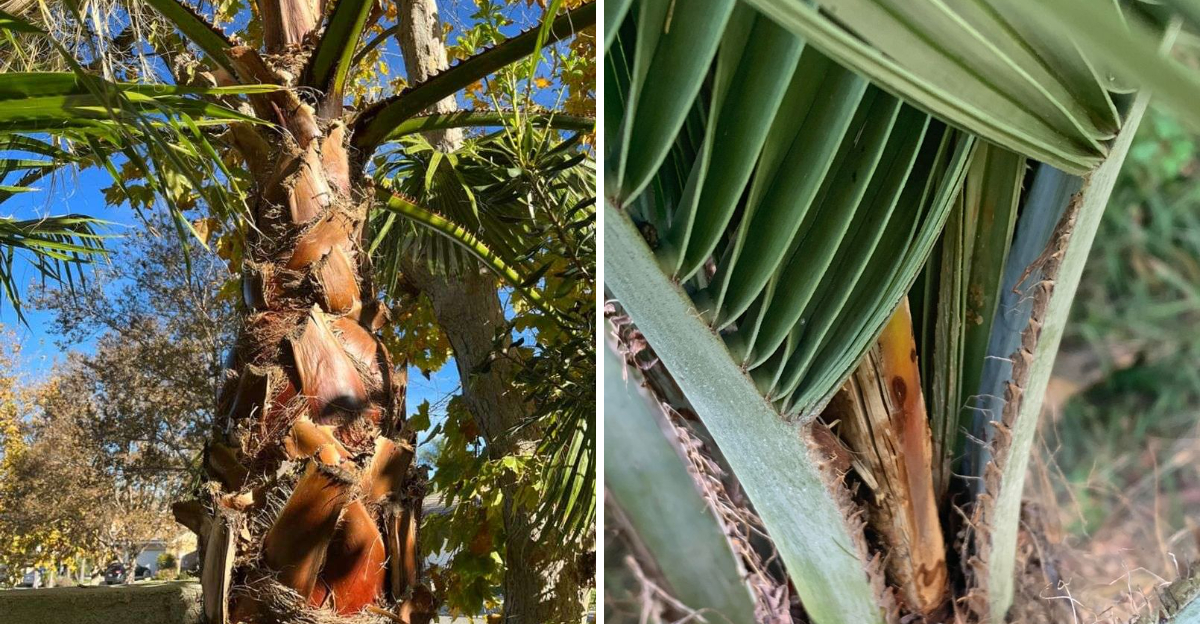
Crack. Flash. Rain sideways. Then silence.
Florida summer storms can rearrange a yard before your coffee gets cold.
The palm by the driveway looked perfect this morning. Now something seems off. Maybe the crown sits differently. Maybe the leaves look rough. Maybe the whole tree sends your eyes straight upward with questions you never planned to ask.
Should you grab the saw, call someone, add water, or leave everything alone?
That choice matters more than the messy appearance suggests.
Palms can respond to storm stress in several ways, and the most dramatic damage is not always the most important.
A rough canopy can tell one story. Trouble closer to the center can tell another. The soil may hold clues too, even after every puddle disappears.
So resist the cleanup frenzy for a minute.
Your palm might need help. It might need patience. It might need you to do absolutely nothing today.
The clues are already there. You just need to know where to look up close before the next move.
1. Don’t Let Shredded Fronds Fool You
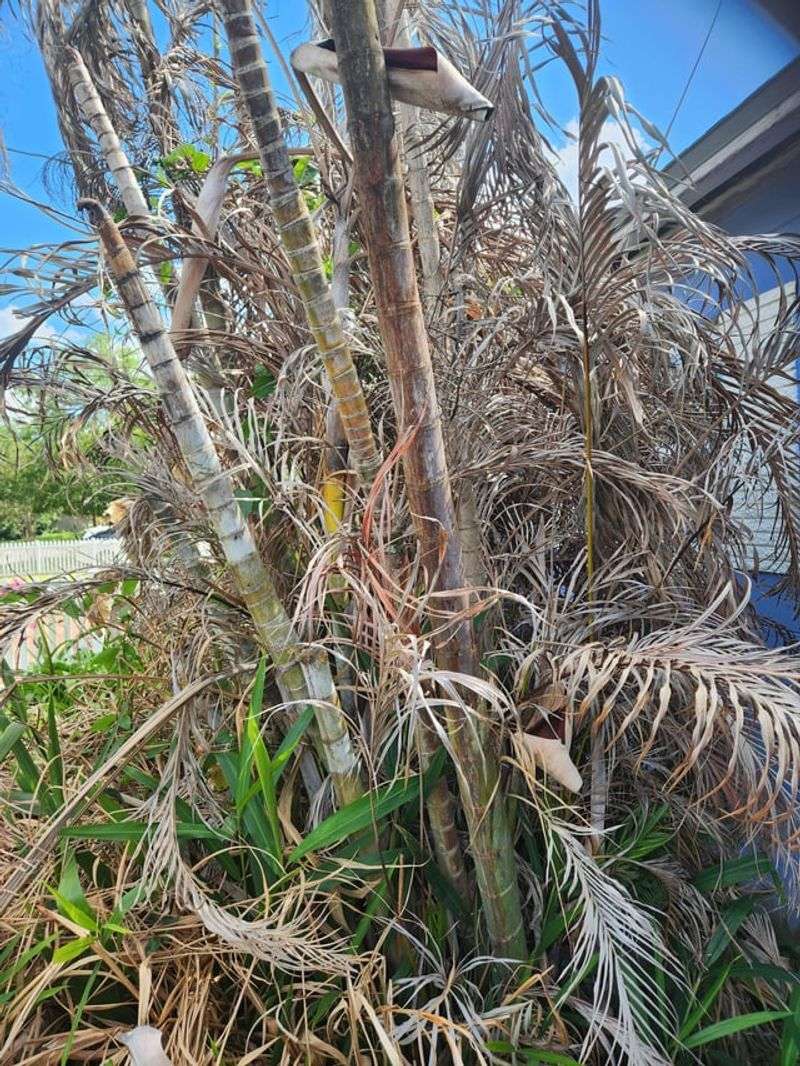
A palm can look like it lost an argument with a giant comb after one rough Florida storm.
Leaflets split. Fronds twist. The crown loses that neat, postcard shape. From the patio, the whole palm may look much worse than it actually is.
Strong wind often leaves the most obvious damage on the foliage. Palm crowns can let some wind pass through, but individual leaves still take plenty of punishment.
Some fronds bend. Others tear along the leaflets. A few may break near the base.
This is where you need to separate ugly from urgent.
Stand back and scan the canopy before you touch anything. Pay special attention to loose fronds above a driveway, walkway, roof, pool, or parked car. Keep clear of anything overhead that looks unstable.
Then look toward the center of the crown.
A palm with ragged outer leaves may still have a healthy central growth point. That distinction matters because damaged foliage and damage near the bud do not carry the same weight.
Species can also look very different after the same storm. One palm may resemble a feather duster after a bad haircut while another next door looks almost untouched.
Do not let appearances make the decision for you.
The canopy may have taken the slap, not the whole palm. Give it a careful look before the pruning saw gets top billing.
2. Keep Those Crooked Green Fronds On The Payroll
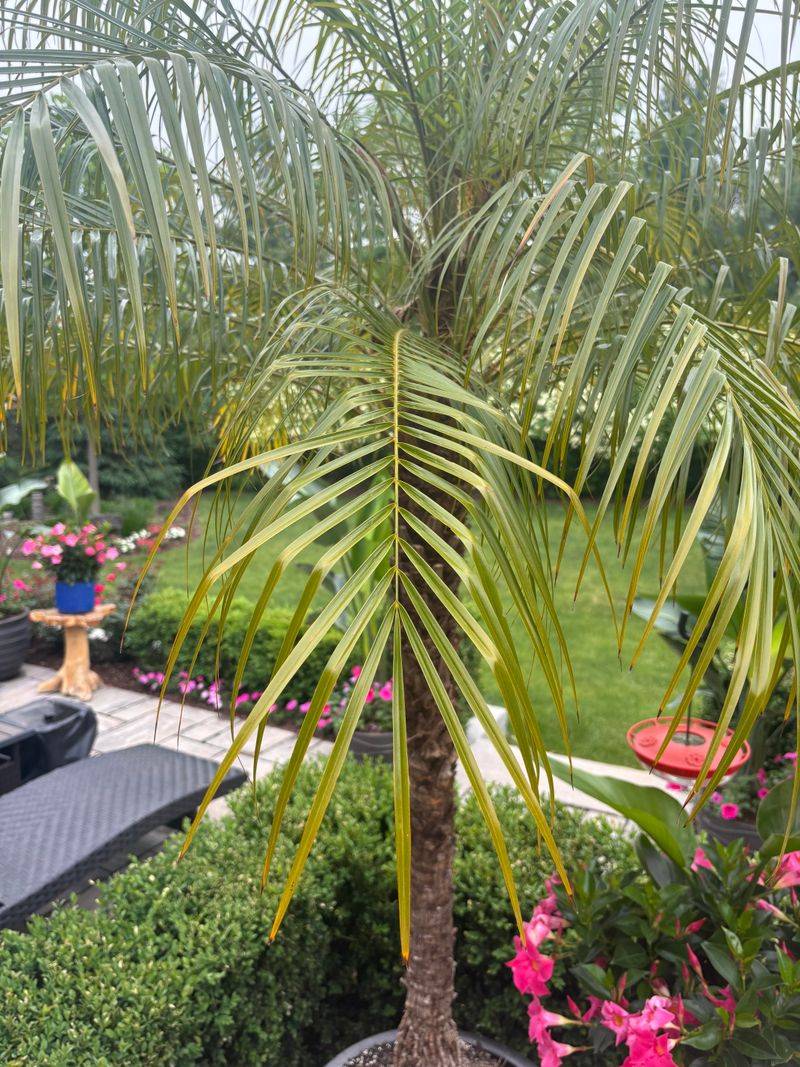
That bent green frond may look ready for the curb.
Your palm may have another opinion.
Green tissue still helps the plant make food. After a storm strips part of the canopy, the leaves that remain become especially useful. A frond can look crooked, torn, or far from pretty and still contribute to recovery.
This is where cleanup fever gets expensive.
You walk outside, see a rough crown, and want every damaged piece gone before lunch. Resist the urge to turn the palm into a feather duster.
Your Florida Garden Changes Every Week. Your Plan Should Too.
Gardening in Florida changes quickly throughout the season. Every Friday you’ll receive a simple weekly plan showing exactly what to plant, prune, fertilize, harvest, and protect so you never miss the right timing.
Leave green and partly green fronds attached when they pose no clear safety problem. Remove a broken frond when it threatens a roof, walkway, vehicle, or person below. Safety earns priority over appearance.
The famous hurricane cut deserves no comeback tour either.
Heavy removal of green leaves can weaken a palm rather than prepare it for the next storm. The crown needs those leaves for food and support. Current Florida guidance favors a fuller, natural crown over the skinny tuft that severe cuts create.
Your palm already paid for the storm with part of its canopy.
Do not charge it an extra cleanup fee.
A bent leaf can stay on the payroll while it remains green and secure. Let the palm use what the wind left behind. Beauty can wait for recovery to catch up.
3. Take A New Lean More Seriously Than A Messy Crown
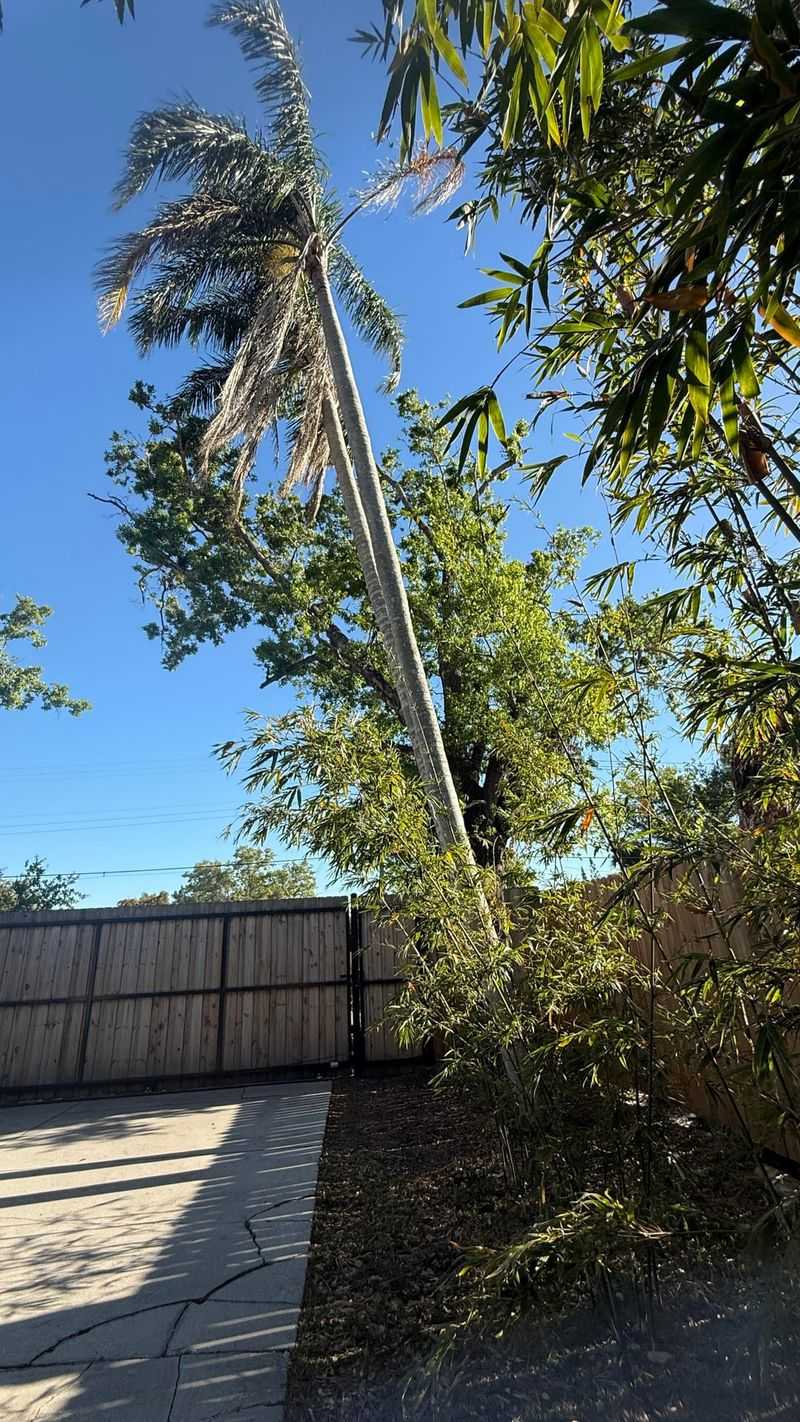
A new lean deserves more attention than a bad hair day in the crown.
Start with one simple comparison. Look at the trunk against a fence post, roofline, or wall that you know well. A palm that always leaned slightly is less surprising. A palm that changed angle after the storm needs a closer assessment.
Now inspect the soil around the base from a safe position.
Cracks, lifted soil, exposed roots, or a shifted root ball can point to movement below ground. Saturated soil can also reduce the grip roots have during severe weather.
A sudden lean after a storm deserves professional inspection, especially on a large specimen.
This is not the moment for rope, a pickup truck, and neighborhood optimism.
Some uprooted palms can be reset and supported. Size and damage matter. Large palms may require heavy equipment plus braces for months while new roots establish. Small palms can offer a more practical recovery project.
Keep people and vehicles away from the direction of the lean until the palm has been assessed.
A tree near a home, driveway, pool cage, or utility line raises the stakes.
You can handle plenty of storm cleanup with gloves and patience.
A newly tilted mature palm belongs in a different category.
Let a qualified professional judge the root movement. Your palm may need a brace, but your bumper does not need to audition for the job.
4. Watch the Center Of The Crown For The Real Clue
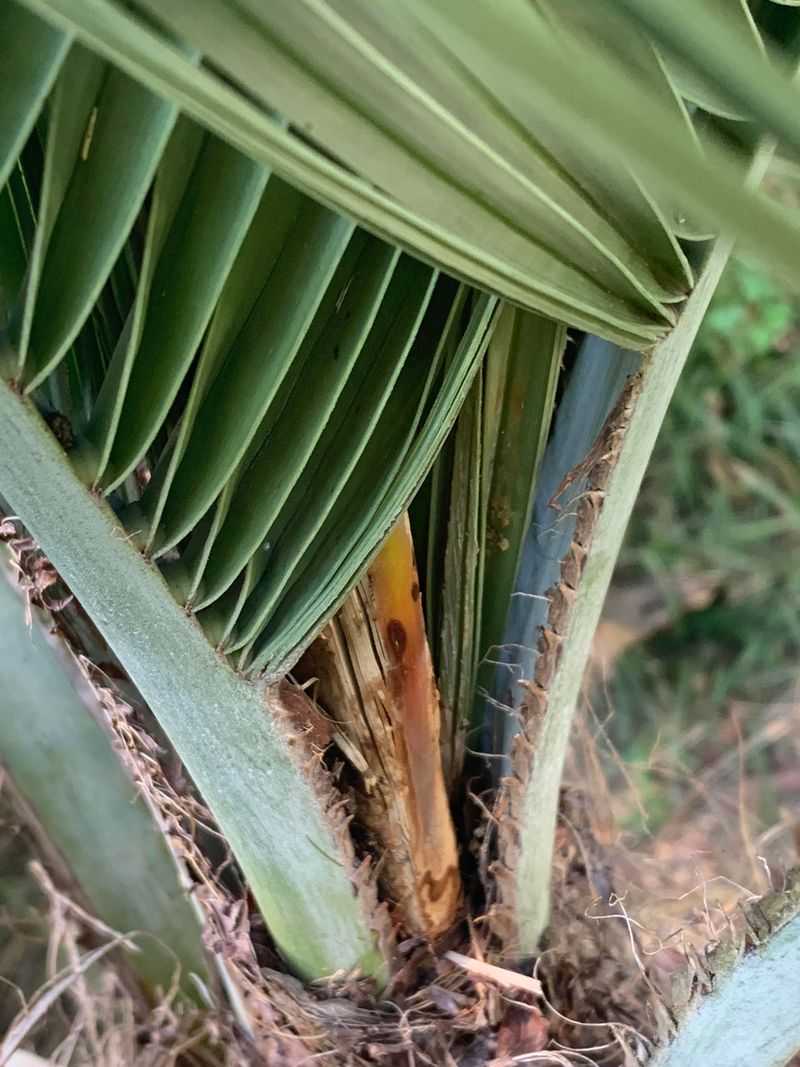
The outer crown can look terrible and still hide the clue that matters most.
Look toward the newest spear leaf in the center.
On a single-trunk palm, the central bud supplies new leaves. That makes fresh growth far more informative than a few shredded outer fronds. A spear that continues to expand after a severe storm is an encouraging sign.
Give yourself a reason to check again later.
Take a clear photo from the same spot every week or two. Compare the spear position against nearby leaves. Small progress can be hard to notice when you stare at the palm every day.
Do not yank on the spear just to satisfy curiosity.
Watch for changes instead. New leaves may come out narrow, pale, twisted, or smaller than usual after major stress.
Odd growth at first does not automatically close the book on recovery. Palms can need months before their condition becomes clear.
A foul smell, soft tissue, major crown collapse, or a long stretch with no new growth deserves expert attention.
The center is the palm’s control room. That makes it a much better place to watch than the frayed edges that caught most of the wind.
Your palm may look like it had the roughest week on the block. One small spear can still deliver the update you actually want. Keep your eyes on the middle, not just the mess.
5. Give Soaked Roots A Break From The Sprinkler
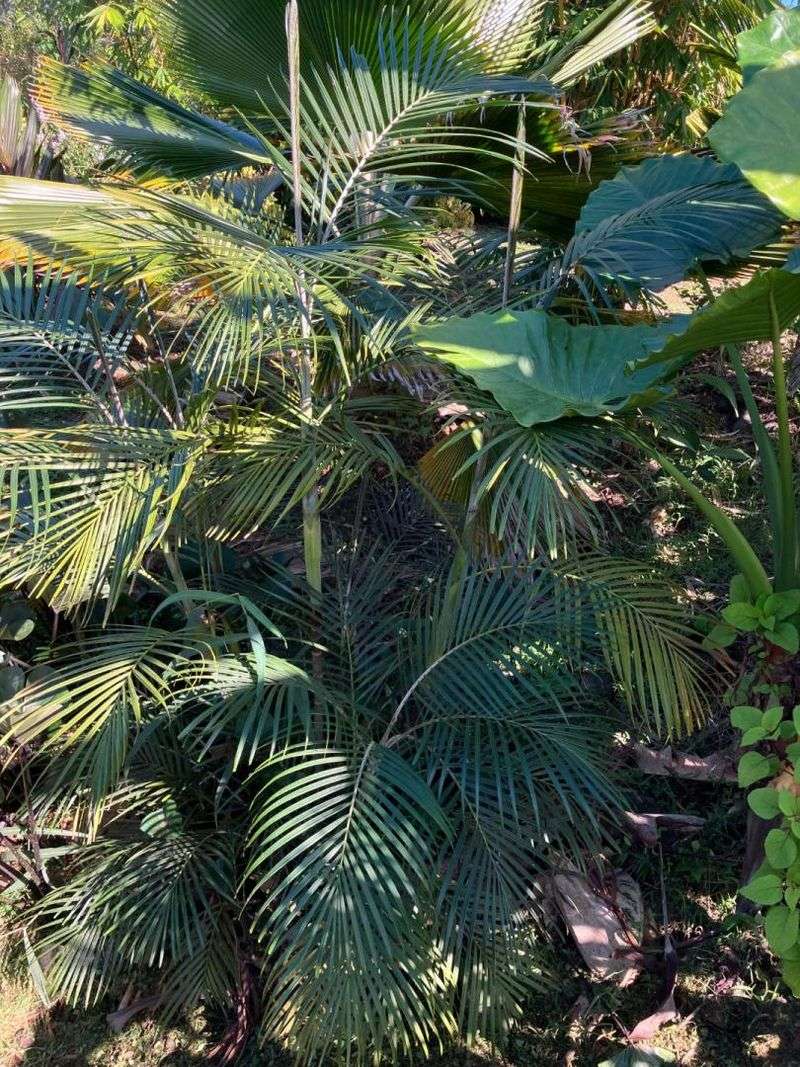
The storm can leave the palm upright while the real trouble sits below your shoes.
A yard may lose every puddle by afternoon and still hold soaked soil around the root zone. Heavy rain fills soil pores with water, which leaves less room for the oxygen roots need. Poor drainage can stretch that stress well beyond the storm itself.
Check the soil before the sprinkler joins the party.
Push a finger, trowel, or soil probe a few inches down near the root area. Moist soil after a major storm needs time, not another automatic drink.
Pause irrigation until the root zone starts to lose excess moisture.
Yellow leaves can tempt you toward a bag of fertilizer. Hold that thought. Water stress below ground can create symptoms that look like a nutrition problem above ground.
More fertilizer does not drain a soggy yard.
Recently planted palms deserve extra attention because their root systems have less reach. Established palms may handle short wet periods better, but species and site conditions still make a difference.
Notice repeat puddles too.
One storm can create temporary saturation. The same swampy patch after every summer downpour points toward a drainage problem that deserves a long-term fix.
Your irrigation controller does not get bonus points for perfect attendance.
After Florida supplies several inches of water for free, let the sprinkler take a personal day. The palm’s roots may appreciate the quiet.
6. Treat Saltwater Like The Uninvited Guest It Is
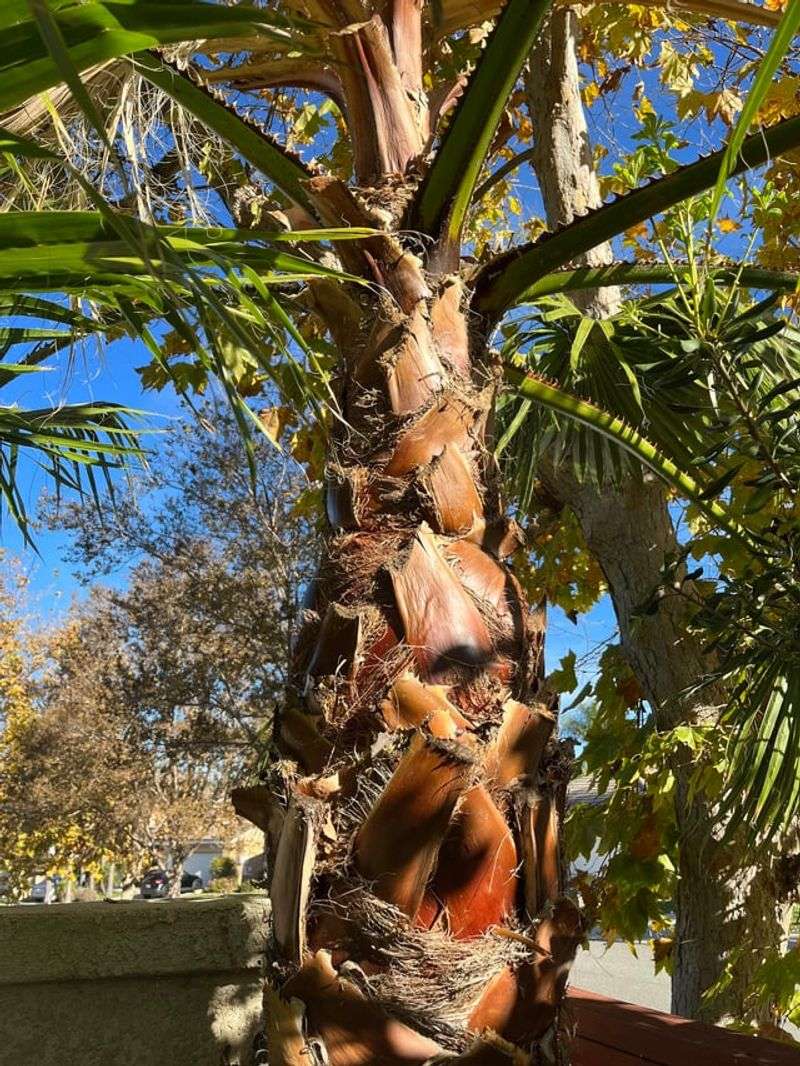
Coastal palms can finish a storm with no dramatic breakage and still show trouble days later.
The clue often starts at the leaf tips.
Storm surge and brackish floodwater can leave salts in the soil after visible water disappears. That extra salinity can stress roots, and brown leaf tips may show up later rather than during the storm itself.
That delay can make the damage feel mysterious.
You cleaned the patio. The street dried. The palm looked decent. Then the fronds started to brown from the edges.
First, make sure the site can drain.
Fresh water can help move salts deeper through the soil profile once excess floodwater has left the root zone. Pouring more water onto soil that still resembles soup only trades one problem for another.
Natural rainfall may help with the same process over time.
Watch new growth and the overall canopy during the next several weeks. Continued decline, severe crown changes, or a site that stays salty and poorly drained deserves professional advice.
Salt spray on foliage and saltwater around roots are not the same challenge.
A palm with decent coastal tolerance may still react to a major dose around its root system.
The ocean may have visited your yard without an invitation.
Once it leaves, do not let its salty souvenir fool you. Check drainage first, then help the soil move that excess salt along.
7. Prune The Hazard, Not Half The Palm
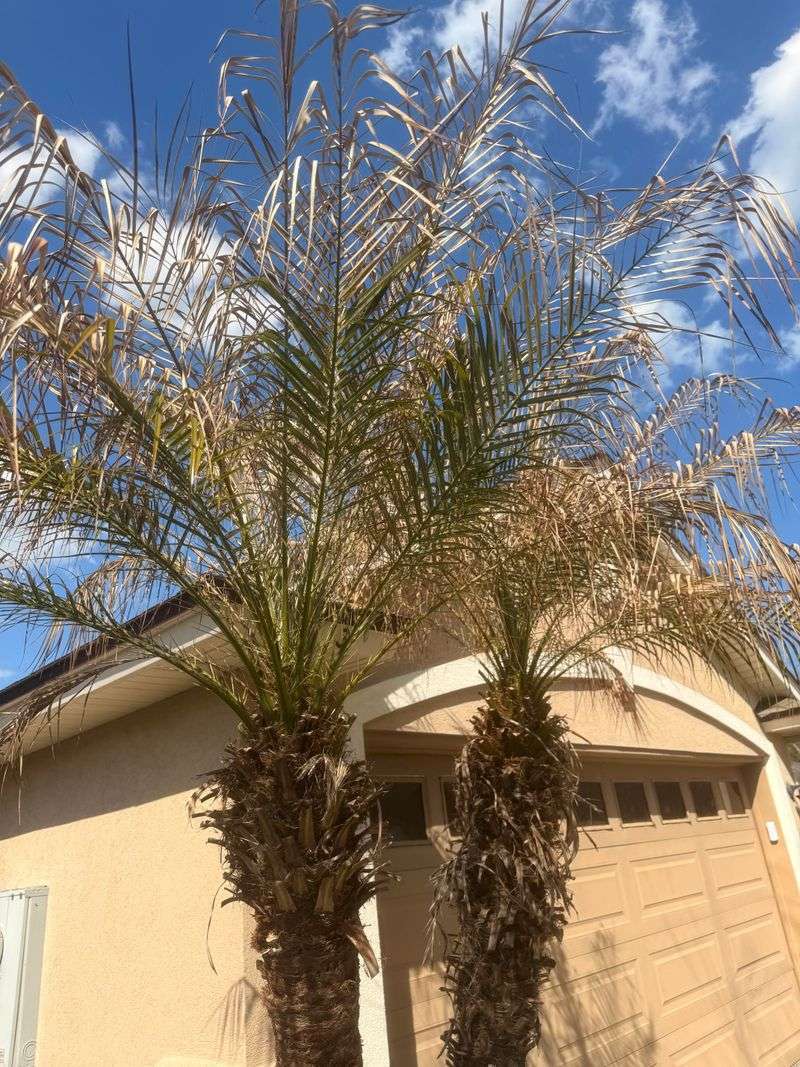
Storm cleanup can turn into a haircut contest faster than you expect.
One broken frond comes off. Then another looks untidy. Soon the palm has three leaves at the top and the cleanup crew feels very productive.
That is not the goal.
Post-storm pruning should focus on real hazards and foliage that has turned fully brown. Green or partly green fronds still support the palm, so a rough appearance alone is not a strong reason to remove them.
Severe hurricane cuts can weaken the crown and reduce the leaf area the palm needs.
Keep the job selective.
Remove loose or broken fronds that threaten people, cars, roofs, or walkways. Leave secure green leaves in place. Make clean cuts near the frond base without slicing into trunk tissue.
Do not rip stubborn fronds away.
Sanitize tools between palms to reduce the chance of moving disease from one plant to another.
Tall palms add another layer of risk.
Work near power lines, roofs, or unstable crowns belongs with trained professionals who have the right equipment. A ladder and post-storm confidence make a terrible team.
Your palm does not need a makeover before sunset. It needs enough healthy foliage to recover and a yard free of overhead hazards.
Trim for safety, not applause. The palm can fix its own hairstyle later.
8. Give Damaged Palms Months To Show Recovery
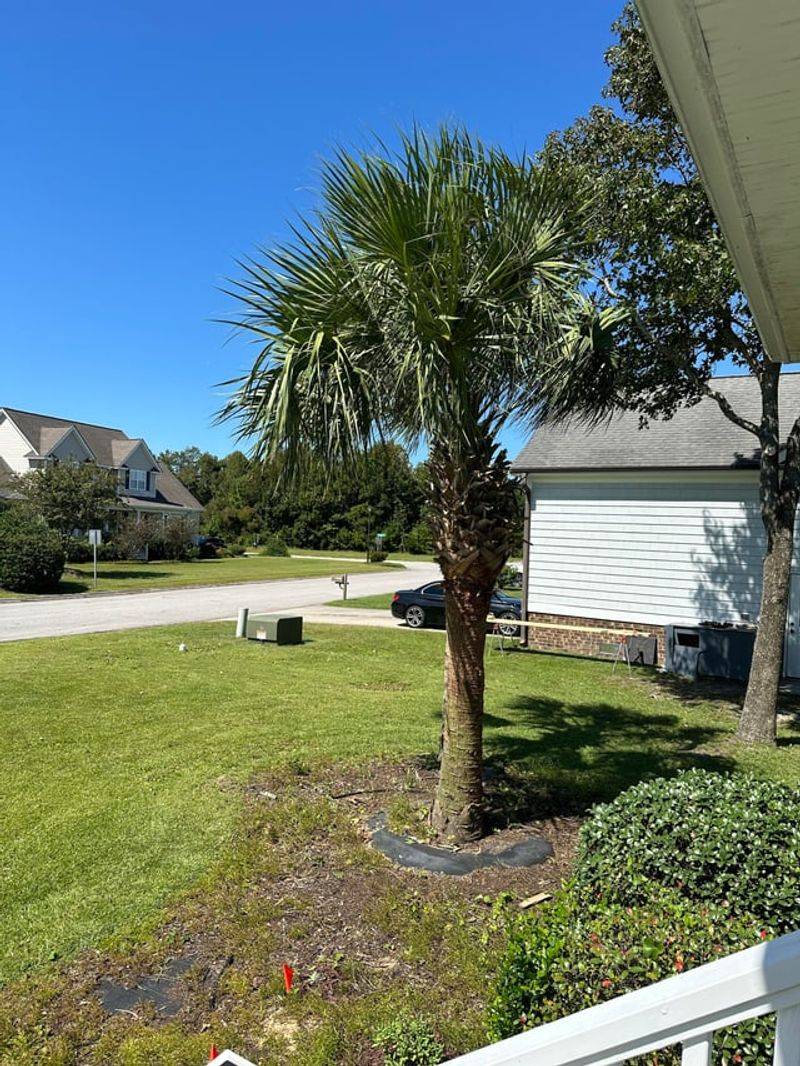
Storms leave fast. Palms can take their sweet time with the comeback.
A battered crown may push one strange new leaf weeks later. That leaf can look narrow, pale, twisted, or smaller than normal. Odd first growth does not automatically mean the palm has failed to recover.
Patience matters because palms can reveal their condition slowly.
For many storm-damaged palms, six months or more may pass before recovery becomes clear. Some species can rebuild a canopy sooner. Others may need a year or longer, especially after severe damage.
Use the newest leaves as your progress report.
Take photos from the same angle. Watch the central spear. Note new color, shape, and expansion. Those small changes tell you more than the battered leaves left from storm day.
Keep water tied to actual soil moisture and rainfall.
Avoid a sudden fertilizer blitz on a stressed palm. A palm that had to cope with wind, saturated soil, or root movement does not need another dramatic event from the spreader.
Also watch for delayed changes in the crown or trunk.
Soft areas, major discoloration, new instability, or a crown that continues to worsen deserve professional attention.
Your calendar may say the storm happened months ago.
The palm does not care.
Give it room to show you what comes next. Recovery is less like a sprint and more like Florida traffic. Progress happens, just not always on your preferred schedule.