Finding A Praying Mantis On Your Massachusetts Tomatoes Is No Coincidence

Something green and angular sits motionless on your tomato stalk, watching you longer than you’d expect from any backyard visitor. It doesn’t flinch. It doesn’t scatter.
Massachusetts gardeners run into this particular guest most often in August, right when the vines grow heaviest and the insect population peaks. Its choice of a tomato plant follows a pattern, not luck.
Most people reach for the hose or brush it off the leaf without a second thought. That instinct says more about the gardener than the creature, and it often costs a harvest of ripe fruit later in the season.
What this small hunter reveals about your soil, the pests you’ve never noticed, and the choices you made back in May is worth knowing before you touch a single leaf.
Mantises Signal A Balanced Garden Ecosystem
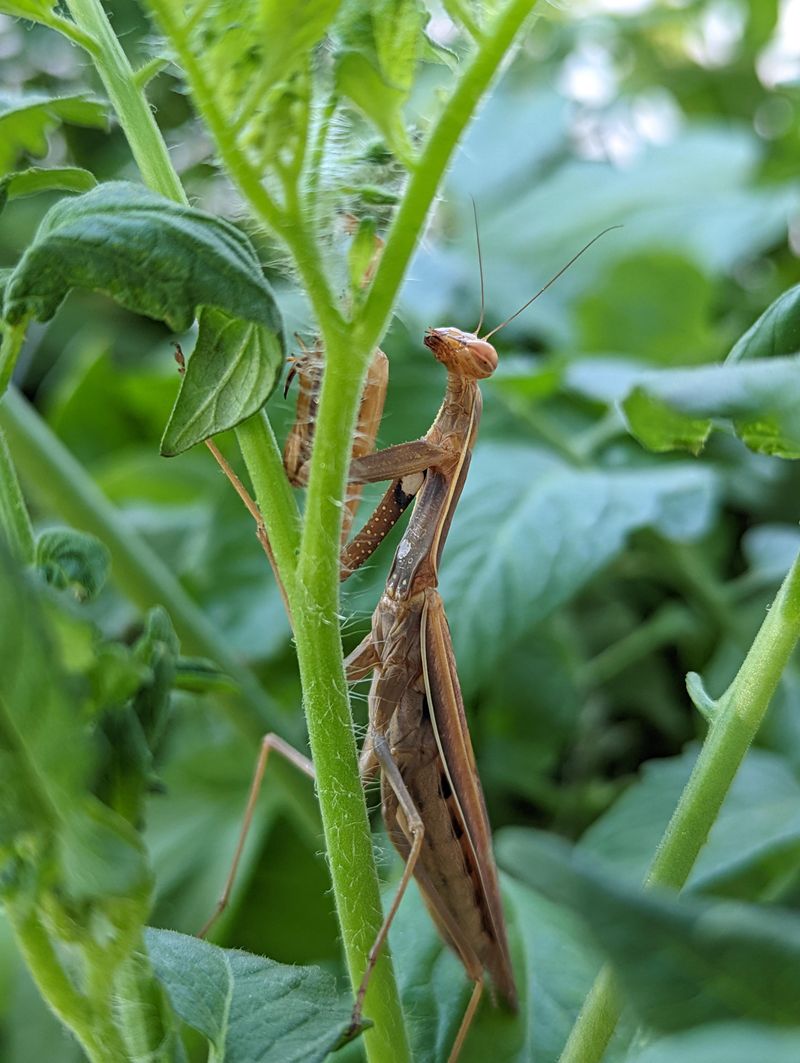
A praying mantis shows up when the garden is working right. Spotting one on your tomatoes means your yard has reached a rare kind of balance.
These insects are apex predators of the garden world. They tend to thrive where food is plentiful and conditions feel safe.
A balanced ecosystem means multiple species coexist without one group taking over. Mantises sit at the top of that insect food chain.
This visitor doesn’t show up by chance. Its arrival tracks directly with how well your garden ecosystem is functioning.
Biodiversity is the key word here. When you have a wide variety of plants, you attract a wide variety of insects.
More insect variety means more food sources for a mantis. More food sources mean mantises stick around longer.
Gardens with heavy pesticide use rarely host these predators. Chemicals reduce the prey population fast, and mantises move on just as quickly.
A single mantis can work through a steady number of harmful bugs over the course of a week. That kind of natural pest control is genuinely priceless for a home gardener.
Think of the mantis as a living report card for your garden. An “A” grade means your ecosystem is humming along beautifully.
Encourage this balance by planting diverse flowers alongside your vegetables. Variety above ground creates a thriving world beneath it too.
Tomato Plants Attract The Insects Mantises Hunt
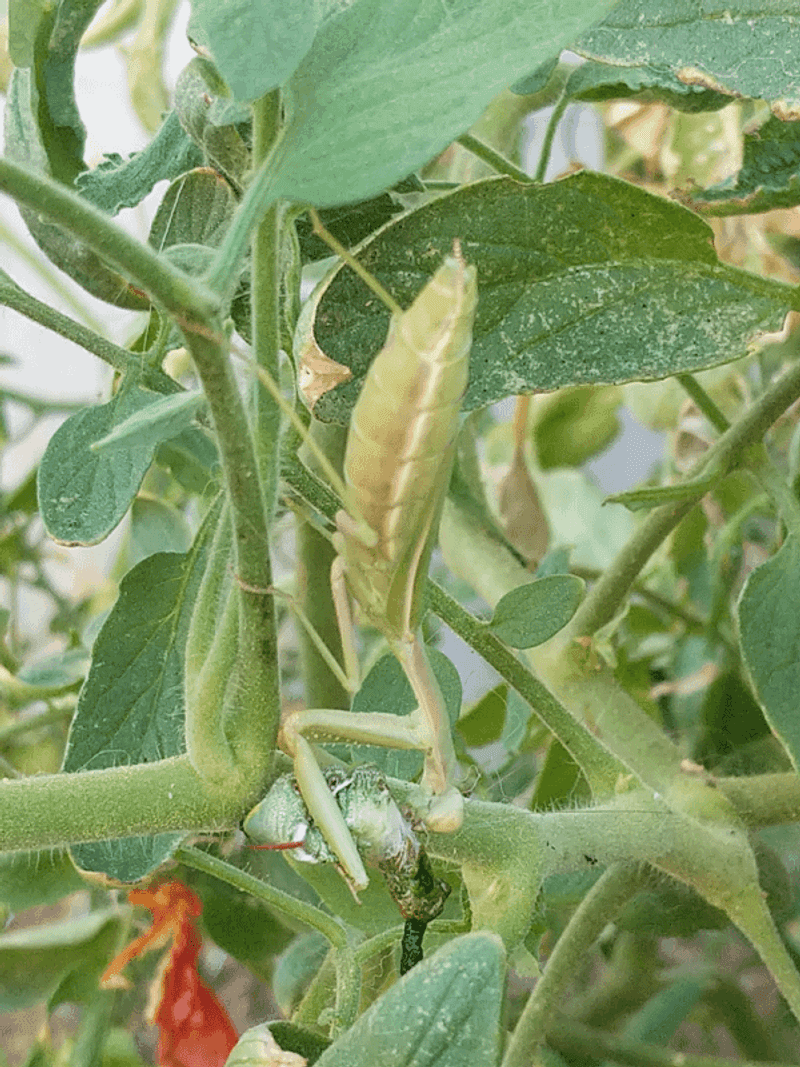
Tomato plants are basically a buffet sign for the insect world. Aphids, hornworm caterpillars, and whiteflies all flock to those sticky, fragrant leaves.
A mantis notices this crowd and heads straight for it. Where pest insects gather, a smart predator is never far behind.
Tomato hornworms are one of the most destructive pests in any backyard garden. A single mantis can take one down with surprising speed and precision.
Aphids cluster on new tomato growth and weaken the plant over time. Mantises pick them off steadily, protecting your harvest without any effort from you.
The scent of tomato plants also draws moths that lay damaging eggs on leaves. Mantises intercept those moths before the eggs ever get a chance to hatch.
The tomato plant itself explains the timing. A hunting ground stocked with prey pulls predators in without any extra effort from you.
Your Massachusetts Garden Changes Every Week. Your Plan Should Too.
Gardening in Massachusetts changes quickly throughout the season. Every Friday you’ll receive a simple weekly plan showing exactly what to plant, prune, fertilize, harvest, and protect so you never miss the right timing.
Whiteflies are another common tomato pest that mantises target regularly. These tiny bugs can devastate a plant fast, but a mantis keeps numbers in check.
Stink bugs also love tomatoes and cause serious fruit damage. A mantis will ambush them from the underside of leaves with impressive patience.
Your tomato bed is essentially a five-star restaurant for a hungry mantis. Knowing that makes the relationship between plant and predator feel almost poetic.
Massachusetts Gardens Provide Ideal Mantis Habitat
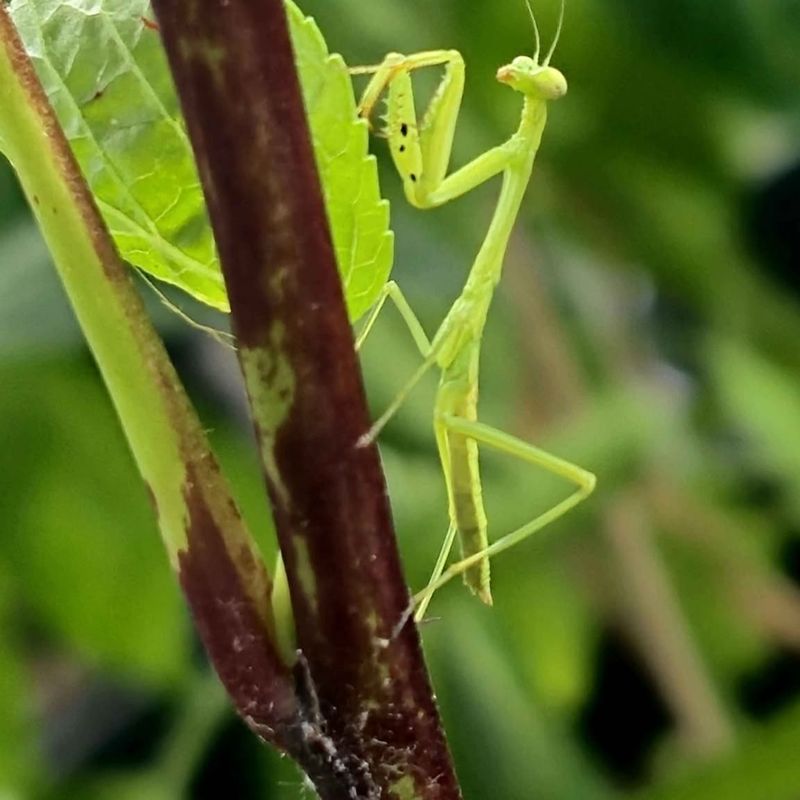
New England summers create a surprisingly favorable environment for mantises. Warm, humid conditions from June through September align closely with what these insects need to thrive.
The region’s mix of woodland edges and cultivated gardens gives mantises plenty of territory. They move easily between wild shrubs and planted beds.
Native grasses and perennial flowers found across the state offer excellent cover for egg cases. Mantises choose sheltered spots that survive harsh winters, and New England has plenty of those.
Dense plantings of tomatoes, peppers, and herbs create layered habitat that mantises love. Tall plants provide hunting perches while low ground cover offers hiding spots.
The state’s relatively mild summer nights keep mantises active later into the season. Cooler fall temps actually slow predators down, giving mantises a brief competitive edge.
Geography plays a bigger role here than most gardeners realize. Suburban yards blended with semi-wild edges form a corridor mantises travel with ease.
Stone walls, wooden fences, and raised garden beds all serve as mantis highways. These structures warm up in the sun and attract the insects mantises hunt.
Many homeowners unknowingly create perfect habitat just by gardening casually. Leaving a few weedy patches near your beds actually helps mantises find shelter.
The Bay State’s gardening culture, with its love of heirloom tomatoes and organic methods, sets the stage perfectly. Your garden fits right into that welcoming picture.
Mantis Egg Cases Often Overwinter Near Tomato Beds
That mantis on your tomatoes did not just wander in from nowhere. Chances are good that it hatched just a few feet away from where you spotted it.
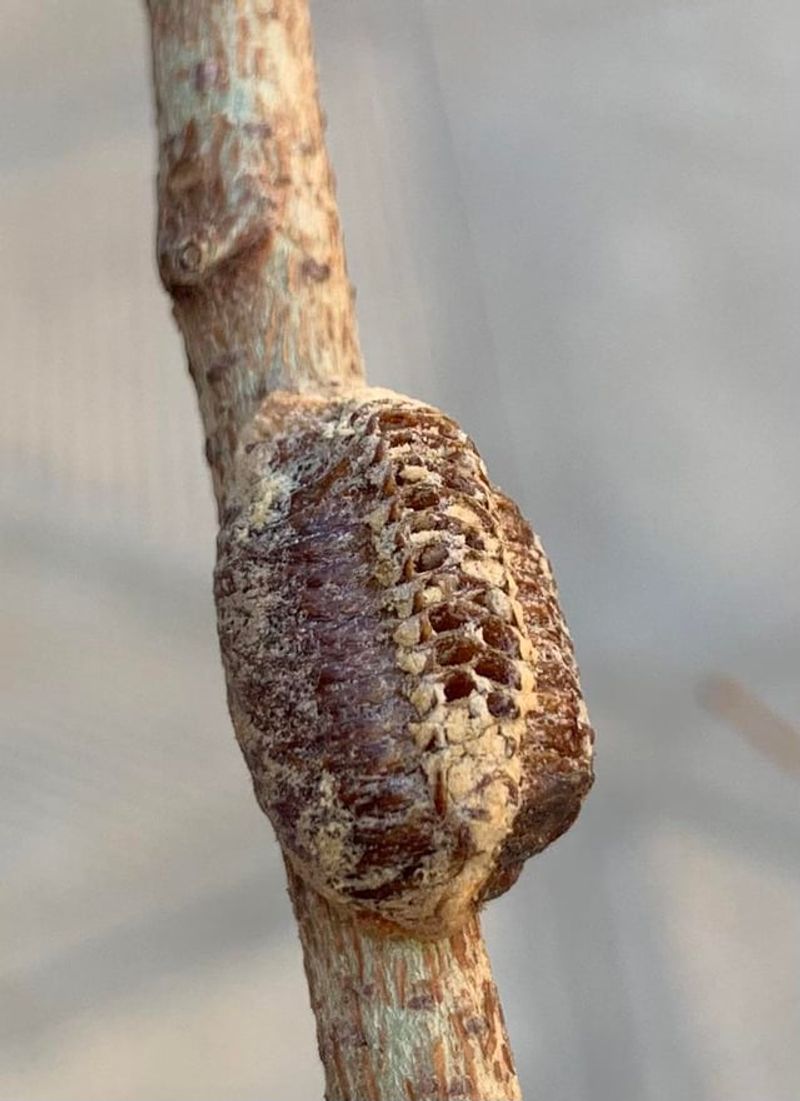
Female mantises lay foam-covered egg cases called oothecae in late summer. These cases harden into a protective shell that survives cold winters with ease.
Tomato cages, wooden stakes, and dried plant stems are favorite attachment spots. Gardeners often unknowingly leave these structures up through winter, protecting the eggs inside.
Each egg case can hold anywhere from 50 to 200 eggs. Come spring, hundreds of tiny mantises hatch right next to your garden beds.
Those hatchlings immediately begin hunting small insects near the soil surface. By midsummer, they have grown large enough to tackle the pests on your tomato plants.
The life cycle explains the repeat visits. A garden that sheltered the eggs over winter ends up feeding the very adults it produced.
Leaving old tomato cages and plant debris in place through winter accidentally supports this cycle. Many gardeners clean up too aggressively and unknowingly remove egg cases.
A smart move is to check stems and cages carefully before tossing them in fall. If you spot a tan, papery lump, leave it right where it is.
That humble little case is next summer’s pest control team waiting to hatch. Protect it, and the garden rewards you all season long.
Their Presence Points To Reduced Pesticide Use
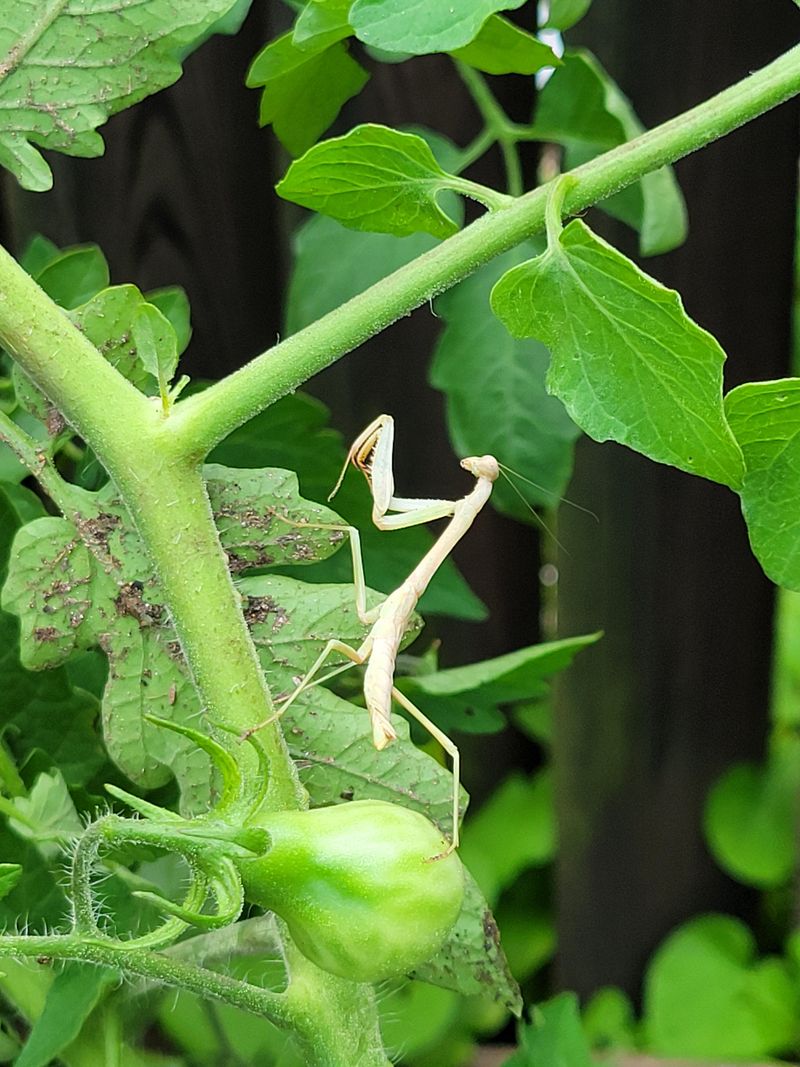
Seeing a mantis in your garden is basically a badge of honor. These insects tend to avoid gardens where chemical sprays have reduced their food supply.
Broad-spectrum pesticides do not just target harmful bugs. They reduce much of the insect community, including the prey that mantises depend on for survival.
A garden that skips synthetic sprays quickly becomes richer in insect life. More insect life draws in predators like mantises almost automatically.
Organic gardeners in the region report mantis sightings far more often than conventional growers. The connection between reduced chemical use and predator presence is hard to ignore.
Even one pesticide application can clear out a mantis population for an entire season. Recovery takes time because prey populations must rebuild before predators return.
Organic habits tend to explain sightings like this one. Your choices built a space where this predator can actually stick around.
Neem oil and insecticidal soap are gentler options that target specific pests. These products leave enough of the broader insect community intact for mantises to keep hunting.
Companion planting with basil, marigolds, and dill naturally deters many tomato pests. Fewer chemical interventions mean the food web stays intact for beneficial predators.
A mantis on your tomatoes is quiet proof that your methods are working. That sighting is the garden’s way of saying thank you for keeping things clean.
Simple Ways To Keep Mantises Around
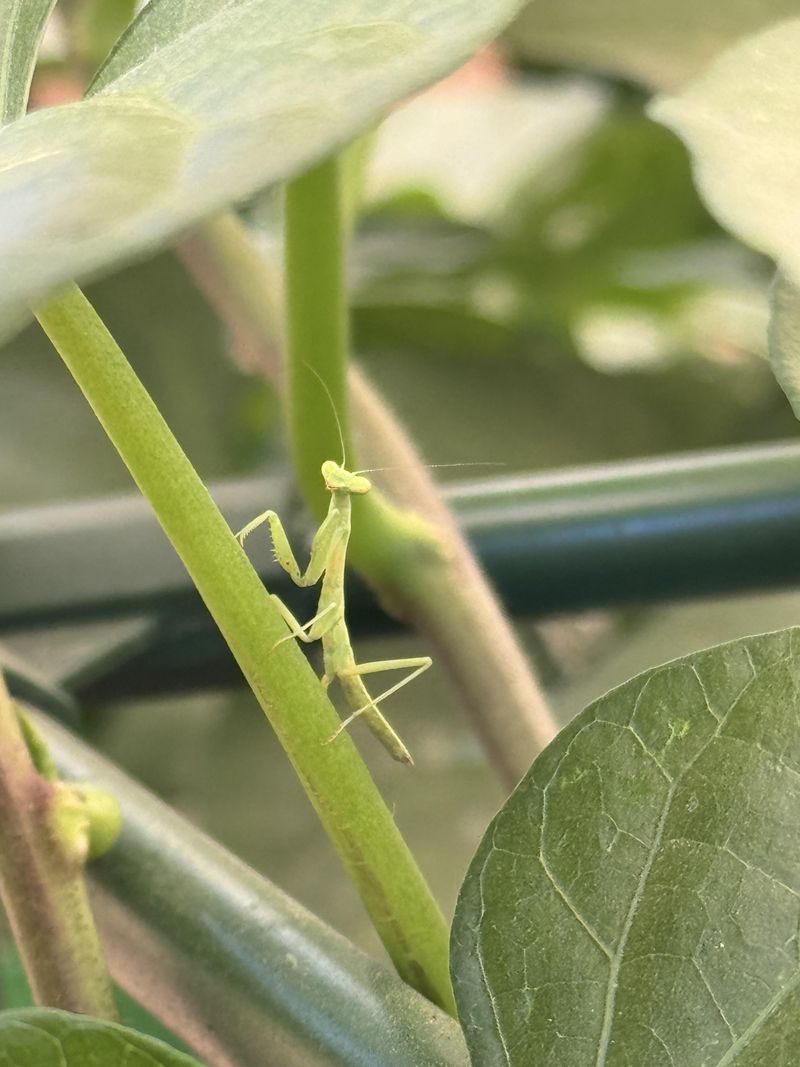
Keeping mantises in your garden is easier than most people think. A few small changes to your routine can make your yard a permanent home for these hunters.
Start by leaving some plant stems standing through winter instead of cutting everything back. Dried stems and old cages give female mantises safe spots to attach their egg cases.
Add a row of native flowering plants along the border of your tomato bed. Flowers like goldenrod and black-eyed Susan attract the small insects that young mantises eat first.
Avoid turning on bright lights near your garden at night. Artificial lighting disrupts insect behavior and can scatter the prey populations mantises rely on after dark.
Water your garden in the morning rather than the evening. Wet foliage at night attracts slugs and disrupts the insect balance that supports mantis hunting patterns.
Building the right environment is what keeps this pattern going. A little intentional planning goes a long way toward keeping mantises around season after season.
Purchase mantis egg cases from reputable garden suppliers if you want to jumpstart a population. Place them near your tomato beds in early spring for best results.
Skip the leaf blower near garden beds and let some natural debris accumulate. Leaf litter shelters the small insects that form the base of the mantis food chain.
Treat your garden like a neighborhood, not just a food source. When every creature has a role, the system keeps working with little help from you.