These Colonial Garden Habits Are Trending In Massachusetts Backyards
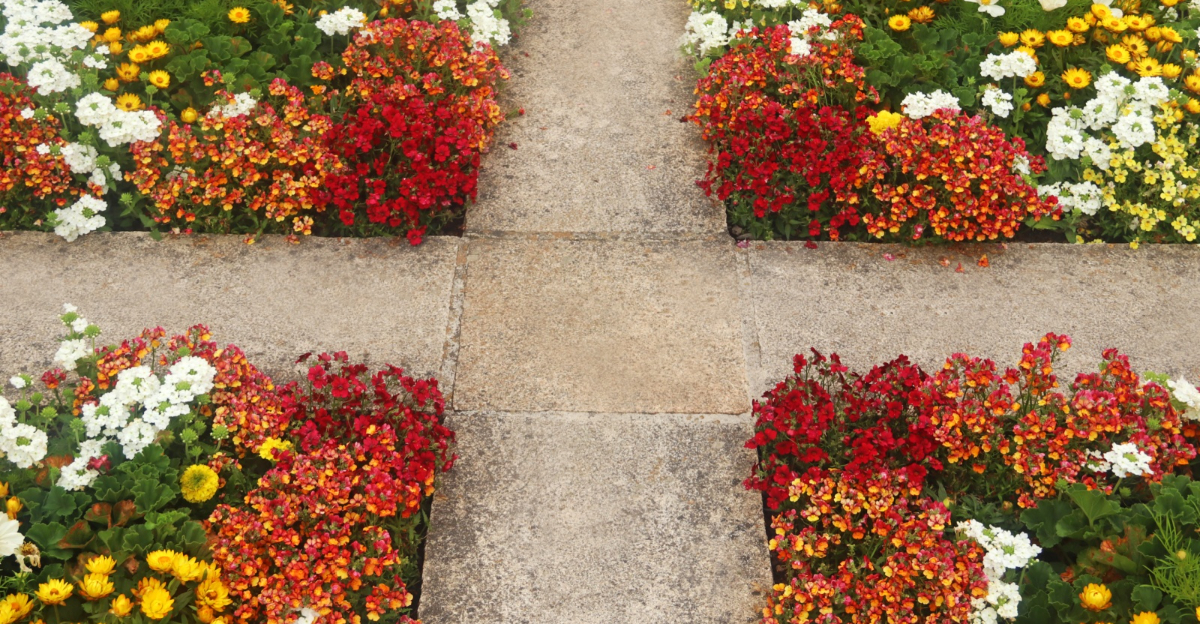
There’s a noticeable shift happening in backyards from Cape Cod to the Berkshires. Gardeners are trading trendy raised beds and manicured lawns for something older and sturdier.
It’s the layout logic of colonial settlers, and it’s frankly smarter than most modern approaches. In Massachusetts, some of the oldest kitchen gardens in the country still leave traces in the soil.
Homeowners are studying these old farmstead patterns like they’re reading a lost recipe. Maybe they are. These weren’t decorative gardens.
Every row, border, and companion planting choice served a purpose. Food, medicine, pest control, and getting through a long winter all depended on smart design.
That practicality is exactly what’s pulling people back in. A Massachusetts backyard today might look nothing like it did in 1750. But the bones underneath are the same.
The structure, the intention, the respect for what the land can actually support are proving impossible to improve on. Here are ideas worth borrowing.
1. Symmetrical Beds Along A Central Axis
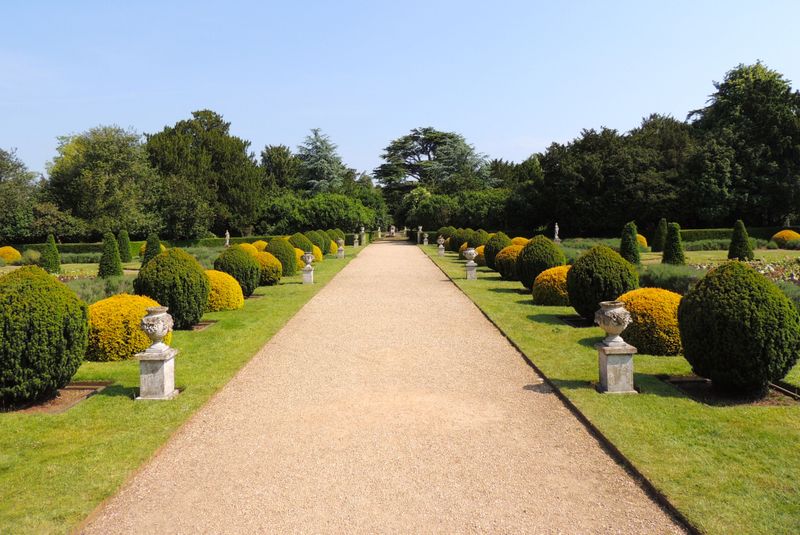
Order and beauty can exist in the same garden bed. Colonial gardeners understood this deeply, and symmetrical planting beds along a central axis were their signature move.
A central axis is simply a straight line through the middle of your yard. Everything you plant mirrors itself on each side of that line.
Think of it like folding a piece of paper in half. Whatever grows on the left must have a matching twin on the right.
This layout was not just about looks. It made weeding, watering, and harvesting far more efficient for busy colonial families.
You do not need a grand estate to pull this off. Even a modest backyard can feel elegant with two matching rectangular beds flanking a central path.
Start with a simple rope and stakes to mark your axis. Then build your beds outward from that center line, keeping measurements equal on both sides.
Choose plants with bold shapes for the outer edges. Tall grasses, boxwood shrubs, or upright perennials work beautifully as anchor plants.
Fill inner sections with lower-growing herbs or flowers. Lavender, thyme, and marigolds are all historically accurate and visually striking.
Photographs of preserved colonial-style gardens in Boston show this exact pattern repeated across dozens of historic properties. The style never really left, it just waited for the right moment to return.
Once your axis is set, every future planting decision becomes easier and more intentional. Symmetry gives your garden a backbone that never goes out of style.
2. Straight Gravel Or Brick Pathways

Nothing says old-world charm quite like a straight brick path cutting through a garden. Colonial settlers built these walkways with purpose, and today they are showing up in backyards from Concord to Cape Cod.
Straight pathways serve a practical function first. They give you dry footing during wet New England springs and guide visitors naturally through your outdoor space.
Brick was the premium colonial choice, often salvaged from local kilns or repurposed from older structures. Gravel was the budget-friendly alternative, and both options hold up beautifully today.
Your Massachusetts Garden Changes Every Week. Your Plan Should Too.
Gardening in Massachusetts changes quickly throughout the season. Every Friday you’ll receive a simple weekly plan showing exactly what to plant, prune, fertilize, harvest, and protect so you never miss the right timing.
You can source reclaimed brick from local salvage yards for an authentic aged look. Crushed granite or pea gravel also deliver that colonial aesthetic at a lower price point.
Keep your path width between 24 and 36 inches. That width is wide enough for two people to walk side by side without crushing the garden edges.
Edging matters as much as the path material itself. Low metal strips, stone borders, or planted thyme along the edges keep gravel in place and add a finished look.
Straight paths also reinforce the symmetrical bed layout many colonial gardeners favored. The two design choices work together like a well-matched pair.
Maintenance is refreshingly simple once the path is laid. Top off gravel once a year and pull any weeds that push through before they take hold.
A well-placed path transforms how your yard feels underfoot and overhead. Walk it once at golden hour and you will understand why colonists never looked back.
3. Low Hedges Or Fences Enclosing The Yard
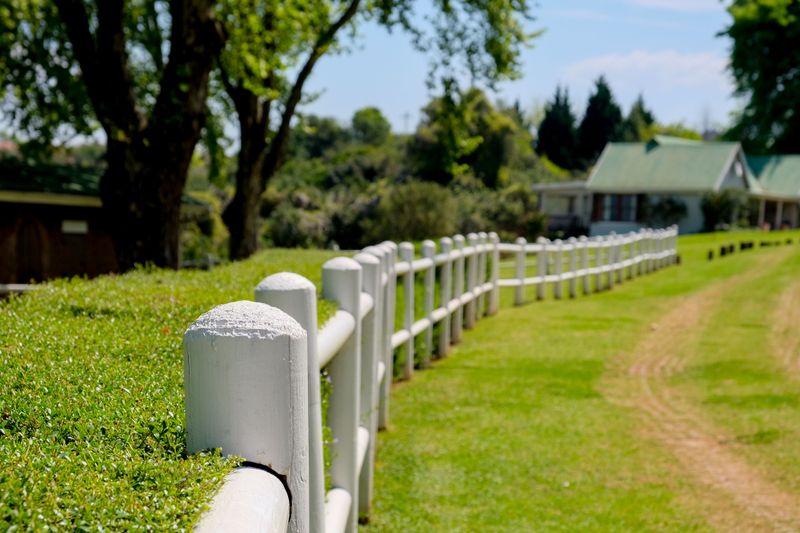
Early settlers understood that a garden without boundaries is just a field. Low hedges and simple wooden fences gave colonial yards definition, privacy, and a tidy sense of order that still looks sharp today.
Boxwood was the hedge of choice in historic New England gardens. Its dense, slow-growing form holds a clipped shape beautifully through all four seasons.
White picket fences were equally common and deeply practical. They kept livestock out of kitchen gardens while signaling property lines to neighbors in a friendly, non-aggressive way.
You do not need a six-foot privacy fence to achieve this colonial look. A knee-high hedge or a simple 36-inch picket fence creates the same sense of enclosure without feeling imposing.
For hedges, consider American arborvitae or inkberry holly as native alternatives to traditional boxwood. Both handle cold winters with ease and require minimal shaping once established.
Wooden fences should be painted white or left natural with a weatherproof stain. Either finish ages gracefully in the New England climate without constant upkeep.
Mixing hedges with fence sections adds visual texture and historical accuracy. Many colonial properties combined both materials depending on which part of the yard needed defining.
Plant your hedge at least 18 inches inside your property line. That small buffer gives roots room to spread without encroaching on a neighbor’s space.
A well-enclosed yard feels intentional and inviting at the same time. Boundaries, it turns out, are what make a garden feel like a true retreat.
4. Growing Lilacs For Cold-Climate Hardiness
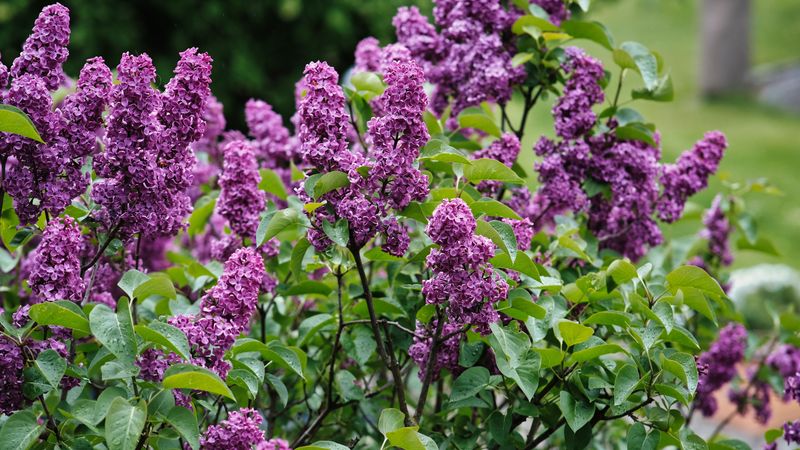
Few plants carry as much New England nostalgia as a lilac bush in full bloom. That purple cloud of fragrance drifting across a May afternoon is a well-known regional favorite.
Colonial settlers brought lilacs from Europe in the 1700s and planted them as windbreaks and property markers. Many of those original bushes are still alive and blooming on historic properties today.
Lilacs thrive in cold climates because they need a hard winter chill to set their flower buds. The harsh Massachusetts winters that frustrate other gardeners actually make lilacs stronger and more floriferous.
Common lilac, Syringa vulgaris, is the classic choice and the most cold-hardy variety available. It grows in USDA zones 3 through 7, which covers nearly all of New England with room to spare.
Plant lilacs in full sun for the best bloom production. A spot with at least six hours of direct sunlight per day will reward you with hundreds of fragrant clusters each spring.
Well-drained soil is essential for long-term health. Lilacs planted in soggy spots develop root rot quickly, so raised beds or sloped planting areas work best in low-lying yards.
Pruning should happen right after blooming ends. Cutting back old stems immediately after flowering gives the plant a full growing season to set next year’s buds.
Do not over-fertilize your lilac with nitrogen-heavy products. Too much nitrogen pushes leafy growth at the expense of the flowers you actually want.
One established lilac bush can perfume an entire backyard for decades. Plant one this season and your grandchildren may enjoy it too.
5. Planting Bearded Iris In Old Homestead Beds
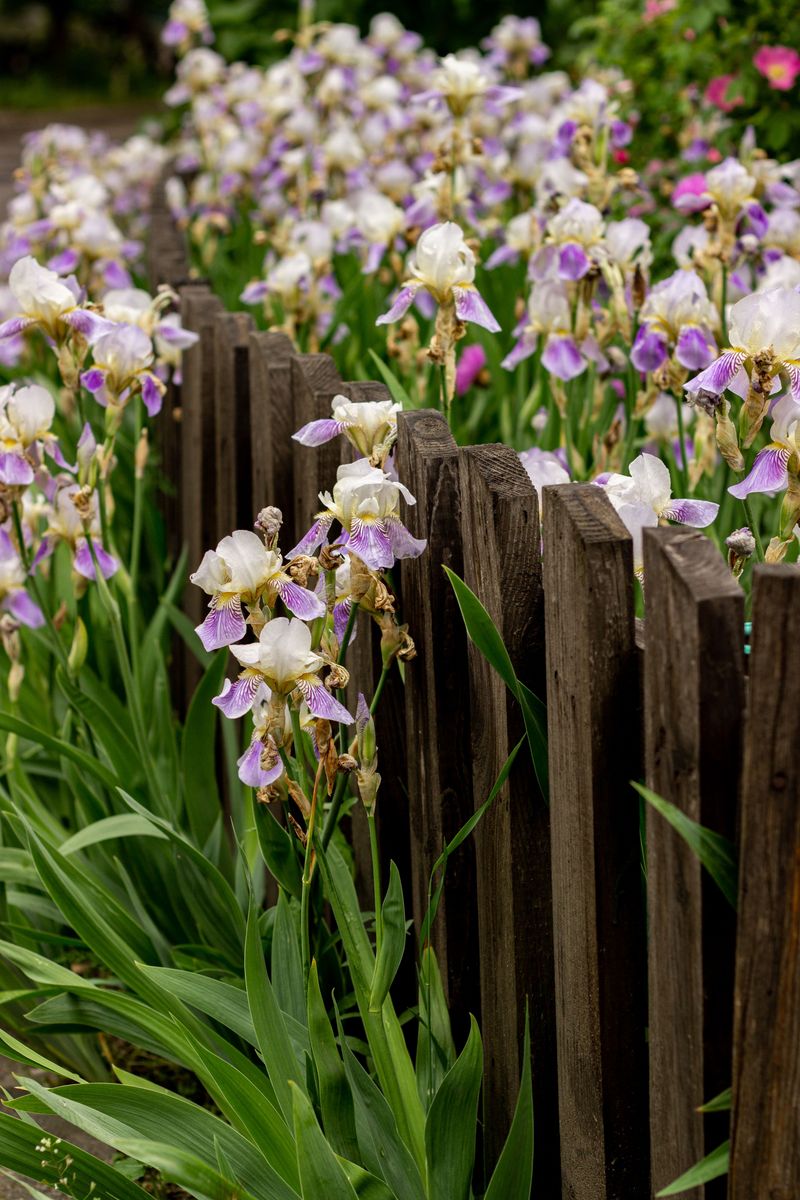
Bearded iris has been growing in American gardens since before the Revolution, and its comeback in Massachusetts yards feels completely earned. These bold, ruffled blooms look like something painted by an old master.
Colonial homesteaders valued iris for more than beauty. The roots, called rhizomes, of certain iris species were dried and ground into orris powder, a natural fixative used in sachets and early perfumes.
That dual purpose made bearded iris a practical addition to any self-sufficient homestead. Beauty and utility living side by side is a very colonial way of thinking about plants.
Modern gardeners are rediscovering that same logic. Bearded iris asks for almost nothing in return for its spectacular late-spring show.
Plant rhizomes in late summer or early fall for blooms the following year. Set them just at the soil surface so the top of the rhizome catches sunlight, which is essential for healthy flowering.
Choose a spot with full sun and excellent drainage. Iris rhizomes sitting in wet soil will rot before they ever get the chance to bloom.
Divide clumps every three to four years to keep plants vigorous. Overcrowded iris beds produce fewer flowers and become more vulnerable to the iris borer pest.
Tall bearded varieties grow up to three feet and make dramatic focal points in formal colonial-style beds. Shorter border varieties work well as edging plants along brick or gravel pathways.
Few plants deliver as much visual drama for as little effort as bearded iris. Plant a handful this fall and enjoy the results next June.
6. Mixing Herbs, Vegetables, And Flowers Together
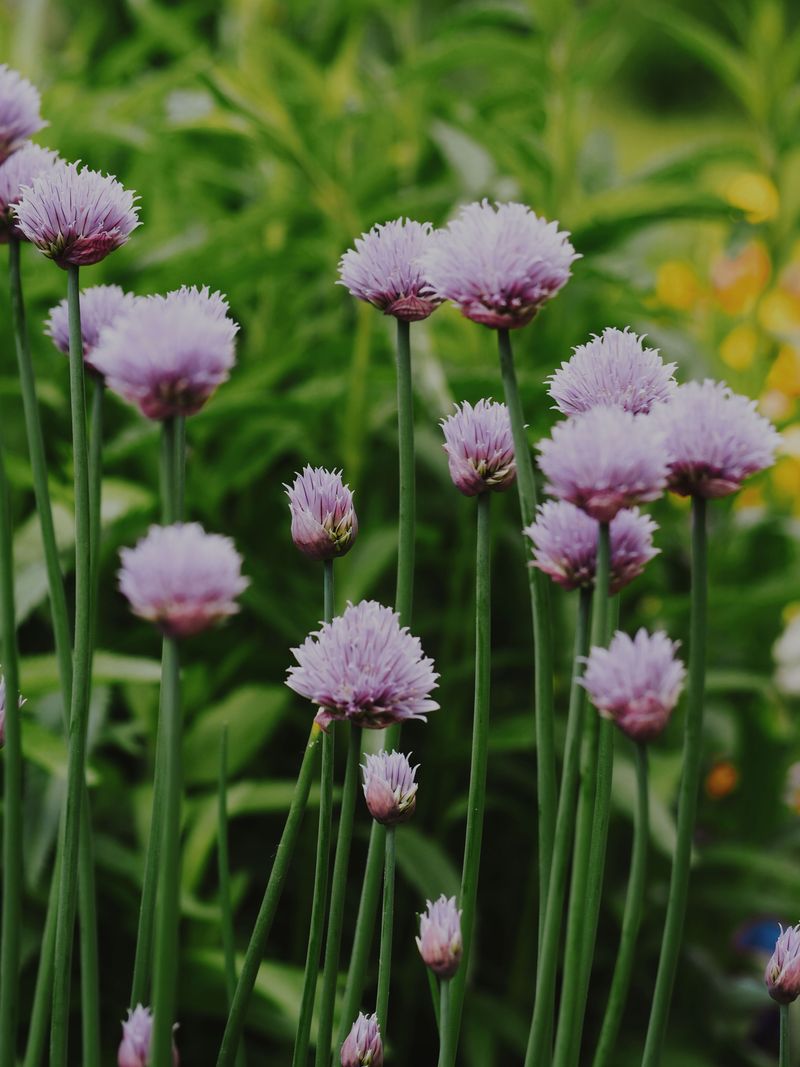
Colonial gardeners never sorted plants into neat, separate categories the way modern gardeners often do. Herbs, vegetables, and flowers all shared the same bed, and the results were both productive and stunning.
This mixing style, sometimes called potager gardening, has French roots but was widely practiced across early American settlements. Necessity drove the design, and beauty followed naturally.
Planting marigolds next to tomatoes, for example, is a traditional method believed to help deter certain pests without chemical sprays.
Nasturtiums tucked between kale leaves are commonly used as a trap crop to help draw aphids away from more valuable crops.
Basil planted near peppers is traditionally believed to improve the flavor of both, according to generations of kitchen gardeners who practiced companion planting long before it was studied. Many gardeners swear by the results.
Start small if this style feels overwhelming. Pick one raised bed and commit to mixing at least three plant types before expanding to the rest of your yard.
Tall plants like fennel or dill go in the back of the bed. Medium-height vegetables like lettuce and chard fill the middle, and low-growing herbs or flowers edge the front.
Color matters as much as function in a mixed bed. Deep purple basil next to bright orange nasturtiums next to green parsley creates a visual feast that is also a working ecosystem.
Succession planting keeps a mixed bed productive from spring through fall. As one crop finishes, tuck a new seedling into the gap without disrupting neighboring plants.
A mixed bed is the most alive thing in any garden. It hums with insects, smells incredible, and feeds you all at once.
7. Keeping Kitchen Gardens Close To The House
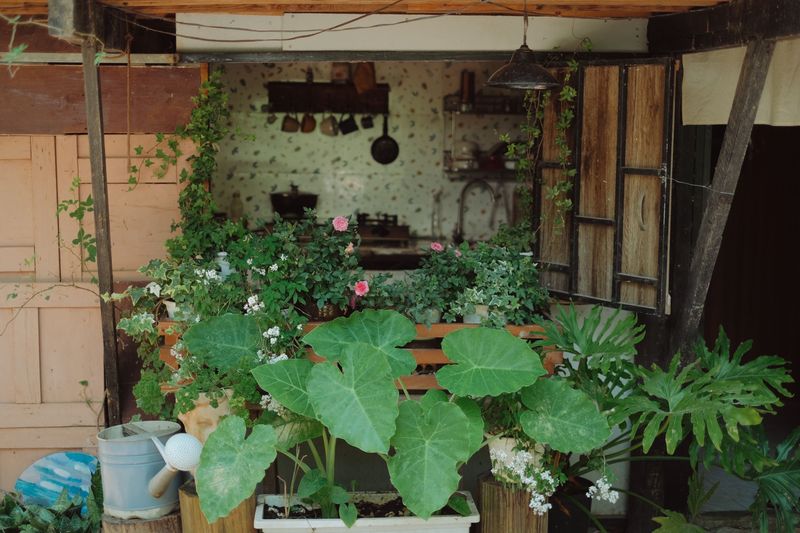
Convenience was everything to colonial cooks, and they solved the problem brilliantly. By planting kitchen gardens just steps from the back door, they cut the distance between garden and pot to almost nothing.
A kitchen garden within ten feet of your back door changes how you cook. You stop substituting dried herbs because fresh ones are always an arm’s length away.
Colonial homemakers in New England typically planted parsley, sage, rosemary, and thyme in small beds directly outside the kitchen entrance. Sound familiar?
Those herbs ended up in a very famous song for a reason.
Proximity also means you actually tend these plants regularly. When a garden is far from the house, it gets visited less often, and small problems become large ones quickly.
Raised wooden beds are the most practical format for a close-to-the-house kitchen garden. They keep soil loose and well-drained, and they prevent muddy footprints from tracking inside after harvest.
Keep beds narrow enough to reach the center from either side without stepping in. A width of four feet is the golden standard for comfortable, strain-free harvesting.
Frame your kitchen garden with low edging plants that double as culinary ingredients. Chives, creeping thyme, and compact parsley all work as living borders that you can snip into dinner.
Label your beds with simple wooden markers in the first season. Once you know your layout by heart, the markers can come down and the garden speaks for itself.
A kitchen garden near the house is one of those colonial habits that makes you wonder why anyone ever stopped doing it. Start small, stay close, and harvest often.
8. Using Native Groundcover Like Bearberry On Slopes
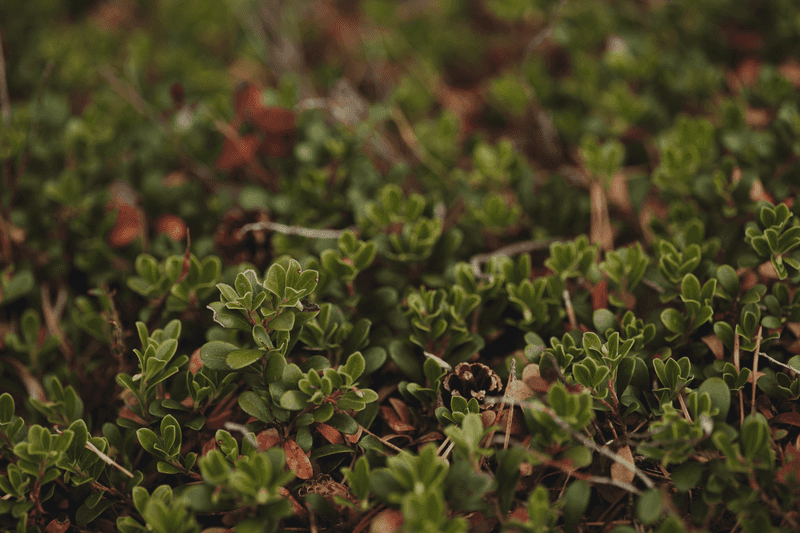
Slopes present a common landscaping challenge, and colonial settlers found a native solution. Bearberry, known botanically as Arctostaphylos uva-ursi, was used to stabilize hillsides long before erosion control was a landscaping term.
This low-growing evergreen spreads in a dense mat that hugs the ground tightly. Its root system grips soil on even steep slopes, preventing washout during the heavy rainstorms common in New England.
Bearberry is native to the northeastern United States, which means it evolved alongside the same climate that challenges Massachusetts gardeners every year. It handles hard winters well, tolerates sandy soil, and needs almost no supplemental watering once established.
The plant produces small, waxy white flowers in spring that give way to bright red berries by fall. Those berries feed birds through the colder months, turning your slope into a wildlife habitat without any extra effort.
Plant bearberry in full sun to partial shade for best coverage. It spreads slowly, so space individual plants about 18 to 24 inches apart and expect full coverage within two to three growing seasons.
Avoid amending the soil heavily before planting. Bearberry actually prefers lean, acidic, and well-drained conditions, which describes most Massachusetts hillside soils perfectly.
Do not fertilize bearberry with standard lawn products. High-nitrogen fertilizers push soft, lush growth that is more vulnerable to pests and disease than the plant’s naturally tough foliage.
Bearberry proves that colonial garden habits and modern ecological thinking are not opposites. Planting native groundcover on slopes is one of the smartest choices any Massachusetts gardener can make today.