What It Means When Dragonflies Swarm Your Arizona Yard After The Storms
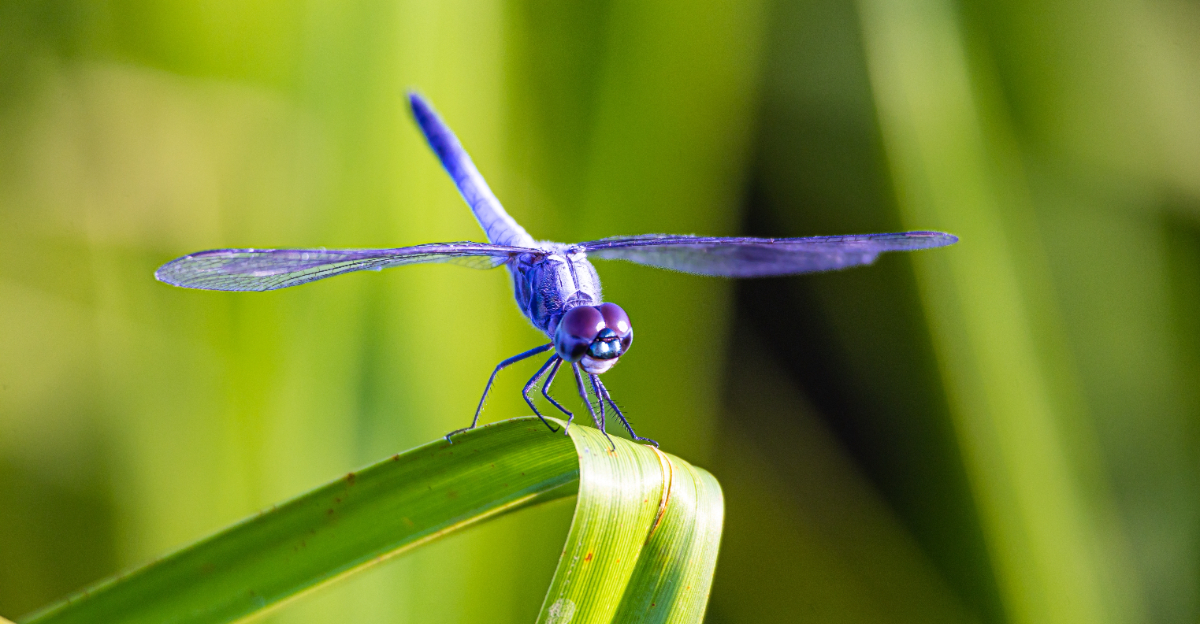
The rain stops, and your yard turns into an airport. Wings everywhere. Crossing paths, banking hard, never touching down.
You count them without meaning to. Twelve. Twenty. More keep arriving from somewhere past the fence, like the storm sent out invitations.
Nothing about this looks accidental. The puddles in your driveway, the steam rising off the pavement, the sudden cloud of gnats near the porch light. Every piece fits into a pattern older than your house, older than the street.
Grab a chair before you go back inside. What’s happening above your lawn right now runs on rules written millions of years ago.
A Sudden Sky Full Of Wings After The Rain
Blink twice, because what you are seeing is real. After a monsoon rolls through your yard, the air transforms into a living, spinning spectacle of wings and color.
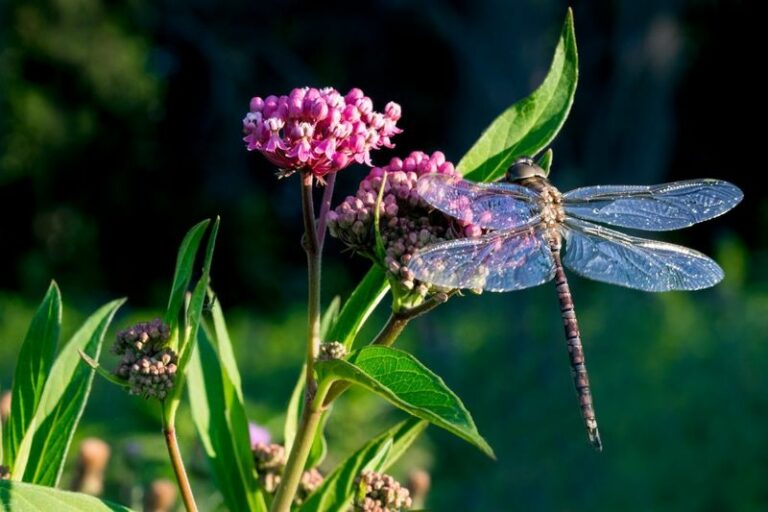
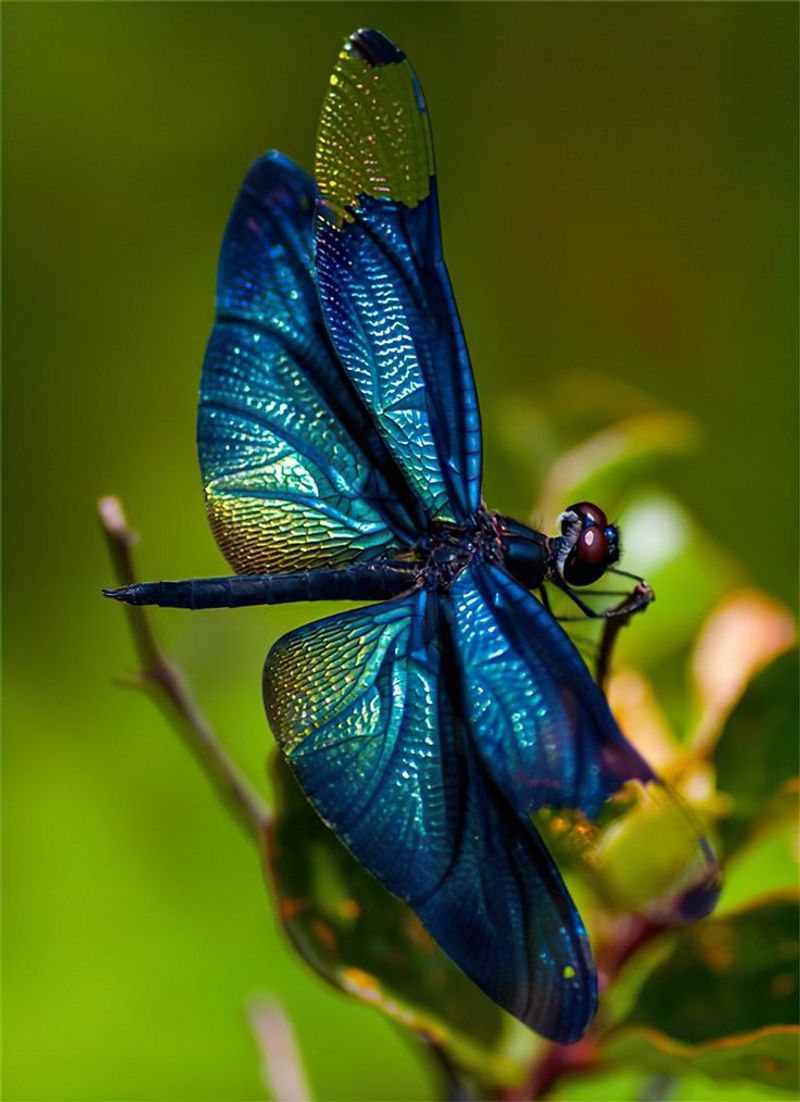
Dragonflies appear almost out of nowhere, swooping low over wet grass and hovering near puddles. Their iridescent wings catch the last light of the storm like tiny stained-glass windows moving at full speed.
This is not a coincidence or a fluke of nature. This kind of sky show only happens when a very specific set of triggers lines up all at once.
Moisture in the desert is a rare and powerful signal. Every creature in the ecosystem responds to it, from the soil up to the sky.
Dragonflies are ancient insects, having been around for over 300 million years. They have survived ice ages, mass extinctions, and shifting continents by being incredibly good at reading environmental cues.
Rain is one of the biggest cues they respond to. Wet air carries the scent of standing water, which means food and breeding opportunities are suddenly close by.
Your yard, soaked and steaming after a monsoon, becomes a beacon. The dragonflies pick up on these signals from surprising distances, sometimes traveling miles to reach a new feeding ground.
What looks like chaos from your back porch is actually a highly organized hunting event. Each dragonfly is locked onto a target, executing aerial maneuvers that fighter pilots would envy.
Enjoy the show while it lasts, because this kind of sky does not happen every day.
Arizona Monsoons Set The Stage For This Show
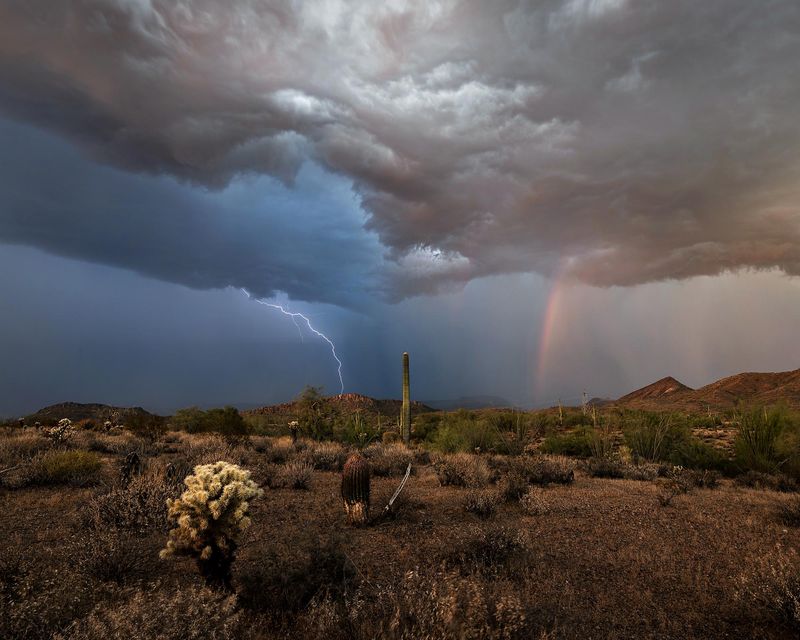
The desert has a secret season, and most people outside the Southwest never see it. From late June through September, the monsoon system floods Arizona with warm, moisture-heavy air pulled in from the Gulf of California and the Gulf of Mexico.
Temperatures can swing wildly within hours, and the humidity jumps from single digits to near-tropical levels. That shift is not just uncomfortable for people, it is electrifying for the local ecosystem.
Monsoon storms are fast and fierce. They dump rain quickly, leave puddles everywhere, and then often clear out just as fast, leaving behind warm, wet, steamy conditions.
Those conditions are a recipe for an insect explosion. Eggs that have been waiting dormant in dry soil suddenly hatch, and flying insects emerge in massive numbers.
Dragonflies, which are elite hunters, track these insect surges with pinpoint precision. They can detect prey from up to 30 feet away using their wrap-around compound eyes.
Your Arizona Garden Changes Every Week. Your Plan Should Too.
Gardening in Arizona changes quickly throughout the season. Every Friday you’ll receive a simple weekly plan showing exactly what to plant, prune, fertilize, harvest, and protect so you never miss the right timing.
The monsoon essentially resets the desert food chain in a matter of hours. What was a dry, quiet yard becomes a layered, buzzing ecosystem almost overnight.
Understanding this seasonal trigger helps explain why you do not see dragonfly swarms in your yard every week. They show up specifically when the conditions align just right.
Think of the monsoon as the opening act and your yard as the main stage. The storm sets everything in motion, and the dragonflies are the headliners who arrive right on cue. The monsoon itself is the one writing the invitation.
Standing Water Left Behind Becomes A Feeding Ground
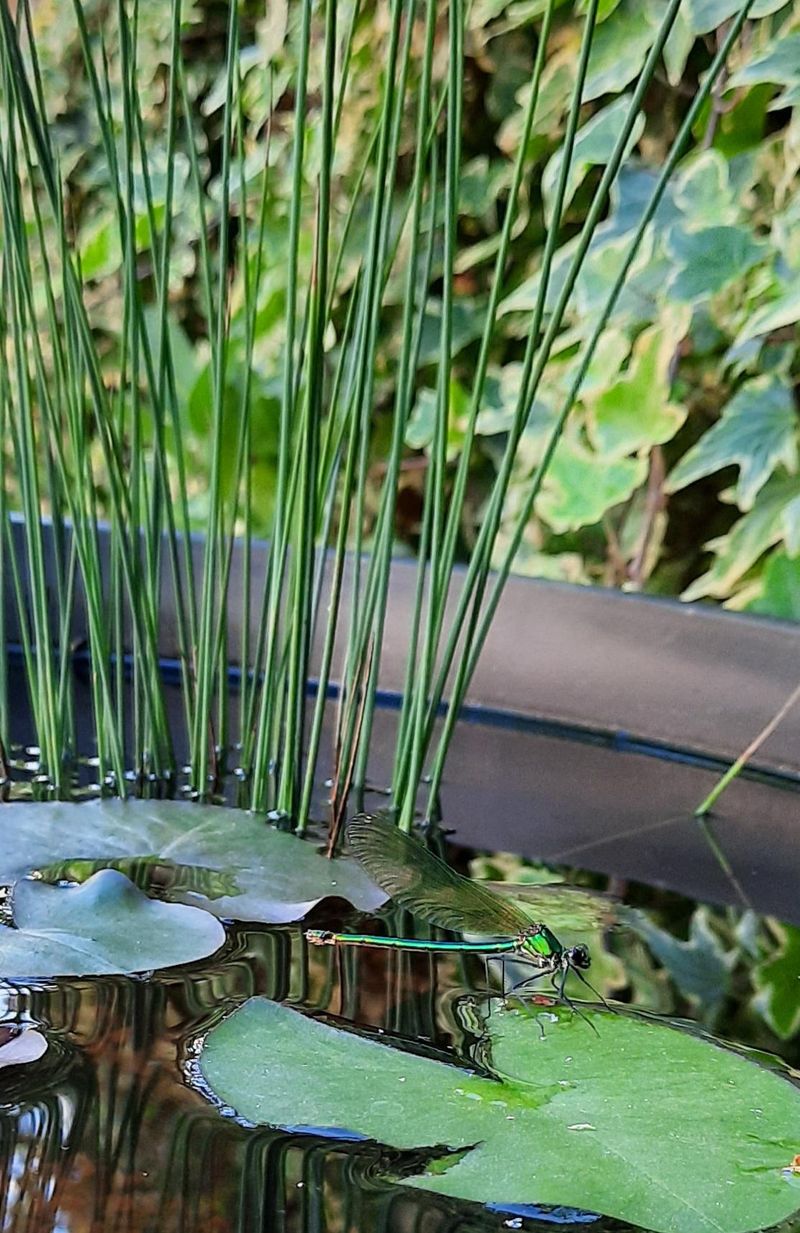
Puddles are not just muddy inconveniences after a storm. In the desert, a puddle is practically a five-star restaurant that just opened its doors.
Standing water left behind by monsoon rain creates instant habitat for a huge range of small insects. Mosquito larvae can begin hatching within a day or two of water pooling in your yard.
Gnats, midges, and other tiny flying insects also appear quickly around wet soil and shallow water. The surface of a puddle becomes a busy highway of insect activity almost immediately after the storm passes.
Dragonflies key in on these water sources with impressive speed and accuracy. Their flight patterns often trace the edges of puddles, bird baths, garden pots, and low spots in your lawn.
You might notice them hovering just inches above the water surface, then darting sideways in a blur. That quick movement is a successful hunt, with a catch rate that beats most predators on the planet.
Dragonflies catch up to 95 percent of the prey they pursue, which makes them one of nature’s most effective hunters. Standing water concentrates their prey in one place, making the hunt even more efficient.
If your yard has multiple low spots or decorative water features, expect more dragonfly activity than a flat, dry yard nearby. Water is the magnet, and they will work every inch of it.
Standing water is temporary in the desert heat, so the dragonflies work fast. The whole feeding frenzy can be over within a day or two as the puddles dry up.
Mosquitoes And Gnats Rise First
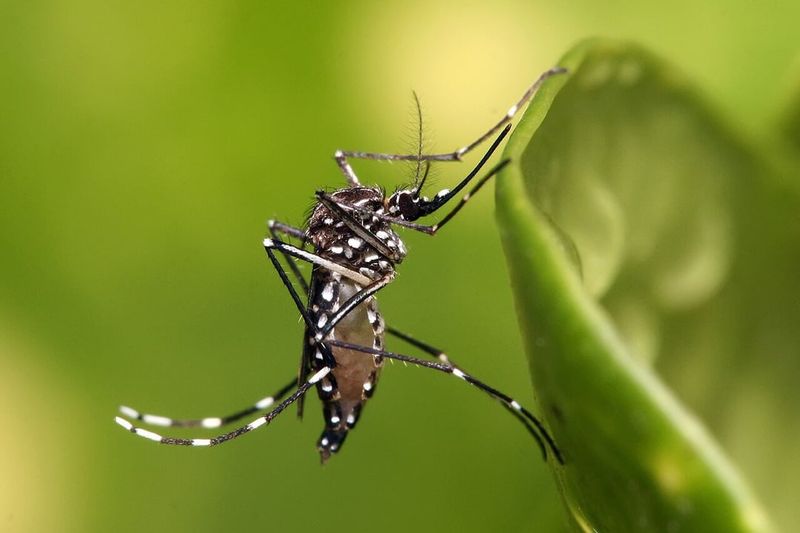
Before the dragonflies arrive, another wave of insects beats them to the party. Mosquitoes and gnats are the first responders after monsoon rain, and they show up fast.
Female mosquitoes can detect standing water and begin laying eggs almost immediately after a storm. In warm conditions like Arizona summers, those eggs can hatch in as little as 24 hours.
Gnats thrive in moist soil and decaying organic matter, both of which are suddenly abundant after a good rain. They swarm in loose, dancing clouds near the ground and around wet plant debris.
This early insect surge is not great news for anyone trying to enjoy their patio after a storm. Mosquito bites are itchy, annoying, and in some cases carry health risks worth taking seriously.
But here is where the story takes a satisfying turn. All those mosquitoes and gnats rising from your wet yard are essentially ringing the dinner bell for dragonflies.
Dragonflies feed almost exclusively on flying insects, and mosquitoes are one of their favorite meals. A single dragonfly can eat dozens of mosquitoes in one day, sometimes more.
So the mosquito surge that follows every monsoon is actually setting up its own natural solution. The prey arrives first, and the predator follows within hours, sometimes minutes.
Watching the sequence unfold is like watching a nature documentary in your own backyard. Mosquitoes and gnats rise, and then the sky above them suddenly fills with something far more impressive.
Dragonflies Follow The Insect Buffet
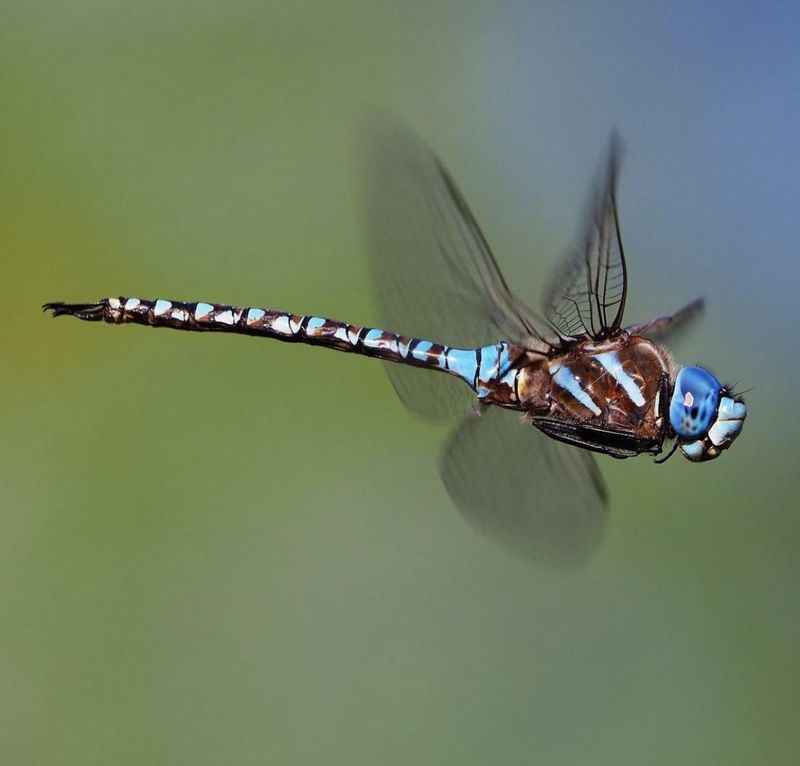
Picture a moving feast that travels across your entire yard, and you start to understand how dragonflies hunt. They do not wait in one spot for food to come to them.
Dragonflies are aerial pursuit predators, meaning they chase, intercept, and grab prey while flying at full speed. They can fly forward, backward, sideways, and hover in place with equal ease.
Their wings move independently, giving them a level of aerial control that few other insects come close to. When a mosquito zigs, a dragonfly zags, and the outcome is almost always the same.
After a monsoon, your yard becomes a layered hunting zone. Dragonflies work different altitudes, with some skimming low over puddles and others patrolling higher up near trees and roof lines.
Groups of dragonflies hunting together are called swarms, and they are far more coordinated than they look. Each individual is tracking its own target, but the group effect concentrates the hunt in productive areas.
In practice, that swarm above your lawn is running its own cleanup operation on the mosquito population. One afternoon of active hunting can make a noticeable dent in the bug count.
You can actually support this by leaving a shallow dish of water in your yard as a permanent lure. Dragonflies will return to reliable water sources again and again throughout the season.
The buffet does not last forever, though. Once the puddles dry and the mosquito numbers drop, the dragonflies will move on to the next wet spot in the neighborhood.
A Good Sign For Your Yard, Not A Warning
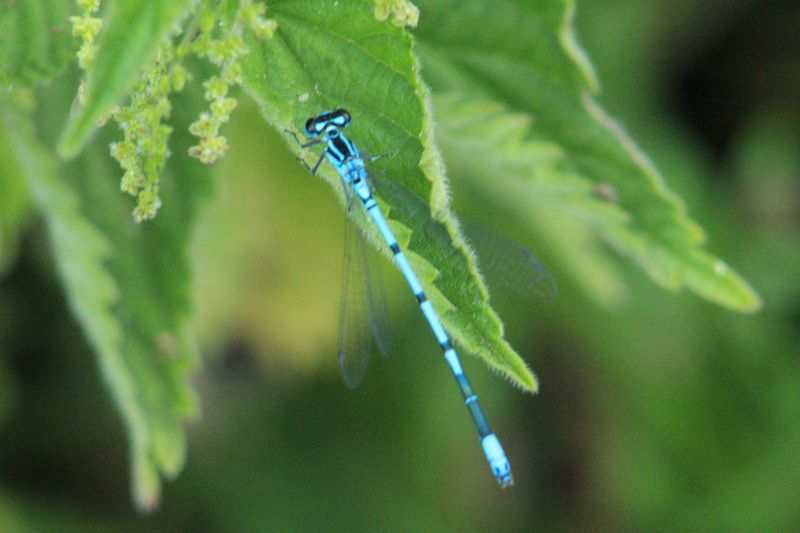
Some neighbors might panic when they see dozens of dragonflies circling overhead. Put their minds at ease, because this is one of the best things that can happen to your outdoor space.
Dragonflies are considered indicator species, meaning their presence signals a healthy, balanced local environment. Scientists actually look for dragonfly populations to assess the ecological health of an area.
A yard that attracts dragonflies after monsoon season is doing something right. It has enough moisture, enough plant life, and enough insect diversity to support a top-level predator.
Beyond the ecological bragging rights, the practical benefits are real and immediate. Fewer mosquitoes mean more comfortable evenings on your patio without reaching for the bug spray every five minutes.
Dragonflies do not sting and rarely bite, and they do not damage plants or structures. They are harmless to people, pets, and gardens while being extremely effective against pest insects.
Kids are often fascinated by them, and watching a swarm is a genuinely memorable experience. Pointing out the hunting behavior to a curious child can spark a lifelong interest in nature.
You can encourage future visits by adding a small garden pond or water feature to your yard. Even a shallow container with clean water and a few aquatic plants can attract dragonflies throughout the season.
Whatever you do, treat a sky full of them like a compliment from nature, not a warning. Your yard earned this visit, and these spectacular fliers are proof that the ecosystem around your home is alive and thriving.