What It Means When Garter Snakes Start Showing Up Around Oregon Garden Beds
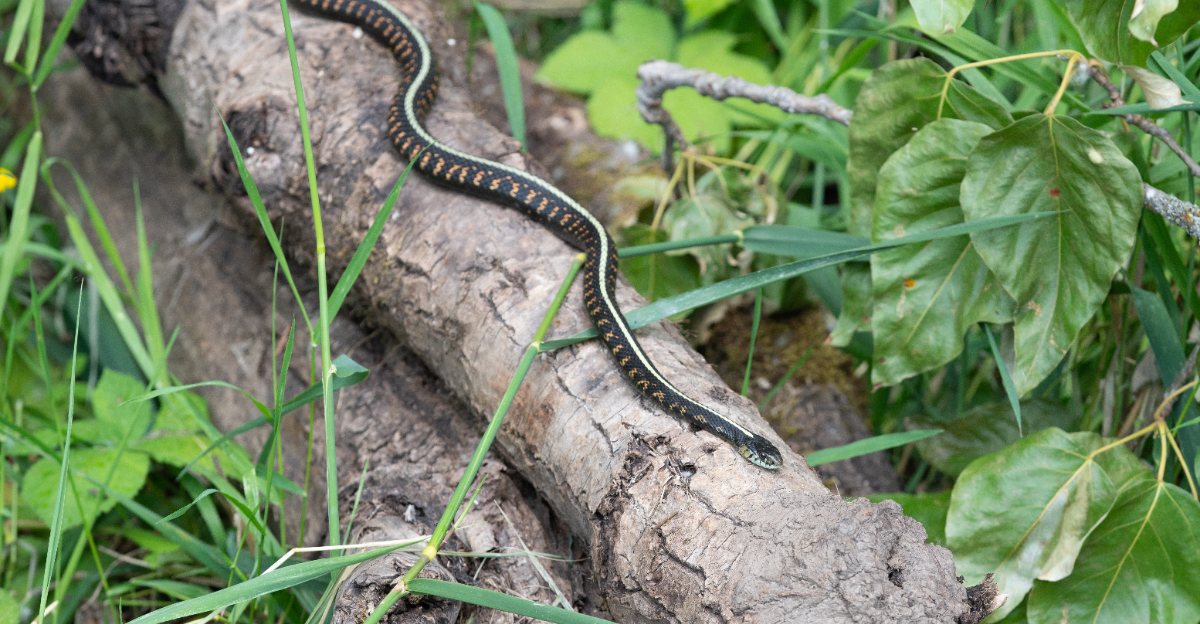
Spotting a garter snake weaving between Oregon garden beds can be a bit of a surprise, especially when you were only expecting to find tomatoes, flowers, and maybe a few weeds demanding attention.
One minute you are checking the mulch, and the next a striped little visitor slips past your boot like it has a very important appointment. Well, hello there.
When these snakes start appearing more often around a yard, it is natural to wonder what has suddenly made the garden so interesting.
Maybe you notice one resting near a border, disappearing beneath plants, or cruising along the edge of a raised bed. Their arrival can feel mysterious, particularly if you have rarely seen them before.
Gardens change throughout the season, and wildlife responds to those shifts in ways homeowners may not immediately notice. A garter snake showing up is not simply random backyard chaos, even if it feels that way at first.
So before you panic, celebrate, or start naming your new garden guest, take a closer look at what its appearance might be telling you about your outdoor space.
1. Your Garden May Be Full Of Easy Snake Snacks
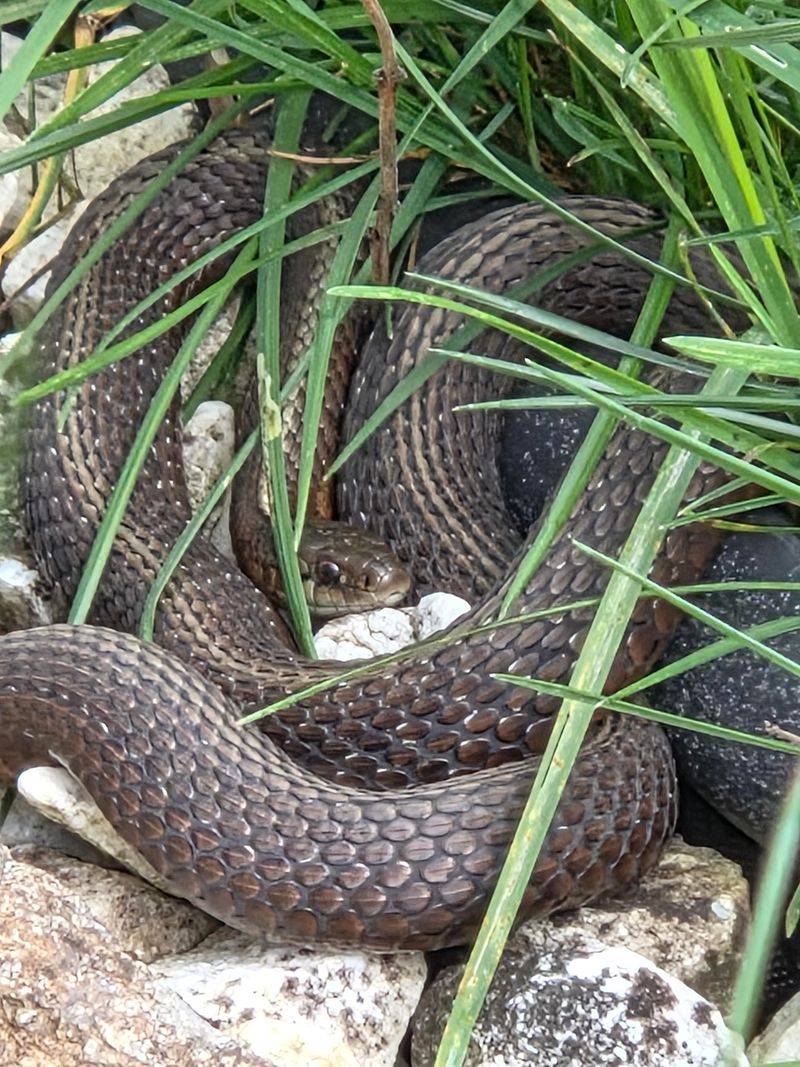
Garter snakes are opportunistic eaters, which means they go where the food is. If your Oregon garden is full of life below and above the soil, you are basically running a buffet for them.
Small frogs, slugs, earthworms, and insects are all on the garter snake menu. A healthy, productive garden tends to attract a wide range of small creatures.
Soft soil, decomposing organic matter, and consistent watering all encourage earthworms and other invertebrates to thrive.
Those creatures are exactly what a hungry garter snake is looking for.
You do not need to do anything dramatic to address this. A snake showing up near your beds is usually a sign that your garden is ecologically rich.
That is actually a good thing. Gardens that support a variety of life forms tend to be healthier overall.
If you prefer not to attract snakes, you can reduce their food supply by managing slug populations with copper tape or iron phosphate bait. You can also avoid overwatering, which tends to draw in worms and slugs near the surface.
But if you are comfortable sharing your space, the snake may actually help keep those same pest populations in check naturally.
Either way, the presence of a garter snake usually tells you that something is thriving in your garden, not that something is wrong.
2. Slugs And Worms Could Be Keeping Them Around
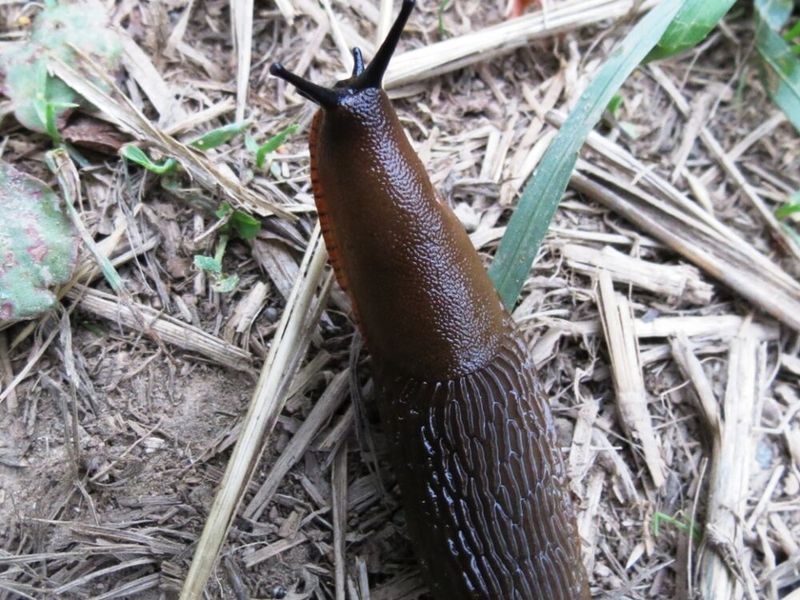
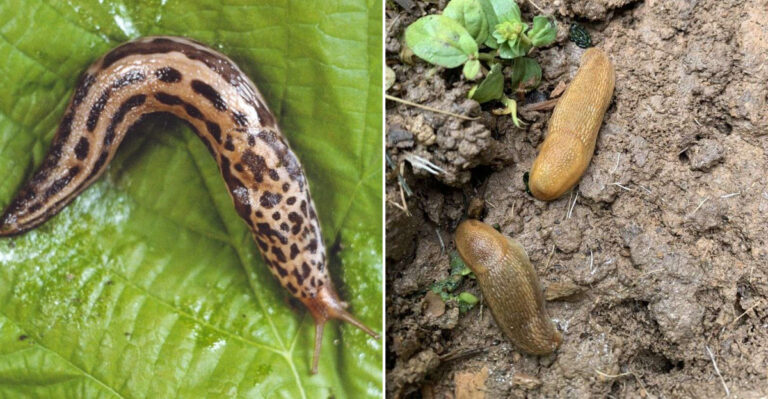
Few things attract a garter snake faster than a good slug population. Slugs are slow, soft, and easy to catch.
For a snake, they are basically a free meal waiting to happen. If your garden beds are full of slugs after rain, do not be surprised to find a snake nearby.
Earthworms are another major draw. Worms love moist, rich soil, and garter snakes love worms.
After a good rain or a deep watering session, worms often come to the surface. That makes them very easy for a snake to spot and snag.
Your Oregon Garden Changes Every Week. Your Plan Should Too.
Gardening in Oregon changes quickly throughout the season. Every Friday you’ll receive a simple weekly plan showing exactly what to plant, prune, fertilize, harvest, and protect so you never miss the right timing.
Many gardeners actually struggle with slug damage every season. Hostas, lettuce, and strawberries are especially vulnerable.
Interestingly, a garter snake patrolling your beds could quietly reduce that slug pressure without any effort on your part.
You might not even notice the snake is doing this work. Garter snakes are shy and fast-moving.
They tend to stay out of sight as much as possible. But the results can show up in your plants.
Fewer chewed leaves and less slime trail evidence might mean your resident snake is earning its keep.
Keeping your garden beds slightly less wet between waterings can reduce slug activity if you want fewer snakes around.
But many gardeners find that letting nature handle slugs is easier than fighting them with store-bought products.
3. Cool Garden Beds Make Great Daytime Hideouts
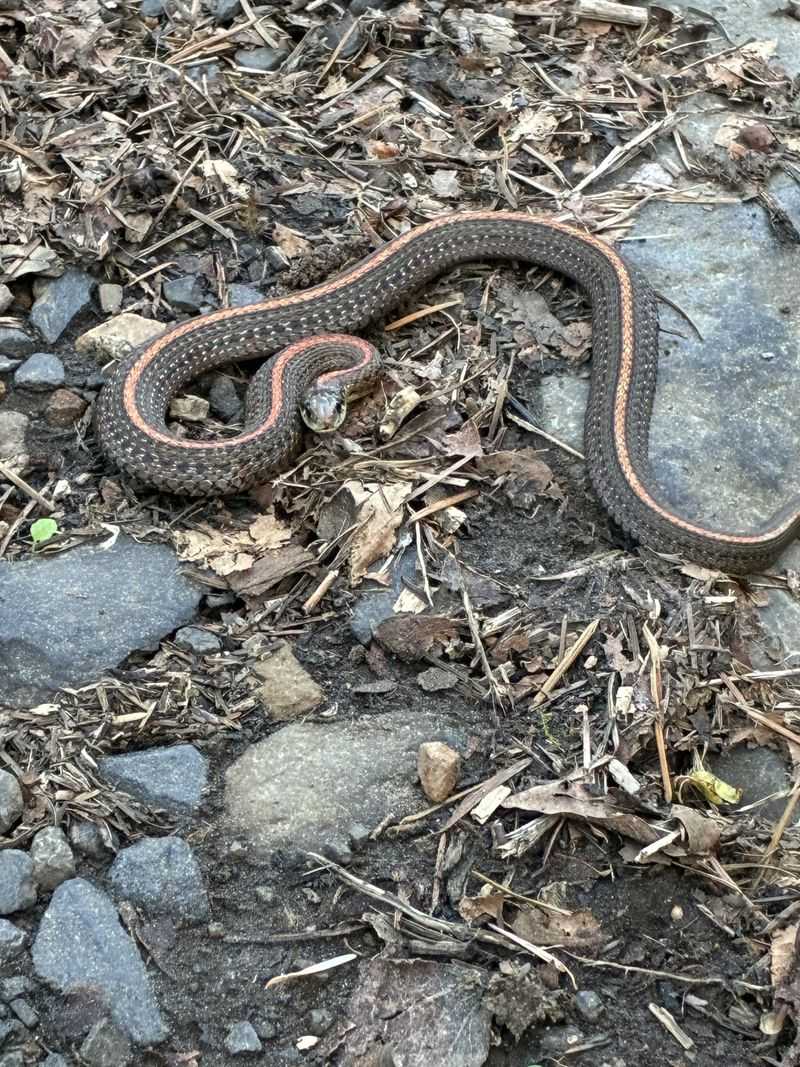
On warm or sunny Oregon days, garter snakes need somewhere cool to rest. Dense garden beds with thick foliage and moist soil offer the perfect retreat.
The shade from large leaves keeps the ground temperature lower, and the soil holds moisture well.
Garter snakes are cold-blooded, which means they rely on their environment to regulate body temperature. They do not produce their own heat the way mammals do.
So finding a cool, shaded spot during the warmest part of the day is essential for their comfort and survival.
Your garden bed might be offering exactly that. Beds planted with large-leafed vegetables like squash, chard, or cabbage create a natural canopy.
Underneath, the soil stays damp and cool. For a snake, that environment is genuinely comfortable.
You might notice snakes tucked near the base of plants or partially buried in loose mulch during midday. This is normal resting behavior.
They are not being aggressive or territorial. They are simply staying comfortable.
In the morning or late afternoon, you are more likely to see them moving around and actively hunting. If you find one resting in your bed, give it space and it will move along on its own.
Disturbing a resting snake can cause it to feel threatened, which might make it more likely to freeze or flee in an unexpected direction.
4. Mulch Gives Them Plenty Of Places To Slip Into
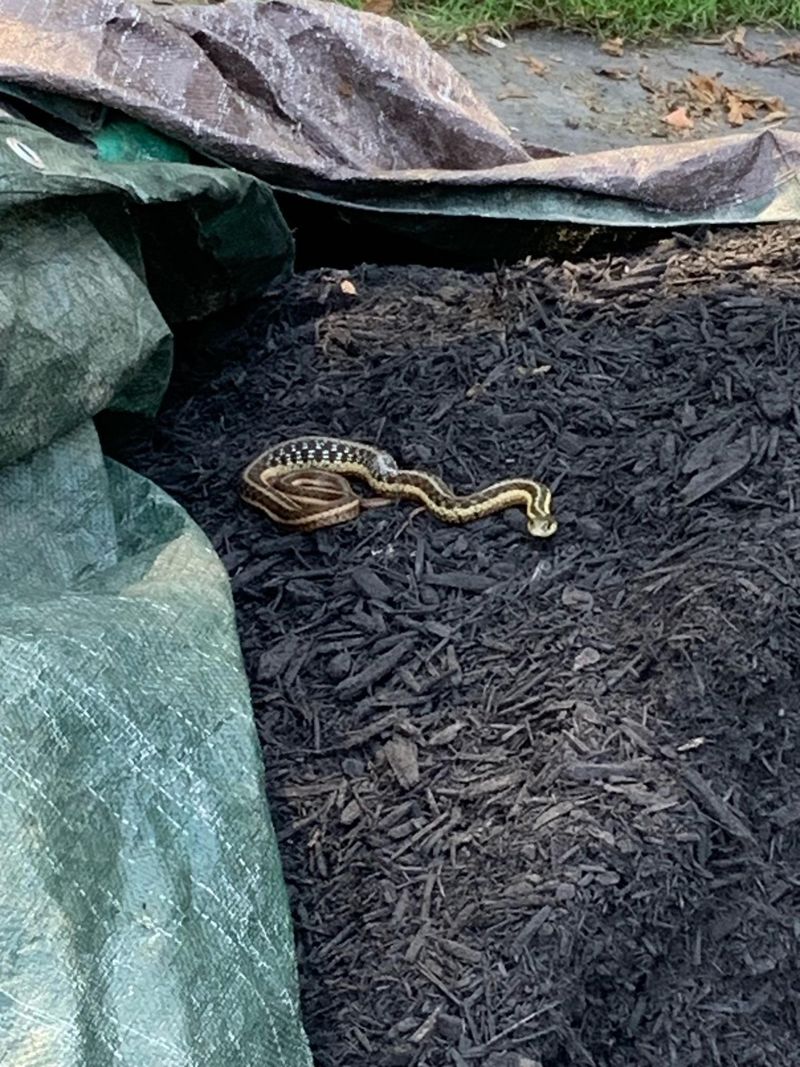
Mulch is one of the most snake-friendly additions a Oregon gardener can make to a bed. Thick layers of wood chips, straw, or shredded bark create a warm, dark, and protected environment just beneath the surface.
Garter snakes love to slip under mulch to rest, hunt, or simply feel hidden. From a snake’s perspective, mulch is close to perfect. It holds moisture, blocks wind, and provides cover from predators like hawks and raccoons.
A garden bed with a good three to four inches of mulch is an open invitation for any nearby garter snake.
This does not mean you should stop mulching. Mulch offers huge benefits for your plants, including water retention, weed suppression, and soil temperature regulation.
It is one of the best things you can do for a productive garden. But if you want to reduce snake visits, you can switch to finer or denser mulch types that are harder to burrow under.
Rubber mulch, for example, is less appealing to snakes than loose wood chips or straw.
You can also pull mulch back slightly from the edges of beds to reduce hiding spots near the perimeter. If snakes are not a concern for you, simply leave your mulch as-is.
The snake will use it as shelter and then move on once conditions change. Most visits are temporary and harmless.
5. Watered Beds Can Be Extra Attractive In Dry Weather
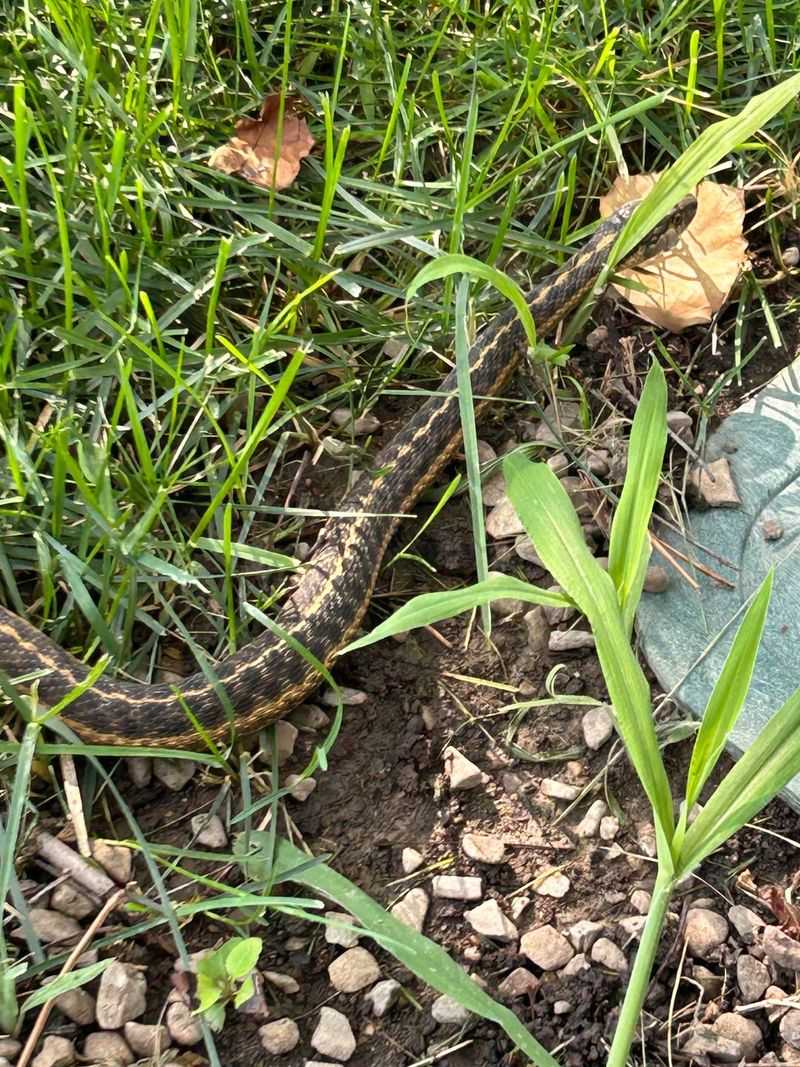
During dry summer months, water becomes one of the most valuable resources in any garden ecosystem. When the surrounding landscape dries out, a regularly watered garden bed becomes a rare oasis.
Garter snakes will travel to find moisture, and your irrigated beds stand out like a green beacon.
Moist soil brings prey to the surface. Worms, for example, tend to move upward when they sense moisture above.
Slugs also become more active near water sources. A drip-irrigated bed in a dry yard is practically a guaranteed hunting ground for a garter snake.
This is especially common in late July and August in many parts of the Pacific Northwest, when rainfall drops significantly.
If you notice more snake activity during these months, that is likely why. The snakes are simply following the moisture and the prey that comes with it.
You do not need to change your watering habits just because of snake activity. Your plants need that water, and the snakes are not causing any harm to your crops.
If you want to make the area slightly less attractive, consider watering in the morning so the soil surface dries out by afternoon. Snakes are less active on dry, warm surfaces.
Drip irrigation that keeps water at the root level rather than on the surface can also reduce the moisture that draws worms and slugs upward, making the bed a little less appealing to visiting snakes.
6. Garter Snakes Usually Mean There Is Plenty Of Prey Nearby
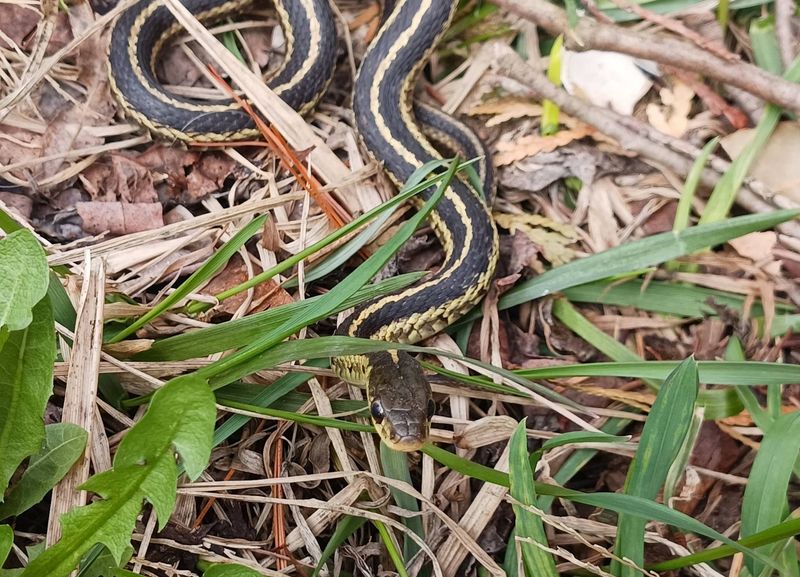
A garter snake does not wander randomly. Every move it makes is driven by the search for food.
So when one shows up in your garden bed, it is a reliable signal that prey is nearby. These snakes have a sharp sense of smell and can detect prey through tongue flicking.
Common prey items include small frogs, toads, salamanders, earthworms, slugs, and occasionally small mice.
If your garden supports any of these creatures, you have created an environment rich enough to attract a predator.
That is actually a sign of a well-balanced outdoor space. Frogs and toads are especially telling. They need moisture, insects, and shelter to survive.
If you have them living near your beds, you have a thriving habitat. Garter snakes will follow because frogs are one of their favorite meals.
Rather than seeing this as a problem, try viewing it as a food web working the way nature intended. Each layer of life supports the next.
Your plants feed insects, insects feed frogs, and frogs attract snakes. That chain keeps the whole system in balance.
Gardens with active food webs tend to need fewer chemical inputs because natural predators handle pest control. A garter snake at the top of your garden’s small food chain is doing quiet, steady work.
Watching this unfold in your own backyard can actually be one of the more fascinating parts of growing a garden.
7. They Can Help With Some Common Garden Pests
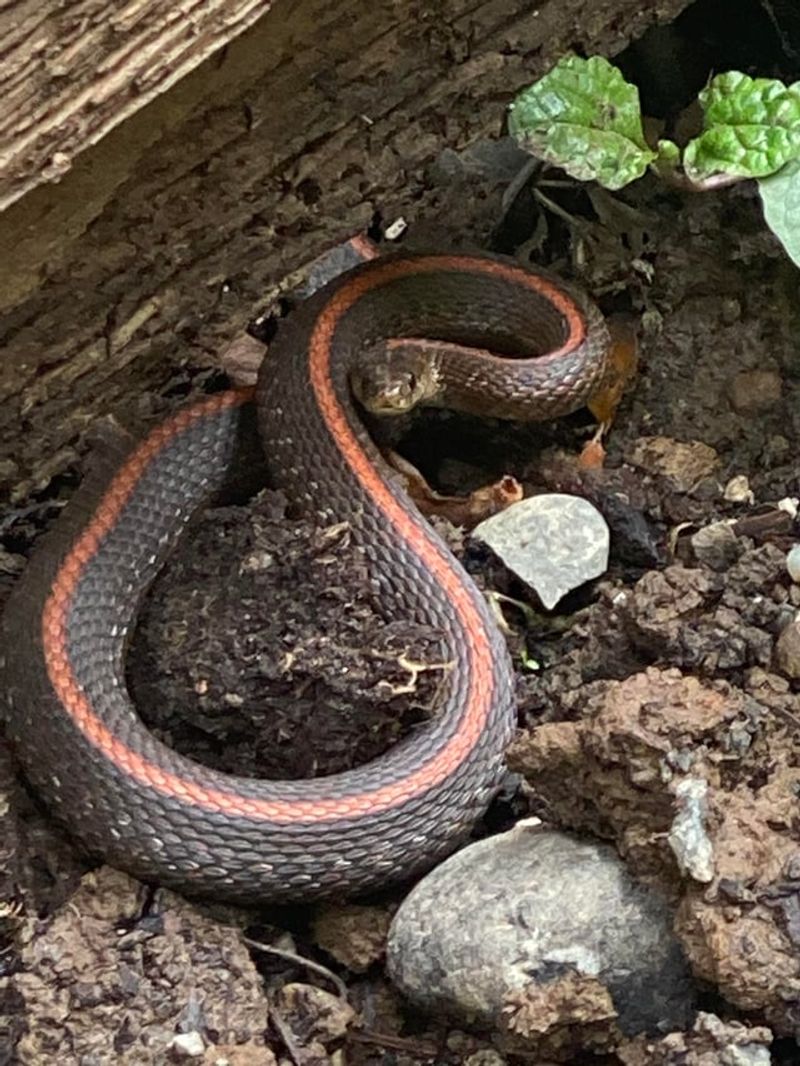
One of the most overlooked benefits of having garter snakes around is natural pest management.
These snakes quietly patrol garden areas and consume creatures that many gardeners spend money trying to get rid of. Slugs, in particular, can cause serious damage to leafy greens and soft fruits.
Garter snakes will also consume small mice and voles if they can catch them. Voles, in particular, are a significant problem in many Pacific Northwest gardens.
They tunnel under beds and chew on plant roots from below. A garter snake that takes up residence near your beds might help keep that population in check.
Beyond slugs and voles, garter snakes sometimes eat grasshoppers and other soft-bodied insects. They are not picky eaters when food is available.
Their presence can quietly reduce the number of pest species in your immediate garden area without any effort or cost on your part. Of course, snakes are not a complete pest control solution on their own.
They work best as part of a broader strategy that includes crop rotation, companion planting, and physical barriers like row covers. But having one around adds a layer of natural control that is genuinely useful.
Encouraging snakes to stick around by leaving a bit of brush or a flat rock near the edge of your bed can give them a comfortable spot to rest between meals, making them more likely to keep patrolling your garden regularly.