8 Reasons This Simple Vinegar Trick Is Popular Among Virginia Homeowners

You catch a strange smell drifting from a neighbor’s garage in Virginia. Something absurdly cheap just outperformed every overpriced chemical spray on your shelf.
Bugs scatter fast, weeds shrink overnight, and you barely lift a finger. Nobody warned you this jug could replace several expensive products at once.
Pets stay safe while you clear out pests without any risk. Kids play barefoot right beside you while you spray without any doubt.
Virginia yards are shifting fast, and you haven’t caught up yet. Odors fade instantly once you reach for that plain white bottle.
Overgrowth stops spreading the moment you start using this ridiculously simple trick. Money stays firmly in your pocket while you gain sharper yard results.
Momentum keeps building every single time you pour instead of spraying blindly. Curiosity grows stronger the longer you wait to try this yourself. Nothing will stop you from discovering exactly how this works.
1. Vinegar Naturally Deters Ants And Crawling Insects
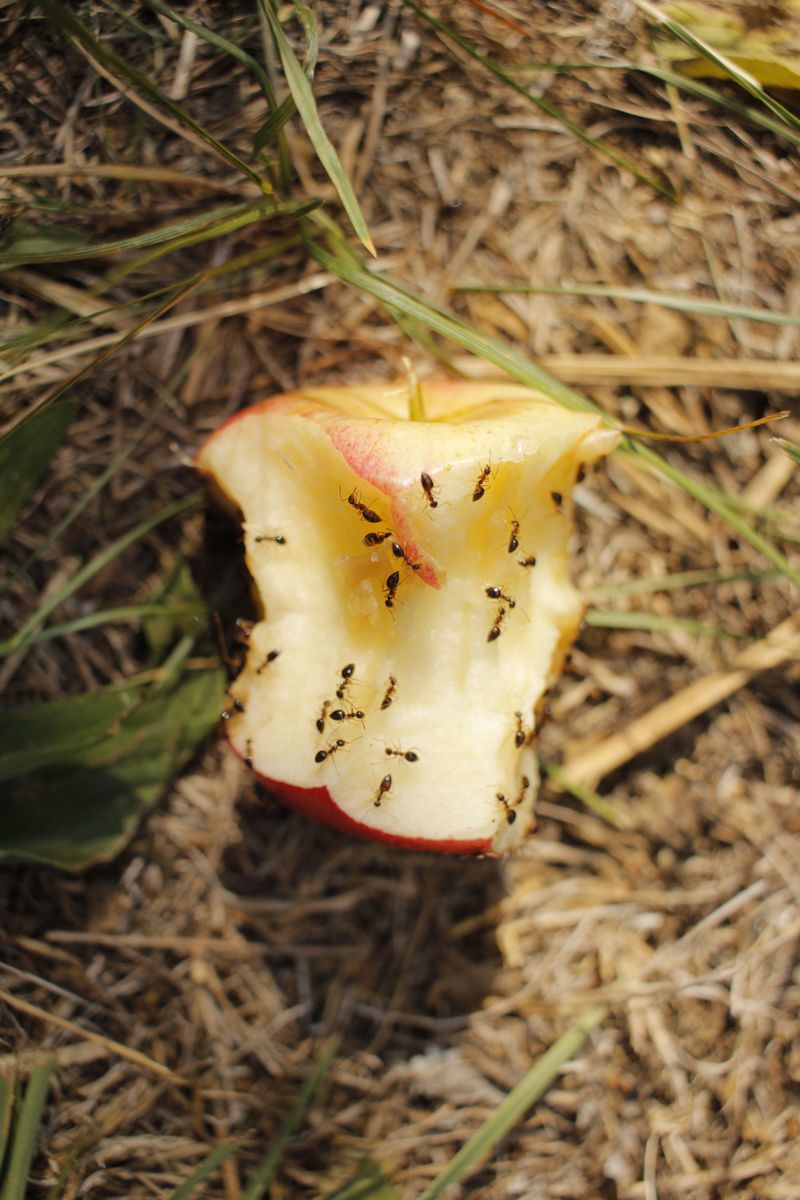
Ants often enter through small openings, moving in steady lines toward food sources. The simple vinegar trick helps stop their entry by disrupting the scent trails they follow.
Ants rely on chemical signals to navigate your home. White vinegar disrupts those signals significantly, leaving scouts confused and colonies scattered.
Mix equal parts water and white vinegar in a spray bottle. Apply it along windowsills, door frames, and baseboards where crawling insects tend to enter.
The smell fades for humans within minutes. For ants, the disruption lasts much longer, making them reroute away from treated areas.
Carpenter ants, sugar ants, and pavement ants all respond to this method. You do not need to identify the species to get results fast.
Repeat the application every few days, especially after rain. Consistent spraying builds an invisible barrier that insects simply avoid crossing.
Many people notice fewer ants around treated areas within a few days, though results can vary by household and infestation size. That kind of quick turnaround keeps people coming back to this method season after season.
No gloves, no masks, no waiting periods before kids can enter a room. This approach fits naturally into a busy household routine without any stress.
The best part is that you already have vinegar in your pantry. No special trip to the hardware store is needed to get started today.
2. Weeds Along Fences And Walkways Fade Back Fast
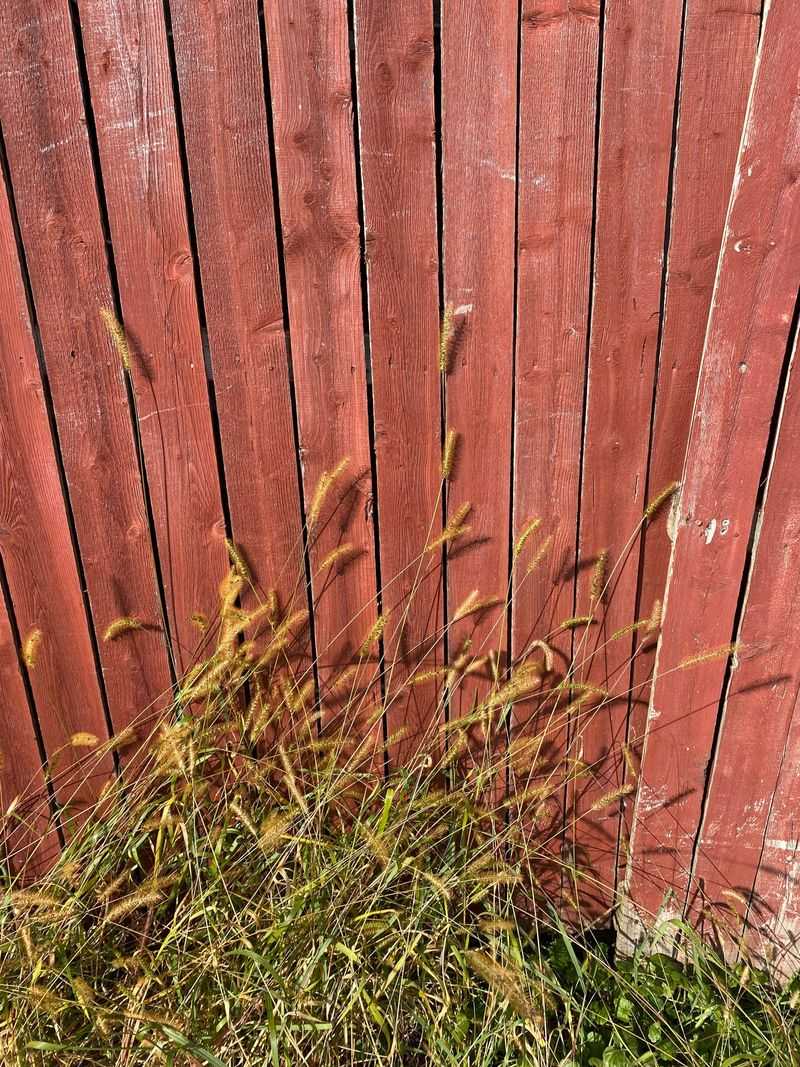
Those stubborn weeds along your fence line resist manual removal. Vinegar, however, makes them wither within a day or two.
Acetic acid in undiluted white vinegar draws moisture out of plant leaves. Weeds cannot recover once their cellular structure breaks down from the outside in.
Horticultural vinegar at 20 percent concentration works even faster on thick stemmed weeds. Standard kitchen vinegar at five percent handles younger growth with ease.
Apply on a dry, sunny day for best results. Heat and sunlight accelerate the breakdown process, making the treatment far more effective than on cloudy days.
Target the leaves and stems directly, not just the soil. A solid coating on the foliage is what triggers the rapid decline most homeowners notice.
Your Virginia Garden Changes Every Week. Your Plan Should Too.
Gardening in Virginia changes quickly throughout the season. Every Friday you’ll receive a simple weekly plan showing exactly what to plant, prune, fertilize, harvest, and protect so you never miss the right timing.
Fence lines and walkway edges are perfect candidates because you are not trying to protect nearby grass or garden beds. Precision matters in those tighter spots.
Some persistent weeds may need a second application after three days. Stubborn roots can send up new growth, but repeat treatments exhaust the plant quickly.
Neighbors often ask what product you used after seeing the results. Telling them it was just vinegar from the grocery store is always a satisfying moment.
This simple vinegar trick saves hours of backbreaking manual weeding. Clean edges around your fence and walkways make the whole yard look more polished and well kept.
3. Cats And Small Critters Avoid The Sharp Scent

Your garden bed is not meant to be a litter box. A quick spray of vinegar helps discourage cats from the area.
Cats have a sense of smell that is significantly stronger than a human’s, with estimates varying widely depending on the source. What smells mildly tangy to you is overwhelmingly sharp to them.
Spray diluted white vinegar around garden borders, potted plants, and flower beds. Cats will sniff once, wrinkle their nose, and choose a different yard entirely.
Rabbits and squirrels also react poorly to the acidic scent. Soaking cotton balls in vinegar and placing them near entry points works well for burrowing critters.
Refresh the cotton balls every few days, especially after rain washes the scent away. Consistency is what keeps the deterrent effective over an entire growing season.
This method is completely harmless to the animals themselves. No traps, no poisons, just a smell they find unpleasant and choose to avoid on their own.
Pet owners like this approach because it protects gardens without risking their own cats or dogs. The solution is non toxic and safe around most outdoor plants in small amounts.
Spraying along fence posts and garden borders takes under five minutes. That small effort protects weeks of gardening work from being undone overnight.
Once critters associate your yard with that sharp scent, they tend to stop testing the boundary. Consistent application trains them to look elsewhere for food and shelter.
4. Cracks In Driveways Stay Clear Of Unwanted Growth

Weeds in driveway cracks can spread gradually if left untreated. Vinegar helps address them before they get out of hand.
Plants growing in concrete cracks have shallow root systems with little protection. A direct shot of undiluted vinegar reaches those roots quickly and efficiently.
The acetic acid dries out the plant from leaf to root tip. Under sunny, warm conditions, many crack dwelling weeds show visible signs of stress within a day or two.
Pour vinegar directly into the crack rather than just spraying the top. Getting the solution down into the root zone makes the treatment far more thorough.
On a hot Virginia summer afternoon, the sun increases the effect. Treated cracks often show noticeably clearer results by the following morning after a sunny application day.
Grass pushing through asphalt edges responds just as well as broadleaf weeds. The vinegar does not discriminate, which makes it ideal for mixed growth in tight spaces.
Repeat treatments every two to three weeks during peak growing season. Staying ahead of regrowth is much easier than letting cracks fill up and starting over.
Some homeowners mix a small amount of dish soap into the vinegar. The soap helps the solution cling to surfaces longer, improving contact time with stubborn plants.
Clean driveway cracks also reduce the long term damage that root growth causes to concrete. Keeping growth out now protects the structure of your driveway for years ahead.
5. Garden Pests Like Spiders Keep Their Distance

Spiders are beneficial outdoors but unwelcome on patio furniture. Vinegar gives them a reason to relocate.
The strong acetic scent overwhelms the sensory receptors spiders use to navigate. They detect it as a threat and move away from treated areas fast.
Spray diluted vinegar around door frames, window corners, porch ceilings, and garden shed entries. These are the prime spots spiders prefer to set up webs.
You do not need to see a spider to use this method effectively. Treating the areas they prefer is a smarter move than chasing individual ones around.
Stink bugs and earwigs also dislike the sharp scent of vinegar. Treating garden borders and entry points addresses multiple pest types with one simple solution.
Reapply after heavy rain or once a week during warm months. Spiders are persistent, so consistency in your application schedule keeps them from resettling in sprayed zones.
Many gardeners worry about harming beneficial insects like bees. Applying vinegar only to structural surfaces and avoiding flowers or open soil protects pollinators while still deterring pests.
A spray bottle with a fine mist setting makes application precise and easy. Reaching corners and ceiling edges without mess is simple with the right equipment on hand.
Outdoor entertaining spaces feel much more comfortable when you are not brushing away webs. A quick Friday spray keeps your patio guest ready all weekend long.
6. Outdoor Trash Areas Smell Fresher After Spraying
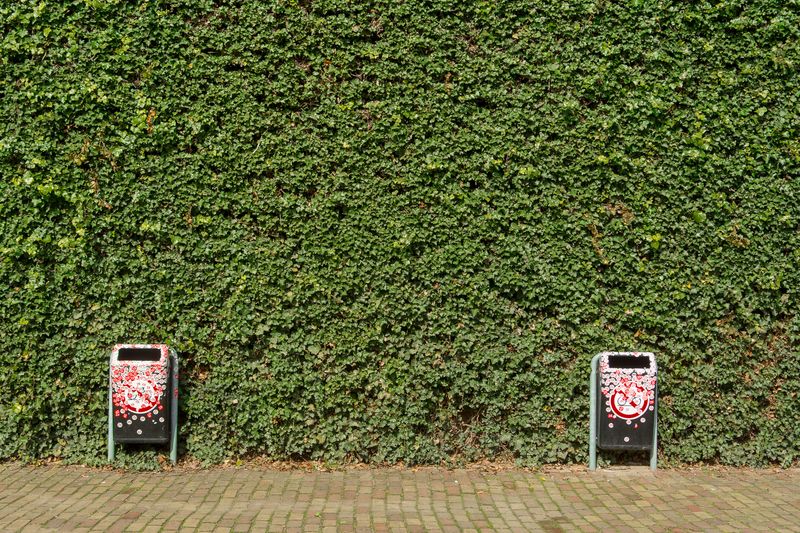
Trash cans in summer heat can produce strong odors. A spray of white vinegar helps change that situation quickly.
Vinegar neutralizes odor causing bacteria rather than just masking the smell with fragrance. That is why the freshness lasts longer than any scented spray you can buy.
Spray the inside of empty bins thoroughly before dropping in a new bag. Coating the walls and bottom prevents odors from building up between trash pickup days.
The lid and outer rim deserve attention too, since bacteria and residue collect there. A quick wipe down with a vinegar soaked cloth after spraying makes a big difference.
Flies are drawn to trash odors, and vinegar disrupts that attraction significantly. Fewer flies around your bins means fewer flies finding their way into your home.
Raccoons and opossums are also deterred by the sharp acidic scent on and around trash areas. Spraying the base and lid of your bins adds an extra layer of critter protection.
This works especially well during Virginia’s humid summer months when heat amplifies every odor. Treating bins twice a week during peak heat helps keep the smell manageable.
No special cleaner or enzyme spray is needed for this task. A gallon jug of white vinegar is typically inexpensive and can be a cost effective alternative to some commercial products.
Fresher trash areas also mean a cleaner smelling garage or side yard overall. Small wins like this add up to a home that feels genuinely well maintained.
7. Grass Edges Near Sidewalks Stop Overgrowing

Grass that creeps over sidewalk edges can make lawn edges look less tidy. Vinegar keeps those edges crisp without dragging out a heavy edging tool every week.
A targeted spray along the edge line stops lateral grass growth before it spreads onto the concrete. The acid weakens the outer runners without affecting the main lawn body.
Use a cardboard shield or old folder to protect the healthy grass just inches away. Precision application makes the difference between a clean edge and an accidental brown patch.
Apply on a calm day so wind does not carry the mist onto grass you want to keep. Early morning, before any breeze picks up, is an ideal time for this task.
Bermuda grass and fescue, both common in Virginia lawns, respond quickly to vinegar treatment. Overgrowing runners dry out and pull back within a couple of days of application.
This technique works well between pavers and stepping stones too. Any narrow strip where a mower cannot reach becomes easy to manage with a simple spray bottle.
Reapply every two to three weeks during the active growing season. Staying on a light schedule prevents the edges from getting out of hand again.
Homeowners who do this report spending less time on yard maintenance overall. Clean borders make a lawn appear larger and more intentional without extra mowing effort.
Crisp sidewalk edges are one of those small details that neighbors notice immediately. This simple vinegar trick delivers that polished look without renting any special equipment.
8. Homeowners Save Money Over Chemical Herbicides

Name brand herbicides often carry a higher per-bottle cost, depending on the brand and retailer. A gallon of white vinegar is generally one of the least expensive options available at most grocery stores.
For homeowners managing large yards, that price gap can add up to meaningful savings across a full season. Switching to vinegar is one of the easier budget conscious choices in home maintenance.
Chemical herbicides also carry application restrictions around children, pets, and water sources. Vinegar skips most of that fine print and gets to work without a waiting period.
Many commercial products require protective gear, careful storage, and disposal protocols. A jug of vinegar needs none of that and stores safely next to your cleaning supplies.
The effectiveness comparison depends on the type of weed involved. For young or shallow rooted weeds, standard white vinegar can be quite effective at damaging visible growth.
It may be less effective than commercial herbicides on established perennial weeds with deeper root systems. Because vinegar acts on contact rather than through the root, some regrowth is common even after treated areas initially appear to fade back.
Horticultural vinegar at higher concentrations handles tougher jobs without crossing into harsh chemical territory. It is still food derived, biodegradable, and breaks down quickly in soil after application.
Buying in bulk from warehouse stores can bring the cost down even further. Seasonal costs for vinegar based treatments tend to stay low compared to commercial products, though actual savings will vary by yard size and usage.
Beyond the wallet, choosing vinegar may help reduce chemical runoff into local waterways and soil. That matters in communities near the Chesapeake Bay watershed, where water quality is a real concern.
This simple vinegar trick suggests that effective yard care doesn’t have to be expensive. Smart, affordable choices like this one can help keep more money where it belongs.