The Forgotten Fruit Tree Is Making A Comeback In Virginia Backyards
Imagine a fruit that tastes like a tropical vacation but grows wild in the Virginia woods. It sounds like a tall tale, yet generations of families once gathered it every fall.
Over time, this sweet, custardy treat slipped out of memory. Its soft flesh bruises easily and spoils within days, so it rarely made it to grocery shelves.
Now backyard growers are planting it again, and neighbors keep peeking over fences to ask about that strange green fruit. The tree behind it is tough, handsome, and a favorite of zebra swallowtail butterflies.
The details below cover how to grow it, where to plant it, and what to expect at harvest. This backyard comeback story is full of sweet surprises.
Pawpaw Is The Tree Making A Comeback
George Washington reportedly liked his pawpaws chilled on warm evenings. Thomas Jefferson grew the trees at Monticello, right here in Virginia.
Long before those famous names, Native Americans ate the fruit as a regular part of their diet. Colonial settlers soon caught on and enjoyed it too.
So how did such a beloved fruit slip away? Pawpaws bruise easily and spoil quickly, so stores could not ship them far.
Apples and peaches traveled well, and they took over grocery shelves. Over time, fewer families knew what a pawpaw looked like.
Luckily, things are changing fast. Gardeners, chefs, and farmers market fans are rediscovering the fruit with real excitement.
Festivals now celebrate pawpaws each fall in several states. Local nurseries report that young trees sell out quickly in spring.
Part of the appeal is the tree itself. Pawpaws have long, tropical-looking leaves that give any yard a jungle vibe.
In fall, those leaves turn a warm golden yellow. The trees usually stay small, reaching about 15 to 25 feet tall.
Here is a helpful tip for beginners. Buy grafted trees or healthy potted seedlings rather than digging wild ones from the woods.
Pawpaws have a long taproot that breaks easily when moved. Potted trees keep that root safe and settle in much faster.
Planting one connects you to a real piece of American history. Every bite links you to the people who enjoyed it centuries ago.
Not bad for a tree most folks forgot about. Your backyard could become part of the comeback story this year.
It Grows The Largest Native Fruit In America
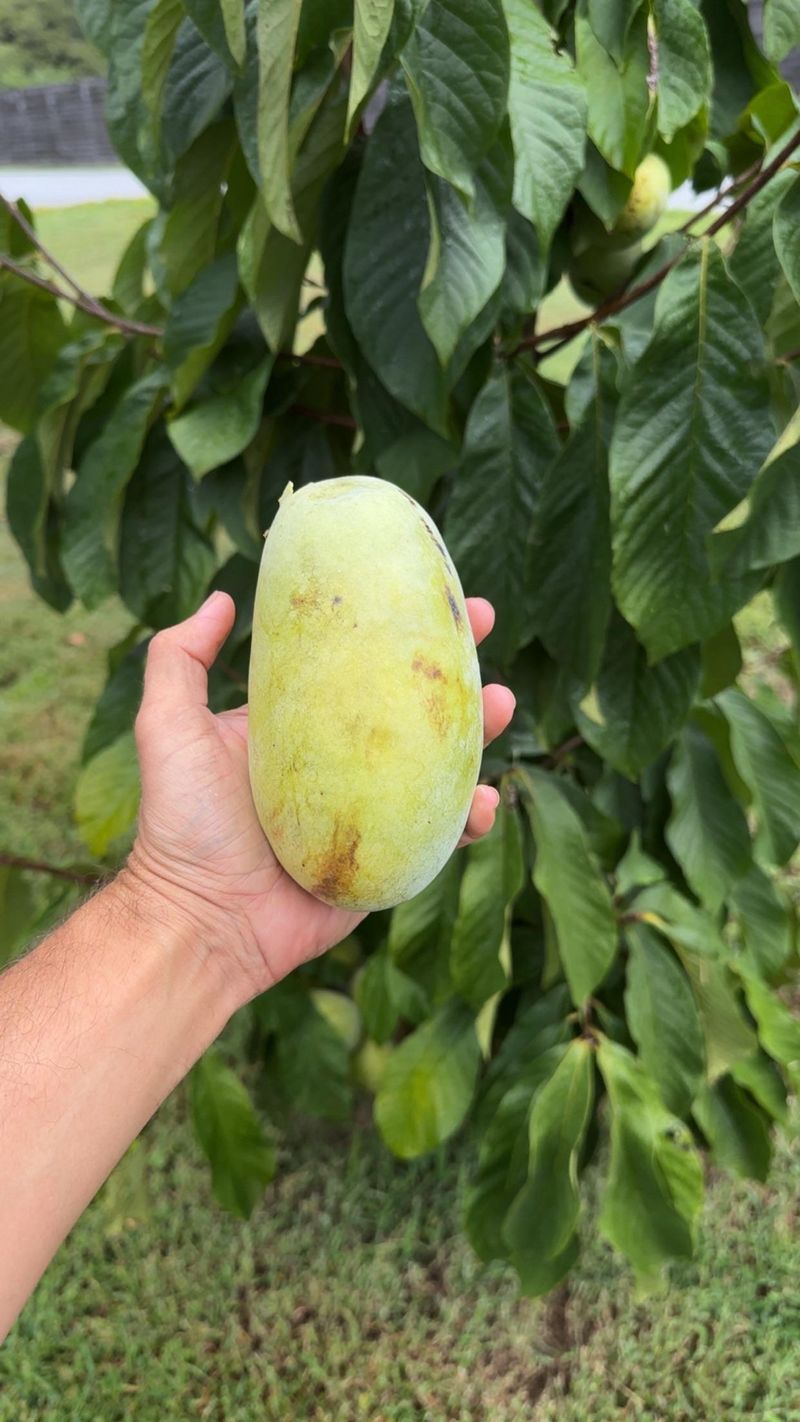
Hold a ripe pawpaw in your palm, and you will feel the weight right away. Some fruits tip the scale at more than one pound.
No other edible fruit native to North America grows that big. Each one can stretch up to six inches long.
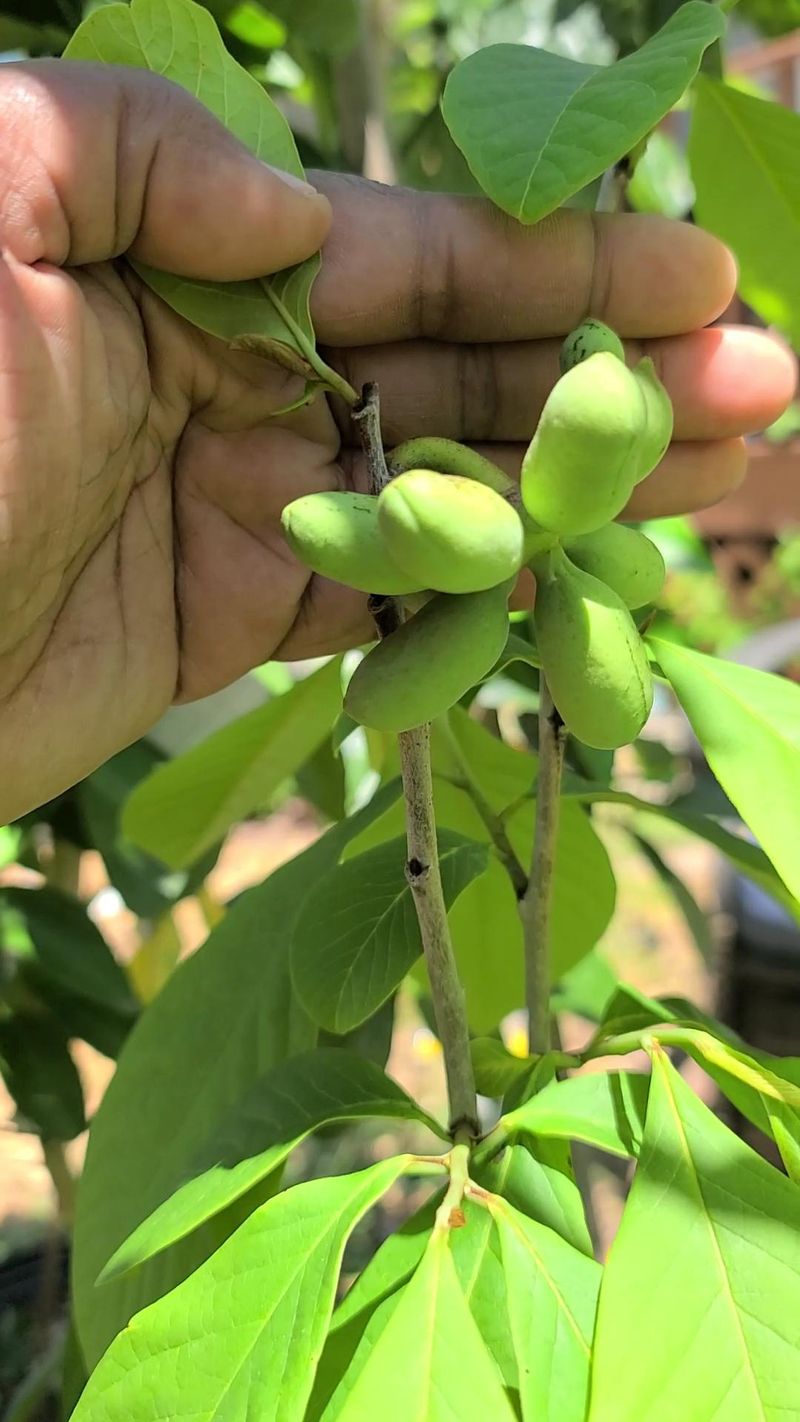
Picture a chunky green potato with smooth skin. Now imagine it hanging in clusters from a slender branch like little bunches of bananas.
Kids love spotting these clusters, which can hold several fruits at once. Grown-ups tend to be just as impressed.
Here is a fun fact to share at dinner. The pawpaw belongs to a mostly tropical plant family called Annonaceae.
Its cousins include cherimoya and soursop, which grow in warm places like South America. The pawpaw is the family’s champion at handling cold winters.
Your Virginia Garden Changes Every Week. Your Plan Should Too.
Gardening in Virginia changes quickly throughout the season. Every Friday you’ll receive a simple weekly plan showing exactly what to plant, prune, fertilize, harvest, and protect so you never miss the right timing.
That toughness explains how it survives snowy months in the mountains and frosty mornings in the valleys. It is a tropical relative with a winter coat.
Want bigger fruit on your own tree? Give it steady water during summer, especially when the fruits start swelling.
A layer of mulch helps hold moisture in the soil. Keep the mulch a few inches away from the trunk.
Thinning also helps. If a cluster looks crowded, remove a couple of small fruits early so the rest can grow larger.
Big harvests are possible from a single mature tree. Some growers pick dozens of pounds each season.
That is a lot of fruit from something that fits in an ordinary yard. Your neighbors may start asking for samples.
The Flavor Blends Banana, Mango, And Custard
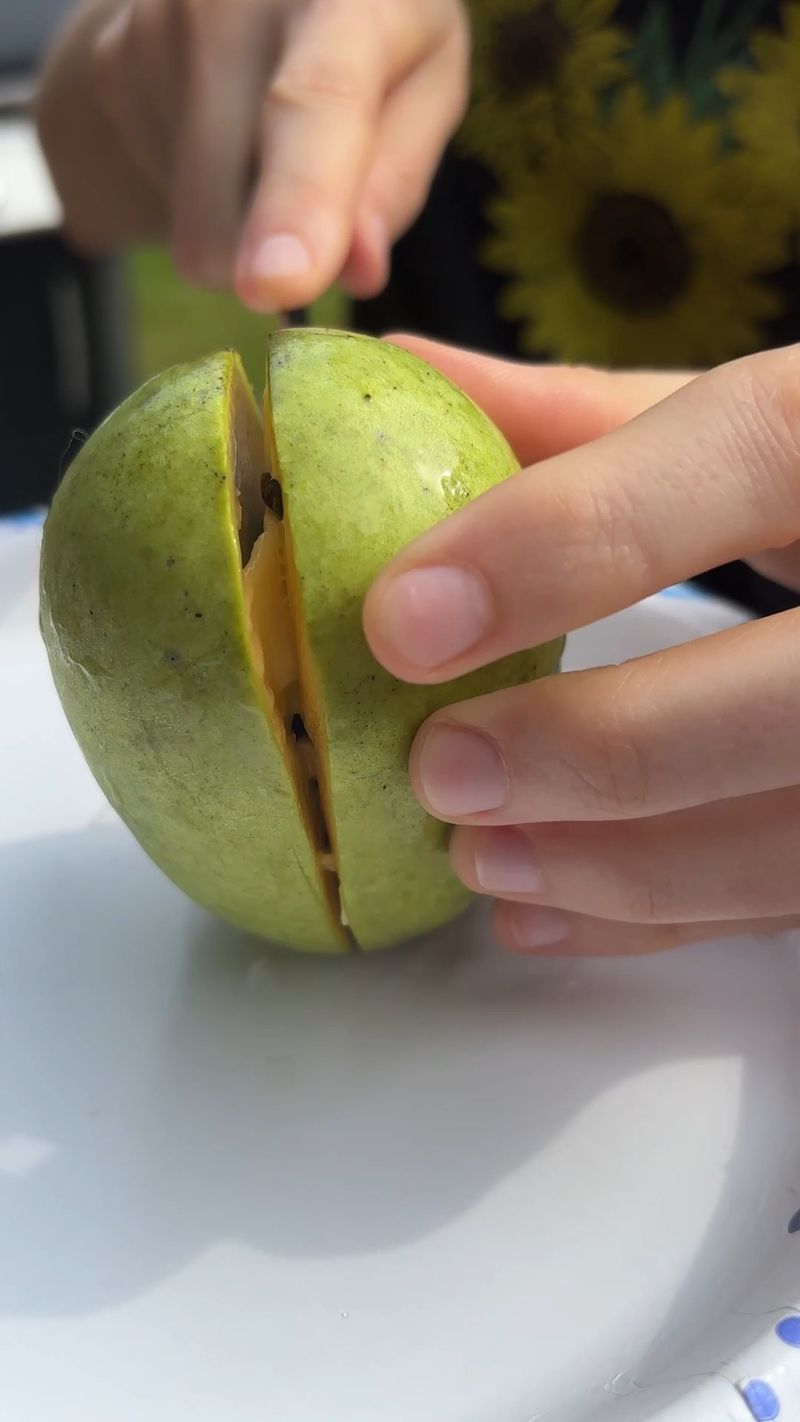
Close your eyes and take one spoonful. Most first-time tasters grin and say it tastes like a banana crashed into a mango.
The flesh is soft and creamy, a lot like pudding. Some people even call pawpaws custard apples for that reason.
Every tree tastes a little different. You might pick up hints of vanilla, melon, or even pineapple in certain fruits.
A perfectly ripe pawpaw smells sweet and fruity. You can often catch the scent before you even cut it open.
Eating one is easy and a little messy. Slice the fruit in half and scoop the golden flesh with a spoon.
Watch for the big, dark seeds inside. Spit them out or pick them free, because the seeds and skin should not be eaten.
Looking for kitchen ideas? Blend the pulp into smoothies with yogurt for a quick tropical breakfast.
Pawpaw also works well in bread, muffins, and ice cream. Just swap it in for mashed banana in many recipes.
Baking can mute the flavor a bit, so fresh or chilled dishes shine brightest. A cold pawpaw straight from the fridge is a summer treat.
One friendly word of caution helps here. A few people get an upset stomach, so try a small amount first.
Once you find a flavor you love, remember the tree it came from. Taste can guide which varieties you plant later.
Honestly, the flavor is the biggest reason for the comeback. One bite, and many people start shopping for trees.
Wild Groves Still Line Virginia Creek Banks
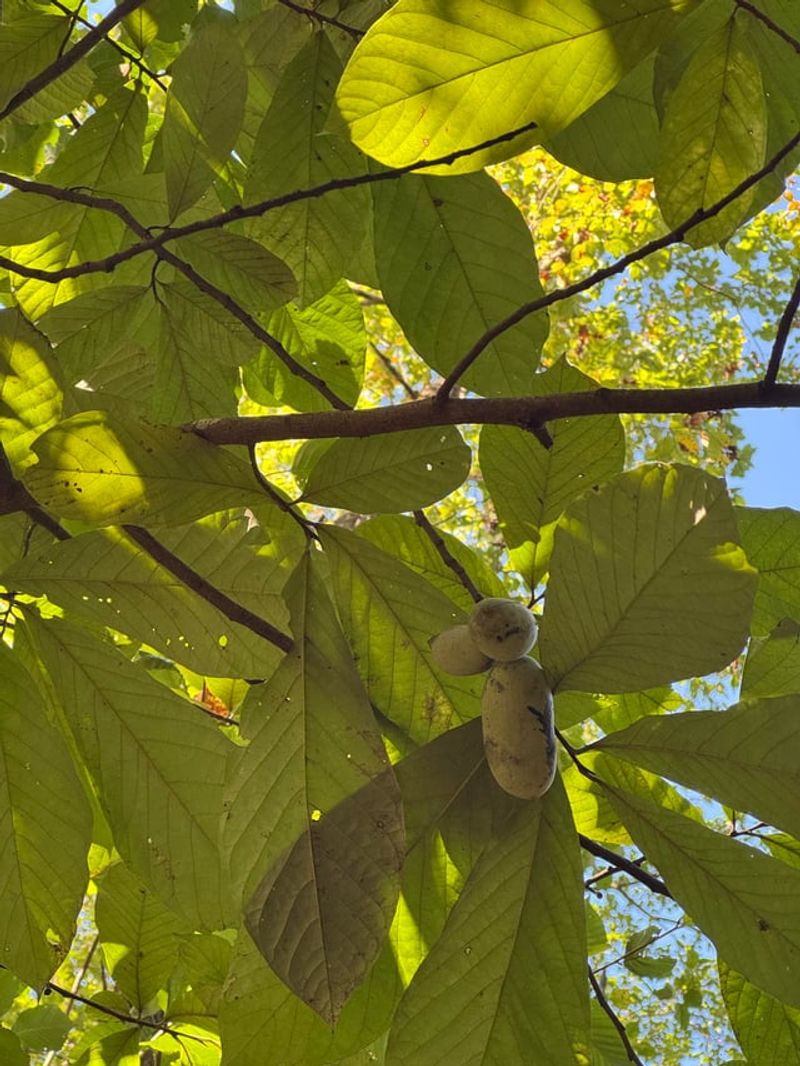
Walk along almost any shady stream in Virginia, and you might stroll right past a pawpaw patch. Those big leaves hang like green umbrellas over the water.
Pawpaws love rich, moist soil in hardwood forests. They crowd into bottomlands, floodplains, and low areas near rivers.
In the wild, the trees often grow in groups called patches. Many of those trees share roots and sprout from the same parent.
Because patch trees are often clones, some wild groves bear little fruit. They need pollen from different trees to produce well.
Hikers enjoy searching for them in late summer. The James and Shenandoah river areas are known pawpaw spots.
If you go looking, bring a friend and a small bag. Look up for green clusters and down for fallen fruit on the ground.
Please follow the rules wherever you hike. Some parks limit picking, so check signs or ask a ranger first.
Also, leave plenty of fruit for wildlife. Raccoons, foxes, opossums, and birds all enjoy a ripe pawpaw snack.
Wild groves offer backyard lessons too. The trees clearly prefer steady moisture and soil full of rotting leaves.
Copy that setup at home by adding compost and mulch. Avoid spots that stay bone dry during summer heat.
A low corner of your yard that stays a bit damp could be perfect. Just skip places where water sits for days.
Nature has already shown us what works. Following its lead gives your tree a strong start.
Several Top Varieties Came From A Virginia Research Farm
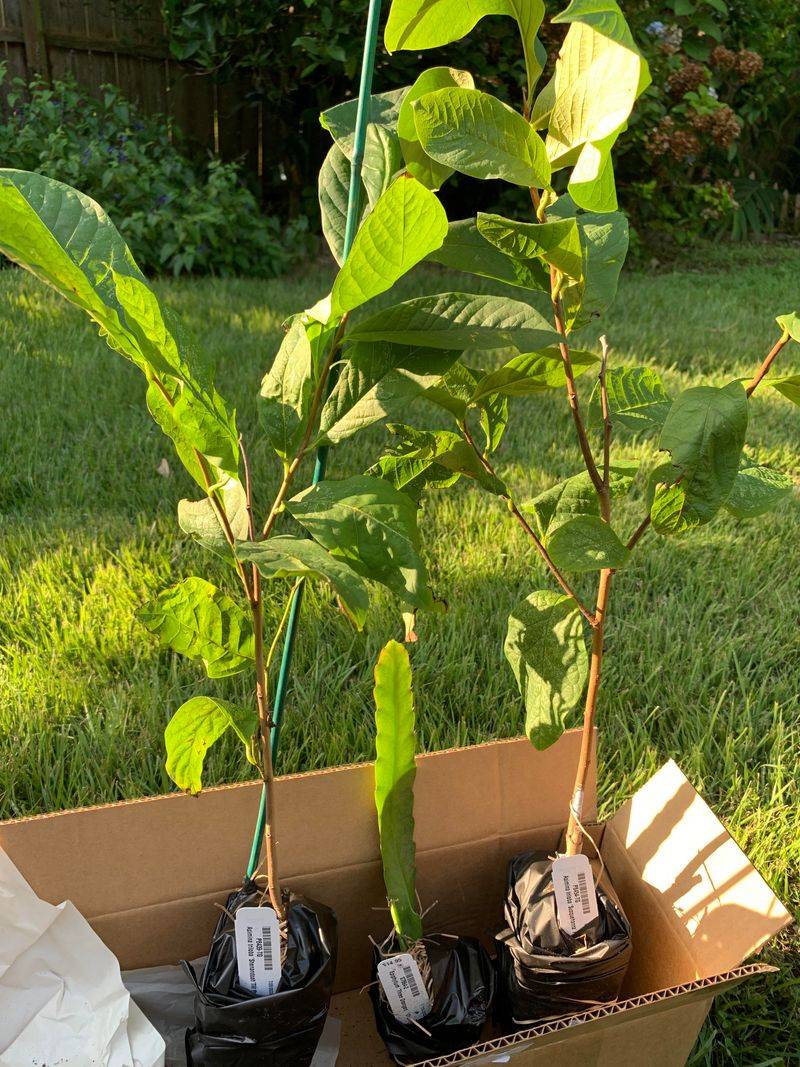
Behind every great fruit is a patient researcher. Virginia has played a real part in turning the wild pawpaw into a better backyard tree.
Scientists and growers in the state helped test and improve many named varieties. Their work focused on bigger fruit, better flavor, and fewer seeds.
Wild pawpaws can be hit or miss. Some taste amazing, while others turn out bland or bitter.
Named varieties take the guessing game away. Growers pick trees with proven qualities and graft them for gardeners.
Popular choices include Shenandoah, Susquehanna, and Potomac. Their names often honor rivers in the region.
Other well-known picks include Sunflower, Overleese, and Mango. Each offers slightly different flavor, size, and ripening time.
Shopping locally makes a lot of sense. Edible Landscaping in Afton sells pawpaw trees suited to the area.
Silver Run Forest Farm in Harrisonburg also ships young trees. Buying close to home often means plants already used to the climate.
Here is a smart buying tip. Ask the nursery whether the tree is grafted or grown from seed.
Grafted trees usually bear fruit sooner, often in three to five years. Seedlings may take seven years or longer.
Also check which varieties pair well together. Good nurseries gladly suggest compatible partners.
Choosing a proven variety feels like getting a head start. You get years of research packed into one little tree.
You’ll Need Two Different Varieties For Fruit
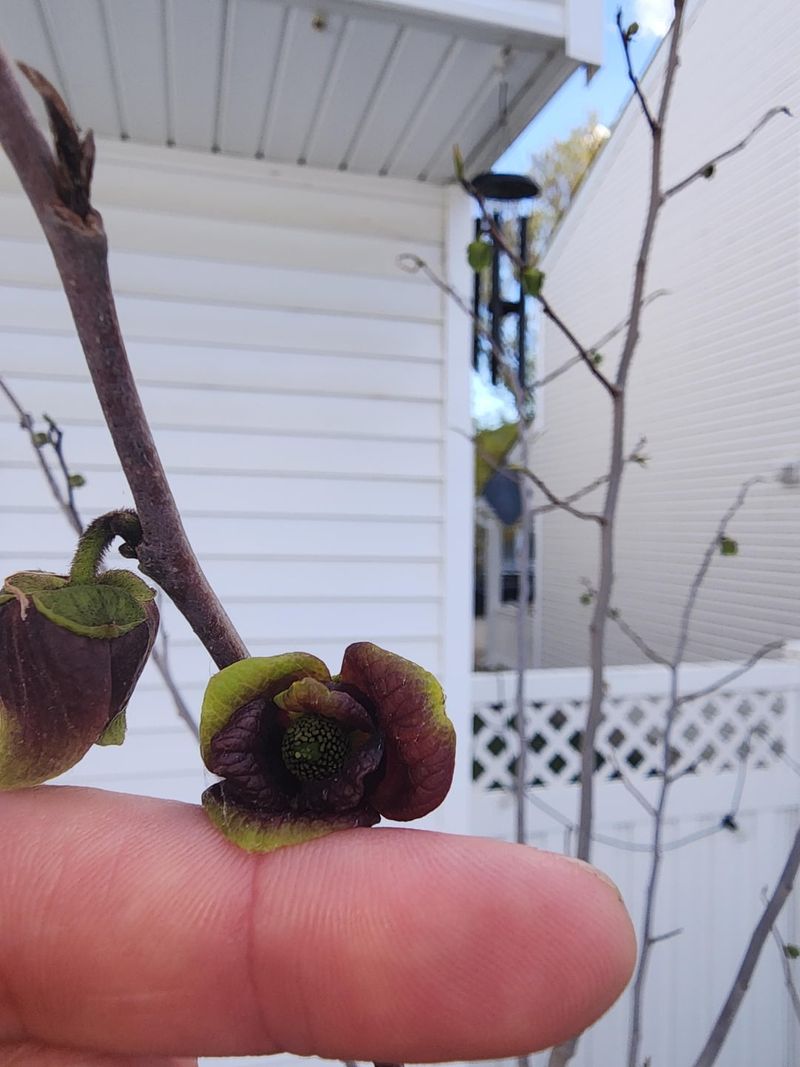
Here is the surprise that trips up many new growers. One lonely pawpaw tree usually gives you leaves and flowers, but little or no fruit.
Pawpaws are self-incompatible, which means they cannot pollinate themselves well. They need pollen from a genetically different tree.
Two trees of the same named variety will not help. Clones share identical genes, so they act like one tree.
Instead, plant two different varieties, such as Shenandoah with Susquehanna. Seedlings also count, because each one has unique genes.
Spacing matters too. Keep trees about 15 to 25 feet apart so pollen can travel easily.
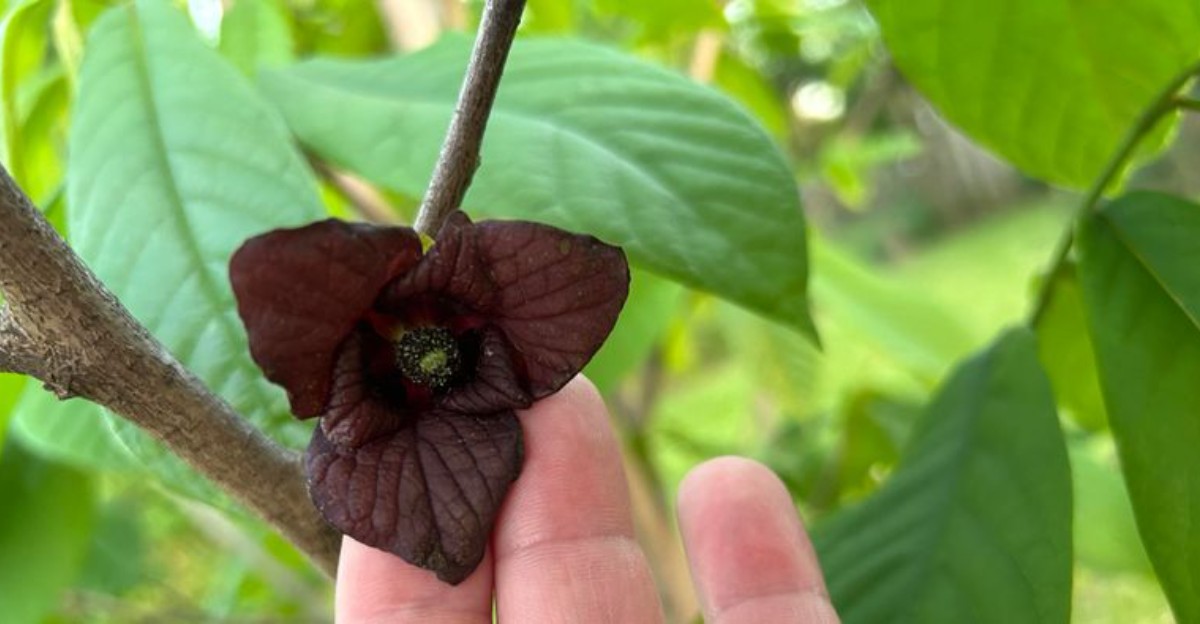
The flowers are interesting to see. They are small, bell-shaped, and deep maroon, showing up in early spring before leaves.
Bees do not visit them much. Flies and beetles handle most of the pollination work instead.
Those flowers smell a bit like something spoiled, which attracts their helpers. Some growers even hang smelly bait nearby to invite more flies.
Want an extra boost? Try hand pollination with a small, soft paintbrush on a calm spring day.
Collect pollen from one tree and dab it onto flowers of the other. It takes a few minutes but can bring bigger harvests.
Short on space? Plant two trees in one wide hole, a few feet apart, and let them grow together.
With a partner nearby, your pawpaw has a real shot at fruit. Think of it as setting up a friendly buddy system.
Young Trees Need Shade For Their First Few Years
Baby pawpaws are a bit like pale kids at the beach. Too much sun too soon, and they burn.
In the wild, young pawpaws grow under taller trees. The forest canopy protects their tender leaves from harsh rays.
Newly planted trees often get scorched leaves in full sun. Brown, crispy edges are a common warning sign.
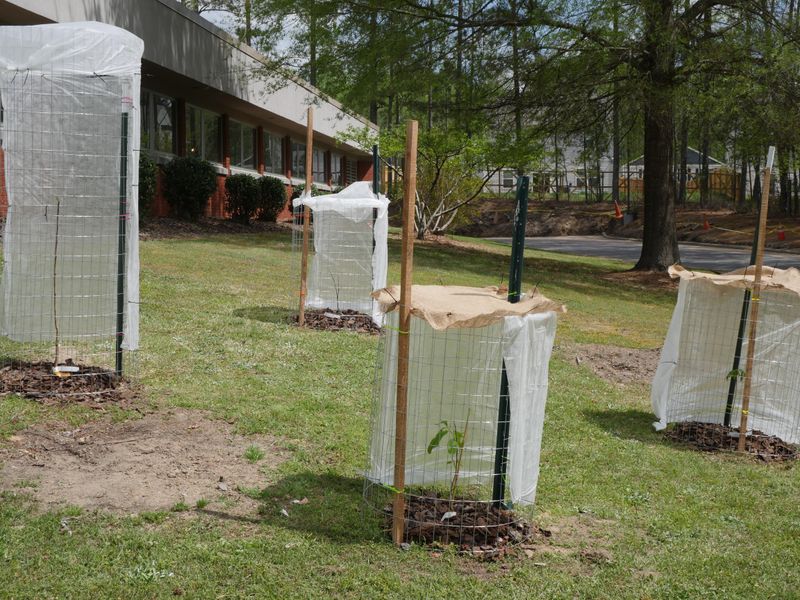
The fix is simple and cheap. Cover young trees with shade cloth for the first year or two.
A tree tube or a simple wooden frame with fabric works well. Aim for about 50 percent shade during hot summer months.
Planting on the east side of a building also helps. Morning sun is gentler, and afternoon shade cools things down.
Here is the twist, though. Grown-up pawpaws actually produce more fruit in full sun.
So plan your spot for the future. Choose a sunny location and give temporary shade while the tree is small.
After two or three years, remove the shade slowly. Let the tree adjust to more light over a few weeks.
Water matters during these early years too. Give young trees a deep soak each week when rain is scarce.
Hot summers can stress new roots quickly. Mulch and shade together keep the soil cooler.
A little babying early pays off later. Patient care now means healthier trees and sweeter harvests down the road.
Few Serious Pests Bother It
Tired of spraying apple trees every other week? Pawpaws might feel like a vacation for your garden sprayer.
Experts call the pawpaw one of the easiest fruit trees to grow. Serious insect problems are rare.
The secret lies inside the plant. Leaves, bark, and twigs contain natural compounds that most bugs dislike.
Those compounds work like a built-in shield. Many gardeners grow pawpaws for years without using any pesticides.
That makes the tree a great fit for organic gardens. Families with kids and pets appreciate the low-chemical approach too.
Deer usually skip pawpaw leaves, but they can still cause trouble for young trees. Bucks sometimes rub their antlers on slender trunks.
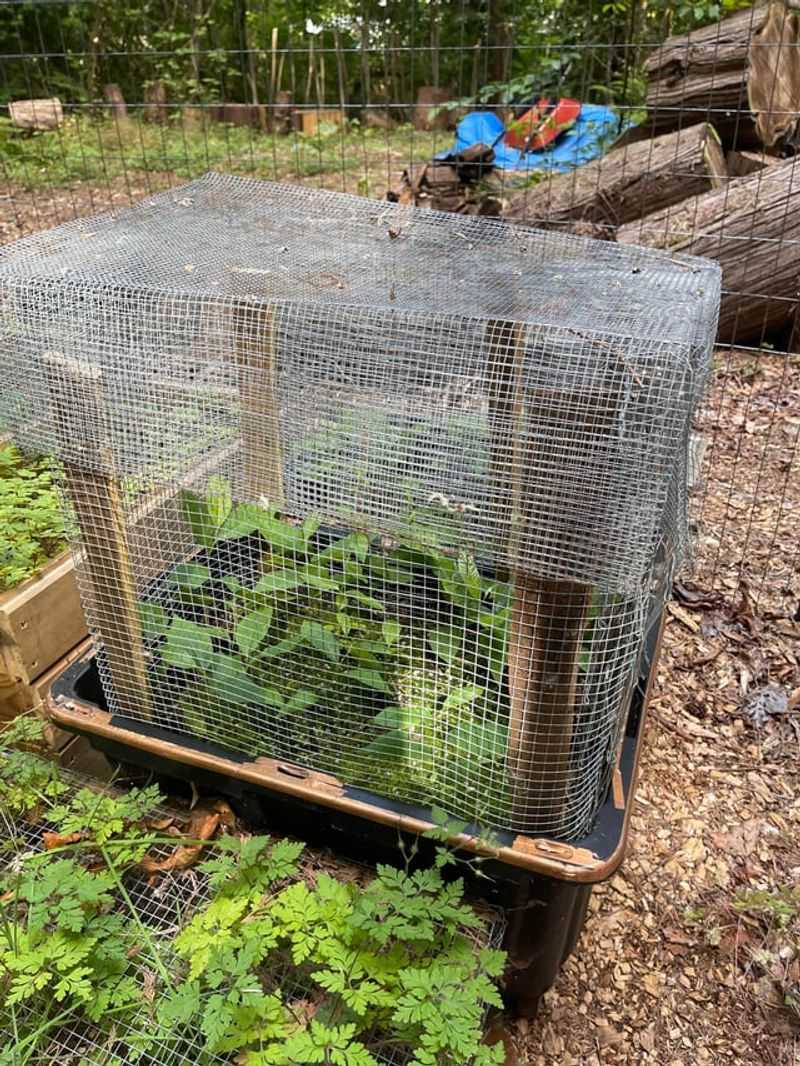
Protect small trees with a wire cage or fence. Make it at least four to five feet tall.
Remove the cage once the tree grows sturdy and tall. Mature pawpaws usually hold their own against browsing.
Fruit thieves are another matter. Raccoons, squirrels, and opossums love ripe pawpaws as much as people do.
Picking fruit as soon as it softens helps you win that race. Check trees every day or two during harvest season.
A few leaf spots or small bugs may appear now and then. Healthy trees shrug off these minor issues easily.
Honestly, the biggest challenge might be patience. The tree takes care of itself surprisingly well.
It Feeds Zebra Swallowtail Caterpillars
Flutter, flutter, and there it goes. A black-and-white striped butterfly with long tails zips past your pawpaw.
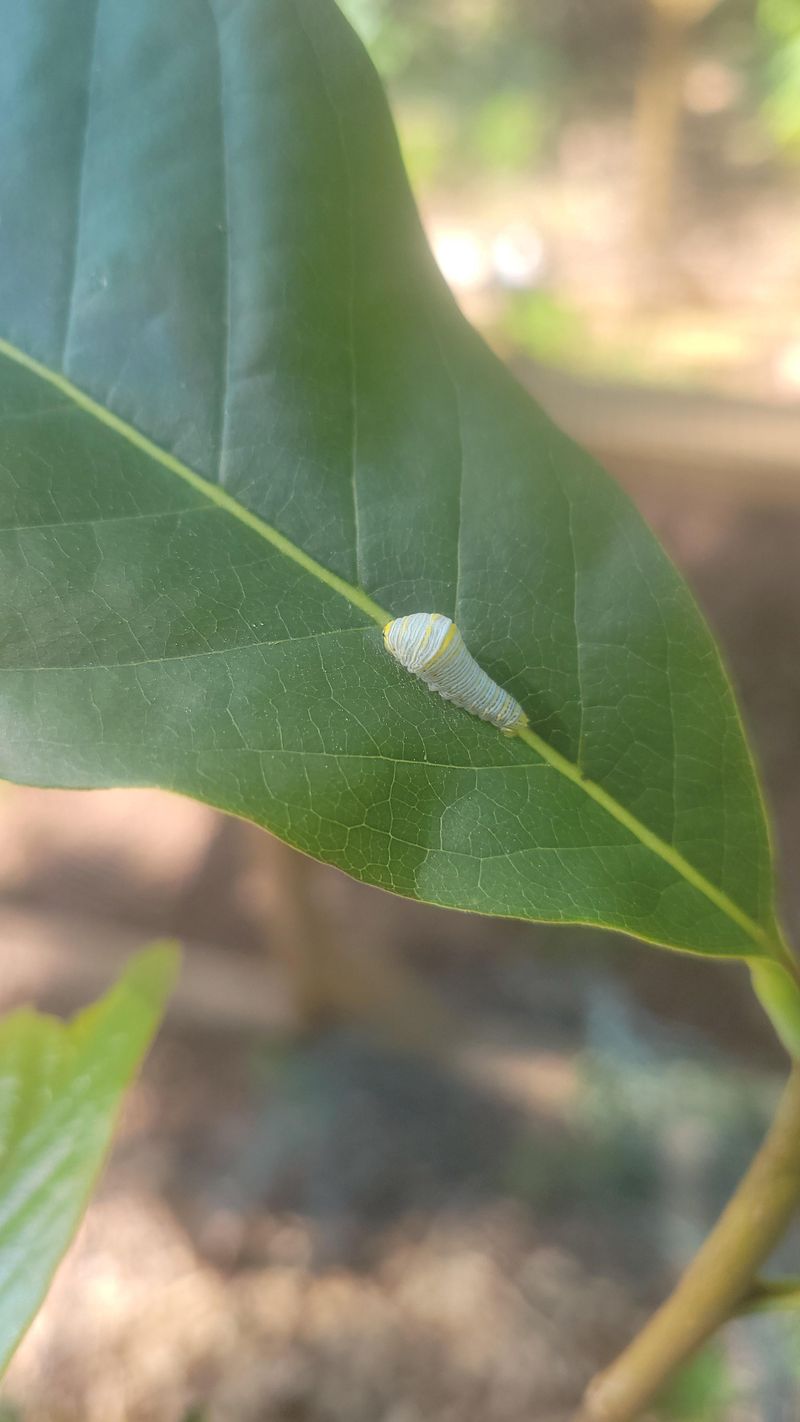
Meet the zebra swallowtail, one of the prettiest butterflies in the eastern United States. Its caterpillars eat only pawpaw leaves.
No pawpaw means no zebra swallowtails. The butterfly depends on the tree to raise its young.
Females lay tiny eggs on fresh leaves in spring and summer. The hatching caterpillars munch and grow quickly.
Should you worry about the chewed leaves? Not at all, because a healthy tree handles light feeding with ease.
You will rarely notice much damage. The fruit stays safe, since the caterpillars stick to foliage.
Here is a cool fact for curious kids. Those caterpillars store bitter compounds from pawpaw leaves in their bodies.
Birds learn that zebra swallowtails taste bad. The tree helps protect the butterfly long after it leaves the branch.
Want to see more butterflies? Skip pesticides near your trees and plant nectar flowers close by.
Blueberries, milkweed, and lilacs attract hungry adults. A small birdbath with pebbles offers a handy drinking spot.
Take a closer look at leaf undersides in late spring. You might spot a green caterpillar with thin dark stripes.
Growing pawpaws turns your yard into a butterfly nursery. Fruit and wildlife in one tree is a pretty sweet deal.
The Fruit Ripens In Late Summer And Spoils Fast
Blink during harvest week, and the pawpaws might beat you to the finish line. These fruits go from ripe to overripe in a flash.
In Virginia, the season usually runs from late August through September. Some varieties hang on into early fall.
How do you know one is ready? Give it a gentle squeeze, like you would test a peach or avocado.
Ripe fruit feels soft and gives slightly under your thumb. It should also smell sweet and fruity.
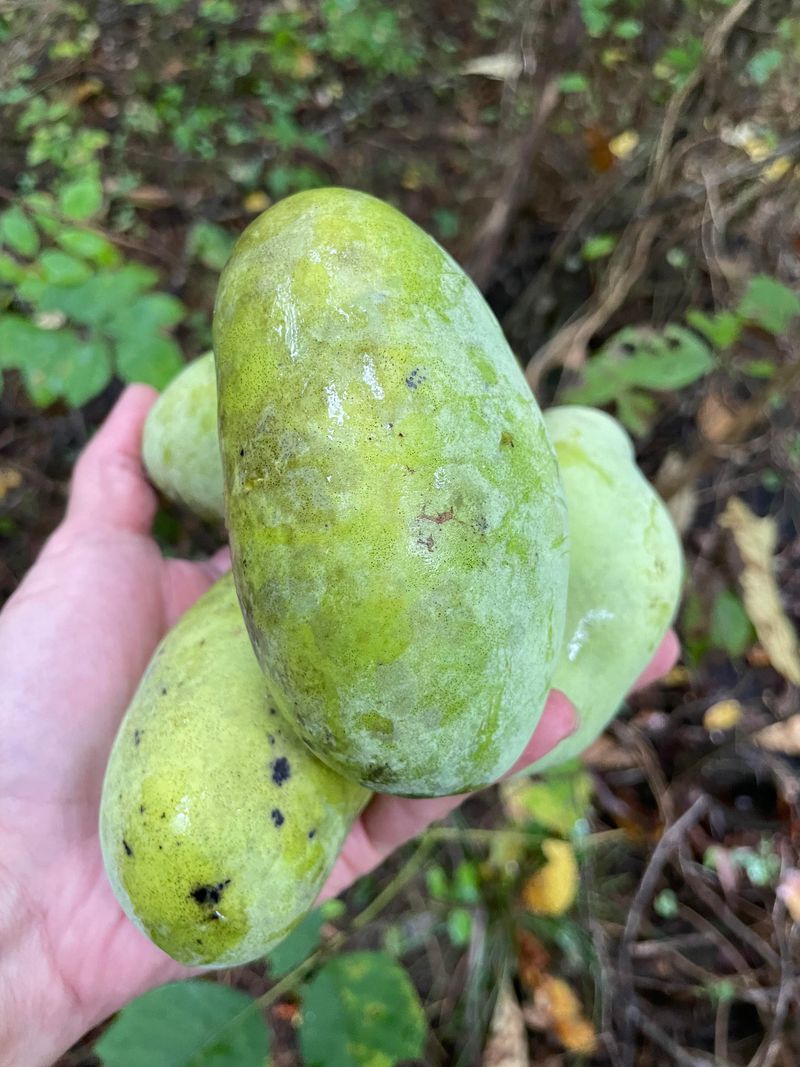
Skin color may shift from green to yellowish, sometimes with dark speckles. Many ripe fruits drop from the tree on their own.
Handle your harvest with care. Pawpaws bruise easily, so lay them in a single layer in a shallow basket.
Fresh fruit lasts only a few days on the counter. Chilling it in the fridge stretches freshness to about one week.
Got more than you can eat? Scoop out the pulp, remove the seeds, and freeze it in bags.
Frozen pulp keeps its tropical flavor for many months. It is perfect for winter smoothies and baking projects.
Sharing is another great option. Neighbors and friends often love trying their very first pawpaw.
That quick spoilage explains why stores rarely sell them. Growing your own is the best way to enjoy them fresh.
Once you taste a sun-warmed pawpaw, the wait feels worth it. It might become your favorite late-summer ritual.