This Destructive Bug Targets Pennsylvania Pumpkins At An Alarming Rate
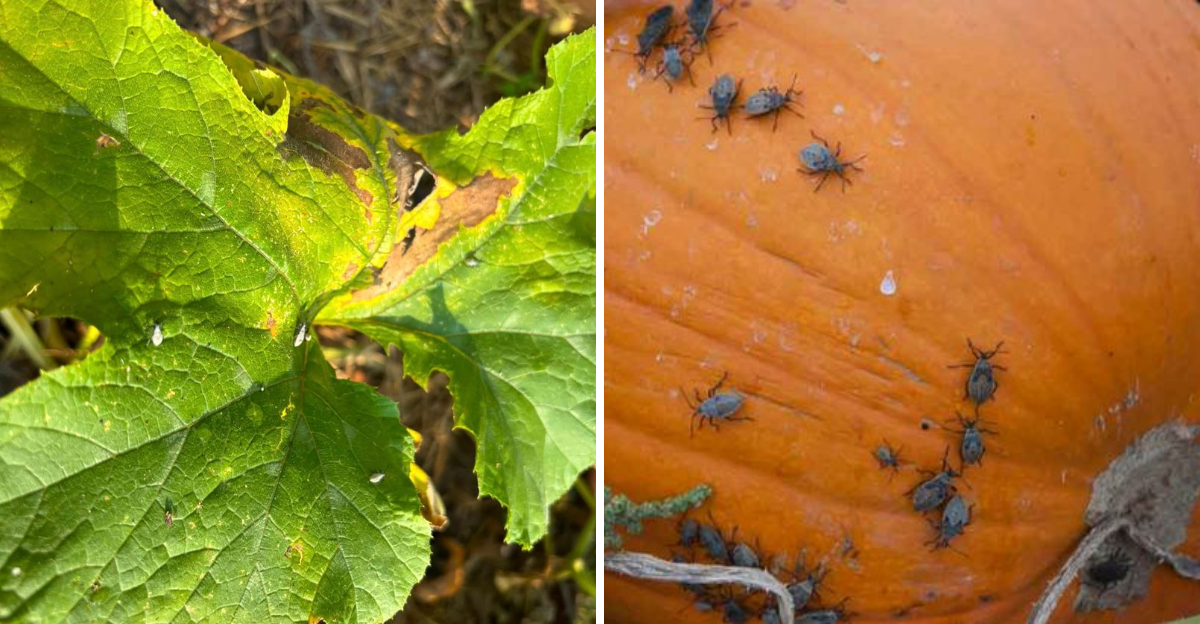
Pennsylvania pumpkin growers have a problem that is arriving earlier in the season, spreading faster through plantings, and causing damage that is increasingly difficult to manage once it gets going.
Whether you’re growing a backyard patch for fall decorating or working toward a serious harvest, this bug has the potential to undermine months of effort in a span of weeks. And most gardeners don’t see it coming until the damage is already significant.
This pest targets pumpkins at a stage in their growth when they’re most vulnerable, and it does its worst work during the late summer heat when plants are already under stress from other directions.
The combination makes recovery difficult and sometimes impossible for plantings that were looking completely healthy just a few weeks earlier.
Reports of infestations across Pennsylvania pumpkin patches, both home gardens and small farms, have been increasing at a pace that has extension specialists paying close attention this season.
Here’s what this destructive bug is, what to look for before the damage gets ahead of you, and what Pennsylvania pumpkin growers can actually do to stop it.
Squash Bugs Are A Major Threat To Pennsylvania Pumpkins
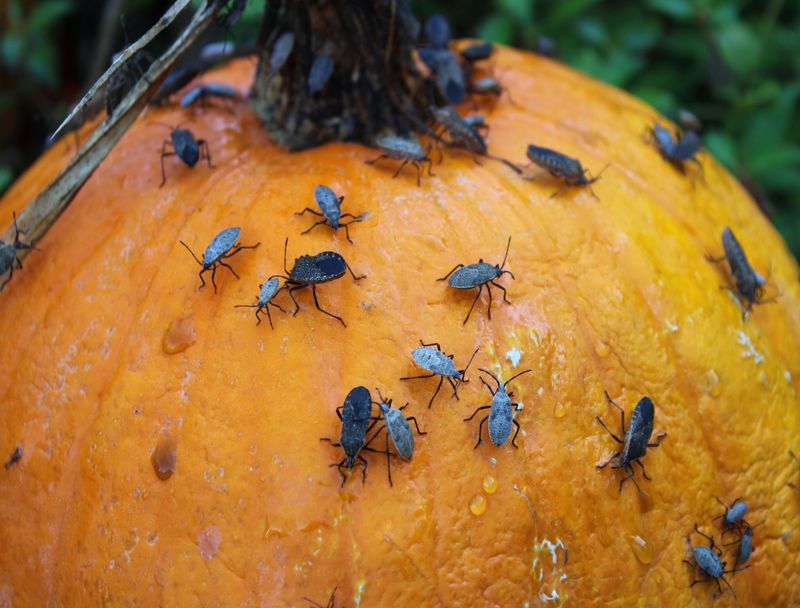
Most gardeners have heard of aphids and beetles, but squash bugs are in a league of their own when it comes to pumpkin destruction. Squash bugs, scientifically known as Anasa tristis, are flat, brownish-gray insects about five-eighths of an inch long.
They blend in so well with plant stems and soil that many growers do not notice them until the damage is already serious.
These bugs target pumpkins and other cucurbits, which includes cucumbers, squash, and melons. Both adult squash bugs and their young, called nymphs, feed by piercing plant tissue and sucking out the sap.
This feeding disrupts the flow of water and nutrients through the plant, which is what makes them so harmful.
Pennsylvania’s warm summers create ideal conditions for squash bugs to breed quickly and build up large populations. A single female can lay dozens of eggs during the growing season, so numbers can explode in just a few weeks.
Many growers are surprised to find that what started as a handful of bugs can become hundreds in no time.
Knowing your enemy is the first step to protecting your pumpkin patch. Squash bugs are most active during the warmer parts of the day, and they tend to hide under leaves and near the base of stems when disturbed.
Checking your plants regularly, especially in the early morning, gives you the best chance of spotting them before populations get out of hand. Staying alert from the moment your plants are in the ground is the smartest move you can make.
Their Feeding Can Make Healthy Vines Suddenly Wilt
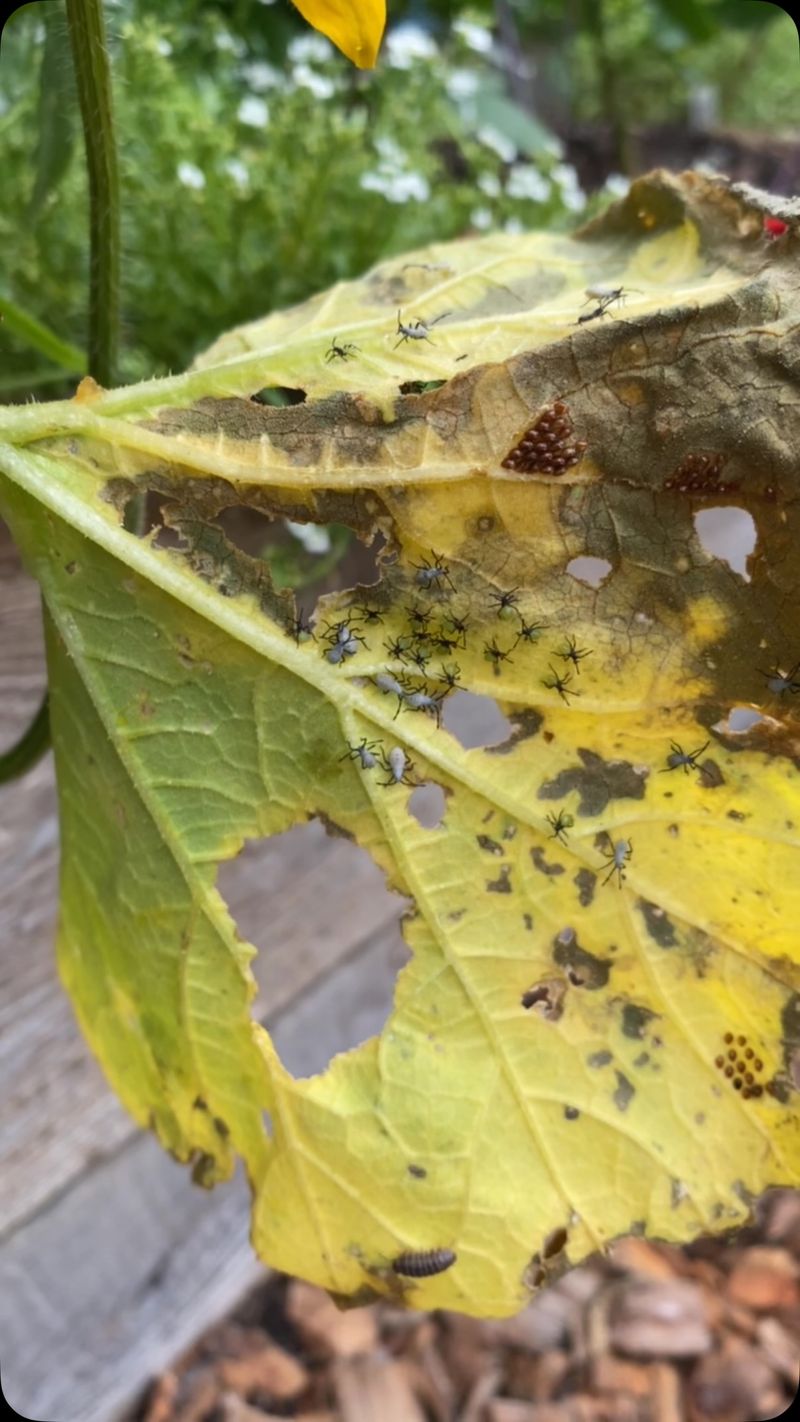
Picture walking out to your garden on a sunny morning, and your pumpkin vines that looked perfectly healthy the day before are now drooping and turning yellow. That sudden, alarming change is often the work of squash bugs.
Their feeding causes a condition called anasa wilt, which looks a lot like a disease but is actually caused by the bugs draining the plant’s sap.
Your Pennsylvania Garden Changes Every Week. Your Plan Should Too.
Gardening in Pennsylvania changes quickly throughout the season. Every Friday you’ll receive a simple weekly plan showing exactly what to plant, prune, fertilize, harvest, and protect so you never miss the right timing.
When squash bugs feed, they inject a toxic substance into the plant tissue as they suck out fluids. This toxin blocks the vascular system inside the vine, stopping water and nutrients from moving where they need to go.
Leaves start to look bronze or yellow, then they wilt, and eventually the affected sections of the vine can collapse entirely.
What makes this especially tricky is that the damage can look similar to fungal diseases like downy mildew.
Growers sometimes treat for disease when the real problem is bugs hiding underneath the leaves. Getting the diagnosis right matters, because the solutions are completely different.
Heavy squash bug infestations can weaken an entire pumpkin vine in a surprisingly short amount of time. Young plants are especially vulnerable because they have not yet developed the strong root systems that help them bounce back from stress.
Even mature vines are not safe if the bug population gets large enough. Acting fast when you see wilting is key.
Do not assume your plants will recover on their own. Flip those leaves over and look for bugs right away, because the sooner you find them, the better your chances of saving the vine.
Check The Undersides Of Leaves For Eggs
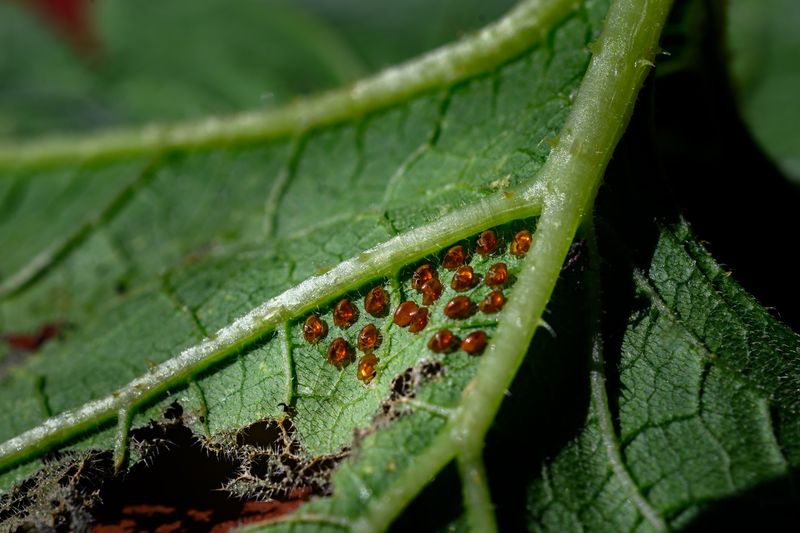
Here is something most beginner gardeners do not know: squash bugs are masters at hiding their eggs. Female squash bugs lay their eggs on the undersides of leaves, tucking them away where most people never think to look.
The eggs are small, oval-shaped, and have a shiny bronze or reddish-brown color that makes them stand out once you know what you are searching for.
Eggs are usually laid in neat clusters, often arranged in a diamond or V-shaped pattern. A single cluster can contain anywhere from a dozen to over forty eggs.
One female can produce multiple clusters throughout the season, so the math adds up fast. Finding and removing eggs early is one of the most effective things you can do to keep squash bug numbers under control.
To remove egg clusters, simply scrape them off the leaf using a butter knife, your fingernail, or a piece of tape. Drop them into a bucket of soapy water to make sure they do not hatch.
Some gardeners choose to remove and discard the entire leaf if it has a large number of egg clusters on it.
Make it a habit to check the undersides of leaves at least two or three times a week during the growing season. Pay extra attention to the larger leaves near the base of the plant, since squash bugs tend to prefer those spots for egg-laying.
Early detection is truly your most powerful tool. Catching eggs before they hatch means fewer nymphs to deal with later, and that makes protecting your pumpkins so much more manageable.
Young Nymphs Are Easier To Control Than Adults
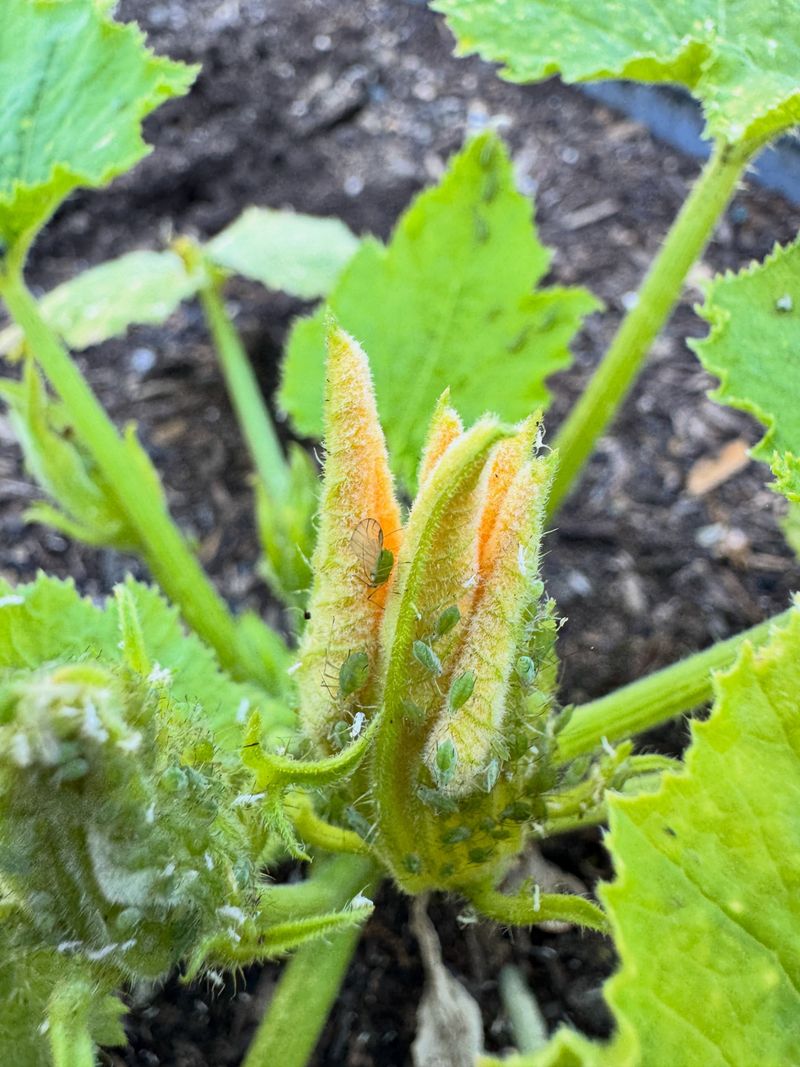
Timing really is everything when it comes to managing squash bugs. Newly hatched nymphs are much easier to deal with than fully grown adults.
Right after hatching, young nymphs cluster tightly together in groups on the underside of leaves or near the base of the stem. During this stage, they are soft-bodied, slower-moving, and more exposed than adults.
Adult squash bugs have a tough outer shell that makes them harder to affect with organic sprays. They also move quickly and scatter when disturbed, making them harder to catch and remove by hand.
Nymphs, on the other hand, tend to stay bunched up for several days after hatching, which gives you a real window of opportunity to take action.
Hand-picking is one of the most reliable methods for small gardens. Wear gloves, since squash bugs release an unpleasant odor when handled, and drop them into soapy water.
For larger patches, insecticidal soap or neem oil applied directly to nymph clusters can be effective. Always apply sprays early in the morning or in the evening to avoid harming beneficial insects like bees.
Waiting too long to act is one of the most common mistakes gardeners make. Once squash bugs reach adulthood and spread out across the patch, getting the situation under control becomes much harder.
Each generation of adults can produce another wave of eggs, which starts the whole cycle over again.
Checking your plants every few days and responding quickly when you spot young nymphs is the most practical strategy you have for keeping squash bug numbers from spiraling out of control.
Late Summer Is A Critical Time To Keep Watching
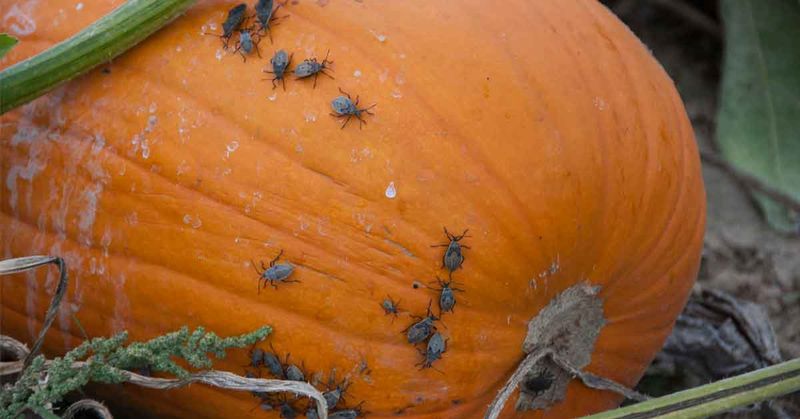
Many gardeners relax their guard once pumpkins start forming on the vine, assuming the hard part is over. Late summer is actually one of the most important times to stay on top of squash bug monitoring.
As pumpkin plants mature and their vines spread out, squash bug populations can reach their highest levels of the entire season.
Squash bugs breed continuously throughout the warm months, and by late summer, you may be dealing with two or even three generations of bugs all at once. Adults that hatched in early summer have had time to mate and lay multiple rounds of eggs.
This means the number of bugs in your patch can be significantly larger in August and September than it was in June or July.
Check the base of each vine carefully, since bugs tend to congregate there where the stem meets the soil.
Also inspect the undersides of leaves near developing fruit, because squash bugs will sometimes feed directly on young pumpkins, causing scarring and surface damage. Do not forget to look at the fruit itself for any signs of feeding marks or discoloration.
Staying consistent with your inspections through the end of the growing season pays off in a big way. Even if your pumpkins look healthy, bugs may be quietly building up numbers that could cause rapid damage in a matter of days.
Set a reminder to walk through your patch every few days during late summer. Bring a flashlight if you check in the evening, since squash bugs often gather near the soil surface after dark. Staying alert right up until harvest protects all the hard work you have put in.
Clean Up The Patch After Harvest
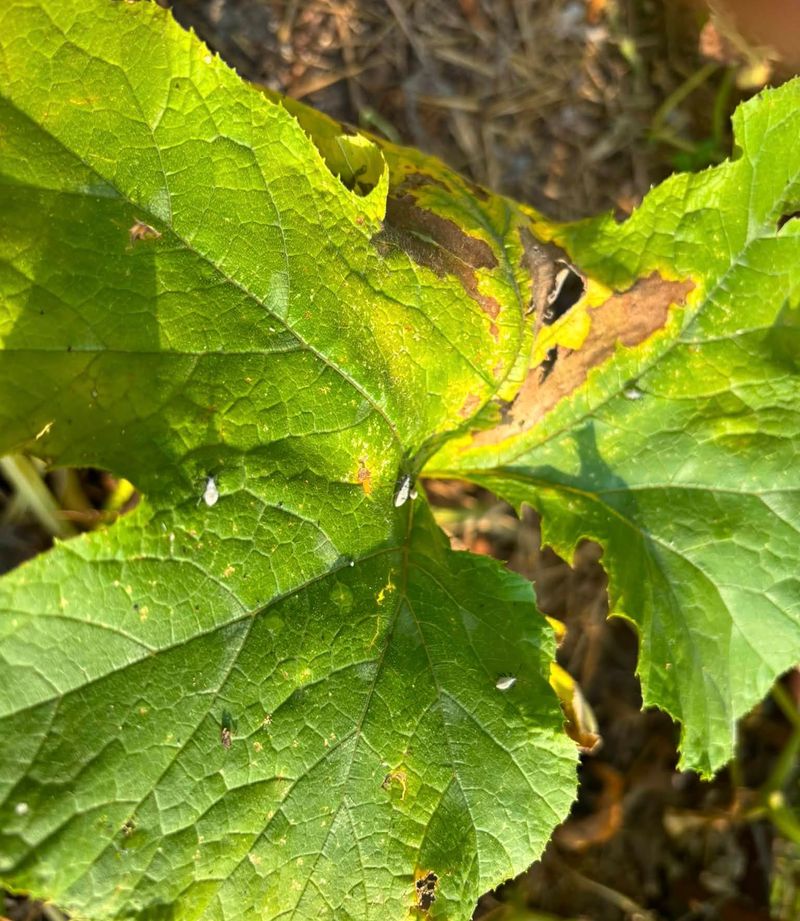
Once you have brought in your pumpkins for the season, the job is not quite finished. What you do with your garden after harvest can have a direct impact on how bad your squash bug problem is next year.
Adult squash bugs do not disappear when the weather cools. They look for sheltered spots to wait out the winter, and garden debris is one of their favorite hiding places.
Dry vines, old leaves, mulch piles, and wooden boards left near the garden can all serve as cozy overwintering spots for squash bugs. If you leave plant debris in place after harvest, you are essentially inviting next year’s bug population to move in early.
Removing and disposing of all dry plant material as soon as possible after harvest cuts off one of their main survival strategies.
Do not compost squash bug-infested plant material unless your compost pile gets hot enough to eliminate pests. A better option is to bag the debris and put it out with your trash, or burn it if that is allowed in your area.
Clearing the patch thoroughly and tilling the soil lightly can also help expose any bugs or eggs that are hiding just under the surface.
Crop rotation is another smart strategy to work into your gardening plan. Avoid planting pumpkins or other cucurbits in the same spot two years in a row.
Moving your pumpkin patch to a different area of the garden each season makes it harder for squash bugs that overwintered nearby to find your new plants right away.
Combining good cleanup habits with crop rotation gives your garden a much stronger start each spring.