The Gorgeous Southern Pea Alternative You Can Grow Without The Fuss In Florida
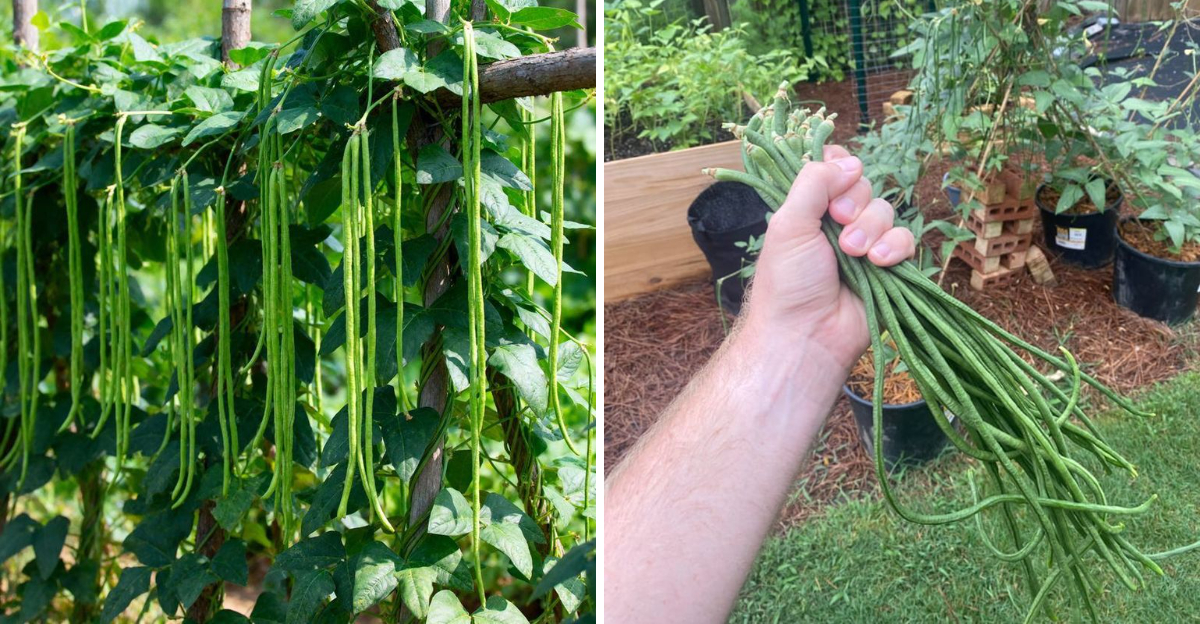
If your summer garden has been feeling a little predictable lately, yard-long beans might be exactly the shake-up it needs.
These vigorous climbing vines are closely related to the Southern pea, sharing the same species name Vigna unguiculata, but they bring their own personality to the garden in a big way.
Showy violet or yellow flowers, unusually long hanging pods that look almost theatrical dangling from a trellis, and a genuine tolerance for heat and humidity that most summer vegetables can only dream about.
Florida summers are tough on a lot of crops, but yard-long beans were practically built for this kind of weather.
They are productive, visually interesting, and honestly a lot of fun to grow once you give them the right support and a little room to climb.
1. Yard-Long Beans Make A Strong Southern Pea Alternative
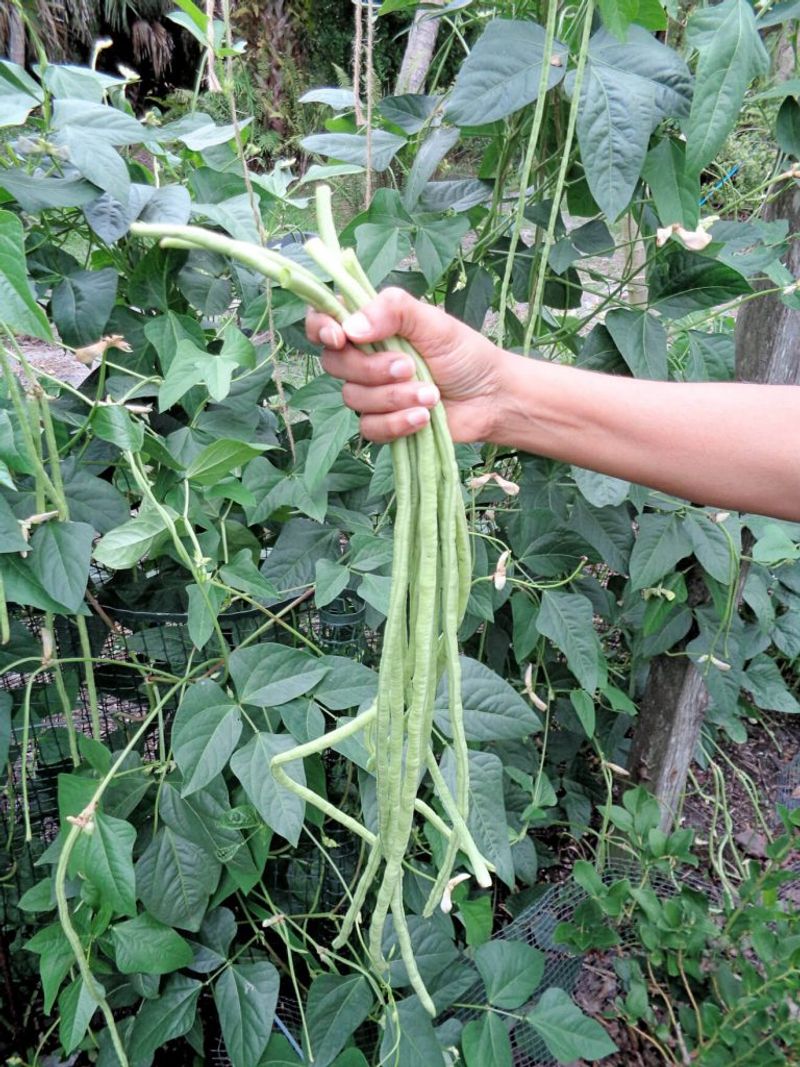
Knowing where yard-long beans fit in the plant world makes it easier to understand why they work so well in Florida vegetable gardens. Yard-long bean belongs to the species Vigna unguiculata, the same species as the Southern pea and cowpea.
That shared lineage means they carry many of the same warm-season strengths that gardeners already appreciate in traditional Southern peas.
The biggest difference comes down to how and when you harvest. Southern peas are typically grown for their mature or semi-mature seeds, while yard-long beans are harvested much earlier, when the pods are still young, slender, and tender.
The immature pods are the main edible prize, though the seeds inside mature pods can also be shelled and used in ways similar to Southern peas.
Yard-long beans are not a completely different crop dropped into the Southern pea’s place. They are more like a close cousin with a different specialty.
For Florida gardeners who enjoy growing cowpeas but want to try something with more vertical drama, longer harvest windows, and a different culinary use, yard-long beans offer a practical and satisfying shift.
The vines climb enthusiastically, the pods hang in impressive clusters, and the plants bring a fresh look to a garden space without requiring an entirely new growing approach.
2. Florida Heat Helps These Vigorous Vines Thrive
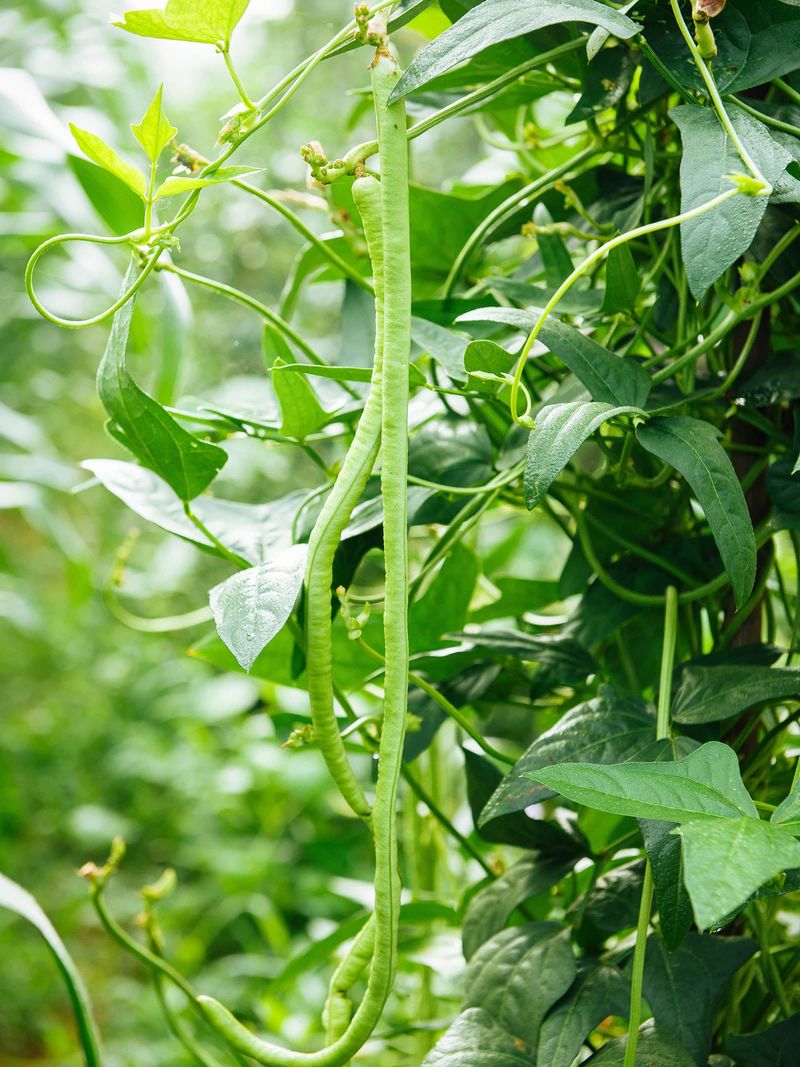
Summer in Florida can feel relentless, but yard-long beans seem almost built for it.
These warm-season plants genuinely perform well under high temperatures and can tolerate the heat and humidity that cause many other vegetables to struggle or shut down production entirely.
That heat tolerance is one of the main reasons they make such an appealing option for Florida’s long warm growing season.
Once yard-long beans are established, they also show a reasonable tolerance for drier conditions. That can be helpful during stretches when summer rains are inconsistent or when gardeners need to cut back on irrigation.
However, drought tolerance does not mean the vines can simply be forgotten during dry periods. Prolonged water stress can still affect pod production and overall plant health.
Heat tolerance also does not mean extreme or unusual conditions will never cause stress. A combination of intense heat, poor drainage, and inconsistent watering can still push the vines into difficulty.
Your Florida Garden Changes Every Week. Your Plan Should Too.
Gardening in Florida changes quickly throughout the season. Every Friday you’ll receive a simple weekly plan showing exactly what to plant, prune, fertilize, harvest, and protect so you never miss the right timing.
The good news is that under typical Florida summer conditions, yard-long beans tend to settle in and grow with real energy.
Gardeners who have struggled to keep other warm-season crops going through July and August may find that yard-long beans hold up better and continue producing when other options have faded.
That resilience is a genuine asset in a vegetable garden.
3. The Right Planting Window Depends On Your Part Of Florida
Florida is a long state, and what works in Gainesville does not necessarily apply to Miami.
Planting dates for yard-long beans shift considerably from one region to the next, so matching your timing to your location can make a real difference in how well your crop gets started.
In North Florida, the planting window generally runs from March through July. Gardeners in that region can take advantage of the warming spring soil and the long stretch of summer heat that follows.
Central Florida offers a slightly longer window, from February through August, giving gardeners a bit more flexibility on both ends of the season.
South Florida follows a different rhythm entirely, with a planting window that runs roughly from September through April.
That South Florida difference is worth understanding rather than assuming peak summer planting works statewide. South Florida’s summer heat and intense humidity can make the hottest months less productive for many crops, including yard-long beans.
The cooler and drier months of fall through spring create more favorable conditions in that region. Paying attention to your specific planting window can help you avoid starting seeds when conditions are working against you.
Checking with your local UF/IFAS Extension office is a reliable way to confirm timing recommendations that fit your county and your garden’s particular microclimate before you begin.
4. Full Sun And A Sturdy Trellis Support Strong Growth
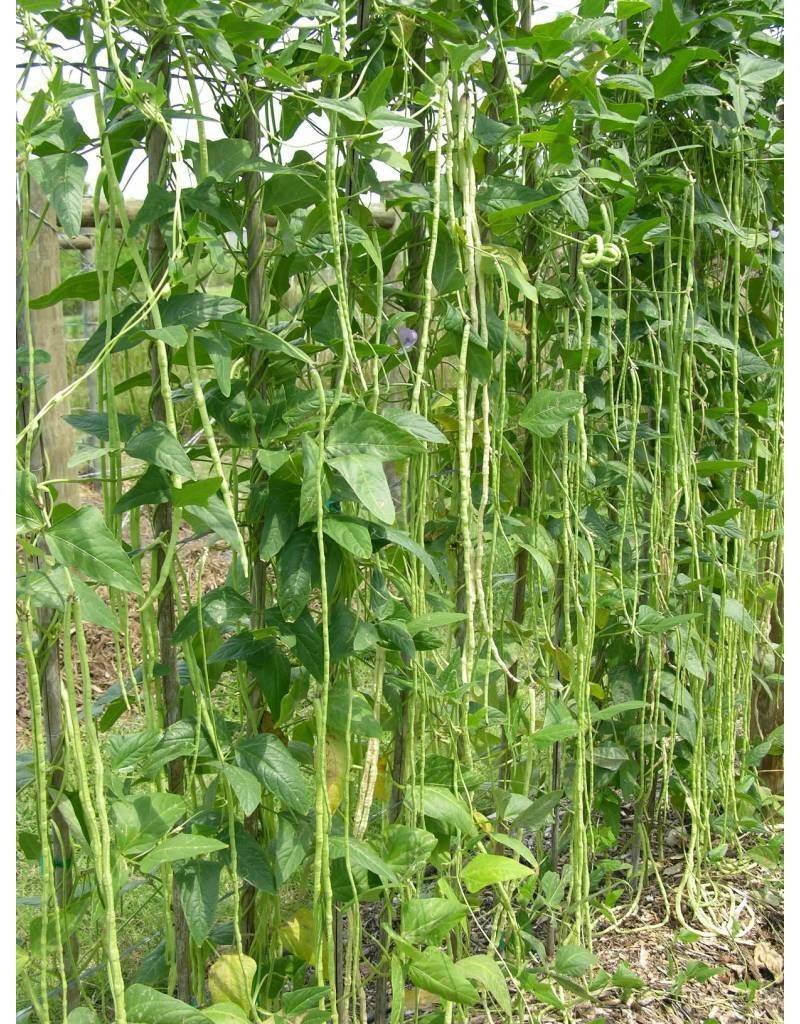
A garden trellis that looked perfectly adequate before yard-long beans arrived can quickly feel undersized once these vines get going. Yard-long beans are vigorous climbers, and the vines can reach roughly nine to twelve feet under good growing conditions.
Planning for that height before planting saves a lot of frustration later in the season.
Full sun is equally important. Yard-long beans need a location that receives at least six to eight hours of direct sunlight each day.
Florida’s intense summer sun is actually an advantage here, giving the vines the light energy they need to climb, flower, and produce pods consistently.
A shaded or partially shaded spot will limit both vine growth and pod production in ways that are hard to recover from mid-season.
The trellis, fence, arbor, or other vertical structure you choose should be sturdy enough to hold the weight of mature vines and hanging pods through Florida’s summer storms and wind.
A flimsy support can topple or collapse when the vines are at full growth, and recovering from that kind of setback mid-season is difficult.
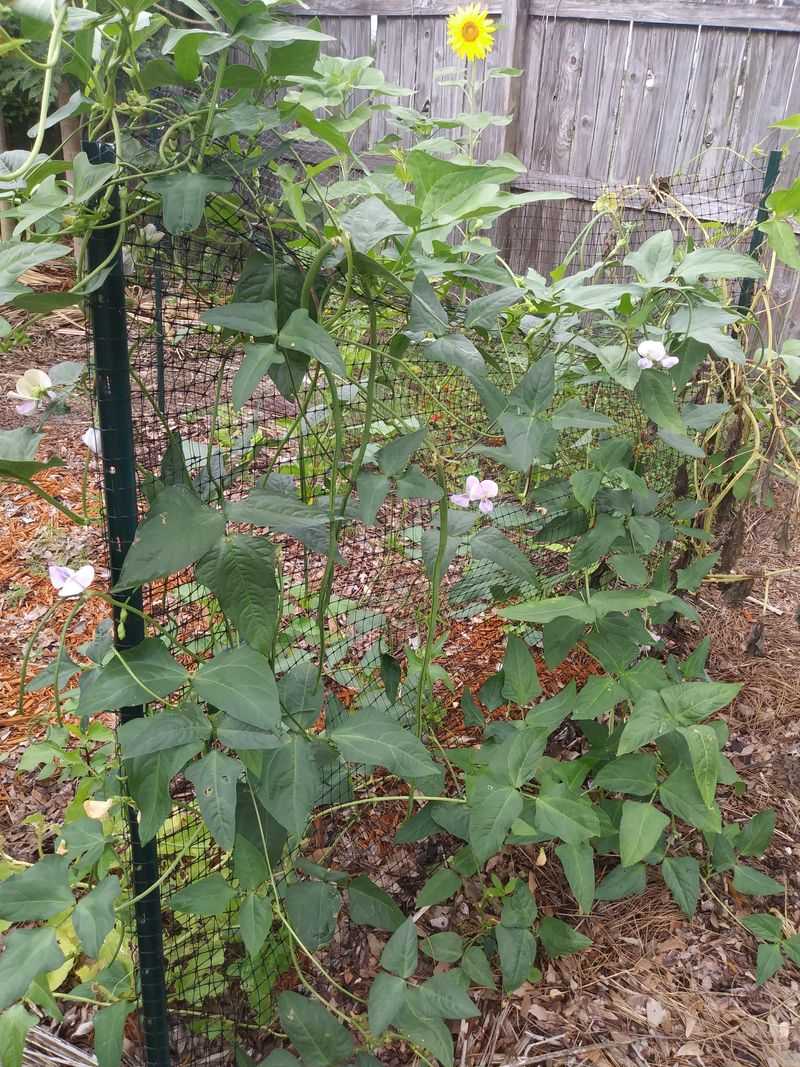
Heavy-gauge wire fencing, wooden post-and-wire structures, or solid arbor framing all work well.
Building your support before planting makes it much easier to train the young vines as they begin to climb rather than trying to untangle them from the ground later.
5. Even Moisture Helps Without Leaving The Soil Waterlogged
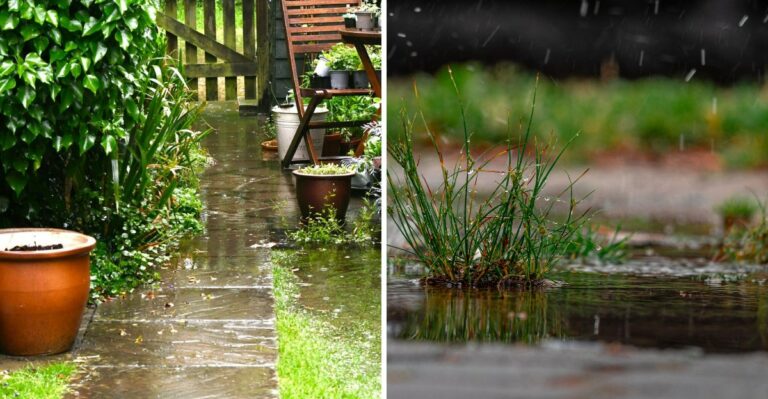
Soil moisture is one of those things that sounds straightforward until rainy season arrives and turns the garden into a soggy challenge. Yard-long beans appreciate consistent moisture, but they do not handle waterlogged conditions well.
Roots sitting in overly wet soil can develop problems that limit plant health and pod production.
Good drainage matters throughout the growing season but becomes especially important during the heavy summer rains that are common across much of Florida. Raised beds or slightly elevated planting areas can help water move through the soil more effectively.
If your garden tends to collect standing water after heavy rain, amending the soil with organic matter or adjusting your bed layout before planting can reduce drainage problems later.
During dry stretches, supplemental irrigation helps keep the vines productive. Yard-long beans have some drought tolerance once established, but prolonged dry soil is not ideal for pod development.
Checking the top inch or two of soil before watering is a practical way to avoid both overwatering and underwatering.
Drip irrigation or soaker hoses can deliver water directly to the root zone without wetting the foliage, which can be helpful during humid summers when wet leaves may increase the risk of disease.
Responding to what the soil is actually doing, rather than following a rigid watering schedule, tends to produce better results in Florida’s variable weather.
6. Violet Flowers And Long Hanging Pods Add Ornamental Appeal
Not many vegetable crops earn their place in an edible landscape on looks alone, but yard-long beans come surprisingly close.
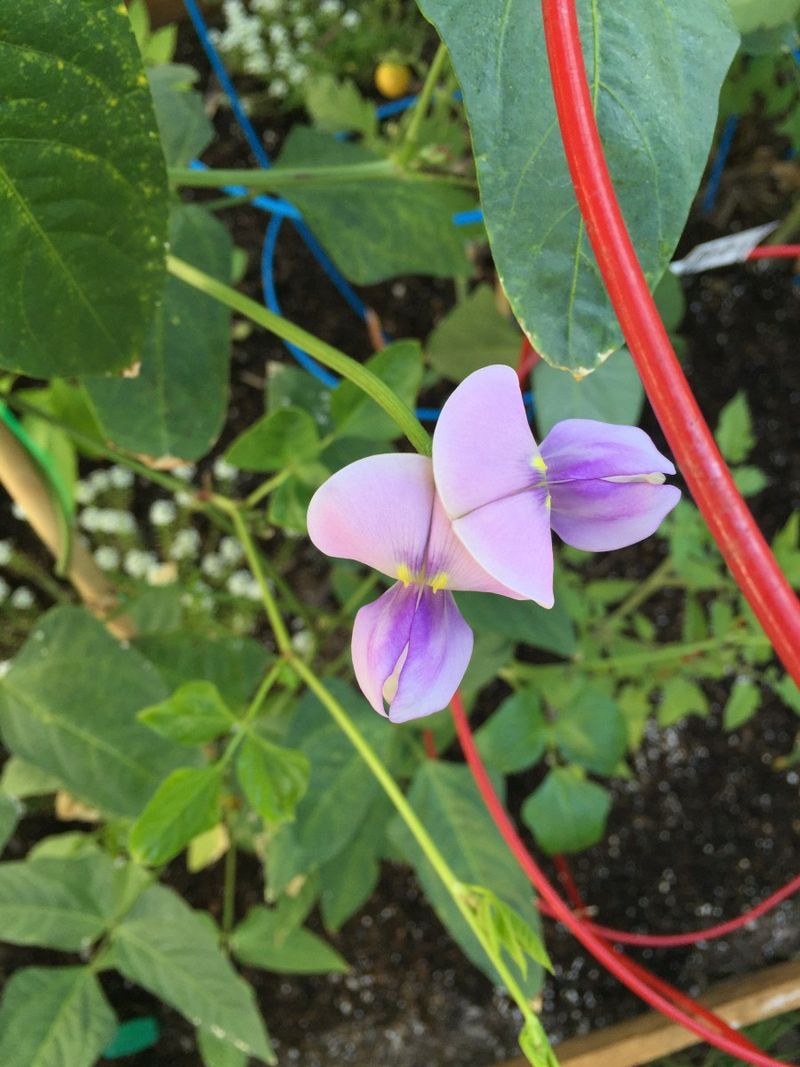
The vines produce attractive flowers that are commonly violet or yellow, depending on the cultivar, and those flowers appear against a backdrop of lush green foliage that can fill a trellis or fence with real visual appeal.
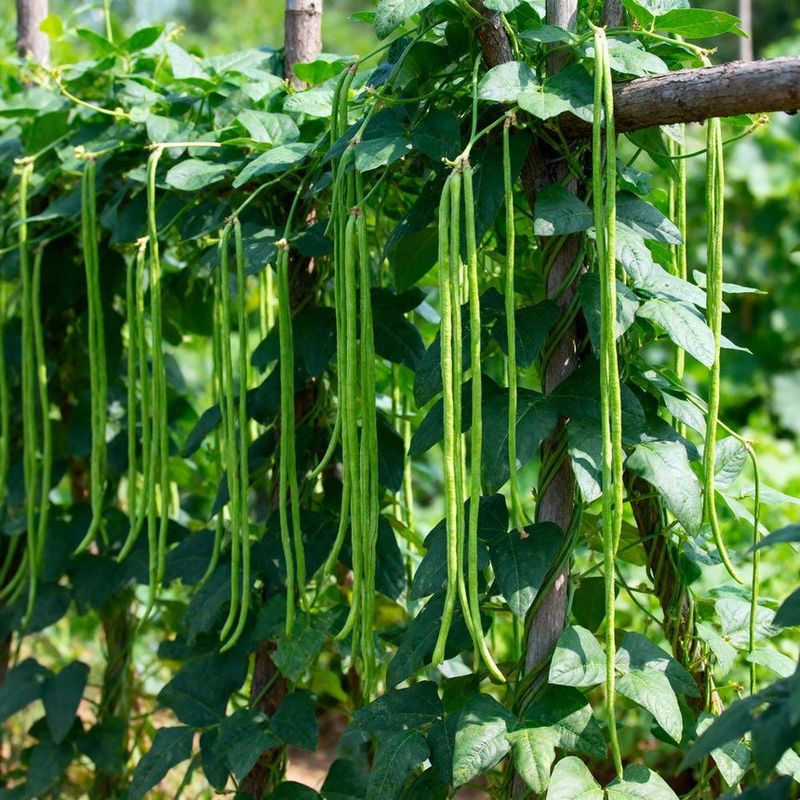
After the flowers fade, the pods that follow are hard to miss. Long, slender, and hanging in clusters, they create a striking display that makes the plant look as ornamental as it is productive.
Some cultivars also produce pods in colors beyond the standard green, adding further variety to the garden’s appearance.
The combination of climbing habit, colorful flowers, and unusually long hanging pods is part of what makes yard-long beans feel like something special in a Florida garden.
The title of this article promises gorgeous, and yard-long beans do deliver visual interest that many standard vegetable crops simply do not offer.
That said, calling them a purely ornamental plant would be overstating things.
They look appealing while being genuinely productive, which is a combination that works especially well in edible landscapes, raised bed gardens, or any Florida garden space where a vertical growing structure can serve double duty as both a food source and an attractive garden feature worth showing off to visitors.
7. Young Tender Pods Offer The Best Eating Quality
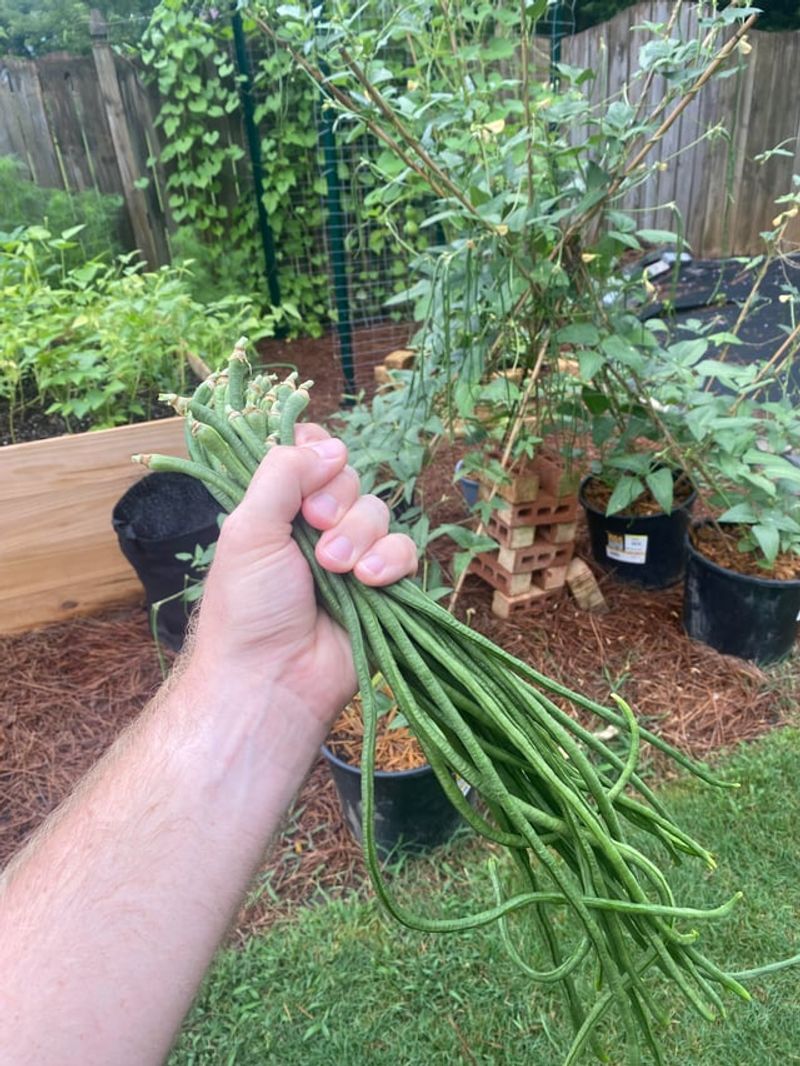
Harvesting yard-long beans at the right stage makes a noticeable difference in how they taste and how they hold up in the kitchen. The pods are at their best when they are still young, slender, and flexible rather than thick, firm, and bulging with visible seeds.
Waiting too long turns what could have been a tender, flavorful pod into something tough and less enjoyable to eat.
The name yard-long bean can create a misleading impression that every pod needs to reach an impressive length before picking.
In practice, pods are often ready well before they reach a full yard in length, and checking for tenderness and slenderness is a more reliable guide than measuring.
Regular harvesting also encourages the plant to keep producing, so checking your vines every few days during peak production is a habit worth building.
Pods that are allowed to stay on the vine too long will begin maturing toward seed development rather than staying tender. Once that shift happens, the pod’s eating quality declines quickly.
In Florida’s warm conditions, that transition from tender to mature can happen faster than gardeners expect, especially during the hottest stretches of summer.
Staying attentive to your vines and picking pods while they are still in that ideal young window keeps the harvest coming and ensures the best quality from each plant throughout the growing season.
8. Powdery Mildew Can Become A Concern In Hot Rainy Weather
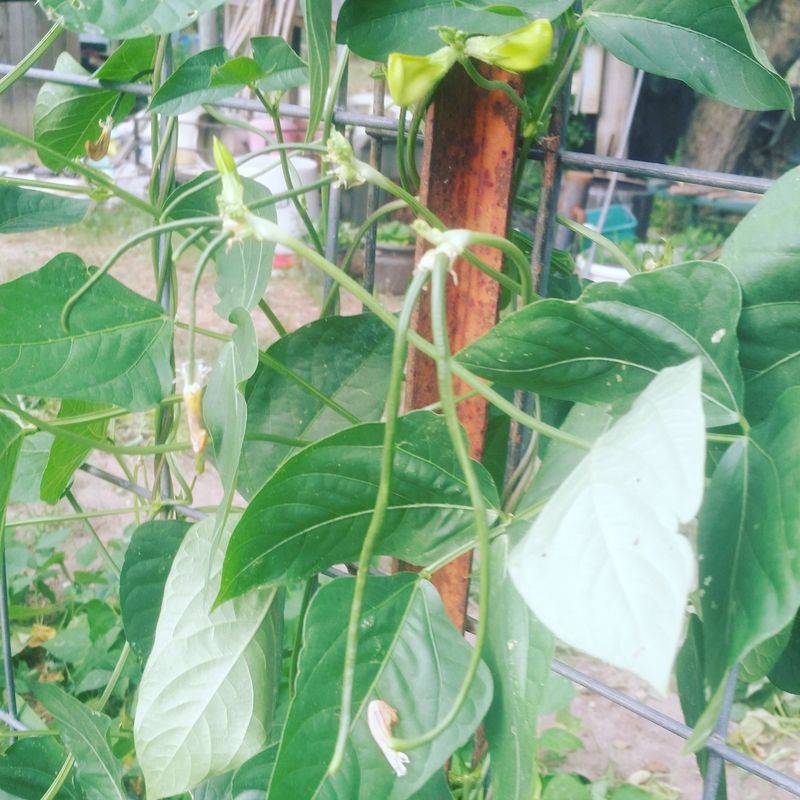
Growing yard-long beans through summer means keeping an eye on a few potential disease issues, and powdery mildew is one worth knowing about.
UF/IFAS guidance specifically notes that yard-long beans can be susceptible to powdery mildew, particularly during the hot, rainy conditions that are common in South Florida summers.
The fungal growth appears as white or grayish powdery patches on leaf surfaces and can spread if conditions stay humid and warm.
Powdery mildew does not mean a planting is doomed or that yard-long beans are a poor fit for Florida gardens. Many plantings come through the season without serious problems, especially when the plants have good air circulation and are not crowded together.
Spacing plants appropriately and avoiding overhead watering when possible can help reduce the conditions that favor mildew development.
Monitoring your vines regularly gives you the best chance of catching early signs before the problem spreads. Removing affected leaves when mildew first appears is a reasonable cultural step.
Keeping the garden tidy and avoiding working among wet plants can also help limit the spread of fungal issues.
If mildew becomes a persistent concern in your garden, consulting your local UF/IFAS Extension office for current management recommendations is a practical move.
Sensible observation and basic cultural care go a long way toward keeping yard-long beans productive through challenging humid season.