These Are The Best Plants That Thrive Under Crepe Myrtles In Florida
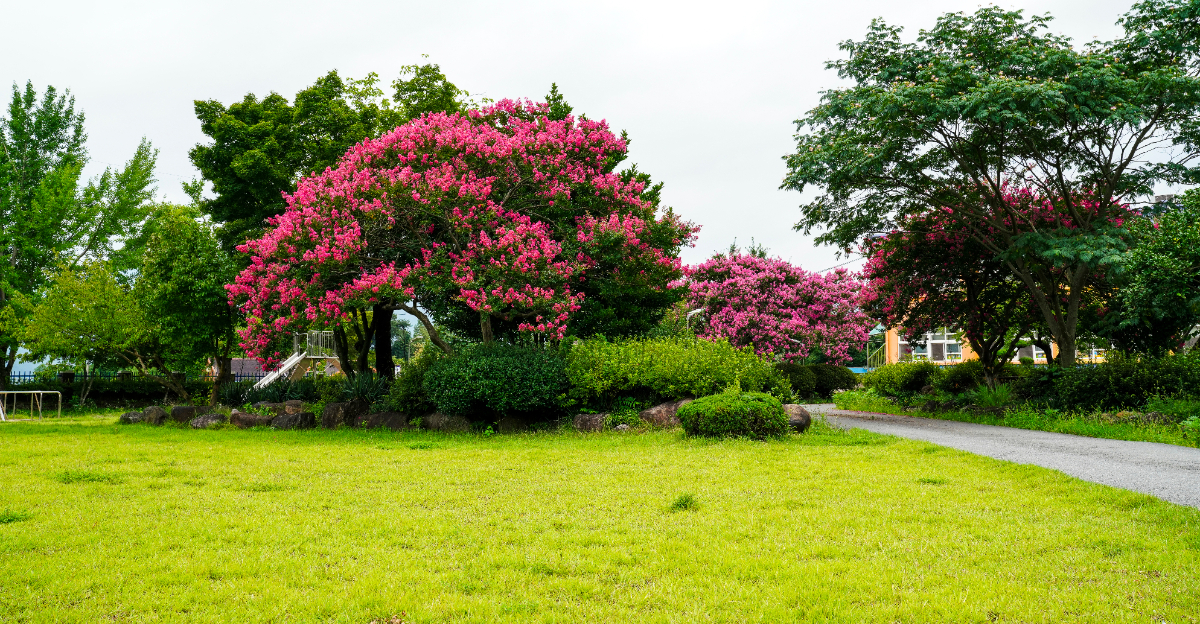
Crepe myrtles can make the top of a Florida yard look beautiful, then leave the ground underneath looking like an afterthought. That bare patch around the trunk?
It is not just ugly, it is tricky. The soil can dry out fast, the roots do not love being bothered, and the light shifts from bright to filtered depending on the season.
So what actually belongs there? Not every pretty plant can handle that kind of spot, and forcing the wrong one usually means more watering, more wilting, and more regret.
The best underplantings work with the tree instead of competing with it. They soften the base, fill the gaps, and make the whole area look planned instead of patched together.
1. Coontie Adds Evergreen Structure Under Open Branches
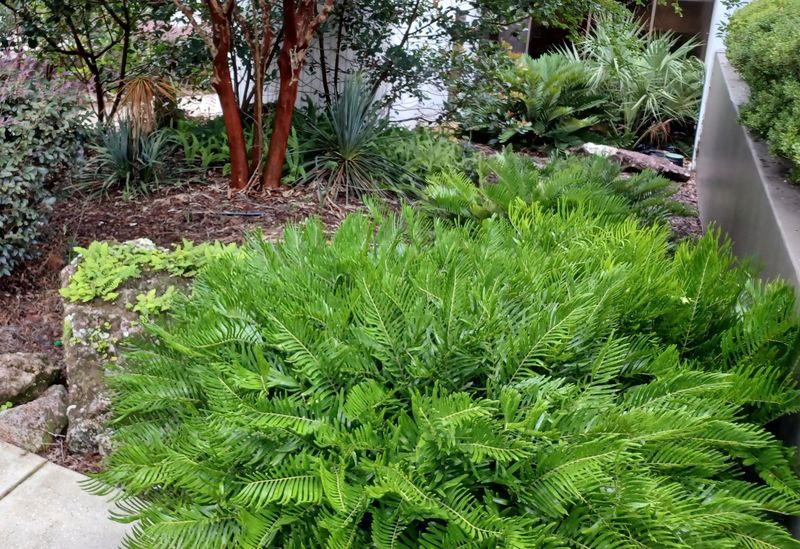
Few native plants hold their structure as reliably as coontie does through heat, drought, and seasonal neglect.
This low-growing cycad has been part of the local landscape for thousands of years, and its dark green, arching fronds bring a clean, architectural look to beds that need year-round greenery.
It is truly native to the southeastern United States, and UF/IFAS recognizes it as a solid choice for low-maintenance landscapes.
Under a crepe myrtle with open branching, coontie can do well where filtered light reaches the ground. It handles part shade and does not need rich soil to look good.
Drainage matters more than moisture here. Coontie does not like sitting in wet conditions, and it is not built for the driest, most root-packed zone right at the trunk.
Give it room to spread outward from the tree rather than tucking it tight against the base. A mature coontie can reach about three feet wide, so spacing makes a difference.
It is not a walkable groundcover, so treat it as a low shrub in the planting design. The atala butterfly, a species once thought lost from the region, depends on coontie as its host plant.
That alone makes it worth planting. Panhandle gardens may see slightly more cold stress in winter, but established plants typically bounce back without much trouble.
2. Frogfruit Handles Light Shade Near The Tree Edge
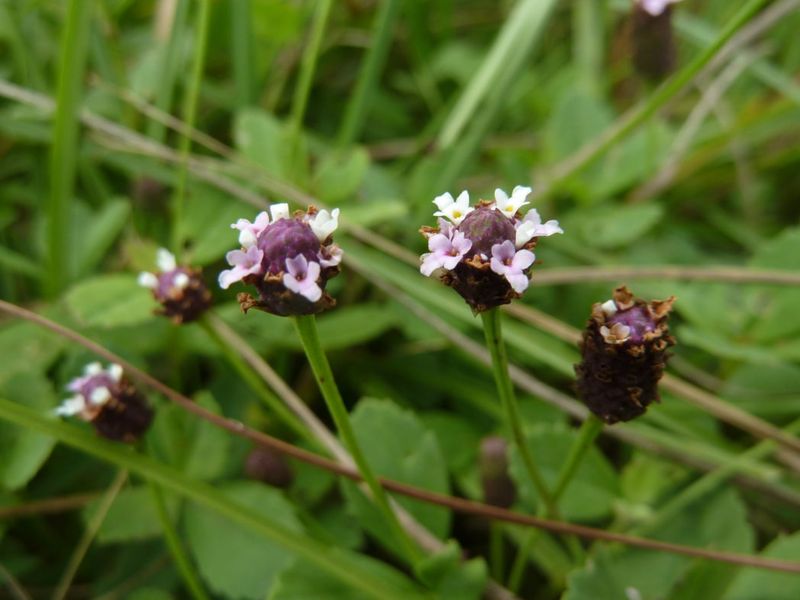
Native groundcovers do not always get the credit they deserve, but frogfruit earns its place fast once you see it in action. This low-spreading plant works well in full sun to light shade.
It fits best near the outer edge of a crepe myrtle canopy, where sunlight still breaks through. Pushing it too far into deep shade under a dense canopy will leave it thin and struggling.
Frogfruit produces tiny white to lavender flowers that pollinators genuinely love.
Butterflies, bees, and other beneficial insects visit it regularly, making it a smart choice for anyone trying to support local wildlife without adding high-maintenance plants to the bed.
It spreads by runners and can fill in gaps between other plants over time.
Coastal gardens with sandy, fast-draining soil are a natural fit because frogfruit handles dry spells once it gets established. Central and South gardens tend to see it perform well through most of the year.
Your Florida Garden Changes Every Week. Your Plan Should Too.
Gardening in Florida changes quickly throughout the season. Every Friday you’ll receive a simple weekly plan showing exactly what to plant, prune, fertilize, harvest, and protect so you never miss the right timing.
In the Panhandle, it may go dormant or look rough after a hard freeze, but it usually recovers as temperatures rise. Keep it away from the trunk and let it work the outer zones of the bed where it gets the light it needs to spread and bloom consistently.
3. Lyreleaf Sage Brings Spring Color To Bare Soil
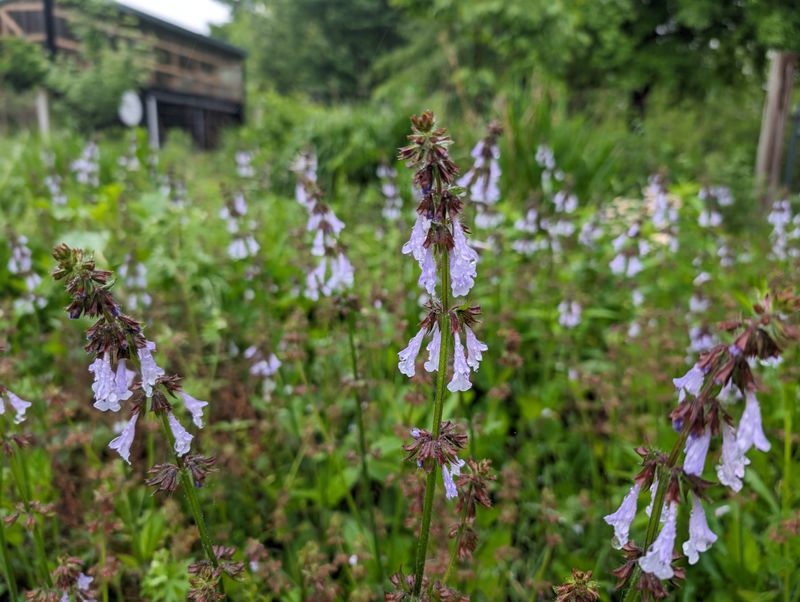
Spring under a crepe myrtle can look bare and uninspiring before the tree leafs out fully.
Lyreleaf sage fills that gap with a burst of blue-purple flower spikes that pollinators notice right away.
This native wildflower grows in a low rosette close to the ground, and it blooms in late winter through spring when many other plants in the bed are just waking up.
It fits well in part shade and filtered light, which makes the area beneath open tree canopies a reasonable home for it. According to the Florida Wildflower Foundation, lyreleaf sage is commonly found in open woods and roadsides.
That makes it well suited to the variable light under crepe myrtles. It handles dry, sandy soil and does not need much fertilizer or fuss.
One thing to plan for is reseeding. Lyreleaf sage will spread on its own where conditions suit it, so it works best in informal or naturalized plantings rather than tightly controlled formal beds.
Think of it as a seasonal layer rather than a permanent structure plant. South gardens may see it bloom a bit earlier in the season.
It pairs nicely with coontie or wild coffee in a layered native bed, adding color low to the ground while taller plants provide the backdrop.
4. Wild Coffee Softens Shadier Spots With Glossy Leaves
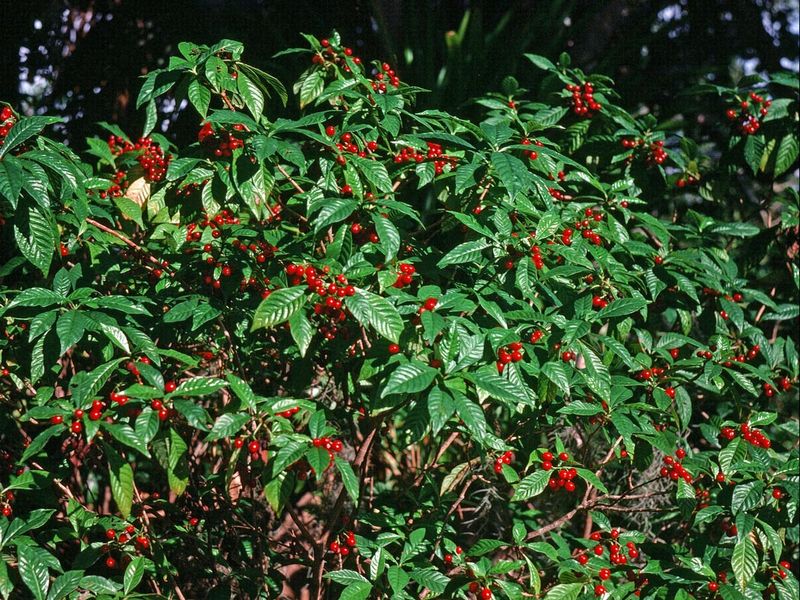
The glossy, dark green leaves of wild coffee bring a polished, understory feel to spots where most flowering plants would not bother trying. This native shrub is naturally at home in shade.
That makes it one of the better options for shadier interior zones where the canopy sits lower and light is filtered. It is not a groundcover.
Think of it as a shrub layer that adds height and density without competing with the tree for the spotlight.
Wild coffee produces small white flowers followed by red to black berries that birds find attractive. UF/IFAS and the Florida Native Plant Society both recognize it as a solid native understory plant for shaded home landscapes.
It grows slowly and stays manageable, which is useful in a bed where you do not want anything taking over quickly.
South gardens and Central gardens tend to get the most consistent performance from wild coffee since it prefers warmth and does not love extended cold. In the Panhandle, it may need a sheltered spot to handle colder winters.
Keep it away from the trunk itself and give it room to fill out toward the shadier middle zones of the bed. Pair it with lyreleaf sage or frogfruit at the outer edge for a layered native look that works across seasons.
5. Muhly Grass Works Where The Canopy Lets Sun Through
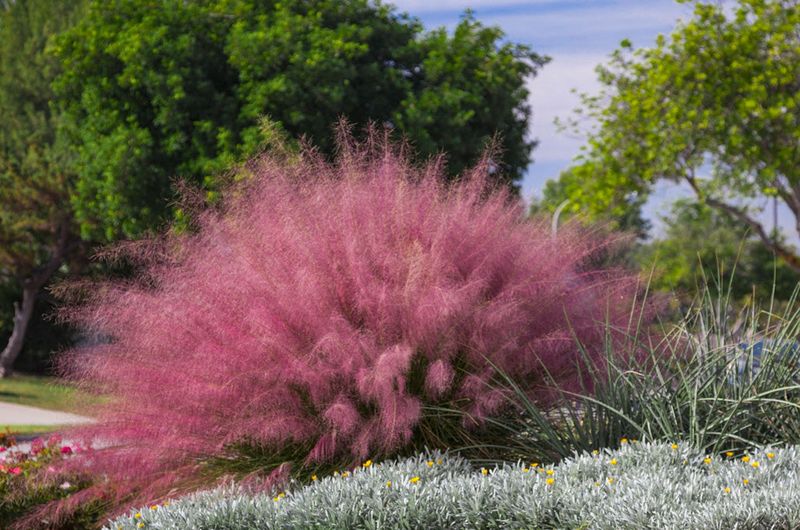
If there is one native grass that stops people in their tracks during fall, it is muhly grass. The airy pink to rose-purple plumes appear in autumn and create a soft, almost cloud-like effect.
They photograph beautifully and catch even a casual gardener’s eye. This is the kind of plant that earns its place in the bed long before it blooms, though, because its fine-textured foliage stays tidy and attractive through the growing season.
Muhly grass needs a decent amount of sun to perform well. It is best suited to the outer edge of a crepe myrtle canopy where light reaches the ground consistently.
Planting it in heavy shade will reduce flowering and make the clump look weak over time.
UF/IFAS notes that muhly grass is drought-tolerant once established, which lines up well with the drier conditions often found near tree roots.
Coastal gardens with sandy, well-drained soil tend to suit it well. Central gardens get reliable fall color from it.
South gardens may see a shorter or less dramatic bloom season compared to Central areas. Avoid placing it in spots that stay wet after rain, and do not fertilize it heavily.
It thrives on relatively lean conditions. Give each clump enough space to fill out naturally, and resist the urge to crowd several plants together near the trunk.
6. Tropical Sage Adds Color Without Crowding The Trunk
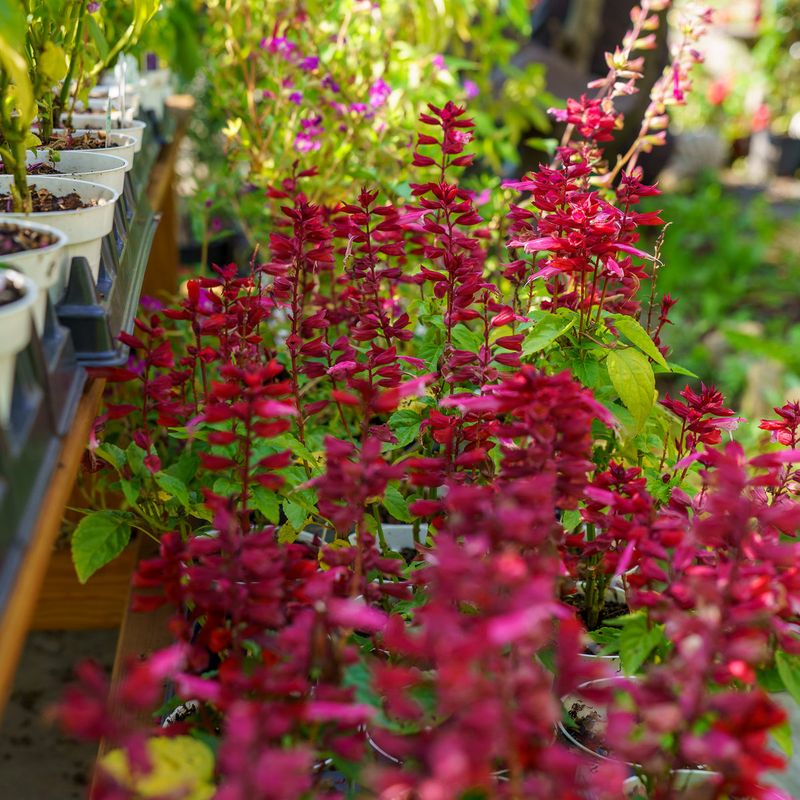
Bright red tubular flowers on a relaxed, informal shrub might sound too good to be true for a shaded tree bed, but tropical sage pulls it off in filtered light and part sun.
Hummingbirds and butterflies are drawn to its blooms consistently, and it earns its place in native plant lists across the state.
The Florida Native Plant Society includes it as a true native, and UF/IFAS has referenced it as a wildlife-friendly landscape plant.
Tropical sage is not a tidy, compact plant by nature. It has an open, somewhat airy form that suits informal beds well.
That relaxed habit is an advantage under a crepe myrtle. It does not create a dense mass that blocks airflow or traps moisture near the trunk.
Keep it positioned a comfortable distance from the base of the tree rather than packing it directly against the bark.
It handles part shade and filtered light reasonably well, though it tends to bloom more freely with a few hours of direct sun each day. The outer to mid-canopy zone of the tree bed is usually the best fit.
South and Central gardens see it perform strongly through most of the year. Panhandle gardens may lose it to a hard freeze, but it often returns from the roots when temperatures climb again.
Avoid overwatering once it settles in.
7. Caladiums Brighten Filtered Shade Around The Base
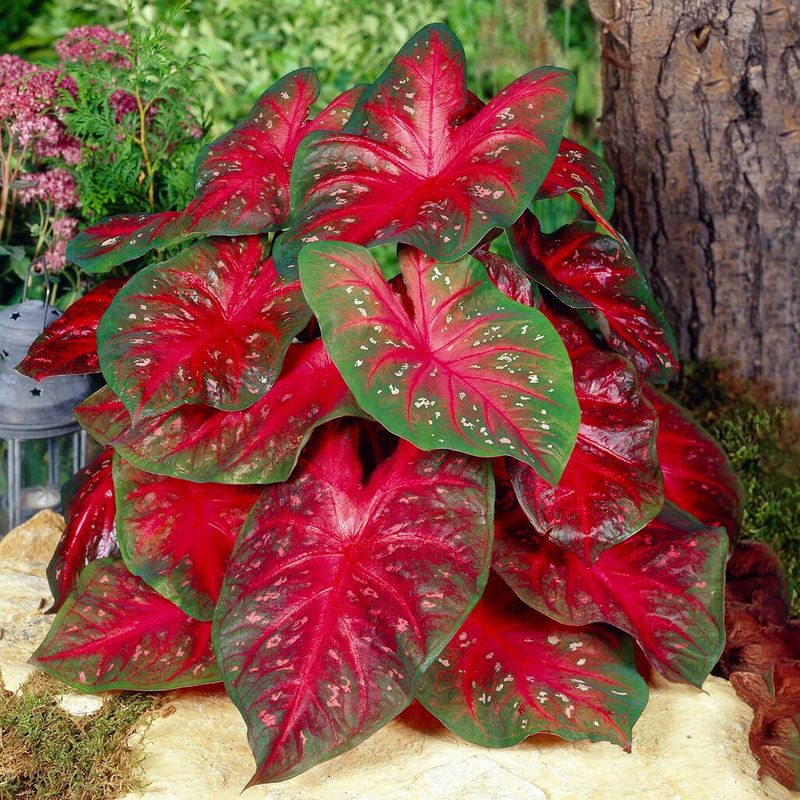
Few plants deliver as much visual impact in a shaded bed as caladiums do. Their large, paper-thin leaves come in combinations of pink, red, white, and green that make even the darkest corner of a tree bed look intentional and well-designed.
They are not native plants, but they are widely used in warm-climate yards because they genuinely thrive in filtered shade where flowering plants often struggle to bloom.
Under a crepe myrtle, caladiums fit best in spots that get consistent filtered light rather than dense, heavy shade. They also need more moisture than many of the other plants on this list, which is worth thinking about carefully.
The drier root zones closest to the trunk may not give them what they need without supplemental watering. Amending the soil with organic matter and mulching well around them can help retain enough moisture to keep them looking full and healthy.
Caladiums are typically grown as seasonal plants in most areas, going dormant in cooler months and returning when warmth comes back. South gardens often get a longer show from them each year.
They pair beautifully with foxtail fern or wild coffee for a layered, textured look. If you want a bed that looks lush and colorful through the warmer months, try mixed caladium varieties.
They create strong color without relying on flowers.
8. Twinflower Adds A Native Carpet In Bright Shade
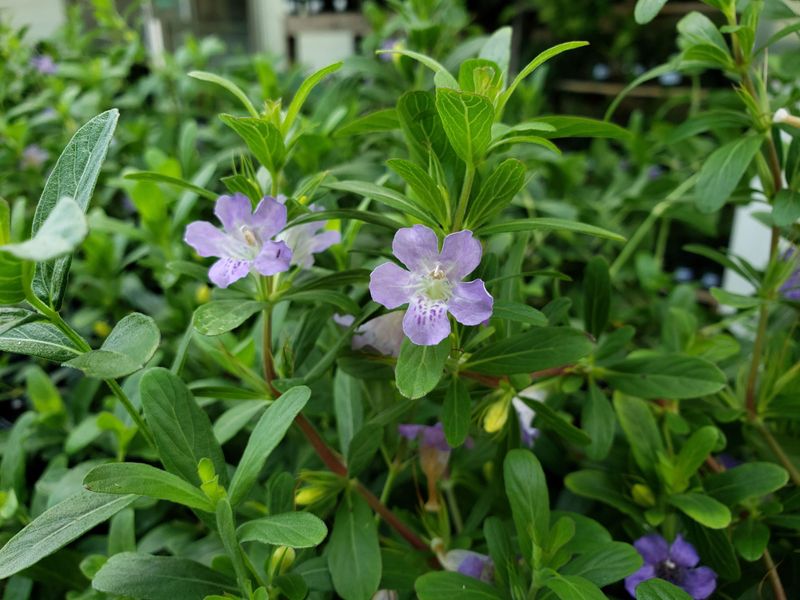
Twinflower is a quiet little plant, but it can do a lot of work in the right spot. This low-growing Florida native spreads into a soft green mat and produces small lavender flowers that add just enough color without overwhelming the base of a crepe myrtle.
It works best in bright filtered light, part sun, or the outer edge of the canopy where sunlight still reaches the ground for part of the day. Deep shade is not its favorite place, so avoid tucking it directly against the trunk or under the densest part of the tree.
Twinflower, known botanically as Dyschoriste oblongifolia, prefers well-drained sandy soil and handles dry spells once established. Like most underplantings, it still needs regular water while it settles in, especially because tree roots will compete for moisture.
Its small flowers attract native bees and other beneficial insects, giving the planting more value than looks alone. It is not a walkable lawn replacement, but it works beautifully as a low native carpet along bed edges and between larger plants.
You can put it in open pockets beneath a crepe myrtle where the light stays bright and the soil does not remain wet.