Remove This Arizona Weed Before It Drops Seeds This Fall
Pulling one stubborn weed now could save you from seeing far more of it later. Once those seeds mature and scatter, a small patch can become much harder to manage.
Late summer is when timing starts to matter, especially with weeds already flowering or forming seed heads. Take a closer look before assuming they can wait another few weeks.
One Arizona weed deserves special attention before fall arrives and gives those seeds a chance to spread. Catching it at the right stage can make removal much more worthwhile.
Your yard may already have this plant hiding along bare soil, gravel, or neglected edges. Learn its appearance before reaching for your usual garden tools.
Waiting too long gives the plant exactly what it needs to return.
Removing it before seeds mature can make next season considerably easier.
1. Puncturevine Is The Weed To Deal With Before Fall
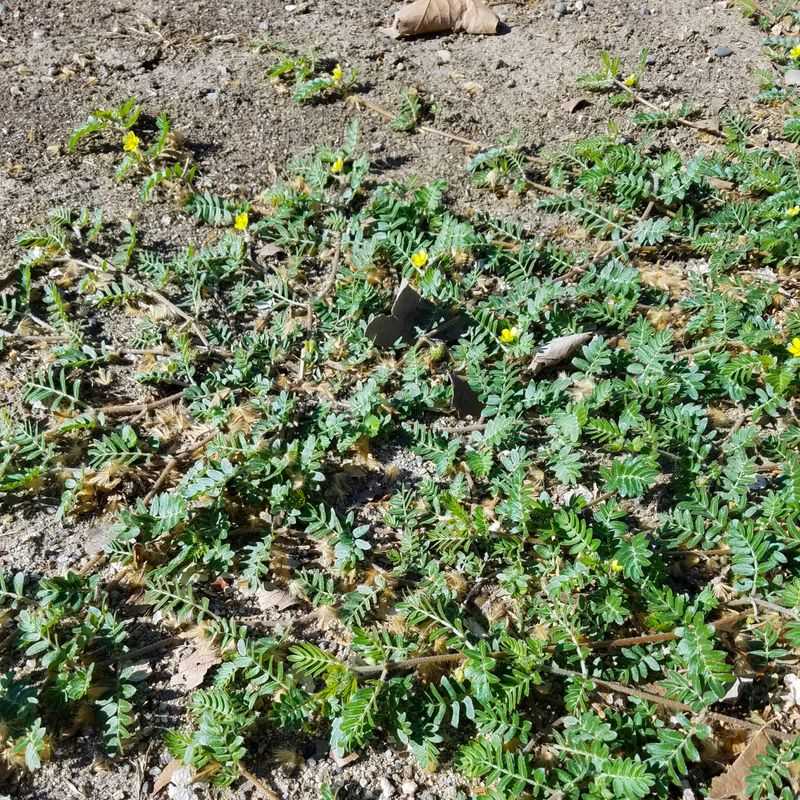
Puncturevine does not wait around. It moves fast, spreads wide, and drops seeds before most homeowners even notice it growing.
Flat on the ground, its stems fan out in all directions from a single central root. A single plant can stretch several feet wide in just a few weeks during warm weather.
Each plant can produce hundreds of seed pods in one season.
Those pods harden into sharp burs that last in soil for years, waiting to sprout when conditions are right.
Catching puncturevine early in the season gives you the best shot at stopping that seed cycle. Once pods form and dry out, the problem gets much harder to manage.
Pulling plants before they flower is the goal. If flowers are already open, act fast, because seed pods develop quickly after blooms appear.
Wear thick gloves when handling this plant. Even young stems can be tough, and mature burs can pierce thin garden gloves without much effort.
Bag removed plants securely and place them in the trash, not a compost pile. Composting puncturevine risks spreading seeds into garden beds later.
Checking your yard weekly during late summer helps catch new growth while plants are still small and easier to remove by hand.
2. Its Fast Growth Lets It Spread Through Open Yard Spaces
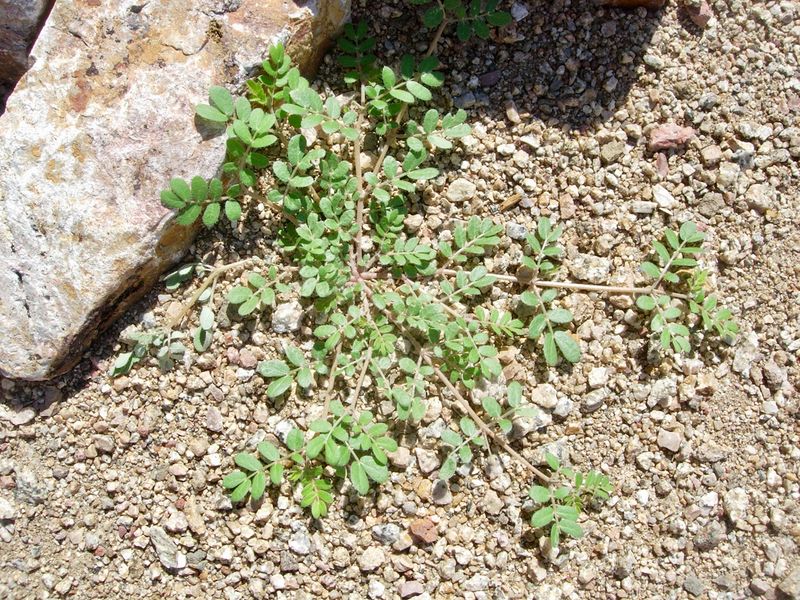
Speed is what makes puncturevine so frustrating. A small sprout can become a sprawling mat within weeks when summer heat keeps soil warm.
Open spaces with bare or disturbed soil are where this weed thrives most. Driveways, gravel paths, fence lines, and empty garden beds are common spots to find it spreading unchecked.
Puncturevine grows close to the ground, so it often escapes notice until it has already covered a wide patch. By the time most people spot it, the plant is well established.
Hot, dry conditions that slow other plants down do not slow puncturevine much at all. It handles heat and low water better than many garden plants, which gives it a real edge in desert climates.
Bare soil is essentially an open invitation. Anywhere ground cover is missing, puncturevine can move in and fill that space surprisingly fast.
Your Arizona Garden Changes Every Week. Your Plan Should Too.
Gardening in Arizona changes quickly throughout the season. Every Friday you’ll receive a simple weekly plan showing exactly what to plant, prune, fertilize, harvest, and protect so you never miss the right timing.
Mulching open areas of your yard can reduce how easily seeds germinate.
A few inches of bark mulch or gravel over bare ground makes sprouting harder for weed seedlings.
Ground cover plants or low-growing native plants also help by competing for space and light.
Reducing bare soil is one of the more practical long-term strategies for keeping puncturevine from returning season after season.
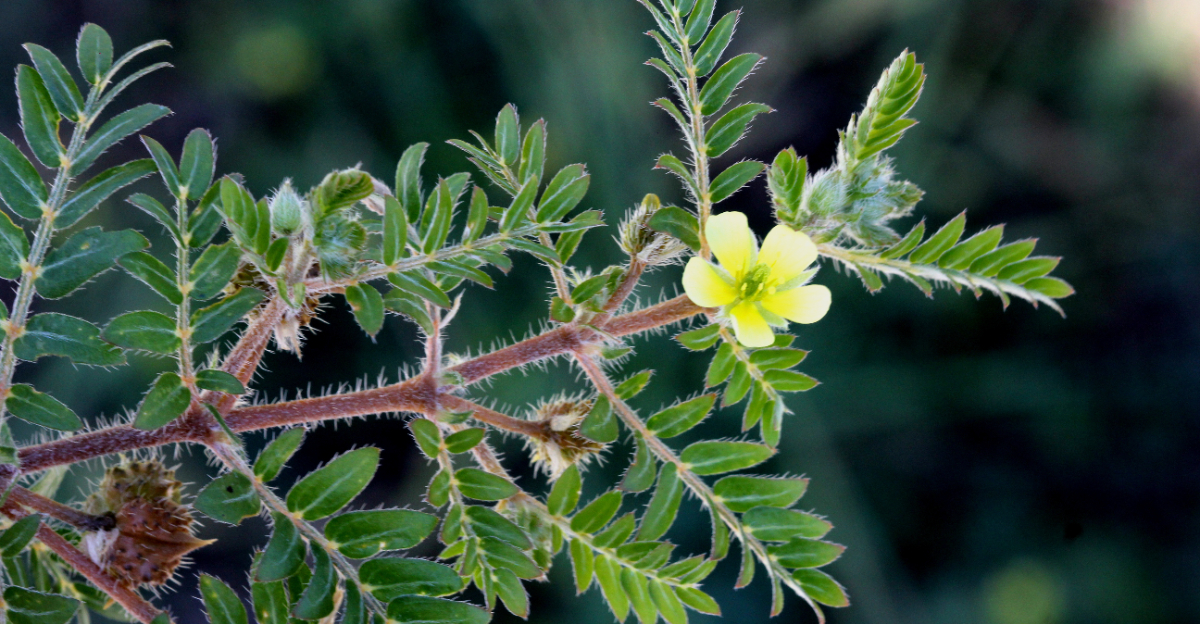
3. Small Yellow Flowers Are A Warning That Spiny Burs Come Next
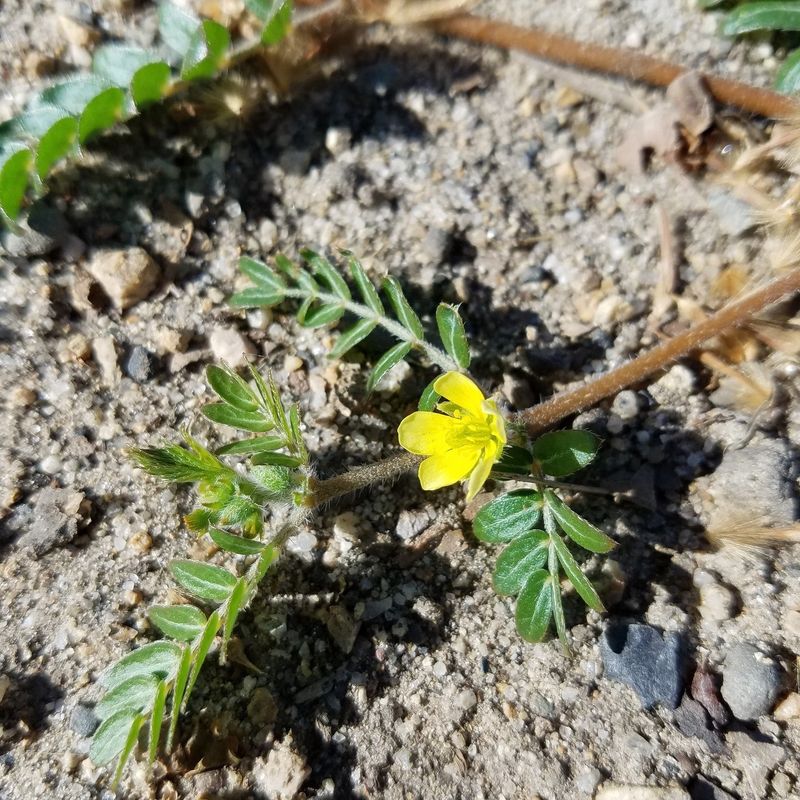
Spot a tiny yellow flower on a low-growing plant in your yard? That is your warning.
Puncturevine blooms are small, only about a quarter inch wide, but they signal that seed pods are not far behind.
Flowers appear from late spring through early fall in warm desert regions. Each bloom lasts just one day, but the plant keeps producing new ones steadily throughout the growing season.
Right after a flower drops its petals, a seed pod starts forming in its place.
Those pods harden into the sharp, star-shaped burs that give puncturevine its name.
Burs are designed by nature to attach to anything passing by. Shoes, socks, pet fur, and bike tires all pick them up easily, spreading seeds far from the original plant.
Removing plants at the flowering stage is still effective, but timing matters. Pods can develop and dry faster than expected during peak summer heat.
Check plants closely before pulling. If pods are already forming and starting to harden, handle them carefully so they do not shake loose during removal.
Placing removed plants directly into a sealed bag limits how many seeds scatter in the process. Slow, careful removal beats rushing and scattering burs across freshly cleared ground.
4. Those Spiny Seed Pods Can Linger Long After Summer
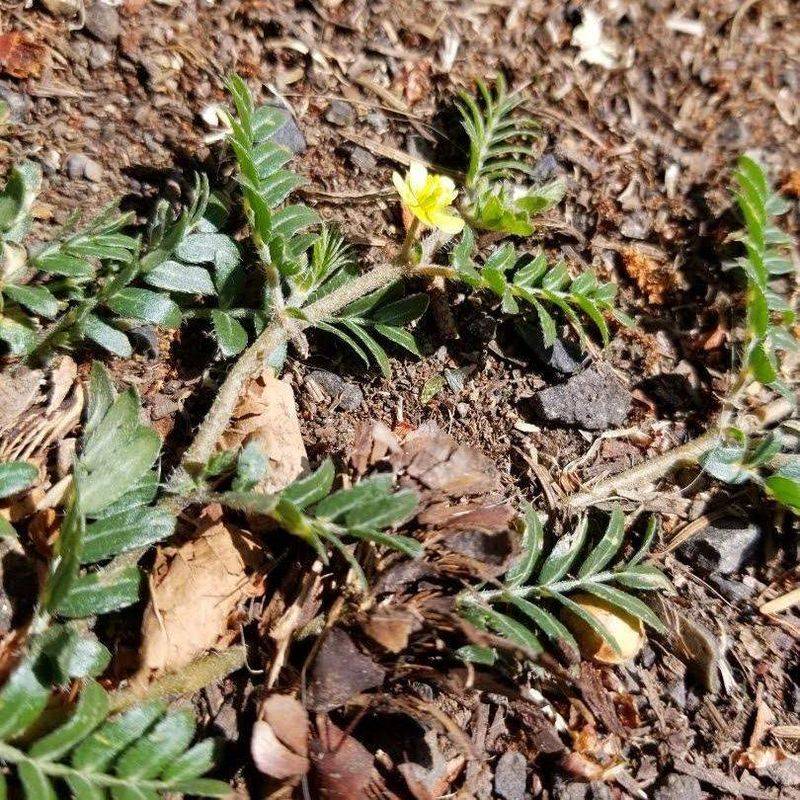
Burs left in the soil do not disappear when summer ends.
Puncturevine seed pods are built to survive, and they can stay viable in the ground for several years under the right conditions.
Hard outer shells protect the seeds inside from heat, cold, and drought. That durability is exactly what makes this weed so persistent from one season to the next.
Even after a plant is removed, burs already on the ground can sprout in future seasons. A single overlooked patch can create new plants the following spring without any help.
Pets suffer the most from lingering burs.
Dogs and cats that walk through affected areas often get spines embedded in their paw pads, which can cause real discomfort and may need veterinary attention.
Children playing in bare soil areas can also encounter burs, especially if wearing sandals or going barefoot. Clearing affected areas before fall is a smart move for family safety.
Raking bur-covered soil carefully and collecting debris into sealed bags reduces the seed load left behind. A thorough cleanup after plant removal makes follow-up management easier.
Repeating cleanup efforts over multiple seasons is often necessary. Seed banks in the soil take time to deplete, so patience and consistency matter more than a single round of removal.
5. Removing The Entire Plant Stops New Seeds From Developing
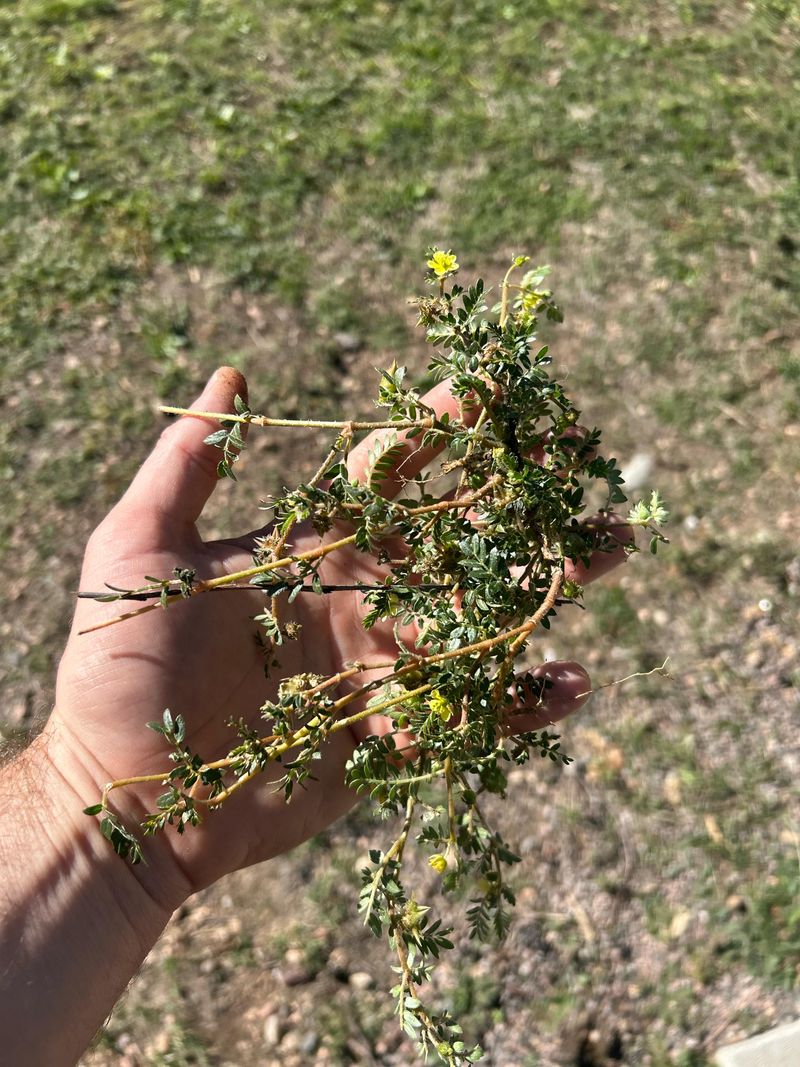
Pulling only the stems and leaving the root behind is a common mistake. Puncturevine regrows from its taproot if the root is not fully removed.
A sturdy taproot anchors the plant and stores energy.
Snapping stems at the surface gives the plant a chance to push out new growth within days, especially during warm weather.
Use a hand tool like a garden hoe or weeding fork to loosen soil around the base before pulling. Getting the full root out in one piece is much easier when the soil around it is loosened first.
Moist soil makes root removal significantly easier.
Pulling after a watering session or light rain helps the root slide out more cleanly without breaking apart underground.
After removal, inspect the pulled plant for any seed pods that may have already formed. Even pods on a removed plant can continue to mature briefly after separation from the soil.
Timing matters here. Plants removed before they flower cannot produce seeds at all, which is the most effective outcome for long-term yard management.
Consistent removal over multiple growing seasons gradually reduces the number of new plants that appear. Seed banks in the soil take time to exhaust, so expect to pull stragglers for a season or two after the main population is cleared.
6. Bare Soil Gives New Seedlings An Easy Place To Appear
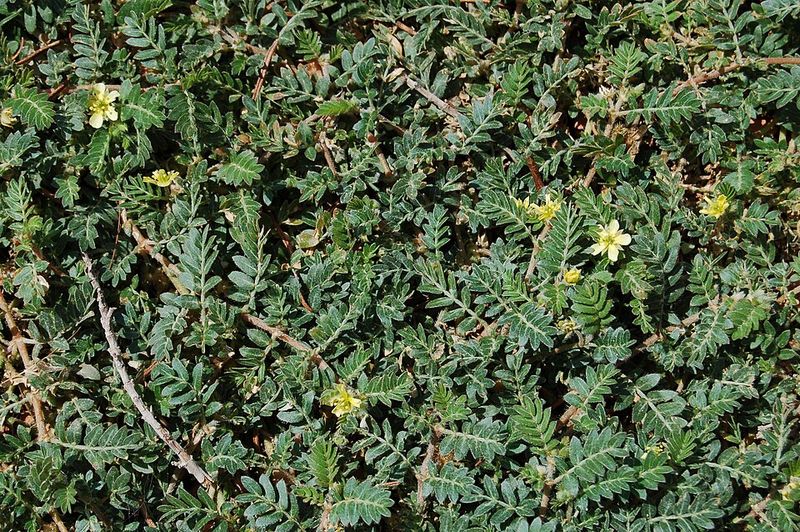
Bare ground and puncturevine go together like a bad pairing. Wherever soil sits open and unplanted, this weed finds a way to move in.
Seeds need direct contact with soil and sunlight to germinate well.
Covered ground, whether by mulch, gravel, or low plants, blocks that access and slows germination considerably.
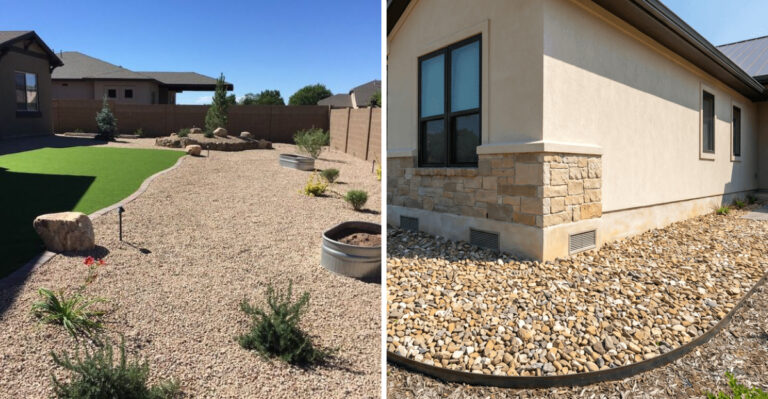
Gravel yards common across desert neighborhoods are not immune. Puncturevine seeds can sprout right through thin gravel layers if the soil beneath stays warm and gets occasional moisture.
Adding a layer of landscape fabric under gravel before reapplying fresh rock can help reduce seedling emergence. Fabric alone is not a perfect fix, but it adds a meaningful barrier over time.
Organic mulch applied two to three inches deep over bare garden soil shades the ground and makes it harder for small seeds to reach sunlight after sprouting.
Native ground covers suited to dry climates offer a longer-term solution. Plants like trailing rosemary, desert marigold, or low-growing verbena fill space that would otherwise sit open and vulnerable.
Keeping soil covered is one of the most practical ways to reduce weed pressure year after year. It takes some upfront effort, but the reduction in hand-pulling work over time makes it worthwhile for most homeowners.
7. Regular Yard Checks Help Catch New Growth While It Is Small
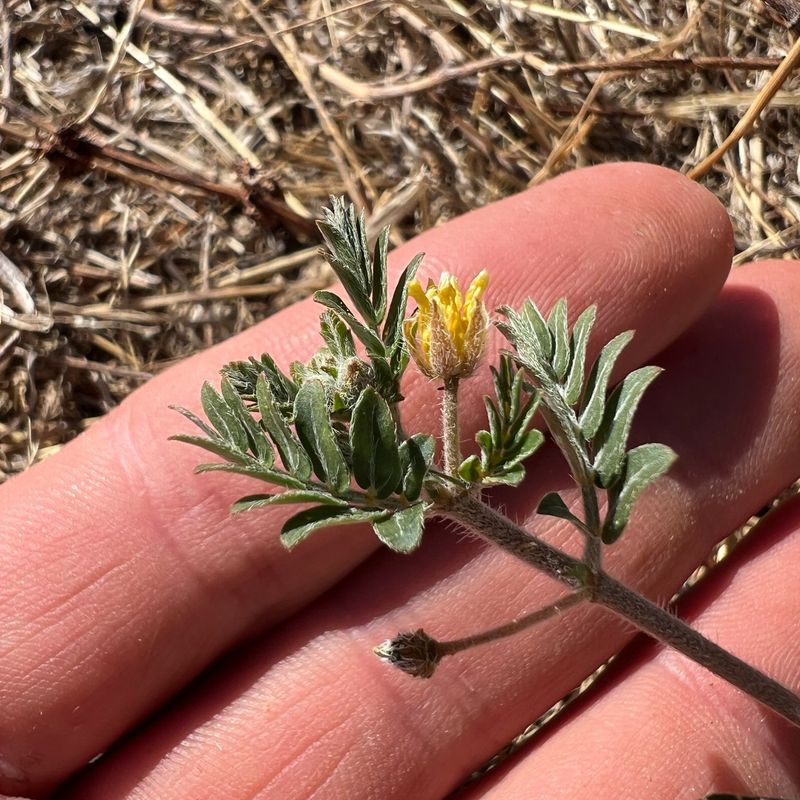
Catching puncturevine early changes everything. A seedling the size of a quarter is easy to pull.
A mat covering three square feet takes real effort to clear.
Weekly yard walks during late summer and early fall are worth the time. Focus on areas with bare soil, gravel patches, fence lines, and spots along the driveway where seeds tend to collect.
New seedlings are soft and shallow-rooted. A quick pull or scrape with a hand tool removes them before they establish a taproot deep enough to regrow.
Early morning is a practical time to do yard checks. Light is good, temperatures are cooler, and plants are easier to spot before the day heats up.
Keep a small hand weeder and a bag nearby during checks.
Stopping to pull as you find plants prevents small problems from becoming large ones by the following week.
After a monsoon rain, puncturevine seedlings can appear quickly in spots that looked clear just days before. Post-rain checks are especially valuable during Arizona’s summer storm season.
Building a simple routine around yard checks takes the pressure off. Short, frequent sessions beat occasional marathon weeding days and help you stay ahead of the seed cycle before fall temperatures shift the growing season.