The Texas Herb That Thrives In August Heat When Basil Gives Up
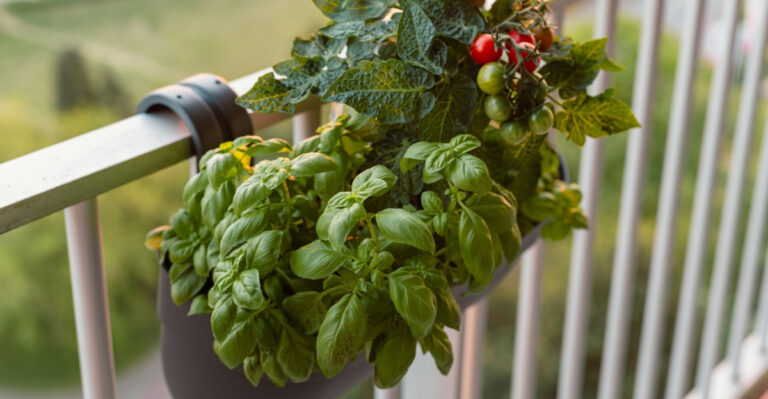
Basil is one of the most beloved herbs in the Texas kitchen garden, and also one of the most reliably disappointing in August. The heat that defines the Texas summer hits basil hard.
Plants bolt quickly, flavor shifts, leaves thin out, and by the time August is fully underway, most basil plants are offering a fraction of what they delivered in the spring. It’s a familiar frustration for Texas herb gardeners.
But the herb garden doesn’t have to go quiet in August. There’s one herb that treats August conditions the way most plants treat perfect spring weather.
Where basil is struggling to hold on, this herb is actively thriving, producing aromatic, flavorful growth that holds up through triple digit afternoons without bolting, without bitterness, and without demanding anything special in the way of care or extra watering.
It’s versatile in the kitchen, beautiful in the garden, and genuinely well suited to the Texas climate in a way that basil will never be in the height of summer.
Rosemary Is Built For Hot, Dry Texas Summers
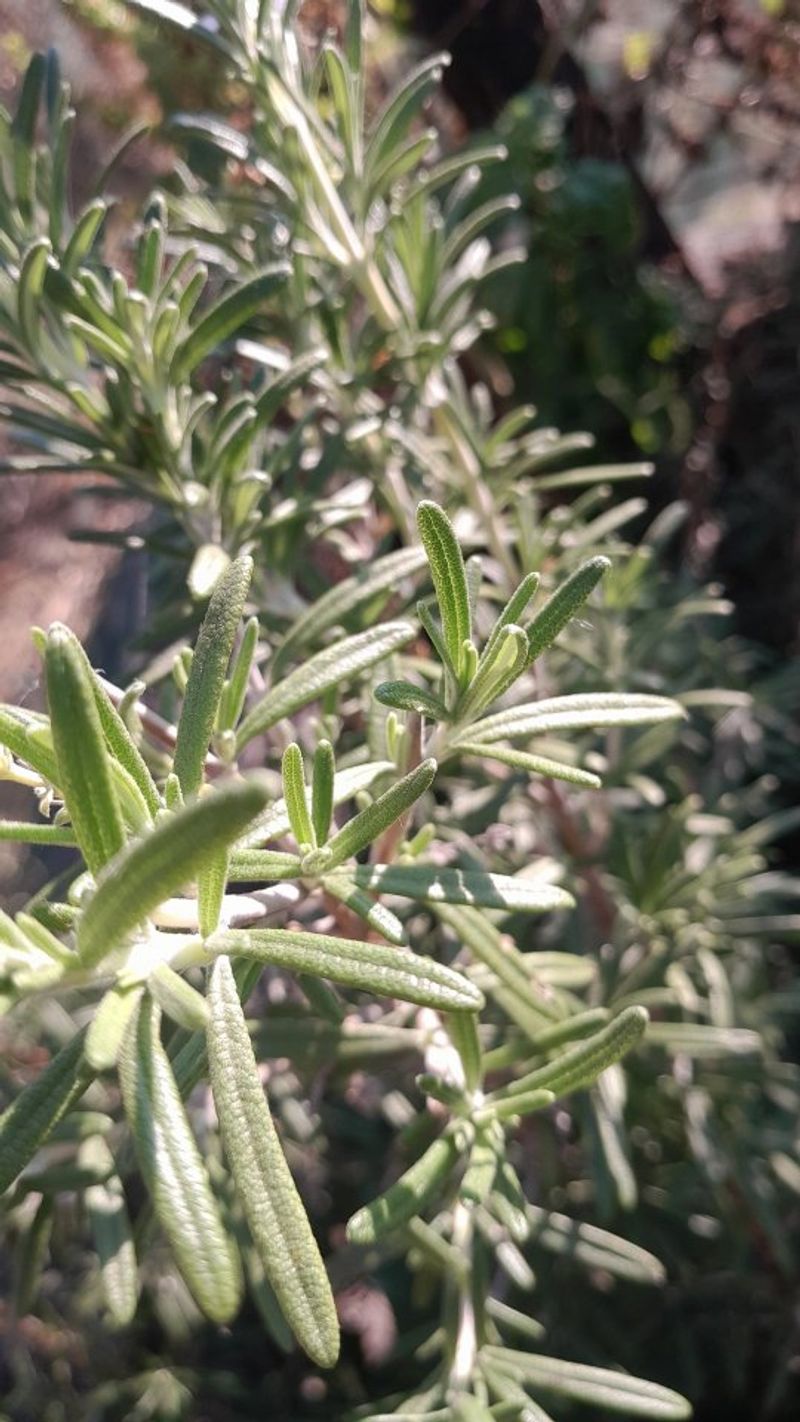
Picture a plant so tough that it actually gets more comfortable as summer temperatures climb higher. That is rosemary in a Texas garden.
While basil droops and struggles the moment the thermometer pushes past 90 degrees, rosemary stands tall and keeps growing without missing a beat.
Rosemary originally comes from the rocky, sun-baked hillsides of the Mediterranean region. That means it evolved to handle exactly the kind of conditions that Texas summers throw at it: intense sun, high heat, and dry spells that would stress out most other herbs.
It is not just surviving in those conditions. It is thriving.
In August, when many gardeners feel like giving up on fresh herbs altogether, rosemary is one of the most reliable plants you can have in your yard. It keeps producing fragrant, flavorful sprigs that are perfect for cooking, even when temperatures are at their peak.
Established rosemary plants handle drought far better than tender herbs like basil or cilantro. Once the roots are settled in, they reach deep into the soil and find moisture that other plants simply cannot access.
That deep root system is one of the biggest reasons rosemary stays healthy when other herbs fade.
August heat is not a reason to stop harvesting rosemary. If anything, warm weather encourages steady growth.
Gardeners across Texas have learned to lean on rosemary as a dependable, low-maintenance herb that rewards very little effort with a big harvest. Once you see how well it performs in summer, it quickly becomes a permanent fixture in any Texas herb garden.
Why Rosemary Handles Heat So Well
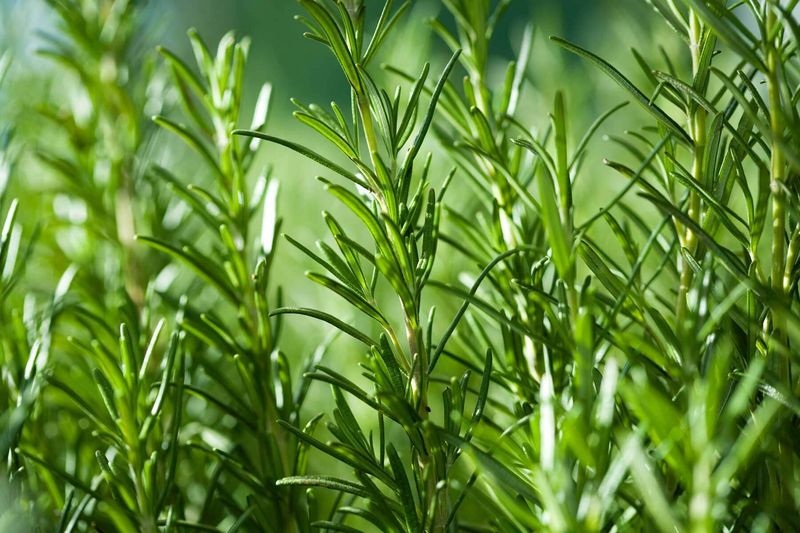
There is a clever reason rosemary handles summer heat without breaking a sweat. Look closely at its leaves and you will notice they are narrow, almost needle-like, and covered in a fine, slightly waxy coating.
That structure is not just for looks. It is a survival tool that the plant developed over thousands of years in hot, dry climates.
Your Texas Garden Changes Every Week. Your Plan Should Too.
Gardening in Texas changes quickly throughout the season. Every Friday you’ll receive a simple weekly plan showing exactly what to plant, prune, fertilize, harvest, and protect so you never miss the right timing.
Narrow leaves have less surface area exposed to the sun. Less surface area means less water lost through evaporation.
So while a broad-leafed plant like basil is constantly losing moisture through its wide, flat leaves, rosemary holds onto its water much more efficiently. That simple difference makes a huge impact during a Texas heatwave.
Established rosemary plants also build up a strong root system over time. Those roots spread wide and go deep, giving the plant access to soil moisture that sits well below the surface.
Even during dry spells, the plant can pull enough water to stay healthy and keep producing new growth.
Here is something that surprises many new gardeners: the biggest threat to rosemary in summer is not the heat at all. Overwatering is far more likely to cause problems than dry conditions.
When roots sit in soggy soil for too long, they can rot, and the plant weakens quickly. The plant is simply not built for wet feet.
Understanding how rosemary manages heat makes it easier to care for it properly. Work with the plant’s natural strengths instead of against them.
Give it sun, let the soil dry between waterings, and rosemary will reward you with steady, healthy growth even during the most intense weeks of a Texas summer.
Give Rosemary Full Sun And Excellent Drainage
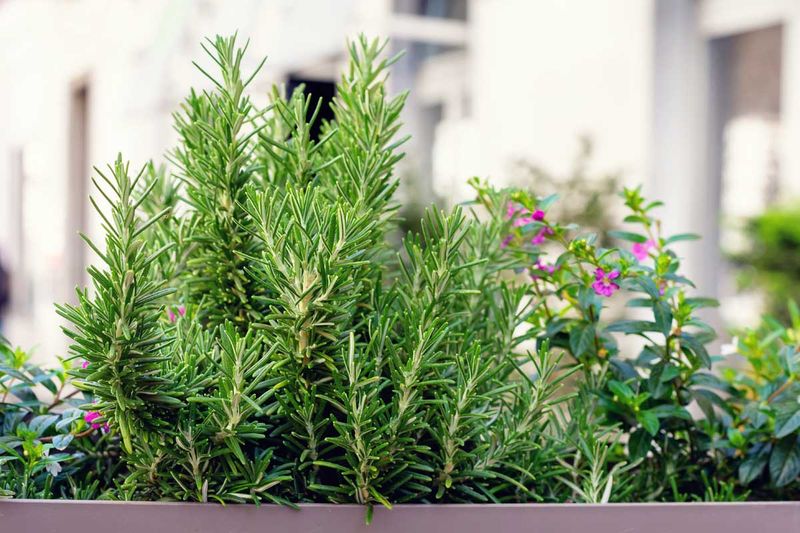
Location matters more than almost anything else when it comes to growing rosemary successfully. Get the spot right, and the plant practically takes care of itself.
Get it wrong, and even the toughest rosemary can struggle. Two things are non-negotiable: full sun and excellent drainage.
Full sun means at least six to eight hours of direct sunlight every day. Rosemary does not do well in shady corners or spots that only get a few hours of morning light.
The more sun it gets, the stronger and more aromatic it grows. In Texas, finding a sunny spot is rarely a problem, which is one more reason rosemary fits so naturally into local gardens. Drainage is just as critical as sunlight. Rosemary roots need air around them.
When soil stays wet and compacted, the roots suffocate and the plant weakens. Heavy clay soil, which is common in many parts of Texas, can hold water for too long and create conditions that rosemary simply cannot tolerate well.
If your soil is heavy or slow to drain, consider amending it with coarse sand or grit before planting. Raised beds are another smart option because they naturally drain faster than ground-level planting areas.
Container growing also works well, as long as the pot has drainage holes at the bottom. Avoid spots where water pools after a rainstorm or irrigation session. Even a few hours of standing water around the roots can cause damage.
Walk around your yard after heavy rain and take note of where water collects. Those spots are not where rosemary belongs.
Choose the highest, sunniest, and best-draining area you have, and your rosemary will flourish all summer long.
Don’t Water Rosemary Like Basil
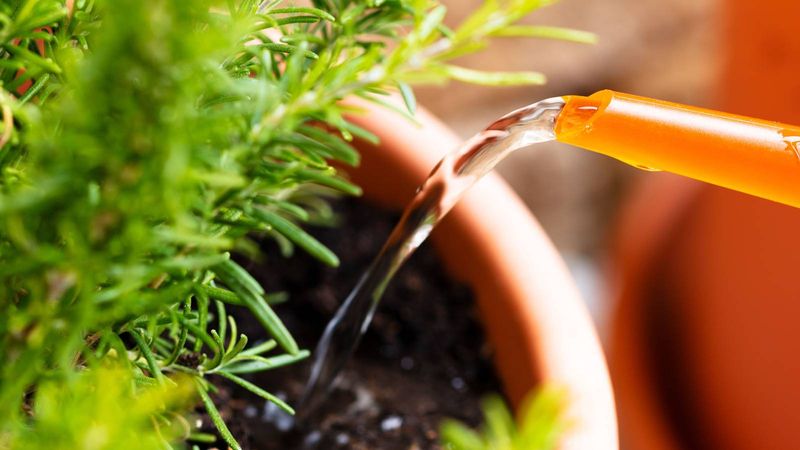
One of the most common mistakes Texas gardeners make is treating all herbs the same when it comes to watering. Basil likes consistent moisture and will wilt dramatically if the soil dries out even a little.
Rosemary is the opposite. It actually prefers the soil to dry out somewhat between waterings, and overwatering it is one of the fastest ways to run into trouble.
Think of it this way: rosemary is used to life on dry Mediterranean hillsides where rain comes in bursts and long dry periods are normal. Its whole biology is set up to store and conserve moisture.
When you water it too frequently, you are essentially forcing a drought-adapted plant to live in conditions it was never designed for.
For established plants in the ground, watering once every one to two weeks during summer is often plenty. The key is to check the soil first.
Stick your finger a couple of inches into the ground. If it still feels damp, wait a few more days. If it feels dry, go ahead and water deeply so moisture reaches the root zone.
Container-grown rosemary needs a bit more attention during extreme heat. Pots dry out faster than garden beds, especially small ones sitting in direct sun.
Check container plants every few days and water when the top inch or two of soil feels dry. Always make sure the pot drains freely after watering.
Yellowing leaves, a musty smell around the base, or a generally droopy look can all signal too much water rather than too little.
When in doubt, hold off on watering for a day or two and see if the plant perks up. Rosemary rewards restraint more than it rewards generosity with the hose.
Keep Harvesting Fresh Sprigs Through Late Summer
Late August might feel like the time to wind down the herb garden, but with rosemary, that could not be further from the truth. Rosemary keeps producing through the hottest weeks of summer, and regular harvesting is actually good for the plant.
Snipping fresh sprigs encourages the plant to push out new growth and stay bushy rather than getting woody and sparse.
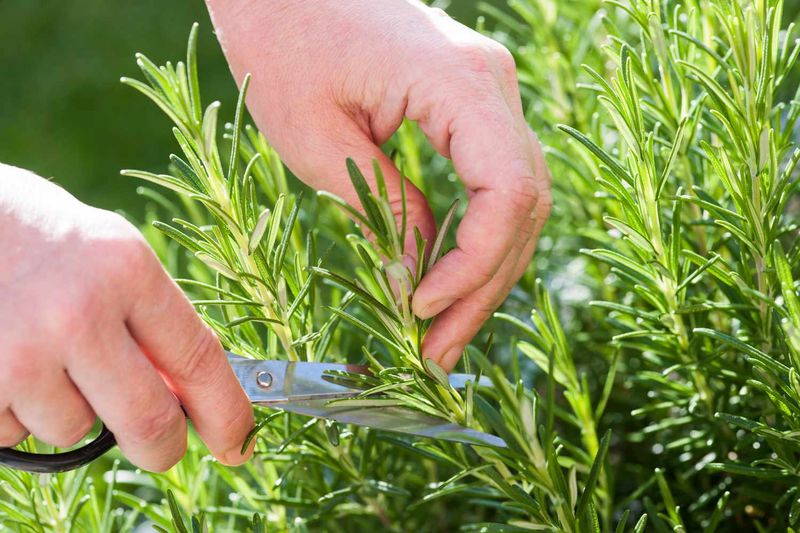
The best way to harvest rosemary is to cut young, green stem tips. Look for soft, flexible new growth at the ends of branches.
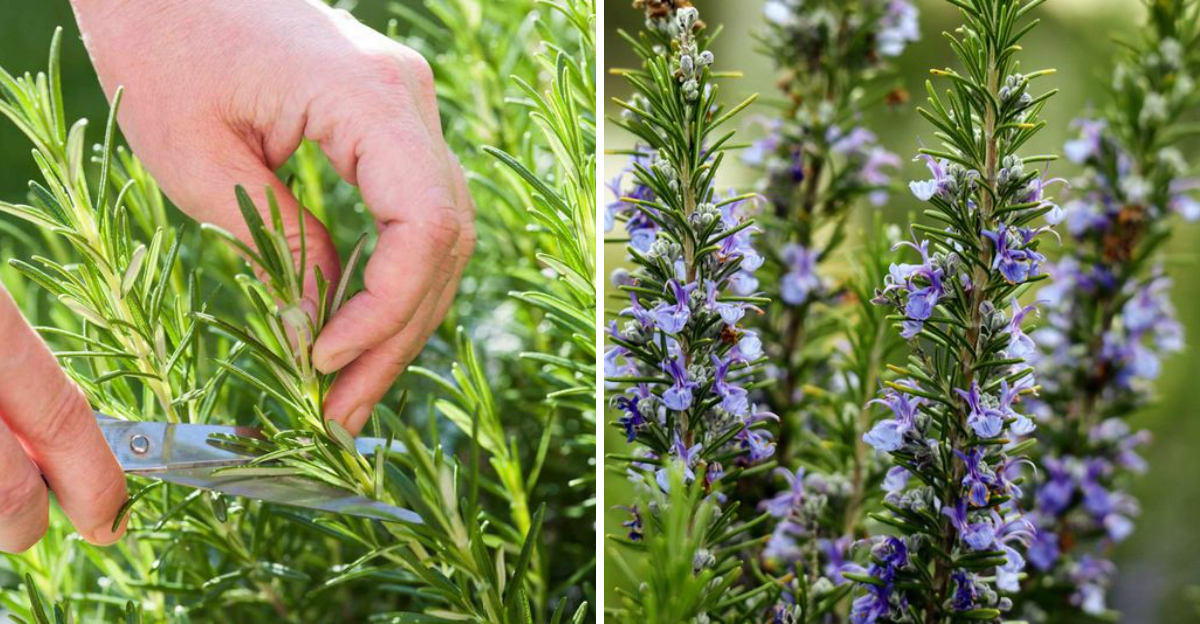
Use clean garden scissors or pruning shears and cut just above a leaf node, which is the spot where leaves branch off from the stem. That encourages the plant to send out two new shoots from that point, making it fuller over time.
You do not need to harvest huge amounts at once. A few sprigs here and there, taken regularly, keep the plant producing and give you a steady supply of fresh rosemary for the kitchen.
Fresh rosemary is wonderful with roasted vegetables, grilled meats, homemade bread, and even some cocktails and lemonades for summer entertaining.
One thing to keep in mind: avoid going too heavy on harvesting if the plant is newly planted or showing signs of stress. A stressed plant needs its leaves to keep photosynthesizing and recovering. Stick to light, gentle trims until the plant looks strong and well-established.
If you end up with more rosemary than you can use fresh, it dries beautifully. Bundle a few sprigs together and hang them upside down in a cool, dry spot. Within a week or two, you will have dried rosemary ready to use all fall and winter long.
Rosemary Can Keep Producing Beyond August
Here is something that makes rosemary stand out from most herbs you might grow in Texas: it does not have to be a one-season plant. In many parts of the state, rosemary grows as a true perennial, meaning it comes back year after year without needing to be replanted.
That is a huge advantage for anyone who wants a low-effort, high-reward herb garden.
In warmer areas of Texas, like the Hill Country, Central Texas, and South Texas, rosemary can grow into a large, woody shrub over several years. Some established plants reach three to four feet tall and just as wide, producing an almost endless supply of fresh sprigs.
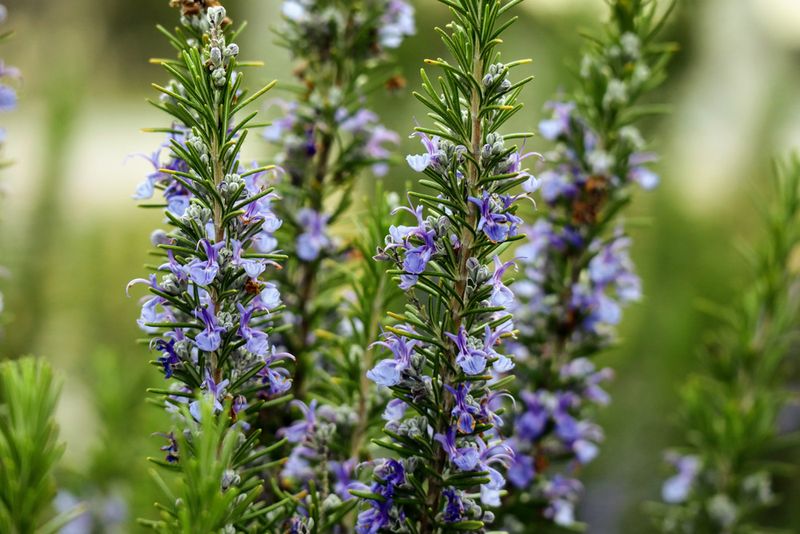
At that size, it doubles as an attractive landscape plant with small blue or purple flowers that pollinators love.
The evergreen nature of rosemary means it stays green and productive even outside of the traditional growing season. While other herbs go dormant or need replanting each spring, rosemary just keeps going.
That reliability makes it one of the most valuable plants a Texas gardener can have. Winter cold is the main factor to watch in areas with harsher winters. Rosemary can handle light freezes, but a prolonged hard freeze can damage or set back even established plants.
In North Texas and the Panhandle, it is smart to mulch around the base of the plant in winter or choose a sheltered planting spot near a south-facing wall that holds warmth.
Container-grown rosemary can be moved indoors or to a protected porch when a hard freeze is forecast, giving you extra flexibility. With just a little seasonal care, rosemary can be a permanent, productive part of your Texas garden for many years to come.