Rattlesnakes May Be Closer To Arizona Homes In Late August For This Reason
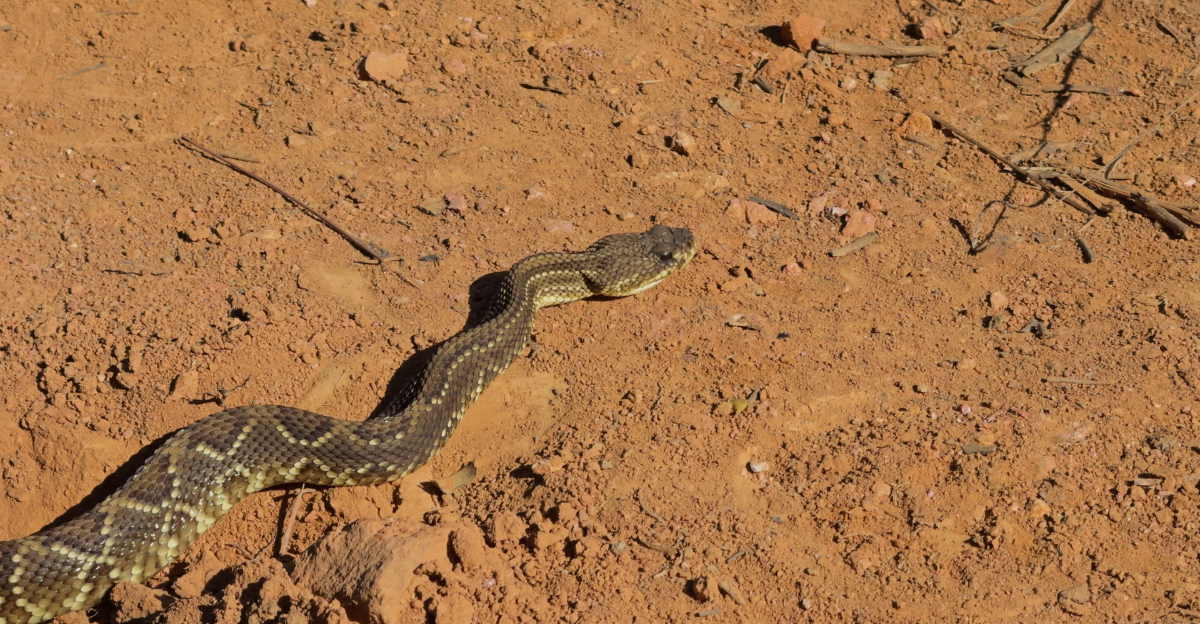
Late August can bring an unsettling surprise when you step outside and notice movement near the house. Rattlesnakes may turn up closer to familiar spaces during this stretch of summer.
Hot days still dominate, but seasonal conditions are beginning to shift in ways that affect snake activity. Pay attention around shaded areas, walls, patios, and other sheltered spots.
Around Arizona homes, monsoon moisture can also change where small animals gather and where snakes search for suitable cover.
That does not mean every yard suddenly becomes a rattlesnake magnet. Still, knowing what can draw them closer helps you stay more aware outside.
Small changes around your property may make certain areas especially appealing during this period.
Understanding what is happening in late August can help explain why a rattlesnake may suddenly appear much closer to your home.
1. Late Summer Activity Can Bring Rattlesnakes Closer To Homes
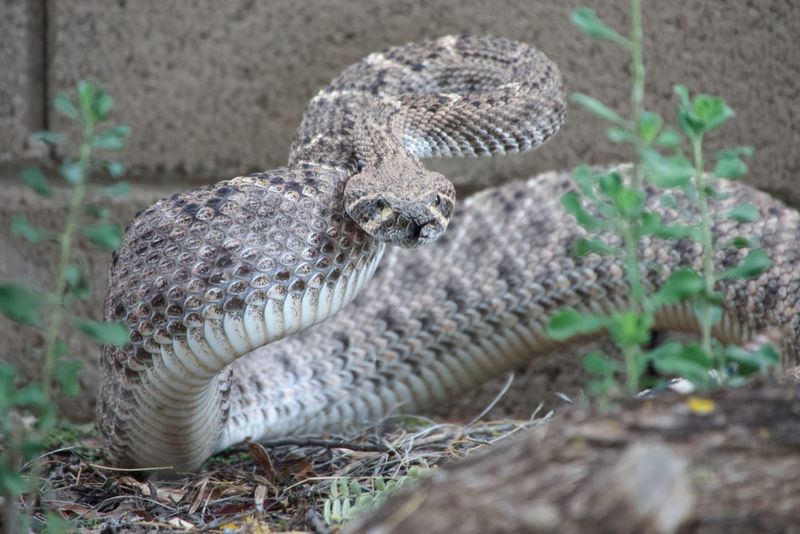
Rattlesnakes do not follow a random schedule. Late summer is when their activity peaks, and there are real reasons behind that pattern.
As August rolls in, temperatures stay high during the day but begin to cool slightly in the evenings. That shift in temperature is enough to trigger more movement in rattlesnakes that spent the hottest weeks of summer lying low.
Monsoon season also picks up moisture levels across the region. Wet ground brings out insects, which bring out rodents, which bring out snakes.
It is a chain reaction that plays out quietly in neighborhoods every year.
Rattlesnakes are cold-blooded, so outside temperatures control how active they feel. Warmer nights in late August give them more hours to move around comfortably.
Suburban areas often sit right at the edge of desert habitat. Snakes do not see a fence line as a border.
If food or shelter is on your side of the property, they may cross over without hesitation.
Late summer also lines up with juvenile rattlesnakes becoming more mobile. Young snakes born earlier in the season begin exploring, and they tend to wander more unpredictably than adults.
2. Monsoon Rains Can Change Where They Search For Food
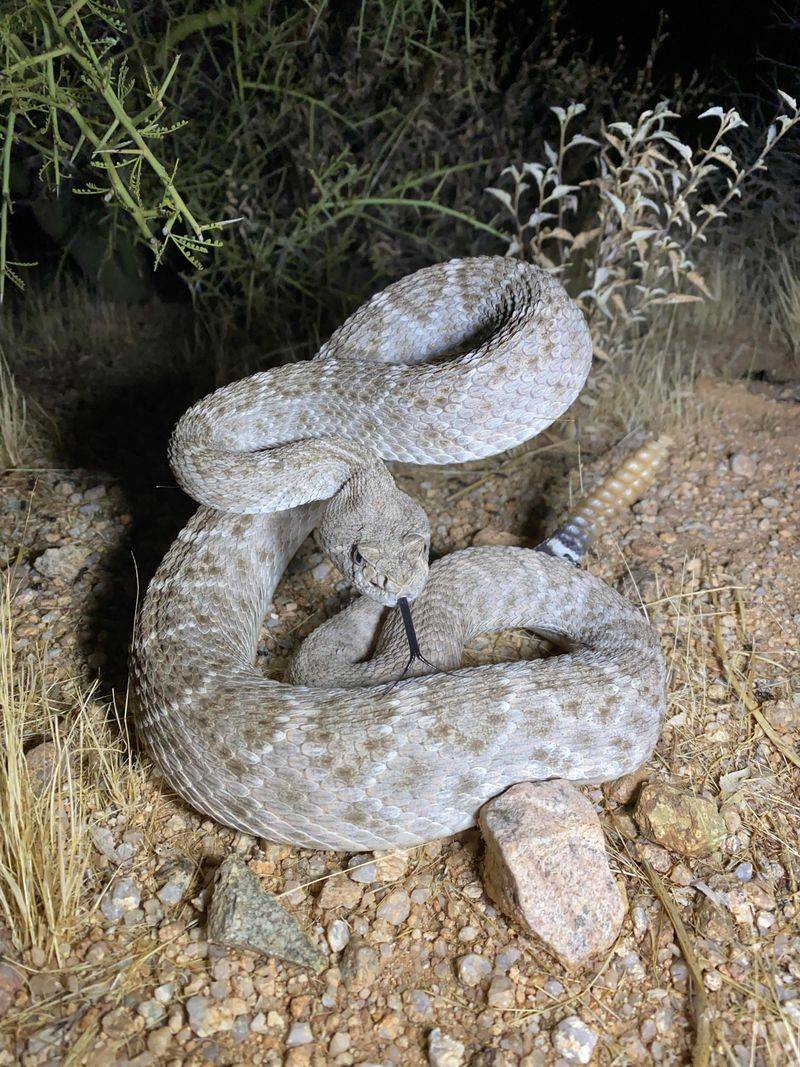
Rain changes everything in the desert. When monsoon storms roll through, the landscape shifts fast, and so does rattlesnake behavior.
Standing water and damp soil attract insects almost immediately after rain. Insects draw in small rodents and lizards.
Rattlesnakes track those prey animals, and that movement can lead them right into residential areas where food is easier to find.
Monsoon season in the Southwest typically runs from mid-June through September. Late August sits near the peak of that window, when storms are frequent and ground moisture is higher than at any other point in the year.
Flooded washes and saturated desert floor push animals out of their usual hiding spots. Rodents move to drier ground, which often means closer to homes, patios, and garages.
Rattlesnakes follow that movement naturally.
Prey animals are not hard to find near human structures. Bird feeders attract seed-eating rodents.
Compost piles draw insects and small mammals. Water features pull in everything from frogs to mice.
Your Arizona Garden Changes Every Week. Your Plan Should Too.
Gardening in Arizona changes quickly throughout the season. Every Friday you’ll receive a simple weekly plan showing exactly what to plant, prune, fertilize, harvest, and protect so you never miss the right timing.
Rattlesnakes are opportunistic hunters. If prey is concentrated near a back porch or garden wall, the snake has no reason to look elsewhere.
Monsoon rains essentially redirect the food supply, and the snakes adjust accordingly.
3. Rodents Around Yards Can Give Them A Reason To Stay
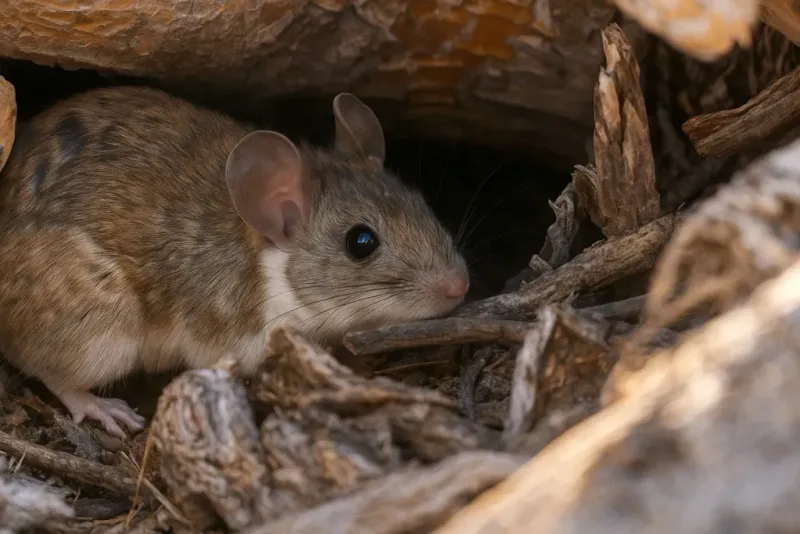
If rodents are living in or near your yard, a rattlesnake may not be far behind. Rodents are the primary food source for many rattlesnake species found across the region.
Pack rats are especially common in desert neighborhoods. They build large nests from sticks, cactus pads, and debris, often tucking them under sheds, against walls, or inside dense vegetation.
Those nests are a signal that food is available nearby.
Mice are another draw. They tend to move into garages, storage areas, and spaces under porches when outdoor conditions get rough.
A yard with a rodent problem is essentially advertising itself to every hungry snake in the area.
Bird feeders are a surprising contributor. Seeds fall to the ground and attract mice and rats, which then attract predators higher up the food chain.
Cleaning up spilled seed regularly can reduce that attraction.
Pet food left outside overnight is another common issue. Even a small bowl of kibble can pull in rodents after dark.
Rattlesnakes are most active at night, so the timing lines up poorly for anyone who forgets to bring the bowl in.
Addressing a rodent problem does not require harsh chemicals or complicated methods. Sealing entry points, removing food sources, and clearing brush piles can reduce rodent activity significantly over time.
4. Cool Shaded Spaces Offer Relief From Intense Daytime Heat
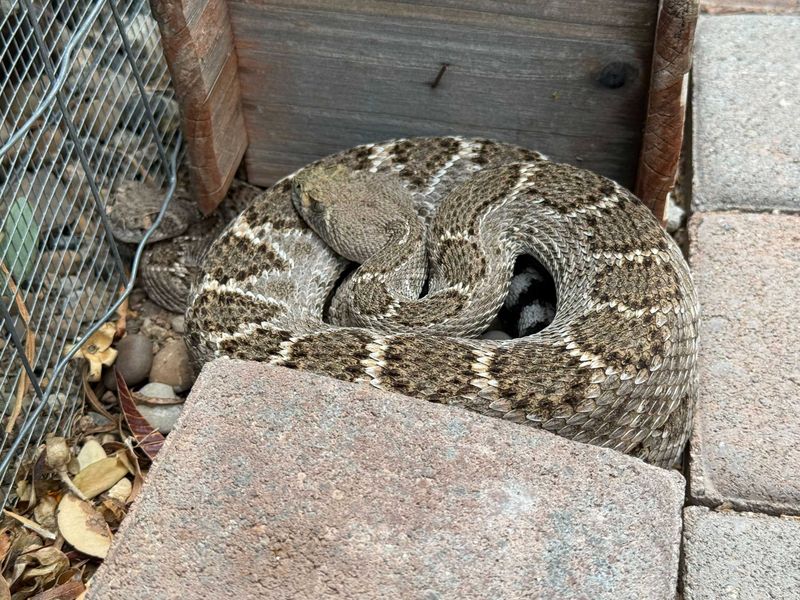
Arizona summer heat is brutal, and rattlesnakes feel it just as much as people do. Shade becomes a priority when ground temperatures push well past 100 degrees Fahrenheit.
Residential yards often have exactly what snakes need on a hot afternoon. Covered patios, deck overhangs, garden sheds, and dense shrubs all create pockets of cool, shaded ground.
A rattlesnake resting under your porch is not being aggressive. It is just trying to stay comfortable.
Rock walls and concrete block fences absorb heat during the day and hold warmth into the evening. Snakes sometimes press against these surfaces at night to regulate their body temperature.
During the day, the same walls cast shade that snakes may rest under.
Mulched garden beds stay cooler than bare soil. Thick ground cover, decorative rock piles, and stacked flagstone are all attractive resting spots for a snake seeking relief from the heat.
Pool equipment enclosures, outdoor storage boxes, and even rolled garden hoses can create small, sheltered gaps that a snake might slip into without much effort.
Checking shaded areas before reaching into them is a practical habit during late summer. Using a long tool to move items before picking them up by hand reduces risk in areas where visibility is limited.
5. Evening Hours Are When Encounters May Become More Likely
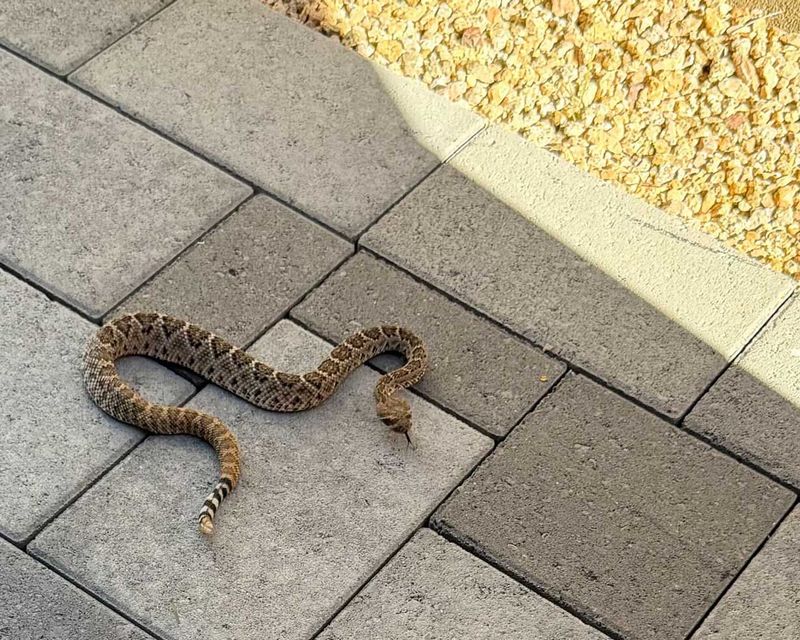
Sunset brings a shift in the desert. Temperatures drop, the ground cools, and rattlesnakes that stayed hidden during the heat of the day begin moving around in search of food.
Late August evenings can feel almost pleasant after scorching afternoons. People head outside to walk dogs, water gardens, or sit on the patio.
Unfortunately, that is the same window when rattlesnake activity tends to pick up.
Sidewalks and driveways hold warmth after the sun goes down. Rattlesnakes sometimes rest on these surfaces to absorb that stored heat.
A snake lying flat on a dark driveway can be very difficult to see in low light.
Walking barefoot outside after dark is a risky habit during this time of year. Sandals offer minimal protection, and a snake encountered on a warm evening may not give much warning before reacting defensively.
Using a flashlight when moving through the yard after dark is a straightforward precaution. Checking around patio furniture and near entryways before settling in for the evening takes only a moment.
Dogs are especially vulnerable during evening hours. They tend to investigate unfamiliar smells with their nose close to the ground, which puts them in a poor position if a rattlesnake is nearby.
Keeping dogs on a leash during evening walks in snake-prone neighborhoods is worth the extra caution.
6. Cluttered Areas Can Provide Convenient Places To Shelter
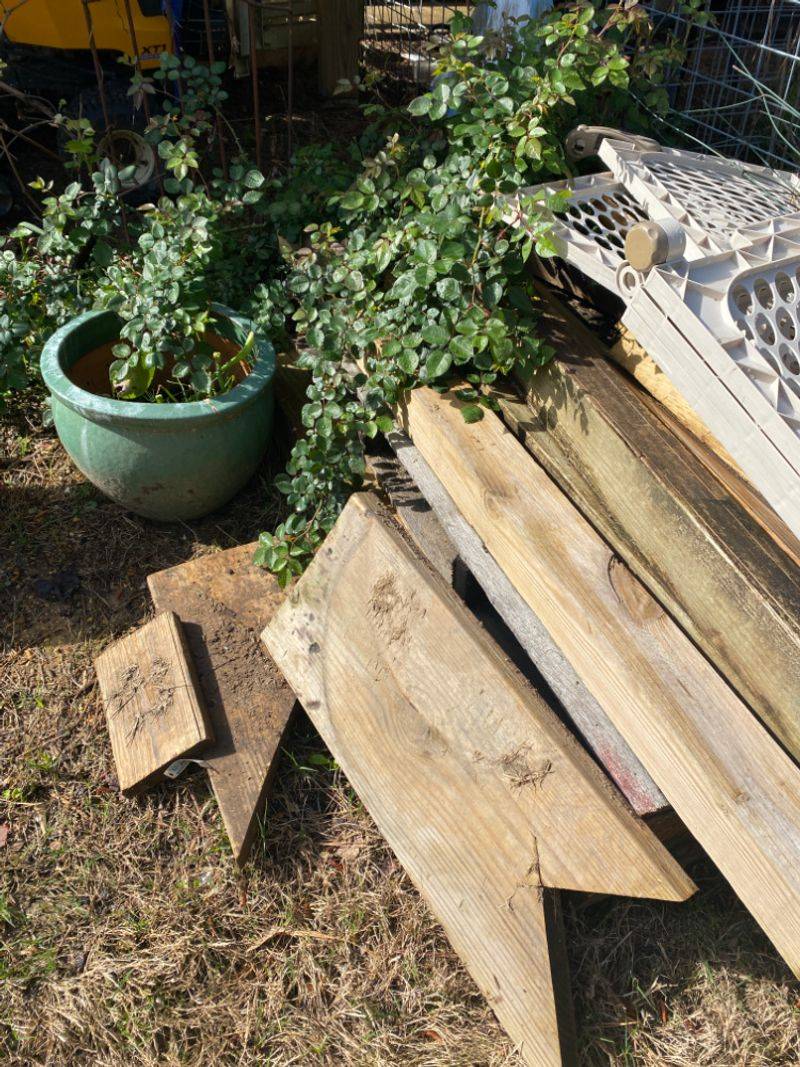
Clutter is one of the most overlooked factors when it comes to rattlesnakes near homes. A messy yard offers shelter, warmth, and concealment, which is a combination that appeals to a wide range of desert wildlife.
Woodpiles are a classic example. Stacked firewood sitting directly on the ground creates dozens of small gaps and tunnels.
Rodents nest inside, insects move through, and snakes follow. Elevating wood off the ground and storing it away from the house reduces that risk noticeably.
Old tires, broken pots, tarps, and piles of scrap material all create similar conditions. A snake does not need much space to tuck in.
Even a gap a few inches wide can serve as a hiding spot during the heat of the day or overnight.
Overgrown vegetation adds to the problem. Tall grass, thick ground cover, and untrimmed shrubs give snakes a place to move without being seen.
Keeping plants trimmed and grass cut short reduces the available cover significantly.
Stacked pavers, decorative rock arrangements, and border stones are also worth mentioning. They look harmless, but they create exactly the kind of layered, sheltered environment that both rodents and snakes tend to prefer.
Taking a walk around the yard with fresh eyes can reveal surprising amounts of potential snake habitat. Items that seem harmless on their own can combine to create a surprisingly inviting environment.
7. Simple Yard Changes Can Make The Property Less Inviting
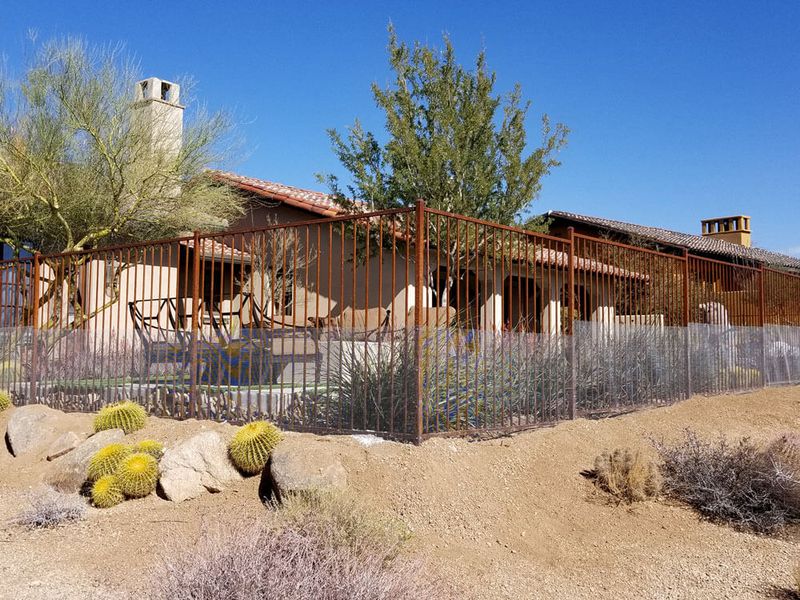
Making a yard less appealing to rattlesnakes does not require expensive renovations or professional services. A few focused changes can shift the environment enough to matter.
Sealing gaps along fences and foundation walls is a good starting point. Snakes can squeeze through surprisingly small openings.
Hardware cloth or solid fencing materials placed along the base of a fence line can slow or redirect movement from outside the property.
Switching to gravel or crushed rock as ground cover reduces the number of hiding spots available at ground level. Snakes prefer surfaces where they can conceal themselves.
Open gravel with no vegetation cover offers very little protection and tends to be less appealing.
Reducing outdoor lighting near the ground can also help. Insects are drawn to light, rodents follow insects, and snakes follow rodents.
Keeping bright lighting away from ground level may reduce that chain of attraction near entryways and patios.
Water sources matter too. Birdbaths, leaky hoses, and standing water from irrigation all pull in wildlife.
Fixing leaks and emptying containers that collect water removes one more reason for animals to gather near the home.
Trimming tree branches that hang low over the yard reduces shaded ground space that snakes might use during the day. Open, sunny yard areas are less comfortable for a snake trying to stay cool.
None of these steps require perfection.