8 Tips For Choosing The Right Spot To Plant Hydrangeas Around A Tennessee Home
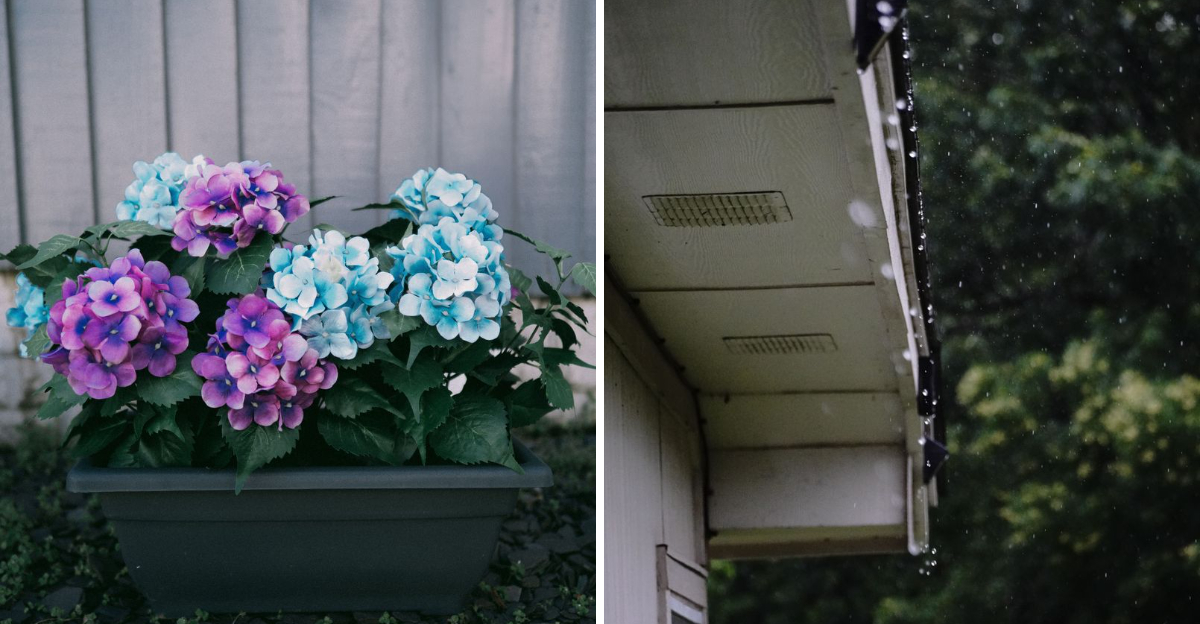
Hydrangeas either thrive or fail based on an early decision you make. Location determines everything before soil or water enters.
Tennessee summers challenge your plants that sit in the wrong exposure. Shade shifts throughout the day, tricking you into guessing wrong.
Clay soil compounds the problem, trapping roots in conditions they resist. Morning sun energizes your blooms while afternoon heat stresses them without warning.
Wind exposure matters, bending stems just as buds prepare to open. Drainage separates your thriving hydrangeas from ones that struggle quietly underground.
Gardeners in Tennessee often question variety choice when placement was the real issue. Roots need room, air needs to circulate, and light needs balance.
Structures nearby create microclimates that protect or weaken your tender growth. Every corner of your property tells a different story about survival.
Nothing about this decision changes once seasons shift. You cannot afford to guess when your hydrangeas deserve certainty.
1. East-Facing Sides Get Gentle Morning Sun
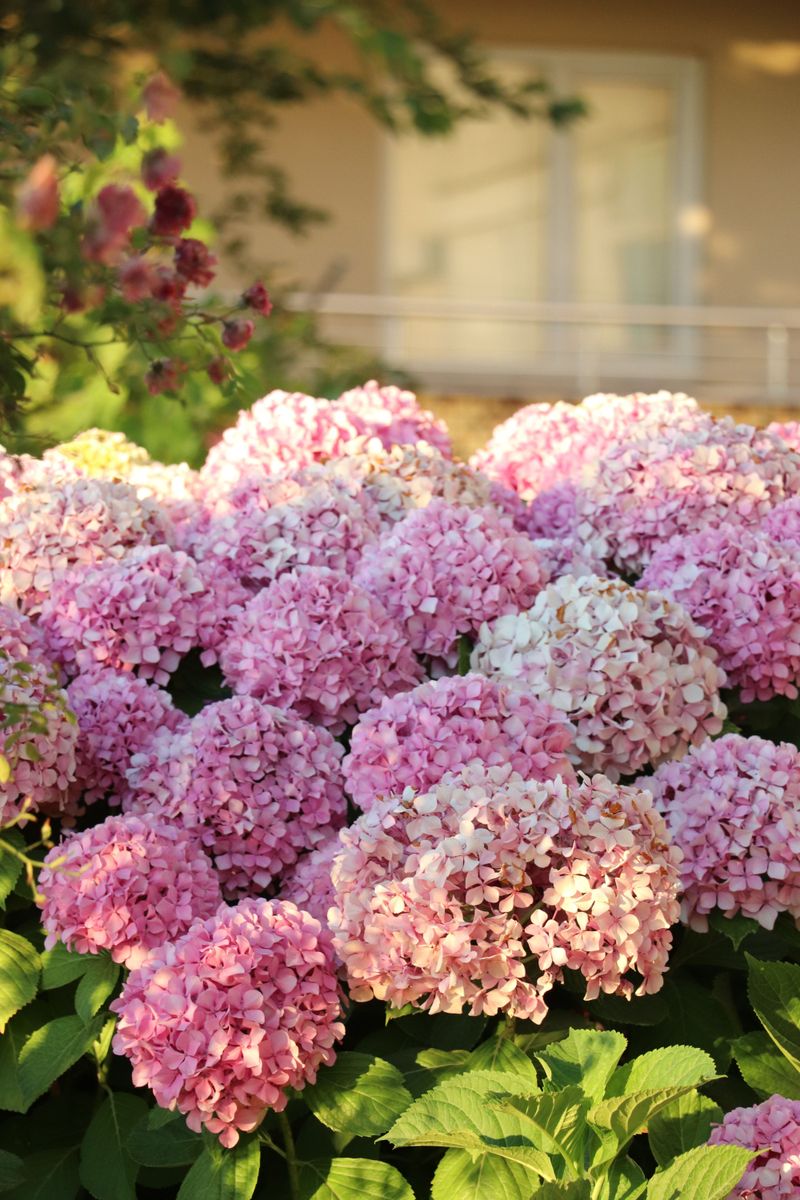
Morning light is a hydrangea’s best friend. The east side of your house catches that soft, golden glow right after sunrise, giving your plants exactly the energy they need without the more intense heat that comes later.
Hydrangeas planted on the east-facing side of a Tennessee home tend to bloom fuller and stay hydrated longer. That gentle morning sun warms the leaves slowly, which encourages strong flower production without stressing the plant.
Tennessee summers bring intense heat, and heat stress is a leading cause of poor hydrangea performance. Planting on the east side gives blooms a fighting chance before afternoon temperatures climb into the 90s.
The morning sun also helps dry overnight dew from the leaves. Wet foliage left sitting all day can lead to fungal problems, so that early drying window is a quiet but powerful benefit.
Many experienced gardeners in Middle Tennessee swear by east-facing beds as their go-to spots. The plants get enough light to thrive but are naturally shielded from the harshest part of the day.
If your home has a covered porch or a row of trees on the east side, check how much light actually reaches the ground. You want at least four hours of direct morning sun for most popular hydrangea varieties to perform their best.
Start by simply watching where the morning sun falls around your home. That one observation could be the single most important step you take toward growing show-stopping hydrangeas.
2. Afternoon Shade Helps Reduce Wilting In Summer Heat
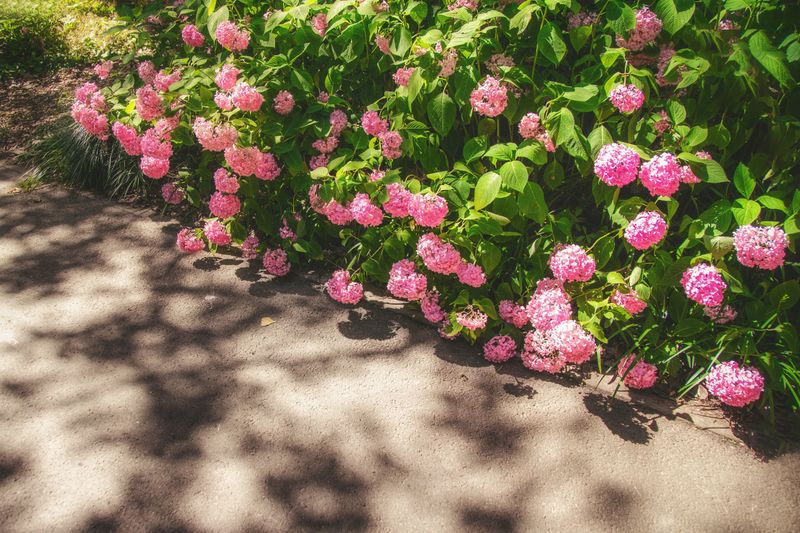
Wilting hydrangeas by two in the afternoon are a common and frustrating sight. That wilting is a sign of heat stress, and it happens fast when plants get no afternoon relief from the sun.
In Tennessee, summer afternoons regularly hit temperatures that would stress even tough garden plants. Hydrangeas are especially sensitive, and a few hours of shade between noon and four o’clock can completely change how well they perform all season.
Choosing the right spot to plant hydrangeas means thinking ahead about where shade falls during the hottest part of the day. Mature trees, fences, and even the shadow of your own roofline can create that protective buffer your plants need.
Your Tennessee Garden Changes Every Week. Your Plan Should Too.
Gardening in Tennessee changes quickly throughout the season. Every Friday you’ll receive a simple weekly plan showing exactly what to plant, prune, fertilize, harvest, and protect so you never miss the right timing.
Afternoon shade does not mean total darkness. Filtered light through tree canopies is ideal because it keeps the soil cooler and reduces moisture loss from the leaves during peak heat hours.
Gardeners in East Tennessee often use the natural shade from hillside trees to their advantage. Even a couple of hours of blocked afternoon sun can mean the difference between a thriving plant and a struggling one.
When scouting spots around your yard, visit those areas between noon and four o’clock on a sunny day. Watch where shadows fall and how long they last before choosing your final planting location.
Shade in the afternoon is not just comfort for your hydrangeas. It is protection that pays off with bigger blooms and a plant that actually looks forward to summer.
3. Avoid West-Facing Walls With Intense Afternoon Sun
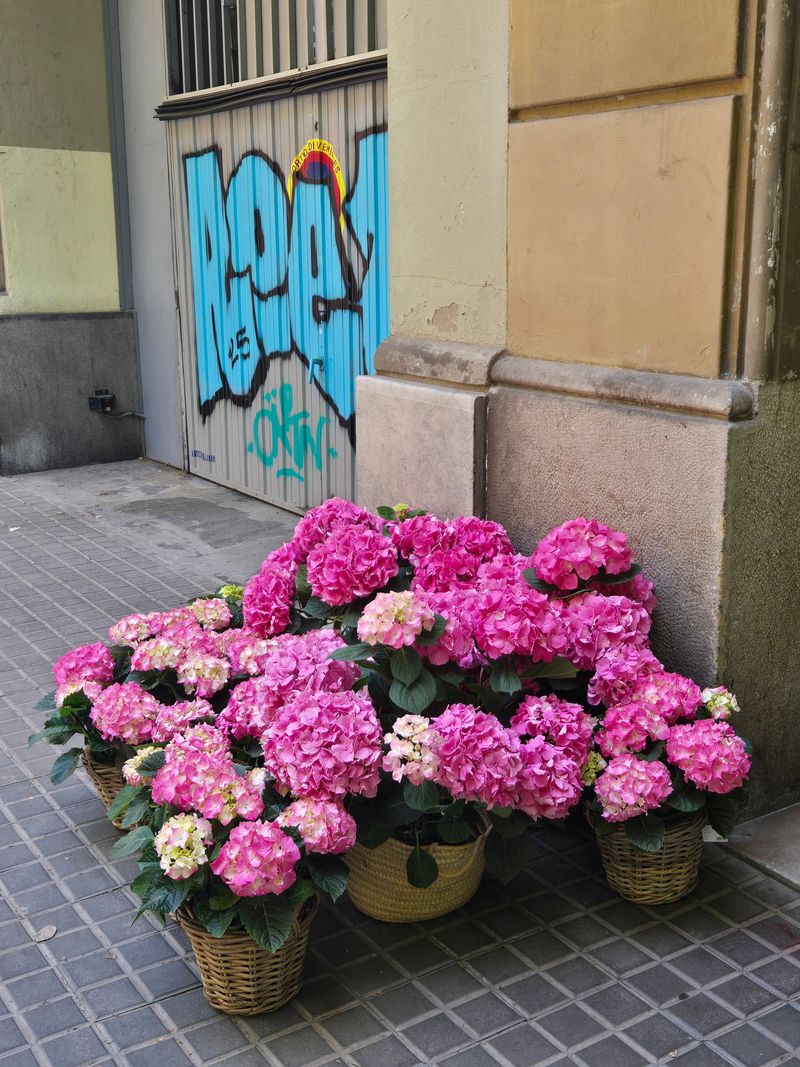
West-facing walls absorb and radiate significant heat in the summer. The afternoon sun hits them directly, the brick or siding absorbs that heat, and anything planted nearby faces heat stress from two directions at once.
Hydrangeas planted against a west-facing wall in Tennessee often look fine in spring but decline once July arrives. The combination of direct sun and radiated wall heat creates conditions that many hydrangea varieties struggle with.
Soil near west-facing walls also dries out faster than soil in other parts of the yard. Even if you water consistently, the ground can lose moisture so quickly that roots never stay hydrated long enough to support healthy blooms.
Some gardeners try to compensate with extra watering, but that often leads to other problems like root rot or mineral buildup in the soil. Prevention is always easier than correction when it comes to hydrangea placement.
If the west side of your home is the only available space, consider building a shade structure or planting a row of taller shrubs nearby first. Letting those grow for a season before adding hydrangeas can create a much more forgiving microclimate.
Choosing the right spot to plant hydrangeas means ruling out the wrong ones just as much as finding the right ones. The west wall is usually the first location to cross off your list during the planning stage.
Save that sunny west-facing spot for drought-tolerant plants that love the heat. Your hydrangeas will thank you for finding them a cooler, kinder home.
4. North Sides Suit Varieties Needing Less Light
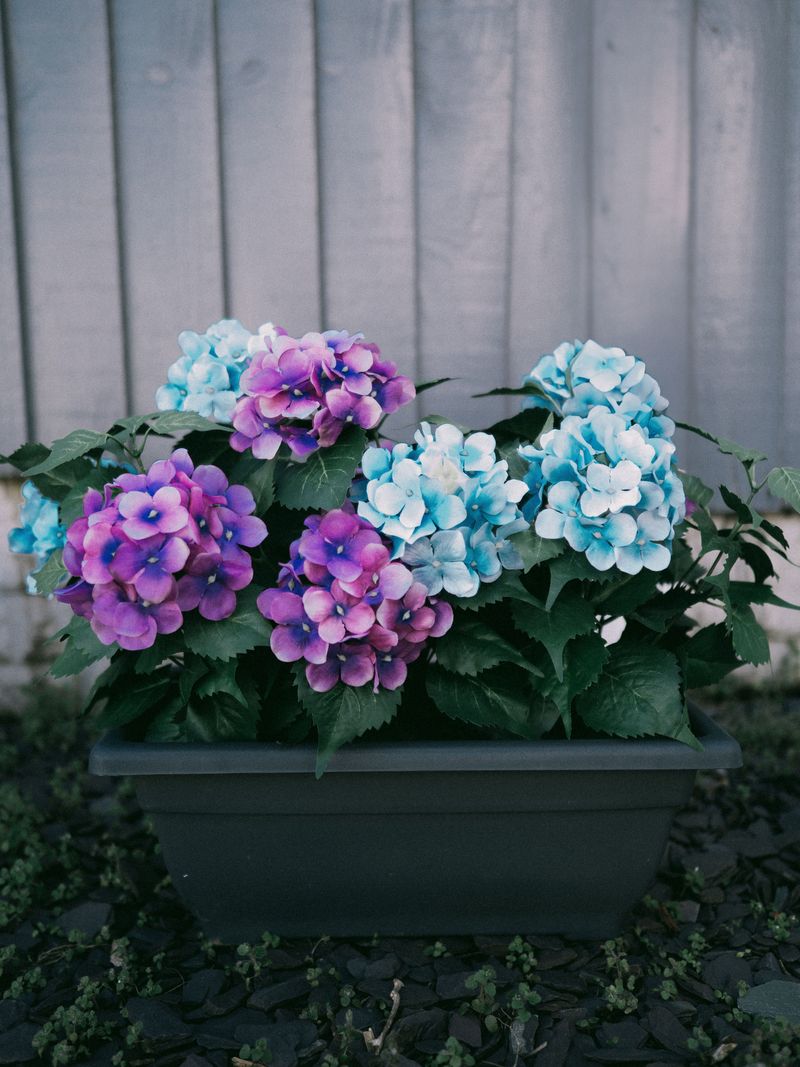
The north side of a house is often overlooked, but it holds real potential for the right hydrangea varieties. Spots that stay shaded most of the day are not useless, they are just waiting for the right plant.
Oakleaf hydrangeas are a classic example of a variety that genuinely thrives in lower light conditions. Native to the southeastern United States, they are built for the kind of dappled, indirect light that north-facing beds naturally provide.
Smooth hydrangeas, like the popular Annabelle variety, also adapt well to shadier spots. They may not bloom as heavily as they would with more light, but they still produce impressive flower heads without the stress of full sun exposure.
One thing to watch on the north side is moisture retention. Soil in shaded areas stays wet longer, which can be great during dry spells but risky if drainage is poor around your foundation.
Check the north side of your home after a heavy rain and see how long water sits on the soil surface. If puddles linger for more than a few hours, you may need to amend the soil or raise the bed before planting.
Choosing the right spot to plant hydrangeas on the north side requires matching variety to light level carefully. Do a little research on the specific cultivar you love before committing to a shady location.
The north side is not a consolation prize. For the right varieties, it can be the most reliable and rewarding spot on your entire property.
5. Consistent Moisture Is Just As Important As Sun Exposure
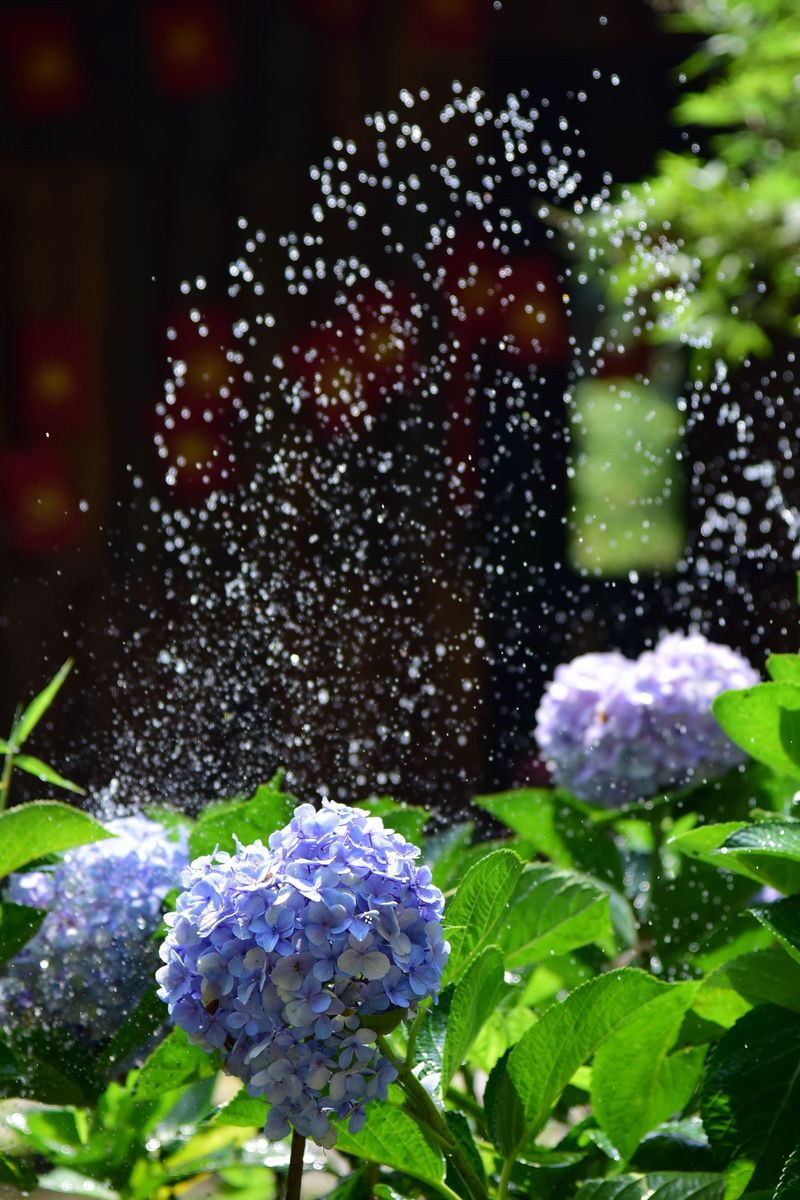
Ask any seasoned hydrangea grower what matters most, and moisture will come up before sunlight almost every time. These plants are thirsty by nature, and inconsistent watering is the fastest way to ruin an otherwise perfect planting spot.
Tennessee gets a decent amount of rainfall throughout the year, but summer dry spells can stretch for weeks. During those stretches, hydrangeas in poorly chosen spots with fast-draining soil can go from gorgeous to gasping in just a few days.
Choosing the right spot to plant hydrangeas means evaluating how well the soil in each location holds moisture. Clay-heavy soil, common in Middle Tennessee, holds water longer and can actually work in your favor when choosing a planting bed.
Mulching around the base of each plant is one of the easiest ways to lock in soil moisture between waterings. A two-to-three inch layer of wood chips or shredded bark can cut moisture loss significantly during hot stretches.
Drip irrigation or soaker hoses are worth considering if you plan to plant hydrangeas in an area that dries out quickly. Consistent deep watering at the root zone tends to work better than frequent shallow sprinkles from above.
Avoid planting near large tree roots that compete aggressively for water. Mature oaks and maples can pull moisture from the soil faster than you can replace it, leaving your hydrangeas perpetually thirsty.
Find a spot where moisture stays steady and your hydrangeas will reward you with full, healthy blooms.
6. Overhangs And Eaves Shield Blooms From Storms
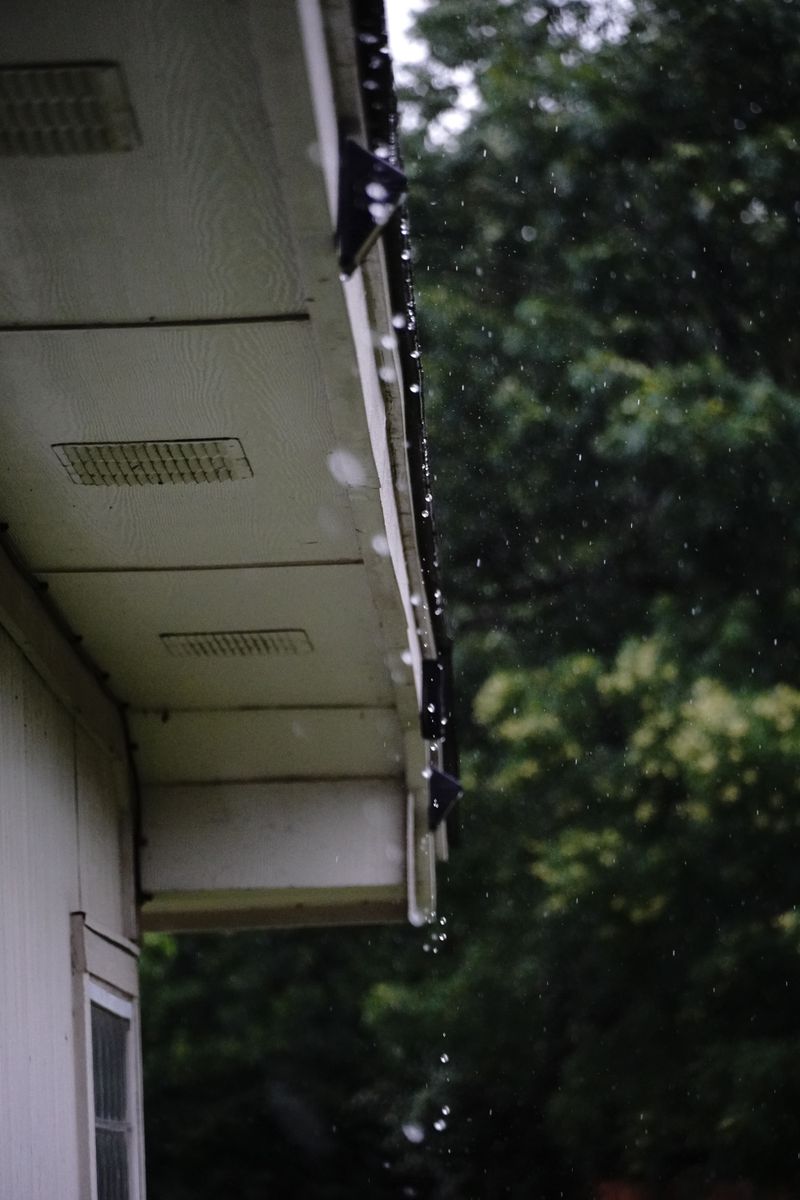
Spring storms in Tennessee can arrive fast and hit hard. Hail, heavy rain, and strong wind can damage hydrangea blooms quickly, undoing weeks of growth in a single storm.
Planting beneath a wide roof overhang or near the eaves of your home gives blooms a natural umbrella. That overhead protection deflects the worst of the rain and breaks the force of wind before it reaches your flowers.
This strategy works especially well for bigleaf hydrangeas, which produce large, heavy flower heads that are vulnerable to snapping under the weight of heavy rain. A bit of overhead cover can extend the life of each bloom by days or even weeks.
Overhangs also help regulate soil moisture in an interesting way. Because direct rainfall is reduced under eaves, you have more control over how much water your plants actually receive, which is helpful during wet Tennessee springs.
The trade-off is that you will need to water more consistently in those spots. Rain that would normally reach your garden beds gets redirected by the roofline, so keep a close eye on soil moisture levels under eaves during dry periods.
Check that the spot under your overhang still receives adequate morning light before committing to a planting location.
Shade from the roof combined with shade from a wall can sometimes leave plants with too little sun to bloom well. When the next big storm rolls through, you will notice the difference in blooms that stayed protected.
7. Good Air Circulation Reduces Fungal Disease Risk
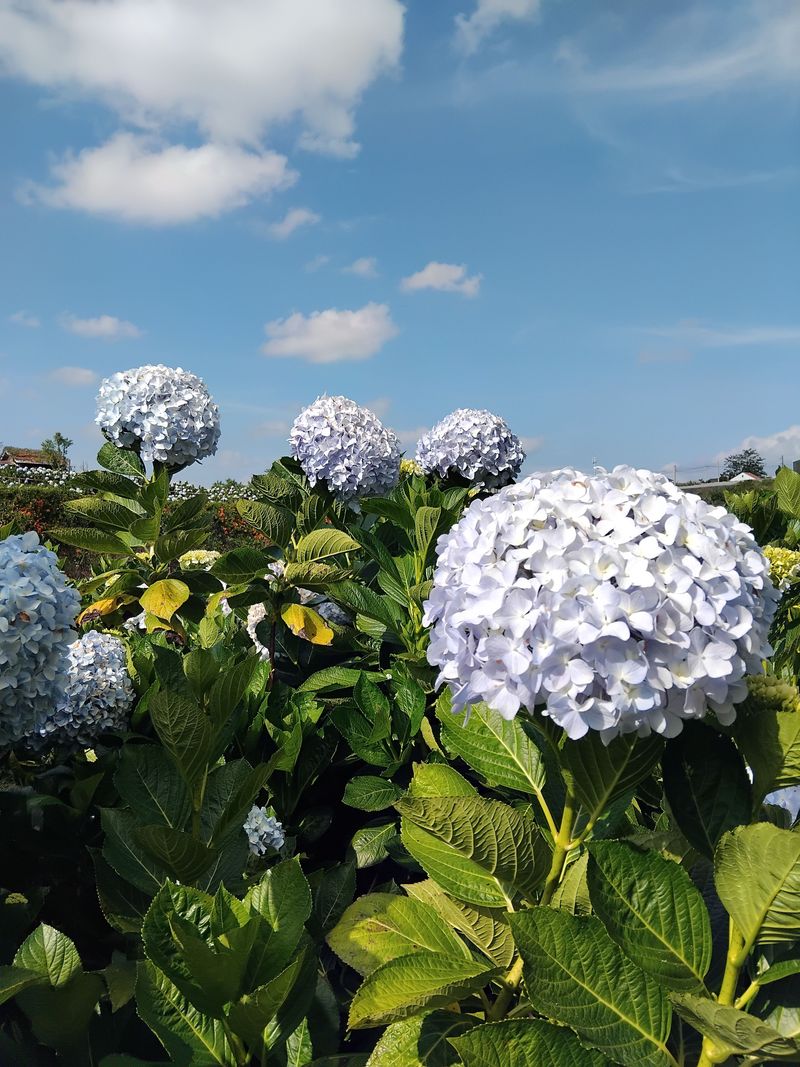
Crowded plants are more prone to disease. When hydrangeas are packed too tightly together or shoved against a wall with no breathing room, moisture lingers on leaves and stems long enough to invite fungal problems.
Powdery mildew and leaf spot are two of the most common fungal issues affecting hydrangeas in Tennessee. Both thrive in warm, humid, stagnant air conditions, which is exactly what you get when plants have no room to breathe.
Choosing the right spot to plant hydrangeas means thinking about spacing as much as sun and shade. Most standard hydrangea varieties need at least three to five feet of clearance on all sides to allow air to move freely through the foliage.
Avoid planting in corners where two walls meet, since those spots trap heat and humidity with almost no airflow. That kind of enclosed microclimate creates an environment that encourages fungal disease.
Open garden beds with good exposure to natural breezes are ideal for keeping foliage dry between rain events. Even a gentle, consistent airflow can dramatically reduce the amount of moisture that sits on leaf surfaces overnight.
Pruning also plays a role in maintaining circulation once plants are established. Removing older, crowded stems each season opens up the interior of the plant and allows air to reach areas that would otherwise stay damp and dark.
Healthy air circulation is one of those invisible factors that separates a thriving hydrangea bed from one that always seems to be fighting something.
8. Soil Drainage Near Foundations Affects Root Health
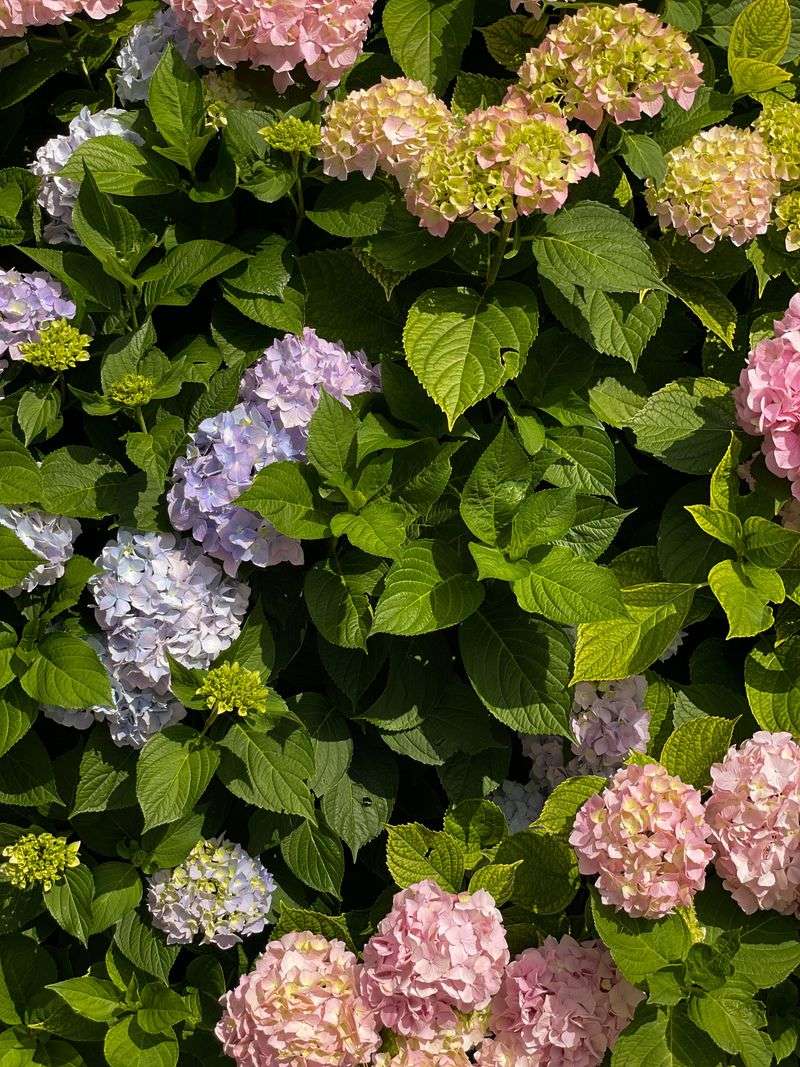
Soil near foundations often behaves differently than soil elsewhere in the yard. The soil immediately surrounding a home’s foundation often behaves very differently from the rest of the yard, and those differences can make or break your hydrangeas.
Builders frequently backfill foundation areas with compacted or clay-heavy soil that drains poorly. Water can pool against the foundation after rain events, and roots sitting in waterlogged soil for extended periods are at risk of rot within a season.
Choosing the right spot to plant hydrangeas near your home means testing that foundation soil before you dig a single hole. Push a screwdriver into the ground after rain and see how deep it goes easily. Resistance means compaction and poor drainage.
Amending foundation soil with compost, coarse sand, or aged bark can dramatically improve drainage and give roots a healthier environment to establish in.
Raised beds near foundations are another smart option that many Tennessee homeowners use successfully.
Keep in mind that some foundations also leach lime into nearby soil over time, which raises the pH level significantly.
Bigleaf hydrangeas prefer slightly acidic soil, so high pH near concrete or block foundations can limit nutrient uptake and affect bloom color in those varieties. Oakleaf, smooth, and panicle hydrangeas are not affected by pH in the same way.
Test your soil pH with an inexpensive kit from any garden center before planting. Adjusting pH with sulfur or acidic amendments is straightforward once you know what you are working with.
Healthy roots are the foundation of every stunning bloom, so take the time to get the soil right before anything else goes into the ground.