What It Means When Michigan Gardens Fill With Spiderwebs In Late Summer
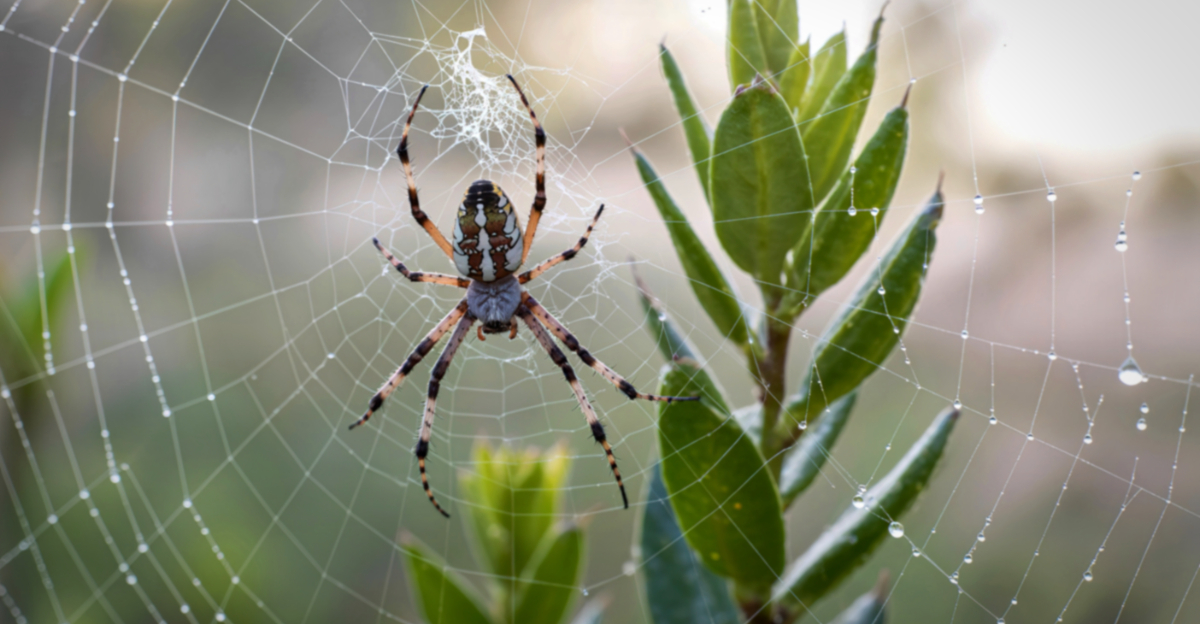
Michigan mornings in late August carry a strange kind of glitter. Threads catch the sunlight between tomato stakes, across porch railings, tangled through every shrub in sight.
Some years it’s a handful. Other years it feels like your entire yard got wrapped overnight, and nobody can quite explain why.
There’s a pattern hiding in those silver strands, one most gardeners walk right past without a second glance. It shows up at the exact same time every year, in the exact same places.
Spider silk this time of season isn’t random. Something specific triggers it, and once you spot the reason, you’ll notice it everywhere.
It Is A Sign Of A Healthy Garden Ecosystem
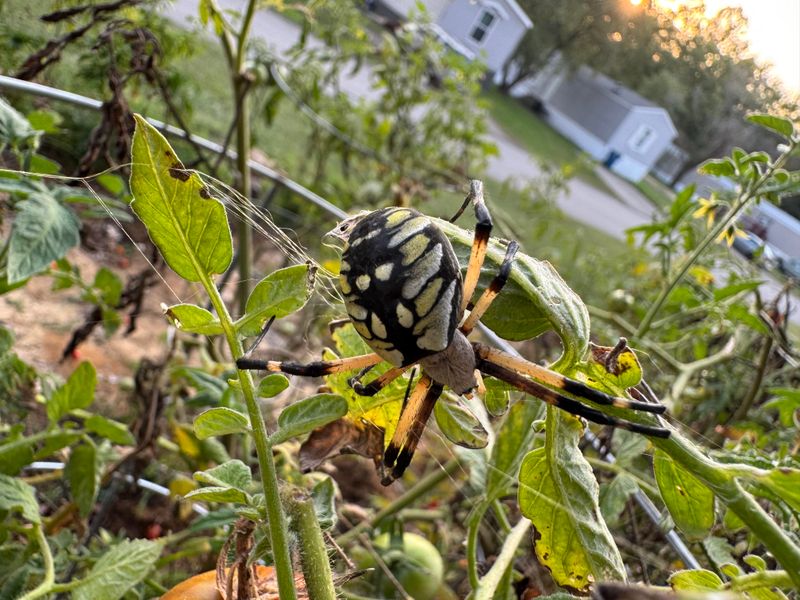
Morning dew makes it obvious. Overnight, a dozen webs appeared across your garden beds, and they are honestly beautiful.
Spiderwebs showing up in late summer are one of the clearest signals that your garden ecosystem is working. A healthy garden supports layers of life, from soil microbes up to birds, and spiders sit right in the middle of that chain.
When spiders move in, it means your yard has enough insects to feed them. That level of insect activity is common in gardens with healthy plants, good soil, and minimal chemical interference.
Gardeners who spray heavily for every bug often end up with fewer spiders too. Fewer spiders means more unchecked pest populations, which creates bigger problems down the road.
Think of spiders as a report card. Their presence tells you that your garden has reached a natural balance that took time and care to build.
Seeing webs in Michigan gardens filled with spiderwebs in late summer is not a warning sign. It is a green flag waving right there in your flower bed.
Biodiversity is the goal for any serious gardener. Spiders are one of the most reliable indicators that you have achieved it.
The more variety of life you see out there, the more resilient your garden becomes against disease, drought, and seasonal pest pressure. Your garden did not get overrun. Your garden grew up.
Spiders Are Finally Reaching Full Size
By late August, garden spiders have been growing since spring. Now they are finally big enough for you to actually notice them.
Most spider species in Michigan hatch in early spring and spend months feeding quietly in low vegetation. They stay small enough to be invisible for most of the growing season.
As summer peaks and insect populations explode, spiders have a buffet at their disposal. All that food means rapid growth, and by late August they reach their adult size.
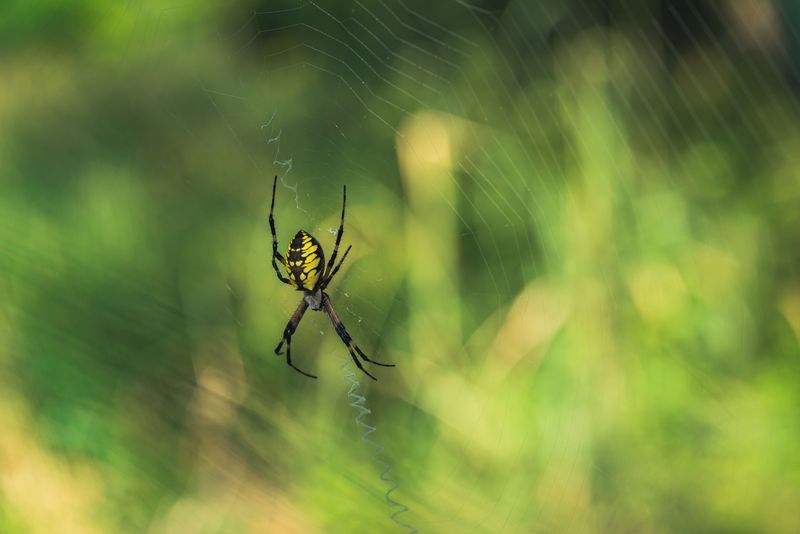
The yellow and black garden spider, known as Argiope aurantia, is probably the most dramatic example. Females can grow to nearly an inch long, and their webs can span two feet across.
Seeing a spider that large for the first time can be startling. But that size is a sign of a well-fed, healthy adult who has been working your garden all season long.
Your Michigan Garden Changes Every Week. Your Plan Should Too.
Gardening in Michigan changes quickly throughout the season. Every Friday you’ll receive a simple weekly plan showing exactly what to plant, prune, fertilize, harvest, and protect so you never miss the right timing.
Larger spiders also build larger, more structured webs. That is why the webs seem to appear suddenly, even though the spiders have been there for months.
Male spiders also begin seeking mates around this time, which pushes more of them out of hiding and into open spaces. Suddenly they are everywhere because they literally are.
Part of the reason your yard looks like this comes down to simple timing. These creatures have reached peak size, peak activity, and peak visibility all at once. The season brought them out.
Mating Season Sends Them Wandering Into View
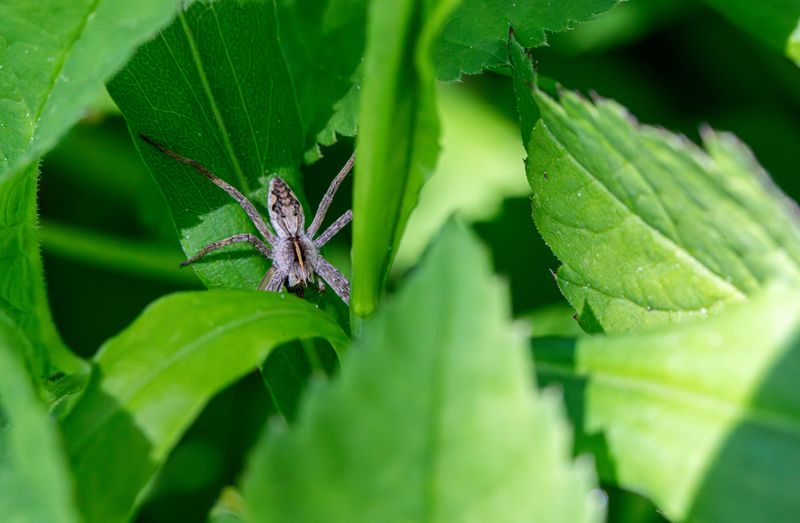
Love makes spiders bold. Late summer is when males leave their hiding spots and start crossing open ground to find a mate.
For most of the season, spiders stay tucked into foliage, fence lines, and soil edges. They are cautious, small, and easy to overlook. Mating season changes all of that behavior dramatically.
Male spiders begin roaming in late July and August, covering surprising distances for their size. They wander across sidewalks, patios, and garden paths in search of females.
This wandering behavior is why people suddenly feel like spiders are everywhere. They are not multiplying overnight. They are just moving around more than usual.
Female spiders, meanwhile, stay close to their webs and wait. A well-placed web in a sunny garden spot is prime real estate for attracting a mate and catching food at the same time.
After mating happens, females focus on producing egg sacs before the first frost arrives. Those sacs can hold hundreds of eggs, tucked safely into plant stems, bark, or leaf litter.
That means the spiders you see now are working on next year’s garden helpers. Letting them finish their cycle pays off when spring arrives and a new generation starts controlling pests from day one.
Watching this process unfold in your yard is genuinely fascinating. Mating season turns your garden into a live nature documentary, and you have a front-row seat every single morning.
These Webs Are Trapping Mosquitoes And Other Pests
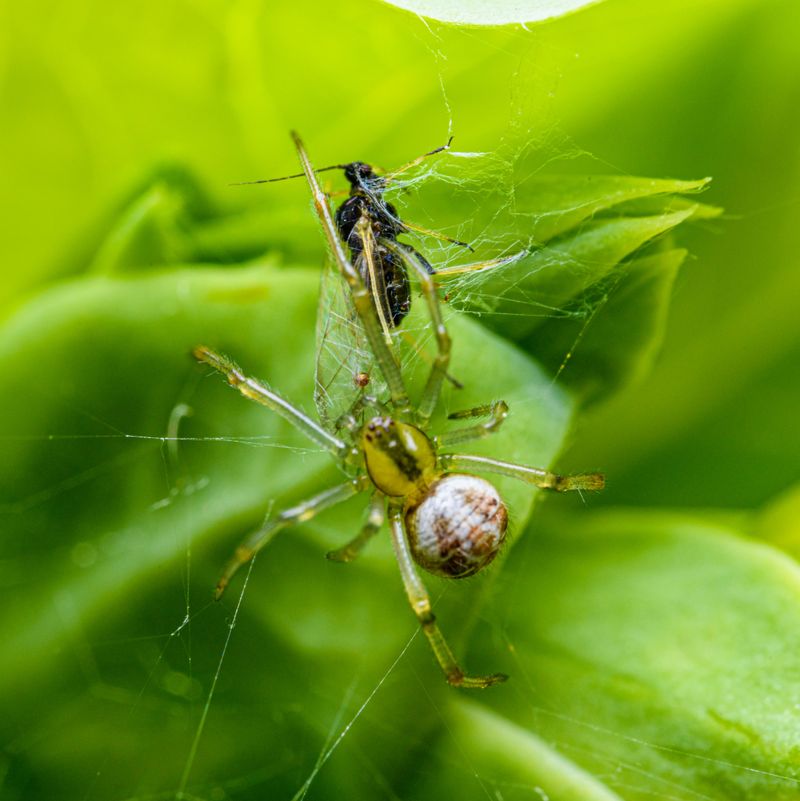
Your garden spider is pulling double duty. While it sits in that web, it is quietly catching the insects that would otherwise ruin your evening outside.
Mosquitoes, gnats, aphids, and small flies are all common prey for garden spiders. These are exactly the insects that damage plants and make outdoor time miserable for people.
A single orb-weaver spider can consume many insects a day, depending on its size and species. Over a full season, that adds up to thousands of captured pests that never got to bite you or chew your leaves.
This kind of pest control comes at no cost to you. No sprays, just a spider doing what it was built to do.
Chemical pesticides often wipe out beneficial insects alongside harmful ones. Spiders, by contrast, are selective hunters who target the fast-moving, abundant insects that cause the most trouble.
Japanese beetle larvae, whiteflies, and leafhoppers are also on the menu for ground-hunting spiders. Not every spider builds a web. Some stalk prey across soil and mulch, working the ground level while orb-weavers handle the airspace.
Together, these two hunting styles create overlapping layers of natural pest management. Your garden is covered from the soil up to the tops of your tallest plants.
Right now, every one of those webs is actively working overtime. Every strand is a trap set for the bugs that cost gardeners the most time and money each season.
Most Common Garden Spiders Pose No Real Threat
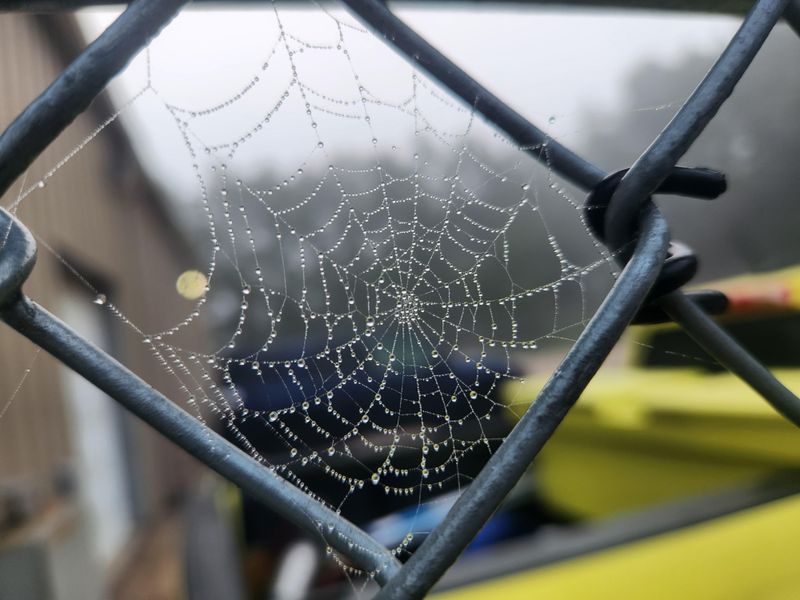
Here is the honest truth most people need to hear. The spiders living in your Michigan garden are not interested in you at all.
Garden spiders like orb-weavers, wolf spiders, and crab spiders are non-aggressive by nature. They reserve their energy for catching insects, not startling humans.
Orb-weavers, which build those classic round webs, will retreat when disturbed rather than stand their ground. They are quick to retreat at the first sign of movement nearby.
Wolf spiders look intimidating because of their size and speed. But they are ground hunters who scatter when approached, and bites from them are extremely rare and mild when they do occur.
Crab spiders hang out on flower petals and ambush pollinators. They are small, colorful, and largely uninterested in humans passing by.
Black widow spiders do exist in parts of the Midwest, but they strongly prefer dark, undisturbed spaces like woodpiles and shed corners. Your open garden bed is not their habitat.
Brown recluse spiders are not established in Michigan, and any sighting is typically a rare hitchhiker rather than a resident population. Knowing the difference between common garden species and the rare exceptions brings real peace of mind.
A quick photo and a search online can identify almost any spider in seconds. After you know what you are looking at, the fear usually fades fast and the appreciation starts to grow.
Simple Ways To Coexist With Them Through Fall
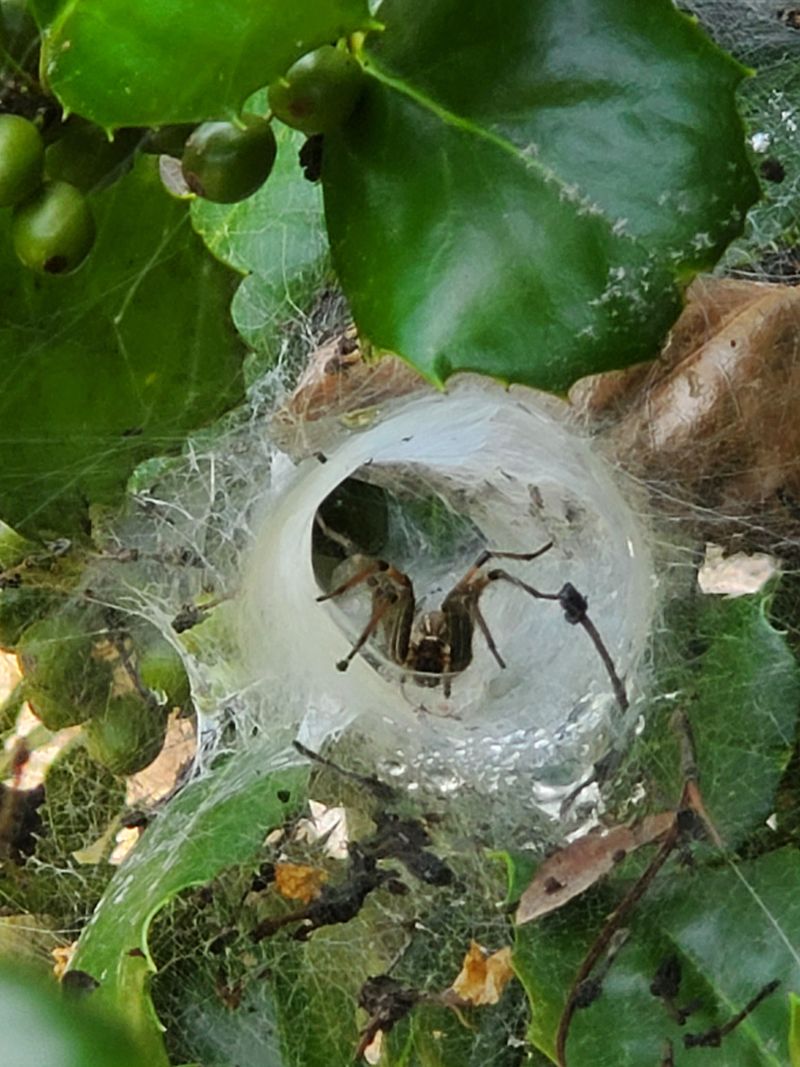
You do not need to move out of your own garden. A few small habits make sharing the space much more comfortable through the end of the season.
Start by leaving webs intact whenever possible. If a web is blocking a path you use daily, relocate it gently with a stick rather than destroying it entirely.
Wear gloves when working in dense plantings. This is good garden practice anyway, and it removes most of the anxiety around accidental contact with a web or its builder.
Add a walking stick to your garden routine in the morning. A light sweep ahead of you clears any webs stretched across pathways overnight without harming the spider, who will rebuild by evening.
Avoid leaving outdoor lights on all night near garden beds. Bright lights attract insects, which attract spiders, which leads to more webs in high-traffic areas close to your home.
Plant borders of lavender, mint, or citrus-scented herbs near doorways if you want spiders to stay in the garden rather than creeping toward your entry points. Natural scent barriers work surprisingly well.
Teach kids in the household to observe rather than swat. A spider in a web is a free science lesson, and children who learn to appreciate them early rarely grow into adults who fear them.
The best response to this seasonal takeover is curiosity, not concern.