What Heavy Pruning In August Actually Does To Your Michigan Shrubs
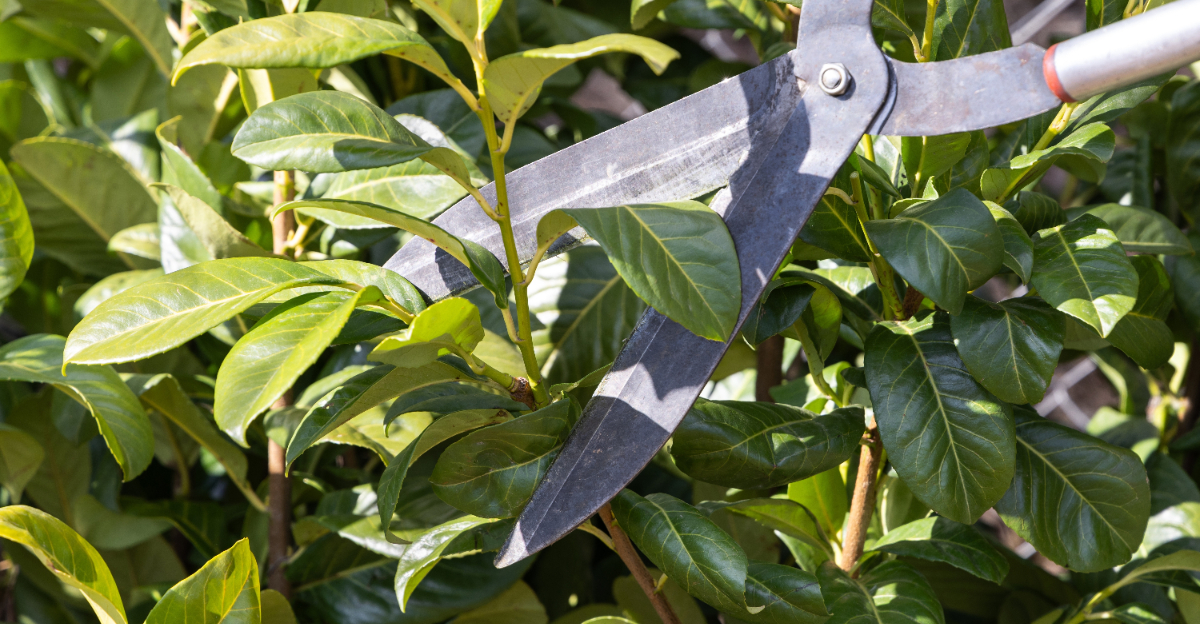
Heavy pruning in August often does more harm than good for most Michigan shrubs, especially those preparing for their natural seasonal slowdown.
Cutting back significant growth this late in summer can stimulate a flush of tender new growth that won’t have enough time to properly harden off before colder weather arrives.
This vulnerable new growth becomes especially susceptible to damage once temperatures drop suddenly in fall.
Shrubs that bloom on old wood, like many hydrangea varieties, also risk losing next year’s flower buds if pruned too aggressively during this window.
Light, targeted pruning to remove damaged or diseased branches remains appropriate, but major shaping should generally wait until late winter or early spring.
Watering shrubs well after any necessary August pruning helps reduce additional stress during recovery.
Understanding this timing helps Michigan gardeners avoid accidentally weakening shrubs right before winter arrives. Patience now often means healthier, more resilient shrubs when the growing season resumes.
1. Heavy August Pruning Removes Energy Producing Foliage
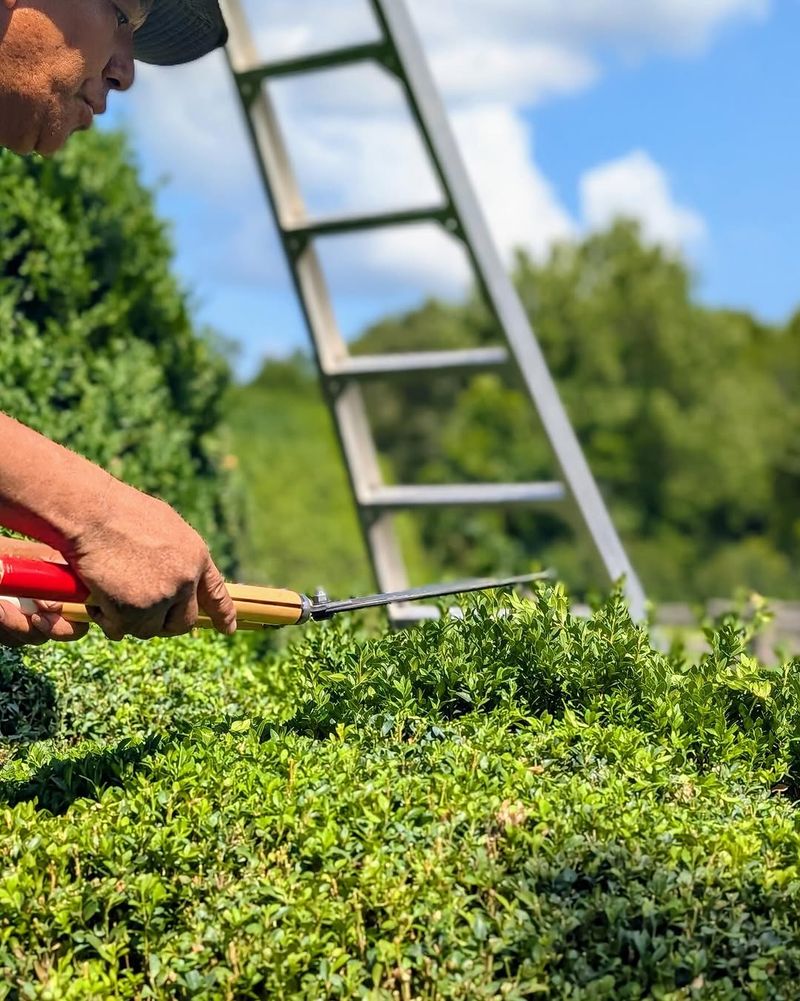
Every leaf on your shrub is basically a tiny solar panel. Those leaves capture sunlight and turn it into energy that feeds the roots, stems, and buds your plant needs to stay strong.
When you remove a large portion of that foliage in August, you are cutting off a significant source of the plant’s food supply right when it needs it most.
Michigan shrubs spend late summer quietly preparing for the cold months ahead. They are storing energy, slowing their growth, and getting ready to handle freezing temperatures.
Strip away too many leaves during this window, and the shrub has to work overtime just to compensate for what was removed. A healthy, well-established shrub can handle some pruning without major problems.
However, removing a substantial portion of its canopy during August creates unnecessary stress that would not exist if pruning happened at a better time of year. Even tough shrubs have their limits.
Michigan State University does not recommend routine late summer pruning for exactly this reason. The risk simply outweighs the reward when the goal is just cosmetic tidying.
Waiting a few months for the right pruning window costs nothing and protects everything your shrub worked hard to build during the growing season. Your patience will absolutely show up next spring.
2. It Can Trigger Tender Growth Before Michigan Winter
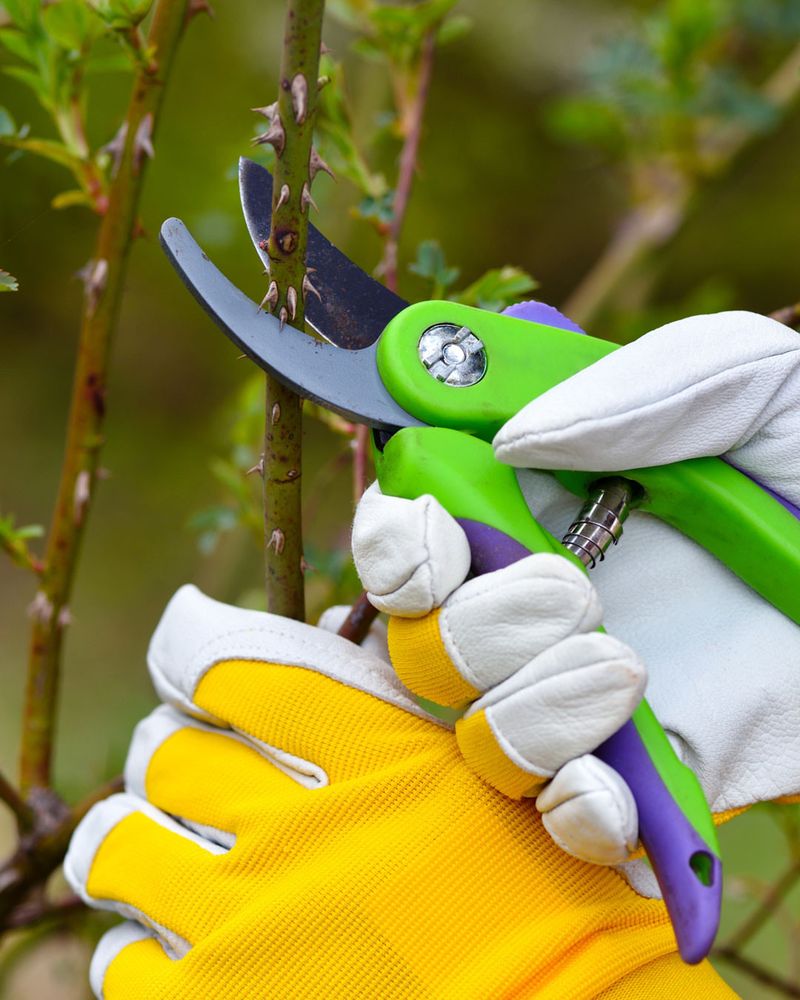
Here is something that surprises a lot of gardeners: cutting your shrub can actually wake it up. When you prune heavily in August, the plant often responds by pushing out fresh new shoots from the buds just below the cuts.
It sounds like a good thing at first glance, but the timing creates a real problem.
New growth that appears in August has very little time to toughen up before Michigan winter sets in. Soft, young shoots need weeks of hardening off to survive freezing temperatures.
Growth that sprouts in late summer rarely gets enough time to complete that process, which means it may experience serious winter injury when the cold arrives.
Think of it like sending a new seedling outside during the first frost. The plant simply is not ready for what is coming.
Your Michigan Garden Changes Every Week. Your Plan Should Too.
Gardening in Michigan changes quickly throughout the season. Every Friday you’ll receive a simple weekly plan showing exactly what to plant, prune, fertilize, harvest, and protect so you never miss the right timing.
Mature, hardened stems can handle Michigan winters without much trouble, but tender late-season growth is a different story entirely.
The smartest move is to postpone any major shaping or size reduction until the correct pruning season for your specific shrub. Most structural and renewal pruning is best done during late winter or early spring before new growth begins.
Waiting keeps your shrub from wasting energy on growth that the season cannot support, and it gives every new shoot the full growing season it needs to become truly established and resilient.
3. It Can Remove Next Spring’s Flower Buds
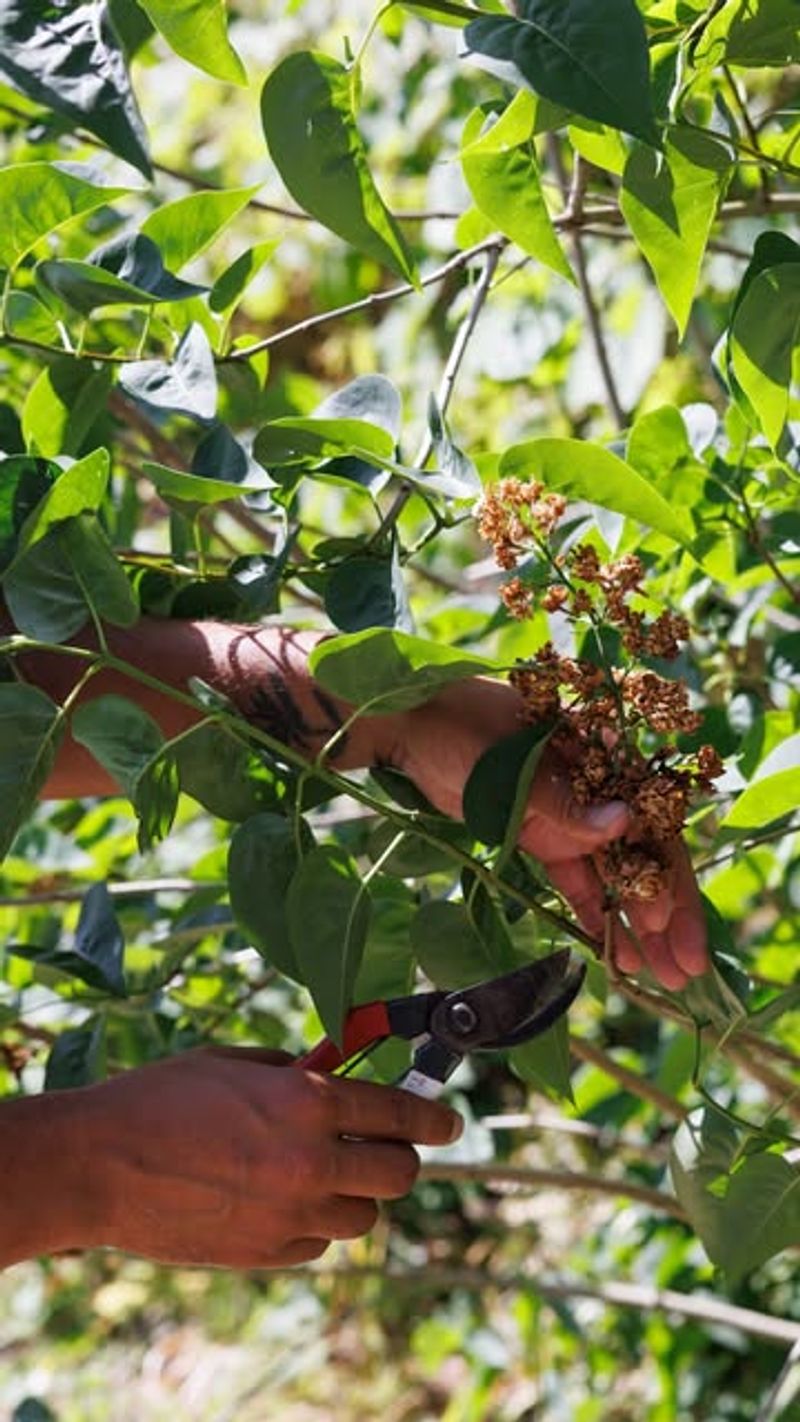
Picture this: you spend a summer afternoon cutting back your shrub, it looks neat and tidy, and then spring arrives with almost no flowers.
That disappointing result is one of the most common consequences of heavy August pruning, and it catches gardeners off guard every year.
Many spring-flowering Michigan shrubs develop their flower buds during the summer months, well before those flowers ever open. By the time August arrives, those buds are already sitting on the branches, quietly waiting for spring.
When you prune heavily, you physically remove those buds along with the branches they sit on.
No amount of watering, fertilizer, or care can replace flower buds that have already been cut away. The shrub may look perfectly healthy going into winter, and it may leaf out beautifully in spring, but the flowers simply will not be there.
That loss can take an entire growing season to recover from. Before you prune any flowering shrub, take a moment to find out whether it blooms on older stems or on growth produced during the current season.
That single piece of information changes everything about when and how you should prune it.
A quick search or a call to your local Michigan cooperative extension office can point you in the right direction and save next year’s flower show from disappearing before it ever begins.
4. Lilacs Forsythias Weigelas And Viburnums Respond Poorly
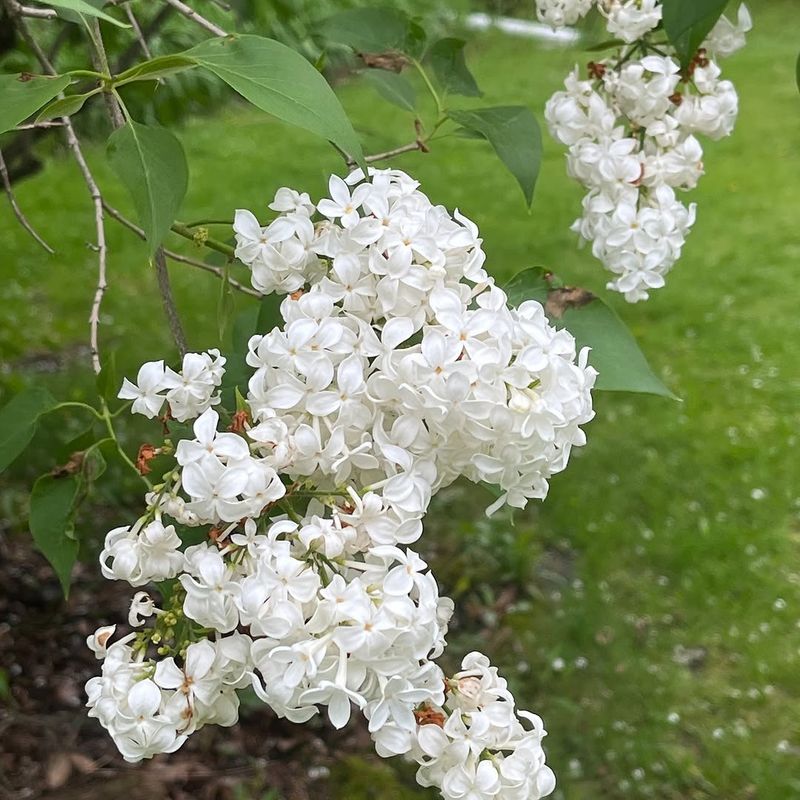
Some shrubs are especially unforgiving when pruned at the wrong time, and this group tops the list.
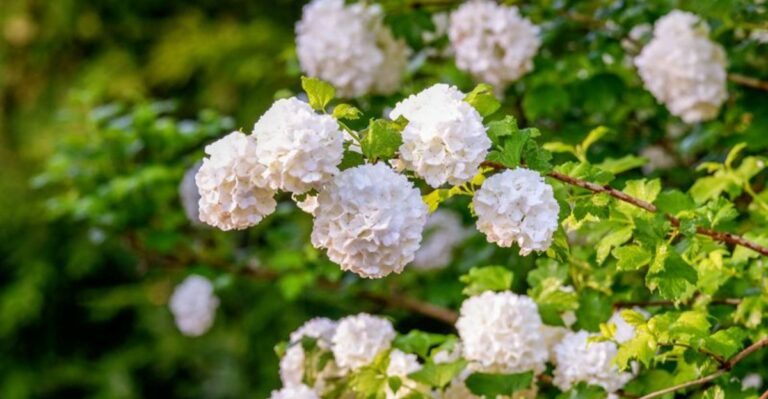
Lilacs, Forsythias, Weigelas, Viburnums, and spring-flowering Spireas all form their flowers on growth that was produced before the current blooming season.
Prune them hard in August, and you are essentially erasing next spring’s display with every cut.
Gardeners who love a yard full of purple lilac blooms or bright yellow forsythia branches in April know how much those flowers mean after a long Michigan winter. Losing that show because of late-summer pruning is entirely avoidable.
The fix is straightforward: wait until shortly after their spring flowers finish, then do your shaping and size reduction.
Pruning right after flowering gives the shrub the entire summer to produce replacement growth. That new growth then sets fresh flower buds before the season ends, so next spring’s display stays fully intact.
The window after bloom is genuinely the ideal time for these shrubs, and it makes a visible difference.
One important clarification worth keeping in mind: removing a single damaged or crossing branch during August is not the same as reducing the entire shrub.
Occasional selective removal for safety or plant health is reasonable at almost any time of year.
The real concern is heavy shaping, shearing, or size reduction during late summer, which is what consistently costs these popular Michigan shrubs their most beautiful seasonal moment.
5. Red Osier Dogwood And Ninebark Tolerate Renewal Pruning Better
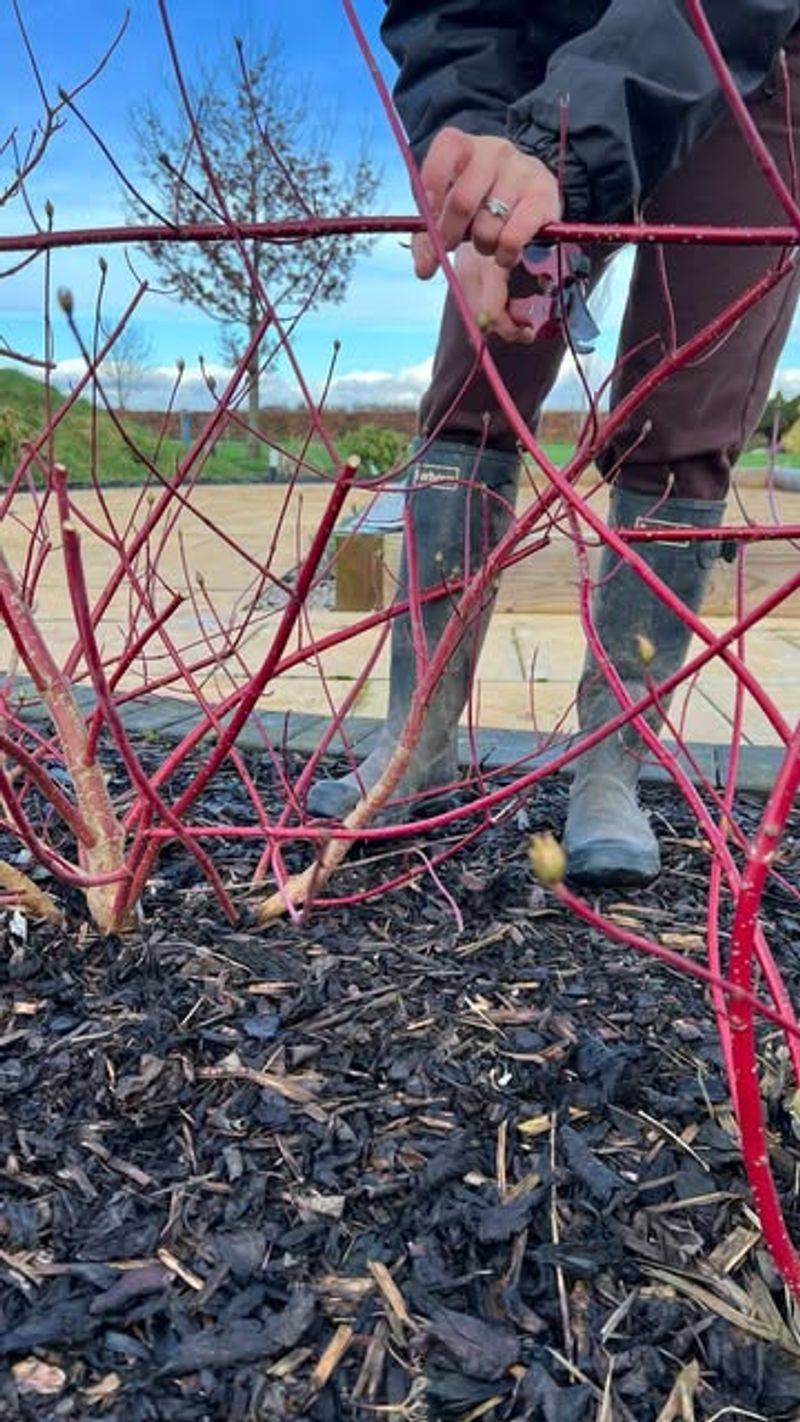
Not every shrub in your Michigan yard responds the same way to heavy pruning, and Red Osier Dogwood along with Common Ninebark are two that genuinely stand out from the crowd.
Both are multi-stemmed shrubs with a strong ability to produce fresh stems from near the base of the plant.
That quality makes them more forgiving candidates for renewal pruning than many of their neighbors.
Renewal pruning means removing selected older stems all the way down to soil level rather than shearing every branch to the same uniform height.
The goal is to encourage vigorous new growth from the base while keeping the plant’s overall structure open and healthy.
It is a targeted approach that works with the shrub’s natural growth habit instead of fighting against it.
Here is the part that matters most: the ability to regrow does not make August the right time for heavy pruning. Even these resilient shrubs benefit from proper timing.
New stems pushed out in late summer face the same hardening challenge as any other fresh growth heading into a Michigan winter.
For the best results with Red Osier Dogwood and Ninebark, schedule major renewal work during late winter or early spring while the plants are still dormant.
That timing allows the shrubs to channel all of their spring energy into producing strong, well-established new stems that have an entire growing season to mature. The result is fuller, healthier shrubs with far better odds of thriving long-term.
6. Smooth And Panicle Hydrangeas Handle Strong Pruning When Timed Correctly
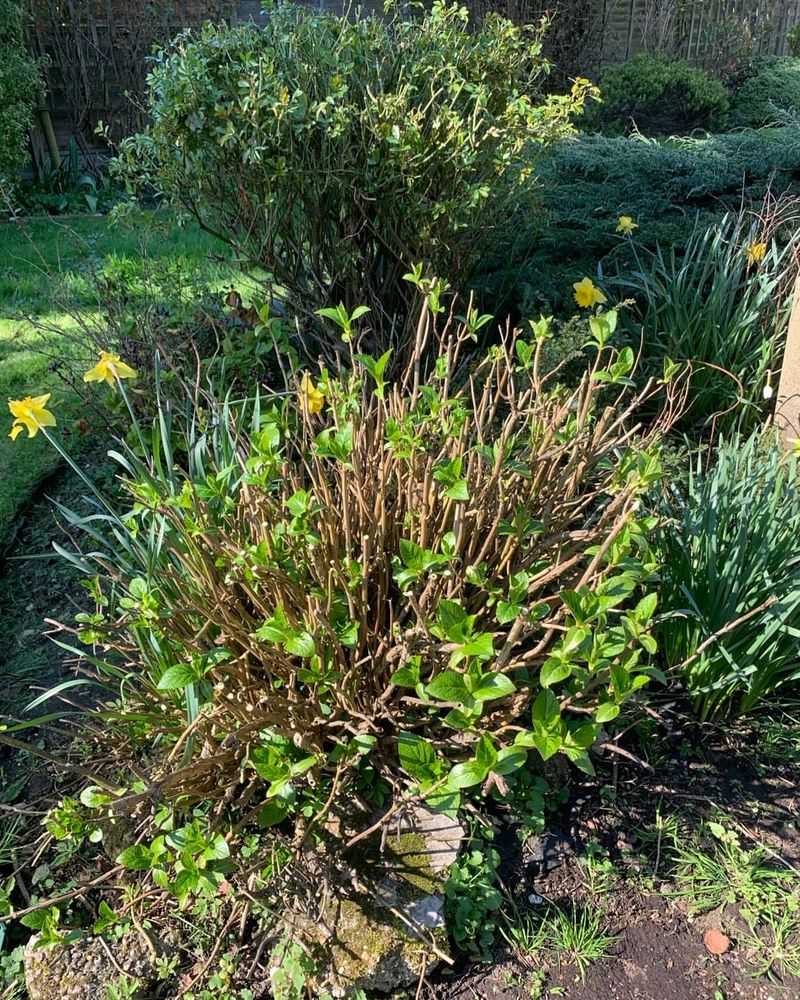
Hydrangeas have a reputation for being tricky to prune, and part of that reputation comes from the fact that different types follow completely different rules.
Smooth Hydrangeas and Panicle Hydrangeas are actually among the more flexible shrubs in a Michigan garden when it comes to pruning, because both bloom on growth produced during the current season.
Smooth Hydrangeas, like the popular Annabelle variety, respond well to strong pruning in early spring.
Panicle Hydrangeas, including Limelight and Quick Fire, can be shortened during late winter or early spring without affecting the current year’s flower display.
Both types push out new growth after pruning and still produce a full set of blooms by midsummer. August pruning is still not ideal even for these more tolerant types.
Cutting them back heavily in late summer removes the flowers that are currently on display and pushes the plant to produce new growth that will not have enough time to mature before cold weather arrives.
The timing just does not line up with what is good for the plant. Bigleaf Hydrangeas are a completely different situation and should not be grouped with these two.
They bloom on older stems, and heavy August pruning removes next year’s buds the same way it does for lilacs and viburnums.
Knowing which hydrangea you have growing in your yard is the first and most important step before any pruning decision gets made. A little research goes a long way.
7. Light Corrective Pruning Is Different From Heavy Pruning
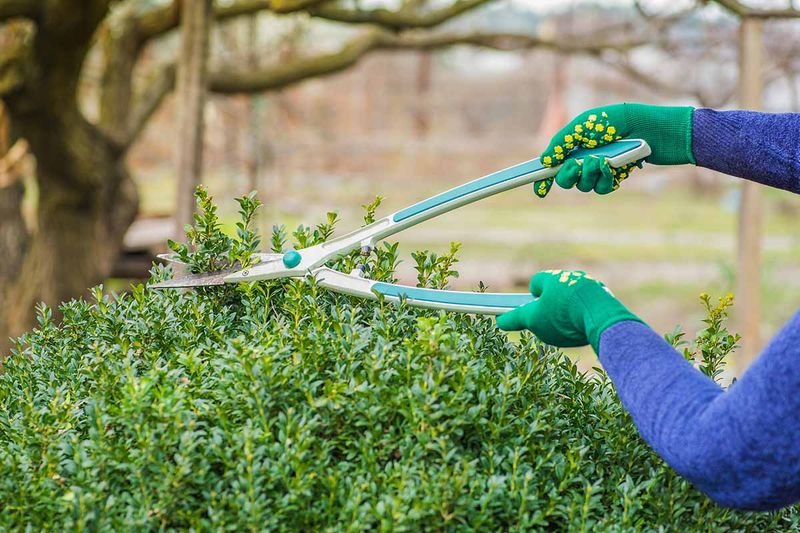
There is a real difference between removing one problem branch and cutting back a large portion of a shrub, and that distinction matters a lot during August.
Heavy pruning in late summer creates the stress, unwanted growth, and bud removal issues covered throughout this article.
But light, corrective pruning is a different situation altogether, and it is worth understanding where the line falls.
Removing a branch that is rubbing against another stem, blocking a pathway, showing signs of disease, or posing a safety concern is entirely reasonable at almost any time of year.
That kind of selective work preserves the overall health and structure of the shrub without removing enough foliage to cause significant stress. The key is keeping it minimal and purposeful.
Sharp tools make a meaningful difference during corrective pruning. Clean cuts with well-maintained bypass pruners or loppers heal faster than ragged cuts made with dull blades.
Whenever you do need to prune during August, aim to remove as little healthy foliage as possible while still addressing the actual problem.
For anything more involved, especially work near buildings, overhead utility lines, or large branches requiring a ladder, calling in a certified arborist or professional landscaper is always the safer choice.
Protecting yourself matters just as much as protecting your shrubs. Corrective pruning handled carefully and with the right tools keeps your landscape looking sharp without putting your plants through unnecessary strain during a sensitive time of year.
8. The Correct Pruning Window Depends On The Shrub
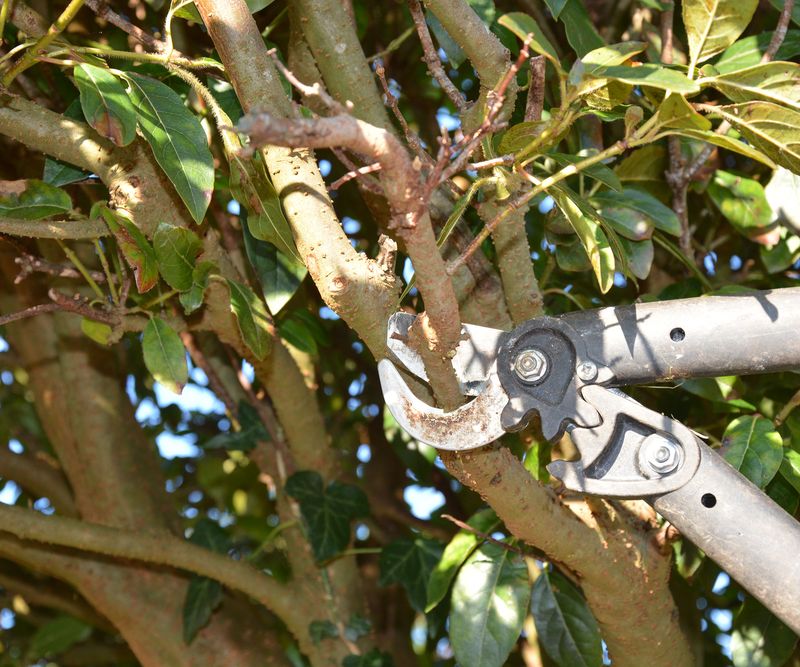
Every shrub in your Michigan yard has its own preferred pruning window, and working with that schedule instead of against it makes a noticeable difference in how your landscape looks and performs year after year.
The single most important step before picking up any pruning tool is identifying the shrub and figuring out when it forms its flowers.
Spring-flowering shrubs like Lilac, Forsythia, Weigela, spring-flowering Spirea, and Viburnum should be pruned shortly after their flowers finish in spring.
That window gives them the full summer to grow new stems and set fresh flower buds before the season ends.
Heavy pruning during August removes those buds and costs you next spring’s blooms entirely.
Shrubs like Red Osier Dogwood, Common Ninebark, Smooth Hydrangea, and Panicle Hydrangea are more tolerant of substantial pruning, but they still perform best when that work happens during late winter or early spring while they are dormant.
Pruning them at the right time means strong regrowth, full flowering, and healthier plants going into each new season.
Michigan gardeners who take time to learn their shrubs before pruning them avoid the most common and frustrating mistakes.
Your local cooperative extension office, a reputable plant guide, or even a conversation with a knowledgeable nursery professional can give you exactly the information you need.
A well-timed cut is always more effective than a well-intentioned one made at the wrong time of year. Smart pruning starts with knowing your plant.